

Free Lutsk Travel Guide & Mobile App
Plan your Lutsk trip with Evendo. Get free guides to top attractions, restaurants, hotels, and bars. Web access or download the mobile app.


Lutsk, Ukraine, reveals Lubart’s Castle, medieval streets, Volyn history, Ukrainian culture, museums and atmospheric local experiences and riverside walks.
A Medieval Core
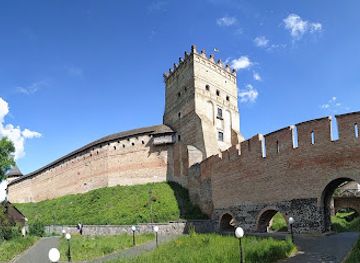
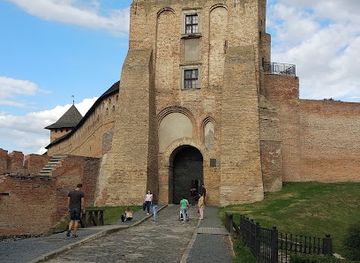
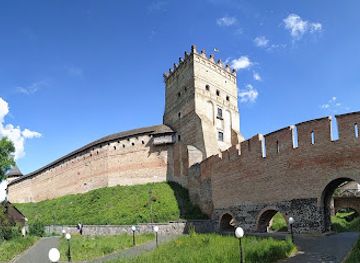
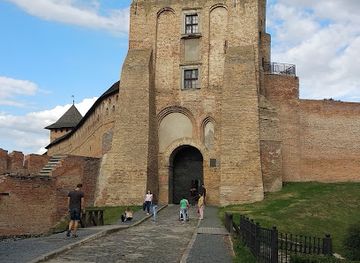
Lutsk stands in north-western Ukraine on the Styr River, the historic centre of Volyn and one of the country’s oldest urban settlements. Its identity is closely tied to Lubart’s Castle, whose red-brick towers and defensive walls rise above the old town. Inside the castle precinct, the Luteranska, or Lutheran, Tower and the Entry Tower frame a compact medieval landscape, while the castle museum places the city’s past in its regional context. Beneath the surrounding streets, restored cellars and underground passages reveal another layer of Lutsk’s history.Read more about Lutsk
Heritage and Everyday City Life
Volyn Culture
When is the best time to visit Lutsk?
Best: June–August · 23–24°C| Month | High (°C) | Rainfall (mm) |
|---|---|---|
| January | 0 | 27 |
| February | 1 | 25 |
| March | 5 | 30 |
| April | 14 | 38 |
| May | 20 | 57 |
| June (best) | 23 | 77 |
| July (best) | 24 | 69 |
| August (best) | 24 | 57 |
| September | 19 | 43 |
| October | 13 | 36 |
| November | 7 | 33 |
| December | 2 | 30 |
Getting to and around Lutsk
How to get there
Transportation
Best attractions in Lutsk
Lutsk’s principal attractions cluster around the old town, where Lubart’s Castle provides the city’s defining experience through its towers, walls and historical exhibitions. The castle precinct is also a starting point for exploring underground passages and cellars beneath the historic streets, which illuminate the city’s medieval and early modern layers. The Museum of Volyn Icon presents a notable collection of regional religious art, while the Volyn Regional Museum broadens the story with archaeology, local history and ethnography. Nearby churches and former monastic buildings give the centre a varied architectural character, and the narrow streets are rewarding to explore between formal visits. For a change of pace, Lesya Ukrainka Central Park offers open lawns, mature trees and Lutsk Zoo, making it a popular recreational area for local families. The city’s attractions are generally manageable in a concentrated walking itinerary, with museums and historic interiors providing depth beyond the familiar castle view.
-
Tourist attraction
Lubart's Castle
Explore Lubart's Castle, a historical landmark in Lutsk, Ukraine, showcasing stunning architecture and rich cultural heritage for an unforgettable experience.
18 min walk · 1.4 km from city centre
-
Tourist attraction
Lubart's Castle
Explore the grandeur of Lubart's Castle, a stunning medieval fortress in Lutsk, revealing the rich history of Ukraine through its majestic architecture.
18 min walk · 1.4 km from city centre
-
Tourist attraction
Central Park of Culture and Rest
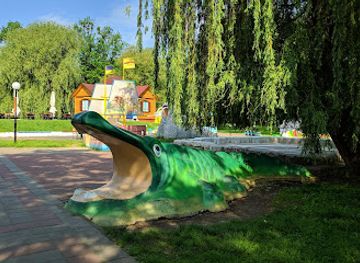
Experience the beauty of nature and culture at Central Park of Culture and Rest in Lutsk, a perfect retreat for relaxation and family fun.
10 min walk · 0.8 km from city centre
-
Tourist attraction
Lutsk Zoo
Discover the enchanting wildlife at Lutsk Zoo, a top tourist attraction in Ukraine showcasing diverse species and interactive exhibits.
14 min walk · 1.1 km from city centre

Best landmarks in Lutsk
Lubart’s Castle is Lutsk’s foremost landmark, a fourteenth-century fortress whose Entry Tower, Lord’s Tower and red-brick walls preserve the city’s medieval political importance. The former Jesuit College and the Roman Catholic Cathedral of Saints Peter and Paul form one of the old town’s most significant architectural groups, combining religious, educational and civic history in a compact setting. The Holy Trinity Orthodox Cathedral adds a different expression of the city’s confessional heritage, while the Lutheran Church, built in the early twentieth century, recalls Lutsk’s German Protestant community. Other notable structures include the remains of the historic Jewish quarter and the old synagogue area, reminders of a community that was central to the city before the Second World War. Together these landmarks show how Lithuanian, Polish, Jewish, Ukrainian and modern European influences have shaped Lutsk’s urban identity.
-
Castle
Lubart's Castle
Experience the grandeur of Lubart's Castle, a medieval fortress in Lutsk, Ukraine, and delve into its rich history and stunning architecture.
18 min walk · 1.4 km from city centre
-
Park
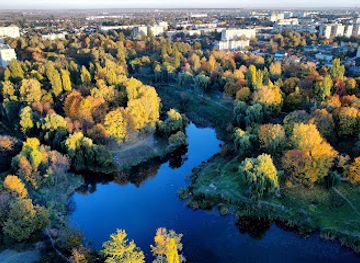
Central Park of Culture and Rest
Discover serenity and culture at Central Park of Culture and Rest in Lutsk, a perfect destination for relaxation and exploration.
10 min walk · 0.8 km from city centre
-
Zoo
Lutsk Zoo
Explore Lutsk Zoo, a captivating wildlife sanctuary in Lutsk, Ukraine, featuring diverse species and educational experiences for all ages.
14 min walk · 1.1 km from city centre
-
Park
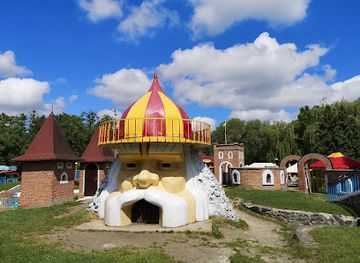
Park 900th Anniversary of Lutsk
Explore the lush greenery and vibrant atmosphere of Park 900th Anniversary of Lutsk, a perfect retreat for nature lovers and culture enthusiasts.
9 min drive · 2.9 km from city centre
Explore Lutsk on the map
Plan your Lutsk trip on one map. See where the top attractions, landmarks, restaurants, bars and hotels are, find what's near where you're staying, and book hotels and experiences in a few clicks.
Best hotels in Lutsk
Best restaurants in Lutsk
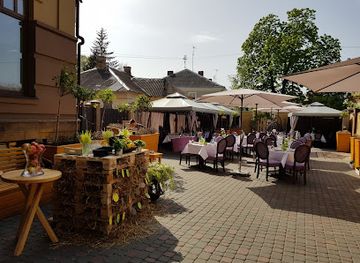
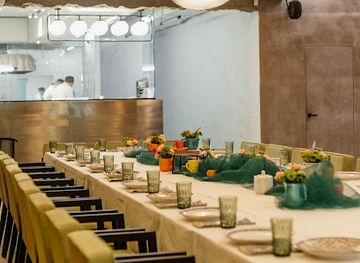
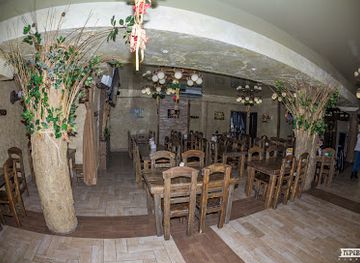
Lutsk’s dining scene reflects the flavours of north-western Ukraine and the culinary traditions of Volyn, where hearty home-style food remains central. Menus commonly feature varenyky with savoury or sweet fillings, Ukrainian borshch, holubtsi, deruny and meat or mushroom dishes, often accompanied by sour cream, pickles and seasonal vegetables. Local cafés provide coffee, pastries and lighter modern cooking, while traditional restaurants tend to emphasise generous portions and familiar regional recipes. Food markets and bakeries offer useful glimpses of everyday tastes, from fresh bread and dairy products to preserved vegetables and sweets. The city’s multicultural past is also visible in its mixture of Ukrainian, Polish and Central European influences, though contemporary establishments increasingly combine these traditions with modern presentation. Around the old town and central streets, visitors will find the greatest concentration of cafés and restaurants, while neighbourhood venues offer a more ordinary local rhythm.
-
Restaurant
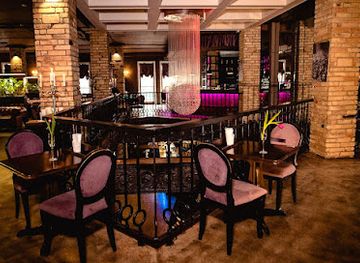
Show Basilic
Experience the rich flavors of Ukraine at Show Basilic, Lutsk's premier restaurant blending tradition with modern dining.
9 min walk · 0.7 km from city centre
-
Cafe
Bazylik
Experience the vibrant flavors at Bazylik Cafe in Lutsk – where delicious pizza meets a cozy atmosphere.
8 min drive · 2.8 km from city centre
-
Restaurant
Felichita
Savor authentic Italian cuisine at Felichita, Lutsk's premier pizza restaurant offering unforgettable flavors and warm hospitality.
8 min drive · 2.8 km from city centre
-
Pizza
Tereveni
Experience authentic Italian flavors at Tereveni in Lutsk - where every pizza tells a story!
9 min drive · 3.0 km from city centre
Best bars in Lutsk
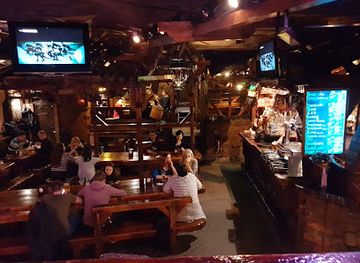
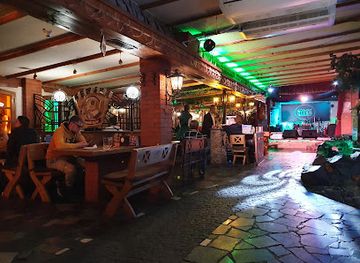
Lutsk’s evening life is modest but varied, centred mainly on cafés, pubs, beer venues and restaurants around the central streets and old town rather than on a large club district. Students and younger residents support a selection of casual bars, while quieter establishments provide coffee, conversation and Ukrainian or European drinks. Cultural evenings may include concerts, theatre performances and events at local arts venues, with programming changing according to season and current circumstances. Visitors should expect wartime restrictions, including possible curfews, air-alert interruptions and changes to venue operations, so late-night plans require attention to official local guidance. The atmosphere is generally social and unhurried, with the castle and historic centre taking on a quieter presence after the daytime sightseeing crowds have dispersed.
-
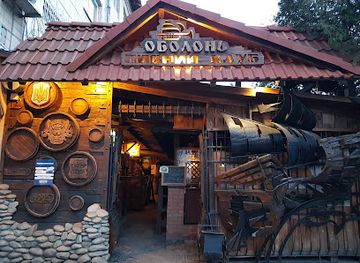
Pub
Obolon
Experience the vibrant atmosphere and local flavors at Obolon, Lutsk's premier pub destination, perfect for tourists seeking a taste of Ukrainian nightlife.
5 min walk · 0.4 km from city centre
-
Pub
Maydan
Discover the lively Maydan Pub in Lutsk, where delicious food, refreshing drinks, and a vibrant atmosphere await all visitors.
4 min walk · 0.3 km from city centre
-
Pub
LucheSk
Discover the vibrant LucheSk Pub in Lutsk, where traditional Ukrainian flavors meet a lively atmosphere and great company.
11 min walk · 0.8 km from city centre
-
Lounge
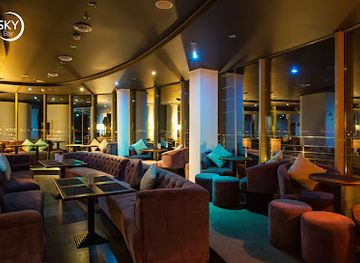
SkyBar
Discover the charm of Lutsk at SkyBar, where exquisite food meets stunning city views in a vibrant lounge atmosphere.
9 min walk · 0.7 km from city centre
Best nightclubs in Lutsk
Lutsk’s evening life is modest but varied, centred mainly on cafés, pubs, beer venues and restaurants around the central streets and old town rather than on a large club district. Students and younger residents support a selection of casual bars, while quieter establishments provide coffee, conversation and Ukrainian or European drinks. Cultural evenings may include concerts, theatre performances and events at local arts venues, with programming changing according to season and current circumstances. Visitors should expect wartime restrictions, including possible curfews, air-alert interruptions and changes to venue operations, so late-night plans require attention to official local guidance. The atmosphere is generally social and unhurried, with the castle and historic centre taking on a quieter presence after the daytime sightseeing crowds have dispersed.
-
Amusement center
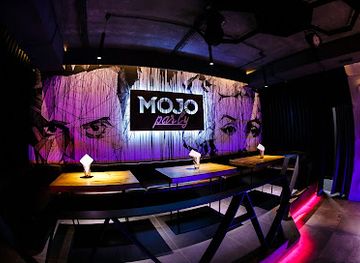
MOJO Hall
Visit MOJO Hall in Lutsk for a thrilling blend of dining, entertainment, and fitness activities, perfect for every tourist's itinerary.
5 min drive · 1.6 km from city centre
-
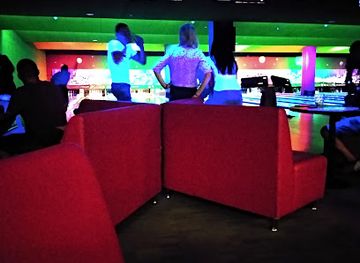
Bowling club
Strike City
Experience the ultimate entertainment destination in Lutsk with bowling, karaoke, delicious dining, and a vibrant hookah bar all in one place.
5 min drive · 1.7 km from city centre
-
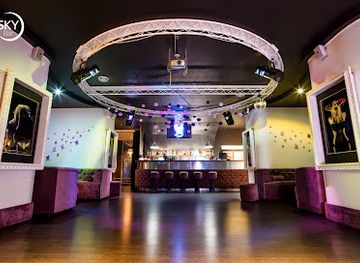
Lounge
SkyBar
Experience stunning views and a vibrant atmosphere at SkyBar, Lutsk's premier lounge for cocktails, dining, and relaxation.
9 min walk · 0.7 km from city centre
-
Night club
Night Club Hollywood
Dive into the vibrant nightlife of Lutsk at Night Club Hollywood, where music, dancing, and excitement await every visitor.
4 min walk · 0.3 km from city centre

Best shops in Lutsk
Shopping in Lutsk combines ordinary Ukrainian retail with small-scale local commerce around the central streets, markets and neighbourhood shopping areas. Market stalls are useful for seeing the region’s everyday produce, including bread, dairy goods, preserves, seasonal fruit and vegetables, while bakeries and food shops offer practical edible souvenirs. Independent retailers sell Ukrainian books, ceramics, embroidered items, textiles and locally made gifts, although stock and opening arrangements can vary. The area around the old town is more suited to browsing cafés, craft items and specialist shops than to large-scale shopping. Modern supermarkets and shopping centres serve residents beyond the historic core, providing familiar goods and services. When buying traditional items, look for clear information about their origin and materials, and remember that small traders may prefer cash even where larger shops accept cards.
-
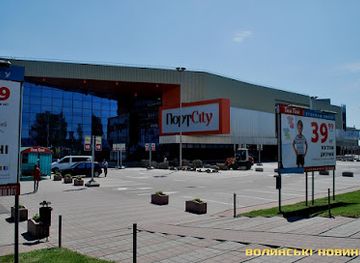
Shopping mall
ПортCity
Discover ПортCity in Lutsk: A vibrant shopping mall with diverse stores, delightful dining, and exciting events for all visitors.
5 min drive · 1.8 km from city centre
-
Shopping mall
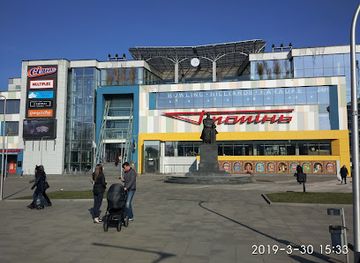
Shopping Centre Lutsk
Discover the vibrant Shopping Centre Lutsk, a premier shopping destination in Volyn Oblast, where retail therapy meets dining and entertainment.
7 min walk · 0.6 km from city centre
-
Supermarket
Silpo
Discover the essence of Ukrainian culinary delights at Silpo, Lutsk's vibrant supermarket offering fresh produce, local specialties, and ready-to-eat meals.
5 min walk · 0.4 km from city centre
-
Barber shop
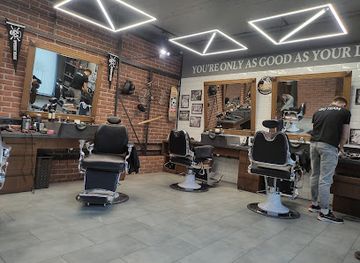
GC Barbershop ІІІ Винниченка
Experience top-tier grooming at GC Barbershop in Lutsk, where style meets comfort and personal attention.
6 min walk · 0.4 km from city centre
Get your free copy of our complete guide to Lutsk, delivered straight to you.
Everything on this page, from attractions and restaurants to essentials and local phrases, in one PDF you can read offline, print or share.
Already have an account? Sign in
Your Lutsk guide is ready.
We'll send it to · Not you? Sign out

Getting your guide ready…
We are putting together a fresh copy of the Lutsk guide. This can take up to a minute.
This can take a few moments. If your browser asks, choose Allow so the download can start. You'll find the guide in your Downloads folder.
Nothing happened? Download it again
Sorry, the guide is taking longer than usual. Please try again in a minute, or get it by email instead.
Lutsk essentials
Currency and Payment
Safety
Emergency Situations
Do's and Don'ts
Local Tips
From Eve
Local phrases worth knowing
You don't need to get them perfect. A few words go a long way, and locals appreciate the effort.
Basics
| English | Local | Say it |
|---|---|---|
| Hello | Привіт | [Pryvit] |
| Goodbye | До побачення | [Do pobachennya] |
| Yes | Так | [Tak] |
| No | Ні | [Ni] |
| Please/You're welcome | Будь ласка | [Budʹ laska] |
| Thank you | Дякую | [Dyakuyu] |
| Excuse me/Sorry | Вибачте | [Vybachte] |
| How are you? | Як справи? | [Yak spravy?] |
| Fine. And you? | Добре. А ви? | [Dobre. A vy?] |
| Do you speak English? | Ви говорите англійською? | [Vy hovoryte anhliysʹkoyu?] |
| I don't understand | Я не розумію | [Ya ne rozumiyu] |
Eating & Drinking
| English | Local | Say it |
|---|---|---|
| I'd like to see the menu, please | Я б хотів подивитися меню, будь ласка | [Ya b xotiv podyvytysya menyoo, budʹ laska] |
| I don't eat meat | Я не їм м'ясо | [Ya ne yim myaso] |
| Cheers! | Будьмо! | [Budʹmo!] |
| I would like to pay, please | Я б хотів заплатити, будь ласка | [Ya b xotiv zaplatyty, budʹ laska] |
Emergencies
| English | Local | Say it |
|---|---|---|
| Help! | Допоможіть! | [Dopomozhitʹ!] |
| Go away! | Іди геть! | [Idy hetʹ!] |
| Call the Police! | Викличте поліцію! | [Vyklychte politsiyu!] |
| Call a doctor! | Викличте лікаря! | [Vyklychte likarya!] |
| I'm lost | Я загубився | [Ya zahubyvsya] |
| I'm ill | Я хворий | [Ya khvoryy] |
Shopping
| English | Local | Say it |
|---|---|---|
| I'd like to buy... | Я б хотів купити... | [Ya b xotiv kupity...] |
| I'm just looking | Я просто дивлюсь | [Ya prosto dyvlyusʹ] |
| How much is it? | Скільки це коштує? | [Skilʹky tse koshtuye?] |
| That's too expensive | Це занадто дорого | [Tse zanadto doroho] |
| Can you lower the price? | Чи можете ви знизити ціну? | [Chy mozhete vy znyzyty cinu?] |
Time & Numbers
| English | Local | Say it |
|---|---|---|
| What time is it? | Котра година? | [Kotra hodyna?] |
| It's one o'clock | Одинадцята година | [Odynadtsyata hodyna] |
| Half past (10) | Половина (десятої) | [Polovyna (desyatoyi)] |
| Morning | Ранок | [Ranok] |
| Afternoon | День | [Denʹ] |
| Evening | Вечір | [Vechir] |
| Yesterday | Вчора | [Vchora] |
| Today | Сьогодні | [Sʹohodni] |
| Tomorrow | Завтра | [Zavtra] |
| 1 | Один | [Odin] |
| 2 | Два | [Dva] |
| 3 | Три | [Try] |
| 4 | Чотири | [Chotyry] |
| 5 | П'ять | [P'yatʹ] |
| 6 | Шість | [Shistʹ] |
| 7 | Сім | [Sim] |
| 8 | Вісім | [Visim] |
| 9 | Дев'ять | [Dev'yatʹ] |
| 10 | Десять | [Desyatʹ] |
Transport & Directions
| English | Local | Say it |
|---|---|---|
| Where's a/the...? | Де є/знаходиться...? | [De ye/znakhodytsya...?] |
| What's the address? | Яка адреса? | [Yaka adresa?] |
| Can you show me (on the map)? | Чи можете ви мені показати (на карті)? | [Chy mozhete vy meni pokazaty (na karti)?] |
| When's the next (bus)? | Коли наступний (автобус)? | [Koly nastupnyy (avtobus)?] |
| A ticket (to ....) | Квиток (до ....) | [Kvytok (do ....)] |
History of Lutsk
Early Settlements and Volyn Origins
The area around present-day Lutsk was settled long before the medieval city emerged, with communities drawn to the Styr River and the fertile lands of Volyn. Written references to Lutsk appear in the eleventh and twelfth centuries, when it formed part of the political world of Kyivan Rus’ and the principality of Volodymyr-Volynskyi. Its position on waterways and regional routes helped it develop as a fortified settlement and trading centre. The name is commonly connected with the river and the early settlement on an island or elevated ground in the Styr’s floodplain, although its precise linguistic history remains debated. The city’s location continued to matter as power shifted between competing rulers and principalities across western Rus’.
Lithuanian Rule and Lubart’s Castle
From the fourteenth century, Lutsk became increasingly associated with the Grand Duchy of Lithuania. The castle was substantially developed under Prince Liubartas, whose name gave the fortress its familiar modern designation, and later strengthened under Grand Duke Vytautas. Its masonry towers, walls and gate complex turned Lutsk into a major political and military centre. The city hosted important diplomatic meetings, including the Congress of Lutsk in 1429, attended by rulers and representatives from across Central and Eastern Europe. This gathering reflected the city’s strategic standing and its role in negotiations concerning power, trade and the Christian political order. The surviving castle remains the clearest physical expression of this period.
Magdeburg Rights and a Multicultural City
Lutsk received Magdeburg rights in 1432, granting its urban community a measure of self-government and reinforcing its commercial importance. Under the Polish-Lithuanian Commonwealth, the city contained Ukrainian, Polish, Jewish, Armenian and other communities, each contributing to its religious and economic life. Churches, monasteries, Jewish houses of prayer and merchant institutions stood within a relatively compact town. Trade connected Lutsk with wider Volyn and neighbouring regions, while fairs and craft production supported its prosperity. The old town’s confessional diversity was not always peaceful, but it shaped a layered urban culture that can still be traced through surviving religious buildings, archaeological remains and the street pattern around the castle.
Partitions, Empires and Modernisation
The partitions of the Polish-Lithuanian Commonwealth brought Lutsk under the Russian Empire in the late eighteenth century. Administrative changes altered the city’s political connections, while the nineteenth century brought new institutions, transport links and patterns of urban growth. Lutsk became an important centre of the Volhynian Governorate and developed beyond its historic fortifications. Rail connections in the late nineteenth century strengthened commercial links and encouraged migration. The city’s Jewish population remained a major part of urban life, alongside Ukrainian, Polish and other communities. New public buildings, schools and religious structures joined the medieval remains, creating the architectural mixture visible in central Lutsk today.
War, Occupation and Soviet Rule
Lutsk endured upheaval during the First World War, the short-lived Ukrainian state-building period and the Polish administration that followed the Riga settlement of 1921. The Second World War brought successive occupations, mass violence and the destruction of much of the city’s Jewish community. After 1944, Lutsk was incorporated into the Ukrainian Soviet Socialist Republic, and post-war reconstruction reshaped its streets, housing and institutions. Soviet industrialisation expanded the city beyond the old centre, while historic buildings were adapted, neglected or restored according to changing official priorities. The surviving castle, churches and civic structures therefore stand alongside twentieth-century urban districts formed by war and planned development.
Independent Ukraine and Contemporary Identity
With Ukraine’s independence in 1991, Lutsk became the administrative centre of Volyn Oblast and renewed its attention to local history, Ukrainian culture and heritage conservation. Museums, restored historic interiors and cultural events have helped reconnect the city with its medieval, religious and multicultural past. The old town remains the symbolic heart of Lutsk, while universities, businesses and civic organisations give the wider city a contemporary character. Russia’s full-scale invasion of Ukraine in 2022 brought wartime pressures and uncertainty, as it has across the country, but Lutsk has also served as an important regional centre for community support and displaced people. Current travel requires attention to official security guidance and air alerts.
Lutsk in Photos
Browse through our photo collection highlighting the charm and character of the destination.
Cities near Lutsk
The closest cities to Lutsk, if you have time for more than one stop.
-
-

-

-

-


Swipe for more cities
Explore more

Explore more of Ukraine
Explore Ukraine: From Kyiv's golden domes to the Carpathian Mountains, discover a country rich in history, culture, and natural beauty in the heart of Eastern Europe.
Explore Ukraine