

Free Sevastopol Travel Guide & Mobile App
Plan your Sevastopol trip with Evendo. Get free guides to top attractions, restaurants, hotels, and bars. Web access or download the mobile app.


Sevastopol, Ukraine, combines Black Sea vistas with naval history, ancient Chersonesus, monumental architecture and Crimean cultural heritage by the coast.
A Port Shaped by the Black Sea
Sevastopol occupies a deeply indented stretch of Crimean coastline on the Black Sea, where broad bays, limestone headlands and open water have defined the city's fortunes for more than two centuries. It is internationally recognised as part of Ukraine, although Russia has exercised de facto control since its occupation of Crimea in 2014. This political reality is essential context for any modern account of the city: access, administration, safety and the operation of cultural sites are affected by the occupation, and travel is subject to serious legal and security considerations.Read more about Sevastopol
Naval Heritage and Ancient Ruins
Coastal Landscapes and Cultural Memory
When is the best time to visit Sevastopol?
Best: May–June, September · 23–27°C| Month | High (°C) | Rainfall (mm) |
|---|---|---|
| January | 10 | 40 |
| February | 11 | 35 |
| March | 13 | 35 |
| April | 18 | 30 |
| May (best) | 23 | 25 |
| June (best) | 27 | 20 |
| July | 29 | 15 |
| August | 29 | 15 |
| September (best) | 25 | 20 |
| October | 19 | 30 |
| November | 14 | 35 |
| December | 10 | 40 |
Getting to and around Sevastopol
How to get there
Transportation
Best attractions in Sevastopol
Sevastopol's principal sights express the layered history of a strategic Black Sea coast, although their present accessibility and administration are affected by the occupation. The archaeological reserve of Chersonesus preserves the remains of a Greek and Byzantine city, with defensive walls, a theatre, basilicas and sea-facing ruins. In the centre, the Panorama of the Siege of Sevastopol presents a monumental nineteenth-century interpretation of the Crimean War, while Primorsky Boulevard and the Monument to the Scuttled Ships frame the harbour with promenades and military memorials. The Mikhailovskaya Battery, part of the city's fortification history, offers another perspective on coastal defence, subject to current access arrangements. Balaklava, within Sevastopol's wider municipality, is known for its narrow harbour, Genoese fortress ruins and former Soviet submarine facilities. These are not interchangeable attractions: together they reveal ancient settlement, imperial warfare, naval power and the contested memory of Crimea.
-
Tourist attraction
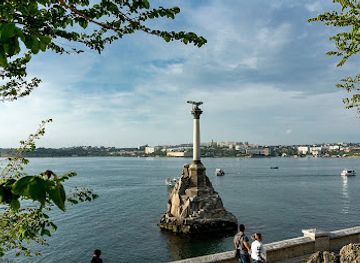
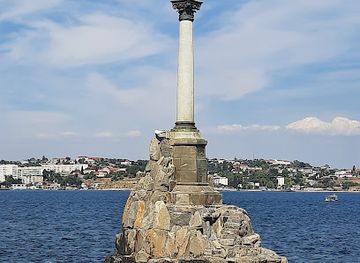
Monument to the Sunken Ships in Sevastopol
Discover the Monument to the Sunken Ships, an iconic symbol of Sevastopol's maritime history and a serene spot for reflection and picturesque views.
6 min drive · 2.2 km from city centre
-
Tourist attraction
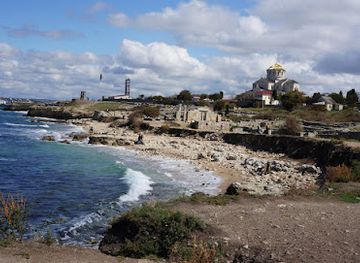
National Preserve of Tauric Chersonesos
Uncover the magnificent history and scenic beauty of the National Preserve of Tauric Chersonesos, a UNESCO World Heritage site in Sevastopol.
11 min drive · 3.7 km from city centre
-
Tourist attraction
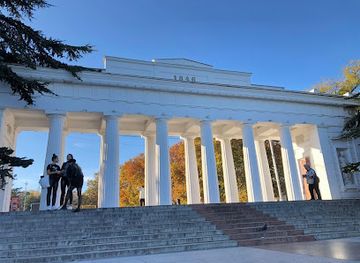
Count's Jetty
Explore Count's Jetty in Sevastopol - A historical landmark with stunning coastal views and rich maritime heritage.
6 min drive · 2.0 km from city centre
-
Museum
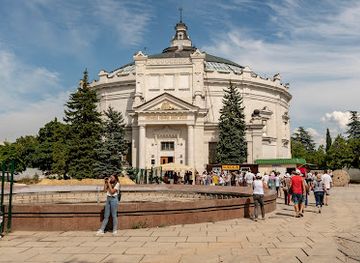
Панорама «Оборона Севастополя 1854–1855 гг.»
Delve into Sevastopol's rich history at the Panorama Museum, where the legacy of the Crimean War comes vividly to life through stunning exhibits.
12 min walk · 0.9 km from city centre
Best landmarks in Sevastopol
Sevastopol's landmarks are closely tied to naval power, siege memory and the ancient history of Crimea. The Monument to the Scuttled Ships, standing in the harbour, commemorates vessels deliberately sunk during the Crimean War to obstruct an enemy fleet. The Panorama of the Siege of Sevastopol occupies a major commemorative building devoted to the 1854–55 siege, while the Malakhov Kurgan marks another important defensive position from that conflict and the Second World War. The Count's Quay, with its grand staircase and columns, is one of the city's best-known civic waterfront features. At Chersonesus, the cathedral traditionally associated with the Baptism of Prince Volodymyr rises among archaeological remains, although the site's layered Greek, Roman and Byzantine history extends well beyond that tradition. Balaklava's Genoese fortress of Cembalo adds a medieval military landmark above the harbour.
-
Historical landmark
Monument to the Sunken Ships in Sevastopol
Explore the Monument to the Sunken Ships in Sevastopol, a historical landmark that honors the city's rich naval heritage and the sacrifices made during the Crimean War.
6 min drive · 2.2 km from city centre
-
Museum
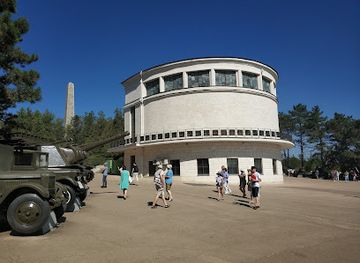
Muzey-Diorama Velikoy Otechestvennoy Voyny
Explore the Museum-Diorama of the Great Patriotic War in Sevastopol, where history, heroism, and heartfelt stories come together.
20 min drive · 6.6 km from city centre
-
Monument
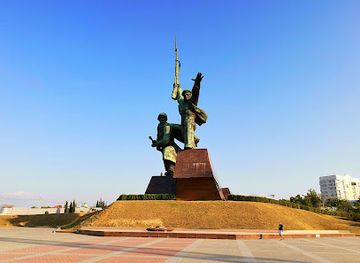
Pamyatnik Soldatu I Matrosu
Explore the Pamyatnik Soldatu I Matrosu in Sevastopol, a striking monument honoring maritime heroes with breathtaking views of the Black Sea.
7 min drive · 2.3 km from city centre
-
Historical landmark
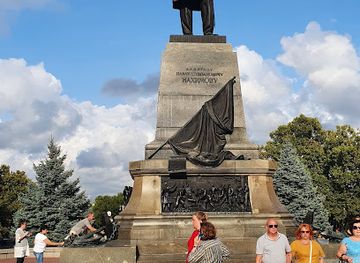
Monument to Admiral Nakhimov
Discover the majestic Monument to Admiral Nakhimov in Sevastopol, a stunning tribute to Russian naval history surrounded by breathtaking coastal views.
6 min drive · 2.0 km from city centre
Explore Sevastopol on the map
Plan your Sevastopol trip on one map. See where the top attractions, landmarks, restaurants, bars and hotels are, find what's near where you're staying, and book hotels and experiences in a few clicks.
Best hotels in Sevastopol
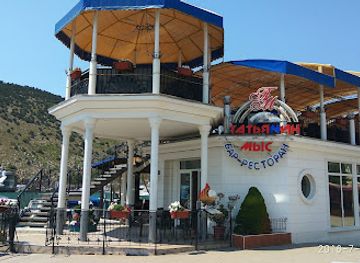
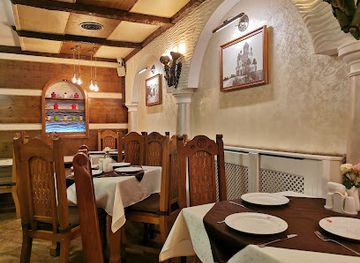
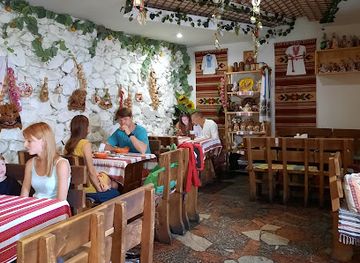
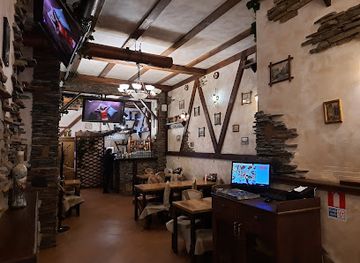
Best restaurants in Sevastopol
Sevastopol's culinary identity has historically reflected its harbour, military population and Crimea's overlapping Ukrainian, Crimean Tatar, Russian, Greek and wider Black Sea influences. Seafood and fish have featured prominently, alongside produce from the dry coastal climate and vineyards of the surrounding peninsula. Tatar and Crimean dishes associated with the region include chebureki, savoury pastries filled with meat, and yantyk, a similar dry-cooked pastry; Ukrainian and Russian soups, dumplings, pickled vegetables and breads also belong to the broader local food culture. Cafés and informal eateries traditionally clustered around the waterfront and central streets, while Balaklava developed a reputation for harbour-side seafood dining. Because the city is occupied and commercial conditions are changeable, particular restaurants, markets and payment arrangements should not be assumed to be operating; culinary research is best treated as cultural context rather than a current dining recommendation.
-
Restaurant
Balaklavskaya Bukhta
Experience exquisite dining at Balaklavskaya Bukhta in Sevastopol – where fresh seafood meets breathtaking coastal views.
32 min drive · 12 km from city centre
-
Restaurant
Shalash
Experience exquisite dining at Shalash in Sevastopol with locally inspired dishes and a cozy atmosphere perfect for any occasion.
49 min drive · 29 km from city centre
-
Ukrainian
Restoran Borshch'ok
Experience authentic Ukrainian flavors at Restoran Borshch'ok in Sevastopol – where tradition meets taste in every dish.
5 min drive · 1.8 km from city centre
-
Restaurant
Ресторан-пивоварня «Чешский Сладек» («Český Sládek»)
Experience authentic Czech cuisine and craft beer at Český Sládek Brewery Restaurant in Sevastopol – a culinary gem you won't want to miss!
17 min walk · 1.3 km from city centre
Best bars in Sevastopol
Before the occupation, Sevastopol's evening life centred on waterfront promenades, cafés, restaurants, seasonal terraces and modest bars rather than the large-scale club culture found in some resort cities. Primorsky Boulevard and the central harbour area traditionally provided the most accessible setting for an evening walk, while Balaklava offered a quieter marina atmosphere during the warmer months. Concerts, naval commemorations, theatres and public cultural events also formed part of the city's social calendar. Current nightlife is difficult to assess reliably because the city is militarised, access is controlled by de facto authorities and public events may change or be restricted without notice. Visitors should avoid gatherings connected with politics or military activity, and should not assume that previously listed bars, clubs, performances or late-night transport remain available.
-
Bar
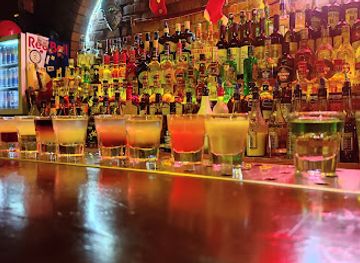
Bar Ne Bar
Discover the lively spirit of Sevastopol at Bar Ne Bar, where great drinks and an unforgettable atmosphere await you.
17 min drive · 5.7 km from city centre
-
Bar
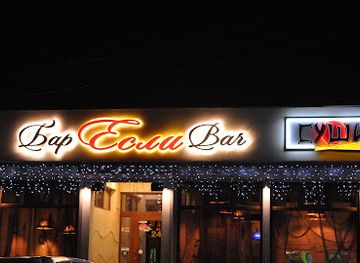
Yesli
Discover Yesli, a vibrant bar in Sevastopol offering diverse drinks and a lively atmosphere perfect for tourists seeking local flavor.
6 min drive · 1.9 km from city centre
-
Restaurant
Black Sea
Discover authentic Black Sea cuisine in Sevastopol, where exquisite flavors meet stunning waterfront views for an unforgettable dining experience.
6 min drive · 1.9 km from city centre
-
Bar
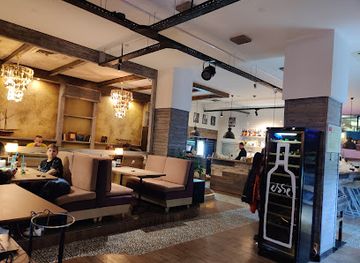
Quick Bee Bar
Experience the vibrant nightlife at Quick Bee Bar in Sevastopol, where great drinks and lively ambience await every visitor.
6 min drive · 1.9 km from city centre
Best nightclubs in Sevastopol
Before the occupation, Sevastopol's evening life centred on waterfront promenades, cafés, restaurants, seasonal terraces and modest bars rather than the large-scale club culture found in some resort cities. Primorsky Boulevard and the central harbour area traditionally provided the most accessible setting for an evening walk, while Balaklava offered a quieter marina atmosphere during the warmer months. Concerts, naval commemorations, theatres and public cultural events also formed part of the city's social calendar. Current nightlife is difficult to assess reliably because the city is militarised, access is controlled by de facto authorities and public events may change or be restricted without notice. Visitors should avoid gatherings connected with politics or military activity, and should not assume that previously listed bars, clubs, performances or late-night transport remain available.
-
Karaoke bar
EASY
Experience the vibrant nightlife of Sevastopol at EASY Karaoke Bar, where melodies and laughter come alive in a lively atmosphere.
6 min drive · 1.8 km from city centre
-
Karaoke bar
Stars
Experience the vibrant nightlife of Sevastopol at Stars Karaoke Bar, where every night is a celebration of music, fun, and friendship!
15 min walk · 1.2 km from city centre
-
Night club
Club ReActive
Discover the electrifying atmosphere of Club ReActive, Sevastopol's premier night club, where music, dancing, and adventure await you.
36 min drive · 16 km from city centre
-
Night club
Ozero, Gora Gasforta
Experience the vibrant nightlife at Ozero, Gora Gasforta, where stunning views and electrifying music create unforgettable nights in Sevastopol.
34 min drive · 14 km from city centre
Best shops in Sevastopol
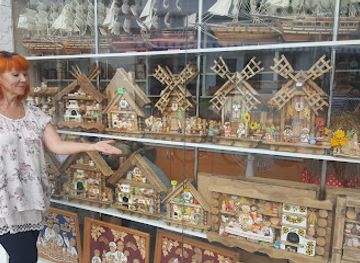
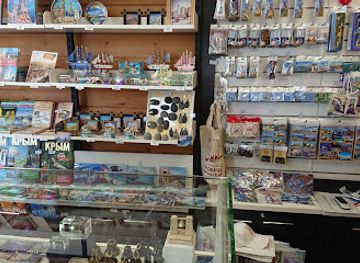
Sevastopol's traditional shopping character has been linked to central produce markets, small food shops, waterfront kiosks and retailers serving the naval city rather than to a large international luxury sector. Visitors researching the region may encounter Crimean food products, preserves, dried fruit, honey, wine, ceramics and embroidered goods, although provenance and legal transport rules require care. Crimean Tatar craft traditions, including decorative textiles and food specialities, are part of the peninsula's wider cultural heritage and should not be reduced to generic souvenirs. Central streets historically combined everyday Ukrainian and Russian-language commerce with seasonal coastal trade, while Balaklava had a more visitor-oriented harbour economy. Because Sevastopol is occupied and banking, imports and retail operations are subject to sanctions and changing controls, current shops, markets and payment methods must be verified through authoritative sources rather than assumed from older listings.
-
Historical landmark
Monument to the Sunken Ships in Sevastopol
Explore the Monument to the Sunken Ships in Sevastopol, a historical landmark honoring maritime bravery with stunning sea views.
6 min drive · 2.2 km from city centre
-
Historical place
National Preserve of Tauric Chersonesos
Explore the captivating ruins of Tauric Chersonesos, a UNESCO World Heritage site that unveils the rich history of ancient civilizations by the Black Sea.
11 min drive · 3.7 km from city centre
-
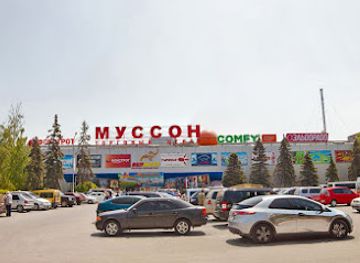
Shopping mall
Musson
Discover Musson, Sevastopol's premier shopping destination, where a world of retail, dining, and entertainment awaits for an unforgettable experience.
11 min drive · 3.7 km from city centre
-
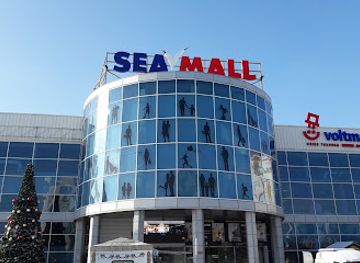
Shopping mall
Sea Mall
Experience shopping, dining, and entertainment like never before at Sea Mall in Sevastopol, a vibrant destination for tourists and locals alike.
16 min drive · 5.3 km from city centre
Get your free copy of our complete guide to Sevastopol, delivered straight to you.
Everything on this page, from attractions and restaurants to essentials and local phrases, in one PDF you can read offline, print or share.
Already have an account? Sign in
Your Sevastopol guide is ready.
We'll send it to · Not you? Sign out

Getting your guide ready…
We are putting together a fresh copy of the Sevastopol guide. This can take up to a minute.
This can take a few moments. If your browser asks, choose Allow so the download can start. You'll find the guide in your Downloads folder.
Nothing happened? Download it again
Sorry, the guide is taking longer than usual. Please try again in a minute, or get it by email instead.
Sevastopol essentials
Currency and Payment
Safety
Emergency Situations
Do's and Don'ts
Local Tips
From Eve
Local phrases worth knowing
You don't need to get them perfect. A few words go a long way, and locals appreciate the effort.
Basics
| English | Local | Say it |
|---|---|---|
| Hello | Привіт | [Pryvit] |
| Goodbye | До побачення | [Do pobachennya] |
| Yes | Так | [Tak] |
| No | Ні | [Ni] |
| Please/You're welcome | Будь ласка | [Budʹ laska] |
| Thank you | Дякую | [Dyakuyu] |
| Excuse me/Sorry | Вибачте | [Vybachte] |
| How are you? | Як ви? | [Yak vy?] |
| Fine. And you? | Добре. А ви? | [Dobre. A vy?] |
| Do you speak English? | Ви говорите англійською? | [Vy hovoryte anhliysʹkoyu?] |
| I don't understand | Я не розумію | [Ya ne rozumiyu] |
Eating & Drinking
| English | Local | Say it |
|---|---|---|
| I'd like to see the menu, please | Я хотів би побачити меню, будь ласка | [Ya khotiv by pobachyty menyu, budʹ laska] |
| I don't eat meat | Я не їм м'ясо | [Ya ne yim m'yaso] |
| Cheers! | Будьмо! | [Budʹmo!] |
| I would like to pay, please | Я би хотів оплатити, будь ласка | [Ya by khotiv oplatyty, budʹ laska] |
Emergencies
| English | Local | Say it |
|---|---|---|
| Help! | Допоможіть! | [Dopomozhitʹ!] |
| Go away! | Іди геть! | [Idy hetʹ!] |
| Call the Police! | Викличте поліцію! | [Vyklychte politsiyu!] |
| Call a doctor! | Викличте лікаря! | [Vyklychte likarya!] |
| I'm lost | Я загубився | [Ya zahubyvsya] |
| I'm ill | Я хворий | [Ya khvoryy] |
Shopping
| English | Local | Say it |
|---|---|---|
| I'd like to buy... | Я б хотів купити... | [Ya b khotiv kupyty...] |
| I'm just looking | Я просто дивлюсь | [Ya prosto dyvlyusʹ] |
| How much is it? | Скільки це коштує? | [Skilʹky tse koshtuye?] |
| That's too expensive | Це занадто дорого | [Tse zanadto doroho] |
| Can you lower the price? | Ви можете знизити ціну? | [Vy mozhete znyzyty tsinu?] |
Time & Numbers
| English | Local | Say it |
|---|---|---|
| What time is it? | Котра година? | [Kotra hodyna?] |
| It's one o'clock | Одна година | [Odna hodyna] |
| Half past (10) | Пів на одинадцяту | [Piv na odynadtsyatu] |
| Morning | Ранок | [Ranok] |
| Afternoon | Після обіду | [Pislya obidu] |
| Evening | Вечір | [Vechir] |
| Yesterday | Вчора | [Vchora] |
| Today | Сьогодні | [Sʹohodni] |
| Tomorrow | Завтра | [Zavtra] |
| 1 | Один | [Odyn] |
| 2 | Два | [Dva] |
| 3 | Три | [Try] |
| 4 | Чотири | [Chotyry] |
| 5 | П'ять | [Pʹyatʹ] |
| 6 | Шість | [Shistʹ] |
| 7 | Сім | [Sim] |
| 8 | Вісім | [Visim] |
| 9 | Дев'ять | [Devyatʹ] |
| 10 | Десять | [Desyatʹ] |
Transport & Directions
| English | Local | Say it |
|---|---|---|
| Where's a/the...? | Де є/знаходиться...? | [De ye/znakhodytsya...?] |
| What's the address? | Яка адреса? | [Yaka adresa?] |
| Can you show me (on the map)? | Чи можете ви мені показати (на мапі)? | [Chy mozhete vy meni pokazaty (na mapi)?] |
| When's the next (bus)? | Коли наступний (автобус)? | [Koly nastupnyy (avtobus)?] |
| A ticket (to ....) | Квиток (до ....) | [Kvytok (do ....)] |
History of Sevastopol
Chersonesus and the Ancient Coast
The earliest major urban history associated with Sevastopol belongs to Chersonesus, a Greek colony founded by settlers from Heraclea Pontica in the fifth century BC on the Herakleian Peninsula. The city became an important centre for agriculture, trade and Black Sea exchange, later entering the political orbit of the Byzantine Empire. Its surviving remains include streets, houses, defensive walls, wine presses, a theatre and early Christian churches. Medieval tradition also associates Chersonesus with the baptism of Volodymyr, ruler of Kyivan Rus, although the historical details surrounding the event have long been debated. The archaeological site demonstrates that the coast was an urban and cultural crossroads long before the modern naval city appeared.
Crimean Khanate and Imperial Expansion
After the decline of Byzantine influence, the wider region became connected to the Crimean Khanate, a state ruled by the Giray dynasty and closely linked to the Ottoman world. Crimean Tatar communities shaped the peninsula's political, agricultural and commercial life for centuries. Russian imperial expansion into the northern Black Sea region culminated in the annexation of Crimea in 1783 under Catherine II. That same year, the empire established Sevastopol as a naval base, turning the sheltered bays into a strategic military harbour and laying the foundation for the city's modern existence.
The Imperial Naval City
During the nineteenth century, Sevastopol grew around the Black Sea Fleet and its dockyards, barracks and administrative institutions. Its strategic position made it central to Russian power in the Black Sea and to imperial competition with the Ottoman Empire. The city was besieged during the Crimean War from 1854 to 1855 by British, French, Ottoman and Sardinian forces. Russian defenders eventually abandoned the southern side after destroying parts of the naval infrastructure. The siege became a defining episode in the city's historical memory, later commemorated by the Sevastopol Panorama and numerous military monuments.
Revolution, War and Reconstruction
The upheavals of 1917 and the Russian Civil War brought successive changes of authority to Sevastopol and Crimea before the city became part of the Russian Soviet Federative Socialist Republic within the Soviet Union. During the Second World War, German and Romanian forces besieged and captured Sevastopol after heavy fighting in 1941 and 1942. The city was retaken by Soviet forces in 1944, having suffered extensive destruction. Post-war reconstruction rebuilt much of the centre in monumental neoclassical forms, producing the broad avenues, formal squares and commemorative landscape visible today.
Sevastopol within Soviet Ukraine
In 1954, Crimea was transferred from the Russian Soviet Federative Socialist Republic to the Ukrainian Soviet Socialist Republic, while Sevastopol retained a special administrative position within the Soviet system. The city remained closely associated with the Black Sea Fleet and was largely closed to foreign visitors during the Soviet period because of its military significance. After Ukraine became independent in 1991, Sevastopol was administered as a city with special status. Agreements between Ukraine and Russia allowed the Russian Black Sea Fleet to remain based there, preserving the city's strategic importance while its constitutional status remained Ukrainian.
Occupation and Contested Memory
In February and March 2014, following Russia's military intervention in Crimea, Russian forces took control of key sites and local authorities organised a referendum that Ukraine and most of the international community did not recognise. Russia subsequently annexed Crimea, including Sevastopol, in a move widely regarded internationally as illegal; Ukraine and the United Nations continue to recognise the city as Ukrainian territory under temporary Russian occupation. The occupation has altered administration, public life, military use and the interpretation of local history. It also created severe travel, legal and human-rights concerns, making contemporary Sevastopol inseparable from the wider international dispute over Crimea.
Sevastopol in Photos
Browse through our photo collection highlighting the charm and character of the destination.
Cities near Sevastopol
The closest cities to Sevastopol, if you have time for more than one stop.
-

-

-

-

-


Swipe for more cities
Explore more

Explore more of Ukraine
Explore Ukraine: From Kyiv's golden domes to the Carpathian Mountains, discover a country rich in history, culture, and natural beauty in the heart of Eastern Europe.
Explore Ukraine