

Free Kerch Travel Guide & Mobile App
Plan your Kerch trip with Evendo. Get free guides to top attractions, restaurants, hotels, and bars. Web access or download the mobile app.


Kerch, Ukraine, explores ancient Panticapaeum, Mount Mithridat, Bosporan history and Crimean landscapes, with current access restricted by war and occupation.
At the Edge of Two Seas
Kerch stands at the eastern tip of the Crimean Peninsula, where the Black Sea meets the Sea of Azov across the narrow Kerch Strait. Internationally recognised as part of Ukraine, the city has been under Russian occupation since 2014, and the wider region remains affected by the war. Travel is currently subject to severe security restrictions, while access, services and the condition of historic sites can change without notice.Read more about Kerch
Layers of Antiquity
War, Memory and Landscape
When is the best time to visit Kerch?
Best: May–June, September · 22–27°C| Month | High (°C) | Rainfall (mm) |
|---|---|---|
| January | 4 | 30 |
| February | 3 | 30 |
| March | 9 | 30 |
| April | 16 | 30 |
| May (best) | 22 | 30 |
| June (best) | 27 | 30 |
| July | 30 | 30 |
| August | 30 | 30 |
| September (best) | 24 | 30 |
| October | 18 | 30 |
| November | 11 | 30 |
| December | 6 | 30 |
Getting to and around Kerch
How to get there
Transportation
Best attractions in Kerch
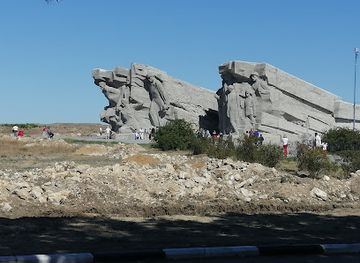
Kerch's most significant visitor interests are archaeological, military and coastal, although access is currently severely restricted by occupation and the war. The remains of ancient Panticapaeum spread across the slopes of Mount Mithridat, where fragments of the Bosporan capital reveal the city's Greek and Black Sea past. The Church of St John the Baptist, one of the peninsula's notable medieval monuments, offers a different perspective on Kerch's Christian heritage. At the eastern edge of the city, Yenikale Fortress reflects the Ottoman struggle to control the Kerch Strait, while the Adzhimushkai quarries preserve the memory of wartime resistance underground. The Kerch Historical-Archaeological Museum and nearby memorial landscapes have traditionally added context to the ruins, although collections, opening arrangements and physical access cannot be assumed. The strait itself remains a defining geographical feature, but military sensitivity makes viewpoints, ports and infrastructure subject to strict restrictions.
-
War museum
Adzhimushkayskiye Kamenolomni
Discover the haunting history of World War II at Adzhimushkayskiye Kamenolomni, an underground museum in Kerch that honors resilience and sacrifice.
14 min drive · 4.6 km from city centre
-
Bridge
Crimean bridge
Explore the magnificent Crimean Bridge, a stunning architectural landmark connecting the Taman Peninsula and Crimea, showcasing breathtaking views and engineering prowess.
32 min drive · 12 km from city centre
-
Historical landmark
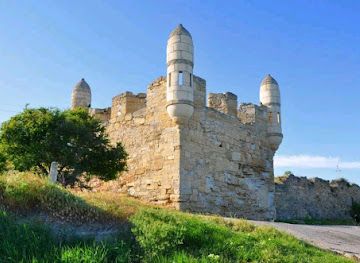
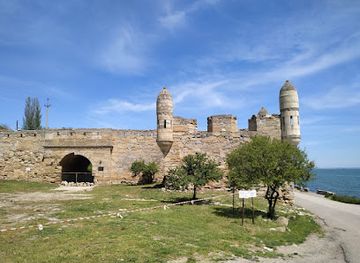
Yeni-Kale Fortress
Discover the majestic Yeni-Kale Fortress in Kerch, a historical landmark offering stunning views and a glimpse into the region's rich past.
30 min drive · 10 km from city centre
-
Fortress
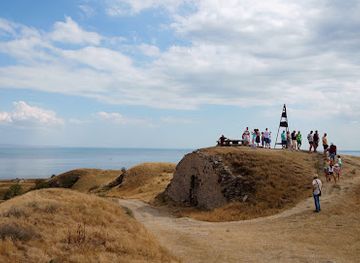
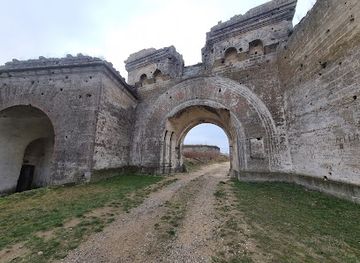
Kerch Fortress
Discover the historical significance and breathtaking views of Kerch Fortress, a remarkable archaeological site and tourist attraction in Kerch, Russia.
15 min drive · 4.9 km from city centre
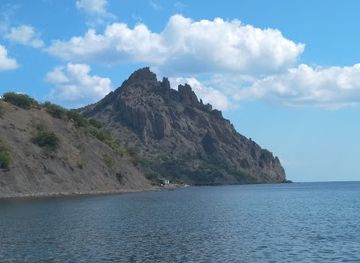
Best landmarks in Kerch
Kerch's landmarks embody its position between ancient Mediterranean settlement and modern military frontier. The archaeological remains of Panticapaeum on Mount Mithridat mark the site of the Bosporan Kingdom's capital, while the hill itself provides the historic setting for monuments and views across the strait. The Church of St John the Baptist is an important medieval Christian building, traditionally associated with Byzantine architectural influence. Yenikale Fortress, built by the Ottoman Empire in the eighteenth century, records the strategic contest for control of the waterway. The Kerch Fortress, constructed under the Russian Empire, represents a later phase of coastal defence, while the Adzhimushkai quarries function as a powerful memorial to the Second World War. These sites are historically significant, but their condition, accessibility and protection are subject to wartime restrictions.
-
Ruin
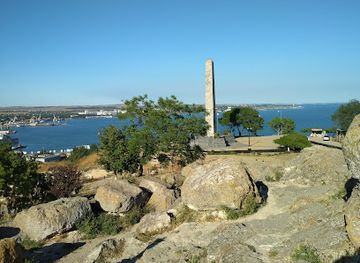
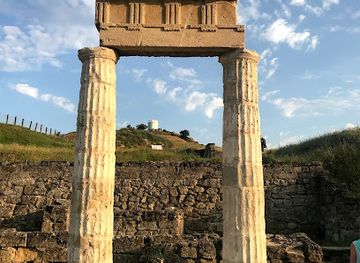
Panticapaeum
Explore the ancient ruins of Panticapaeum in Kerch, a captivating site that unveils the rich history of the Bosporan Kingdom and its remarkable architecture.
11 min walk · 0.9 km from city centre
-
Bridge
Crimean bridge
Discover the breathtaking Crimean Bridge, an engineering marvel that connects the Crimean Peninsula to mainland Russia with stunning views and rich history.
32 min drive · 12 km from city centre
Explore Kerch on the map
Plan your Kerch trip on one map. See where the top attractions, landmarks, restaurants, bars and hotels are, find what's near where you're staying, and book hotels and experiences in a few clicks.
Best hotels in Kerch
Best restaurants in Kerch
Kerch's traditional food culture reflects its position on the Black Sea and Sea of Azov, with fish, seafood, seasonal vegetables, bread and preserved products historically important to local cooking. Crimean Tatar, Ukrainian, Russian, Greek and other regional influences have shaped the wider peninsula's culinary traditions, while the city's port identity encouraged simple fish dishes and market-based eating. Before the current restrictions, central cafés, bakeries, markets and casual restaurants formed the most accessible part of the dining scene, alongside familiar Crimean and eastern European specialities. Current restaurant availability, supply chains, payment systems and hygiene conditions cannot be assumed, and international visitors should not rely on pre-war listings or reviews. Food markets and informal vendors may also be affected by regulation, shortages or security conditions, making official local information essential for any authorised stay.
-
Restaurant
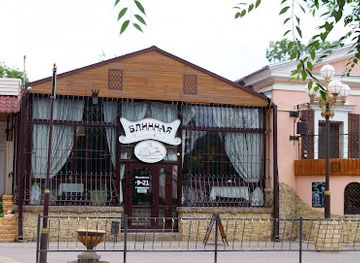
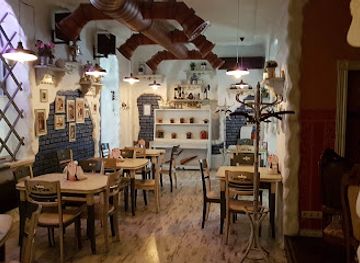
Кафе «Блинная»
Discover the culinary delights at Café Blinnaya in Kerch – a haven for blini lovers with traditional flavors and warm hospitality.
8 min walk · 0.7 km from city centre
-
Restaurant
GRANDE Веранда
Discover the exquisite flavors of Kerch at GRANDE Веранда – where local cuisine meets modern elegance.
5 min walk · 0.4 km from city centre
-
Pizza
Akvatoriya
Discover Akvatoriya in Kerch – where delicious pizzas meet warm hospitality in a cozy setting.
25 min drive · 8.4 km from city centre
-
Restaurant
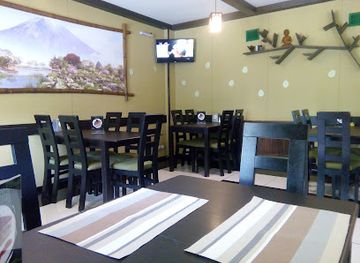
Суши-бар FUJI
Experience authentic Japanese cuisine at Sushi Bar FUJI in Kerch – where fresh ingredients meet exquisite flavors.
2 min walk · 0.2 km from city centre

Best bars in Kerch
Kerch has historically had a modest evening scene centred on cafés, restaurants, waterfront walks and small local bars rather than a large international club circuit. In warmer months, the sea-facing setting and long daylight hours supported relaxed outdoor socialising, while cultural institutions and memorial sites provided more reflective alternatives to nightlife. The city has not generally been known for a dense concentration of major clubs, live-music venues or late-night entertainment districts. Under occupation and wartime conditions, opening arrangements, public gatherings, alcohol regulations, curfews and transport can change without notice, and venues cannot be assumed to be operating. Visitors should avoid gathering near military, port or infrastructure sites after dark and should follow all current security instructions rather than relying on older nightlife information.
-
Restaurant
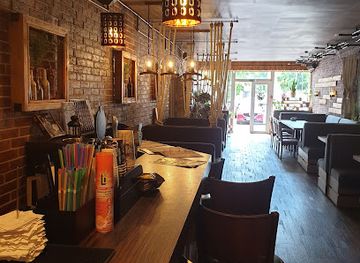
Look Bar
Discover the vibrant flavors of Kerch at Look Bar, where modern cuisine meets local tradition in a welcoming atmosphere.
4 min walk · 0.3 km from city centre
Best nightclubs in Kerch
Kerch has historically had a modest evening scene centred on cafés, restaurants, waterfront walks and small local bars rather than a large international club circuit. In warmer months, the sea-facing setting and long daylight hours supported relaxed outdoor socialising, while cultural institutions and memorial sites provided more reflective alternatives to nightlife. The city has not generally been known for a dense concentration of major clubs, live-music venues or late-night entertainment districts. Under occupation and wartime conditions, opening arrangements, public gatherings, alcohol regulations, curfews and transport can change without notice, and venues cannot be assumed to be operating. Visitors should avoid gathering near military, port or infrastructure sites after dark and should follow all current security instructions rather than relying on older nightlife information.
-
Bar
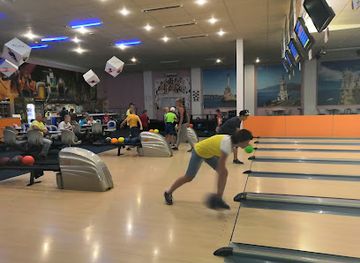
Bouling Klub "Aleks"
Discover the lively atmosphere and delightful drinks at Bouling Klub Aleks, Kerch's premier bar for socializing and entertainment.
24 min drive · 8.2 km from city centre
-
Karaoke bar
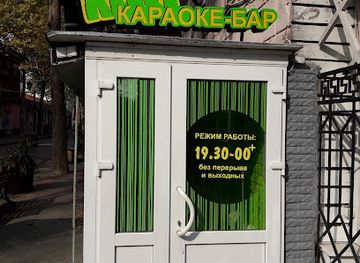
Караоке-бар "Kiwi"
Discover the lively Karaoke Bar Kiwi in Kerch, where music, drinks, and unforgettable nights come together for a memorable experience.
5 min walk · 0.4 km from city centre
-
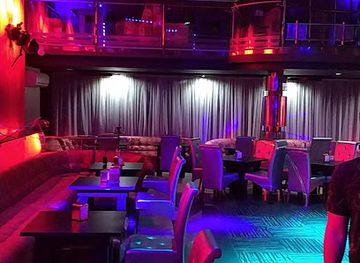
Night club
Клуб "Cherri"
Discover the vibrant nightlife at Клуб Cherri in Kerch, where music, dance, and fun come together for an unforgettable evening.
1 min walk · 0.1 km from city centre
Best shops in Kerch
Kerch's pre-war shopping character combined everyday markets, small food shops, seafront kiosks and independent retailers rather than a nationally prominent luxury or designer scene. Fish and other maritime products, Crimean foods, preserves, woven goods and regional handicrafts have traditionally offered more locally distinctive purchases than mass-produced souvenirs. Markets also reflected the peninsula's mixed cultural inheritance, with Ukrainian, Crimean Tatar, Russian and wider Black Sea influences visible in food and household goods. Current retail availability, payment methods and market operations are uncertain because of occupation, disrupted supply chains and wartime controls. Travellers should be cautious about purchasing archaeological objects, military memorabilia or unverified antiques, and should not remove cultural items from the region without clear legal documentation and expert advice.
-
Ruin
Panticapaeum
Discover the ancient city of Panticapaeum in Kerch, where history and breathtaking views of the Black Sea await every traveler.
11 min walk · 0.9 km from city centre
-
Historical landmark
Yeni-Kale Fortress
Explore the historic Yeni-Kale Fortress in Kerch, a remarkable landmark offering stunning views and a glimpse into the region's rich history.
30 min drive · 10 km from city centre
-
Fortress
Kerch Fortress
Explore the historical grandeur of Kerch Fortress, a stunning archaeological site and a testament to the region's rich cultural heritage.
15 min drive · 4.9 km from city centre
Get your free copy of our complete guide to Kerch, delivered straight to you.
Everything on this page, from attractions and restaurants to essentials and local phrases, in one PDF you can read offline, print or share.
Already have an account? Sign in
Your Kerch guide is ready.
We'll send it to · Not you? Sign out

Getting your guide ready…
We are putting together a fresh copy of the Kerch guide. This can take up to a minute.
This can take a few moments. If your browser asks, choose Allow so the download can start. You'll find the guide in your Downloads folder.
Nothing happened? Download it again
Sorry, the guide is taking longer than usual. Please try again in a minute, or get it by email instead.
Kerch essentials
Currency and Payment
Safety
Emergency Situations
Do's and Don'ts
Local Tips
From Eve
Local phrases worth knowing
You don't need to get them perfect. A few words go a long way, and locals appreciate the effort.
Basics
| English | Local | Say it |
|---|---|---|
| Hello | Привіт | [Privit] |
| Goodbye | До побачення | [Do pobachennya] |
| Yes | Так | [Tak] |
| No | Ні | [Ni] |
| Please/You're welcome | Будь ласка | [Bud' laska] |
| Thank you | Дякую | [Dyakuyu] |
| Excuse me/Sorry | Вибачте | [Vybachte] |
| How are you? | Як справи? | [Yak spravy?] |
| Fine. And you? | Добре. А ви? | [Dobre. A vy?] |
| Do you speak English? | Ви говорите англійською? | [Vy hovoryte anhliysʹkoyu?] |
| I don't understand | Я не розумію | [Ya ne rozumiyu] |
Eating & Drinking
| English | Local | Say it |
|---|---|---|
| I'd like to see the menu, please | Я б хотів подивитися меню, будь ласка | [Ya b khotiv podyvytysya menyu, bud' laska] |
| I don't eat meat | Я не їм м'ясо | [Ya ne yim m'yaso] |
| Cheers! | На здоров'я! | [Na zdorov'ya!] |
| I would like to pay, please | Я б хотів заплатити, будь ласка | [Ya b khotiv zaplatyty, bud' laska] |
Emergencies
| English | Local | Say it |
|---|---|---|
| Help! | Допоможіть! | [Dopomozhitʹ!] |
| Go away! | Піди геть! | [Pidi hetʹ!] |
| Call the Police! | Викличте поліцію! | [Vyklychte politsiyu!] |
| Call a doctor! | Викличте лікаря! | [Vyklychte likarya!] |
| I'm lost | Я загубився | [Ya zahubyvsya] |
| I'm ill | Я хворий | [Ya khvoryy] |
Shopping
| English | Local | Say it |
|---|---|---|
| I'd like to buy... | Я б хотів купити... | [Ya b khotiv kupity...] |
| I'm just looking | Я просто дивлюсь | [Ya prosto dyvlyus'] |
| How much is it? | Скільки це коштує? | [Skilʹky tse koshtuye?] |
| That's too expensive | Це занадто дорого | [Tse zanadto doroho] |
| Can you lower the price? | Чи можна знизити ціну? | [Chy mozhna znyzyty tsinu?] |
Time & Numbers
| English | Local | Say it |
|---|---|---|
| What time is it? | Котра година? | [Kotra hodyna?] |
| It's one o'clock | Одна година | [Odna hodyna] |
| Half past (10) | Пів на одинадцяту | [Piv na odynadtsyatu] |
| Morning | Ранок | [Ranok] |
| Afternoon | Після обіду | [Pislya obidu] |
| Evening | Вечір | [Vechir] |
| Yesterday | Вчора | [Vchora] |
| Today | Сьогодні | [Sogodni] |
| Tomorrow | Завтра | [Zavtra] |
| 1 | один | [odyn] |
| 2 | два | [dva] |
| 3 | три | [try] |
| 4 | чотири | [chotyry] |
| 5 | п'ять | [pyat'] |
| 6 | шість | [shist'] |
| 7 | сім | [sim] |
| 8 | вісім | [visim] |
| 9 | дев'ять | [dev'yat'] |
| 10 | десять | [desyat'] |
Transport & Directions
| English | Local | Say it |
|---|---|---|
| Where's a/the...? | Де є ...? | [De ye ...?] |
| What's the address? | Яка адреса? | [Yaka adresa?] |
| Can you show me (on the map)? | Чи можете ви мені показати (на мапі)? | [Chy mozhete vy meni pokazaty (na mapi)?] |
| When's the next (bus)? | Коли наступний (автобус)? | [Koly nastupnyy (avtobus)?] |
| A ticket (to ....) | Квиток (до ....) | [Kvytok (do ....)] |
History of Kerch
Panticapaeum and Greek Settlement
Kerch grew from Panticapaeum, a Greek settlement founded in the late seventh or early sixth century BC on the slopes of Mount Mithridat. Its position overlooking the Kerch Strait supported maritime trade, agriculture and links with communities around the Black Sea and the Sea of Azov. Panticapaeum became the principal city of the Bosporan Kingdom, a state that connected Greek coastal colonies with the peoples of the surrounding steppe. Archaeological remains, including terraces, walls, tombs and fragments of public buildings, continue to define the city's historical landscape. The ancient settlement also established Kerch's enduring role as a meeting point between Mediterranean commercial traditions and the cultures of the northern Black Sea.
The Bosporan Kingdom and Mithridates
From the fifth century BC, Panticapaeum served as the political centre of the Bosporan Kingdom, whose rulers governed territory on both sides of the strait. Grain exports, fisheries and seaborne commerce supported the kingdom, while Greek artistic and civic traditions developed alongside local customs. In the first century BC, the Bosporan ruler Mithridates VI of Pontus sought refuge and authority in the region during his conflict with Rome; his final years ended at Panticapaeum in 63 BC. The modern name Mount Mithridat recalls this association, although the hill and its monuments represent many different periods rather than a single surviving ancient structure.
Byzantine and Medieval Crossroads
After the ancient Bosporan world changed, the strait remained important to successive powers, including the Roman and Byzantine spheres and later medieval states. The settlement known as Bosporus and then Korchev developed through maritime exchange, linking the Black Sea with the Sea of Azov and routes towards the steppe. The Church of St John the Baptist, generally dated to the medieval period and traditionally associated with Byzantine architectural influence, is among the clearest surviving reminders of the city's Christian past. Genoese merchants later controlled a trading presence at Caffa and other Crimean ports, while the eastern end of the peninsula continued to be shaped by commerce, fortification and competition between regional powers.
Ottoman Frontier and Yenikale
The Ottoman Empire established a stronger presence around the Kerch Strait during the early modern period, and the Yenikale Fortress was built in the eighteenth century to guard the strategic waterway. Its position north-east of the historic centre reflects the military importance of controlling passage between the Black Sea and the Sea of Azov. In 1774, the Treaty of Küçük Kaynarca weakened Ottoman control over Crimea, and the Russian Empire annexed the peninsula in 1783. Under imperial Russian rule, Kerch developed as a port and military settlement, though its strategic situation also made it vulnerable during later conflicts, including the Crimean War.
Imperial Port and Industrial City
During the nineteenth century, Kerch's harbour, fishing grounds and connections with the wider Black Sea economy encouraged urban and industrial growth. Iron ore extraction on the Kerch Peninsula became particularly significant, supporting metallurgical production and strengthening the city's role within the Russian imperial economy. New civic buildings, transport links and defensive works appeared alongside older archaeological remains. The result was a layered port city in which ancient ruins, Orthodox churches, military installations and industrial infrastructure occupied the same wider landscape. Kerch's position also gave it continuing strategic importance during the upheavals surrounding the Russian Revolution and the subsequent civil war.
Second World War and Postwar Memory
Kerch was heavily affected by the Second World War. German forces occupied the city, while Soviet attempts to retain and retake the Kerch Peninsula produced intense fighting in 1941–42 and again during the liberation of the city in 1943. The Adzhimushkai quarries became associated with the prolonged resistance of Soviet soldiers and civilians sheltering underground after the fall of Kerch in 1942. Postwar reconstruction reshaped much of the city, and memorials, military museums and commemorative landscapes became central to its public identity. Since Ukraine's independence in 1991, Kerch has remained part of Ukraine; Russian forces occupied Crimea, including Kerch, in 2014, a status not recognised by Ukraine or most of the international community.
Kerch in Photos
Browse through our photo collection highlighting the charm and character of the destination.
Cities near Kerch
The closest cities to Kerch, if you have time for more than one stop.
-

-

-

-

-


Swipe for more cities
Explore more

Explore more of Ukraine
Explore Ukraine: From Kyiv's golden domes to the Carpathian Mountains, discover a country rich in history, culture, and natural beauty in the heart of Eastern Europe.
Explore Ukraine