

Free Uzhhorod Travel Guide & Mobile App
Plan your Uzhhorod trip with Evendo. Get free guides to top attractions, restaurants, hotels, and bars. Web access or download the mobile app.


Uzhhorod, Ukraine’s western gateway, blends castle history, Hungarian-influenced cuisine, riverside walks, leafy streets and Carpathian culture.
Borderland History
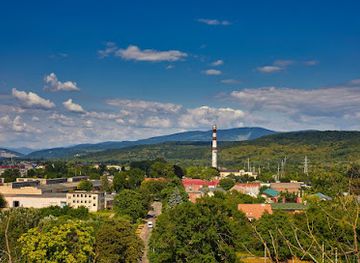
Uzhhorod lies in Ukraine’s far-western Zakarpattia region, close to the Slovakian frontier and at the meeting point of Ukrainian, Hungarian, Slovak, Jewish and Rusyn cultural influences. The Uzh River runs through the city, while the broad Carpathian landscape begins beyond its streets. Its historic names, including Ungvár in Hungarian, reflect a past shaped by the Kingdom of Hungary, the Habsburg lands, Czechoslovakia and twentieth-century Ukraine. Uzhhorod Castle, standing above the old town, provides the clearest introduction to this layered history.Read more about Uzhhorod
Old Streets and Riverside Life
Carpathian Culture
When is the best time to visit Uzhhorod?
Best: June, August–September · 21–26°C| Month | High (°C) | Rainfall (mm) |
|---|---|---|
| January | 1 | 23 |
| February | 2 | 20 |
| March | 7 | 22 |
| April | 14 | 32 |
| May | 21 | 63 |
| June (best) | 25 | 78 |
| July | 27 | 79 |
| August (best) | 26 | 65 |
| September (best) | 21 | 45 |
| October | 13 | 36 |
| November | 7 | 35 |
| December | 4 | 28 |
Getting to and around Uzhhorod
How to get there
Transportation
Best attractions in Uzhhorod
Uzhhorod’s compact centre brings together several different kinds of sightseeing. Uzhhorod Castle houses the Zakarpattia Regional History Museum and occupies the city’s historic high ground, while the nearby Zakarpattia Museum of Folk Architecture and Life presents traditional wooden homes, churches and farm buildings brought from across the region. The Greek Catholic Cathedral and former synagogue, now the Zakarpattia Regional Philharmonic, reveal the city’s layered religious and musical heritage. Downhill, Korzo and adjacent pedestrian streets are lined with older façades, cafés and small shops, making them natural routes between the castle and the Uzh River. The riverside Linden Alley is one of the city’s defining walks, especially when its trees are in bloom. For a quieter change of pace, the botanical garden and Bozdosky Park provide greenery within the urban area, while the nearby Nevitske Castle is a regional excursion rather than a city attraction.
-
Tourist attraction
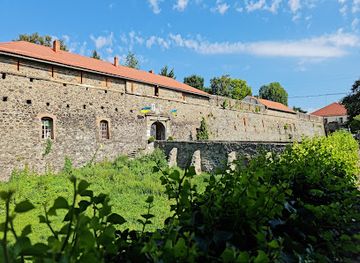
Uzhhorod Сastle, Transcarpathian Museum of Regional History named after Tyvodar Lehotsky
Discover Uzhhorod Castle, a historical fortress and museum that showcases the rich heritage of Transcarpathia with breathtaking views and captivating exhibits.
11 min walk · 0.9 km from city centre
-
Tourist attraction
Bozdosh Park
Discover the charm of Bozdosh Park in Uzhhorod, a serene haven for nature lovers and families, offering lush landscapes and delightful attractions.
7 min drive · 2.2 km from city centre
-
Tourist attraction
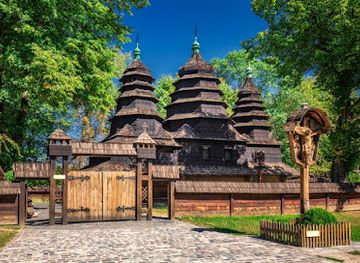
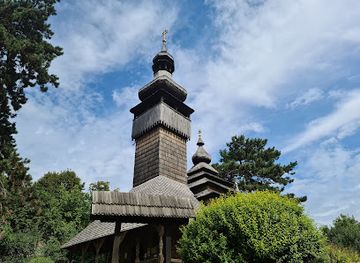
Museum of Folk Architecture and Rural Life
Explore the enchanting Museum of Folk Architecture and Rural Life in Uzhhorod, a premier open-air museum showcasing Ukrainian culture and history.
13 min walk · 1.0 km from city centre
-
Tourist attraction
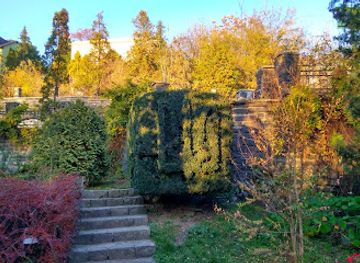
UzhNU Botanical Garden
Explore the lush landscapes and diverse plant collections at UzhNU Botanical Garden, a serene escape in Uzhhorod, Ukraine.
11 min walk · 0.9 km from city centre
Best landmarks in Uzhhorod
Uzhhorod Castle is the city’s principal historic landmark, occupying a fortified hill above the old settlement and preserving the outline of Uzhhorod’s strategic medieval position. The Greek Catholic Cathedral, formally the Cathedral of the Exaltation of the Cross, represents the importance of the Byzantine Catholic tradition in Zakarpattia and stands near the former bishop’s residence. On the riverfront, the former Uzhhorod synagogue, built for the city’s Jewish community and now used as the Zakarpattia Regional Philharmonic, is one of the most recognisable buildings in the centre. Historic streets around Korzo contain civic and commercial architecture from the Austro-Hungarian and Czechoslovak periods, while the pedestrian bridge over the Uzh has become a familiar urban viewpoint. Together, these landmarks show how fortress, church, community and river shaped the city’s development.
-
Castle
Uzhhorod Сastle, Transcarpathian Museum of Regional History named after Tyvodar Lehotsky
Explore Uzhhorod Castle, a historical fortress that unveils the rich cultural heritage of Transcarpathia through captivating exhibits and stunning views.
11 min walk · 0.9 km from city centre
-
Park
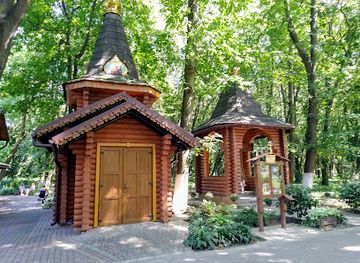
Bozdosh Park
Experience the charm of Bozdosh Park, a lush urban retreat in Uzhhorod, where nature and recreation come together for an unforgettable escape.
7 min drive · 2.2 km from city centre
-
Hotel
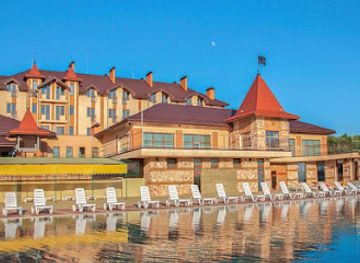
Zolota Gora Hotel-Rancho
Discover the tranquil beauty of Zakarpattia at Zolota Gora Hotel-Rancho, where comfort meets adventure in a picturesque setting.
21 min drive · 6.9 km from city centre
-
Open air museum
Museum of Folk Architecture and Rural Life
Explore Uzhhorod's heritage at the Museum of Folk Architecture and Rural Life, an open-air museum showcasing traditional Ukrainian rural life.
13 min walk · 1.0 km from city centre

Explore Uzhhorod on the map
Plan your Uzhhorod trip on one map. See where the top attractions, landmarks, restaurants, bars and hotels are, find what's near where you're staying, and book hotels and experiences in a few clicks.
Best hotels in Uzhhorod
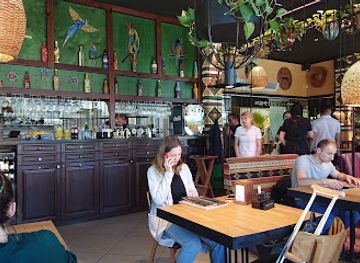
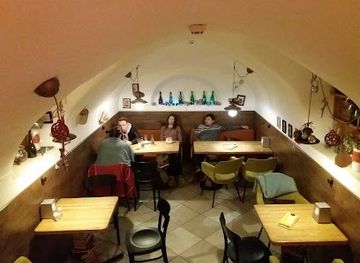
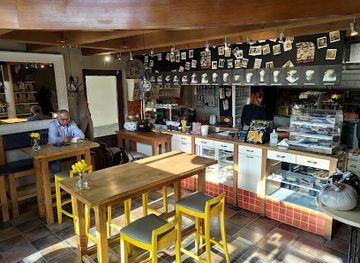
Best restaurants in Uzhhorod
Uzhhorod’s food culture reflects its position at the western edge of Ukraine, where Ukrainian, Hungarian, Slovak, Jewish and Carpathian traditions have influenced one another. Menus may feature bograch, a paprika-rich goulash-style stew associated with Hungarian cooking, as well as banosh, a Carpathian cornmeal dish commonly served with dairy and savoury toppings. Local tables also draw on river fish, mushrooms, seasonal vegetables, cured meats and Zakarpattian wines. The central streets around Korzo and the market areas offer the broadest choice of cafés, bakeries and informal restaurants, while traditional dishes are also found in family-run establishments beyond the most visited streets. Coffee culture is well established, and pastries and cakes reflect the city’s Central European connections. Dining is generally relaxed, with regional recipes appearing alongside contemporary Ukrainian cooking and familiar international options.
-
Restaurant
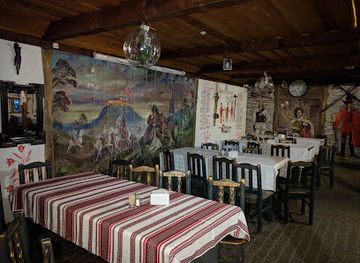
Detsa u Notarya
Discover authentic Zakarpattia cuisine at Detsa u Notarya in Uzhhorod - where tradition meets taste in every dish.
12 min drive · 4.0 km from city centre
-
Pizza
Сhili Pizza
Experience a unique blend of Italian pizza and Japanese sushi at Сhili Pizza in Uzhhorod - where every bite is a delight!
5 min walk · 0.4 km from city centre
-
Restaurant
Eat Me! Cafe
Discover Eat Me! Cafe in Uzhhorod: A must-visit spot for breakfast lovers and coffee aficionados alike, offering delicious dishes and artisanal brews.
5 min walk · 0.4 km from city centre
-
Restaurant
Antresol by Mrs. Greenwich
Discover the flavors of Uzhhorod at Antresol by Mrs. Greenwich—where exquisite pizzas meet delightful desserts in a cozy atmosphere.
3 min walk · 0.2 km from city centre
Best bars in Uzhhorod
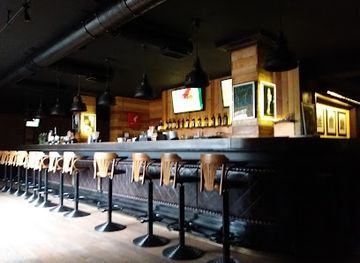
Uzhhorod’s evening life is modest in scale but well suited to relaxed socialising. The historic centre around Korzo, Voloshyna Street and nearby lanes has cafés, pubs, wine-focused venues and bars where evenings begin over coffee, local wine or a regional beer rather than in large entertainment complexes. The city’s Central European and Transcarpathian connections are reflected in its interest in wine, small cultural events and informal live music. The former synagogue, now the Zakarpattia Regional Philharmonic, provides a more formal evening setting through concerts and performances when programmes are scheduled. Student life and local hospitality give some venues a later rhythm, but nightlife is concentrated and comparatively low-key rather than club-dominated. Check current programmes and arrangements locally, particularly because operating conditions and public events can change.
-
Brewpub
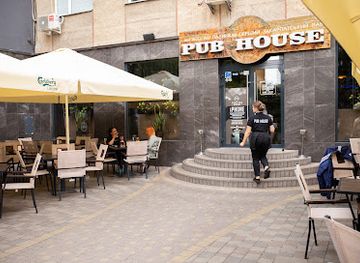
Pub House
Experience the best of local brews and cuisine at Pub House, a vibrant brewpub in Uzhhorod known for its warm atmosphere and exceptional flavors.
5 min drive · 1.7 km from city centre
-
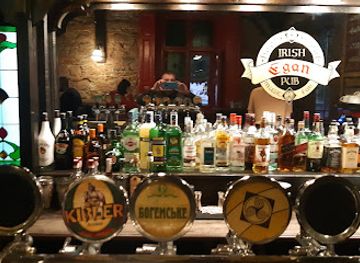
Irish pub
Egan Irish Pub
Experience the heart of Uzhhorod at Egan Irish Pub, where Irish charm meets delicious pizza in a cozy atmosphere.
7 min walk · 0.5 km from city centre
-
Pub
Hodynka
Discover Hodynka, a cozy pub in Uzhhorod offering a delightful mix of local flavors and international cuisine, perfect for every traveler.
3 min walk · 0.3 km from city centre
-
Pub
Korzo 10
Discover the lively atmosphere of Korzo 10 in Uzhhorod, where great drinks and warm hospitality await every visitor.
4 min walk · 0.3 km from city centre
Best nightclubs in Uzhhorod
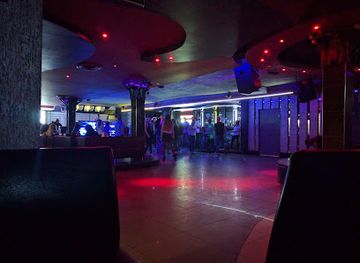
Uzhhorod’s evening life is modest in scale but well suited to relaxed socialising. The historic centre around Korzo, Voloshyna Street and nearby lanes has cafés, pubs, wine-focused venues and bars where evenings begin over coffee, local wine or a regional beer rather than in large entertainment complexes. The city’s Central European and Transcarpathian connections are reflected in its interest in wine, small cultural events and informal live music. The former synagogue, now the Zakarpattia Regional Philharmonic, provides a more formal evening setting through concerts and performances when programmes are scheduled. Student life and local hospitality give some venues a later rhythm, but nightlife is concentrated and comparatively low-key rather than club-dominated. Check current programmes and arrangements locally, particularly because operating conditions and public events can change.
-
Pub
Korzo 10
Discover the lively atmosphere and diverse menu at Korzo 10, a top pub in Uzhhorod, perfect for enjoying local culture and nightlife.
4 min walk · 0.3 km from city centre
-
Night club
A priori
Discover Uzhhorod's vibrant nightlife at A Priori Night Club, a premier spot for music, drinks, and unforgettable experiences.
4 min walk · 0.3 km from city centre
-
Night club
Maximus
Experience the vibrant nightlife of Uzhhorod at Maximus, a top night club and pool hall blending music, dance, and fun.
17 min walk · 1.4 km from city centre
-
Karaoke bar
Караоке-рестобар «SVOI»
Discover the fusion of karaoke and fine dining at 'SVOI', the ultimate nightlife destination in Uzhhorod, Ukraine.
3 min walk · 0.3 km from city centre

Best shops in Uzhhorod
Shopping in Uzhhorod ranges from everyday Ukrainian retail to small-scale local food and craft buying. The central pedestrian streets around Korzo and nearby Kapitulna and Voloshyna streets contain independent shops, cafés, bookshops and practical retailers, while markets provide a more informal view of local commerce. Travellers can look for Zakarpattian wine, honey, preserves, dried mushrooms and regional confectionery, with availability varying by season and producer. Folk-inspired textiles, ceramics and small wooden objects are more likely to be found through craft outlets and museum-related shops than in standard souvenir chains. The city’s borderland character also appears in its Central European taste for pastries, coffee and specialist food products. Larger supermarkets are useful for provisions, but the most distinctive purchases tend to be edible regional goods or modest locally made crafts rather than luxury merchandise.
-
Shopping mall
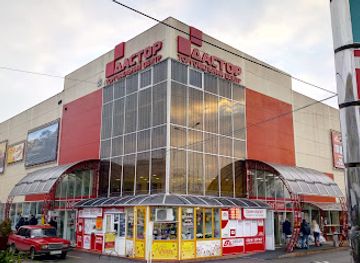
Dastor
Discover Dastor in Uzhhorod: A shopping mall blending local culture, diverse cuisine, and a vibrant atmosphere for an unforgettable experience.
18 min walk · 1.5 km from city centre
-
Art gallery
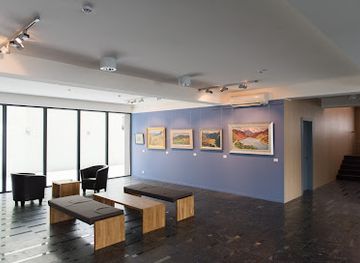
Ilko Gallery
Explore contemporary art, enjoy a cozy café atmosphere, and engage with the local culture at Ilko Gallery in Uzhhorod.
10 min walk · 0.8 km from city centre
-
Grocery store
Zina
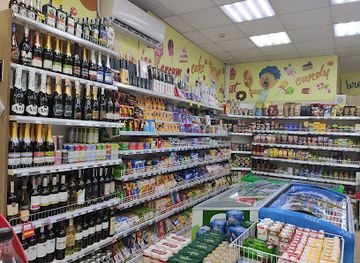
Discover local flavors and convenience at Zina in Uzhhorod – your one-stop shop for fresh food and fast meals in Zakarpattia Oblast.
8 min walk · 0.7 km from city centre
-
Sporting goods store
Mahazyn Sportyvnykh Tovariv
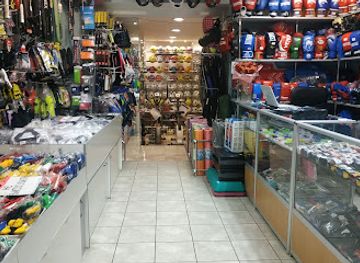
Explore Mahazyn Sportyvnykh Tovariv for top-notch sporting goods in Uzhhorod, perfect for every sports enthusiast and outdoor adventurer.
10 min walk · 0.8 km from city centre
Get your free copy of our complete guide to Uzhhorod, delivered straight to you.
Everything on this page, from attractions and restaurants to essentials and local phrases, in one PDF you can read offline, print or share.
Already have an account? Sign in
Your Uzhhorod guide is ready.
We'll send it to · Not you? Sign out

Getting your guide ready…
We are putting together a fresh copy of the Uzhhorod guide. This can take up to a minute.
This can take a few moments. If your browser asks, choose Allow so the download can start. You'll find the guide in your Downloads folder.
Nothing happened? Download it again
Sorry, the guide is taking longer than usual. Please try again in a minute, or get it by email instead.
Uzhhorod essentials
Currency and Payment
Safety
Emergency Situations
Do's and Don'ts
Local Tips
From Eve
Local phrases worth knowing
You don't need to get them perfect. A few words go a long way, and locals appreciate the effort.
Basics
| English | Local | Say it |
|---|---|---|
| Hello | Привіт | [Pryvit] |
| Goodbye | До побачення | [Do pobachennya] |
| Yes | Так | [Tak] |
| No | Ні | [Ni] |
| Please/You're welcome | Будь ласка | [Budʹ laska] |
| Thank you | Дякую | [Dyakuyu] |
| Excuse me/Sorry | Вибачте | [Vybachte] |
| How are you? | Як справи? | [Yak spravy?] |
| Fine. And you? | Добре. А у вас? | [Dobre. A u vas?] |
| Do you speak English? | Ви говорите англійською? | [Vy hovoryte anhliysʹkoyu?] |
| I don't understand | Я не розумію | [Ya ne rozumiyu] |
Eating & Drinking
| English | Local | Say it |
|---|---|---|
| I'd like to see the menu, please | Я б хотів подивитися меню, будь ласка | [Ya b khotiv podyvytysya menyoo, budʹ laska] |
| I don't eat meat | Я не їм м'ясо | [Ya ne yim myaso] |
| Cheers! | Будьмо! | [Budʹmo!] |
| I would like to pay, please | Я б хотів оплатити, будь ласка | [Ya b khotiv oplatyty, budʹ laska] |
Emergencies
| English | Local | Say it |
|---|---|---|
| Help! | Допоможіть! | [Dopomozhitʹ!] |
| Go away! | Ідіть геть! | [Iditʹ hetʹ!] |
| Call the Police! | Викличте поліцію! | [Vyklychte politsiyu!] |
| Call a doctor! | Викличте лікаря! | [Vyklychte likarya!] |
| I'm lost | Я загубився | [Ya zahubyvsya] |
| I'm ill | Я хворий | [Ya khvoryy] |
Shopping
| English | Local | Say it |
|---|---|---|
| I'd like to buy... | Я б хотів купити... | [Ya b khotiv kupyty...] |
| I'm just looking | Я просто дивлюсь | [Ya prosto dyvlyusʹ] |
| How much is it? | Скільки це коштує? | [Skilʹky tse koshtuye?] |
| That's too expensive | Це занадто дорого | [Tse zanadto doroho] |
| Can you lower the price? | Чи можете ви знизити ціну? | [Chy mozhete vy znyzyty tsinu?] |
Time & Numbers
| English | Local | Say it |
|---|---|---|
| What time is it? | Котра година? | [Kotra hodyna?] |
| It's one o'clock | Одна година | [Odna hodyna] |
| Half past (10) | Пів на одинадцяту | [Piv na odynadtsyatu] |
| Morning | Ранок | [Ranok] |
| Afternoon | День | [Denʹ] |
| Evening | Вечір | [Vechir] |
| Yesterday | Вчора | [Vchora] |
| Today | Сьогодні | [Sʹohodni] |
| Tomorrow | Завтра | [Zavtra] |
| 1 | Один | [Odyn] |
| 2 | Два | [Dva] |
| 3 | Три | [Try] |
| 4 | Чотири | [Chotyry] |
| 5 | П'ять | [Pʹyatʹ] |
| 6 | Шість | [Shistʹ] |
| 7 | Сім | [Sim] |
| 8 | Вісім | [Visim] |
| 9 | Дев'ять | [Dev'yatʹ] |
| 10 | Десять | [Desyatʹ] |
Transport & Directions
| English | Local | Say it |
|---|---|---|
| Where's a/the...? | Де є... | [De ye...] |
| What's the address? | Яка адреса? | [Yaka adresa?] |
| Can you show me (on the map)? | Чи можете ви показати мені (на мапі)? | [Chy mozhete vy pokazaty meni (na mapi)?] |
| When's the next (bus)? | Коли наступний (автобус)? | [Koly nastupnyy (avtobus)?] |
| A ticket (to ....) | Квиток (до ...) | [Kvytok (do ...)] |
History of Uzhhorod
Early Settlement and the Uzh River
The settlement developed beside the Uzh River, an important route through the foothills and a natural crossing point between the Carpathian basin and eastern lands. The earliest written references to the area are medieval, while archaeological evidence indicates earlier habitation in the surrounding territory. Its position made the settlement strategically valuable: control of the river corridor offered access towards the mountain passes and the Hungarian plain. The name Uzhhorod is generally connected with the river, whose name appears in several historical forms. Over time, the settlement grew around a fortified elevation, establishing the spatial relationship between the castle hill, river and later town that remains legible today.
The Medieval Castle Town
During the Middle Ages, Uzhhorod became associated with the Kingdom of Hungary and developed around a fortified stronghold. The castle’s strategic role increased as regional powers competed for control of routes across the Carpathians. Medieval Uzhhorod was known in Hungarian as Ungvár, a name that continued in official and everyday use for centuries. The fortress was repeatedly adapted as military technology changed, and the settlement below it gained religious, administrative and commercial functions. Although later rebuilding altered the appearance of the complex, the castle hill still expresses the medieval logic of the city: defence above the river crossing, with civic life spreading across the lower ground.
Habsburg Rule and Religious Communities
From the early modern period, Uzhhorod was incorporated into the Habsburg political world, and the city’s institutions reflected the religious diversity of the region. Greek Catholic traditions became especially influential in the surrounding area, while Roman Catholic, Orthodox, Jewish and Protestant communities also contributed to urban life. The Uzhhorod Union of 1646, through which Orthodox clergy in the region entered communion with Rome while retaining the Byzantine rite, became an important episode in the history of the local Greek Catholic Church. Education, ecclesiastical administration and trade expanded, and the city’s churches and religious buildings acquired the Central European forms that remain part of its architectural identity.
Nineteenth-Century Urban Growth
The nineteenth century brought administrative consolidation, improved communications and a more recognisable urban centre. Uzhhorod’s links with the wider Kingdom of Hungary strengthened, encouraging commerce, civic construction and the growth of a professional and educational class. Streets, public buildings and religious institutions developed beyond the old fortress, while the river became both a practical and visual axis. The period also saw the continued presence of a substantial Jewish community, whose synagogues, businesses and cultural institutions helped shape the town’s commercial life. Modernisation did not erase older traditions; instead, Hungarian, Rusyn, Jewish, Slovak and other influences coexisted within a town whose identity remained distinctly borderland.
Czechoslovak Interwar Transformation
After the First World War and the dissolution of Austria-Hungary, Uzhhorod became part of Czechoslovakia and served as the administrative centre of Subcarpathian Rus. The interwar period brought new planning ideals, public administration and modernist architecture, including buildings associated with the regional government. The city’s political status changed again briefly in 1938–39, when its territory was transferred to Hungary, amid the wider crisis that preceded the Second World War. These changes left a visible mark on Uzhhorod’s streets and institutions, where Austro-Hungarian, Czechoslovak and later Soviet layers can often be read within a short walk.
War, Soviet Rule and Independent Ukraine
The Second World War brought persecution and the destruction of much of Uzhhorod’s Jewish community, a loss that remains central to the city’s twentieth-century history. In 1944 the region was occupied by Soviet forces, and Zakarpattia was incorporated into the Ukrainian Soviet Socialist Republic in 1945. Soviet administration reshaped industry, education and urban life while preserving some older buildings and religious sites in new roles. Following Ukraine’s independence in 1991, Uzhhorod became the regional capital of Zakarpattia and renewed its connections with neighbouring Central European countries. Its present character reflects this complicated succession of political systems, communities and cultural boundaries.
Uzhhorod in Photos
Browse through our photo collection highlighting the charm and character of the destination.
Cities near Uzhhorod
The closest cities to Uzhhorod, if you have time for more than one stop.
-

-

-

-
-


Swipe for more cities
Explore more

Explore more of Ukraine
Explore Ukraine: From Kyiv's golden domes to the Carpathian Mountains, discover a country rich in history, culture, and natural beauty in the heart of Eastern Europe.
Explore Ukraine