

Free Liwa Oasis Travel Guide & Mobile App
Explore Liwa Oasis with free travel guides. Discover regional history, expert tips, proposed trips, and audio guides on web or mobile app.


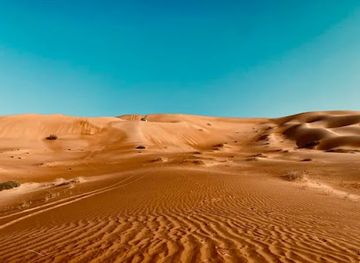
Explore Liwa Oasis for palm groves, Emirati heritage, vast Empty Quarter dunes, desert drives and the towering Moreeb Dune.
Read more about Liwa Oasis
When is the best time to visit Liwa Oasis?
Best: December–February · 23–27°C| Month | High (°C) | Rainfall (mm) |
|---|---|---|
| January (best) | 23 | 8 |
| February (best) | 27 | 7 |
| March | 31 | 10 |
| April | 36 | 3 |
| May | 41 | 1 |
| June | 43 | 0 |
| July | 45 | 0 |
| August | 44 | 1 |
| September | 41 | 1 |
| October | 36 | 2 |
| November | 29 | 3 |
| December (best) | 25 | 6 |
Getting to and around Liwa Oasis
How to get there
Transportation
Best attractions in Liwa Oasis
Liwa’s attractions are spread across an oasis landscape rather than concentrated in a conventional town centre. The palm plantations around Mezaira'a and neighbouring settlements offer an insight into date cultivation, irrigation and the continuing agricultural life of the desert, while restored forts and small heritage sites reveal how communities once protected wells and farms. The central natural attraction is the great dune country around Moreeb Dune, where visitors come for views, four-wheel-drive excursions, sand sports and desert photography. Organised camel experiences, guided drives and overnight camps can add cultural and environmental context, provided they are operated responsibly. The Liwa Festival brings seasonal motorsport, heritage displays and family activities to the Moreeb area, but its dates and format should be checked before travelling. Desert resorts provide another way to experience the landscape, generally through guided excursions, stargazing and traditional-style activities rather than independent access to remote sands. The oasis is also a useful base for exploring the transition between irrigated farmland and the Rub al Khali, although visitors should not attempt long off-road journeys without local expertise, adequate water and reliable recovery support.
-
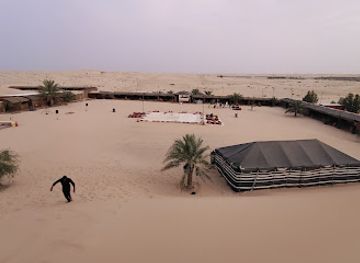
Tour operator
Abu Dhabi Desert Safari
Discover the magic of the Arabian desert at Abu Dhabi Desert Safari, where adventure meets culture and breathtaking landscapes await every traveler.
-
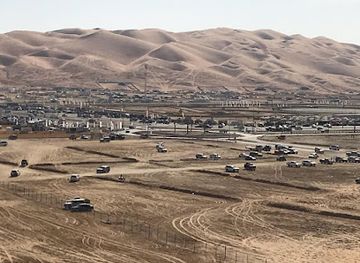
Dune
Tal Mor'eb
Explore Tal Mor'eb: Abu Dhabi's stunning dunes offering adventure, culture, and serene desert beauty for travelers seeking unforgettable experiences.
-
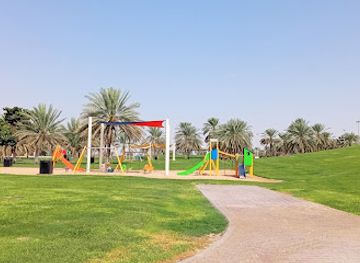
Park
The Public Park
Discover the tranquility of The Public Park in Zayed City, Abu Dhabi, a perfect blend of nature, recreation, and culture for every traveler.
-
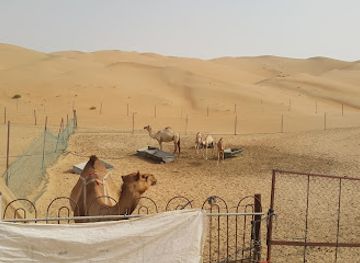
Convention center
Liwa dates festival مهرجان ليوا للرطب
Celebrate the rich heritage of date cultivation at the Liwa Dates Festival, a unique cultural event in Abu Dhabi showcasing delicious cuisine and local traditions.
Best landmarks in Liwa Oasis
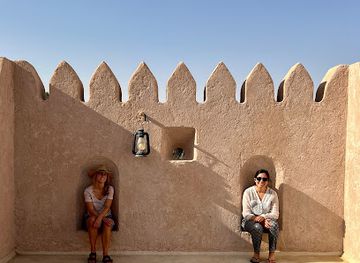
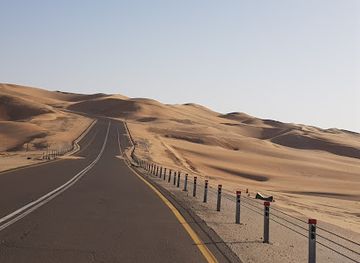
Moreeb Dune, or Tal Moreeb, is Liwa’s most recognisable natural landmark: a vast, steep-sided sand formation rising above the surrounding Empty Quarter and serving as the visual focus of the festival area. The oasis’s historic forts form a different kind of landmark, marking the settlements and water sources that supported life in the desert. Mezaira'a Fort and other surviving fortifications around the oasis are important less for monumental scale than for what they reveal about local protection, authority and agricultural settlement. The broad palm belts themselves are landmarks of human adaptation, their green canopies sharply contrasting with the surrounding dunes. Traditional watchtowers, restored heritage buildings and the long road approaches through changing shades of sand and vegetation reinforce Liwa’s distinctive sense of place. The significance of these sites lies in their relationship: water made the groves possible, the groves sustained communities, and the forts guarded the resources on which those communities depended.
-
Hotel
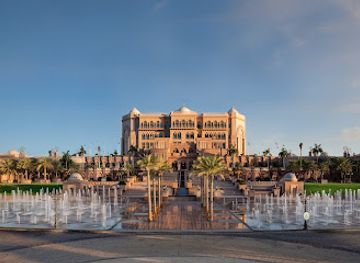
Emirates Palace Mandarin Oriental
Experience unparalleled luxury and cultural heritage at the Emirates Palace Mandarin Oriental, an iconic hotel in the heart of Abu Dhabi.
-
Tourist attraction
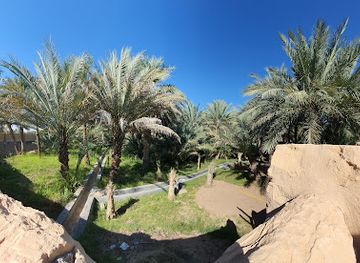
Al Ain Oasis
Explore the tranquil beauty and rich heritage of Al Ain Oasis, a UNESCO World Heritage site with lush palm groves and ancient irrigation systems.
-
Tourist attraction
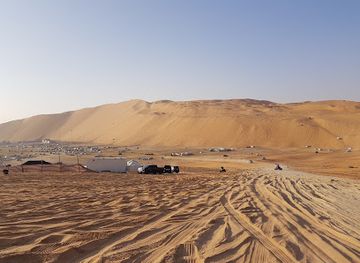
Moreeb Dune
Discover the breathtaking beauty and adventure of Moreeb Dune, Abu Dhabi's iconic natural wonder and a must-visit destination for all travelers.
-
Resort hotel
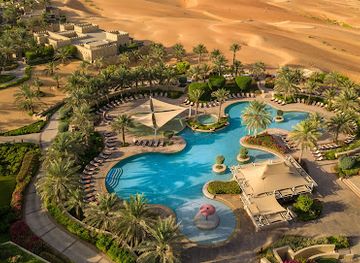
Qasr Al Sarab Desert Resort by Anantara
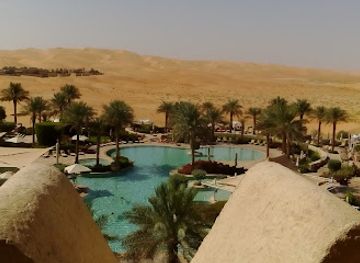
Discover the ultimate luxury escape at Qasr Al Sarab Desert Resort, a stunning oasis in the heart of the Liwa Desert, where adventure meets relaxation.
Explore Liwa Oasis on the map
Plan your trip on one map. See where the top cities, national parks and sights are, and book hotels and experiences in a few clicks.
Best hotels in Liwa Oasis
Best restaurants in Liwa Oasis
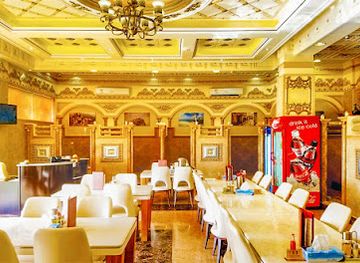
Dining in Liwa combines Emirati home cooking, practical local restaurants and the more international menus found at desert resorts. Dates are the signature agricultural product, with different varieties sold fresh, dried or prepared as gifts; Arabic coffee, camel milk products and sweet dishes often accompany them. Traditional Emirati foods such as harees, thareed and machboos can be found alongside South Asian, Arab and international cooking that reflects the UAE’s diverse population. Small restaurants and cafés in the principal settlements are useful for inexpensive meals, tea and refreshments, while hotel dining rooms provide air-conditioned settings and wider choice. Farm shops and local sellers may offer dates and other produce, though opening arrangements vary. Visitors should not assume that every desert camp offers a full restaurant service, so supplies and meal plans are worth checking before heading into remote areas. Alcohol is available only in licensed hospitality venues, generally associated with approved hotels and resorts.
-
Yemenite
Eye of gulf restaurant
Experience authentic Yemeni cuisine at Eye of Gulf Restaurant in Abu Dhabi - a must-visit destination for food enthusiasts.
-
Restaurant
Ghadeer Restaurant at Qasr Al Sarab Desert Resort by Anantara
Discover exquisite Middle Eastern cuisine at Ghadeer Restaurant in Qasr Al Sarab Desert Resort—where culinary artistry meets stunning desert views.
-
Restaurant
Al Anas restaurant
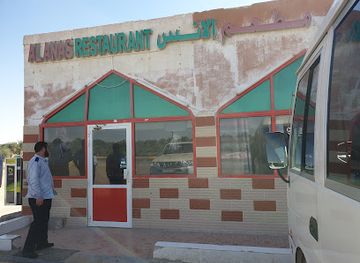
Discover the rich flavors of authentic Middle Eastern cuisine at Al Anas Restaurant in Hameem, Abu Dhabi.
-
Restaurant
Al Falaj Restaurant at Qasr Al Sarab Desert Resort by Anantara
Experience exquisite dining at Al Falaj Restaurant with breathtaking desert views at Qasr Al Sarab Desert Resort.
Best bars in Liwa Oasis
Liwa does not have a conventional nightclub district or a large late-night entertainment scene. Evening life is centred on family gatherings, cafés, hotel restaurants, desert camps and the quiet social atmosphere of local settlements. Licensed desert resorts may have lounges or bars for guests, subject to UAE regulations and the venue’s current arrangements, while some hotels provide outdoor dining, fireside settings and stargazing rather than club-style entertainment. During the Liwa Festival, the Moreeb area becomes considerably busier, with organised activities and evening programming that are seasonal rather than permanent. Visitors staying in the oasis should expect early starts, especially for desert excursions, and should not treat alcohol as central to the region’s culture. Respect local norms regarding public behaviour, noise and photography, particularly near residential areas and during family-oriented events.
-
Restaurant
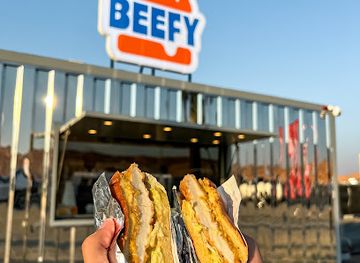
BEEFY BURGERS
Discover the ultimate burger experience at Beefy Burgers in Abu Dhabi, where taste meets quality in a vibrant dining atmosphere.
-
Bar
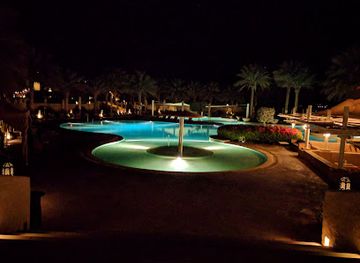
Anantara Pool Bar
Experience the ultimate relaxation at Anantara Pool Bar in Al Mirayr, Abu Dhabi, where refreshing drinks and stunning views await.
-
Restaurant
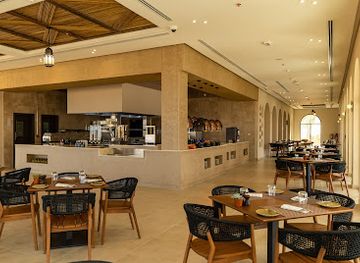
28 Degrees Restaurant at Bab Al Nojoum Bateen Liwa
Experience exquisite dining at 28 Degrees Restaurant in Bab Al Nojoum Bateen Liwa, where culinary traditions meet stunning views.
-
 Bar
BarLiyali Bar
Discover the lively atmosphere of Liyali Bar in Abu Dhabi, where traditional charm meets modern nightlife in an unforgettable experience.
Best nightclubs in Liwa Oasis
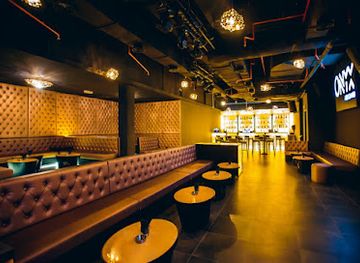
Liwa does not have a conventional nightclub district or a large late-night entertainment scene. Evening life is centred on family gatherings, cafés, hotel restaurants, desert camps and the quiet social atmosphere of local settlements. Licensed desert resorts may have lounges or bars for guests, subject to UAE regulations and the venue’s current arrangements, while some hotels provide outdoor dining, fireside settings and stargazing rather than club-style entertainment. During the Liwa Festival, the Moreeb area becomes considerably busier, with organised activities and evening programming that are seasonal rather than permanent. Visitors staying in the oasis should expect early starts, especially for desert excursions, and should not treat alcohol as central to the region’s culture. Respect local norms regarding public behaviour, noise and photography, particularly near residential areas and during family-oriented events.
-
Resort hotel
Bab Al Nojoum Bateen Liwa
Experience luxury and adventure at Bab Al Nojoum Bateen Liwa, a stunning resort hotel in Abu Dhabi's serene desert landscape.
-
Night club
WIZE MONKEY ABU DHABI
Experience the vibrant nightlife at Wize Monkey Abu Dhabi, where culinary delights meet electrifying entertainment for an unforgettable evening.
-
Club
WHITE Abu Dhabi
Discover the electrifying nightlife and stunning waterfront views at WHITE Abu Dhabi, a premier club and lounge in Yas Bay.
-
Hotel
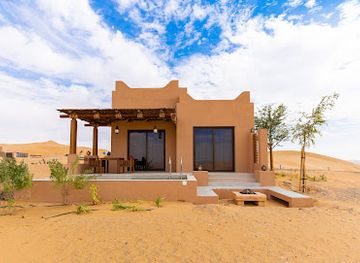
Liwa Nights Bedouin Glamping Retreat
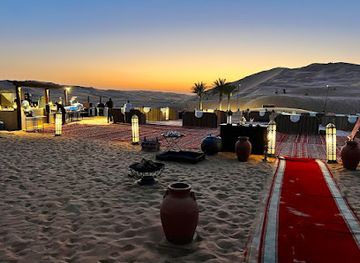
Experience the charm of the Arabian desert at Liwa Nights Bedouin Glamping Retreat, a luxurious gateway to Emirati culture and stunning landscapes.

Best shops in Liwa Oasis
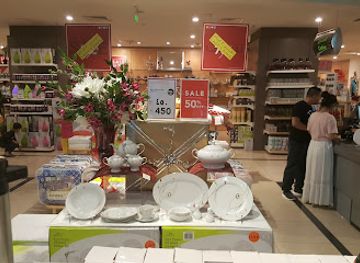
Shopping in Liwa is oriented towards everyday supplies, dates, traditional goods and desert hospitality rather than large-scale retail. Shops in Mezaira'a and the surrounding settlements stock food, drinks, clothing and practical travel items, while larger retail provision is available in Madinat Zayed, outside the oasis and north of it. Dates are the most characteristic purchase, with local and UAE-grown varieties commonly sold in shops and farm outlets; Arabic coffee, sweets and gift packaging are also widely available. Visitors may find incense, perfumes, woven goods and small craft items associated with Emirati heritage, although selection varies by season and location. Festival periods can bring temporary stalls selling food, souvenirs and outdoor equipment, but these should not be treated as permanent markets. Buy from established sellers, check packaging for travel practicality and ask permission before purchasing or photographing products displayed on private farms.
-
Tourist attraction
Moreeb Dune
Discover Moreeb Dune, a stunning natural wonder in Abu Dhabi, perfect for adventure seekers and nature lovers alike.
-
Shopping mall
Liwa Centre
Explore Liwa Centre, Abu Dhabi's vibrant shopping mall featuring diverse shops, dining, and entertainment for an unforgettable experience.
-
Hotel
LIWA HOTEL
Discover the allure of the desert at Liwa Hotel, a luxurious retreat in Abu Dhabi's stunning Liwa Oasis, perfect for relaxation and adventure alike.
-
Tourist attraction
Liwa Desert Dunes
Explore the stunning Liwa Desert Dunes, a natural wonder of golden sands and rich cultural experiences just outside Abu Dhabi.
Get your free copy of our complete guide to Liwa Oasis, delivered straight to you.
Everything on this page, from attractions and restaurants to essentials and local phrases, in one PDF you can read offline, print or share.
Already have an account? Sign in
Your Liwa Oasis guide is ready.
We'll send it to · Not you? Sign out

Getting your guide ready…
We are putting together a fresh copy of the Liwa Oasis guide. This can take up to a minute.
This can take a few moments. If your browser asks, choose Allow so the download can start. You'll find the guide in your Downloads folder.
Nothing happened? Download it again
Sorry, the guide is taking longer than usual. Please try again in a minute, or get it by email instead.
Liwa Oasis essentials
Currency and Payment
Safety
Emergency Situations
Do's and Don'ts
Local Tips
From Eve
Local phrases worth knowing
You don't need to get them perfect. A few words go a long way, and locals appreciate the effort.
Basics
| English | Local | Say it |
|---|---|---|
| Hello | مرحبا | [Marhaba] |
| Goodbye | مع السلامة | [Ma'a as-salama] |
| Yes | نعم | [Na'am] |
| No | لا | [La] |
| Please/You're welcome | من فضلك | [Min fadlik] |
| Thank you | شكرا | [Shukran] |
| Excuse me/Sorry | عذرا | [Uthran] |
| How are you? | كيف حالك؟ | [Kayfa halak?] |
| Fine. And you? | بخير، وأنت؟ | [Bikhair, wa anta?] |
| Do you speak English? | هل تتحدث الإنجليزية؟ | [Hal tatahaddath al-ingliziyya?] |
| I don't understand | لا أفهم | [La afham] |
Eating & Drinking
| English | Local | Say it |
|---|---|---|
| I'd like to see the menu, please | أود رؤية القائمة، من فضلك | [Awad ru'yat al-qa'ima, min fadlik] |
| I don't eat meat | لا آكل اللحم | [La akul al-lahm] |
| Cheers! | في صحتك! | [Fi sihtak!] |
| I would like to pay, please | أود الدفع، من فضلك | [Awad ad-da'f, min fadlik] |
Emergencies
| English | Local | Say it |
|---|---|---|
| Help! | نجدة! | [Najda!] |
| Go away! | ابتعد! | [Ibt'id!] |
| Call the Police! | اتصل بالشرطة! | [Ittasil bil-shurta!] |
| Call a doctor! | اتصل بطبيب! | [Ittasil bi-tabeeb!] |
| I'm lost | أنا ضائع | [Ana da'i'] |
| I'm ill | أنا مريض | [Ana marid] |
Shopping
| English | Local | Say it |
|---|---|---|
| I'd like to buy... | أود شراء... | [Awad shira'] |
| I'm just looking | أنا فقط أنظر | [Ana faqat anzur] |
| How much is it? | كم ثمنه؟ | [Kam thamanuh?] |
| That's too expensive | هذا مكلف جدا | [Hatha mukallaf jiddan] |
| Can you lower the price? | هل يمكنك تخفيض السعر؟ | [Hal yumkinuka takhfid as-si'r?] |
Time & Numbers
| English | Local | Say it |
|---|---|---|
| What time is it? | كم الساعة؟ | [Kam as-saa'a?] |
| It's one o'clock | الساعة الواحدة | [As-saa'a al-wahidah] |
| Half past (10) | نصف الساعة (10) | [Nisf as-saa'a (10)] |
| Morning | صباح | [Sabah] |
| Afternoon | بعد الظهر | [Ba'ad al-zuhur] |
| Evening | مساء | [Masa'] |
| Yesterday | أمس | [Ams] |
| Today | اليوم | [Al-yawm] |
| Tomorrow | غدا | [Ghadan] |
| 1 | 1 | [Wahid] |
| 2 | 2 | [Ithnain] |
| 3 | 3 | [Thalatha] |
| 4 | 4 | [Arbaa] |
| 5 | 5 | [Khamsa] |
| 6 | 6 | [Sitta] |
| 7 | 7 | [Sab'a] |
| 8 | 8 | [Thamaniya] |
| 9 | 9 | [Tis'a] |
| 10 | 10 | [Ashara] |
Transport & Directions
| English | Local | Say it |
|---|---|---|
| Where's a/the...? | أين...؟ | [Ayn...?] |
| What's the address? | ما هو العنوان؟ | [Ma huwa al-'unwan?] |
| Can you show me (on the map)? | هل يمكنك أن تريني (على الخريطة)؟ | [Hal yumkinuka an turini (ala al-kharita)?] |
| When's the next (bus)? | متى يأتي (الباص) التالي؟ | [Mata ya'ti (al-baas) at-tali?] |
| A ticket (to ....) | تذكرة (إلى ....) | [Tadhkira (ila ....)] |
History of Liwa Oasis
Early Oasis Settlement and Water Management
Liwa developed around dependable groundwater and a series of fertile depressions within the desert. The availability of water allowed communities to cultivate date palms, grain and other crops, while wells and traditional irrigation systems supported permanent settlement in an otherwise arid environment. The oasis was not an isolated agricultural pocket: it formed part of a wider network of desert routes linking interior settlements with the coast. The relationship between wells, palms, livestock and seasonal movement shaped Liwa’s social and economic life for centuries, and remains visible in its cultivated groves and settlement pattern.
The Bani Yas and the Al Nahyan Connection
Liwa is strongly associated with the Bani Yas tribal confederation, from which the Al Nahyan ruling family emerged. The oasis served as an important inland base before Abu Dhabi developed into the political and commercial centre of the emirate. Movement between Liwa and the coast connected palm cultivation, livestock keeping, trade and political authority. This history helps explain why Liwa occupies an important place in the heritage of Abu Dhabi emirate, even though it is geographically distant from the capital. Family histories, forts and surviving agricultural landscapes preserve aspects of this inland foundation.
Fortified Communities and Desert Security
Small forts and watchtowers were built around Liwa’s settlements, wells and farms to protect water resources and monitor movement through the oasis. Their scale varies from substantial defensive structures to compact towers associated with individual communities or ruling families. These buildings were practical as well as symbolic: control of water and cultivated land was central to security in the desert. Although many structures have been altered, restored or survive as ruins, the forts provide an architectural record of Liwa’s pre-oil political landscape and the importance of local authority.
Pearling, Trade and Seasonal Movement
Before petroleum transformed the Gulf economy, coastal pearling communities depended on inland oases for food, livestock, dates and other supplies. Liwa’s residents maintained connections with Abu Dhabi and other settlements, moving between the desert interior and the coast according to work, trade and seasonal conditions. The oasis economy combined cultivation with herding and exchange rather than relying on a single activity. These links formed part of the broader economic world of the Trucial States, the collection of Gulf sheikhdoms that preceded the United Arab Emirates.
Oil Wealth and the Transformation of Liwa
The discovery and commercial development of oil in Abu Dhabi during the twentieth century brought roads, electricity, schools, modern healthcare and new employment patterns to places such as Liwa. Improved transport reduced the isolation of the oasis and changed the role of traditional wells, animals and local markets. Date cultivation continued, but it became part of a modern agricultural system supported by public investment and contemporary water management. Traditional forts and palm groves were increasingly treated as heritage assets as the region’s built environment changed.
Heritage Conservation and Desert Tourism
In recent decades, Liwa has become an important setting for Emirati heritage programmes, desert recreation and events such as the Liwa Festival at Moreeb Dune. Restoration work, cultural presentations and carefully managed hospitality have brought wider attention to the oasis while maintaining links with its agricultural and tribal history. Tourism has added new uses to the landscape, including dune driving, camping and resort stays. The continuing challenge is to balance access with protection of groundwater, farms, wildlife and the visual character of the desert.
Liwa Oasis in Photos
Browse through our photo collection highlighting the charm and character of the destination.
Neighbouring regions of Liwa Oasis
The closest regions to Liwa Oasis, if you have time for more than one.
-

-

-

-

-


Swipe for more regions
Explore more

Explore more of United Arab Emirates
Discover the United Arab Emirates: A land where futuristic cities meet timeless deserts, offering luxury, adventure, and rich cultural experiences.
Explore United Arab Emirates