

Free Rub' al Khali (Empty Quarter) Travel Guide & Mobile App
Explore Rub' al Khali (Empty Quarter) with free travel guides. Discover regional history, expert tips, proposed trips, and audio guides on web or mobile app.


Explore the UAE's Rub' al Khali through Liwa's date palms, giant dunes, desert heritage, stargazing and four-wheel-drive landscapes.
Read more about Rub' al Khali (Empty Quarter)
When is the best time to visit Rub' al Khali (Empty Quarter)?
Best: February, November–December · 23–27°C| Month | High (°C) | Rainfall (mm) |
|---|---|---|
| January | 22 | 3 |
| February (best) | 24 | 3 |
| March | 29 | 3 |
| April | 33 | 2 |
| May | 38 | 0 |
| June | 41 | 0 |
| July | 43 | 0 |
| August | 42 | 0 |
| September | 39 | 0 |
| October | 34 | 0 |
| November (best) | 27 | 2 |
| December (best) | 23 | 3 |
Getting to and around Rub' al Khali (Empty Quarter)
How to get there
Transportation
Best attractions in Rub' al Khali (Empty Quarter)
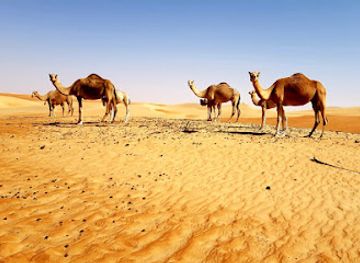
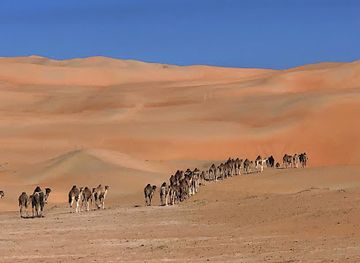
The UAE section of the Rub' al Khali is primarily a landscape attraction, with the Liwa Oasis providing the clearest contrast between cultivated life and open desert. Visitors can explore palm groves, local roads, traditional settlements and heritage structures before moving into the dunes for guided four-wheel-drive excursions, sandboarding, camel experiences and sunset viewing. Tal Moreeb, or Moreeb Dune, is the focal point for large-scale desert events and motorsport activity, although quieter dunes elsewhere offer better conditions for contemplation and photography. Oasis-based accommodation and desert camps commonly organise stargazing, fireside hospitality and introductions to Emirati desert traditions, subject to season and operator arrangements. The area also appeals to photographers and naturalists interested in the colours, textures and sparse vegetation of an arid ecosystem. Families may prefer organised activities close to established accommodation, while experienced travellers can arrange longer desert outings with specialist guides. The forts and historic buildings around Liwa add cultural context, and date farms reveal how water management made cultivation possible in an otherwise severe environment. This is not a region of galleries and dense visitor infrastructure; its principal attraction is the relationship between distance, sand, water and human settlement.
-
Tour operator
Liwa Adventure Tours & Safari LLC
Experience the Magic of the Arabian Desert with Liwa Adventure Tours - Unforgettable Safari Adventures in Abu Dhabi.
Best landmarks in Rub' al Khali (Empty Quarter)
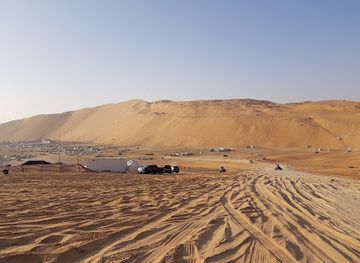
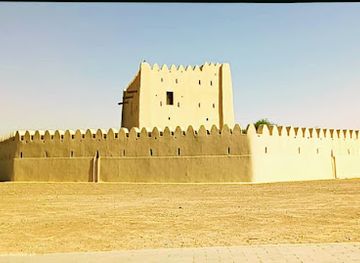
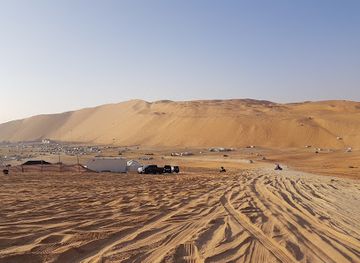
Moreeb Dune, known locally as Tal Moreeb, is the defining natural landmark of the UAE's Empty Quarter. Its high, steep profile rises above the surrounding sand and has become closely associated with desert driving, cultural gatherings and the visual identity of Liwa. The Liwa Oasis itself is another major landmark: a chain of palm-filled settlements and cultivated plots forming a striking green boundary against the dunes. Its value lies not in one monument but in the visible persistence of water-based agriculture in an arid environment. Historic forts and watchtowers, including the restored Mezaira'a Fort, represent the defensive architecture of oasis communities and the importance of guarding wells, gardens and routes. Date-palm groves, dune ridges and broad desert horizons provide the region's most characteristic scenery, changing colour with the angle of the sun. These places should be understood as a connected cultural landscape rather than isolated sights. The wider Empty Quarter continues beyond the UAE into neighbouring countries, so visitors should describe these landmarks as part of the UAE's Liwa and Al Dhafra desert rather than as the entire transnational Rub' al Khali.
-
Tourist attraction
Moreeb Dune
Discover the awe-inspiring Moreeb Dune in Abu Dhabi, a majestic natural wonder perfect for adventure seekers and nature lovers alike.
-
Desert
Empty Quarter
Experience the vastness of the Empty Quarter, the world's largest sand desert, where adventure meets tranquility in nature's breathtaking embrace.
-
Tourist attraction
AlRumaila Fort
Explore AlRumaila Fort, a historical gem in Abu Dhabi that reveals the rich cultural heritage and architectural beauty of the UAE.
-
Tour operator
Rub Alkhali Desert Tourism LLC
Discover the breathtaking beauty of the Rub Alkhali Desert with guided adventures and cultural experiences that captivate every traveler.
Explore Rub' al Khali (Empty Quarter) on the map
Plan your trip on one map. See where the top cities, national parks and sights are, and book hotels and experiences in a few clicks.
Best hotels in Rub' al Khali (Empty Quarter)
Best restaurants in Rub' al Khali (Empty Quarter)
Dining in the Liwa area combines Emirati home-style cooking with the practical hospitality of hotels, desert camps and roadside service centres. Dates and Arabic coffee are central to local welcome, while meals may include machboos or majboos, rice served with meat or fish, grilled meats, breads, salads and sweet dishes. Harees and other slow-cooked wheat and meat preparations are associated with Emirati food culture, though menus vary by establishment and season. Oasis produce, particularly dates, is an important local reference even when restaurants offer broader Gulf and international menus. Larger hotels and desert resorts provide the widest choice, including buffet meals and contemporary dining, while cafés and casual restaurants in service towns are useful for straightforward meals during a road journey. Visitors should not expect a continuous restaurant strip among the dunes: meals at camps generally need to be arranged in advance, and remote viewpoints have no independent food service. Travellers undertaking self-drive excursions should carry water and snacks rather than relying on finding refreshments after leaving the main settlements.
-
Fine Dining
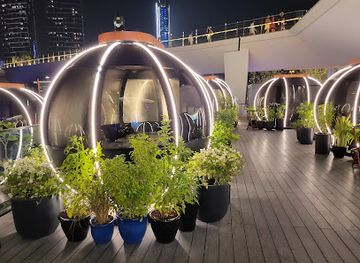
THE PODS
Discover exceptional fine dining at THE PODS on Bluewaters Island – where culinary artistry meets breathtaking views.
-
Middle Eastern
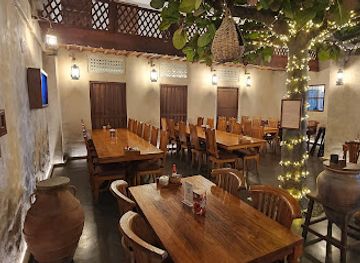
Al Fanar Restaurant & Cafe - DFC
Discover authentic Middle Eastern cuisine at Al Fanar Restaurant & Cafe in Dubai Festival City - where tradition meets flavor.
-
Restaurant
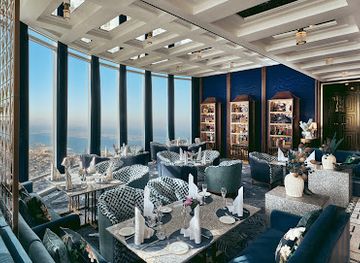
Atmosphere Burj Khalifa
Experience unparalleled fine dining at Atmosphere Burj Khalifa - indulge in gourmet cuisine with breathtaking views over Dubai's skyline.
-
Tourist attraction
Moreeb Dune
Discover Moreeb Dune: An unforgettable desert experience showcasing breathtaking landscapes and thrilling adventures in Abu Dhabi.
Best bars in Rub' al Khali (Empty Quarter)
Nightlife in the UAE's Rub' al Khali is quiet and hospitality-led rather than club-oriented. Evenings centre on hotel restaurants, desert camps, outdoor seating, Arabic coffee, tea, stargazing and occasional cultural or live entertainment. Licensed alcohol service, where available, is generally confined to qualifying hotels and resorts and is subject to UAE law; remote camps and oasis communities should not be treated as bar districts. Tal Moreeb can become busier during seasonal desert events, but these are not a permanent nightlife scene and arrangements vary from year to year. In Liwa settlements, evening activity is more likely to involve family gatherings, dining or local community life than late-night venues. Visitors seeking a broad choice of bars, clubs or concerts will find it in Abu Dhabi city, outside the region, rather than in the Empty Quarter. Desert nights are best approached as a chance to experience silence, clear skies and traditional hospitality, with consideration for nearby residents and other guests.
-
Bar
Barasti Beach
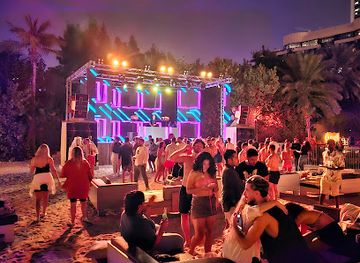
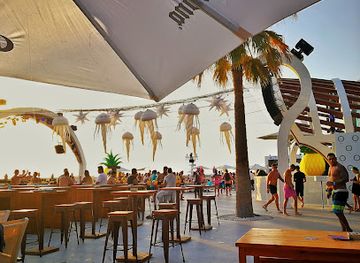
Experience the vibrant atmosphere of Barasti Beach, a premier beach club in Dubai offering sun, fun, and unforgettable moments by the sea.
-
Bar
Zero Gravity Dubai
Experience the ultimate blend of relaxation and excitement at Zero Gravity Dubai, a premier beach club in the heart of Dubai Marina.
-
Lebanese
Abd El Wahab, Souk Al Bahar
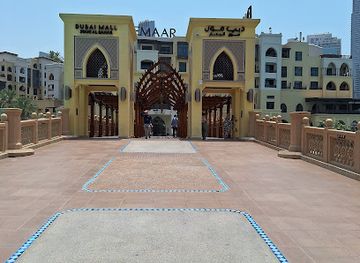
Savor exquisite Lebanese flavors at Abd El Wahab, located in the picturesque Souk Al Bahar with stunning Burj Khalifa views.
-
Tourist attraction
Moreeb Dune
Discover the majestic Moreeb Dune, a must-visit attraction in the Liwa desert, offering thrilling adventures and stunning desert vistas.
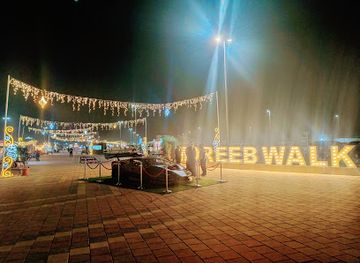
Best nightclubs in Rub' al Khali (Empty Quarter)
Nightlife in the UAE's Rub' al Khali is quiet and hospitality-led rather than club-oriented. Evenings centre on hotel restaurants, desert camps, outdoor seating, Arabic coffee, tea, stargazing and occasional cultural or live entertainment. Licensed alcohol service, where available, is generally confined to qualifying hotels and resorts and is subject to UAE law; remote camps and oasis communities should not be treated as bar districts. Tal Moreeb can become busier during seasonal desert events, but these are not a permanent nightlife scene and arrangements vary from year to year. In Liwa settlements, evening activity is more likely to involve family gatherings, dining or local community life than late-night venues. Visitors seeking a broad choice of bars, clubs or concerts will find it in Abu Dhabi city, outside the region, rather than in the Empty Quarter. Desert nights are best approached as a chance to experience silence, clear skies and traditional hospitality, with consideration for nearby residents and other guests.
-
Night club
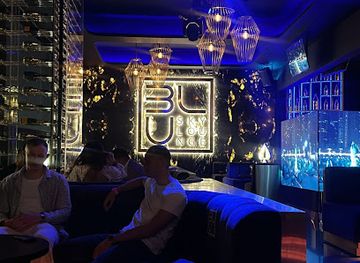
BLU Dubai
Discover the ultimate nightlife experience at BLU Dubai, where luxury meets excitement in the heart of the city.
-
Night club
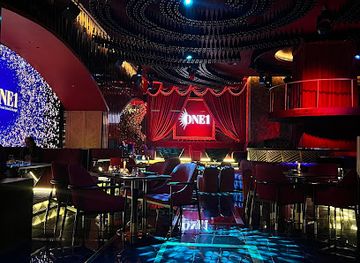
Club One Dubai
Discover Dubai's vibrant nightlife at Club One, where modern elegance meets electrifying entertainment in the heart of Al Jaddaf.
-
Night club
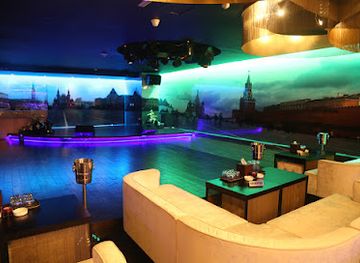
Muscovites Night Club & Lounge
Discover Dubai's nightlife at Muscovites Night Club & Lounge, a lively spot for dancing, live music, and crafted cocktails.
-
Club
WHITE Abu Dhabi
Discover the dazzling nightlife at WHITE Abu Dhabi, where luxury meets vibrant entertainment in the heart of Yas Bay.
Best shops in Rub' al Khali (Empty Quarter)
Shopping in the Liwa region is practical and produce-oriented rather than centred on large retail districts. Date products are the most characteristic purchase, with different varieties, packed dates, syrups and sweets available through farms, hospitality venues and shops in nearby service towns. Madinat Zayed, outside the immediate oasis but a common gateway, offers a broader selection of supermarkets, general shops and traditional retail than the remote settlements. Visitors may also find Emirati handicrafts, woven items, perfumes, incense, coffee equipment and desert-themed souvenirs, although selection varies considerably by location. Seasonal heritage events around Tal Moreeb can include stalls selling food, crafts and equipment connected with camel and desert culture, but these should not be assumed to operate year-round. The larger UAE cities provide more extensive gold, fashion and luxury shopping, while Liwa's appeal is the opportunity to buy local dates and modest craft products close to their desert context. Carry purchases securely in a vehicle and avoid removing archaeological objects, plants or natural materials from the desert.
-
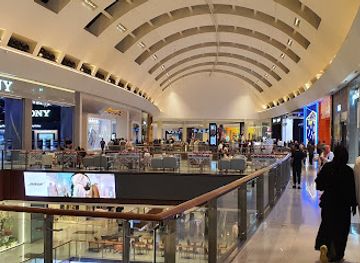
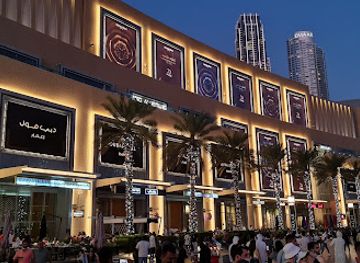
Shopping mall
Dubai Mall
Experience the grandeur of Dubai Mall, a premier shopping and entertainment destination featuring luxury brands, diverse dining, and spectacular attractions.
-
Landmark
Burj Khalifa
Experience unparalleled views and luxury at Burj Khalifa, the tallest building in the world, in the heart of Dubai's vibrant skyline.
-
Shopping mall
Mall of the Emirates
Explore the Mall of the Emirates: Dubai's premier shopping mall, featuring luxury brands, delightful dining, and thrilling entertainment all in one place.
-
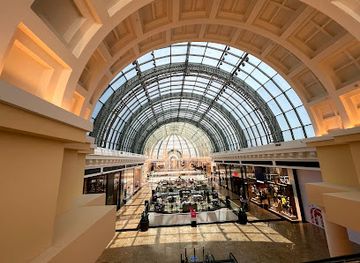
Shopping mall
Ibn Battuta Mall
Explore the enchanting Ibn Battuta Mall in Dubai, where shopping meets culture in a uniquely themed environment inspired by the travels of a legendary explorer.
Get your free copy of our complete guide to Rub' al Khali (Empty Quarter), delivered straight to you.
Everything on this page, from attractions and restaurants to essentials and local phrases, in one PDF you can read offline, print or share.
Already have an account? Sign in
Your Rub' al Khali (Empty Quarter) guide is ready.
We'll send it to · Not you? Sign out

Getting your guide ready…
We are putting together a fresh copy of the Rub' al Khali (Empty Quarter) guide. This can take up to a minute.
This can take a few moments. If your browser asks, choose Allow so the download can start. You'll find the guide in your Downloads folder.
Nothing happened? Download it again
Sorry, the guide is taking longer than usual. Please try again in a minute, or get it by email instead.
Rub' al Khali (Empty Quarter) essentials
Currency and Payment
Safety
Emergency Situations
Do's and Don'ts
Local Tips
From Eve
Local phrases worth knowing
You don't need to get them perfect. A few words go a long way, and locals appreciate the effort.
Basics
| English | Local | Say it |
|---|---|---|
| Hello | مرحبا | [Marhaban] |
| Goodbye | مع السلامة | [Ma'a as-salama] |
| Yes | نعم | [Na'am] |
| No | لا | [La] |
| Please/You're welcome | من فضلك | [Min fadlik] |
| Thank you | شكرا | [Shukran] |
| Excuse me/Sorry | عذرا | [Udhuran] |
| How are you? | كيف حالك؟ | [Kayfa halak?] |
| Fine. And you? | بخير. وأنت؟ | [Bikhair. Wa anta?] |
| Do you speak English? | هل تتحدث الإنجليزية؟ | [Hal tatahaddath al-ingliziya?] |
| I don't understand | لا أفهم | [La afham] |
Eating & Drinking
| English | Local | Say it |
|---|---|---|
| I'd like to see the menu, please | أود رؤية القائمة، من فضلك | [Awad ru'yat al-qa'ima, min fadlik] |
| I don't eat meat | أنا لا آكل اللحم | [Ana la akul al-lahm] |
| Cheers! | في صحتك! | [Fi sihtak!] |
| I would like to pay, please | أود الدفع، من فضلك | [Awad ad-daf', min fadlik] |
Emergencies
| English | Local | Say it |
|---|---|---|
| Help! | النجدة! | [Al-najda!] |
| Go away! | ابتعد! | [Ibt'id!] |
| Call the Police! | اتصل بالشرطة! | [Ittasil bil-shurta!] |
| Call a doctor! | اتصل بالطبيب! | [Ittasil bil-tabeeb!] |
| I'm lost | أنا ضائع | [Ana da'i'] |
| I'm ill | أنا مريض | [Ana marid] |
Shopping
| English | Local | Say it |
|---|---|---|
| I'd like to buy... | أود شراء... | [Awad shir'a...] |
| I'm just looking | أنا فقط أبحث | [Ana faqat abhas] |
| How much is it? | كم ثمنه؟ | [Kam thamanuh?] |
| That's too expensive | هذا غالي جدا | [Hatha ghali jidan] |
| Can you lower the price? | هل يمكنك تخفيض السعر؟ | [Hal yumkinuka takhfid as-sir?] |
Time & Numbers
| English | Local | Say it |
|---|---|---|
| What time is it? | كم الساعة؟ | [Kam as-saa'a?] |
| It's one o'clock | الساعة الواحدة | [As-saa'a al-wahidah] |
| Half past (10) | نصف الساعة (10) | [Nisf as-saa'a (10)] |
| Morning | صباح | [Sabah] |
| Afternoon | بعد الظهر | [Ba'd az-zhuhr] |
| Evening | مساء | [Masa'a] |
| Yesterday | أمس | [Ams] |
| Today | اليوم | [Al-yawm] |
| Tomorrow | غدا | [Ghadan] |
| 1 | واحد | [Wahid] |
| 2 | اثنان | [Ithnan] |
| 3 | ثلاثة | [Thalatha] |
| 4 | أربعة | [Arba'a] |
| 5 | خمسة | [Khamsa] |
| 6 | ستة | [Sitta] |
| 7 | سبعة | [Sab'a] |
| 8 | ثمانية | [Thamaniya] |
| 9 | تسعة | [Tis'a] |
| 10 | عشرة | [Ashara] |
Transport & Directions
| English | Local | Say it |
|---|---|---|
| Where's a/the...? | أين...؟ | [Ayna...?] |
| What's the address? | ما هو العنوان؟ | [Ma huwa al-'unwan?] |
| Can you show me (on the map)? | هل يمكنك أن تظهر لي (على الخريطة)؟ | [Hal yumkinuka an tuzhir li (ala al-kharita)?] |
| When's the next (bus)? | متى يأتي (الحافلة) التالية؟ | [Mata ya'ti (al-hafila) at-taliya?] |
| A ticket (to ....) | تذكرة (إلى ....) | [Tadhkarah (ila ....)] |
History of Rub' al Khali (Empty Quarter)
Ancient Desert and Oasis Settlement
The Empty Quarter is a long-established human environment rather than an entirely uninhabited wilderness. Archaeological evidence from the wider southern Arabian Peninsula records prehistoric movement, hunting, pastoralism and trade, although water availability dictated where people could remain. In the UAE portion, the Liwa Oasis provided dependable wells and cultivable ground amid the desert. Its palms, gardens and water sources created permanent or semi-permanent settlements and helped connect the interior with routes leading towards the coast.
Bani Yas Communities and the Liwa Oasis
Liwa became an important inland centre for communities associated with the Bani Yas, the tribal confederation whose Al Bu Falah branch later established the ruling family of Abu Dhabi. The oasis supported date cultivation, livestock keeping and seasonal movement, while its wells and palm groves provided security and sustenance in a demanding environment. Before modern roads and desalination, the relationship between the oasis and coastal settlements was fundamental to the economy and political history of western Abu Dhabi.
Dates, Water and Desert Trade
For centuries, Liwa's economy rested on date palms, limited agriculture, animal husbandry and exchange across desert routes. Water management was central: wells and traditional channels allowed plots to be cultivated, while the shade of palms created a cooler growing environment for other crops. Dates were both food and a trade commodity. Movement between Liwa, coastal settlements and neighbouring parts of Arabia required knowledge of wells, seasonal conditions and navigable routes across the dunes.
Forts and the Defence of the Oasis
Small forts and watchtowers were built around Liwa to protect wells, palm gardens and settlement approaches. Their simple forms, using locally available materials, reflected the practical needs of oasis communities rather than the monumental ambitions of large imperial fortresses. Structures such as Mezaira'a Fort are reminders that control of water and cultivated land was a political as well as an economic matter. The surviving heritage buildings help visitors understand the organisation of life before modern state infrastructure.
The Transformation of Abu Dhabi after Oil
The discovery and development of oil in Abu Dhabi during the twentieth century transformed the emirate's economy, transport network and public infrastructure. Liwa remained culturally important even as roads, electricity, modern irrigation and improved services changed everyday life. The oasis is now connected to Abu Dhabi's urban economy while retaining date cultivation and a strong association with Emirati heritage. Desert tourism, conservation and seasonal events provide additional ways for the region to present its landscape and traditions.
Contemporary Desert Heritage and Conservation
Today, the UAE's Rub' al Khali is managed as both a fragile natural environment and a landscape of cultural significance. Visitor experiences include guided dune excursions, camel activities, heritage demonstrations and events around Tal Moreeb. These activities sit alongside efforts to preserve oasis agriculture, traditional knowledge and desert habitats. The modern Liwa landscape therefore combines ancient patterns of settlement with carefully planned roads, accommodation and tourism infrastructure, without removing the importance of water, climate and distance.
Rub' al Khali (Empty Quarter) in Photos
Browse through our photo collection highlighting the charm and character of the destination.
Neighbouring regions of Rub' al Khali (Empty Quarter)
The closest regions to Rub' al Khali (Empty Quarter), if you have time for more than one.
-

-

-

-

-


Swipe for more regions
Explore more

Explore more of United Arab Emirates
Discover the United Arab Emirates: A land where futuristic cities meet timeless deserts, offering luxury, adventure, and rich cultural experiences.
Explore United Arab Emirates