

Free Abu Dhabi Region Travel Guide & Mobile App
Explore Abu Dhabi Region with free travel guides. Discover regional history, expert tips, proposed trips, and audio guides on web or mobile app.


Explore Abu Dhabi Region for grand mosques, island museums, Al Ain oases, desert landscapes, wildlife and Gulf coast culture.
Read more about Abu Dhabi Region
When is the best time to visit Abu Dhabi Region?
Best: February–March, December · 23–27°C| Month | High (°C) | Rainfall (mm) |
|---|---|---|
| January | 22 | 9 |
| February (best) | 23 | 8 |
| March (best) | 27 | 11 |
| April | 30 | 5 |
| May | 35 | 1 |
| June | 37 | 0 |
| July | 39 | 0 |
| August | 39 | 0 |
| September | 37 | 0 |
| October | 33 | 1 |
| November | 28 | 4 |
| December (best) | 23 | 8 |
Getting to and around Abu Dhabi Region
How to get there
Transportation
Top city travel guides in Abu Dhabi Region
The cities of Abu Dhabi Region, and the easiest places to base yourself.
-

-


Swipe for more cities
Destinations in Abu Dhabi Region
Resorts, valleys and scenic spots worth a trip of their own.
-

-

-

-


Swipe for more destinations
Best attractions in Abu Dhabi Region
Abu Dhabi Region’s attractions range from major cultural institutions to expansive landscapes that require a vehicle or organised excursion. In Abu Dhabi city, the Sheikh Zayed Grand Mosque, Louvre Abu Dhabi, Qasr Al Watan and Qasr Al Hosn provide different perspectives on religion, international art, government and local history. Saadiyat Island adds galleries, beaches and conservation areas, while mangrove excursions offer kayaking and close views of a coastal ecosystem beside the capital. Al Ain’s oases, forts, museums and archaeological sites reveal the agricultural history of the interior, with Jebel Hafeet and Green Mubazzarah providing a contrasting mountain setting. In Al Dhafra, Sir Bani Yas combines wildlife viewing, archaeological remains and outdoor activities, while Liwa offers access to imposing dunes at the edge of the Rub al Khali. Desert drives, camel-related cultural events, falconry experiences and seasonal festivals are best arranged through established providers, particularly in remote areas. The attraction landscape is defined by the contrast between carefully planned urban culture, living oasis heritage and large, sparsely settled desert and island environments.
-
Tourist attraction
Ferrari World Yas Island, Abu Dhabi
Discover the ultimate thrill at Ferrari World Yas Island, the world's first Ferrari-themed amusement park in Abu Dhabi, where speed and excitement await!
-
Tourist attraction
Warner Bros. World Abu Dhabi Yas island
Experience the magic of Warner Bros. World Abu Dhabi with thrilling rides, live shows, and beloved characters in a spectacular indoor theme park.
-
Tourist attraction
Yas Waterworld Abu Dhabi
Dive into fun at Yas Waterworld Abu Dhabi, the ultimate water park experience with thrilling rides, family-friendly attractions, and a unique Emirati theme.
-
Tourist attraction
Emirates Park Zoo and Resort
Explore the wonders of wildlife and relaxation at Emirates Park Zoo and Resort, a top family destination in Abu Dhabi.


Best landmarks in Abu Dhabi Region
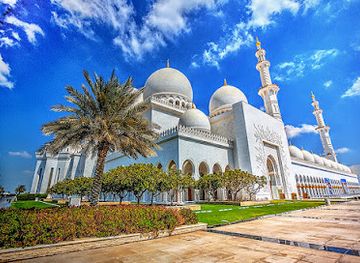
The Sheikh Zayed Grand Mosque is Abu Dhabi’s most recognisable religious landmark, its white marble courtyards, domes and reflective pools forming a carefully composed architectural ensemble south-east of the city centre. On the central island, Qasr Al Hosn marks the historic core of Abu Dhabi: its early watchtower and later palace represent the transition from a small coastal settlement to a modern capital. Qasr Al Watan provides a monumental expression of the UAE’s federal institutions and ceremonial culture. At Al Ain Oasis, shaded palm avenues and falaj channels preserve the physical logic of an inland settlement sustained by water, while nearby Al Jahili Fort and Qasr Al Muwaiji embody different chapters of the city’s political history. Jebel Hafeet, rising above Al Ain, is the emirate’s dominant natural landmark and offers broad views across the oasis and surrounding desert. In the west, the dunes around Liwa and the islands of Al Dhafra are less architectural but equally emblematic, expressing the scale of the landscape that has shaped Abu Dhabi’s history.
-
Mosque
Sheikh Zayed Grand Mosque
Explore the breathtaking beauty and cultural significance of Sheikh Zayed Grand Mosque, a must-visit landmark in Abu Dhabi's rich heritage.
-
Theme park
Ferrari World Yas Island, Abu Dhabi
Experience the adrenaline rush at Ferrari World Yas Island, the ultimate destination for thrill-seekers and Ferrari enthusiasts in Abu Dhabi.
-
Art museum
Louvre Abu Dhabi
Discover the marvels of art and culture at Louvre Abu Dhabi, a stunning museum that connects the past, present, and future in a breathtaking setting.
-
Amusement park
Warner Bros. World Abu Dhabi Yas island
Discover the enchanting world of Warner Bros. World Abu Dhabi, where adventure, excitement, and beloved characters come to life on Yas Island.


Explore Abu Dhabi Region on the map
Plan your trip on one map. See where the top cities, national parks and sights are, and book hotels and experiences in a few clicks.
Best hotels in Abu Dhabi Region
Best restaurants in Abu Dhabi Region
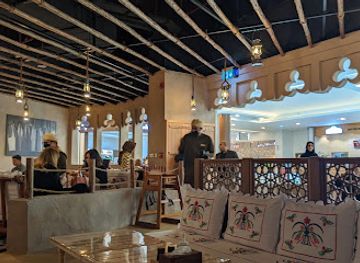
Dining in Abu Dhabi Region reflects both Emirati traditions and the international population of the United Arab Emirates. In Abu Dhabi city, restaurants range from neighbourhood cafeterias and South Asian eateries to contemporary dining rooms, hotel restaurants and waterfront venues, with especially broad choice around the central island, Al Maryah Island and Saadiyat. Emirati dishes worth seeking include machboos, rice served with spiced meat or fish; harees, a slow-cooked wheat and meat dish; and luqaimat, small sweet dumplings often served with date syrup. Dates, Arabic coffee, grilled seafood and spiced rice are important parts of the regional food culture, while Al Ain’s oasis heritage gives dates and agricultural produce particular local relevance. Al Dhafra and the coast provide opportunities to find fish, prawns and traditional dishes, although dining options become more limited outside the main towns and resorts. Markets, cafés and licensed hotel venues complement formal restaurants, and visitors should check licensing arrangements before assuming that alcohol is available.
-
Restaurant
Al Fanar Restaurant & Cafe - Yas Mall
Experience authentic Emirati cuisine at Al Fanar Restaurant & Cafe in Yas Mall - where tradition meets taste.
-
Lebanese
Mosaic Restaurant
Experience authentic Lebanese flavors at Mosaic Restaurant in Abu Dhabi – where culinary traditions meet modern dining.
-
Restaurant
Al Khayma Heritage Restaurant Abu Dhabi
Experience authentic Emirati flavors at Al Khayma Heritage Restaurant near Sheikh Zayed Grand Mosque in Abu Dhabi.
-
Family-friendly
Idukki Gold Restaurant
Discover the rich flavors of Indian cuisine at Idukki Gold Restaurant in Abu Dhabi - perfect for family gatherings and authentic dining experiences.



Best bars in Abu Dhabi Region
Evening life in Abu Dhabi Region is concentrated in Abu Dhabi city, where licensed hotel bars, rooftop lounges, restaurants, live-music venues and occasional club nights create a more varied scene than is available in Al Ain or Al Dhafra. Saadiyat, Yas Island and the central island each have hospitality clusters, although individual venues, events and opening arrangements change frequently. Al Ain’s evenings are generally quieter, centred on cafés, restaurants, hotel lounges and family-oriented public spaces rather than a large club circuit. In the western region, resorts and towns provide a limited selection of licensed venues, while desert camps focus on food, conversation, astronomy and cultural entertainment rather than nightlife. Alcohol is available only in authorised venues, and drinking in public or driving after drinking is illegal. During Ramadan and religious holidays, entertainment and licensed-service arrangements may be modified, so visitors should check locally.
-
Sports bar
Stars N Bars
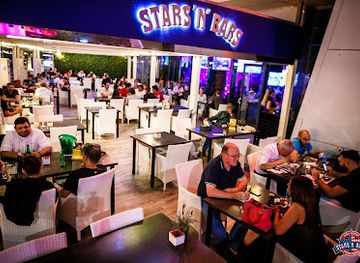
Experience the best of American dining and live sports entertainment at Stars N Bars, located in Abu Dhabi's stunning Yas Marina Circuit.
-
Pub
Porters English Pub
Discover the essence of British pub culture at Porters English Pub in Abu Dhabi, featuring hearty fare and a cozy atmosphere.
-
Bar
Siddharta Lounge by Buddha-Bar
Experience luxury at Siddharta Lounge by Buddha-Bar, where exquisite dining meets stunning waterfront views on Yas Island.
-
Bar
Lock, Stock and Barrel
Discover the lively atmosphere and delectable cuisine at Lock, Stock and Barrel, Yas Bay Waterfront, the ultimate bar and restaurant experience in Abu Dhabi.


Best nightclubs in Abu Dhabi Region
Evening life in Abu Dhabi Region is concentrated in Abu Dhabi city, where licensed hotel bars, rooftop lounges, restaurants, live-music venues and occasional club nights create a more varied scene than is available in Al Ain or Al Dhafra. Saadiyat, Yas Island and the central island each have hospitality clusters, although individual venues, events and opening arrangements change frequently. Al Ain’s evenings are generally quieter, centred on cafés, restaurants, hotel lounges and family-oriented public spaces rather than a large club circuit. In the western region, resorts and towns provide a limited selection of licensed venues, while desert camps focus on food, conversation, astronomy and cultural entertainment rather than nightlife. Alcohol is available only in authorised venues, and drinking in public or driving after drinking is illegal. During Ramadan and religious holidays, entertainment and licensed-service arrangements may be modified, so visitors should check locally.
-
Sports bar
Stars N Bars
Experience the excitement of sports, live music, and American flavors at Stars N Bars in Abu Dhabi's Yas Marina Circuit.
-
Lounge
Iris Yas Island
Discover the perfect blend of fine dining and vibrant nightlife at Iris Yas Island, Abu Dhabi's premier lounge and restaurant.
-
Live music bar
The G.O.A.T Abu Dhabi
Discover the ultimate live music experience at The G.O.A.T Abu Dhabi, where great food, drinks, and entertainment come together in a vibrant setting.
-
Night club
Hammer club by uncle sam
Experience Abu Dhabi's vibrant nightlife at Hammer Club by Uncle Sam, the ultimate destination for music, dancing, and unforgettable memories.


Best shops in Abu Dhabi Region
Shopping in Abu Dhabi Region ranges from large, air-conditioned retail centres to traditional souqs, small markets and specialist stores. Abu Dhabi city offers extensive contemporary shopping around the central island, Yas Island, Saadiyat and Al Maryah Island, with international fashion, electronics, department stores and dining. More characterful purchases include dates, Arabic coffee, spices, perfumes, textiles, jewellery, carpets and handicrafts, although quality and provenance vary, so compare products before buying. Al Ain’s souqs and independent districts provide a more local-scale shopping experience, with particular relevance for dates, food products and everyday goods. In Al Dhafra, visitor shopping is more closely connected with desert culture, seasonal festivals, camel-related traditions and locally produced food than with large retail complexes. Souvenirs should be chosen with respect for wildlife regulations: avoid unverified shells, animal products or antiquities, and remember that market days and festival stalls can be seasonal rather than permanent.
-
Shopping mall
Yas Mall
Experience luxury shopping and vibrant entertainment at Yas Mall, the premier retail destination in Abu Dhabi.
-
Shopping mall
Dalma Mall
Discover Dalma Mall in Abu Dhabi: a shopping haven with diverse retail, dining, and entertainment options for the perfect day out.
-
Shopping mall
Al Wahda Mall
Experience the best of shopping, dining, and entertainment at Al Wahda Mall, Abu Dhabi's ultimate retail destination.
-
Shopping mall
Marina Mall
Experience luxury shopping, diverse dining, and entertainment at Marina Mall, the ultimate destination in Abu Dhabi.


Get your free copy of our complete guide to Abu Dhabi Region, delivered straight to you.
Everything on this page, from attractions and restaurants to essentials and local phrases, in one PDF you can read offline, print or share.
Already have an account? Sign in
Your Abu Dhabi Region guide is ready.
We'll send it to · Not you? Sign out

Getting your guide ready…
We are putting together a fresh copy of the Abu Dhabi Region guide. This can take up to a minute.
This can take a few moments. If your browser asks, choose Allow so the download can start. You'll find the guide in your Downloads folder.
Nothing happened? Download it again
Sorry, the guide is taking longer than usual. Please try again in a minute, or get it by email instead.
Abu Dhabi Region essentials
Currency and Payment
Safety
Emergency Situations
Do's and Don'ts
Local Tips
From Eve
Local phrases worth knowing
You don't need to get them perfect. A few words go a long way, and locals appreciate the effort.
Basics
| English | Local | Say it |
|---|---|---|
| Hello | مرحبا | [Marhaban] |
| Goodbye | مع السلامة | [Ma'a as-salama] |
| Yes | نعم | [Na'am] |
| No | لا | [La] |
| Please/You’re welcome | من فضلك | [Min fadlik] |
| Thank you | شكرا | [Shukran] |
| Excuse me/Sorry | عفوا | [Afwan] |
| How are you? | كيف حالك؟ | [Kayfa halak?] |
| Fine. And you? | بخير. وأنت؟ | [Bikhayr. Wa anta?] |
| Do you speak English? | هل تتحدث الإنجليزية؟ | [Hal tatahaddath al-ingliziyya?] |
| I don't understand | لا أفهم | [La afham] |
Eating & Drinking
| English | Local | Say it |
|---|---|---|
| I’d like to see the menu, please | أود رؤية القائمة، من فضلك | [Awad ru'yat al-qa'ima, min fadlik] |
| I don't eat meat | لا آكل اللحم | [La akul al-lahm] |
| Cheers! | في صحتك! | [Fi sihhatak!] |
| I would like to pay, please | أود الدفع، من فضلك | [Awad ad-daf', min fadlik] |
Emergencies
| English | Local | Say it |
|---|---|---|
| Help! | نجدة! | [Najda!] |
| Go away! | ابتعد! | [Ibt'id!] |
| Call the Police! | اتصل بالشرطة! | [Ittasil bil-shurta!] |
| Call a doctor! | اتصل بالطبيب! | [Ittasil bil-tabib!] |
| I’m lost | أنا ضائع | [Ana da'i'] |
| I’m ill | أنا مريض | [Ana marid] |
Shopping
| English | Local | Say it |
|---|---|---|
| I’d like to buy... | أود شراء... | [Awad shira'a...] |
| I’m just looking | أنا فقط أبحث | [Ana faqat abhas] |
| How much is it? | كم ثمنه؟ | [Kam thamanu?] |
| That’s too expensive | هذا مكلف جدا | [Hatha mukallaf jidan] |
| Can you lower the price? | هل يمكنك تخفيض السعر؟ | [Hal yumkinuka takhfid as-si'r?] |
Time & Numbers
| English | Local | Say it |
|---|---|---|
| What time is it? | كم الساعة؟ | [Kam as-saa'a?] |
| It's one o'clock | الساعة واحدة | [As-saa'a wahida] |
| Half past (10) | نصف بعد (10) | [Nisf ba'd (10)] |
| Morning | صباحا | [Sabahan] |
| Afternoon | بعد الظهر | [Ba'd az-zuhur] |
| Evening | مساءا | [Masa'an] |
| Yesterday | أمس | [Ams] |
| Today | اليوم | [Al-yawm] |
| Tomorrow | غدا | [Ghadan] |
| 1 | ١ | [Wahed] |
| 2 | ٢ | [Ithnain] |
| 3 | ٣ | [Thalatha] |
| 4 | ٤ | [Arba'a] |
| 5 | ٥ | [Khamsa] |
| 6 | ٦ | [Sitta] |
| 7 | ٧ | [Sab'a] |
| 8 | ٨ | [Thamaniya] |
| 9 | ٩ | [Tis'a] |
| 10 | ١٠ | [Ashara] |
Transport & Directions
| English | Local | Say it |
|---|---|---|
| Where's a/the...? | أين هو/هي...؟ | [Ayna hu/hi...?] |
| What's the address? | ما هو العنوان؟ | [Ma huwa al-'unwan?] |
| Can you show me (on the map)? | هل يمكنك أن تري لي (على الخريطة)؟ | [Hal yumkinuka an turi li (ala al-kharita)?] |
| When's the next (bus)? | متى يأتي (الحافلة) التالية؟ | [Mata ya'ti (al-hafila) at-taliya?] |
| A ticket (to ....) | تذكرة (إلى...) | [Tadhkirah (ila...)] |
History of Abu Dhabi Region
Umm an-Nar and the Bronze Age Coast
The island of Umm an-Nar, near Abu Dhabi city, gave its name to a Bronze Age civilisation whose influence extended across parts of the Arabian Gulf and Oman in the third millennium BCE. Archaeological remains include circular tombs, settlement traces and evidence of maritime trade, copper exchange and contact with distant communities. The wider emirate contains other ancient evidence, particularly around Al Ain and its oases. These discoveries show that the region was not an isolated desert frontier: its coastal position and access to inland resources connected it to long-distance commercial networks thousands of years ago.
Al Ain’s Oasis Settlements and Falaj Irrigation
Al Ain developed around dependable oasis agriculture supported by falaj irrigation, underground or partly covered channels that distributed water to palms and cultivated plots. The system allowed communities to grow dates and other crops in an arid environment and helped sustain settlement across the interior. The cultural sites of Al Ain, including its oases, forts, tombs and archaeological areas, were recognised together as a UNESCO World Heritage property in 2011. Their significance lies not only in individual monuments but in the continuing relationship between water management, farming, defensive architecture and social life.
Bani Yas, Coastal Trade and Pearling
Before oil transformed the emirate, communities connected with the Bani Yas tribal confederation lived through a combination of oasis agriculture, camel herding, fishing, seafaring, trade and pearling. Abu Dhabi Island became increasingly important during the eighteenth century, when settlement and political authority grew around its freshwater resources and protected harbour. Pearling was demanding seasonal work, while dates and other goods moved between the coast and inland oases. The historic areas of Abu Dhabi and Al Ain preserve different aspects of this earlier economy, from the capital’s watchtower to the agricultural landscapes of the interior.
Qasr Al Hosn and the Rise of Abu Dhabi Town
Qasr Al Hosn began as a watchtower built in the 1790s to guard Abu Dhabi’s water source and settlement. It was later expanded into a palace and seat of government, becoming a central symbol of the emirate’s political history. The surrounding town grew as ruling families, merchants, pearling communities and workers established a more permanent urban presence on the island. The surviving fort and its cultural precinct provide a tangible link between the small coastal settlement of the past and the large capital that emerged during the twentieth century.
Oil Development and Rapid Urban Transformation
The discovery of commercial oil in Abu Dhabi in the late 1950s, followed by the first export in 1962, radically altered the emirate’s economy and built environment. Revenue supported roads, schools, hospitals, housing, utilities and communications, linking the capital with Al Ain and the western districts. Urban growth replaced much of the earlier low-rise settlement of Abu Dhabi city, while modern infrastructure made large-scale investment and public services possible across a very dispersed territory. The transformation was especially dramatic because it occurred within a single generation, alongside the decline of pearling as a major industry.
The Formation of the United Arab Emirates
Abu Dhabi was central to the creation of the United Arab Emirates in 1971, when six emirates formed the federation; Ras Al Khaimah joined in 1972. Sheikh Zayed bin Sultan Al Nahyan, ruler of Abu Dhabi and the UAE’s first president, played a leading role in encouraging union and directing the emirate’s development. Federal institutions were established alongside the continuing authority of each emirate. In Abu Dhabi, this period shaped the capital’s civic architecture, national museums and public spaces, while also reinforcing links between the capital, Al Ain and the western region.
Conservation, Heritage and Cultural Investment
Since the late twentieth century, Abu Dhabi has increasingly combined economic diversification with conservation of its natural and historical inheritance. Marine protected areas, wildlife projects on islands such as Sir Bani Yas, mangrove conservation and desert habitat management have accompanied the restoration of forts, oases and traditional landscapes. The development of Saadiyat Island’s cultural institutions, including Louvre Abu Dhabi, reflects a parallel investment in international art, scholarship and public culture. These projects form part of a broader effort to present the emirate not only as an energy producer and administrative centre but also as a guardian of regional heritage and ecology.
Abu Dhabi Region in Photos
Browse through our photo collection highlighting the charm and character of the destination.
Neighbouring regions of Abu Dhabi Region
The closest regions to Abu Dhabi Region, if you have time for more than one.
-

-

-

-
-


Swipe for more regions
Explore more

Explore more of United Arab Emirates
Discover the United Arab Emirates: A land where futuristic cities meet timeless deserts, offering luxury, adventure, and rich cultural experiences.
Explore United Arab Emirates