

Free Arabian Gulf Coast Travel Guide & Mobile App
Explore Arabian Gulf Coast with free travel guides. Discover regional history, expert tips, proposed trips, and audio guides on web or mobile app.


Explore the UAE’s Arabian Gulf Coast for island cities, mangroves, historic creeks, beaches, museums, desert landscapes and diverse coastal cuisine.
Read more about Arabian Gulf Coast
When is the best time to visit Arabian Gulf Coast?
Best: December–February · 23–25°C| Month | High (°C) | Rainfall (mm) |
|---|---|---|
| January (best) | 23 | 10 |
| February (best) | 24 | 12 |
| March | 28 | 15 |
| April | 32 | 6 |
| May | 36 | 1 |
| June | 39 | 0 |
| July | 41 | 0 |
| August | 41 | 1 |
| September | 38 | 1 |
| October | 34 | 3 |
| November | 29 | 6 |
| December (best) | 25 | 8 |
Getting to and around Arabian Gulf Coast
How to get there
Transportation
Top city travel guides in Arabian Gulf Coast
The cities of Arabian Gulf Coast, and the easiest places to base yourself.
-

-

-

-

-

-


Swipe for more cities
Destinations in Arabian Gulf Coast
Resorts, valleys and scenic spots worth a trip of their own.
-

-

-

-

-

-


Swipe for more destinations
Best attractions in Arabian Gulf Coast
Attractions along the UAE’s Arabian Gulf Coast range from major urban institutions to quiet marine landscapes. Abu Dhabi offers the Louvre Abu Dhabi, the Qasr Al Watan cultural complex, the Sheikh Zayed Grand Mosque and waterfront parks, while its surrounding islands and channels provide opportunities for mangrove kayaking and wildlife observation. Dubai combines the historic Al Fahidi district and creek with the Dubai Museum area, modern architecture, beaches, marinas and large family-oriented leisure developments. Sharjah is particularly strong in museums, arts venues and restored heritage quarters, including the Heart of Sharjah. Ajman and Umm Al Quwain provide a slower coastal perspective through beaches, creeks, small museums and traditional maritime settings. Ras Al Khaimah adds archaeological sites, coastal resorts, old settlements and access to inland landscapes. Outdoor activities include swimming, paddle sports, boating, birdwatching and desert excursions, although operators and conditions vary seasonally. The region’s attraction landscape is defined by the meeting of highly developed waterfronts with mangroves, tidal flats, fishing areas and older port communities.
-
Landmark
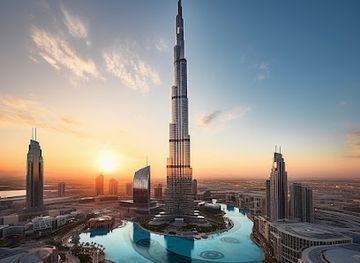
Burj Khalifa
Experience unparalleled views and luxury at the Burj Khalifa, the world's tallest building, located in the heart of Dubai's vibrant Downtown.
-
Fountain
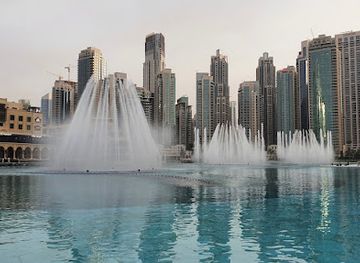
The Dubai Fountain
Discover The Dubai Fountain, a stunning water show in Downtown Dubai, where mesmerizing performances blend music, lights, and breathtaking choreography.
-
Theme park
Global Village
Experience the vibrant cultures of the world at Global Village, Dubai's premier entertainment and shopping destination featuring thrilling attractions and culinary delights.
-
Resort hotel
Atlantis, The Palm
Experience unparalleled luxury and adventure at Atlantis, The Palm, where stunning views and world-class amenities await every visitor.


Best landmarks in Arabian Gulf Coast
The Arabian Gulf Coast’s most recognisable landmarks express the UAE’s combination of Islamic architecture, maritime history and rapid urban development. Abu Dhabi’s Sheikh Zayed Grand Mosque is a major religious and architectural landmark, while Qasr Al Watan and the skyline of the island capital represent the federation’s political and civic identity. Dubai Creek remains a defining geographic feature, linking the historic Al Fahidi district with Deira and Bur Dubai; its abras and traditional trading waterfront preserve the memory of the city’s port origins. The Burj Khalifa and the modern Dubai skyline provide a contrasting emblem of contemporary urban ambition. Sharjah’s Heart of Sharjah contains restored lanes, courtyards and merchant houses that illustrate the older built environment of a Gulf trading town. In Ras Al Khaimah, the National Museum occupies a historic fort associated with the ruling family, while nearby archaeological and old-settlement landscapes reveal a longer human presence. Mangrove channels, tidal flats and low-lying islands are also important natural landmarks, even when they lack the monumental scale of the region’s architecture.
-
Landmark
Burj Khalifa
Experience the breathtaking heights of the Burj Khalifa, Dubai's iconic landmark and the tallest building in the world with stunning views and vibrant surroundings.
-
Fountain
The Dubai Fountain
Experience the enchanting Dubai Fountain, where water dances in harmony with music and lights, creating a spectacular show in the heart of Dubai.
-
Garden
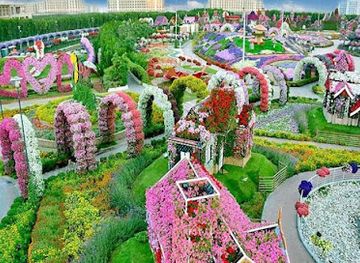
Dubai Miracle Garden
Discover the breathtaking beauty of Dubai Miracle Garden, where millions of flowers bloom in stunning arrangements, creating a floral wonderland in the heart of Dubai.
-
Park
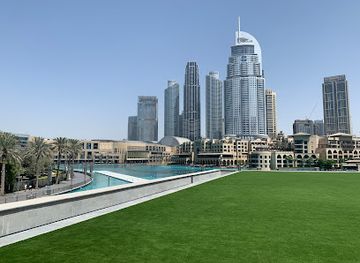
Burj Park
Experience the beauty of Burj Park in Dubai, a tranquil escape with breathtaking views of the Burj Khalifa and vibrant cultural events.
Explore Arabian Gulf Coast on the map
Plan your trip on one map. See where the top cities, national parks and sights are, and book hotels and experiences in a few clicks.
Best hotels in Arabian Gulf Coast
Best restaurants in Arabian Gulf Coast
Dining on the Arabian Gulf Coast reflects both Emirati heritage and the UAE’s exceptionally international population. Emirati specialities such as machboos, harees, thareed, grilled seafood and sweet dishes made with dates or saffron may appear in heritage restaurants, cultural centres and selected contemporary dining rooms. Coastal markets and restaurants commonly feature hammour and other Gulf seafood, while Abu Dhabi, Dubai and Sharjah offer extensive Persian, Levantine, South Asian, East African and Southeast Asian cooking. Traditional cafés, bakeries and tea shops sit alongside hotel restaurants, international dining rooms and modern venues overlooking creeks, marinas or beaches. In the northern emirates, seafood and casual family dining are especially prominent around coastal communities. Dates, Arabic coffee, saffron, cardamom and locally styled rice dishes make useful introductions to regional tastes. Alcohol is available only in licensed establishments, generally within hotels and approved restaurants, and local dining customs vary between family-oriented venues, formal restaurants and casual cafés.
-
 Resort hotel
Anantara The Palm Dubai Resort
Thai-inspired luxury on Palm Jumeirah's East Crescent: overwater villas, lagoon pools, private beach, world-class spa, and adventures for families and couples alike.
-
Restaurant
Social House
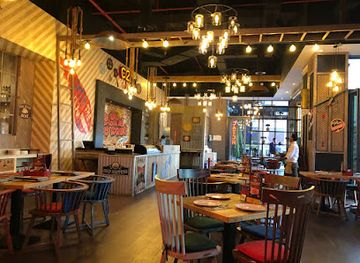
Experience global flavors at Social House in Downtown Dubai – where culinary creativity meets modern elegance.
-
American
The Cheesecake Factory
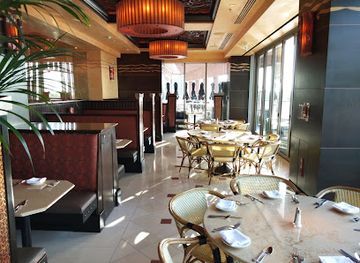
Experience the best of American cuisine at The Cheesecake Factory in Dubai's stunning Jumeirah Beach Residence.
-
Restaurant
Catch22 JBR
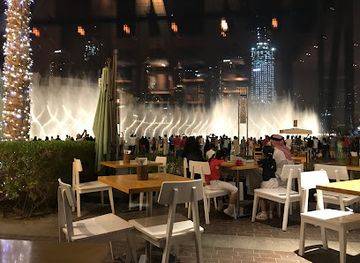
Discover exquisite flavors and stunning views at Catch22 JBR - your perfect beachside dining destination in Dubai.
Best bars in Arabian Gulf Coast
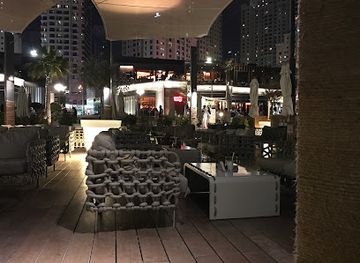
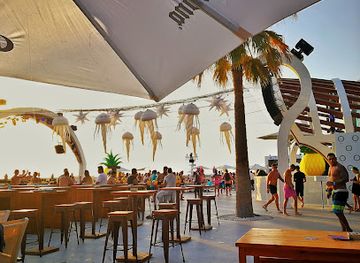
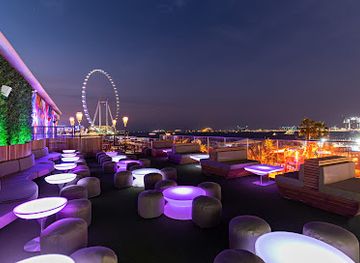
Nightlife is concentrated in Abu Dhabi and Dubai, where licensed hotel bars, rooftop venues, live-music rooms, cocktail lounges and late-night restaurants serve residents and visitors. Dubai has the broadest range and the latest schedules, while Abu Dhabi’s evening scene is distributed among hotel districts, waterfront areas and cultural precincts. Sharjah has far stricter alcohol regulations and is better known for cafés, restaurants, arts events and evening walks than for bars or clubs. Ajman, Umm Al Quwain and Ras Al Khaimah offer a smaller selection of licensed hotel venues, pubs, beach resorts and restaurants, with much quieter evenings outside major properties. Drinking is regulated, public intoxication is not acceptable, and visitors should use licensed venues only. In many coastal towns, a late meal, coffee, shisha in an authorised setting or a walk beside the creek is a more characteristic evening activity than clubbing.
-
Bar
Barasti Beach
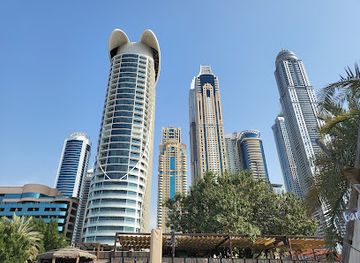
Experience the vibrant atmosphere of Barasti Beach, Dubai's ultimate beach club offering sun, sand, and sensational dining by the Marina.
-
Lounge
Smoky Beach
Discover the ultimate lounge experience at Smoky Beach, where stunning views and vibrant nightlife meet in Dubai Marina.
-
Bar
Zero Gravity Dubai
Discover the vibrant beach club experience at Zero Gravity Dubai, where relaxation meets excitement in the heart of Dubai Marina.
-
Bar
Bla Bla Dubai
Discover Bla Bla Dubai: a vibrant beach club and restaurant offering exquisite dining, lively nightlife, and breathtaking views of the Jumeirah coast.
Best nightclubs in Arabian Gulf Coast
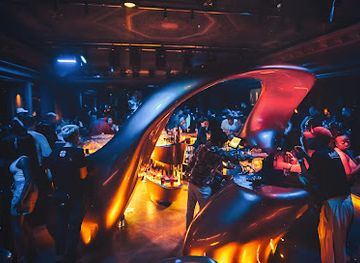
Nightlife is concentrated in Abu Dhabi and Dubai, where licensed hotel bars, rooftop venues, live-music rooms, cocktail lounges and late-night restaurants serve residents and visitors. Dubai has the broadest range and the latest schedules, while Abu Dhabi’s evening scene is distributed among hotel districts, waterfront areas and cultural precincts. Sharjah has far stricter alcohol regulations and is better known for cafés, restaurants, arts events and evening walks than for bars or clubs. Ajman, Umm Al Quwain and Ras Al Khaimah offer a smaller selection of licensed hotel venues, pubs, beach resorts and restaurants, with much quieter evenings outside major properties. Drinking is regulated, public intoxication is not acceptable, and visitors should use licensed venues only. In many coastal towns, a late meal, coffee, shisha in an authorised setting or a walk beside the creek is a more characteristic evening activity than clubbing.
-
Night club
xo club nightclub dubai
Discover the electrifying nightlife at XO Club in Dubai, where music, luxury, and unforgettable experiences come together.
-
Night club
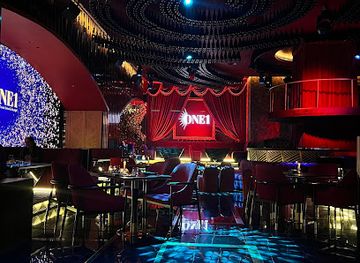
Club One Dubai
Discover the pulse of Dubai's nightlife at Club One Dubai, where exquisite dining meets electrifying entertainment in an upscale setting.
-
Night club
BLING | Exclusive Night Club in Dubai at Five Palm Jumeirah
Discover the epitome of luxury nightlife at BLING Night Club in Five Palm Jumeirah, where opulence meets vibrant music for an unforgettable experience.
-
Disco club
The Exchange nightclub and lounge
Discover the pulsating energy of The Exchange nightclub in Abu Dhabi, where music, dance, and unforgettable nights come alive in a luxurious setting.

Best shops in Arabian Gulf Coast
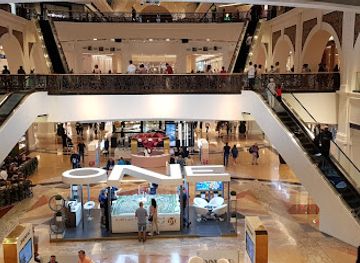
Shopping on the Arabian Gulf Coast ranges from traditional souqs and independent shops to vast modern malls. Dubai is the largest retail centre, with established shopping districts, specialist markets, department stores and luxury malls, while Abu Dhabi combines major malls with the older souqs and markets around the city centre. Sharjah is particularly useful for heritage-oriented shopping, books, arts and crafts, and traditional goods, whereas Ajman, Umm Al Quwain and Ras Al Khaimah offer more local high streets, small centres and practical markets. Souvenirs include dates, Arabic coffee, spices, perfumes, textiles, gold jewellery and handcrafted items, though quality and provenance vary. Heritage districts are better places to look for traditional design and small specialist retailers than for uniform souvenir stalls. Bargaining may be possible in some independent shops and markets but is not expected in department stores, branded malls or fixed-price outlets. Visitors should compare products carefully and check rules for exporting food, antiques or animal-derived materials.
-
Shopping mall
Dubai Mall
Discover the epitome of luxury shopping and entertainment at Dubai Mall, the world's largest shopping destination in the heart of Downtown Dubai.
-
Shopping mall
Mall of the Emirates
Experience luxury shopping, gourmet dining, and unique attractions at the Mall of the Emirates - a premier destination in Dubai.
-
Shopping mall
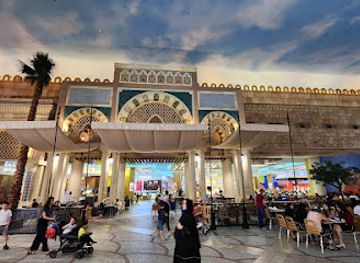
Ibn Battuta Mall by Dubai Retail
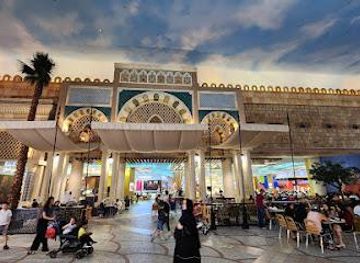
Explore the enchanting Ibn Battuta Mall in Dubai, where shopping meets culture and adventure awaits around every corner.
-
Shopping mall
Ibn Battuta Mall
Explore the cultural richness and shopping extravaganza at Ibn Battuta Mall, one of Dubai's largest and most unique shopping destinations.

Get your free copy of our complete guide to Arabian Gulf Coast, delivered straight to you.
Everything on this page, from attractions and restaurants to essentials and local phrases, in one PDF you can read offline, print or share.
Already have an account? Sign in
Your Arabian Gulf Coast guide is ready.
We'll send it to · Not you? Sign out

Getting your guide ready…
We are putting together a fresh copy of the Arabian Gulf Coast guide. This can take up to a minute.
This can take a few moments. If your browser asks, choose Allow so the download can start. You'll find the guide in your Downloads folder.
Nothing happened? Download it again
Sorry, the guide is taking longer than usual. Please try again in a minute, or get it by email instead.
Arabian Gulf Coast essentials
Currency and Payment
Safety
Emergency Situations
Do's and Don'ts
Local Tips
From Eve
Local phrases worth knowing
You don't need to get them perfect. A few words go a long way, and locals appreciate the effort.
Basics
| English | Local | Say it |
|---|---|---|
| Hello | مرحبا | [Marhaban] |
| Goodbye | وداعا | [Wadā'an] |
| Yes | نعم | [Na'am] |
| No | لا | [Lā] |
| Please/You're welcome | من فضلك | [Min faḍlik] |
| Thank you | شكرا | [Shukran] |
| Excuse me/Sorry | عفوا | [ʿAfwan] |
| How are you? | كيف حالك؟ | [Kayfa ḥālak?] |
| Fine. And you? | بخير. وأنت؟ | [Bikhayr. Wa anta?] |
| Do you speak English? | هل تتحدث الإنجليزية؟ | [Hal tataḥaddath al-inglīziyyah?] |
| I don't understand | لا أفهم | [Lā afham] |
Eating & Drinking
| English | Local | Say it |
|---|---|---|
| I'd like to see the menu, please | أود رؤية القائمة، من فضلك | [Awad rūyāt al-qā'imah, min faḍlik] |
| I don't eat meat | لا أكل اللحم | [Lā aklu al-lahm] |
| Cheers! | في صحتك! | [Fī ṣiḥṭak!] |
| I would like to pay, please | أود الدفع، من فضلك | [Awad al-dafʿ, min faḍlik] |
Emergencies
| English | Local | Say it |
|---|---|---|
| Help! | مساعدة! | [Musāʿadah!] |
| Go away! | اذهب بعيدا! | [Idhhab baʿīdā!] |
| Call the Police! | اتصل بالشرطة! | [Ittiṣil bil-shurṭah!] |
| Call a doctor! | اتصل بالطبيب! | [Ittiṣil bil-ṭabīb!] |
| I'm lost | أنا ضائع | [Ana ḍā'iʿ] |
| I'm ill | أنا مريض | [Ana marīḍ] |
Shopping
| English | Local | Say it |
|---|---|---|
| I'd like to buy... | أود شراء... | [Awad shirāʾ...] |
| I'm just looking | أنا فقط أبحث | [Ana faqaṭ abḥath] |
| How much is it? | كم ثمنه؟ | [Kam thamanuh?] |
| That's too expensive | هذا غالي جدا | [Hādhā ghālī jiddan] |
| Can you lower the price? | هل يمكنك تخفيض السعر؟ | [Hal yumkinuk taḵfīḍ al-siʿr?] |
Time & Numbers
| English | Local | Say it |
|---|---|---|
| What time is it? | ما الساعة؟ | [Mā al-sāʿah?] |
| It's one o'clock | الساعة الواحدة | [Al-sāʿah al-wāḥidah] |
| Half past (10) | نصف الساعة (10) | [Niṣf al-sāʿah (10)] |
| Morning | صباحا | [Ṣabāḥan] |
| Afternoon | بعد الظهر | [Baʿd al-ẓuhr] |
| Evening | مساء | [Masā'] |
| Yesterday | أمس | [Ams] |
| Today | اليوم | [Al-yawm] |
| Tomorrow | غدا | [Ghadā] |
| 1 | واحد | [Wāḥid] |
| 2 | اثنان | [Ithnān] |
| 3 | ثلاثة | [Thalāthah] |
| 4 | أربعة | [Arbaʿah] |
| 5 | خمسة | [Khamsah] |
| 6 | ستة | [Sittah] |
| 7 | سبعة | [Sabʿah] |
| 8 | ثمانية | [Thamāniyah] |
| 9 | تسعة | [Tisʿah] |
| 10 | عشرة | [ʿAsharah] |
Transport & Directions
| English | Local | Say it |
|---|---|---|
| Where's a/the...? | أين هو...؟ | [Ayn huwa...?] |
| What's the address? | ما هو العنوان؟ | [Mā huwa al-ʿunwān?] |
| Can you show me (on the map)? | هل يمكنك أن تريني (على الخريطة)؟ | [Hal yumkinuk an turīnī (ʿalā al-kharīṭah)?] |
| When's the next (bus)? | متى سيكون (الباص) التالي؟ | [Matā sayakūn (al-bāṣ) al-tālī?] |
| A ticket (to ....) | تذكرة (إلى....) | [Tadhkarah (ilā....)] |
History of Arabian Gulf Coast
Ancient Coastal Trade and Maritime Settlement
The Gulf shoreline has supported settlement and exchange for thousands of years. Archaeological evidence from sites in Abu Dhabi, Umm Al Quwain and other coastal areas records communities that used marine resources, traded across the Gulf and adapted to the difficult conditions of salt flats, islands and seasonal freshwater availability. Coastal routes connected southeastern Arabia with Iran, Mesopotamia and the wider Indian Ocean world. Shells, pottery, stone tools and evidence of fishing and pearling show that the sea was not simply a boundary but the foundation of local economies and regional contact.
Islamic and Medieval Gulf Networks
From the arrival and consolidation of Islam in the seventh century onwards, the coast formed part of interconnected maritime and overland networks. Settlements around creeks and sheltered inlets served fishing, trade and transport, while religious and political authority developed through local ruling families and wider Gulf relationships. The precise importance of individual ports shifted over time as channels, markets and political alliances changed. Surviving mosques, traditional houses, fortifications and archaeological remains provide physical reminders of coastal life before the modern city.
Pearling, Fishing and Dhow Culture
For centuries, pearling was one of the most important industries along the UAE’s Gulf coast. Divers, boat crews, merchants and shore-based workers participated in a demanding seasonal economy, while fishing and small-scale trade remained essential to coastal communities. Traditional dhows connected local ports with other Gulf settlements and Indian Ocean markets. The industry declined sharply in the early twentieth century because of economic disruption and the development of cultured pearls in Japan, but pearling continues to shape national heritage museums, festivals, oral histories and architectural interpretation.
British Treaties and the Trucial States
During the nineteenth and early twentieth centuries, the coastal sheikhdoms entered into a series of agreements with Britain and became known collectively as the Trucial States. These arrangements affected maritime security, foreign relations and the regulation of trade without turning the area into a British colony in the conventional sense. British influence was strongest through political agents and treaty relationships, while local rulers retained authority over internal affairs. The period helped define the diplomatic setting from which the modern federation later emerged.
Oil, Urbanisation and Federation
Oil revenues transformed the coastal emirates during the twentieth century, funding roads, ports, schools, hospitals, utilities and ambitious urban development. Abu Dhabi became the political capital and a major energy centre, while Dubai expanded its historic trading role through port development, aviation, finance and commerce. The United Arab Emirates was formed in 1971 by six emirates, with Ras Al Khaimah joining in 1972. Coastal towns that had once depended primarily on pearling and fishing developed into modern cities connected by highways and international markets.
Contemporary Cultural and Waterfront Development
In recent decades, the Gulf coast has become the setting for major cultural, environmental and tourism projects. Abu Dhabi has developed museums, galleries and conservation initiatives alongside its government and business districts; Dubai has reshaped its creek, marina and shoreline through large-scale urban construction; Sharjah has invested heavily in heritage and arts; and the northern emirates have promoted archaeology, beaches and outdoor recreation. These changes coexist with traditional neighbourhoods, working ports, mosques, mangroves and fishing communities, creating a coastal landscape in which rapid development and heritage preservation remain closely linked.
Arabian Gulf Coast in Photos
Browse through our photo collection highlighting the charm and character of the destination.
Neighbouring regions of Arabian Gulf Coast
The closest regions to Arabian Gulf Coast, if you have time for more than one.
-

-

-

-

-


Swipe for more regions
Explore more

Explore more of United Arab Emirates
Discover the United Arab Emirates: A land where futuristic cities meet timeless deserts, offering luxury, adventure, and rich cultural experiences.
Explore United Arab Emirates