

Free Al Ain Region Travel Guide & Mobile App
Explore Al Ain Region with free travel guides. Discover regional history, expert tips, proposed trips, and audio guides on web or mobile app.


Explore Al Ain Region for palm-filled oases, Bronze Age heritage, Jebel Hafeet mountain views and the quieter inland character of the UAE.
Read more about Al Ain Region
When is the best time to visit Al Ain Region?
Best: January–February, November · 24–27°C| Month | High (°C) | Rainfall (mm) |
|---|---|---|
| January (best) | 24 | 10 |
| February (best) | 26 | 10 |
| March | 30 | 12 |
| April | 33 | 5 |
| May | 38 | 2 |
| June | 40 | 1 |
| July | 41 | 1 |
| August | 41 | 2 |
| September | 38 | 2 |
| October | 33 | 3 |
| November (best) | 27 | 5 |
| December | 22 | 10 |
Getting to and around Al Ain Region
How to get there
Transportation
Top city travel guides in Al Ain Region
The cities of Al Ain Region, and the easiest places to base yourself.
-

-

-

-
-

-


Swipe for more cities
Destinations in Al Ain Region
Resorts, valleys and scenic spots worth a trip of their own.
-

-

-

-

-

-


Swipe for more destinations
Best attractions in Al Ain Region
Al Ain's attractions bring together living oasis landscapes, archaeology, forts, museums and mountain scenery. Al Ain Oasis is the best-known introduction to the region's date-palm agriculture and falaj irrigation, while Al Qattara Oasis and Al Jahili Oasis provide further opportunities to see cultivated heritage landscapes. Historic interpretation continues at Al Ain Palace Museum, Qasr Al Muwaiji and Al Jahili Fort, each offering a different perspective on local governance and the development of modern Al Ain. Hili Archaeological Park combines open-air remains with landscaped areas, and nearby Bronze Age sites connect the city to the wider archaeology of the Al Ain Cultural Sites. Al Ain Zoo and the adjacent Sheikh Zayed Desert Learning Centre provide family-oriented encounters with regional wildlife and environmental education. Jebel Hafeet is the region's major outdoor destination, with road-accessible viewpoints and the hot springs and parkland of Green Mubazzarah at its foot. The camel market offers insight into an enduring aspect of Emirati pastoral culture, though visitors should behave respectfully around animals, traders and working spaces. Together these attractions make Al Ain less about a single headline sight than about understanding the connections between water, farming, trade, authority and the desert.
-
State park
Jebel Hafeet
Discover the breathtaking heights and stunning landscapes of Jebel Hafeet, a natural wonder in Abu Dhabi perfect for outdoor enthusiasts and nature lovers.
-
Stadium
Hazza bin Zayed Stadium
Visit Hazza bin Zayed Stadium in Al Ain, a stunning venue for sports and cultural events, showcasing the rich heritage and vibrant community of Abu Dhabi.
-
Park
Al Jahli Park
Experience the lush beauty and cultural charm of Al Jahili Park, a serene escape in the heart of Abu Dhabi, perfect for relaxation and exploration.
-
Tourist attraction
Jabel Hafeet Mountain
Explore the breathtaking beauty of Jabel Hafeet Mountain in Abu Dhabi, a stunning natural landmark perfect for adventure seekers and nature lovers alike.


Best landmarks in Al Ain Region
Jebel Hafeet is Al Ain's defining natural landmark, rising sharply from the plain and providing a powerful geographic backdrop to the city. Its limestone slopes contain the region's celebrated Bronze Age tombs, while the summit road creates elevated views across the UAE-Oman borderlands without turning the mountain into a conventional urban attraction. The oases are equally important landmarks: Al Ain Oasis, Al Qattara Oasis and Al Jahili Oasis preserve the green geometry of palm plantations and the water channels that made permanent settlement possible. Among the region's architectural landmarks, Al Jahili Fort is notable for its defensive form and association with the modern history of the Al Ain area. Qasr Al Muwaiji, a fortified palace compound, is closely linked with Sheikh Zayed bin Sultan Al Nahyan and the political history of Abu Dhabi. Hili Grand Tomb and other archaeological remains at Hili mark an older landscape of communal burial and organised settlement. Green Mubazzarah, where developed parkland and hot springs meet the lower slopes of Jebel Hafeet, completes the region's visual identity by showing how natural features and civic landscaping have been brought together.
-
Zoo
Al Ain Zoo
Explore Al Ain Zoo: A family-friendly wildlife haven in the UAE, showcasing diverse species and promoting conservation through engaging experiences.
-
Shopping mall
Al Ain Mall
Discover Al Ain Mall, Abu Dhabi's ultimate shopping and dining experience, where luxury meets local charm in a vibrant atmosphere.
-
Stadium
Hazza bin Zayed Stadium
Discover the architectural beauty and vibrant atmosphere of Hazza bin Zayed Stadium, a key attraction in Abu Dhabi's cultural landscape.
-
Hotel
Radisson Blu Hotel & Resort, Al Ain
Discover the allure of Al Ain at the Radisson Blu Hotel & Resort, a luxurious getaway with stunning views and exceptional amenities for an unforgettable experience.


Explore Al Ain Region on the map
Plan your trip on one map. See where the top cities, national parks and sights are, and book hotels and experiences in a few clicks.
Best hotels in Al Ain Region
Best restaurants in Al Ain Region
Dining in Al Ain reflects the UAE's diverse population while retaining links with the oasis and desert traditions of the region. Emirati cooking can include machboos, rice served with spiced meat or fish, harees, breads, dates and Arabic coffee, although availability and recipes vary between establishments. Restaurants and cafés also serve Gulf, Levantine, South Asian and international food, particularly around central commercial districts, hotels and shopping areas. Traditional tea and coffee shops provide informal breaks between heritage visits, while hotel restaurants offer broader menus and, where licensed, alcoholic drinks. The region's agricultural identity is most evident in dates and other locally grown produce rather than in a narrowly defined restaurant style. Look for dates, date-based sweets, fresh juices and regional breads in markets and specialist shops. Dining is generally more relaxed in the evening, when temperatures fall, and visitors should remember that Ramadan can alter daytime service and public eating arrangements. Tipping is not fixed by a distinct Al Ain custom; check whether a service charge is included and reward good service at discretion.
-
Restaurant
Al Fanar Restaurant & Cafe
Experience authentic Middle Eastern flavors at Al Fanar Restaurant & Cafe in Al Jimi, where tradition meets taste in every dish.
-
Yemenite
Al Yahar Modern Restaurant
Experience authentic Yemeni flavors at Al Yahar Modern Restaurant in Abu Dhabi – where tradition meets modern dining.
-
Restaurant
Wood House Restaurant Al Ain
Discover diverse culinary experiences at Wood House Restaurant in Al Ain Mall - from Arabic delights to Italian classics and fresh sushi.
-
Lebanese
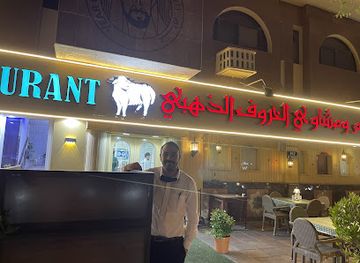
Golden Sheep Restaurant & Grills
Experience the essence of Lebanon with delicious grilled meats and traditional dishes at Golden Sheep Restaurant & Grills in Al Ain.


Best bars in Al Ain Region
Al Ain has a quieter evening culture than Dubai or Abu Dhabi, and nightlife is concentrated in licensed hotel restaurants and lounges rather than large club districts. Visitors will find cafés, tea houses and family-oriented restaurants throughout the city, with late-evening activity often centred on conversation, food and outdoor seating during the cooler months. Some hotels provide bars, live entertainment or relaxed lounges for international guests, subject to UAE licensing rules and changing operating arrangements. Alcohol is not generally sold in ordinary cafés or public spaces, and public drinking is prohibited. Jebel Hafeet and Green Mubazzarah are suited to evening scenery and picnics rather than nightlife, while shopping and restaurant areas provide a more active urban atmosphere. Because venues, entertainment schedules and licensing conditions can change, check directly with an establishment or hotel before planning a night out. Respectful dress and behaviour remain important, particularly outside licensed hospitality settings.
-
Restaurant
Al Fanar Restaurant & Cafe
Experience the rich flavors of Middle Eastern cuisine at Al Fanar Restaurant & Cafe, renowned for its traditional dishes and warm hospitality.
-
Mediterranean
Manzil Lounge
Experience the essence of Mediterranean cuisine at Manzil Lounge, where fine dining meets a soothing lounge ambiance in Abu Dhabi.
-
Family-friendly
Leisure Center - Al Ain مطعم وكافيه ليجر - العين
Discover the vibrant flavors of Lebanese cuisine at Leisure Center - Al Ain, a family-friendly restaurant offering buffet dining and a cozy café experience.
-
Bar
Easy Tiger
Experience the vibrant nightlife of Abu Dhabi at Easy Tiger, a premier bar in the Al Ain Palace Hotel, known for its lively atmosphere and delicious cocktails.


Best nightclubs in Al Ain Region
Al Ain has a quieter evening culture than Dubai or Abu Dhabi, and nightlife is concentrated in licensed hotel restaurants and lounges rather than large club districts. Visitors will find cafés, tea houses and family-oriented restaurants throughout the city, with late-evening activity often centred on conversation, food and outdoor seating during the cooler months. Some hotels provide bars, live entertainment or relaxed lounges for international guests, subject to UAE licensing rules and changing operating arrangements. Alcohol is not generally sold in ordinary cafés or public spaces, and public drinking is prohibited. Jebel Hafeet and Green Mubazzarah are suited to evening scenery and picnics rather than nightlife, while shopping and restaurant areas provide a more active urban atmosphere. Because venues, entertainment schedules and licensing conditions can change, check directly with an establishment or hotel before planning a night out. Respectful dress and behaviour remain important, particularly outside licensed hospitality settings.
-
Irish pub
McGettigan's Al Ain
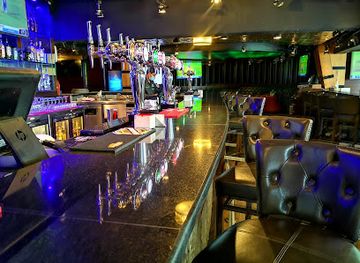
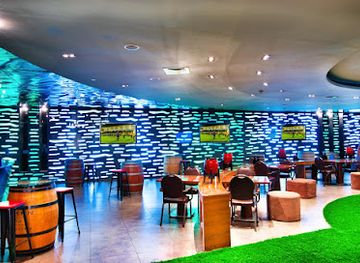
Discover a slice of Ireland in Al Ain at McGettigan's, where authentic cuisine meets lively entertainment in a welcoming Irish pub atmosphere.
-
Lounge
The Rooftop _ Aloft Al Ain
Experience stunning city views and vibrant nightlife at The Rooftop Lounge, the perfect spot for relaxation and socializing in Abu Dhabi.
-
Night club
Moodz
Discover Moodz in Abu Dhabi - the premier nightclub and sports bar for unforgettable nights filled with music, drinks, and entertainment.
-
Bar
Peach Garden
Experience vibrant nightlife at Peach Garden in Al Ain, featuring live music, delicious cocktails, and a welcoming atmosphere.

Best shops in Al Ain Region
Shopping in Al Ain is oriented towards practical retail, food, crafts and local-market experiences rather than international luxury shopping. The central city and larger shopping centres provide familiar fashion, electronics and dining brands, while older commercial areas are useful for textiles, perfumes, household goods and everyday purchases. Souvenirs with a regional connection include dates, date sweets, Arabic coffee, spices, bakhoor, woven items and small handicrafts, although quality and provenance vary between sellers. Traditional market areas and specialist food shops are better places to look for edible gifts than the heritage sites themselves. Visitors may also find camel-related products and equestrian goods reflecting the region's pastoral traditions, but should check materials and import rules before taking animal products home. Local art and cultural products can be sought around Al Qattara Arts Centre and other heritage-oriented venues when exhibitions or workshops are operating. Bargaining is not appropriate everywhere; it is more likely in informal market settings than in fixed-price shops and modern malls.
-
Shopping mall
Al Ain Mall
Discover Al Ain Mall, a vibrant shopping haven in Abu Dhabi, featuring diverse retail, dining, and entertainment options for every traveler.
-
Shopping mall
Al Jimi Mall
Experience the ultimate shopping destination at Al Jimi Mall in Abu Dhabi, where retail, dining, and entertainment come together in perfect harmony.
-
Shopping mall
Hili Mall
Experience shopping and entertainment like never before at Hili Mall, Abu Dhabi's bustling retail hub with diverse offerings for everyone.
-
Convenience store
Al Ain Gift Market
Experience the vibrant culture of Abu Dhabi at Al Ain Gift Market, where unique souvenirs and local handicrafts await every visitor.


Get your free copy of our complete guide to Al Ain Region, delivered straight to you.
Everything on this page, from attractions and restaurants to essentials and local phrases, in one PDF you can read offline, print or share.
Already have an account? Sign in
Your Al Ain Region guide is ready.
We'll send it to · Not you? Sign out

Getting your guide ready…
We are putting together a fresh copy of the Al Ain Region guide. This can take up to a minute.
This can take a few moments. If your browser asks, choose Allow so the download can start. You'll find the guide in your Downloads folder.
Nothing happened? Download it again
Sorry, the guide is taking longer than usual. Please try again in a minute, or get it by email instead.
Al Ain Region essentials
Currency and Payment
Safety
Emergency Situations
Do's and Don'ts
Local Tips
From Eve
Local phrases worth knowing
You don't need to get them perfect. A few words go a long way, and locals appreciate the effort.
Basics
| English | Local | Say it |
|---|---|---|
| Hello | مرحبا | [Marhaban] |
| Goodbye | مع السلامة | [Ma'a as-salamah] |
| Yes | نعم | [Na'am] |
| No | لا | [La] |
| Please/You're welcome | من فضلك | [Min fadlik] |
| Thank you | شكرا | [Shukran] |
| Excuse me/Sorry | عفوا/آسف | [Afwan/Asif] |
| How are you? | كيف حالك؟ | [Kayfa halak?] |
| Fine. And you? | بخير. وأنت؟ | [Bikhayr. Wa anta?] |
| Do you speak English? | هل تتحدث الإنجليزية؟ | [Hal tatahadath al-ingliziyya?] |
| I don't understand | لا أفهم | [La afham] |
Eating & Drinking
| English | Local | Say it |
|---|---|---|
| I'd like to see the menu, please | أود رؤية القائمة، من فضلك | [Awad ru'yat al-qa'ima, min fadlik] |
| I don't eat meat | لا آكل اللحم | [La akul al-lahm] |
| Cheers! | في صحتك! | [Fi sihtak!] |
| I would like to pay, please | أود الدفع، من فضلك | [Awad ad-daf', min fadlik] |
Emergencies
| English | Local | Say it |
|---|---|---|
| Help! | نجدة! | [Najda!] |
| Go away! | اخرج! | [Ukhruj!] |
| Call the Police! | اتصل بالشرطة! | [Ittasil bil-shurta!] |
| Call a doctor! | اتصل بالطبيب! | [Ittasil bil-tabeeb!] |
| I'm lost | أنا ضائع | [Ana da'i'] |
| I'm ill | أنا مريض | [Ana marid] |
Shopping
| English | Local | Say it |
|---|---|---|
| I'd like to buy... | أود شراء... | [Awad shira...] |
| I'm just looking | أنا فقط أنظر | [Ana faqat anzur] |
| How much is it? | كم سعره؟ | [Kam si'ruh?] |
| That's too expensive | هذا غالي جدا | [Hatha ghali jidan] |
| Can you lower the price? | هل يمكنك تخفيض السعر؟ | [Hal yumkinuka takhfid as-si'r?] |
Time & Numbers
| English | Local | Say it |
|---|---|---|
| What time is it? | كم الساعة؟ | [Kam as-saa'a?] |
| It's one o'clock | الساعة الواحدة | [As-saa'a al-wahidah] |
| Half past (10) | نصف الساعة (10) | [Nisf as-saa'a (10)] |
| Morning | صباحا | [Sabahan] |
| Afternoon | بعد الظهر | [Ba'ad al-zhuhr] |
| Evening | مساء | [Masa'] |
| Yesterday | أمس | [Ams] |
| Today | اليوم | [Al-yawm] |
| Tomorrow | غدا | [Ghadan] |
| 1 | واحد | [Wahid] |
| 2 | اثنان | [Ithnan] |
| 3 | ثلاثة | [Thalatha] |
| 4 | أربعة | [Arba'a] |
| 5 | خمسة | [Khamsa] |
| 6 | ستة | [Sitta] |
| 7 | سبعة | [Sab'a] |
| 8 | ثمانية | [Thamaniya] |
| 9 | تسعة | [Tis'a] |
| 10 | عشرة | [Ashara] |
Transport & Directions
| English | Local | Say it |
|---|---|---|
| Where's a/the...? | أين...؟ | [Ayna...?] |
| What's the address? | ما هو العنوان؟ | [Ma huwa al-'unwan?] |
| Can you show me (on the map)? | هل يمكنك إظهار لي (على الخريطة)؟ | [Hal yumkinuka izhar li (ala al-kharita)?] |
| When's the next (bus)? | متى يأتي (الباص) التالي؟ | [Mata ya'ti (al-bas) at-tali?] |
| A ticket (to ....) | تذكرة (إلى....) | [Tadhkirah (ila....)] |
History of Al Ain Region
Early Oasis Settlement and Hafit Tombs, c. 3000 BC
The foothills of Jebel Hafeet contain hundreds of stone-built beehive tombs dating mainly from the late fourth and early third millennia BC. Their presence demonstrates that the Al Ain area was part of an organised Bronze Age society with regional connections across the southern Arabian Peninsula. The tombs are associated with the Hafit period, named after the mountain, and form one of the foundations of the region's archaeological importance. Their placement above the plain also reflects the enduring relationship between settlement, water sources and mountain terrain.
Hili and the Umm an-Nar World
Archaeological evidence at Hili records settled farming and trading communities from the Bronze Age, including monumental tombs and irrigation developments. The wider cultural horizon is connected with the Umm an-Nar period, when communities in what is now the UAE participated in maritime and overland exchange with neighbouring regions. Hili's remains include a large communal tomb and evidence of cultivation, offering insight into how people adapted to an arid environment. The site is part of the Al Ain Cultural Sites UNESCO World Heritage property.
Iron Age Water Engineering and Bida bint Saud
During the Iron Age, improved water-management techniques supported more reliable agriculture in and around the oasis settlements. The falaj system, known locally as aflaj in the plural, channelled groundwater and spring water towards cultivated plots, enabling date palms and other crops to survive in the desert. Bida bint Saud, north of Al Ain, preserves archaeological evidence connected with this period and with later settlement. These systems were technological achievements as well as the basis for the social organisation of oasis farming.
Oasis Communities and Regional Trade
For centuries, the settlements around the Al Ain and Buraimi oasis formed a connected inland centre of agriculture, pastoralism and trade. Date cultivation, livestock, crafts and movement between the coast, Oman and the interior sustained communities in an otherwise arid landscape. Water rights and the maintenance of falaj channels were particularly important to local life. Although the modern international boundary divides the wider oasis between the UAE and Oman, the historical landscape predates that border and retains related architectural and agricultural traditions on both sides.
Fortifications and the Al Nahyan Presence
Fortified buildings such as Al Jahili Fort and Al Muwaiji Fort reflect the political importance of Al Ain's water and agricultural resources in the nineteenth and early twentieth centuries. Al Jahili Fort was built in the late nineteenth century and later associated with the Al Nahyan ruling family, while Qasr Al Muwaiji became closely linked with Sheikh Zayed bin Sultan Al Nahyan, who was born there in 1918. These sites reveal how a settled oasis supported governance, security and authority in the inland region.
Sheikh Zayed and the Transformation of Al Ain
During Sheikh Zayed bin Sultan Al Nahyan's years as Ruler's Representative in the Eastern Region from 1946, Al Ain underwent significant development. Roads, schools, public services and expanded agricultural infrastructure gradually reshaped the oasis settlement while retaining its green spaces. After the formation of the United Arab Emirates in 1971, the city continued to grow as an educational, administrative and agricultural centre. Its tree-lined planning and protected oases reflect the importance attached to maintaining an inland garden-city identity during rapid national development.
Heritage Conservation and the Modern Region
In the late twentieth and early twenty-first centuries, Al Ain's archaeological sites, forts and oases became the focus of sustained conservation and cultural interpretation. The nomination of the Al Ain Cultural Sites to the UNESCO World Heritage List in 2011 recognised the combined importance of the oases, aflaj, archaeological remains and historic buildings. Contemporary Al Ain balances modern universities, public institutions and residential districts with protected heritage landscapes. This approach has helped distinguish the region from the high-rise coastal image often associated with the UAE.
Al Ain Region in Photos
Browse through our photo collection highlighting the charm and character of the destination.
Neighbouring regions of Al Ain Region
The closest regions to Al Ain Region, if you have time for more than one.
-

-

-

-

-


Swipe for more regions
Explore more

Explore more of United Arab Emirates
Discover the United Arab Emirates: A land where futuristic cities meet timeless deserts, offering luxury, adventure, and rich cultural experiences.
Explore United Arab Emirates