

Western Region (Al Dhafra), United Arab Emirates Travel Guide
Discover the untouched beauty and rich cultural heritage of Western Region (Al Dhafra) in the UAE, a perfect blend of desert adventures, pristine beaches, and traditional festivals.
Western Region (Al Dhafra) in the United Arab Emirates is a captivating blend of natural beauty and cultural heritage. This less-explored part of the UAE offers an authentic Arabian experience with its vast deserts, pristine beaches, and traditional Bedouin lifestyle. Begin your journey with a visit to the mesmerizing Liwa Oasis, an expansive date-palm oasis known for its stunning sand dunes, including the world's largest dune, Tal Moreeb. The oasis provides a tranquil escape and is perfect for dune bashing, camel trekking, and experiencing the serene desert landscape. Al Dhafra is also home to the annual Al Dhafra Festival, a celebration of Emirati culture and traditions. The festival showcases camel races, falconry, traditional souks, and handicrafts, offering tourists a chance to immerse themselves in the local way of life. The region's rich history can be explored further at the Qasr Al Sarab Desert Resort and the historic forts scattered throughout the area. For those seeking a coastal retreat, the pristine beaches of Al Dhafra are a hidden gem. The untouched coastline is perfect for a quiet day by the sea, with opportunities for snorkeling and fishing. The Offshore Islands, like Sir Bani Yas Island, offer unique wildlife experiences with a safari park that hosts free-roaming animals. With its mix of natural wonders and cultural experiences, Western Region (Al Dhafra) promises a memorable and enriching visit for any traveler.

Know before you go
Hi, I'm Eve. Here are a few practical things to know before exploring Western Region (Al Dhafra).
- Visit during the cooler months (November to March) to enjoy outdoor activities comfortably.
- Carry plenty of water and sun protection for desert excursions.
- Check the dates of the Al Dhafra Festival to experience cultural events and local traditions.
- Book a stay at Qasr Al Sarab Desert Resort for a luxurious desert experience.
- Explore Sir Bani Yas Island for unique wildlife encounters and outdoor activities.
Top City Travel Guides in Western Region (Al Dhafra)
The cities of Western Region (Al Dhafra), and the easiest places to base yourself.

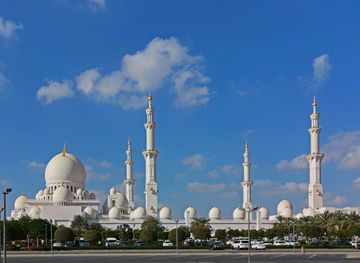

Destinations in Western Region (Al Dhafra)
Resorts, valleys and scenic spots worth a trip of their own.
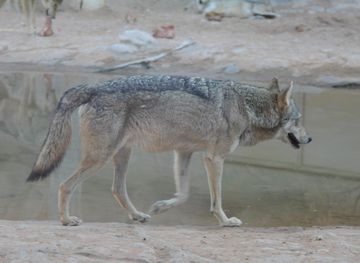


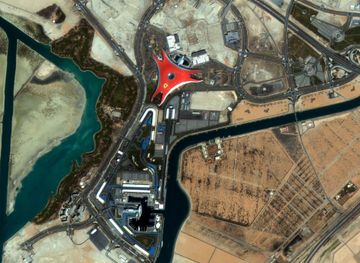
Explore Western Region (Al Dhafra): Things to Do, Places to Eat, Hotels & More
Handpicked recommendations for top attractions, local dining, accommodations, and more

Top Attractions & Sightseeing in Western Region (Al Dhafra)
Top-rated picks
Best Attractions

WaveBreaker
Discover the beauty and excitement of WaveBreaker, Abu Dhabi's ultimate coastal destination for relaxation, adventure, and culinary delights.

Al Bateen Palace
Experience the rich heritage of Abu Dhabi at Al Bateen Palace, a stunning historical landmark showcasing Islamic architectural beauty.

Madinat Zayed Park
Explore the tranquil Madinat Zayed Park in Abu Dhabi, a perfect blend of nature and recreation for all ages.

ADNOC Beach Club
Experience the stunning ADNOC Beach Club in Abu Dhabi, where beautiful sands, crystal-clear waters, and family-friendly amenities await!

Best landmarks in Western Region (Al Dhafra)
Top-rated picks
Best Landmarks

Sheikh Zayed Grand Mosque
Explore the unrivaled beauty and spiritual ambiance of the Sheikh Zayed Grand Mosque, a masterpiece of Islamic architecture in Abu Dhabi.

Emirates Palace Mandarin Oriental
Discover unparalleled luxury and breathtaking views at the Emirates Palace Mandarin Oriental in Abu Dhabi, a true gem of Emirati hospitality.

Qasr Al Watan
Discover the majestic Qasr Al Watan in Abu Dhabi, a cultural landmark celebrating the rich heritage and history of the United Arab Emirates.

Qasr Al Hosn
Explore Qasr Al Hosn, Abu Dhabi's iconic fortress and cultural landmark, where history and heritage meet in stunning surroundings.

Best restaurants in Western Region (Al Dhafra)
Top-rated picks
Best Restaurants

Eye of gulf restaurant
Discover the rich flavors of Yemen at Eye of Gulf Restaurant in Abu Dhabi's Zayed City - an unforgettable culinary experience awaits!

مطعم المندي الجديد New al mandi restaurant
Experience authentic Yemeni flavors at New Al Mandi Restaurant in Zayed City, Abu Dhabi – where tradition meets taste.

AL GHAWALI RESTAURANT مطعم الغوالي
Experience authentic Emirati cuisine at Al Ghawali Restaurant in Abu Dhabi's Traditional Souk.

OLA Brasil Restaurant Al Dhannah
Experience authentic Brazilian flavors at OLA Brasil Restaurant in Al Dhannah – where every meal tells a story.

Best bars in Western Region (Al Dhafra)
Top-rated picks
Best Bars

West Bay Lounge Abu Dhabi Corniche
Experience luxury dining at West Bay Lounge, where exquisite flavors meet stunning waterfront views in Abu Dhabi.

Porters English Pub
Discover Porters English Pub in Abu Dhabi: a lively pub offering classic dishes and a wide drink selection, perfect for socializing and relaxation.

Cooper's - Bar and Restaurant
Experience the best of sports and gourmet dining at Cooper's, a lively gastropub in Abu Dhabi perfect for tourists seeking culinary delights.

Ray's Bar
Experience the luxury of Ray's Bar in Abu Dhabi, where stunning views, exquisite cocktails, and live music create an unforgettable evening.

Best nightclubs in Western Region (Al Dhafra)
Top-rated picks
Best Nightclubs

The G.O.A.T Abu Dhabi
Discover the vibrant nightlife of Abu Dhabi at The G.O.A.T, a premier live music venue offering delicious food and an electric atmosphere.

Hammer club by uncle sam
Experience the vibrant nightlife at Hammer Club, a premier destination in Abu Dhabi's Al Manhal, where fun and excitement never stop.

Blu Sky Lounge & Grill
Experience the vibrant energy of Abu Dhabi at Blu Sky Lounge & Grill, where exquisite dining meets lively entertainment in a stylish setting.

The Exchange nightclub and lounge
Discover the electrifying nightlife of Abu Dhabi at The Exchange Nightclub and Lounge, where great music and vibrant atmosphere collide.

Best shops in Western Region (Al Dhafra)
Top-rated picks
Best Shops

Madinat Zayed Shopping Centre
Explore Madinat Zayed Shopping Centre - Abu Dhabi's premier shopping mall with fashion, dining, and entertainment for every traveler.

LuLu Hypermarket - Al Dhafra Mall
LuLu Hypermarket - Al Dhafra Mall offers an extensive selection of groceries, clothing, and electronics in a vibrant shopping atmosphere.

AL Dhafra Co-Operative Society
Experience the heart of Abu Dhabi's shopping and dining at Al Dhafra Co-Operative Society, where tradition meets modernity.

Al Dhafra Mall
Explore Al Dhafra Mall in Abu Dhabi for a unique shopping experience with a variety of brands, dining, and family-friendly entertainment options.

Explore Western Region (Al Dhafra) on the Map
A handpicked selection of must-see spots in Western Region (Al Dhafra), mapped for you.
Western Region (Al Dhafra) Essentials
-
Western Region (Al Dhafra) in the United Arab Emirates is accessible via several modes of transportation. The closest major airport is Abu Dhabi International Airport, which is about 150 kilometers away. From the airport, you can rent a car, book a taxi, or use a ride-sharing service to reach Al Dhafra. There are also bus services that operate from Abu Dhabi to various parts of Al Dhafra.
-
Within Al Dhafra, you can use taxis, which are readily available and relatively affordable. Car rentals are also an excellent option for exploring the region at your own pace. Public buses connect various towns and villages, but they may not be as frequent or convenient for tourists. For a unique experience, consider hiring a 4x4 vehicle to explore the desert landscapes.
-
The official currency in the United Arab Emirates is the Emirati Dirham (AED). Credit cards are widely accepted in hotels, restaurants, and larger shops in Al Dhafra. However, it's advisable to carry some cash for smaller establishments and local markets. ATMs are available in major towns, but it's a good idea to withdraw enough cash before heading into more remote areas.
-
Al Dhafra is generally a safe destination for tourists. Crime rates are low, but it's always prudent to take standard precautions. Avoid leaving valuables unattended and be cautious in less populated areas, especially at night. There are no specific high-crime areas targeting tourists, but staying vigilant is always wise.
-
In case of an emergency, dial 999 for police assistance and 998 for medical emergencies. Al Dhafra has several medical facilities and hospitals. It's recommended to have travel insurance that covers medical emergencies. Pharmacies are available in major towns for minor health issues and over-the-counter medications.
-
Fashion: Do dress modestly, especially in public places and religious sites. Avoid wearing revealing clothing. Religion: Do respect Islamic customs and traditions. During prayer times, avoid loud noises near mosques. Public Transport: Do be respectful and considerate of other passengers. Don't eat or drink on public transport. Greetings: Do greet people with a handshake or a slight nod. Respect personal space, especially with the opposite gender. Eating & Drinking: Do try local delicacies and be gracious when offered food. Don't eat, drink, or smoke in public during the holy month of Ramadan from sunrise to sunset.
-
To experience Al Dhafra like a local, visit the local souks (markets) where you can buy fresh produce, spices, and traditional Emirati goods. Engage with locals who are often friendly and willing to share stories about their culture and history. Don't miss visiting the Liwa Oasis, which offers stunning desert landscapes and historical forts. For a unique experience, try a desert safari or camel trekking to explore the vast dunes of the Rub' al Khali (Empty Quarter).
When is the best time to visit Western Region (Al Dhafra)?
Useful Local Phrases for Western Region (Al Dhafra)
You don't need to speak the language perfectly. Even learning a few simple words can make conversations warmer—and locals usually appreciate the effort.
— Eve

Here are the phrases I use most often in Western Region (Al Dhafra). Try a few—you'll be surprised how far they go! 😊
❤️
-
- Helloمرحبا
[Marhaban] - Goodbyeوداعا
[Wadaa'an] - Yesنعم
[Na'am] - Noلا
[La] - Please/You're welcomeمن فضلك
[Min fadlik] - Thank youشكرا
[Shukran] - Excuse me/Sorryعفوا
[Afwan] - How are you?كيف حالك؟
[Kayfa halak?] - Fine. And you?بخير، وأنت؟
[Bikhayr, wa anta?] - Do you speak English?هل تتحدث الإنجليزية؟
[Hal tatahadath al-ingliziyya?] - I don't understandأنا لا أفهم
[Ana la afham]
- Helloمرحبا
-
- I'd like to see the menu, pleaseأود رؤية القائمة، من فضلك
[Awad ru'yat al-qa'ima, min fadlik] - I don't eat meatأنا لا آكل اللحم
[Ana la akul al-lahm] - Cheers!في صحتك!
[Fi sihtak!] - I would like to pay, pleaseأود الدفع، من فضلك
[Awad al-daf', min fadlik]
- I'd like to see the menu, pleaseأود رؤية القائمة، من فضلك
-
- Help!نجدة!
[Najda!] - Go away!ابتعد!
[Ibt'id!] - Call the Police!اتصل بالشرطة!
[Ittasil bil-shurta!] - Call a doctor!اتصل بالطبيب!
[Ittasil bil-tabeeb!] - I'm lostأنا ضائع
[Ana da'i'] - I'm illأنا مريض
[Ana marid]
- Help!نجدة!
-
- I'd like to buy...أود شراء...
[Awad shirā...] - I'm just lookingأنا فقط أبحث
[Ana faqat abḥath] - How much is it?كم سعره؟
[Kam si'ruh?] - That's too expensiveهذا غالي جداً
[Hatha ghali jiddan] - Can you lower the price?هل يمكنك تخفيض السعر؟
[Hal yumkinuka takhfid al-si'r?]
- I'd like to buy...أود شراء...
-
- What time is it?ما الوقت الآن؟
[Ma al-waqt al-an?] - It's one o'clockالساعة الواحدة
[Al-saa'a al-wahida] - Half past (10)نصف الساعة (10)
[Nisf al-saa'a (10)] - Morningصباحا
[Sabahan] - Afternoonظهرا
[Zohraan] - Eveningمساء
[Masa'an] - Yesterdayأمس
[Ams] - Todayاليوم
[Al-yawm] - Tomorrowغدا
[Ghadan] - 1واحد
[Wahid] - 2اثنان
[Ithnān] - 3ثلاثة
[Thalātha] - 4أربعة
[Arba'a] - 5خمسة
[Khamsa] - 6ستة
[Sitta] - 7سبعة
[Sab'a] - 8ثمانية
[Thamaniya] - 9تسعة
[Tis'a] - 10عشرة
[Ashara]
- What time is it?ما الوقت الآن؟
-
- Where's a/the...?أين ...؟
[Ayn ...?] - What's the address?ما هو العنوان؟
[Ma huwa al-'unwan?] - Can you show me (on the map)?هل يمكنك إخباري (على الخريطة)؟
[Hal yumkinuka ikhbari (ala al-kharita)?] - When's the next (bus)?متى يأتي (الباص) التالي؟
[Mata ya'ti (al-bus) al-tali?] - A ticket (to ....)تذكرة (إلى ...)
[Tadhkirah (ila ...)]
- Where's a/the...?أين ...؟
History of Western Region (Al Dhafra)
-
Al Dhafra's history dates back to the Neolithic period, where early human settlements utilized the region's resources. Archaeological findings, such as flint tools and pottery, indicate that early inhabitants engaged in fishing, hunting, and limited agricultural activities. These communities laid the foundation for the rich cultural tapestry that would develop over millennia.
-
During the 19th and early 20th centuries, Al Dhafra was a crucial player in the pearling industry. The coastal waters of the Arabian Gulf were abundant with pearl oysters, making pearling a primary economic activity. The seasonal migration of pearlers to the region contributed significantly to the local economy and cultural exchange, with traditional pearl diving techniques and boats like the dhow becoming emblematic of the era.
-
Al Dhafra is deeply rooted in Bedouin culture, characterized by nomadic lifestyles and a rich oral tradition. The Bedouins traversed the vast deserts, relying on camels for transportation and survival. Their poetry, music, and storytelling have been integral in preserving the history and values of the region. The annual Liwa Date Festival celebrates this heritage, showcasing traditional crafts, food, and cultural activities.
-
Liwa Oasis is one of the most significant historical landmarks in Al Dhafra. It served as a vital stopover for caravans traveling between the Arabian Peninsula and the Persian Gulf. The oasis provided essential water and resources, making it a center for trade and agriculture. Historical forts, such as Qasr Al Sarab, were built to protect these valuable resources and have become iconic symbols of the region's resilience.
-
The discovery of oil in the mid-20th century transformed Al Dhafra and the entire United Arab Emirates. The newfound wealth from oil exports spurred rapid development and modernization. Infrastructure projects, including roads, schools, and healthcare facilities, were established, drastically improving the quality of life. This period marked a significant shift from traditional livelihoods to a modern, diversified economy.
-
In recent years, Al Dhafra has made concerted efforts to preserve its cultural heritage while promoting tourism. Initiatives such as the Abu Dhabi Culture and Heritage Authority have been instrumental in safeguarding historical sites and traditions. Events like the Al Dhafra Festival attract visitors from around the world, offering a glimpse into the region's rich history and vibrant culture through camel races, falconry competitions, and traditional markets.
-
Al Dhafra is not only rich in history but also in natural beauty. Efforts to conserve the region's unique ecosystems have been paramount. The establishment of protected areas, such as the Marawah Marine Biosphere Reserve, highlights the commitment to preserving the diverse marine and terrestrial habitats. These conservation efforts ensure that the natural wonders of Al Dhafra remain for future generations to explore and enjoy.
Neighbouring Regions of Western Region (Al Dhafra)
The closest regions to Western Region (Al Dhafra), if you have time for more than one.



Your all‑in‑one travel companion app
Explore expert travel guides, compare and book tours, experiences, hotels, and more—all from the palm of your hand. Download now for seamless trip planning wherever your wanderlust takes you.


Explore More of United Arab Emirates

Looking beyond Western Region (Al Dhafra)? Discover United Arab Emirates for broader travel guides, local hot-spots, and regional highlights.
Explore United Arab EmiratesWestern Region (Al Dhafra) in Photos
Browse through our photo collection highlighting the charm and character of the destination.


The Enigmatic Charm of Western Region (Al Dhafra)
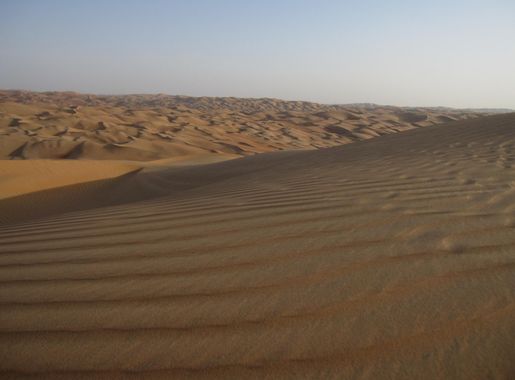
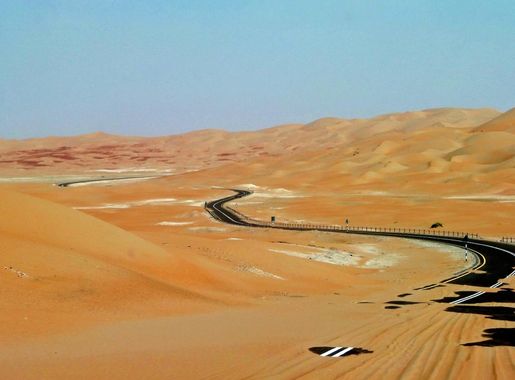
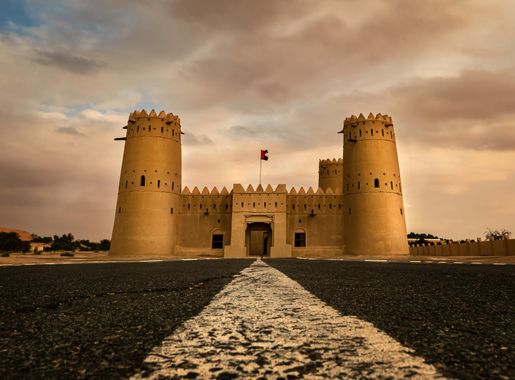
Western Region (Al Dhafra) in the United Arab Emirates is a captivating blend of natural beauty and cultural heritage. This less-explored part of the UAE offers an authentic Arabian experience with its vast deserts, pristine beaches, and traditional Bedouin lifestyle. Begin your journey with a visit to the mesmerizing Liwa Oasis, an expansive date-palm oasis known for its stunning sand dunes, including the world's largest dune, Tal Moreeb. The oasis provides a tranquil escape and is perfect for dune bashing, camel trekking, and experiencing the serene desert landscape. Al Dhafra is also home to the annual Al Dhafra Festival, a celebration of Emirati culture and traditions. The festival showcases camel races, falconry, traditional souks, and handicrafts, offering tourists a chance to immerse themselves in the local way of life. The region's rich history can be explored further at the Qasr Al Sarab Desert Resort and the historic forts scattered throughout the area. For those seeking a coastal retreat, the pristine beaches of Al Dhafra are a hidden gem. The untouched coastline is perfect for a quiet day by the sea, with opportunities for snorkeling and fishing. The Offshore Islands, like Sir Bani Yas Island, offer unique wildlife experiences with a safari park that hosts free-roaming animals. With its mix of natural wonders and cultural experiences, Western Region (Al Dhafra) promises a memorable and enriching visit for any traveler.