

Free Dubai Travel Guide & Mobile App
Plan your Dubai trip with Evendo. Get free guides to top attractions, restaurants, hotels, and bars. Web access or download the mobile app.


Dubai combines Gulf heritage, futuristic architecture, desert adventures, world-class shopping and beachside culture in a city shaped by ambition and trade.
A Creekside Trading City
Dubai rises from the coast of the Arabian Gulf, where a sheltered creek helped a small maritime settlement develop into a centre of fishing, pearling and long-distance trade. That mercantile past remains legible in Al Fahidi Historical Neighbourhood, the narrow lanes of Deira and the traditional abras that cross Dubai Creek, even as towers and motorways dominate the wider skyline. The city belongs to the emirate of Dubai within the United Arab Emirates, and its urban character is shaped by both Gulf traditions and a highly international population.Read more about Dubai
Architecture on a Vast Scale
Culture, Coast and Desert
When is the best time to visit Dubai?
Best: February–March, December · 24–27°C| Month | High (°C) | Rainfall (mm) |
|---|---|---|
| January | 23 | 10 |
| February (best) | 24 | 10 |
| March (best) | 27 | 10 |
| April | 30 | 5 |
| May | 34 | 0 |
| June | 38 | 0 |
| July | 40 | 0 |
| August | 40 | 0 |
| September | 36 | 0 |
| October | 32 | 5 |
| November | 27 | 10 |
| December (best) | 25 | 10 |
Getting to and around Dubai
How to get there
Transportation
Best attractions in Dubai
Dubai's attractions range from historic creekside quarters to purpose-built spectacles. In Al Fahidi Historical Neighbourhood, restored wind-tower houses and narrow lanes introduce the city's pre-oil architecture, while the nearby Dubai Museum site at Al Fahidi Fort reflects its early civic history, subject to current access arrangements. Across the water, Deira's Gold Souk and Spice Souk offer a concentrated experience of commerce, scent and craftsmanship. Downtown Dubai is home to Burj Khalifa and Dubai Mall, where observation decks, galleries and public spaces turn the district into a day-long sightseeing area. The Museum of the Future provides an immersive look at speculative technology and design, while Dubai Creek Harbour and the waterfront promenades offer changing skyline views. For open space, Jumeirah Beach and Dubai Creek Park provide coastal or landscaped settings, and the Dubai Desert Conservation Reserve lies beyond the urban core for organised desert experiences.
-
Landmark
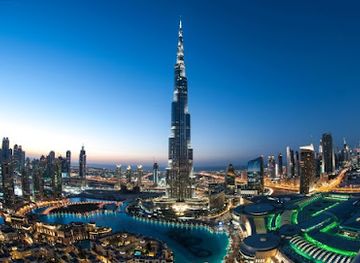
Burj Khalifa
Discover the Burj Khalifa, the tallest building in the world, and enjoy breathtaking views of Dubai from its stunning observation decks.
34 min drive · 14 km from city centre
-
Fountain
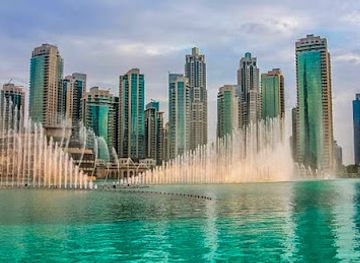
The Dubai Fountain
Experience the enchanting performances of The Dubai Fountain, where water dances to music amidst the stunning skyline of Downtown Dubai.
34 min drive · 14 km from city centre
-
Theme park
Global Village
Explore the world at Global Village, Dubai's cultural hub, where entertainment, shopping, and global cuisine come together in a vibrant setting.
8 min walk · 0.6 km from city centre
-
Resort hotel
Atlantis, The Palm
Experience luxury and adventure at Atlantis, The Palm, a stunning resort in Dubai's iconic Palm Jumeirah offering water parks, marine wonders, and exquisite dining.
40 min drive · 20 km from city centre


Best landmarks in Dubai
Burj Khalifa is Dubai's defining vertical landmark, rising above Downtown Dubai as a symbol of the city's late twentieth- and early twenty-first-century transformation. The sail-like Burj Al Arab Jumeirah, set on an artificial island off Jumeirah, has become an instantly recognisable image of the coast, while the sweeping white curves of the Jumeirah Mosque represent an important religious and civic landmark. Al Fahidi Fort, built in the late eighteenth century and associated with the Dubai Museum, connects the modern city with its defensive and administrative past. Along Dubai Creek, the minarets, wind towers, souks and traditional abras express the older maritime town more clearly than the towers do. Sheikh Zayed Road's high-rises, Palm Jumeirah's engineered crescent and the Museum of the Future add newer architectural markers, revealing how Dubai's identity has been shaped by commerce, engineering and international aspiration.
-
Landmark
Burj Khalifa
Discover the breathtaking heights of Burj Khalifa, the world's tallest building, and experience panoramic views that showcase the vibrant skyline of Dubai.
34 min drive · 14 km from city centre
-
Fountain
The Dubai Fountain
Experience the enchanting beauty of The Dubai Fountain, where water dances to music in a breathtaking display of art and technology in the heart of Downtown Dubai.
34 min drive · 14 km from city centre
-
Garden
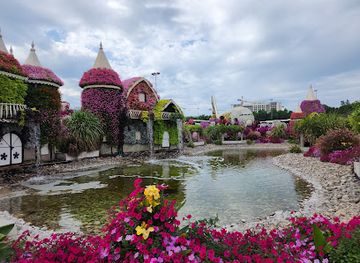
Dubai Miracle Garden
Discover a vibrant floral paradise at Dubai Miracle Garden, featuring over 150 million blooming flowers and stunning artistic displays.
20 min drive · 6.8 km from city centre
-
Monument
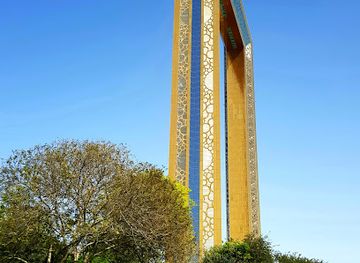
Dubai Frame
Discover the stunning views and rich history of Dubai at the iconic Dubai Frame, where the past and future collide in a breathtaking architectural marvel.
38 min drive · 18 km from city centre
Explore Dubai on the map
Plan your Dubai trip on one map. See where the top attractions, landmarks, restaurants, bars and hotels are, find what's near where you're staying, and book hotels and experiences in a few clicks.
Neighbourhoods in Dubai
-

-

-

-


Swipe for more neighbourhoods
Best hotels in Dubai
Best restaurants in Dubai
Dubai's dining scene reflects its Gulf setting and exceptionally international population. Emirati cooking includes dishes such as machbous, a spiced rice preparation often made with fish or meat, harees, luqaimat and grilled seafood, while Arabic grills, Levantine mezze and Iranian specialities are deeply established. Deira and Bur Dubai contain long-standing South Asian restaurants, cafeterias and bakeries, with flavours from India, Pakistan, Bangladesh and beyond shaping everyday eating as much as hotel dining does. Traditional fare can be explored through cultural restaurants and heritage areas, while contemporary restaurants cluster around Downtown Dubai, DIFC, Dubai Marina and Jumeirah. Street-style shawarma, karak tea, fresh juices and small canteens provide an informal counterpoint to high-end international kitchens. The city also has food halls, seasonal markets and extensive vegetarian, vegan and halal choices, although menus and licensing arrangements vary between venues.
-
Middle Eastern
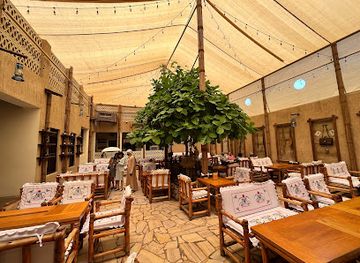
Arabian Tea House Restaurant & Cafe - Al Fahidi, Dubai
Discover Dubai's Emirati soul at Arabian Tea House, where historic courtyards host flavorful machboos, aromatic teas, and timeless hospitality in Al Fahidi's heritage heart.
41 min drive · 21 km from city centre
-
Food court
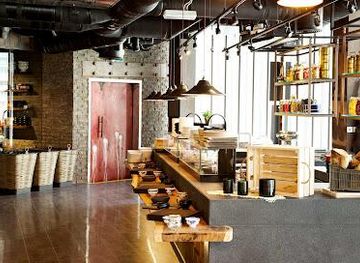
Pier 7
Seven-story culinary tower in Dubai Marina with diverse restaurants, panoramic terraces, and dazzling yacht-marina views—perfect for brunch to nightlife.
37 min drive · 17 km from city centre
-
Traditional restaurant
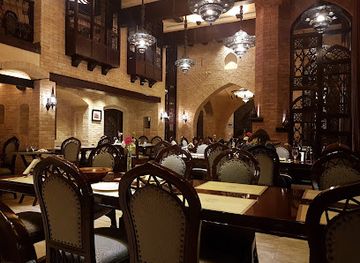
Al Khayma Heritage Restaurant | مطعم الخيمة التراثي
Experience authentic Middle Eastern cuisine while immersing yourself in Dubai's rich cultural heritage at Al Khayma Heritage Restaurant.
41 min drive · 21 km from city centre
-
Middle Eastern
Samad Al Iraqi Restaurant
Discover the flavors of Iraq at Samad Al Iraqi Restaurant, where authentic Middle Eastern cuisine meets stunning views in Dubai.
35 min drive · 15 km from city centre

Best bars in Dubai
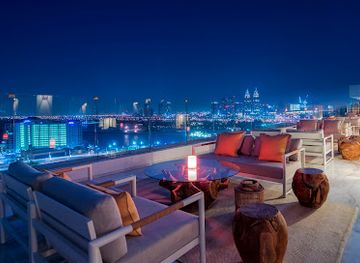
Dubai's evening life is concentrated in licensed hotels, resorts and entertainment districts rather than in open drinking streets. Downtown Dubai, Dubai Marina, Palm Jumeirah, Jumeirah Beach Residence and DIFC contain rooftop lounges, cocktail bars, hotel terraces and venues with skyline or waterfront views. Live DJs, international music, comedy, theatre and large-scale performances create a broad after-dark programme, while Dubai Opera provides a formal setting for concerts, dance, opera and musicals. Older districts around Deira and Bur Dubai offer a less glamorous but more local evening atmosphere through cafés, late-opening eateries and creekside walks. Visitors must be 21 or over to drink alcohol, and it is available only in licensed settings; public intoxication, drinking outdoors and driving after drinking are serious offences. During Ramadan, entertainment schedules and venue practices may change, and quieter cultural evenings can be more appropriate than club-focused outings.
-
Bar
Barasti Beach
Experience the vibrant atmosphere of Barasti Beach, a premier beach club in Dubai Marina, offering sun, fun, and unforgettable nightlife.
37 min drive · 17 km from city centre
-
Lounge
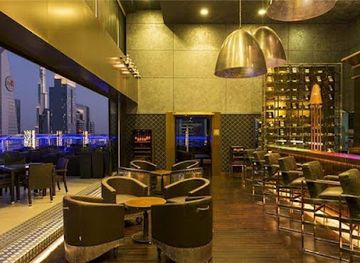
Level 43 Sky Lounge
Discover stunning city views and unique drinks at Level 43 Sky Lounge, the ultimate rooftop retreat in Dubai's skyline.
36 min drive · 16 km from city centre
-
Bar
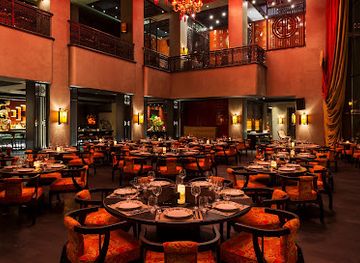
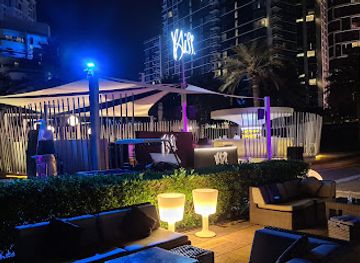
Buddha-Bar
Experience the vibrant atmosphere and exquisite Asian cuisine at Buddha-Bar, Dubai's premier destination for nightlife and dining.
37 min drive · 17 km from city centre
-
Bar
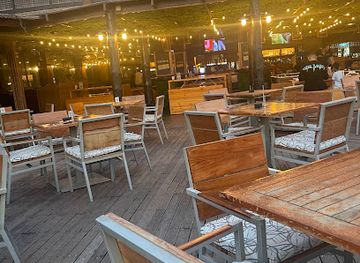
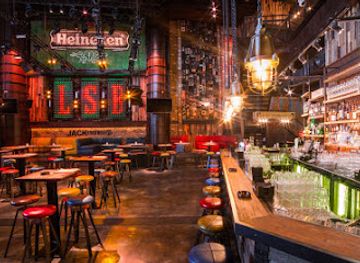
Lock, Stock & Barrel
Experience Dubai's vibrant nightlife at Lock, Stock & Barrel, where great drinks, live music, and stunning views create unforgettable memories.
34 min drive · 14 km from city centre
Best nightclubs in Dubai
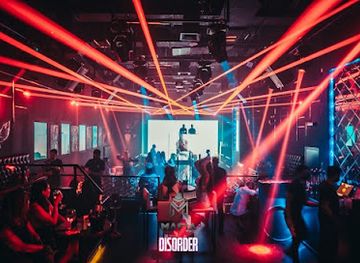
Dubai's evening life is concentrated in licensed hotels, resorts and entertainment districts rather than in open drinking streets. Downtown Dubai, Dubai Marina, Palm Jumeirah, Jumeirah Beach Residence and DIFC contain rooftop lounges, cocktail bars, hotel terraces and venues with skyline or waterfront views. Live DJs, international music, comedy, theatre and large-scale performances create a broad after-dark programme, while Dubai Opera provides a formal setting for concerts, dance, opera and musicals. Older districts around Deira and Bur Dubai offer a less glamorous but more local evening atmosphere through cafés, late-opening eateries and creekside walks. Visitors must be 21 or over to drink alcohol, and it is available only in licensed settings; public intoxication, drinking outdoors and driving after drinking are serious offences. During Ramadan, entertainment schedules and venue practices may change, and quieter cultural evenings can be more appropriate than club-focused outings.
-
Night club
Bla Bla Dubai
Explore the vibrant atmosphere of Bla Bla Dubai, where beachside relaxation meets exhilarating nightlife in the heart of Jumeirah Beach.
38 min drive · 18 km from city centre
-
Lounge
The Penthouse Dubai | Rooftop lounge & Nightclub at Five Palm Jumeirah
Experience luxury and nightlife like never before at The Penthouse Dubai, where stunning views meet exquisite cocktails and vibrant parties.
36 min drive · 16 km from city centre
-
Lounge
Bliss Lounge
Bliss Lounge in Dubai: A luxurious escape with stunning views, exquisite cocktails, and vibrant nightlife at Sheraton Jumeirah Beach Resort.
38 min drive · 18 km from city centre
-
Lounge
International Lounge club
Discover the ultimate nightlife experience at International Lounge Club, where Dubai's vibrant energy meets exquisite ambiance and top DJs.
34 min drive · 14 km from city centre
Best shops in Dubai
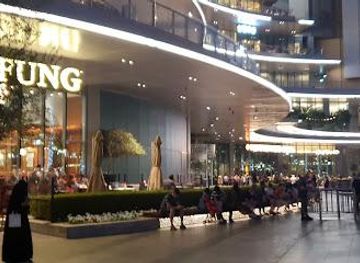
Shopping in Dubai ranges from traditional souks to vast air-conditioned malls. Deira's Gold Souk is known for its concentration of jewellers, while the nearby Spice Souk sells saffron, dried limes, cardamom, incense and other aromatic goods; bargaining may be part of the experience in smaller traditional markets, though expectations differ between shops. Bur Dubai's Textile Souk offers fabrics, garments and souvenirs, and Al Fahidi's heritage setting contains craft and cultural retailers. Dubai Mall, Mall of the Emirates and City Walk provide contemporary fashion, electronics, department-store brands and restaurants in very different settings. Visitors seeking locally connected purchases can look for dates, Arabic coffee, oud fragrances, woven items, ceramics and Emirati-inspired handicrafts, while independent design shops and galleries add a modern layer. Shopping festivals and seasonal promotions are time-specific, so availability and trading hours should be checked locally.
-
Shopping mall
Dubai Mall
Experience the grandeur of Dubai Mall, a premier shopping destination with luxury brands, entertainment, and dining in the heart of Dubai.
34 min drive · 14 km from city centre
-
Shopping mall
Mall of the Emirates
Explore the luxurious Mall of the Emirates, where shopping meets entertainment in the heart of Dubai's vibrant lifestyle.
32 min drive · 12 km from city centre
-
Shopping mall
City Centre Deira
Discover a shopping paradise at City Centre Deira, where fashion, food, and fun come together in the heart of Dubai.
40 min drive · 20 km from city centre
-
Shopping mall
Ibn Battuta Mall by Dubai Retail
Explore Ibn Battuta Mall, Dubai's cultural shopping haven, a blend of adventure, exquisite dining, and unmatched retail experiences.
39 min drive · 19 km from city centre

Get your free copy of our complete guide to Dubai, delivered straight to you.
Everything on this page, from attractions and restaurants to essentials and local phrases, in one PDF you can read offline, print or share.
Already have an account? Sign in
Your Dubai guide is ready.
We'll send it to · Not you? Sign out

Getting your guide ready…
We are putting together a fresh copy of the Dubai guide. This can take up to a minute.
This can take a few moments. If your browser asks, choose Allow so the download can start. You'll find the guide in your Downloads folder.
Nothing happened? Download it again
Sorry, the guide is taking longer than usual. Please try again in a minute, or get it by email instead.
Dubai essentials
Currency and Payment
Safety
Emergency Situations
Do's and Don'ts
Local Tips
From Eve
Local phrases worth knowing
You don't need to get them perfect. A few words go a long way, and locals appreciate the effort.
Basics
| English | Local | Say it |
|---|---|---|
| Hello | Marhaba | [mar-ha-ba] |
| Goodbye | Ma'a as-salama | [ma-a as-sa-la-ma] |
| Yes | Na'am | [na-am] |
| No | La | [la] |
| Please/You're welcome | Min fadlik | [min fad-lik] |
| Thank you | Shukran | [shuk-ran] |
| Excuse me/Sorry | Aasif | [aa-sif] |
| How are you? | Kaeef halak? | [ka-eef ha-lak] |
| Fine. And you? | Tamaam. Wa ant? | [ta-maam. wa ant] |
| Do you speak English? | Hal tatakallam al-ingliziya? | [hal ta-ta-kal-lam al-ing-li-zi-ya] |
| I don't understand | Ana la afham | [a-na la af-ham] |
Eating & Drinking
| English | Local | Say it |
|---|---|---|
| I'd like to see the menu, please | Oreed an ara al-qaeemah, min fadlik | [o-reed an a-ra al-qa-e-mah, min fad-lik] |
| I don't eat meat | Ana la akul al-lahm | [a-na la a-kul al-lahm] |
| Cheers! | Saha | [sa-ha] |
| I would like to pay, please | Oreed an adfa, min fadlik | [o-reed an ad-fa, min fad-lik] |
Emergencies
| English | Local | Say it |
|---|---|---|
| Help! | Musaidah! | [mu-sai-dah] |
| Go away! | Imshi! | [im-shi] |
| Call the Police! | Itni al-bulisiya! | [it-ni al-bu-li-si-ya] |
| Call a doctor! | Itni Tabib! | [it-ni ta-bib] |
| I'm lost | Ana da'eef | [a-na da-eef] |
| I'm ill | Ana mareed | [a-na ma-reed] |
Shopping
| English | Local | Say it |
|---|---|---|
| I'd like to buy... | Oreed an ashtari... | [o-reed an ash-ta-ri] |
| I'm just looking | Ana faqat atadabbar | [a-na fa-qat at-ta-dab-bar] |
| How much is it? | Kam thamanuh? | [kam tha-ma-nuh] |
| That's too expensive | Hatha ghali jiddan | [ha-tha gha-li jid-dan] |
| Can you lower the price? | Hal tastatiu tanzil al-si'ar? | [hal tas-ta-ti-u tan-zil al-si-ar] |
Time & Numbers
| English | Local | Say it |
|---|---|---|
| What time is it? | Kam al-waqt? | [kam al-waqt] |
| It's one o'clock | Huwa al-wahid | [hu-wa al-wa-hid] |
| Half past (10) | Nusf sa'ah | [nusf sa-ah] |
| Morning | Sabaah | [sa-baah] |
| Afternoon | Duhur | [du-hur] |
| Evening | Masa | [ma-sa] |
| Yesterday | Al-bareh | [al-ba-reh] |
| Today | Al-yawm | [al-yawm] |
| Tomorrow | Ghadan | [gha-dan] |
| 1 | Wahid | [wa-hid] |
| 2 | Ithnan | [ith-nan] |
| 3 | Thalatha | [tha-la-tha] |
| 4 | Arba'a | [ar-ba-a] |
| 5 | Khamsa | [kham-sa] |
| 6 | Sitta | [sit-ta] |
| 7 | Sab'a | [sa-ba-a] |
| 8 | Thamania | [tha-ma-ni-a] |
| 9 | Tis'a | [tis-a] |
| 10 | Ashara | [a-sha-ra] |
Transport & Directions
| English | Local | Say it |
|---|---|---|
| Where's a/the...? | Ayna... | [ay-na] |
| What's the address? | Maa huwa al-alamat? | [maa hu-wa al-a-la-mat] |
| Can you show me (on the map)? | Hal tastatiu an tuuriyani (ala al-khariita)? | [hal tas-ta-ti-u an tu-ri-ya-ni ala al-kha-rii-ta] |
| When's the next (bus)? | Mata yajid al-qaafilah al-qadimah? | [ma-ta ya-jid al-qa-fi-la al-qa-di-mah] |
| A ticket (to ....) | Tadhkirah (ila ....) | [tadh-ki-rah ila] |
History of Dubai
Creekside Settlement and Maritime Trade
Dubai's early development centred on the creek, a sheltered inlet that supported fishing, pearling, boatbuilding and trade along the Gulf coast. The settlement was modest in scale, but its position connected it with coastal communities, inland oases and maritime routes reaching towards Iran, India and East Africa. Water management and access to wells were fundamental to life in the region, while the creek provided a natural harbour for dhows, the traditional wooden trading vessels associated with Gulf commerce. The social and economic importance of the waterway is still visible in the districts of Bur Dubai and Deira, where souks, boat traffic and traditional waterfront crossings preserve elements of the city's older commercial geography.
The Bani Yas Settlement
In 1833, members of the Al Bu Falasah section of the Bani Yas federation, led by Sheikh Maktoum bin Butti, settled in Dubai after leaving Abu Dhabi. This event established the ruling Al Maktoum family's connection with the town and laid the political foundation for the modern emirate. Dubai remained a small coastal settlement whose economy depended on pearling, fishing, trade and pastoral links with the interior. Local governance was closely tied to the creek and to relationships among merchant families, seafaring communities and tribal groups. The older neighbourhoods around Al Fahidi and Deira developed within this environment, long before the roads, ports and planned districts that later transformed the city.
Pearling, Trade and Commercial Openness
During the nineteenth and early twentieth centuries, pearling was central to Dubai's economy, employing divers, boat crews, merchants and related craftspeople. The town also benefited from its reputation as a comparatively open trading port, attracting merchants from across the Gulf, Persia, India and East Africa. The creek became a busy marketplace for textiles, spices, foodstuffs and other imports, while the souks of Deira and Bur Dubai grew around this exchange. The collapse of the natural pearl industry in the 1930s, intensified by the global economic downturn and the arrival of cultured pearls, brought hardship. Dubai's established trading networks nevertheless provided a platform for later commercial recovery.
Oil Revenue and Infrastructure
Commercial quantities of oil were discovered in Dubai in the 1960s, with first exports beginning in 1969. Although Dubai's reserves were smaller than those of Abu Dhabi, oil revenue helped finance roads, electricity, schools, healthcare and port infrastructure at a decisive moment. Port Rashid opened in the 1970s, while the development of Jebel Ali expanded the emirate's maritime and industrial capacity. These investments supported a broader commercial strategy rather than leaving the economy dependent on hydrocarbons alone. Dubai Creek remained a working centre, but new roads, reclaimed land and modern port facilities began to redraw the city's relationship with the coast and the surrounding desert.
Federation and Regional Transformation
The United Arab Emirates was formed in 1971, bringing Dubai and the other emirates into a federation. Dubai's location, trading traditions and growing infrastructure enabled it to develop as a regional centre for commerce, logistics, finance and aviation. The construction of Dubai International Airport, the expansion of Jebel Ali Port and the creation of free zones encouraged international business and migration. During the late twentieth century, the city expanded rapidly beyond the creek into districts such as Bur Dubai, Deira, Jumeirah and newer coastal developments. This period also produced a more diverse population, with residents from across the Middle East, South Asia, Europe, Africa and elsewhere shaping everyday urban life.
Global City and Contemporary Identity
Since the 1990s, Dubai has pursued a development model built around international trade, tourism, real estate, aviation, finance and major events. Landmark projects including Burj Al Arab, Palm Jumeirah, Dubai Marina and Burj Khalifa gave the city a globally recognisable skyline, while Dubai Metro, cultural institutions and large-scale exhibition facilities strengthened its urban infrastructure. The city continues to negotiate between rapid modernisation and inherited traditions, visible in the preservation of Al Fahidi, the operation of creek abras, Emirati cultural programmes and the survival of souk commerce. Contemporary Dubai is therefore not a simple replacement of the old settlement, but a layered city in which maritime history, migrant enterprise and future-oriented design coexist.
Dubai in Photos
Browse through our photo collection highlighting the charm and character of the destination.
Cities near Dubai
The closest cities to Dubai, if you have time for more than one stop.
-

-

-

-

-


Swipe for more cities
Explore more

Explore more of United Arab Emirates
Discover the United Arab Emirates: A land where futuristic cities meet timeless deserts, offering luxury, adventure, and rich cultural experiences.
Explore United Arab Emirates