
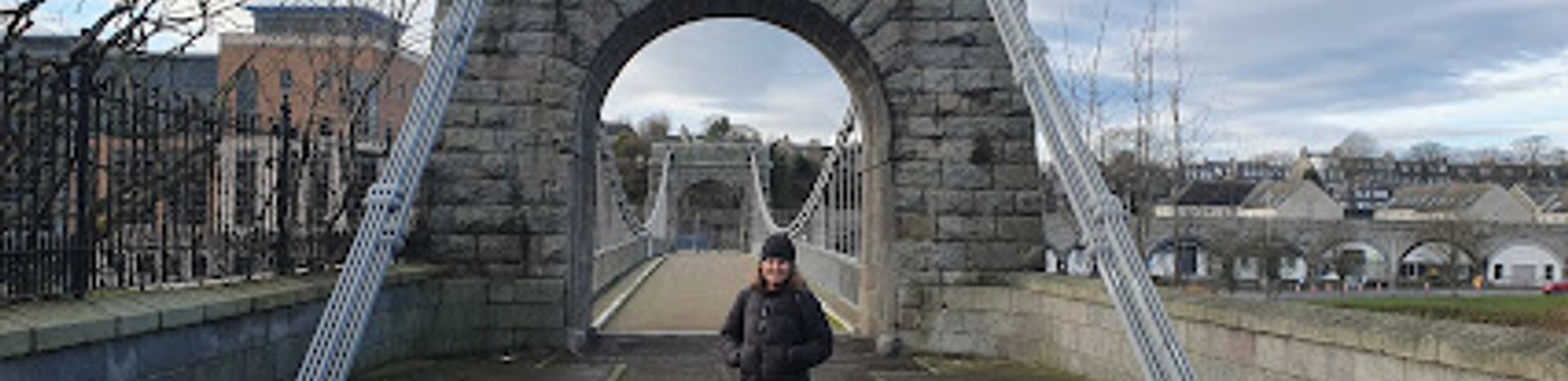
Wellington Suspension Bridge, Aberdeen
Historic 19th-century suspension bridge over the River Dee, blending engineering heritage with scenic riverside charm in Aberdeen.
The Wellington Suspension Bridge, also known locally as the Chain Bridge or Craiglug Bridge, is a historic 19th-century suspension bridge spanning the River Dee in Aberdeen. Designed by Captain Samuel Brown and city architect John Smith, it opened to pedestrians in 1830 and to vehicles in 1831. After decades of service, it was closed to vehicles in 1984 and pedestrians in 2002, then restored and reopened for pedestrian and cycle use in 2008, preserving its elegant granite towers and iron chains.
A brief summary to Wellington Suspension Bridge
- S College St, Aberdeen, AB11 5RN, GB
- Duration: 0.5 to 1.5 hours
- Free
-
 Outdoor
- Mobile reception: 4 out of 5
Local tips
- Visit during daylight hours to fully appreciate the intricate ironwork and granite towers.
- Bring a camera for scenic river views and architectural photo opportunities.
- Combine your visit with a walk along the River Dee for a peaceful nature escape.
- Check local weather conditions as the bridge is an outdoor attraction exposed to the elements.

For the on-the-go comforts that matter to you
- Seating Areas
- Information Boards
- Trash Bins
Getting There
-
Bus
Take local bus services from Aberdeen city center towards Ferryhill; the journey typically takes 15-25 minutes. Buses run frequently during the day with a single fare around £2-£3. The stop near South College Street places you within a short walk of the bridge.
-
Walking
From Aberdeen city center, a pleasant 30-40 minute walk along the River Dee leads to the bridge. The route is mostly flat and accessible, suitable for most walkers and cyclists.
-
Taxi
A taxi ride from Aberdeen city center to the Wellington Suspension Bridge takes approximately 10-15 minutes depending on traffic, with fares typically between £8-£12. Taxis provide a convenient option especially if carrying gear or in a group.
Wellington Suspension Bridge location weather suitability
-
 Any Weather
-
 Rain / Wet Weather
-
 Clear Skies
-
 Windy Conditions
-
 Mild Temperatures
Discover more about Wellington Suspension Bridge
Engineering Marvel of the Early 19th Century
The Wellington Suspension Bridge stands as a testament to early Scottish engineering prowess. Designed by Captain Samuel Brown, a Royal Navy officer and pioneer in suspension bridge design, alongside Aberdeen City Architect John Smith, it was constructed between 1829 and 1831. The bridge replaced the Craiglug Ferry, connecting Ferryhill on the Aberdeenshire bank to Craiglug in Kincardineshire, facilitating improved transport and commerce. Its suspension design was inspired by Brown’s observation of a spider’s web, leading to innovative use of wrought iron chains to support the deck. The bridge spans approximately 220 feet (67 meters) in length and is 22 feet (6.7 meters) wide, with elegant granite towers anchoring the suspension chains.Historical Significance and Naming
The bridge was named after Arthur Wellesley, the 1st Duke of Wellington, following a resolution by the trustees in 1831. It played a crucial role in Aberdeen’s expansion during the early 19th century, supporting both pedestrian and vehicular traffic and operating as a toll bridge initially. Funded by local landowners and trustees, the bridge cost around £10,000 to build—a significant investment at the time. Its construction marked a shift from ferry crossings to permanent, reliable infrastructure, symbolizing progress and connectivity in the region.Restoration and Preservation Efforts
By the late 20th century, the bridge faced structural challenges. It was closed to vehicles in 1984 after the opening of the nearby Queen Elizabeth Bridge and later closed to pedestrians in 2002 due to safety concerns. However, a major restoration project between 2006 and 2008 revitalized the bridge. The work included repairing the main iron chains, replacing timber decking, re-pointing and cleaning the granite towers, and installing architectural lighting. The restoration, costing approximately £760,000, preserved the bridge’s historic character while adapting it for modern pedestrian and cycle use, securing its future for another century.Architectural and Visual Features
The Wellington Suspension Bridge is notable for its distinctive suspension chain design and robust granite towers, which feature inscriptions marking its history and reconstruction. The bridge’s slender profile and ironwork create an elegant silhouette against the backdrop of the River Dee. Its location offers scenic views of the river and surrounding areas, making it a favored spot for leisurely walks and photography. The bridge’s design reflects a blend of functional engineering and aesthetic consideration typical of early 19th-century infrastructure.Local Context and Cultural Role
Known affectionately by locals as the Chain Bridge or Craiglug Bridge, it remains an iconic landmark within Aberdeen’s urban landscape. It connects neighborhoods and serves as a pedestrian and cycle route, integrating historical heritage with contemporary urban life. The bridge’s story reflects the city’s development, the evolution of transport technology, and community efforts to preserve local landmarks. It also highlights the legacy of Captain Samuel Brown, whose innovative suspension bridge designs influenced engineering beyond Scotland.Visitor Experience and Surroundings
Today, visitors to the Wellington Suspension Bridge can appreciate its historical importance and architectural beauty while enjoying tranquil riverside views. The bridge’s pedestrian-friendly design encourages exploration on foot or by bike, offering a peaceful retreat within the city. Nearby amenities and the scenic River Dee environment enhance the experience, making it a memorable stop for those interested in history, engineering, and Aberdeen’s cultural fabric.Iconic landmarks you can’t miss

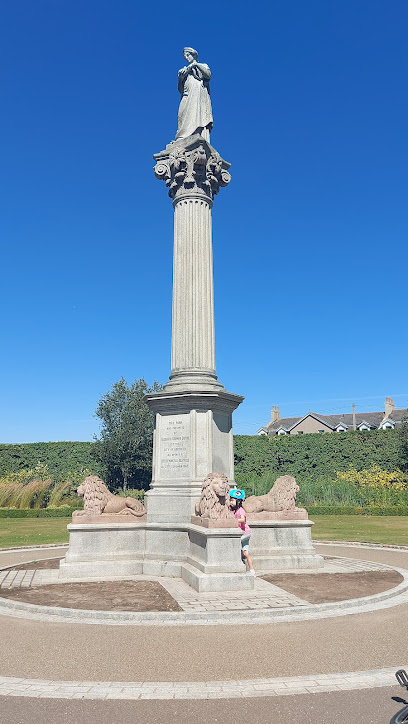
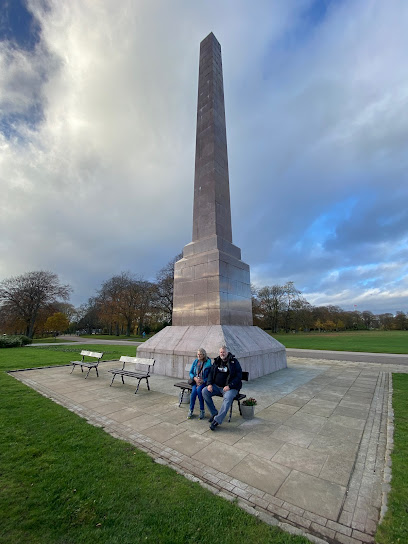
McGrigor Memorial Obelisk
0.9 km
A polished pink granite obelisk in Duthie Park honoring Sir James McGrigor, father of modern military medicine and a key figure in Aberdeen’s history.
Aedie's House site
1.2 km
Step into Aberdeen’s past at the site of Aedie’s House, a 16th‑century townhouse whose memory lives on in stone, street names, and local history.
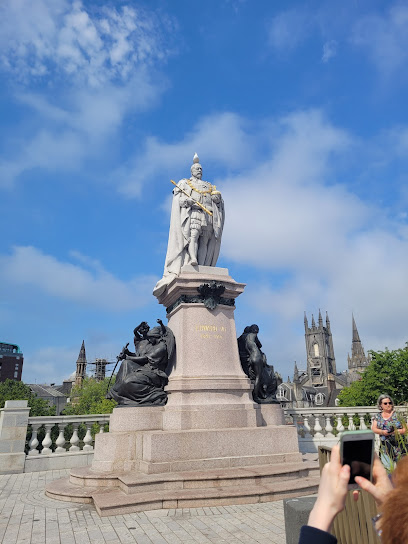
Edward VII Statue
1.2 km
Aberdeen’s grand Edward VII Statue stands in full ceremonial robes, a striking granite and bronze tribute to the British monarch at the heart of the city.
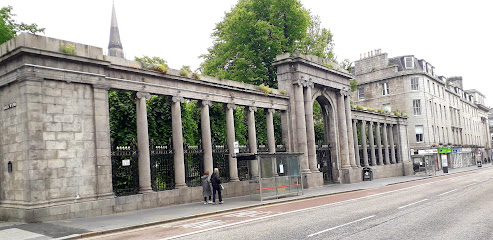
The Kirk of St. Nicholas Colonnade
1.2 km
An elegant neoclassical gateway marking the historic Kirk of St. Nicholas kirkyard in the heart of Aberdeen’s city centre.
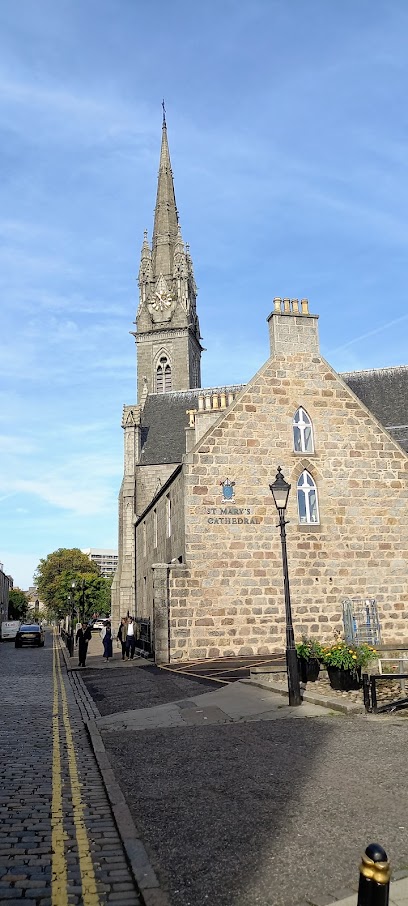
St Mary of the Assumption Cathedral, Aberdeen
1.3 km
Aberdeen’s Roman Catholic cathedral, a Gothic Revival gem with daily worship, Polish and Spanish Masses, and a peaceful Lady Chapel.
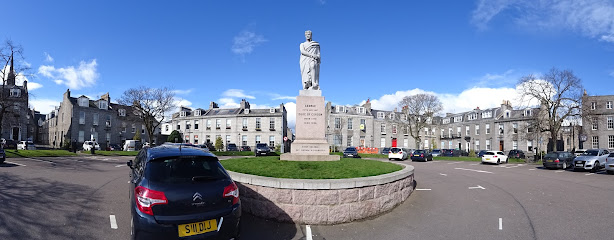
Duke Of Gordon Monument
1.3 km
A monumental granite statue in Aberdeen honoring the 5th Duke of Gordon’s military and civic legacy in a historic city square.
Castlegate
1.3 km
Medieval square where castle gates once stood, now home to Aberdeen's oldest building and iconic Mannie fountain.
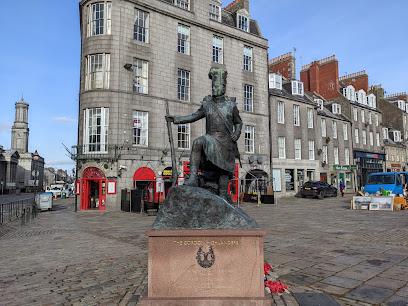
Gordon Highlanders Statue
1.4 km
A striking bronze tribute in Aberdeen honoring the valor and legacy of the historic Gordon Highlanders regiment.
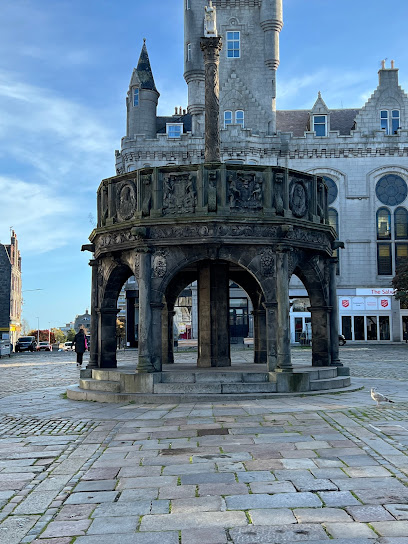
Balnagask Motte
1.4 km
Medieval earthen mound marking an early wooden castle, shrouded in mystery and local legend.
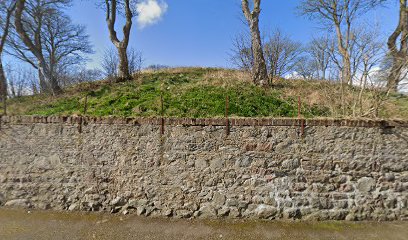
Greyfriars Church
1.5 km
Five centuries of faith and architecture in the heart of historic Aberdeen
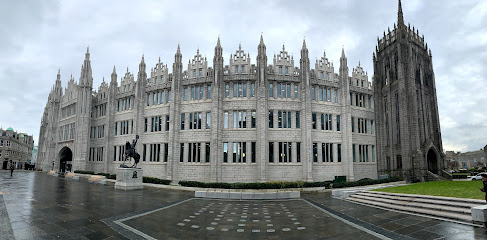
Marischal College
1.5 km
Scotland's second-largest granite building and an architectural masterpiece blending Victorian Gothic grandeur with civic purpose.
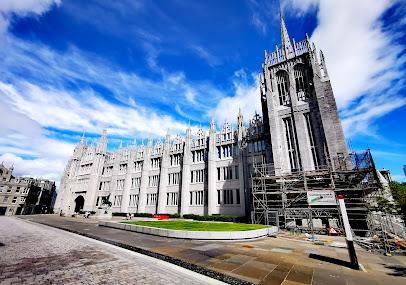
Edward VIII Post Box
2.0 km
Discover a rare Edward VIII post box in Aberdeen, a unique relic from the brief 1936 reign of a king who changed British history.
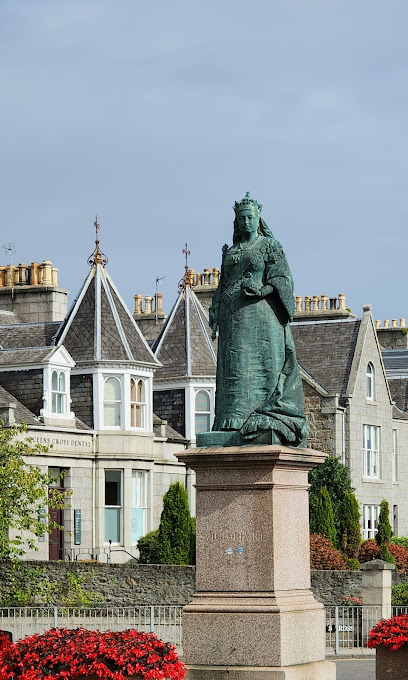
Queen Victoria Statue
2.1 km
Bronze tribute to a beloved monarch, marking Aberdeen's elegant West End and the city's royal heritage.
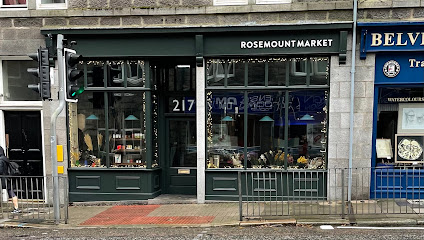
Rosemount Market
2.1 km
Discover Aberdeen’s Rosemount Market, a vibrant hub for sustainable shopping, local produce, and artisan crafts in a welcoming community setting.
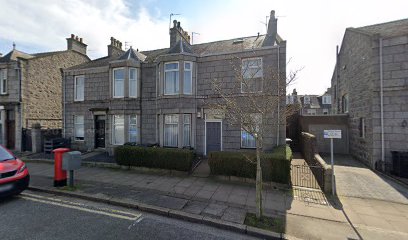
Rosemount Palace
2.2 km
A unique, budget-friendly B&B in a converted church offering practical comfort and central access in Aberdeen.

Unmissable attractions to see

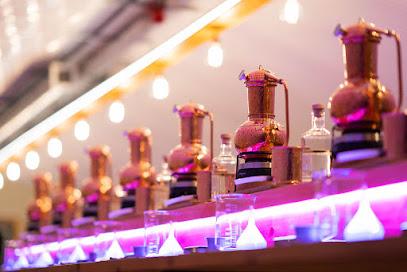
City of Aberdeen Distillery
0.4 km
Discover Aberdeen’s first distillery in nearly 80 years, crafting small-batch Scottish gins with immersive tours, tastings, and a hands-on Gin School.
David Welch Winter Gardens
0.7 km
Explore one of Europe’s largest indoor botanical gardens nestled in Aberdeen’s historic Duthie Park, a year-round tropical oasis with free entry.
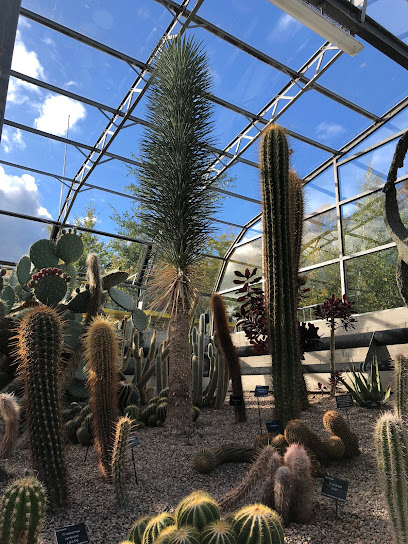
Duthie Park
0.7 km
A Victorian-era urban park in Aberdeen featuring the stunning David Welch Winter Gardens, family-friendly play areas, boating ponds, and lush green spaces.
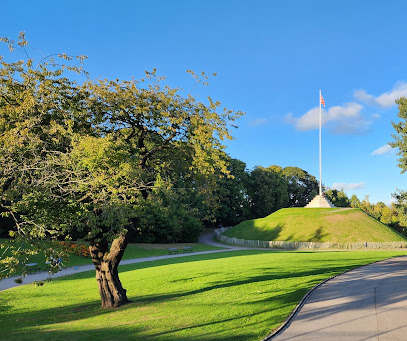
Flagpole Hill
0.8 km
A historic Victorian park in Aberdeen with stunning gardens, family-friendly play areas, and scenic riverside tranquility.
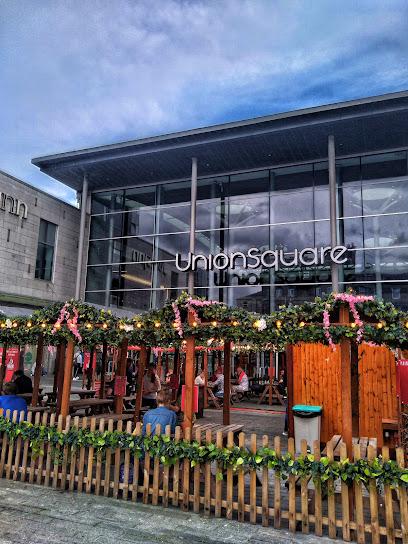
Union Square
0.8 km
Union Square Aberdeen offers a dynamic blend of shopping, dining, and entertainment in a spacious, modern city-centre setting.
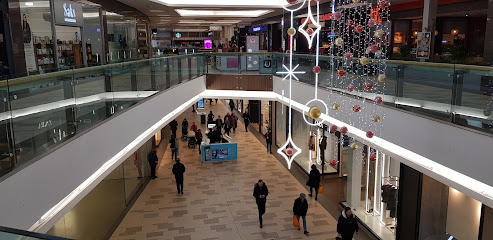
union square shopping centre
0.9 km
Aberdeen’s vibrant shopping and leisure destination with over 80 stores, 30 eateries, and the city’s largest cinema all under one roof.
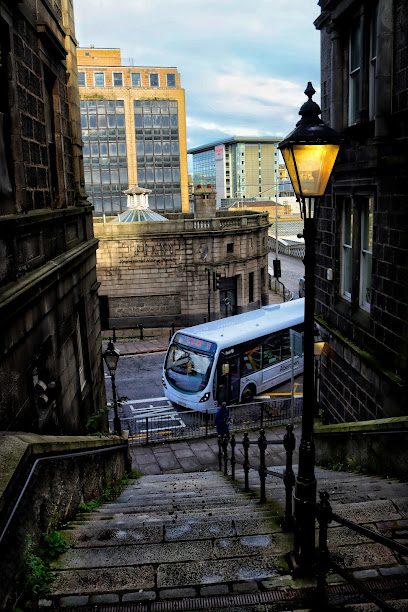
The Stairs Leading to Bridge Street
1.0 km
Explore the stunning Stairs Leading to Bridge Street in Aberdeen, a gateway to culture, history, and vibrant city life.
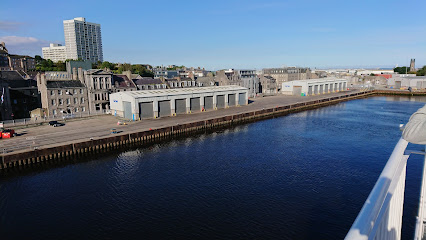
Aberdeen Ferry Terminal
1.1 km
Scotland's maritime gateway to Orkney and Shetland, offering overnight ferry journeys with modern comfort and island hospitality.
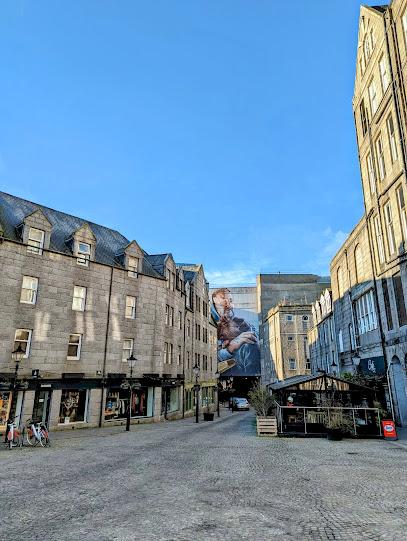
The Grn
1.2 km
Historic granite square in Aberdeen blending medieval heritage with vibrant cafes and artistic charm.
Huntfun Aberdeen
1.2 km
Discover Aberdeen’s city center through an exciting, interactive treasure hunt along Union Street that blends fun, learning, and adventure.
Port of Aberdeen
1.2 km
Scotland's largest cruise port and gateway to the Granite City, Highlands, and northeast coast.
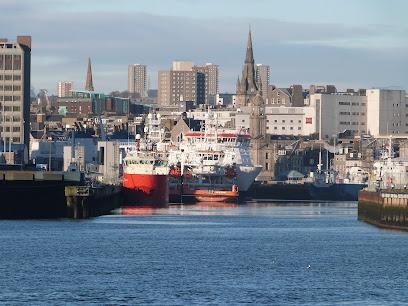
Aberdeen Maritime Museum
1.2 km
Discover Aberdeen’s rich maritime heritage through historic ships, offshore oil industry exhibits, and stunning harbour views at this free, award-winning museum.
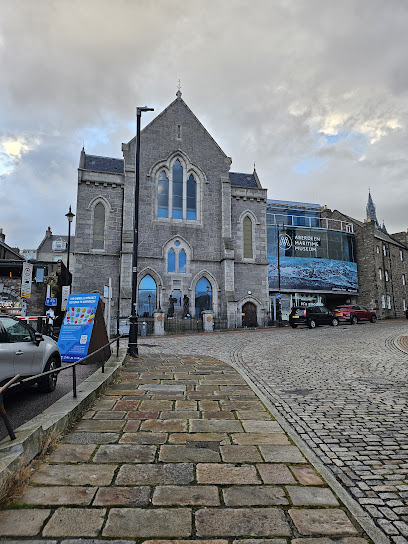
Provost Ross's House
1.2 km
Discover Aberdeen’s second oldest house, a 16th-century maritime treasure now at the heart of the Aberdeen Maritime Museum.
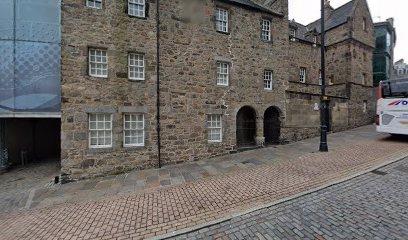
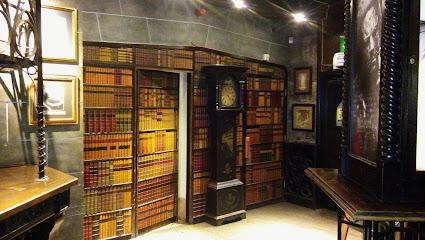
Slains
1.3 km
Discover Slains in Aberdeen, a unique pub that offers a gothic atmosphere, delicious food, and a vibrant drink selection for locals and tourists alike.
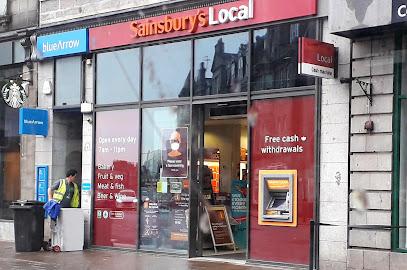
Sainsbury's Local
1.3 km
Your convenient city centre supermarket on Aberdeen’s Union Street, open daily with fresh essentials and quick shopping solutions.
Essential places to dine

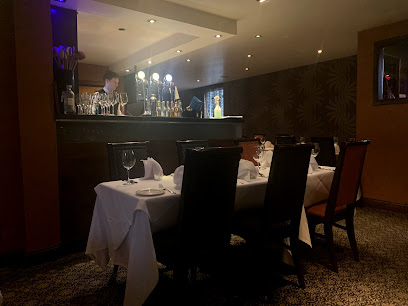
The Jewel in the Crown Aberdeen Indian Restaurant
0.7 km
Authentic Indian flavors and warm hospitality at Aberdeen’s beloved Jewel in the Crown, offering a rich culinary journey in a welcoming setting.
210 Bistro
0.7 km
Contemporary bistro dining with creative Scottish dishes and stunning views over Aberdeen Harbour.
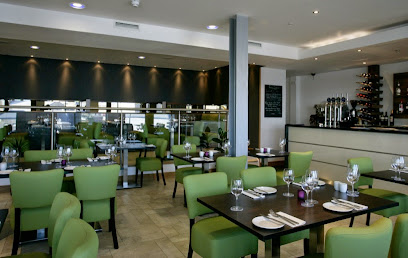
Zizzi - Aberdeen
1.0 km
Modern Italian dining with vibrant local flair, welcoming all tastes in the heart of Aberdeen’s Union Square.
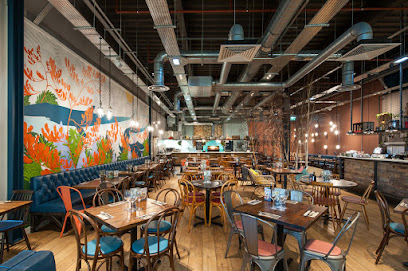
Namaste Delhi
1.0 km
Experience authentic Indian cuisine with vibrant flavors and tapas-style dining in the heart of Aberdeen at Namaste Delhi.
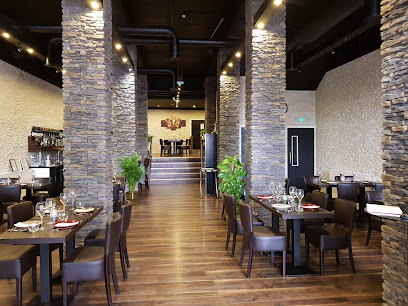
Aperitivo Italian Restaurant Aberdeen
1.1 km
Authentic Italian dining with generous portions and warm service in the heart of Aberdeen’s city center.
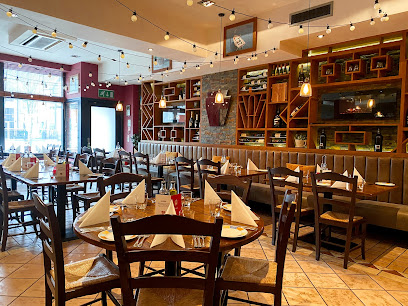
Café Bohème
1.1 km
Experience authentic French cuisine and cozy brasserie charm in the heart of Aberdeen at Café Bohème.
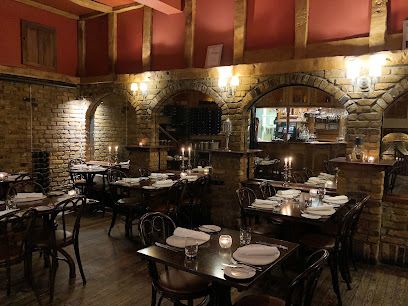
Monsoona Healthy Indian cuisine
1.1 km
Experience authentic, health-conscious Indian cuisine in the heart of Aberdeen with fresh flavors and warm hospitality at Monsoona.
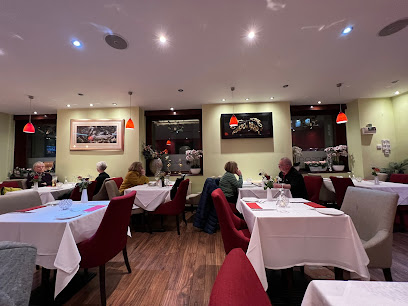
Cafe Harmony
1.1 km
Experience authentic Mediterranean warmth and vibrant flavors in a cozy, welcoming setting at Cafe Harmony in Aberdeen.
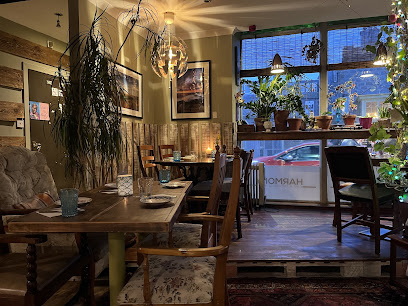
Cafe Andaluz
1.1 km
Experience vibrant Spanish tapas and lively Mediterranean atmosphere in Aberdeen’s city centre at Cafe Andaluz.
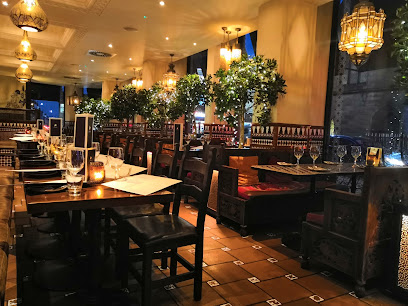
Amarone
1.2 km
Elegant Italian dining with vibrant atmosphere and attentive service in the heart of Aberdeen’s Union Street.
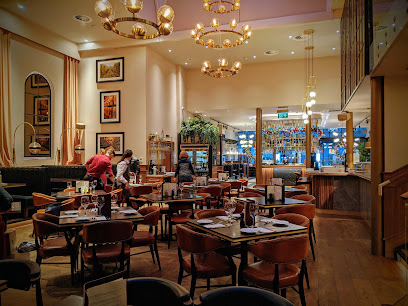
Bistro Verde
1.2 km
An intimate Aberdeen bistro delivering fresh, beautifully presented seafood with attentive service in a cozy, elegant setting.
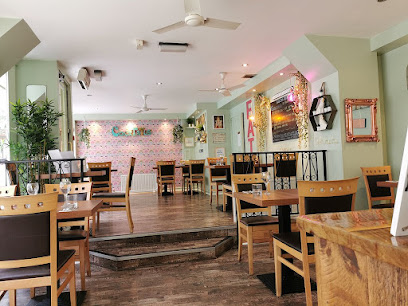
8848 Restaurant
1.2 km
Authentic Nepalese and Indian cuisine with modern flair in the heart of Aberdeen’s Union Street.
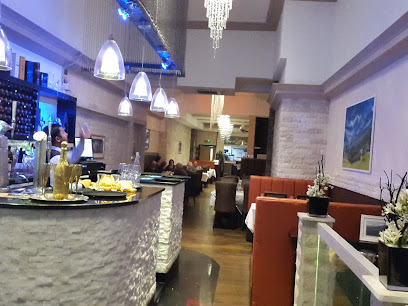
Wild Ginger Restaurant
1.2 km
Contemporary Indian dining with rich flavors and generous portions in the heart of Aberdeen’s Union Street.
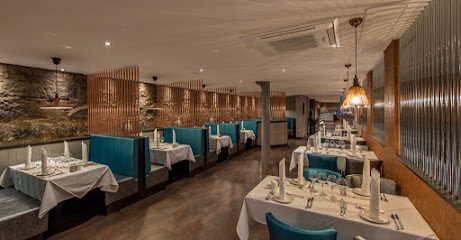
Cafe 52
1.2 km
Cozy and creative Scottish dining on Aberdeen’s historic Green, blending home-style comfort with inventive flavors and warm hospitality.
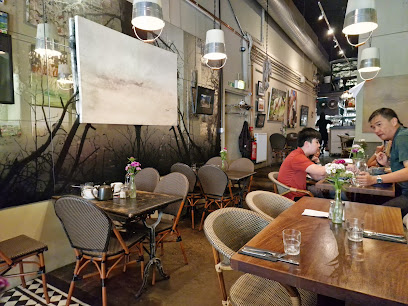
Chaophraya
1.2 km
Experience authentic and innovative Thai cuisine in Aberdeen’s historic and elegant dining landmark.
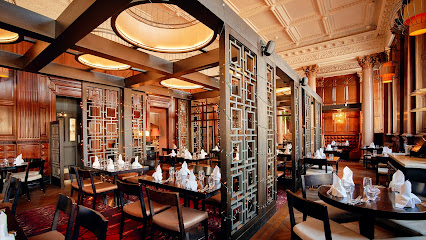
Markets, malls and hidden boutiques

Fernweh UK
0.6 km
Wanderlust-infused accessories from Aberdeen's harbourfront artist studios—discover handcrafted jewelry and scarves amid makers' workshops.

Frantiques
0.6 km
Waterfront antique shop brimming with maritime treasures and eclectic vintage finds.
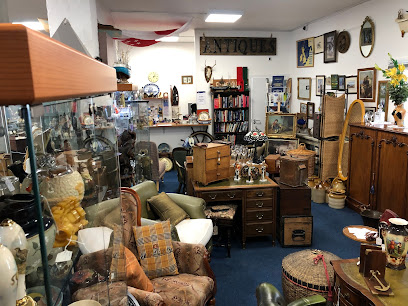
Menkind
0.9 km
Discover quirky gadgets and unique gifts at Menkind, the fun-filled store in Aberdeen’s vibrant Union Square Shopping Centre.

Next
0.9 km
Discover stylish family fashion and homeware at Next, located in Aberdeen’s vibrant Union Square Shopping Centre.
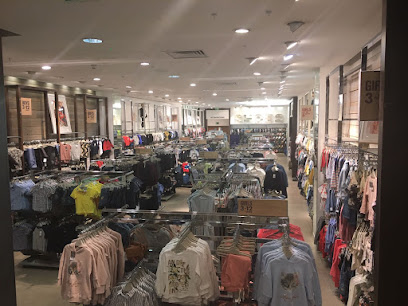
Hobbycraft Aberdeen
0.9 km
Discover a creative sanctuary in the heart of Aberdeen’s Union Square, offering expert-led workshops and a vast range of craft supplies.

The Vintage Market
1.1 km
Discover timeless style and sustainable fashion treasures at Aberdeen’s cosy Vintage Market on Market Street.
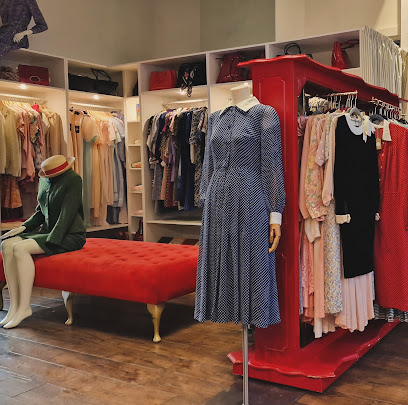
Flying Tiger Copenhagen
1.1 km
Discover quirky Danish design and playful everyday essentials at Flying Tiger Copenhagen in Aberdeen’s Trinity Centre.
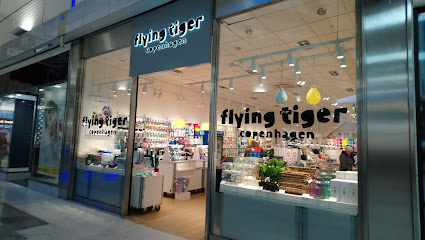
The Edinburgh Woollen Mill
1.1 km
Discover authentic Scottish knitwear and unique gifts steeped in heritage at The Edinburgh Woollen Mill in Aberdeen’s vibrant Union Street.
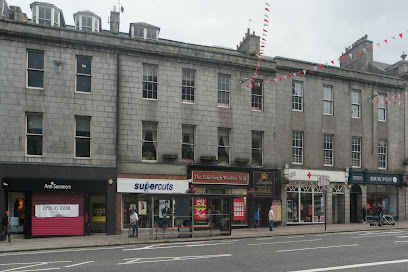
Country Ways Aberdeen
1.2 km
Northeast Scotland's premier destination for country, lifestyle, and equestrian wear since 1978.
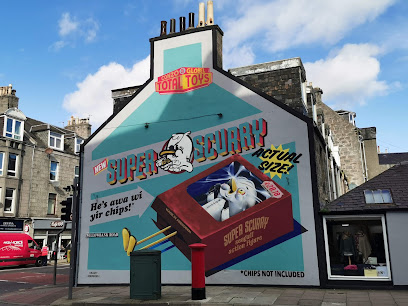
Aberdeen Gift and Tourist Shop
1.2 km
Discover authentic Scottish souvenirs and local crafts on Aberdeen's iconic Union Street, where handmade treasures meet Granite City charm.
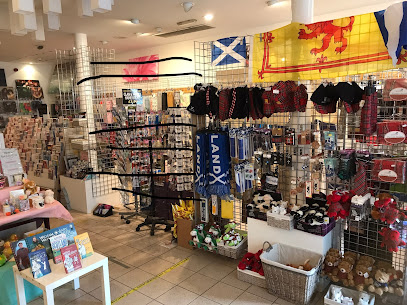
Sirene Boutique Aberdeen
1.2 km
Discover timeless style and vibrant prints at Sirene Boutique Aberdeen, a unique ladies’ fashion destination on Union Street.
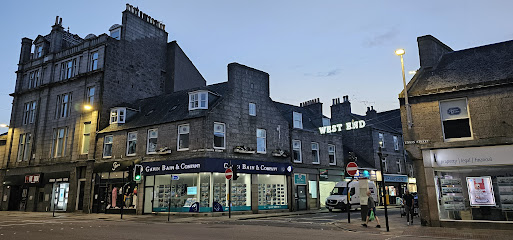
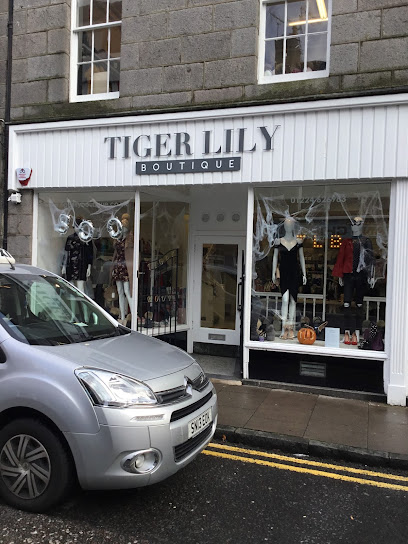
Tiger Lily Boutique
1.3 km
Elegant women's boutique on Aberdeen's Chapel Street, curating versatile dresses and chic separates for effortless day-to-night style in a historic setting.
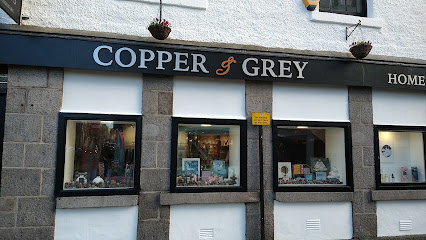
Copper & Grey
1.3 km
Bright independent gift shop on Aberdeen's Chapel Street, brimming with unique cards, jewellery, stationery, and local maker treasures for every occasion.
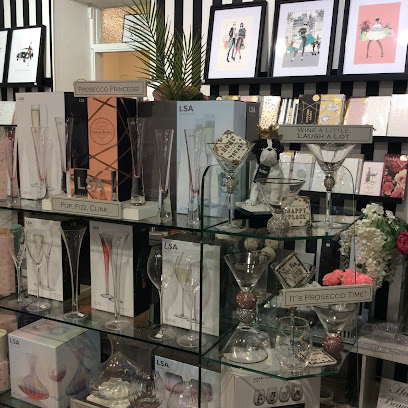
No 18 Gifts & Cards
1.3 km
Discover unique greeting cards, stylish accessories, and thoughtful gifts at No 18 Gifts & Cards, a charming boutique in Aberdeen’s Chapel Street.
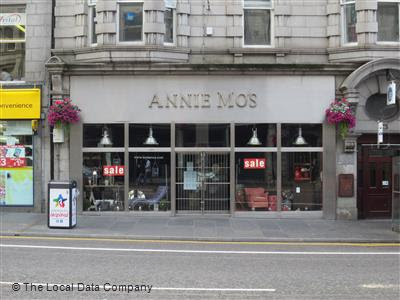
Annie Mo's
1.3 km
Discover authentic rustic furniture and unique home accessories at Annie Mo's, Aberdeen's independent shop with over 30 years of heritage.
Essential bars & hidden hideouts

Dusk Cocktail Bar
1.1 km
Intimate and stylish cocktail lounge in Aberdeen’s West End, renowned for expertly crafted drinks and a welcoming atmosphere.
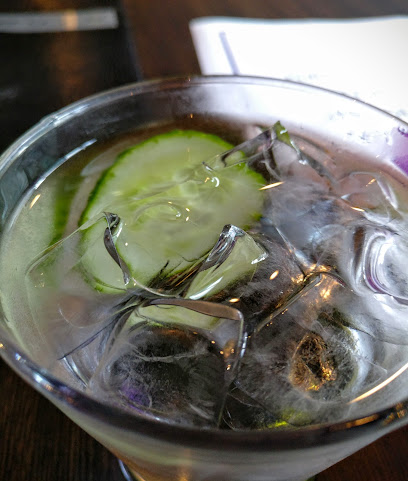
Orchid Cocktails
1.1 km
Aberdeen’s stylish cocktail bar offering expertly crafted drinks, immersive tastings, and a relaxed yet sophisticated atmosphere.
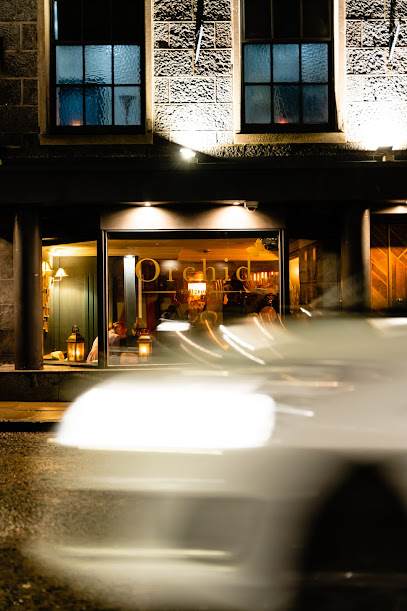
The Spiritualist Aberdeen
1.1 km
Discover vibrant cocktails and stylish dining in the heart of Aberdeen at The Spiritualist, where creativity meets chic atmosphere.
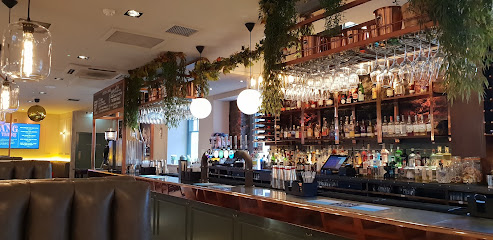
Prohibition
1.1 km
Energetic late-night bar and nightclub in Aberdeen’s city centre, known for vibrant music, lively crowds, and affordable drinks.

Spirit Level
1.1 km
A vibrant and welcoming pub in Aberdeen’s city center, known for great beer, lively music, and a friendly atmosphere.
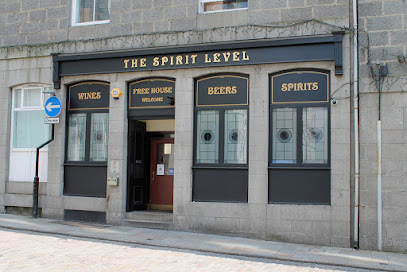
Holburn Bar
1.1 km
A lively and welcoming pub in Aberdeen offering great food, drinks, and entertainment for locals and visitors alike.
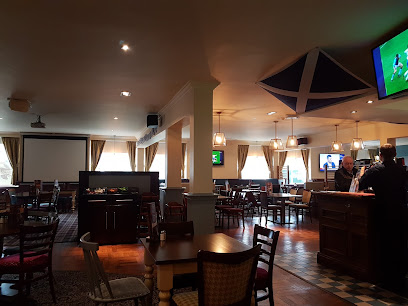
The Stag
1.1 km
A lively and welcoming city-centre pub in Aberdeen, offering great drinks, entertainment, and a friendly atmosphere every day from noon to midnight.
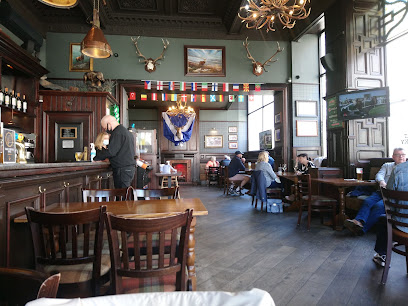
The GasLamp Bar
1.1 km
Lively grill and sports bar in Aberdeen’s city centre, known for friendly service and a vibrant social atmosphere.
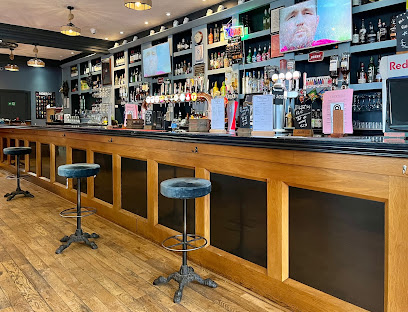
Krakatoa
1.1 km
A vibrant tiki-themed dive bar in Aberdeen offering eclectic drinks, live music, and a quirky, welcoming atmosphere from afternoon till late night.
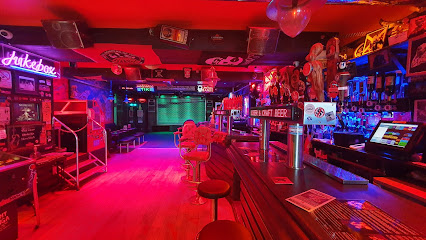
Motif
1.1 km
A lively Union Street bar blending historic stained glass and organ echoes with neon, cocktails, games and live events for a sociable night out.
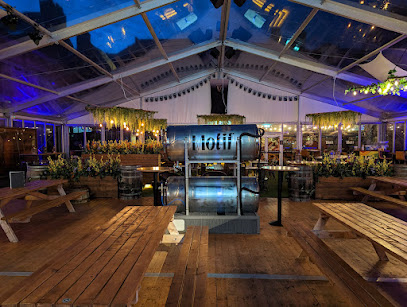
Soul
1.2 km
Vibrant cocktail bar and restaurant in Aberdeen’s city center, blending modern urban style with hearty food and creative drinks.
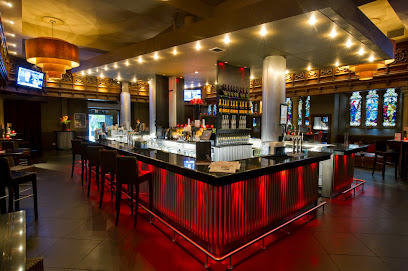
ENVY Aberdeen
1.2 km
A compact Market Street bar blending daytime coffee culture with casual evening drinks and small-plate dining in central Aberdeen.
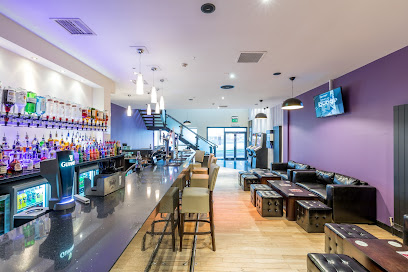
Foundry aberdeen
1.2 km
Lively Aberdeen pub blending live sports, great food, and vibrant entertainment in a warm, modern setting.
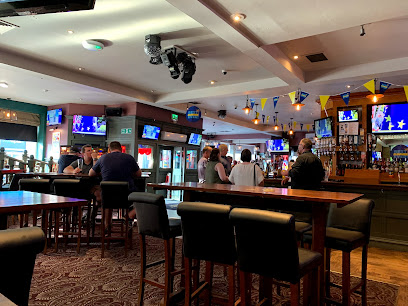
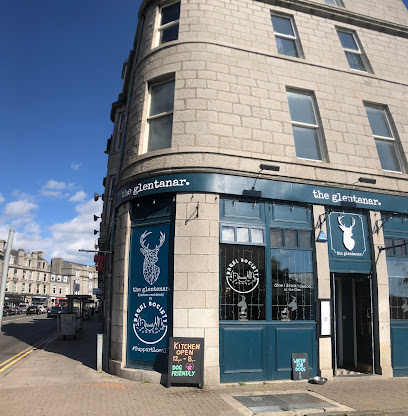
The Glentanar Bar
1.2 km
A stylish, dog-friendly independent bar in Aberdeen’s West End, known for local food vendors, live music, and a welcoming atmosphere.
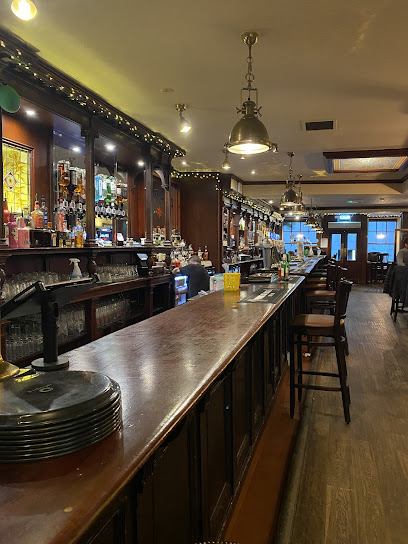
Prince Of Wales
1.3 km
Historic Aberdeen pub with the city's longest bar, real ales, home-cooked food, and lively music sessions in a warm, traditional setting.
Nightclubs & after hour spots

The Mask Club
1.0 km
Aberdeen’s vibrant adult entertainment hotspot with professional dancers, lively music, and a dynamic late-night atmosphere.
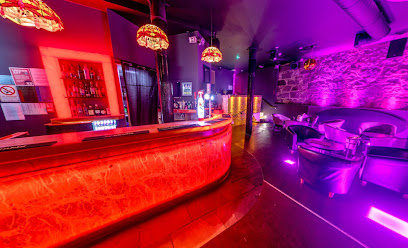
AURA Nightclub Aberdeen
1.1 km
Experience Aberdeen’s vibrant nightlife and nostalgic disco vibes at Aura Nightclub, the city’s premier venue for dynamic music and festive parties.
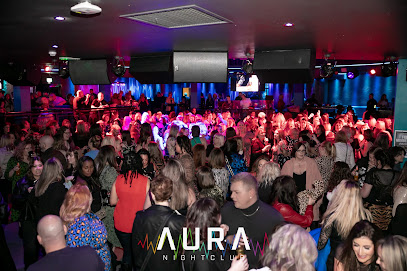
Private Eyes
1.1 km
Experience Aberdeen’s vibrant nightlife at Private Eyes, a stylish nightclub offering lively music, adult entertainment, and a welcoming city-center atmosphere.
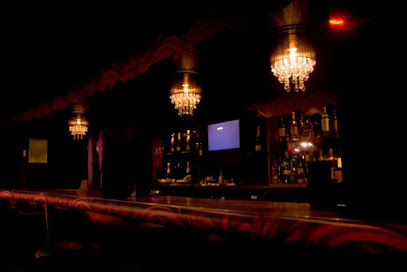
Number 7 Club
1.1 km
Aberdeen's intimate adult club on Crown Street: full-nude dances, drinks, and late-night energy from 9pm to 3am weekends.

The Underground Klub
1.1 km
A compact, bass-forward late-night club in central Aberdeen with booth seating, layered sound and an intimate underground vibe.
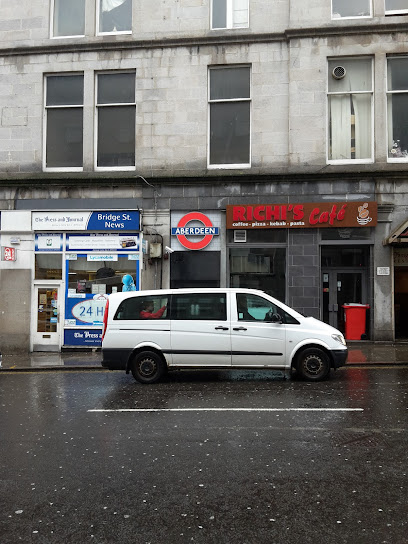
CHEERZ
1.2 km
Aberdeen's iconic LGBT bar and nightclub: dance, drink, and connect in a welcoming Exchange Street haven open late into the night.
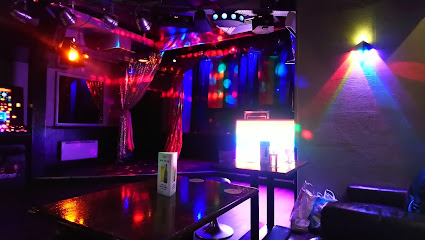
491 Union Street
1.3 km
Dive into Aberdeen's electric nightlife at this top-of-Union-Street hotspot, where killer beats, craft drinks, and epic events light up weekends until dawn.
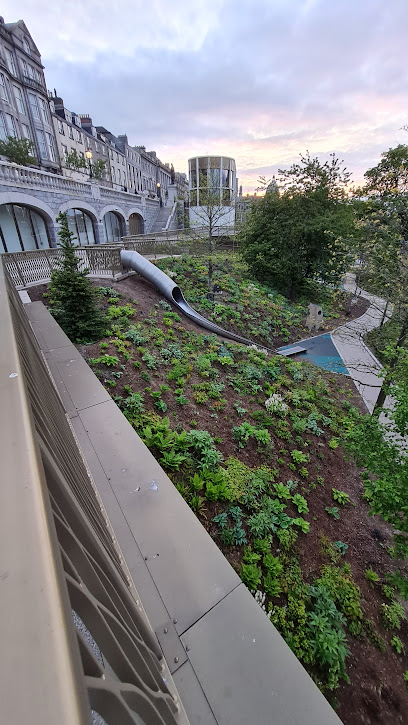
Babylon
1.3 km
Discover the pulse of Aberdeen's nightlife at Babylon, a premier nightclub and bar offering unforgettable nights filled with music and fun.
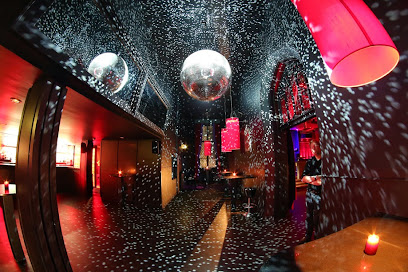
Exodus
1.4 km
Experience Aberdeen’s vibrant nightlife and boozy brunches in a unique historic church setting at Exodus, The Triplekirks.
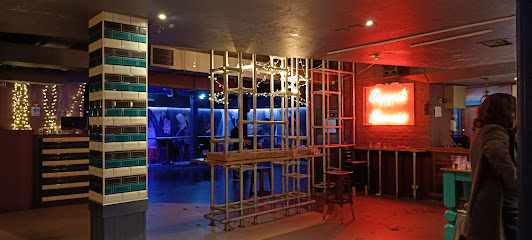
Club Tropicana & Venga
1.4 km
Compact retro nightclub on Chapel Street with neon kitsch, themed nights and a late‑night dancefloor for nostalgic hits and loud, energetic DJ sets.
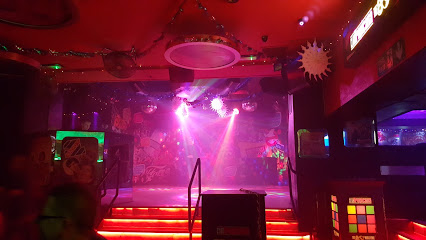
Venga
1.4 km
Dive into Aberdeen's electric nightlife at Venga, where retro beats, themed nights, and cocktails fuel unforgettable dances until dawn on vibrant Chapel Street.
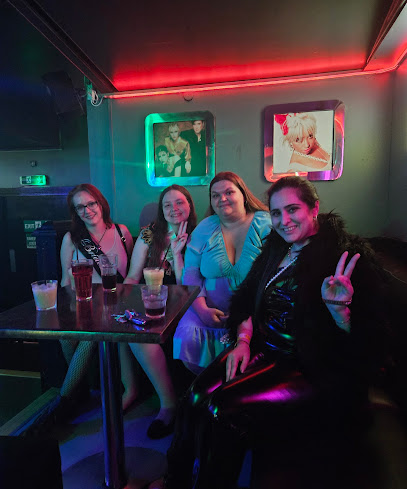
Utopia Nightclub Montrose
52.5 km
Experience Montrose’s vibrant weekend nightlife at Utopia Nightclub, where music, dancing, and community spirit come alive after dark.
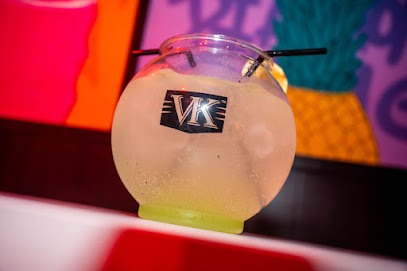
Deejays Nightclub
62.4 km
Fraserburgh’s revitalized nightlife hotspot offering vibrant music, dancing, and late-night fun on Denmark Street.
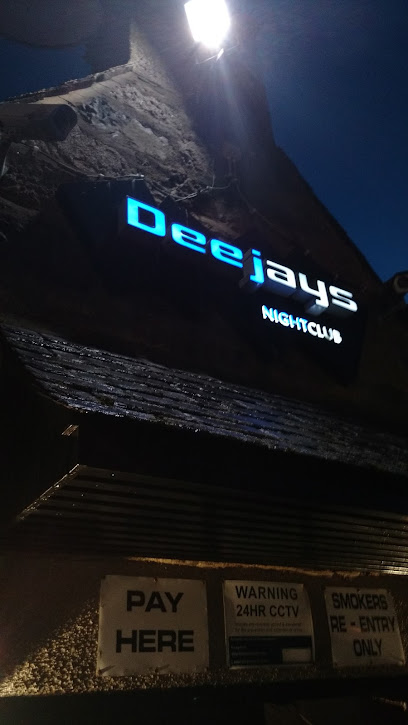
Market Arms
64.2 km
Experience the warmth and vibrancy of Market Arms in Banff, offering local brews, hearty meals, and a friendly atmosphere for every traveler.
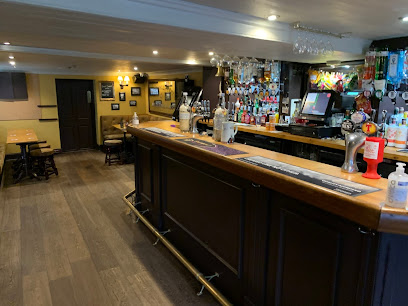
Banff Town & County Club
64.2 km
Discover the heart of Banff at the historic Town & County Club, a social hub that celebrates local culture and community spirit.
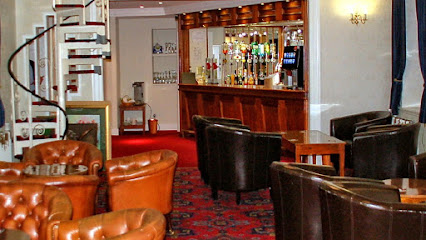
For the vibe & atmosphere seeker
- Relaxing
- Scenic
- Tranquil
- Unique
For the design and aesthetic lover
- Vintage Styles
- Rustic Designs
For the architecture buff
- Historic
- Landmarks
For the view chaser and sunset hunter
- Iconic Views
- Waterfront
For the social media creator & influencer
- Instagrammable
- Photo Spots
- Selfie Spots
For the eco-conscious traveler
- Public-Transport Accessible
- Low Impact
For the kind of experience you’re after
- Cultural Heritage
- Photowalk
- Nature Escape
- Day Trip
For how adventurous you want the journey to be
- Easy Access
Location Audience
- Family Friendly
- Senior Friendly
- Child Friendly
- Teen Friendly
- Wheelchair Access
- Pet Friendly
- Solo Friendly
- Couple Friendly
- Solo Female Friendly


