

Aedie's House Site
Step into Aberdeen’s past at the site of Aedie’s House, a 16th‑century townhouse whose memory lives on in stone, street names, and local history.
On Aberdeen’s historic Green, the site of Aedie’s House marks the footprint of a 16th‑century townhouse once home to the prominent Ædie family. Though the building was demolished in 1914, its memory lives on in local history, street names, and carved stonework. The location offers a quiet, reflective spot in the heart of the city, where medieval and early modern Aberdeen once thrived. It’s a subtle but evocative landmark for those interested in the city’s architectural and social past.
A brief summary to Aedie's House site
- 70 The Grn, Aberdeen, AB11 6PE, GB
- Visit website
- Duration: 0.25 to 1 hours
- Free
-
 Outdoor
- Mobile reception: 5 out of 5
Local tips
- Visit the site in daylight to clearly see the location and any nearby information boards or markers on The Green.
- Combine your visit with a walk around St Nicholas’ Church and the surrounding historic streets to get a fuller sense of old Aberdeen.
- Look for surviving carved stonework from the house in local collections or museums, which offer a tangible link to the Ædie family.

For the on-the-go comforts that matter to you
- Restrooms
- Drink Options
- Drinking Water
- Food Options
- Seating Areas
- Trash Bins
- Information Boards
Getting There
-
Walking
From Aberdeen city centre, walk south along Union Street and turn onto The Green near St Nicholas’ Church; the site is a short, flat walk on paved paths, easily accessible from the main shopping area.
-
Public Transport
Take a city bus to the St Nicholas / Union Street stop; from there, follow signs to The Green and St Nicholas’ Church, then locate the Aedie’s House site on the north side of the Green, a few minutes’ walk on level ground.
-
Car
Drive to the city centre and use one of the central car parks; from there, walk to The Green via Union Street or Justice Mills Lane, allowing 5–10 minutes on foot to reach the site, which has no dedicated parking.
Aedie's House site location weather suitability
-
 Any Weather
-
 Mild Temperatures
Discover more about Aedie's House site
Where Aberdeen’s Past Lingers
Standing on The Green in Aberdeen, the site of Aedie’s House is a quiet, unassuming patch of ground that once held a substantial 16th‑century townhouse. Built around 1604 by Andrew Ædie, a maltman and burgess of the city, this house stood for over three centuries on the north side of The Green, near the corner of what was once Aedie’s Wynd (later Aedie’s Brae). Though the building itself was demolished in 1914, its footprint and story remain embedded in the city’s fabric, visible in old maps, street names, and surviving carved stonework that once adorned its dormer windows.A Family at the Heart of Old Aberdeen
The Ædie family were prominent figures in early modern Aberdeen, with Andrew Ædie and his descendants playing roles in the city’s civic and commercial life. The house served as both a family home and a symbol of status, reflecting the wealth and standing of its owners. One surviving carved stone from the house bears the initials AE and CG, standing for Andrew Ædie and his wife Christian Guthrie, a tangible link to the people who once lived here. Over time, the house became known as Aedie’s Lodging, a name that persisted in local memory long after the structure was gone.From Medieval Green to Modern City
The Green itself is one of Aberdeen’s oldest urban spaces, originally lying just outside the medieval town walls and later becoming a key part of the expanding city. Aedie’s House stood in this historic zone, close to St Nicholas’ Church and the old Bow Bridge over the Denburn. Its location speaks to the transition from a small burgh to a bustling 19th‑century port city, with Union Street’s later construction reshaping the surrounding streetscape. Today, the site is part of a busy urban environment, yet it quietly preserves the memory of Aberdeen’s early modern domestic and civic architecture.Stories Etched in Stone and Memory
Beyond the Ædie family, the area around The Green is steeped in local lore. Nearby, a building once known as Aedie’s House (or Aedie’s Lodging) was reputed to have been used in the 18th century as a holding place for children kidnapped for the transatlantic slave trade, including the famous Peter Williamson. While this refers to a different, later building, the association underscores how the name and memory of Aedie’s House became intertwined with Aberdeen’s complex social history. The site today invites visitors to reflect on the layers of stories—personal, civic, and sometimes troubling—that lie beneath the modern streets.Visiting the Site Today
What remains of Aedie’s House is a marked location on The Green, not a standing building, so the experience is one of historical imagination rather than grand architecture. Visitors can stand on the spot, read any nearby information, and trace the old street patterns that once framed the house. It’s a place best appreciated with a sense of Aberdeen’s history, perhaps combined with a walk through the surrounding historic core, past St Nicholas’ Church and along the old routes that once led to the Bow Bridge and the Dee. The site is easily accessible and fits naturally into a broader exploration of Aberdeen’s past.Iconic landmarks you can’t miss

Aedie's House site
0.0 km
Step into Aberdeen’s past at the site of Aedie’s House, a 16th‑century townhouse whose memory lives on in stone, street names, and local history.
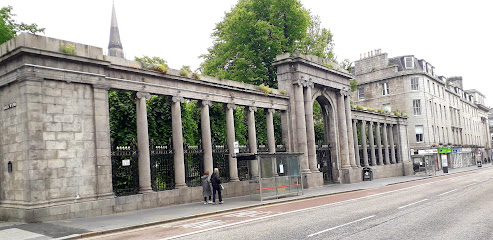
The Kirk of St. Nicholas Colonnade
0.1 km
An elegant neoclassical gateway marking the historic Kirk of St. Nicholas kirkyard in the heart of Aberdeen’s city centre.
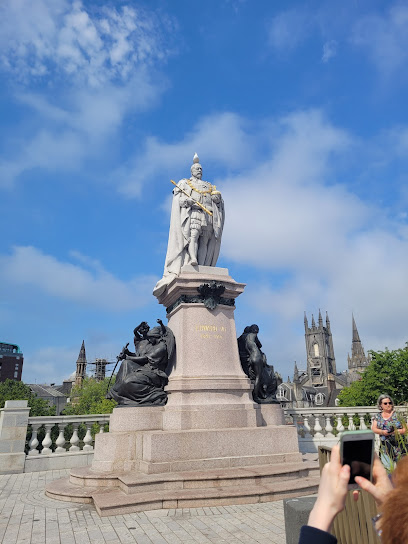
Edward VII Statue
0.1 km
Aberdeen’s grand Edward VII Statue stands in full ceremonial robes, a striking granite and bronze tribute to the British monarch at the heart of the city.
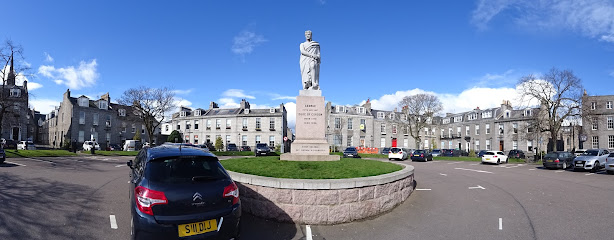
Duke Of Gordon Monument
0.3 km
A monumental granite statue in Aberdeen honoring the 5th Duke of Gordon’s military and civic legacy in a historic city square.
Castlegate
0.3 km
Medieval square where castle gates once stood, now home to Aberdeen's oldest building and iconic Mannie fountain.
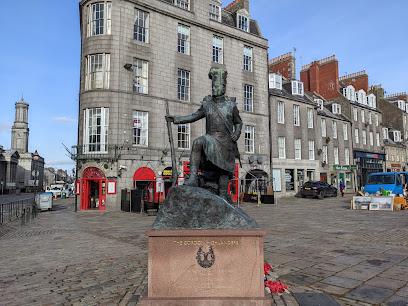
Greyfriars Church
0.4 km
Five centuries of faith and architecture in the heart of historic Aberdeen
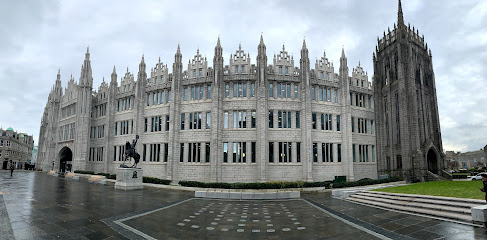
Marischal College
0.4 km
Scotland's second-largest granite building and an architectural masterpiece blending Victorian Gothic grandeur with civic purpose.
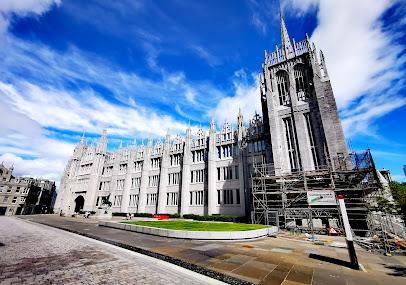
St Mary of the Assumption Cathedral, Aberdeen
0.4 km
Aberdeen’s Roman Catholic cathedral, a Gothic Revival gem with daily worship, Polish and Spanish Masses, and a peaceful Lady Chapel.
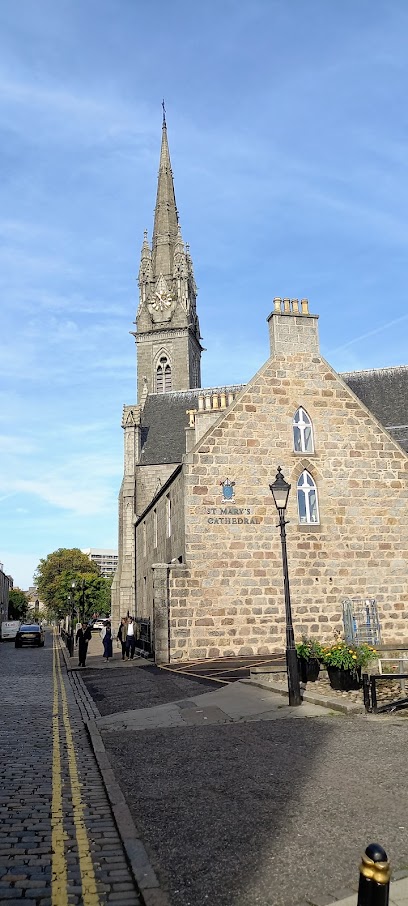
Gordon Highlanders Statue
0.5 km
A striking bronze tribute in Aberdeen honoring the valor and legacy of the historic Gordon Highlanders regiment.
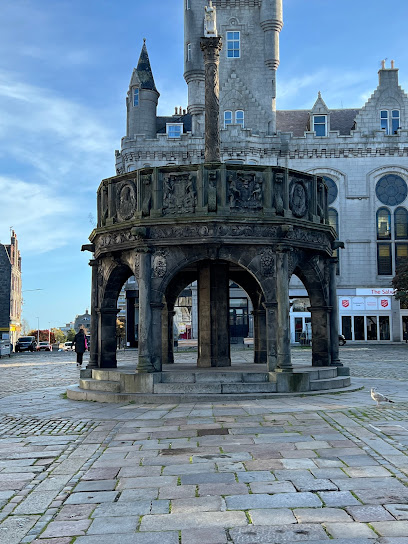
Rosemount Palace
1.1 km
A unique, budget-friendly B&B in a converted church offering practical comfort and central access in Aberdeen.

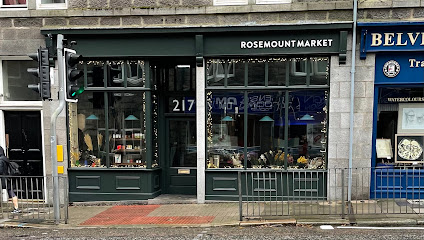
Rosemount Market
1.2 km
Discover Aberdeen’s Rosemount Market, a vibrant hub for sustainable shopping, local produce, and artisan crafts in a welcoming community setting.
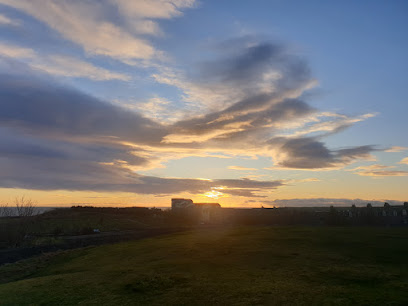
Gallows Hill
1.4 km
Gallows Hill in Aberdeen stands as a haunting reminder of centuries-old public executions and grim justice.
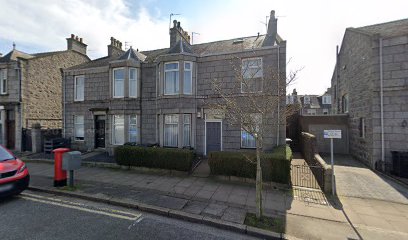
Edward VIII Post Box
1.4 km
Discover a rare Edward VIII post box in Aberdeen, a unique relic from the brief 1936 reign of a king who changed British history.
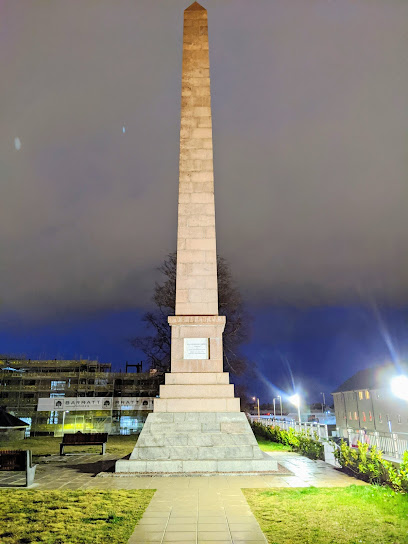
Forbes of Newe Obelisk
1.5 km
A noble stone memorial honouring a philanthropist's gift to Scottish mental health care
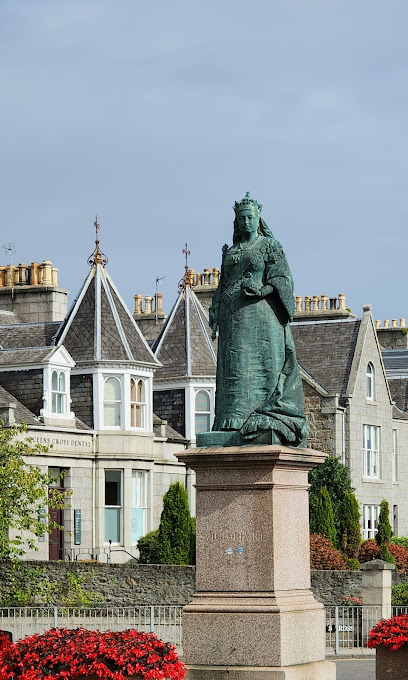
Queen Victoria Statue
1.7 km
Bronze tribute to a beloved monarch, marking Aberdeen's elegant West End and the city's royal heritage.
Unmissable attractions to see

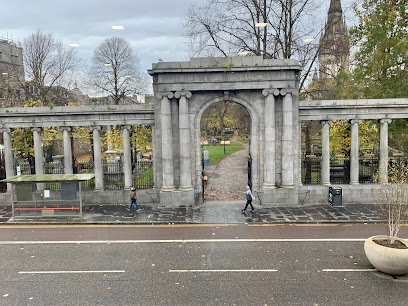
St. Nicholas Cemetery
0.1 km
Discover Aberdeen’s ancient spiritual heart where history, maritime heritage, and sacred grounds converge on Union Street.
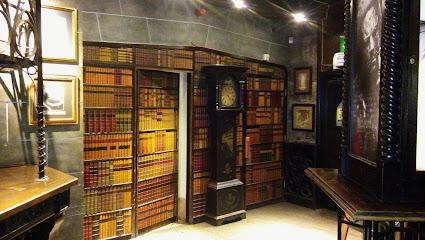
Slains
0.1 km
Discover Slains in Aberdeen, a unique pub that offers a gothic atmosphere, delicious food, and a vibrant drink selection for locals and tourists alike.
The Tunnels
0.2 km
Experience the vibrant nightlife of Aberdeen at The Tunnels, an underground nightclub known for electrifying live music and a unique atmosphere.
Huntfun Aberdeen
0.2 km
Discover Aberdeen’s city center through an exciting, interactive treasure hunt along Union Street that blends fun, learning, and adventure.
The Stairs Leading to Bridge Street
0.2 km
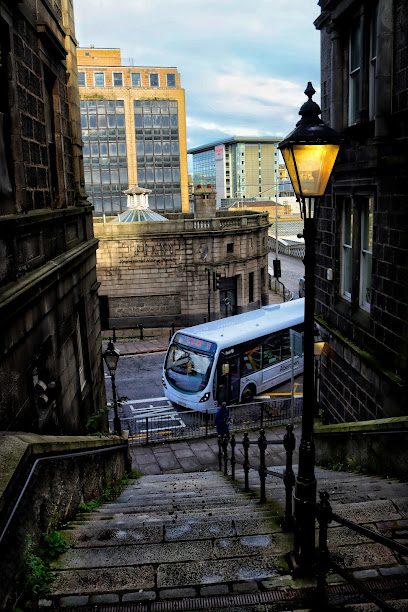
Explore the stunning Stairs Leading to Bridge Street in Aberdeen, a gateway to culture, history, and vibrant city life.
St Nicholas Bandstand
0.2 km
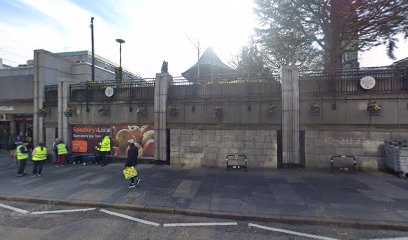
An elegant historic bandstand in Aberdeen’s city center, blending architectural charm with vibrant community spirit and cultural events.
General Gordon Statue
0.3 km
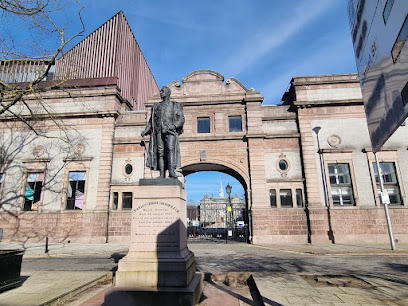
A dignified bronze tribute to General Charles Gordon, reflecting his military valor and humanitarian legacy in the heart of Aberdeen.
Union Terrace Gardens
0.3 km
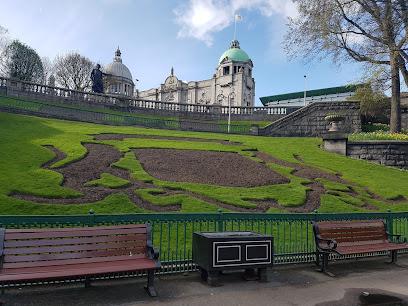
Historic sunken gardens in Aberdeen’s heart, blending Victorian charm with modern design for a vibrant city green space.
Aberdeen Art Gallery
0.3 km
Scotland's finest art collection in a stunning neo-classical building—free entry, world-class works, rooftop views.
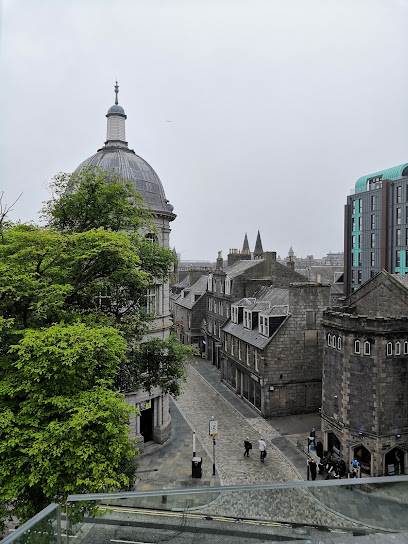
Provost Skene's House
0.3 km
Explore Aberdeen’s oldest townhouse, a historic museum celebrating local heroes, with stunning Renaissance art and centuries of captivating history.
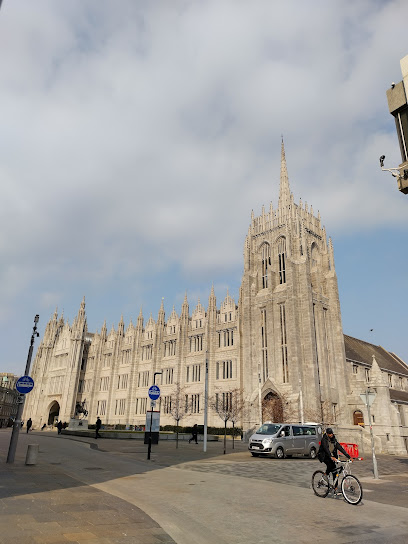
Provost Ross's House
0.3 km
Discover Aberdeen’s second oldest house, a 16th-century maritime treasure now at the heart of the Aberdeen Maritime Museum.
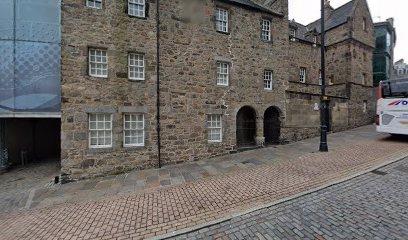
Aberdeen Maritime Museum
0.3 km
Discover Aberdeen’s rich maritime heritage through historic ships, offshore oil industry exhibits, and stunning harbour views at this free, award-winning museum.
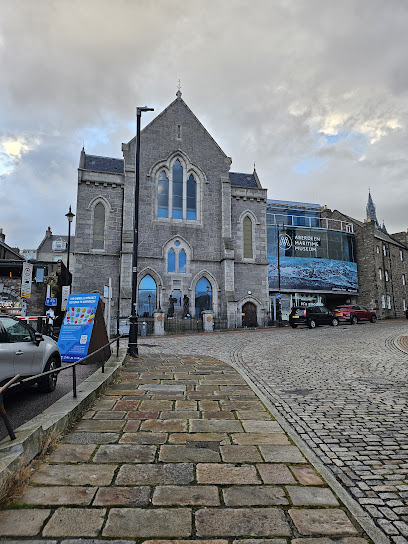
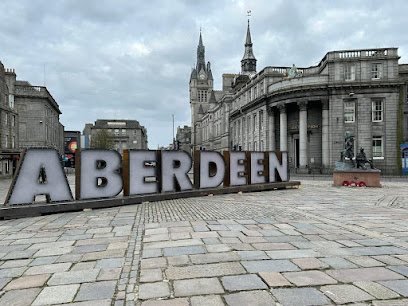
Aberdeen Sign
0.3 km
A vibrant illuminated landmark in Aberdeen’s historic Union Terrace, celebrating local culture and offering a striking photo opportunity day and night.
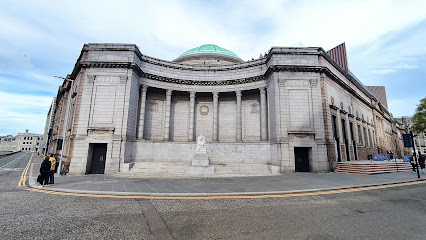
Cowdray Hall
0.3 km
Historic concert hall in Aberdeen with superb acoustics, elegant design, and a vibrant cultural program nestled within Aberdeen Art Gallery.
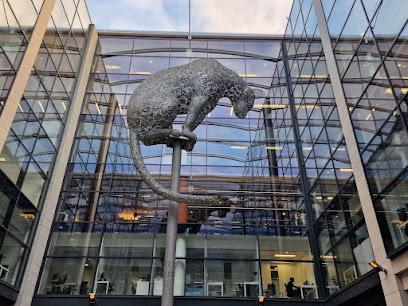
Marischal Square
0.3 km
A vibrant city centre complex blending modern architecture, dining, and festive markets in the heart of Aberdeen.
Essential places to dine

Cafe 52
0.0 km
Cozy and creative Scottish dining on Aberdeen’s historic Green, blending home-style comfort with inventive flavors and warm hospitality.
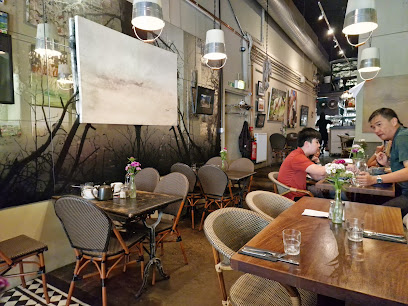
Bistro Verde
0.0 km
An intimate Aberdeen bistro delivering fresh, beautifully presented seafood with attentive service in a cozy, elegant setting.
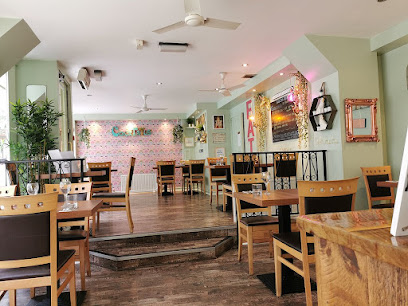
Ninety-Nine
0.1 km
Experience expertly crafted cocktails and vibrant modern bar food in the heart of Aberdeen’s lively social scene at Ninety-Nine.
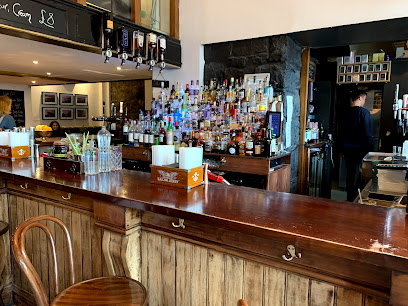
The Tippling House
0.1 km
A stylish Aberdeen cocktail bar and restaurant blending inventive drinks with fresh, flavorful small plates in a cozy speakeasy setting.
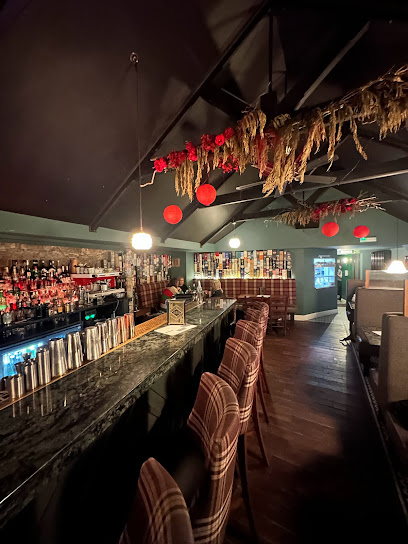
Tango Turtle- Caribbean Inspired Restaurant
0.1 km
Experience vibrant Caribbean flavors and lively culture in the heart of Aberdeen at Tango Turtle, where generous portions meet colorful ambiance.
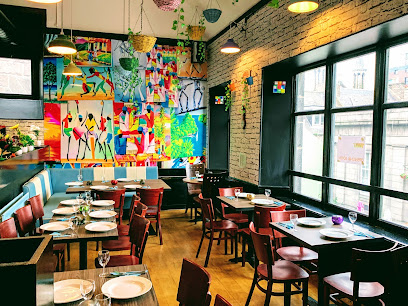
Poldino's Restaurant & Pizzeria
0.1 km
Authentic Italian flavors and cozy family-run charm in the heart of Aberdeen’s city center.
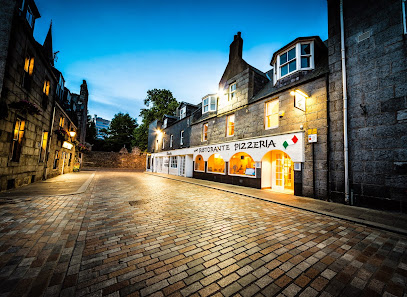
Wild Boar
0.1 km
Historic Aberdeen pub offering classic British fare, real ales, live entertainment, and a warm, inviting atmosphere in the city center.
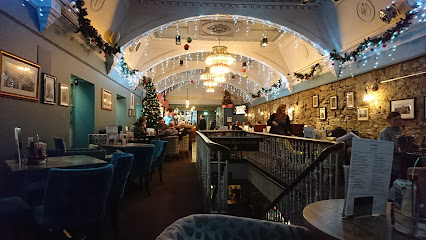
Moonfish Cafe
0.2 km
A cozy Aberdeen bistro serving innovative seafood and modern British dishes in a historic medieval quarter setting.
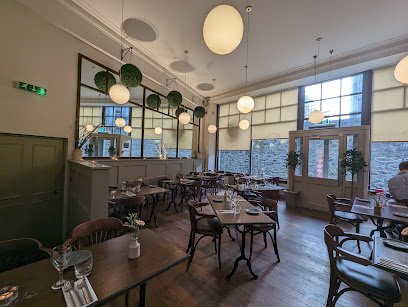
Monsoona Healthy Indian cuisine
0.2 km
Experience authentic, health-conscious Indian cuisine in the heart of Aberdeen with fresh flavors and warm hospitality at Monsoona.
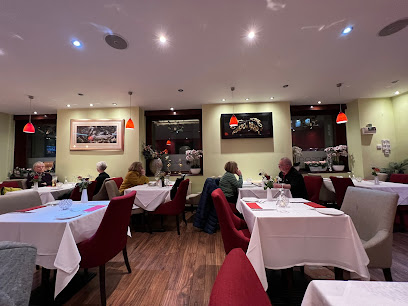
Revolución de Cuba Aberdeen
0.2 km
Discover the essence of Cuba at Revolución de Cuba Aberdeen – where vibrant cuisine meets lively entertainment.
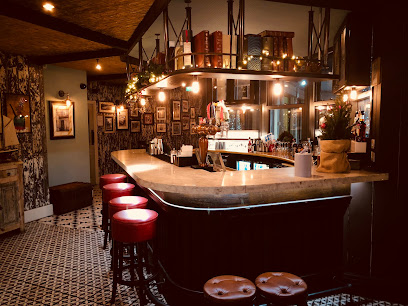
Chaophraya
0.2 km
Experience authentic and innovative Thai cuisine in Aberdeen’s historic and elegant dining landmark.
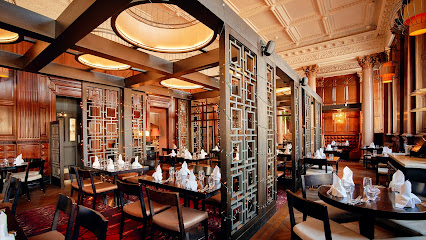
Zizzi - Aberdeen
0.2 km
Modern Italian dining with vibrant local flair, welcoming all tastes in the heart of Aberdeen’s Union Square.
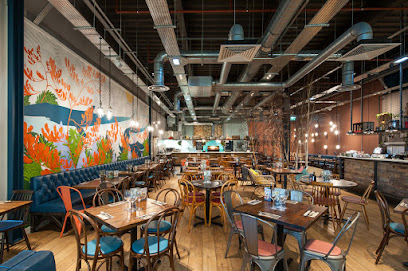
Namaste Delhi
0.2 km
Experience authentic Indian cuisine with vibrant flavors and tapas-style dining in the heart of Aberdeen at Namaste Delhi.
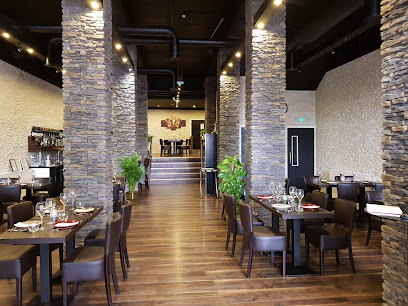
Goulash
0.2 km
Discover authentic Hungarian cuisine in Aberdeen’s cozy, family-run Goulash restaurant, famed for its hearty dishes and warm atmosphere.
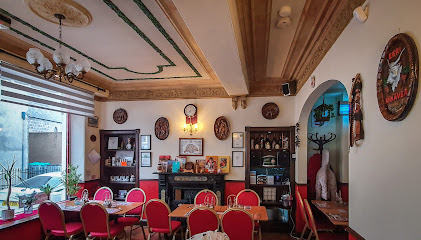
THE BISTRO
0.2 km
A contemporary and welcoming dining spot in Aberdeen’s city center, blending local flavors with relaxed style.
Markets, malls and hidden boutiques

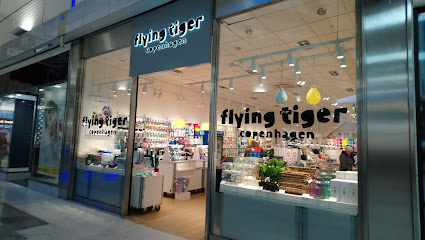
Flying Tiger Copenhagen
0.1 km
Discover quirky Danish design and playful everyday essentials at Flying Tiger Copenhagen in Aberdeen’s Trinity Centre.
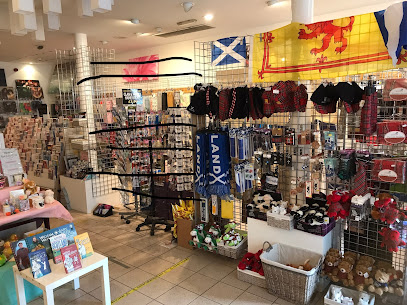
Aberdeen Gift and Tourist Shop
0.1 km
Discover authentic Scottish souvenirs and local crafts on Aberdeen's iconic Union Street, where handmade treasures meet Granite City charm.
Itskitsch Ltd
0.1 km
Aberdeen's cozy Fair Trade café and second-hand book haven on Belmont Street—savor pancakes, soups, and literary treasures in one independent gem.
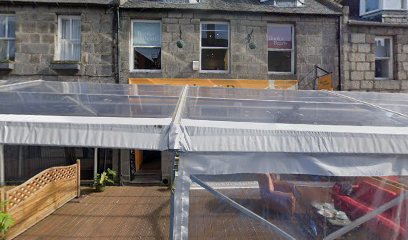
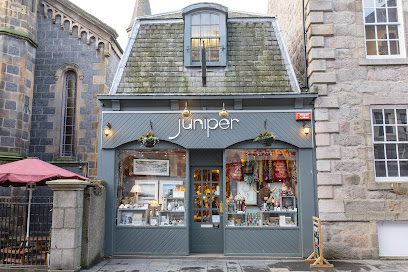
Juniper
0.2 km
Discover unique gifts, stylish home furniture, and beautiful jewellery in a charming shop with a welcoming ambience in the heart of Aberdeen.
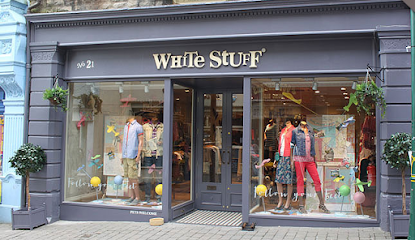
White Stuff Aberdeen
0.2 km
Discover British charm and sustainable style at White Stuff Aberdeen, your boutique for distinctive casual fashion and accessories.
The Vintage Market
0.2 km
Discover timeless style and sustainable fashion treasures at Aberdeen’s cosy Vintage Market on Market Street.
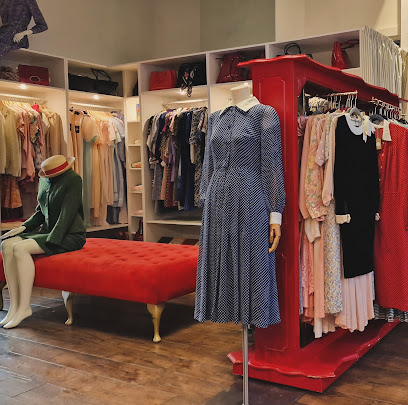
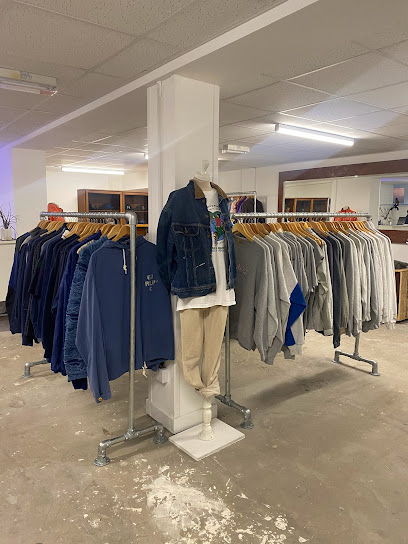
Beyond Vintage
0.2 km
Discover timeless vintage fashion treasures and classic Levi's in the heart of Aberdeen’s vibrant shopping scene.
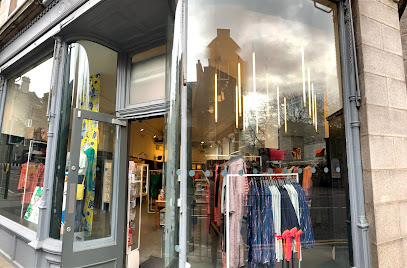
Oliver Bonas
0.2 km
Discover Oliver Bonas Aberdeen, a stylish boutique blending British design with unique fashion, homeware, and gifts in a historic city setting.
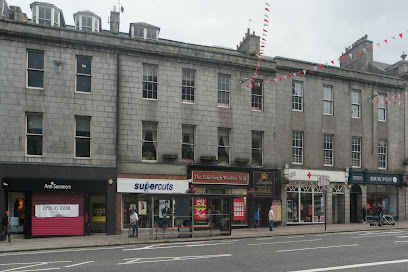
The Edinburgh Woollen Mill
0.2 km
Discover authentic Scottish knitwear and unique gifts steeped in heritage at The Edinburgh Woollen Mill in Aberdeen’s vibrant Union Street.
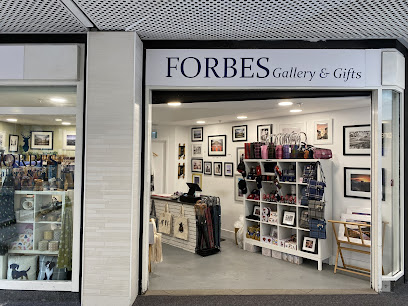
Forbes Gallery & Gifts
0.2 km
Independent gift gallery showcasing Scottish photography and artisan souvenirs in Aberdeen's heart.
EDIT
0.3 km
Discover handcrafted gems from Aberdeen's Deemouth Artist Studios at this city-center gift shop—unique jewelry, textiles, and art by 50 local makers.

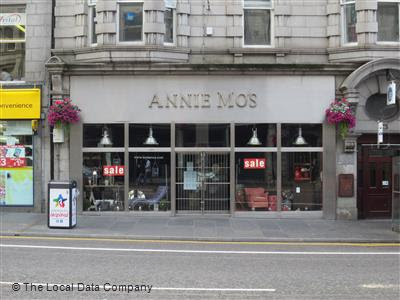
Annie Mo's
0.3 km
Discover authentic rustic furniture and unique home accessories at Annie Mo's, Aberdeen's independent shop with over 30 years of heritage.
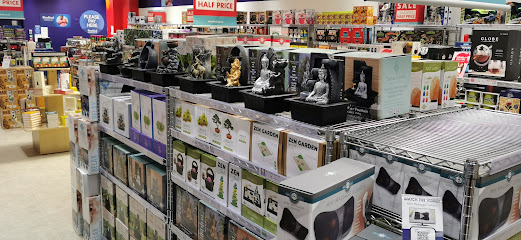
Menkind
0.4 km
Discover quirky, unique gifts and gadgets for all ages at Menkind, nestled in Aberdeen’s bustling Union Square Shopping Centre.
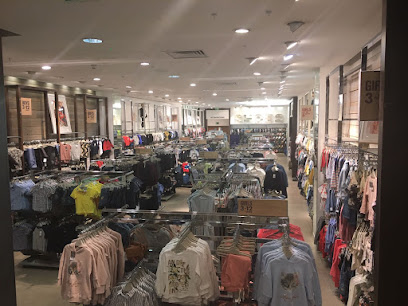
Next
0.4 km
Discover stylish family fashion and homeware at Next, located in Aberdeen’s vibrant Union Square Shopping Centre.
Hobbycraft Aberdeen
0.4 km
Discover a creative sanctuary in the heart of Aberdeen’s Union Square, offering expert-led workshops and a vast range of craft supplies.

Essential bars & hidden hideouts

Ma Cameron's
0.1 km
Aberdeen's cozy Victorian pub pouring creamy pints and hearty pies amid lively banter on historic Little Belmont Street.
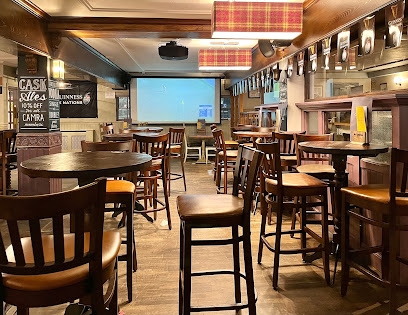
Prince Of Wales
0.1 km
Historic Aberdeen pub with the city's longest bar, real ales, home-cooked food, and lively music sessions in a warm, traditional setting.
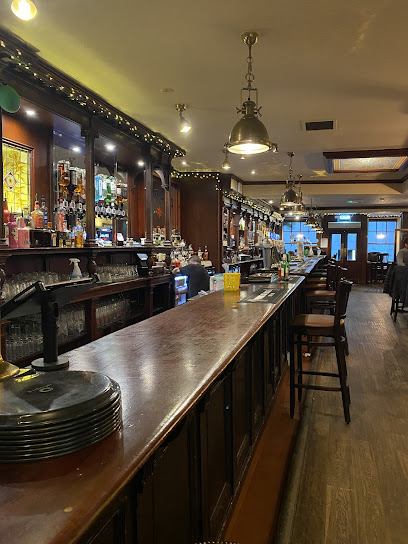
Revolution Aberdeen
0.1 km
Vibrant Belmont Street cocktail bar with epic garden views, killer drinks, comfort food, and non-stop party vibes until late.
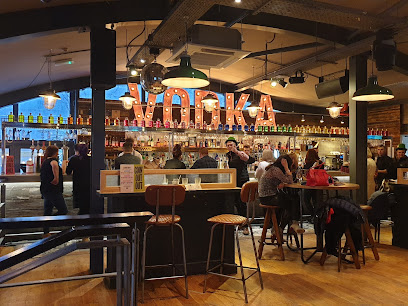
Spirit Level
0.2 km
A vibrant and welcoming pub in Aberdeen’s city center, known for great beer, lively music, and a friendly atmosphere.
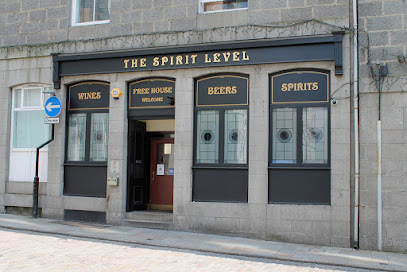
ENVY Aberdeen
0.2 km
A compact Market Street bar blending daytime coffee culture with casual evening drinks and small-plate dining in central Aberdeen.
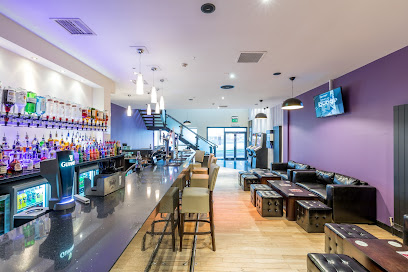
The GasLamp Bar
0.2 km
Lively grill and sports bar in Aberdeen’s city centre, known for friendly service and a vibrant social atmosphere.
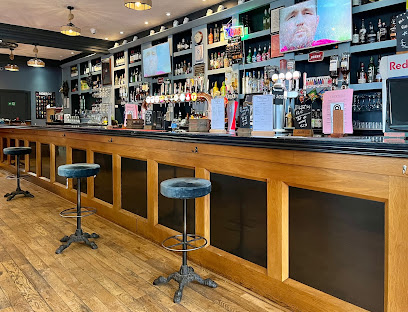
Ye Olde Frigate Bar
0.2 km
Aberdeen's oldest pourhouse: 28 beers, generous drams, burgers, wings, sports, and jukebox vibes in a maritime nook.
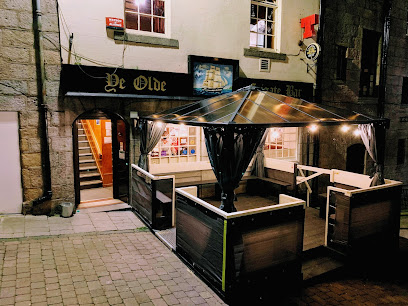
The Triplekirks
0.3 km
Aberdeen’s lively pub and sports bar offering boozy brunches, live games, pub quizzes, and a welcoming atmosphere for all.
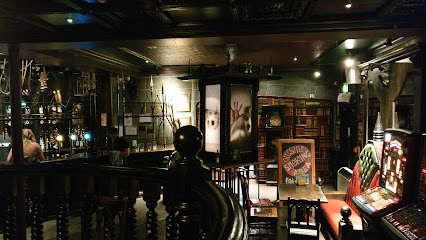
The Stag
0.3 km
A lively and welcoming city-centre pub in Aberdeen, offering great drinks, entertainment, and a friendly atmosphere every day from noon to midnight.
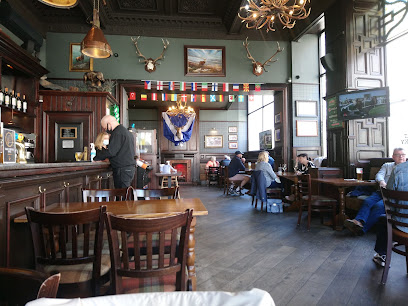
Krakatoa
0.3 km
A vibrant tiki-themed dive bar in Aberdeen offering eclectic drinks, live music, and a quirky, welcoming atmosphere from afternoon till late night.
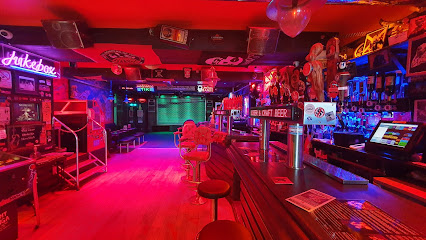
All Bar One Aberdeen
0.3 km
Stylish wine bar in Marischal Square serving global wines, craft cocktails, and shareable plates amid Aberdeen's urban buzz.
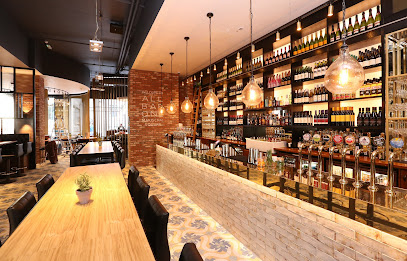
Fierce Bar Aberdeen
0.4 km
City-centre taproom from Fierce Beer offering rotating house brews, guest taps, cocktails and whisky in a relaxed, dog-friendly space.
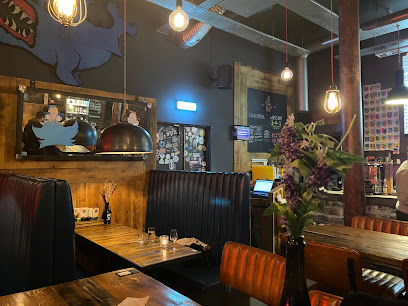
BrewDog Aberdeen Castlegate
0.4 km
Craft beer haven on Aberdeen's Union Street with 28 taps, juicy burgers, dog-friendly vibes, and upstairs Kennels for the ultimate stay.
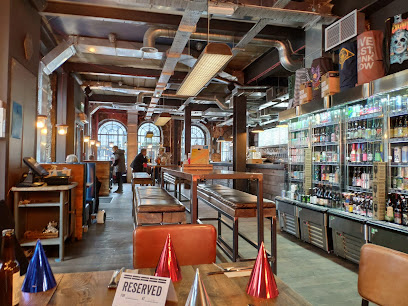
Bartenders Lounge
0.4 km
Experience Aberdeen’s vibrant nightlife with innovative cocktails, fresh music, and welcoming vibes at Bartenders Lounge on North Silver Street.
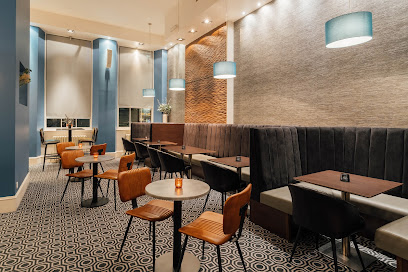
Under the Hammer
0.4 km
A cosy, characterful basement bar in Aberdeen offering well-made cocktails, a collected interior and an intimate, friendly evening atmosphere.
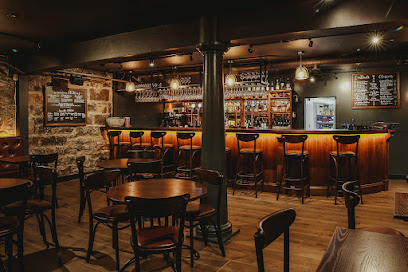
Nightclubs & after hour spots

CHEERZ
0.1 km
Aberdeen's iconic LGBT bar and nightclub: dance, drink, and connect in a welcoming Exchange Street haven open late into the night.
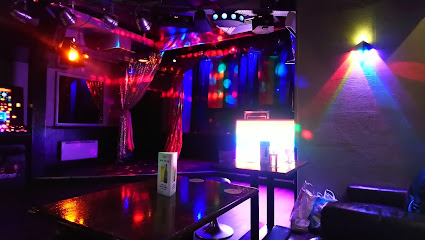
The Underground Klub
0.2 km
A compact, bass-forward late-night club in central Aberdeen with booth seating, layered sound and an intimate underground vibe.
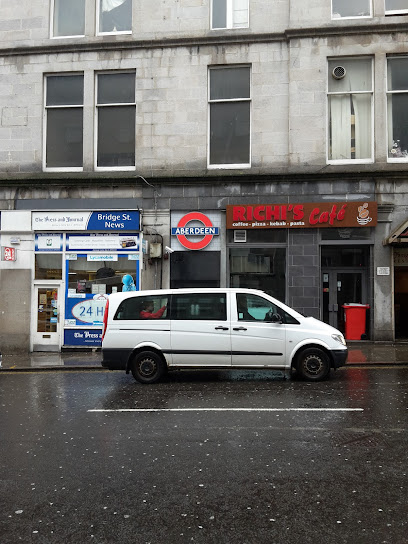
Private Eyes
0.2 km
Experience Aberdeen’s vibrant nightlife at Private Eyes, a stylish nightclub offering lively music, adult entertainment, and a welcoming city-center atmosphere.
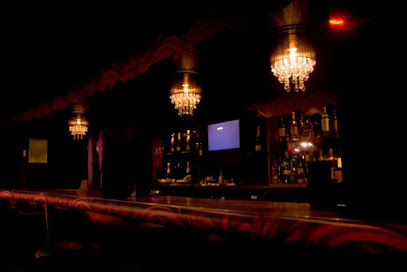
The Mask Club
0.2 km
Aberdeen’s vibrant adult entertainment hotspot with professional dancers, lively music, and a dynamic late-night atmosphere.
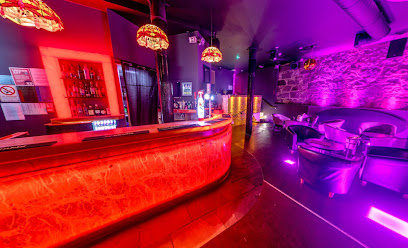
AURA Nightclub Aberdeen
0.2 km
Experience Aberdeen’s vibrant nightlife and nostalgic disco vibes at Aura Nightclub, the city’s premier venue for dynamic music and festive parties.
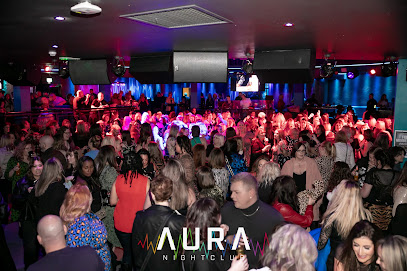
Exodus
0.3 km
Experience Aberdeen’s vibrant nightlife and boozy brunches in a unique historic church setting at Exodus, The Triplekirks.
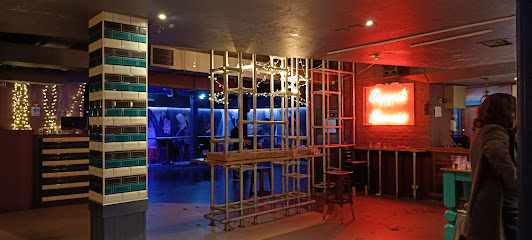
Number 7 Club
0.3 km
Aberdeen's intimate adult club on Crown Street: full-nude dances, drinks, and late-night energy from 9pm to 3am weekends.
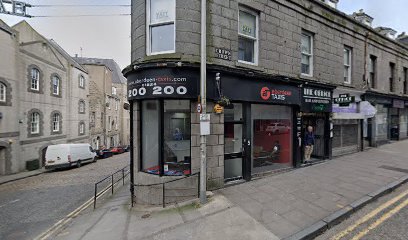
Club Tropicana & Venga
0.6 km
Compact retro nightclub on Chapel Street with neon kitsch, themed nights and a late‑night dancefloor for nostalgic hits and loud, energetic DJ sets.
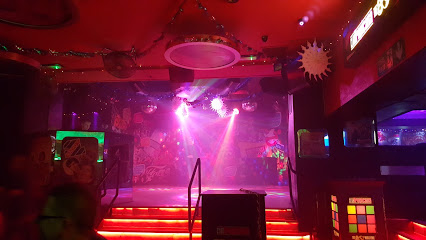
Venga
0.6 km
Dive into Aberdeen's electric nightlife at Venga, where retro beats, themed nights, and cocktails fuel unforgettable dances until dawn on vibrant Chapel Street.

491 Union Street
0.8 km
Dive into Aberdeen's electric nightlife at this top-of-Union-Street hotspot, where killer beats, craft drinks, and epic events light up weekends until dawn.
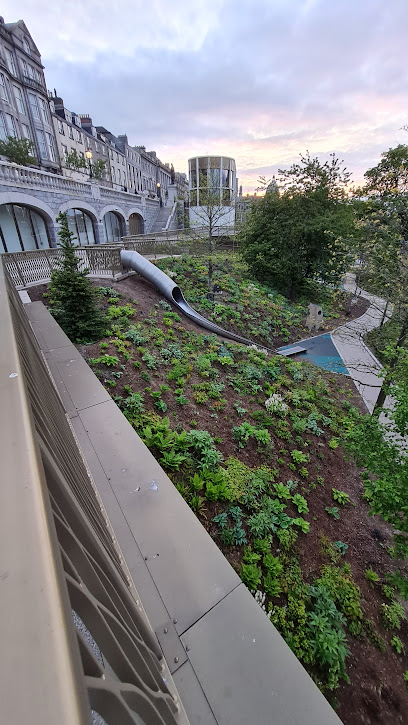
Babylon
0.9 km
Discover the pulse of Aberdeen's nightlife at Babylon, a premier nightclub and bar offering unforgettable nights filled with music and fun.
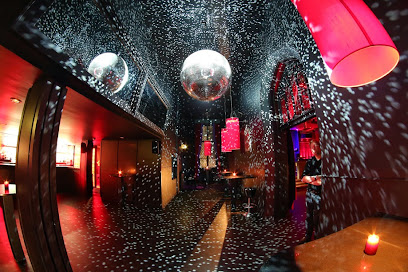
Utopia Nightclub Montrose
53.5 km
Experience Montrose’s vibrant weekend nightlife at Utopia Nightclub, where music, dancing, and community spirit come alive after dark.

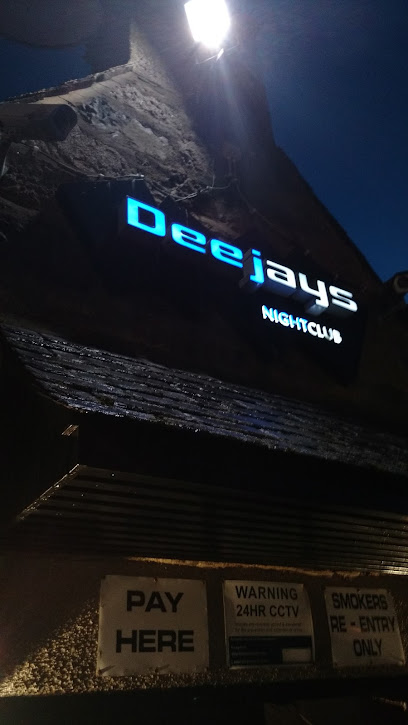
Deejays Nightclub
61.3 km
Fraserburgh’s revitalized nightlife hotspot offering vibrant music, dancing, and late-night fun on Denmark Street.
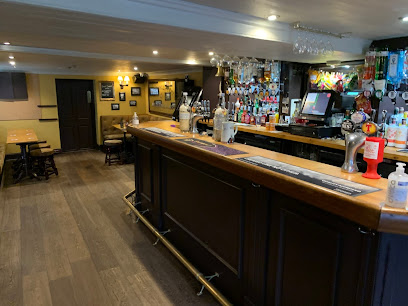
Market Arms
63.0 km
Experience the warmth and vibrancy of Market Arms in Banff, offering local brews, hearty meals, and a friendly atmosphere for every traveler.
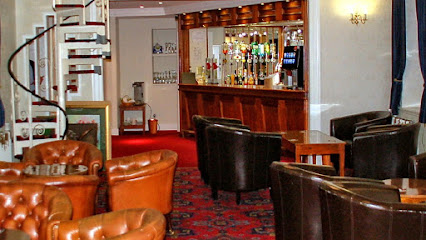
Banff Town & County Club
63.1 km
Discover the heart of Banff at the historic Town & County Club, a social hub that celebrates local culture and community spirit.
For the vibe & atmosphere seeker
- Tranquil
- Historic
- Scenic
- Unique
For the design and aesthetic lover
- Vintage Styles
- Historic
For the architecture buff
- Historic
- Landmarks
- Heritage Neighborhoods
For the view chaser and sunset hunter
- Iconic Views
- Panoramas
For the social media creator & influencer
- Photo Spots
- Aesthetic Corners
- Architectural Shots
For the eco-conscious traveler
- Public-Transport Accessible
For the kind of experience you’re after
- Cultural Heritage
- Photowalk
- Day Trip
For how adventurous you want the journey to be
- Easy Access
Location Audience
- Family Friendly
- Senior Friendly
- Child Friendly
- Teen Friendly
- Wheelchair Access
- Solo Friendly
- Couple Friendly
- Solo Female Friendly
- Business Friendly


