

Dyce Standing Stones, Aberdeen Travel Guide
Free Guide: Mysterious Pictish stones bridging pagan and Christian worlds, carved over 1,400 years ago.


A brief summary of Dyce Standing Stones
Mysterious Pictish stones bridging pagan and Christian worlds, carved over 1,400 years ago.
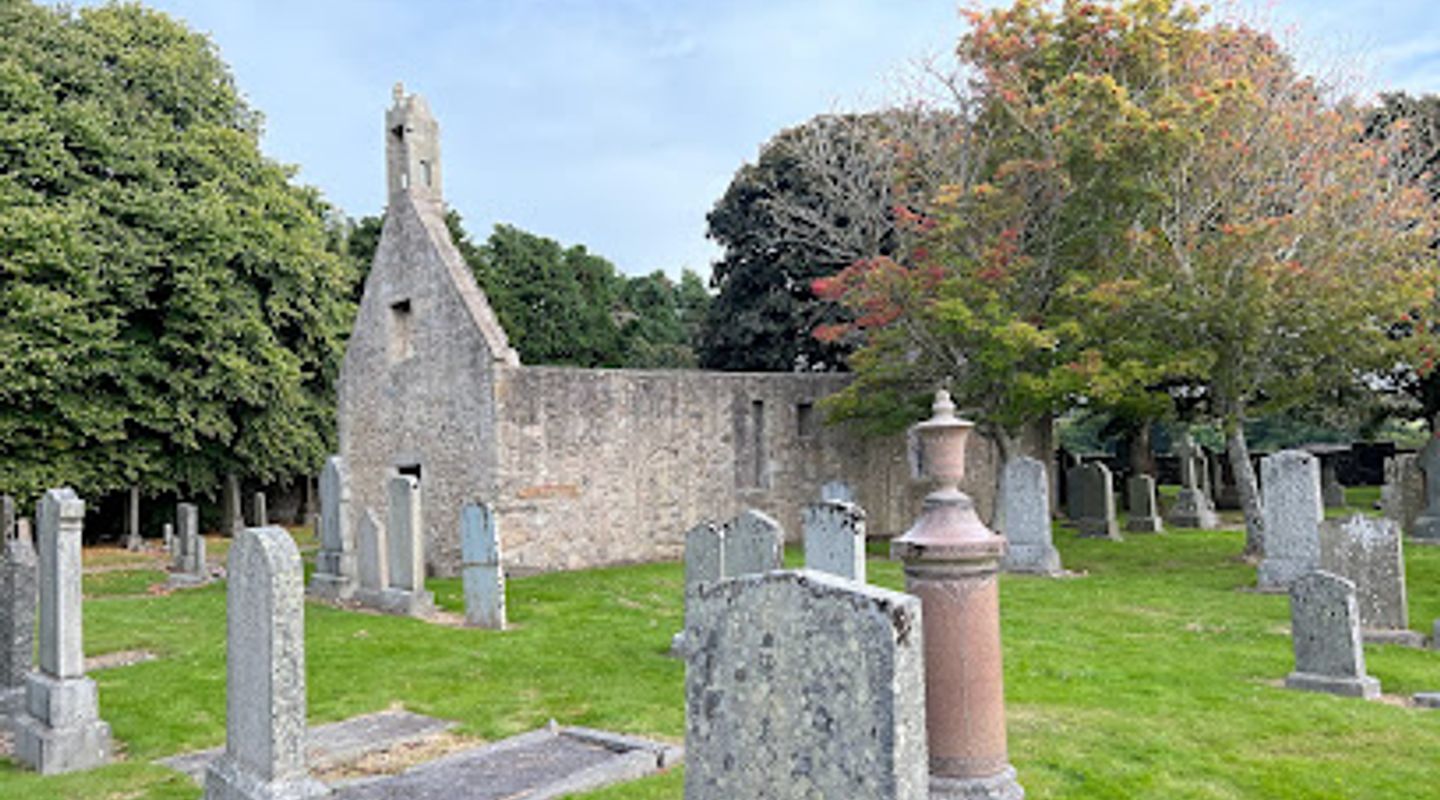
Two remarkable Pictish stones stand within an enclosure at the ruined kirk of St Fergus in Dyce, near Aberdeen. The older granite symbol stone dates to around AD 600 and features a swimming beast above mysterious symbols, while the later cross-slab from after AD 700 displays intricate interlace carvings and a rare ogham inscription. Together, these stones offer a window into Pictish life and the cultural shift from paganism to Christianity.
On-site amenities
 Information boards
Opening hours
- Every dayOpen 24 hours
Opening hours as listed on the venue’s Google Business Profile. Hours can change for services and special events, so check with the venue before you go.
- Address
- 6Q58+R7, Aberdeen AB21 0HH
Getting there
Car
Bus
Walking
Cycling
Discover more about Dyce Standing Stones
Ancient Pictish Monuments of Mystery
The Dyce Symbol Stones represent two of Scotland's most significant Pictish artifacts, preserved within a protective enclosure at the ruined kirk of St Fergus in the village of Dyce, near Aberdeen. These carved stones span roughly a century of Pictish artistic and spiritual evolution, offering tangible evidence of one of Scotland's earliest civilizations. The older of the two stones, a granite symbol stone, dates to approximately AD 600, while the later cross-slab emerged sometime after AD 700. Together, they chronicle a pivotal moment in northern British history when Pictish society underwent profound transformation.
The Granite Symbol Stone: Pagan Artistry
The earlier symbol stone showcases the distinctive artistic vocabulary of pre-Christian Pictish culture. Carved into granite, it depicts a swimming beast rendered with fluid, naturalistic lines—a motif that appears across Pictish symbol stones throughout Scotland. Above this creature sits a cluster of abstract symbols whose precise meanings remain elusive to modern scholars. These symbols, which include geometric patterns and animal forms, likely held deep significance within Pictish society, possibly denoting lineage, status, or spiritual concepts. The craftsmanship demonstrates sophisticated stone-working techniques and an intimate understanding of how to work with granite, a challenging medium that required considerable skill and patience.
The Cross-Slab: Christianity's Arrival
The later cross-slab represents a dramatic shift in Pictish cultural identity. This stone is dominated by a bold Christian cross, its arms filled with intricate interlace carvings that showcase Celtic artistic traditions. The cross is surrounded by four Pictish symbols, creating a visual dialogue between the old pagan iconography and the new Christian faith. This blending of traditions reflects the gradual Christianization of Pictish society, a process that unfolded over several generations as Irish missionaries introduced new beliefs and artistic conventions to the north of Britain.
The Enigmatic Ogham Inscription
Perhaps the most intriguing feature of the cross-slab is the inscription carved in ogham script, an ancient alphabetic system that appears to have been introduced to the Picts by Irish missionaries around AD 600. Ogham consists of straight lines and notches arranged in patterns, each combination representing a letter or sound. Despite centuries of study, the meaning of the Dyce inscription remains unknown, adding an air of mystery to these already enigmatic stones. The presence of ogham on a Pictish monument underscores the cultural exchange and influence flowing from Ireland into Pictish territories during the early medieval period.
Windows into Pictish Culture
The historical significance of the Dyce Symbol Stones lies primarily in their ability to illuminate aspects of Pictish life, belief systems, and artistic traditions. The Picts, who inhabited what is now Scotland north of the Forth-Clyde line, left few written records, making their carved stones invaluable sources of information. These monuments reveal a sophisticated society with established artistic conventions, religious beliefs, and possibly a system of symbolic communication. The transition visible between the two stones—from pagan symbol stone to Christian cross-slab—documents the religious transformation that swept through northern Britain between the 7th and 9th centuries, a period of profound cultural change.
Preservation and Legacy
The stones have been carefully preserved within their enclosure at the kirk of St Fergus, protecting them from the elements and ensuring their survival for future generations. This setting, within the grounds of an ancient church, is fitting given the spiritual journey these stones represent. Visitors to Dyce can stand before these weathered monuments and contemplate the hands that carved them over 1,400 years ago, connecting directly with one of Scotland's most mysterious and fascinating peoples.
Evendo Review Centre
 Google
Guest reviews
Best time to go
Quietest: Jan, Feb & Nov · before 7am or at 8pm
Busy times are Evendo estimates for a typical year, to help you plan. Actual crowds vary with events, school holidays and the weather.
Explore Dyce Standing Stones on the map
A handpicked selection of must-see spots near Dyce Standing Stones, mapped for you.
Get your free copy of our complete guide to Dyce Standing Stones, delivered straight to you.
Everything on this page, from opening hours and how to get there to Eve’s tips and the best time to go, in one PDF you can read offline, print or share.
Already have an account? Sign in
Your Dyce Standing Stones guide is ready.
We'll send it to · Not you? Sign out

Getting your guide ready…
We are putting together a fresh copy of the Dyce Standing Stones guide. This can take up to a minute.
This can take a few moments. If your browser asks, choose Allow so the download can start. You'll find the guide in your Downloads folder.
Nothing happened? Download it again
Sorry, the guide is taking longer than usual. Please try again in a minute, or get it by email instead.
Other nearby places you may find interesting
The closest places of the same kind, if this one is not quite what you had in mind.
-
William Wallace Statue A towering bronze tribute to Scotland’s freedom fighter, standing proud in the heart of Aberdeen with stirring words of liberty carved in stone.
-
The Kirk of St. Nicholas Colonnade Aberdeen's mother church: over 900 years of maritime faith, architectural brilliance, and dark history.
-
Piper Alpha Memorial Garden A solemn bronze memorial honoring 167 lives lost in the world's deadliest offshore oil disaster.
-
Edward VII Statue Aberdeen’s grand Edward VII Statue stands in full ceremonial robes, a striking granite and bronze tribute to the British monarch at the heart of the city.
-
McGrigor Memorial Obelisk A polished pink granite obelisk in Duthie Park honoring Sir James McGrigor, father of modern military medicine and a key figure in Aberdeen’s history.
Swipe for more places
More to explore near Dyce Standing Stones

 Best experiences near Dyce Standing Stones
 Best hotels near Dyce Standing Stones
 Best landmarks near Dyce Standing Stones
 Best attractions near Dyce Standing Stones
 Best shops near Dyce Standing Stones
 Best restaurants near Dyce Standing Stones
 Best bars near Dyce Standing Stones
Do you manage this location?
Take control to get all the benefits, like improved information, better appearance, and stronger visibility across AI-powered discovery.
Explore more

Explore more of Aberdeen
Discover Aberdeen's sparkling granite architecture, rich maritime heritage, and scenic coastal beauty along Scotland's northeast coast.
Explore Aberdeen
Explore more of United Kingdom
Discover the United Kingdom: A blend of rich history, stunning landscapes, and vibrant cities, offering a unique travel experience for every visitor.
Explore United Kingdom
