
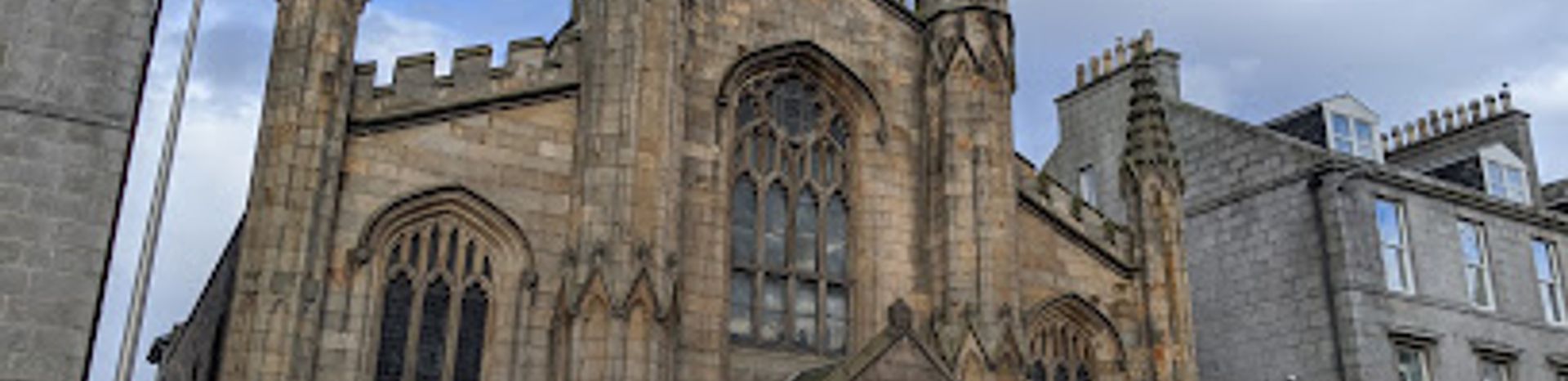
St Andrew's Cathedral, Aberdeen
Gothic grandeur and transatlantic heritage in Aberdeen's episcopal heart
St Andrew's Cathedral stands as the spiritual heart of the Scottish Episcopal Church in Aberdeen, serving as the seat of the Bishop of Aberdeen and Orkney. Originally opened in 1817 as a chapel, this Category A listed building was elevated to cathedral status in 1914. Designed by renowned architect Archibald Simpson in perpendicular Gothic style, the cathedral blends local granite with sandstone facades and features stunning interior embellishments including a gold-painted baldachino and ornate vaulted ceiling decorated with the arms of US states.
A brief summary to St. Andrew Cathedral Church, Aberdeen
- 28 King St, Aberdeen, AB24 5AX, GB
- +441224640119
- Visit website
- Duration: 0.75 to 2 hours
- Free
-
 Indoor
- Mobile reception: 5 out of 5
Local tips
- Visit during a service to experience the cathedral's liturgical atmosphere and appreciate the interior decoration in its intended context. Sunday services offer the most complete experience of the cathedral's role as an active place of worship.
- Take time to examine Ninian Comper's decorative scheme, particularly the vaulted ceiling with its unique panels depicting US state arms—a remarkable artistic feature rarely found in British cathedrals.
- Walk to nearby Marischal College to view the polished granite tablet marking the approximate site of Bishop Skinner's house, where Samuel Seabury was consecrated as the first American Episcopal bishop.
- Observe the architectural contrast between the granite sides and sandstone facade facing King Street—a practical design choice that has become the cathedral's most recognizable feature.
- Allow time to appreciate the gold-painted baldachino and carved oak screen in the chancel, representing the finest ecclesiastical craftsmanship of the early 20th century.

For the on-the-go comforts that matter to you
- Restrooms
- Seating Areas
- Information Boards
Getting There
-
Public Bus
Multiple bus routes serve King Street in central Aberdeen, including services 1, 2, 3, and 15 operated by Stagecoach. Journey times from Aberdeen city centre are typically 5–15 minutes depending on starting point. Buses run frequently throughout the day, with reduced service on Sundays. Single fares cost approximately £1.80–£2.40. The cathedral is located directly on King Street, making it easily accessible from any bus stop on this main thoroughfare.
-
Walking from Union Street
From Aberdeen's main shopping street (Union Street), the cathedral is a straightforward 8–12 minute walk. Head north toward King Street, which intersects Union Street in the city centre. The route is flat, well-lit, and passes through the heart of Aberdeen's commercial district. This is the most practical option for those already exploring the city centre, as King Street is a major arterial road with clear signage.
-
Taxi or Ride-Share
Taxis are readily available throughout Aberdeen and can reach the cathedral in 5–10 minutes from most city centre locations. Estimated fares from Union Street are approximately £5–£8. The cathedral's address (28 King Street, Aberdeen AB24 5AX) is well-known to local drivers. Ride-share services operate in Aberdeen and offer similar journey times and pricing.
-
Parking
Limited on-street parking is available on King Street, though spaces are competitive during business hours. Several car parks operate within 2–5 minutes' walk, including the Bon Accord Centre car park and King Street car park. Parking costs typically range from £1.50–£3.00 per hour, with daily rates around £5–£8. Sunday parking is often cheaper or free in some facilities.
St. Andrew Cathedral Church, Aberdeen location weather suitability
-
 Any Weather
Discover more about St. Andrew Cathedral Church, Aberdeen
A Cathedral Born from Religious Resilience
St Andrew's Cathedral traces its origins to a turbulent period in Scottish religious history. Following the 1688 deposition of James VII, restrictive laws forced Scottish Episcopalians to surrender their church buildings and prohibited the construction of new Episcopal churches. The congregation's earliest documented records date to 1716 when Andrew Jaffrey became minister, though their meeting places remained unknown until 1776, when Bishop John Skinner converted an upper room in his Long Acre house into a chapel. After the repeal of restrictive religious laws in 1792, Saint Andrew's Chapel was built adjacent to Skinner's house, serving the congregation for 25 years before the present cathedral was constructed.Architectural Vision and Masterful Design
The present building opened in 1817, designed by Archibald Simpson, one of Aberdeen's most prolific architects. Simpson envisioned a perpendicular Gothic structure that would reflect the city's architectural character. The cathedral's distinctive appearance results from a pragmatic design choice: three sides were constructed from local granite, the stone for which Aberdeen is famous, while the King Street facade was built from sandstone for economic reasons—a decision Simpson opposed but which has become a defining feature. The cathedral comprises a nave with flanking aisles, creating a spacious interior. Subsequent architects enhanced the building: George Edmund Street added the chancel in 1880, and Robert Lorimer contributed the porch in 1911, each addition respecting Simpson's original Gothic vision.Transatlantic Significance and Historic Commemoration
The cathedral holds profound historical importance linked to Samuel Seabury, the first bishop of the Episcopal Church in the United States of America. Seabury was consecrated in Aberdeen in 1784 in an upper room of Bishop Skinner's house, approximately 500 metres from the present cathedral. This momentous event, which established the American Episcopal Church's apostolic succession, is commemorated by a polished granite tablet on the wall of Marischal College. The cathedral's elevation to cathedral status in 1914 reflected its growing significance within the Scottish Episcopal Church and the wider Anglican Communion.The Comper Transformation and Kennedy Connection
During the 1930s, the cathedral underwent substantial renovation to commemorate the 150th anniversary of Seabury's consecration. Architect Ninian Comper orchestrated an ambitious embellishment programme that transformed the interior into a masterpiece of ecclesiastical decoration. Comper's work includes a magnificent vaulted ceiling adorned with decorative panels depicting the arms of the then 48 United States and prominent local families—a unique artistic tribute to the cathedral's transatlantic heritage. The chancel features a large gold-painted baldachino and intricately carved oak screen, creating a focal point of liturgical beauty. In 1938, US Ambassador Joseph Kennedy, accompanied by his 21-year-old son John F. Kennedy, opened an extension to the building, cementing the cathedral's role in commemorating the historic connection between Aberdeen and American Episcopalianism.Living Tradition and Contemporary Practice
Originally Anglo-Catholic in its liturgical approach, the cathedral underwent significant liturgical reforms during the 1980s under Provost Donald Howard, making worship more inclusive and accessible to contemporary congregations. These changes reflected broader shifts within the Scottish Episcopal Church while maintaining the cathedral's architectural and spiritual heritage. Today, St Andrew's Cathedral continues to serve as the principal place of worship for the Diocese of Aberdeen and Orkney, drawing visitors and worshippers who appreciate both its architectural significance and its role in Scottish religious life. The cathedral remains a working place of worship, with regular services reflecting the cathedral's commitment to serving both its congregation and the wider community.Iconic landmarks you can’t miss

Gordon Highlanders Statue
0.1 km
A striking bronze tribute in Aberdeen honoring the valor and legacy of the historic Gordon Highlanders regiment.
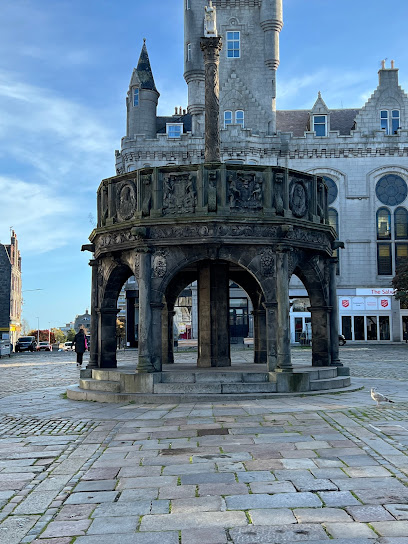
Greyfriars Church
0.2 km
Five centuries of faith and architecture in the heart of historic Aberdeen
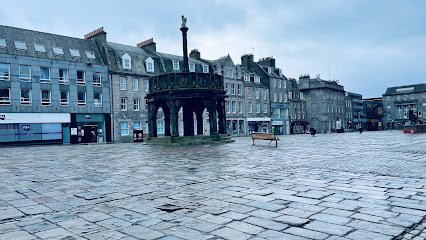
Castlegate
0.2 km
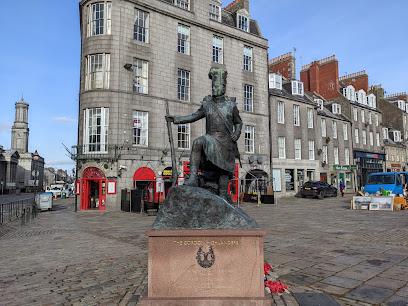
Medieval square where castle gates once stood, now home to Aberdeen's oldest building and iconic Mannie fountain.
Marischal College
0.2 km
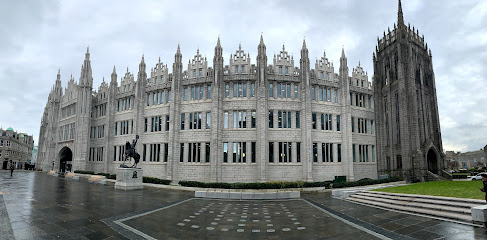
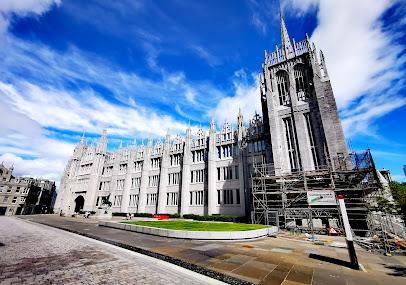
Scotland's second-largest granite building and an architectural masterpiece blending Victorian Gothic grandeur with civic purpose.
The Kirk of St. Nicholas Colonnade
0.5 km
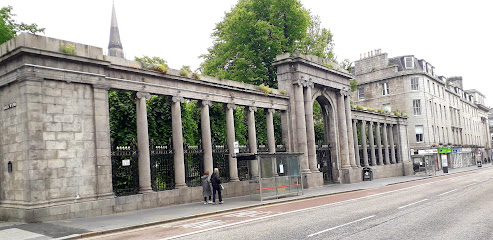
An elegant neoclassical gateway marking the historic Kirk of St. Nicholas kirkyard in the heart of Aberdeen’s city centre.
Aedie's House site
0.5 km
Step into Aberdeen’s past at the site of Aedie’s House, a 16th‑century townhouse whose memory lives on in stone, street names, and local history.
Edward VII Statue
0.6 km
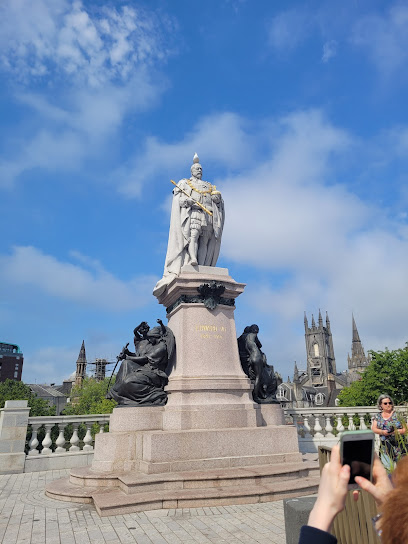
Aberdeen’s grand Edward VII Statue stands in full ceremonial robes, a striking granite and bronze tribute to the British monarch at the heart of the city.
Duke Of Gordon Monument
0.8 km
A monumental granite statue in Aberdeen honoring the 5th Duke of Gordon’s military and civic legacy in a historic city square.
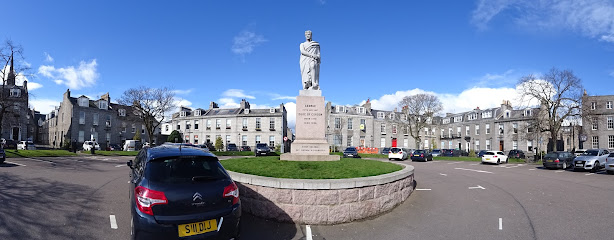
St Mary of the Assumption Cathedral, Aberdeen
0.9 km
Aberdeen’s Roman Catholic cathedral, a Gothic Revival gem with daily worship, Polish and Spanish Masses, and a peaceful Lady Chapel.
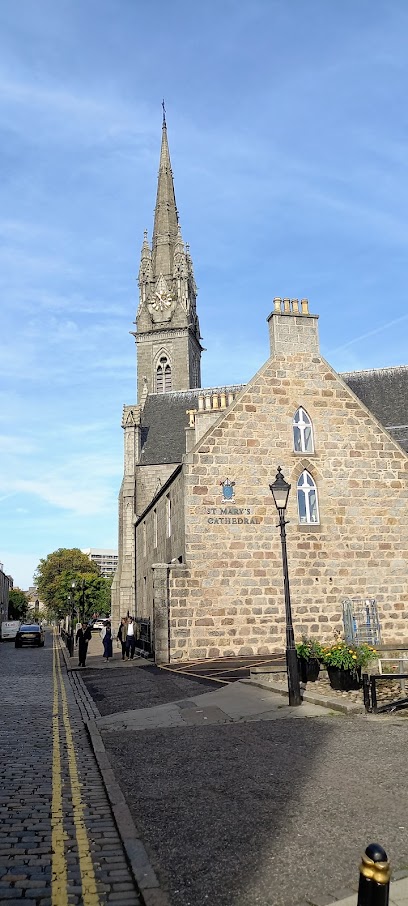
Gallows Hill
0.9 km
Gallows Hill in Aberdeen stands as a haunting reminder of centuries-old public executions and grim justice.
Rosemount Palace
1.3 km
A unique, budget-friendly B&B in a converted church offering practical comfort and central access in Aberdeen.

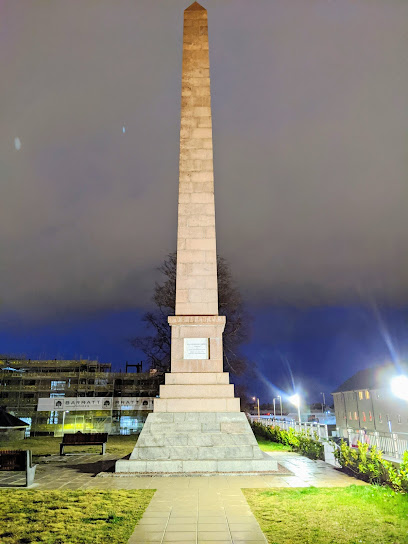
Forbes of Newe Obelisk
1.6 km
A noble stone memorial honouring a philanthropist's gift to Scottish mental health care
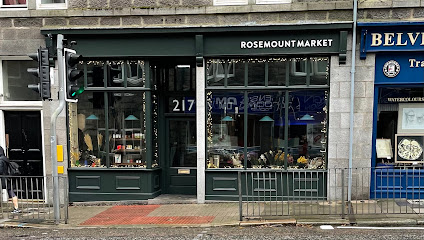
Rosemount Market
1.6 km
Discover Aberdeen’s Rosemount Market, a vibrant hub for sustainable shopping, local produce, and artisan crafts in a welcoming community setting.
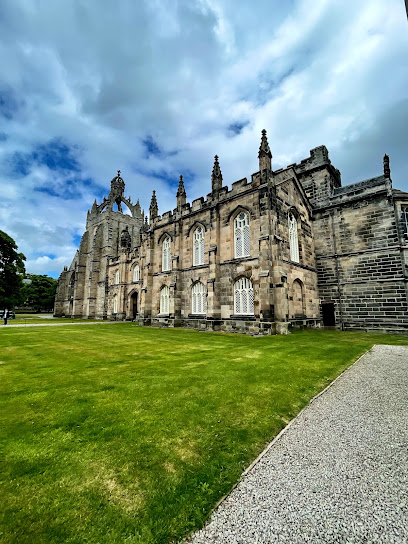
The Powis Gates
1.7 km
Twin towers of Turkish-inspired design, built with slavery compensation in 1834.
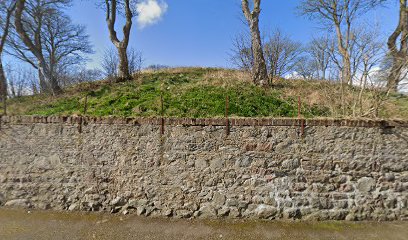
Balnagask Motte
1.9 km
Medieval earthen mound marking an early wooden castle, shrouded in mystery and local legend.
Unmissable attractions to see

Aberdeen Ghost Walks
0.1 km
Uncover Aberdeen's gruesome past through guided ghost walks revealing tales of witches, murderers, and dark secrets.
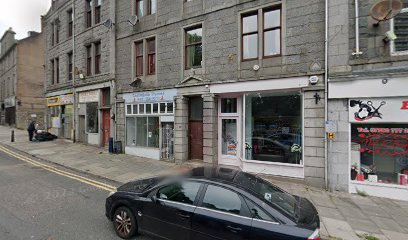
The Tolbooth Museum
0.1 km
Explore Aberdeen’s 17th-century former jail, the Tolbooth Museum, where history, crime, and legend converge in atmospheric granite walls.
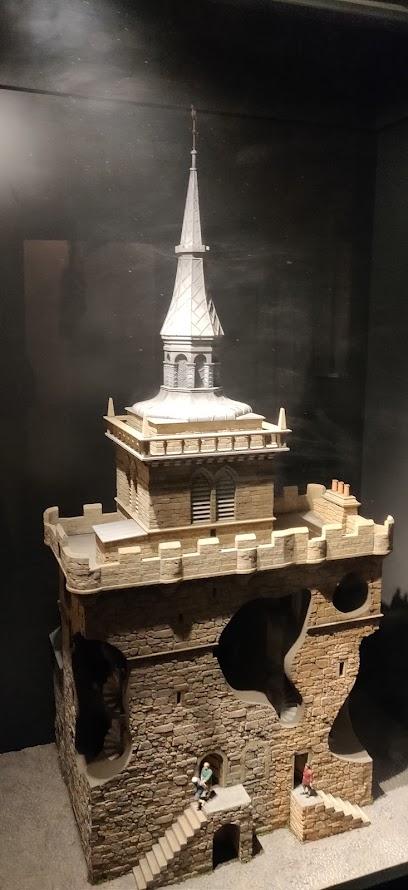
VisitScotland Aberdeen iCentre
0.2 km
Your essential starting point for exploring Aberdeen’s rich heritage, vibrant culture, and stunning surroundings.
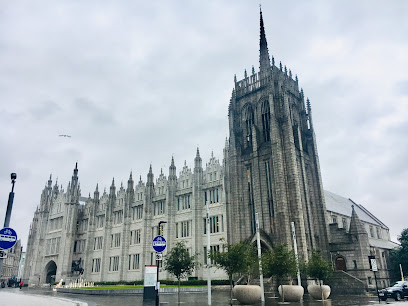
Robert the Bruce Statue
0.2 km
A majestic bronze tribute to King Robert the Bruce, symbolizing Aberdeen’s historic roots and Scottish heritage.
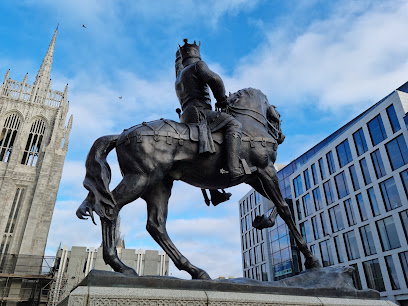
Provost Skene's House
0.3 km
Explore Aberdeen’s oldest townhouse, a historic museum celebrating local heroes, with stunning Renaissance art and centuries of captivating history.
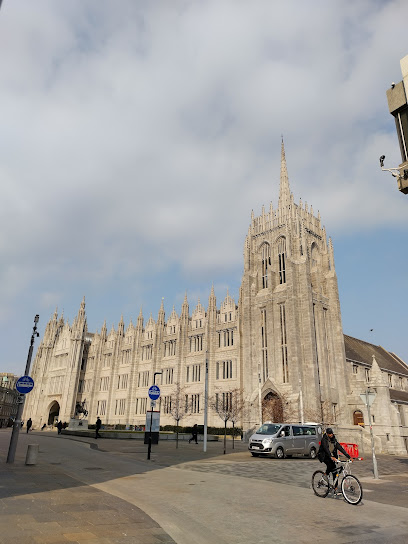
Provost Ross's House
0.3 km
Discover Aberdeen’s second oldest house, a 16th-century maritime treasure now at the heart of the Aberdeen Maritime Museum.
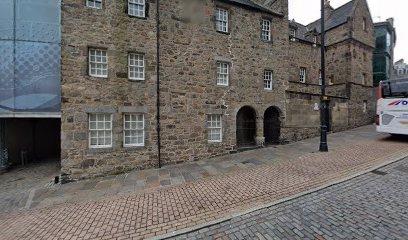
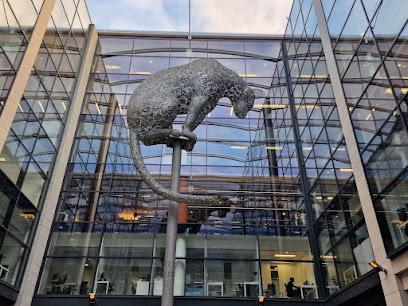
Marischal Square
0.3 km
A vibrant city centre complex blending modern architecture, dining, and festive markets in the heart of Aberdeen.
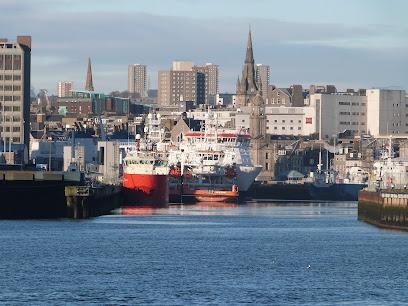
Port of Aberdeen
0.3 km
Scotland's largest cruise port and gateway to the Granite City, Highlands, and northeast coast.
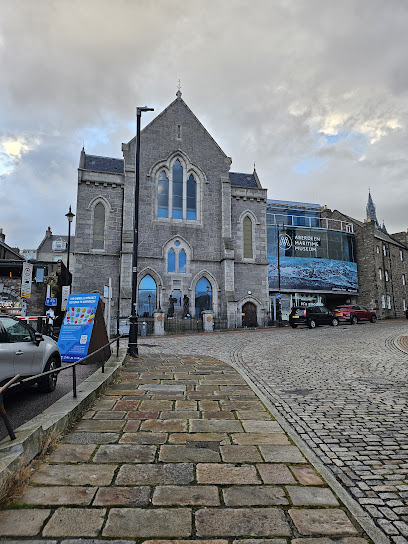
Aberdeen Maritime Museum
0.3 km
Discover Aberdeen’s rich maritime heritage through historic ships, offshore oil industry exhibits, and stunning harbour views at this free, award-winning museum.
The Tunnels
0.3 km
Experience the vibrant nightlife of Aberdeen at The Tunnels, an underground nightclub known for electrifying live music and a unique atmosphere.
St Nicholas Bandstand
0.4 km
An elegant historic bandstand in Aberdeen’s city center, blending architectural charm with vibrant community spirit and cultural events.
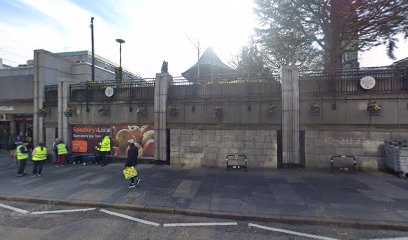
Bon Accord Aberdeen
0.4 km
Discover diverse shopping and vibrant city life at Bon Accord Aberdeen, the heart of retail on George Street.
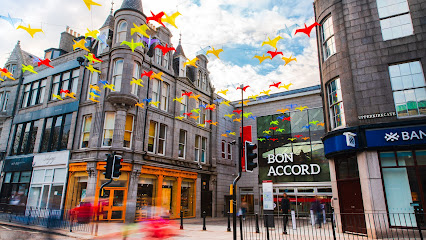
Aberdeen Ferry Terminal
0.4 km
Scotland's maritime gateway to Orkney and Shetland, offering overnight ferry journeys with modern comfort and island hospitality.
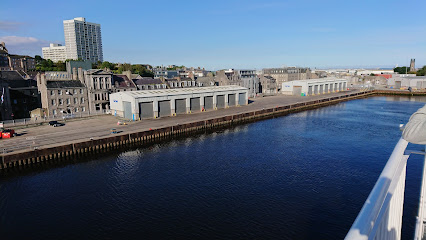
St. Nicholas Cemetery
0.4 km
Discover Aberdeen’s ancient spiritual heart where history, maritime heritage, and sacred grounds converge on Union Street.
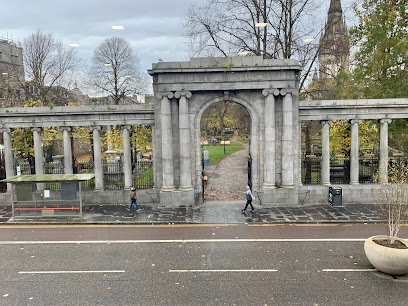
The Grn
0.5 km
Historic granite square in Aberdeen blending medieval heritage with vibrant cafes and artistic charm.
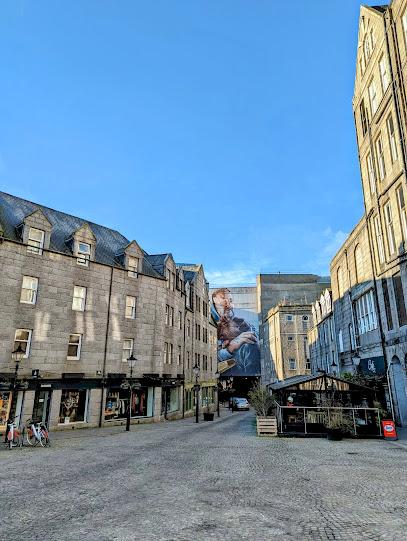
Essential places to dine

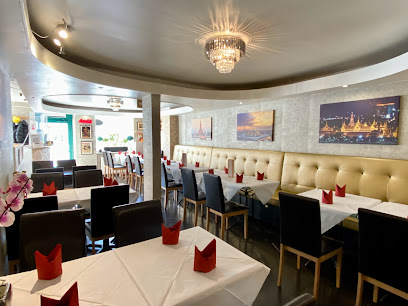
Siam Cottage
0.1 km
Discover authentic Thai and Chinese flavors in a cozy, welcoming setting at Siam Cottage, Aberdeen’s beloved casual dining spot.
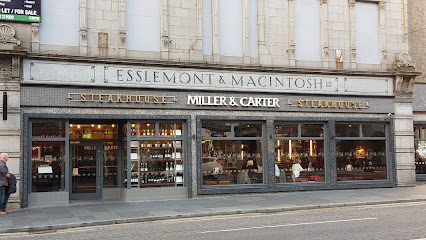
Miller & Carter Aberdeen
0.2 km
Savor expertly cooked steaks in a stylish, welcoming setting at Miller & Carter Aberdeen, perfect for special occasions and casual dining alike.
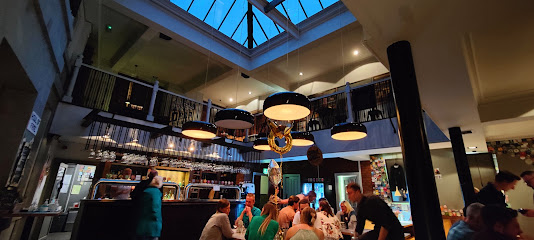
Six°North / Smoke & Soul
0.2 km
Slow-smoked BBQ soul food ignites Aberdeen's craft beer scene at Six°North, blending hearty meats, loaded comforts, and artisanal brews in a minimalist city hideaway.
Maggie's Grill
0.2 km
Savor authentic Southern BBQ and Cajun soul food with generous portions in the heart of Aberdeen’s Marischal Square.
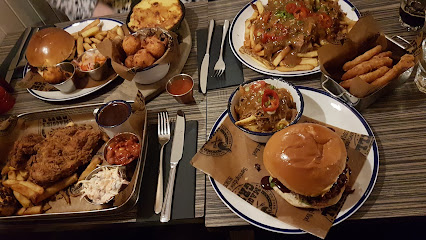
The Esslemont Bar & Restaurant
0.2 km
Stylish Scottish dining with innovative tapas and hearty mains in the heart of Aberdeen’s vibrant Union Street.
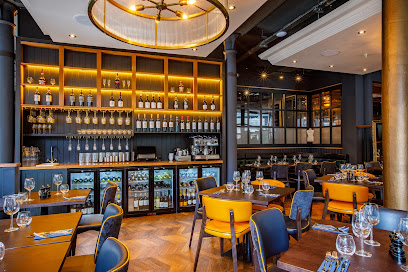
The City Bar and Diner
0.3 km
Contemporary dining and drinks in Aberdeen's city centre with exceptional vegetarian options and genuine hospitality.
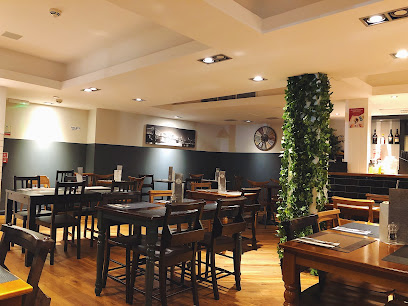
Taste of Hong Kong
0.3 km
A cozy, family-run Chinese gem in Aberdeen serving authentic Hong Kong street food with generous portions and warm, welcoming service.
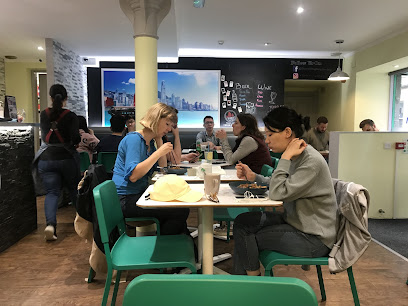
Goulash
0.3 km
Discover authentic Hungarian cuisine in Aberdeen’s cozy, family-run Goulash restaurant, famed for its hearty dishes and warm atmosphere.
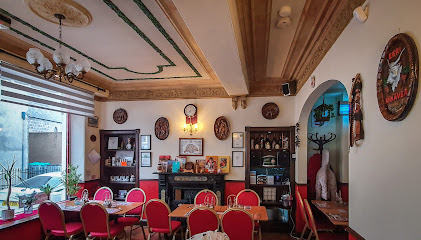
Moonfish Cafe
0.4 km
A cozy Aberdeen bistro serving innovative seafood and modern British dishes in a historic medieval quarter setting.
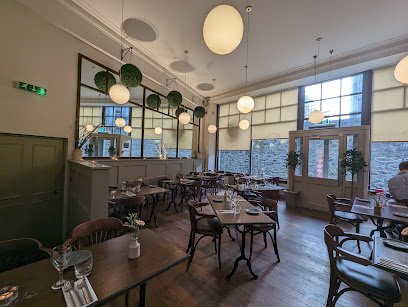
Cafe 52
0.5 km
Cozy and creative Scottish dining on Aberdeen’s historic Green, blending home-style comfort with inventive flavors and warm hospitality.
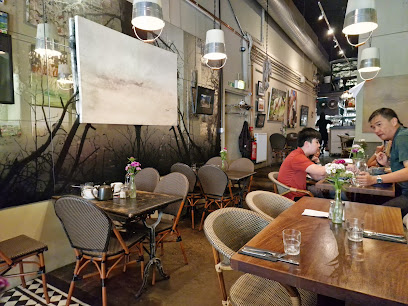
Bistro Verde
0.5 km
An intimate Aberdeen bistro delivering fresh, beautifully presented seafood with attentive service in a cozy, elegant setting.
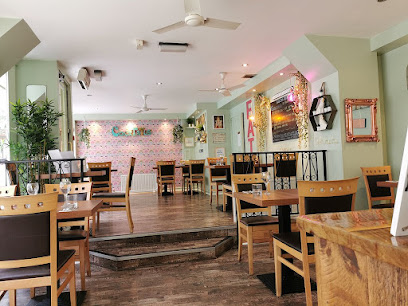
Ninety-Nine
0.5 km
Experience expertly crafted cocktails and vibrant modern bar food in the heart of Aberdeen’s lively social scene at Ninety-Nine.
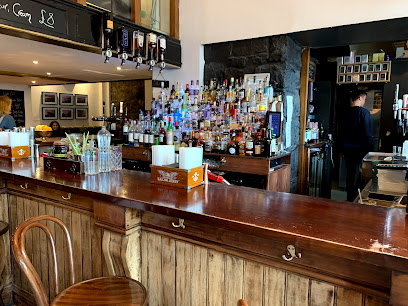
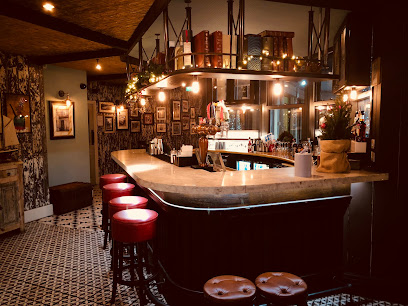
Revolución de Cuba Aberdeen
0.5 km
Discover the essence of Cuba at Revolución de Cuba Aberdeen – where vibrant cuisine meets lively entertainment.
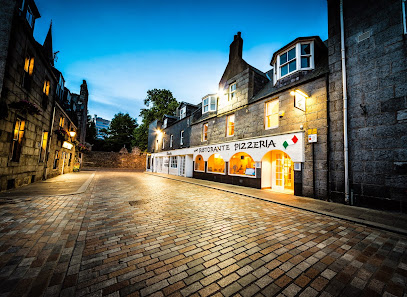
Poldino's Restaurant & Pizzeria
0.5 km
Authentic Italian flavors and cozy family-run charm in the heart of Aberdeen’s city center.
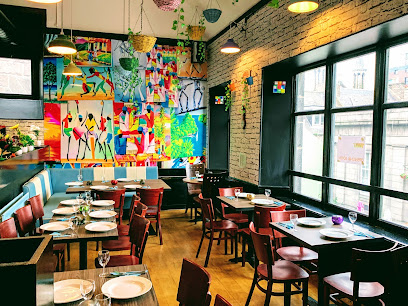
Tango Turtle- Caribbean Inspired Restaurant
0.5 km
Experience vibrant Caribbean flavors and lively culture in the heart of Aberdeen at Tango Turtle, where generous portions meet colorful ambiance.
Markets, malls and hidden boutiques

Castle Gate
0.1 km
Explore Castle Gate in Aberdeen, a collectibles shop filled with vintage treasures and unique finds that tell a story of the past.
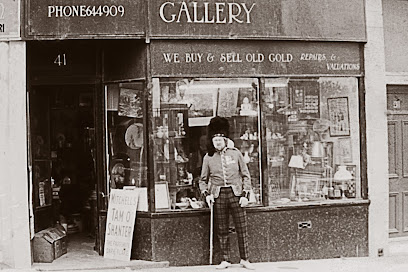
Gallery Antiques & Jewellery Workshop
0.1 km
Discover timeless elegance and expert craftsmanship at Aberdeen’s Gallery Antiques & Jewellery Workshop, a haven for antique jewellery lovers.
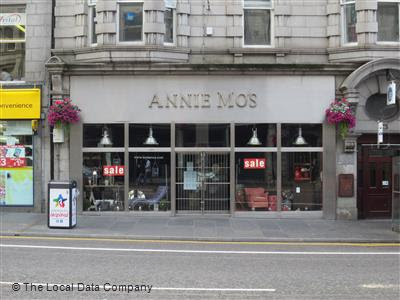
Annie Mo's
0.3 km
Discover authentic rustic furniture and unique home accessories at Annie Mo's, Aberdeen's independent shop with over 30 years of heritage.
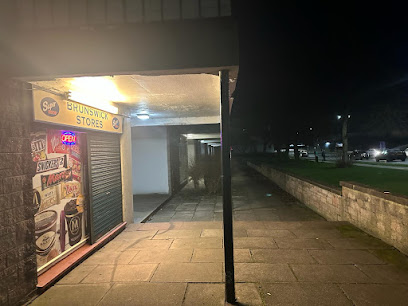
Brunswick Stores
0.3 km
Discover convenience and local flavors at Brunswick Stores, your essential stop in Aberdeen for snacks, drinks, and delightful Scottish treats.
Beyond Vintage
0.3 km
Discover timeless vintage fashion treasures and classic Levi's in the heart of Aberdeen’s vibrant shopping scene.

EDIT
0.4 km
Discover handcrafted gems from Aberdeen's Deemouth Artist Studios at this city-center gift shop—unique jewelry, textiles, and art by 50 local makers.

The Vintage Market
0.4 km
Discover timeless style and sustainable fashion treasures at Aberdeen’s cosy Vintage Market on Market Street.
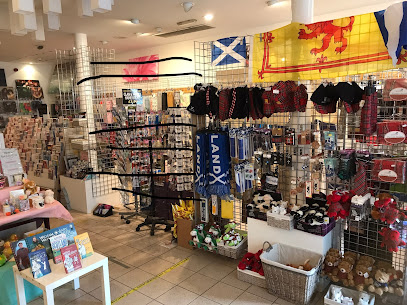
Aberdeen Gift and Tourist Shop
0.4 km
Discover authentic Scottish souvenirs and local crafts on Aberdeen's iconic Union Street, where handmade treasures meet Granite City charm.
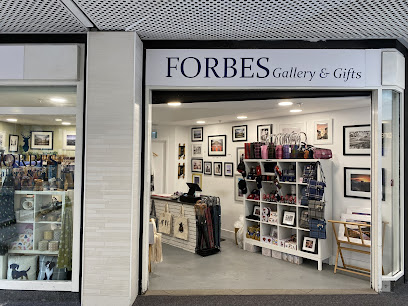
Forbes Gallery & Gifts
0.4 km
Independent gift gallery showcasing Scottish photography and artisan souvenirs in Aberdeen's heart.
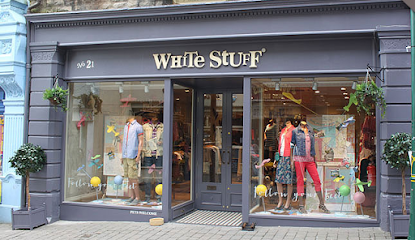
White Stuff Aberdeen
0.5 km
Discover British charm and sustainable style at White Stuff Aberdeen, your boutique for distinctive casual fashion and accessories.
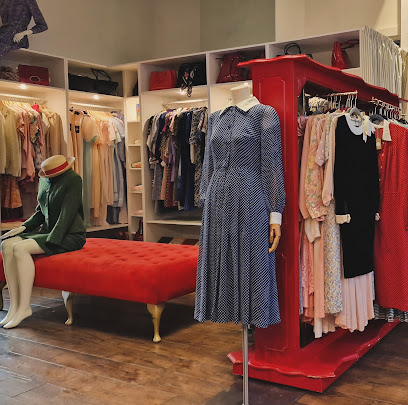
Oliver Bonas
0.5 km
Discover Oliver Bonas Aberdeen, a stylish boutique blending British design with unique fashion, homeware, and gifts in a historic city setting.
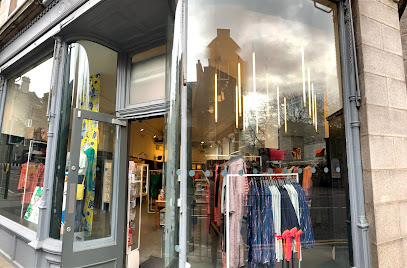
Itskitsch Ltd
0.5 km
Aberdeen's cozy Fair Trade café and second-hand book haven on Belmont Street—savor pancakes, soups, and literary treasures in one independent gem.
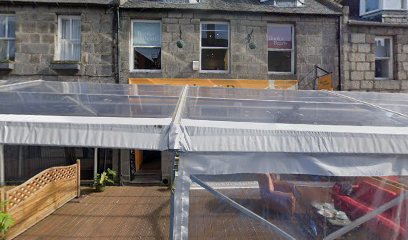
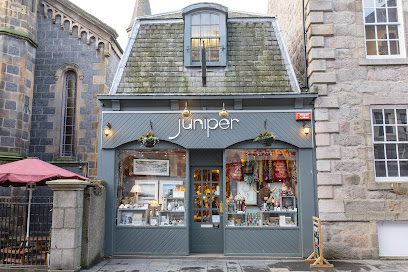
Juniper
0.6 km
Discover unique gifts, stylish home furniture, and beautiful jewellery in a charming shop with a welcoming ambience in the heart of Aberdeen.
Hobbycraft Aberdeen
0.6 km
Discover a creative sanctuary in the heart of Aberdeen’s Union Square, offering expert-led workshops and a vast range of craft supplies.

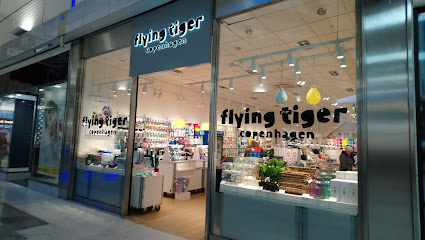
Flying Tiger Copenhagen
0.6 km
Discover quirky Danish design and playful everyday essentials at Flying Tiger Copenhagen in Aberdeen’s Trinity Centre.
Essential bars & hidden hideouts

The Castle Bar
0.1 km
A friendly, affordable bar in the heart of Aberdeen with extended hours catering to early birds and night owls alike.
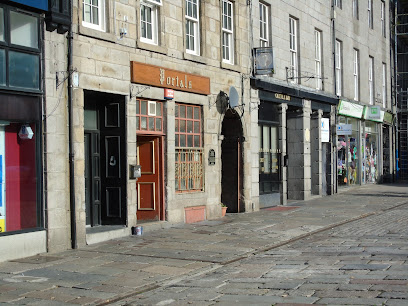
The Kings Bar
0.2 km
A warm, traditional pub on Aberdeen’s King Street, offering friendly service, lively atmosphere, and affordable drinks in the city center.
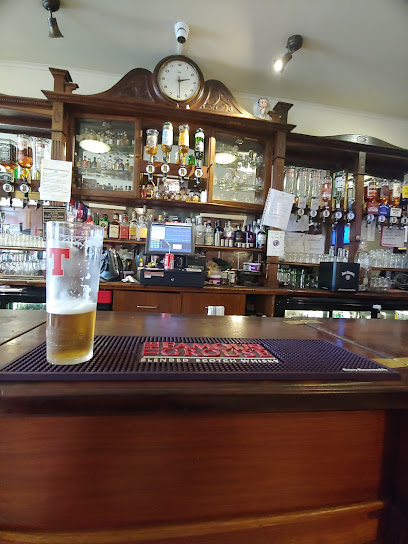
BrewDog Aberdeen Castlegate
0.2 km
Craft beer haven on Aberdeen's Union Street with 28 taps, juicy burgers, dog-friendly vibes, and upstairs Kennels for the ultimate stay.
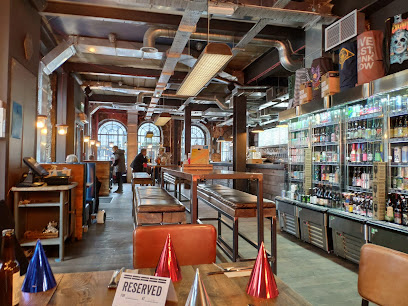
Fierce Bar Aberdeen
0.2 km
City-centre taproom from Fierce Beer offering rotating house brews, guest taps, cocktails and whisky in a relaxed, dog-friendly space.
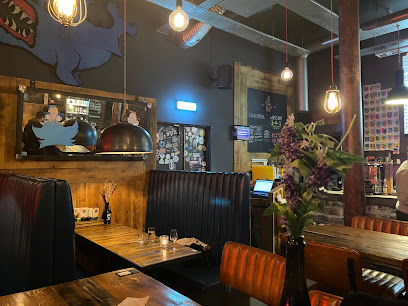
All Bar One Aberdeen
0.3 km
Stylish wine bar in Marischal Square serving global wines, craft cocktails, and shareable plates amid Aberdeen's urban buzz.
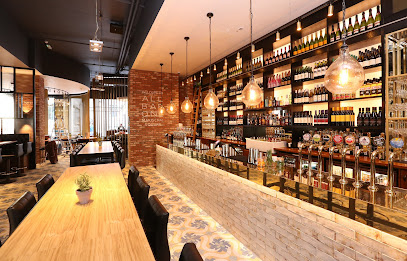
BrewDog Aberdeen Gallowgate
0.3 km
Discover Aberdeen’s craft beer pioneer with 29 taps, artisanal pizzas, and a lively atmosphere at BrewDog Gallowgate.
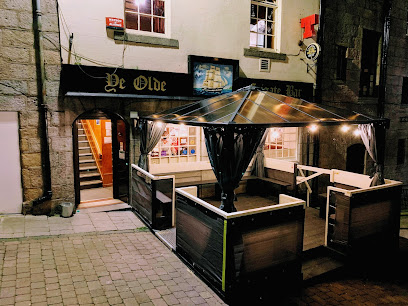
Ye Olde Frigate Bar
0.3 km
Aberdeen's oldest pourhouse: 28 beers, generous drams, burgers, wings, sports, and jukebox vibes in a maritime nook.
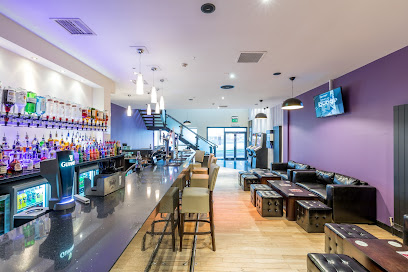
ENVY Aberdeen
0.3 km
A compact Market Street bar blending daytime coffee culture with casual evening drinks and small-plate dining in central Aberdeen.
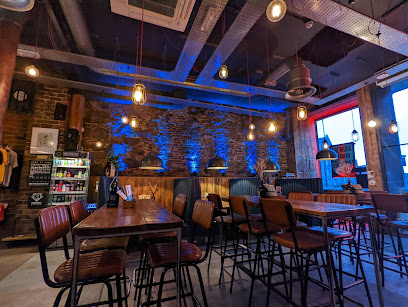
Krakatoa
0.4 km
A vibrant tiki-themed dive bar in Aberdeen offering eclectic drinks, live music, and a quirky, welcoming atmosphere from afternoon till late night.
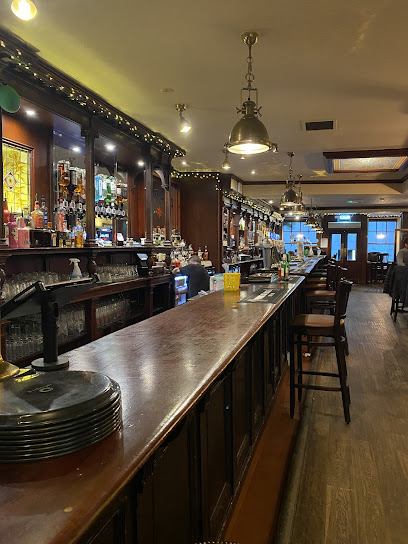
Prince Of Wales
0.4 km
Historic Aberdeen pub with the city's longest bar, real ales, home-cooked food, and lively music sessions in a warm, traditional setting.
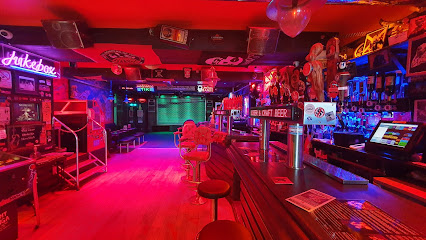
The GasLamp Bar
0.4 km
Lively grill and sports bar in Aberdeen’s city centre, known for friendly service and a vibrant social atmosphere.
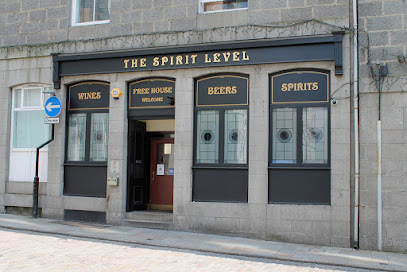
Spirit Level
0.5 km
A vibrant and welcoming pub in Aberdeen’s city center, known for great beer, lively music, and a friendly atmosphere.
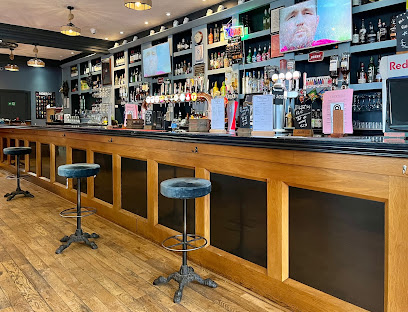
Ma Cameron's
0.5 km
Aberdeen’s oldest pub offering historic charm, cosy snugs, and a hidden rooftop garden sanctuary in the city center.
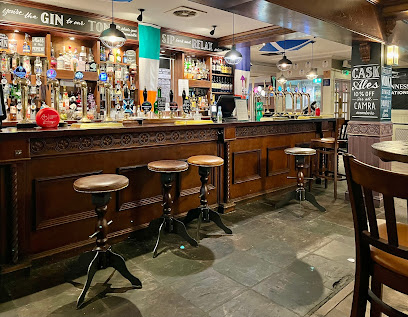
Revolution Aberdeen
0.6 km
Vibrant Belmont Street cocktail bar with epic garden views, killer drinks, comfort food, and non-stop party vibes until late.
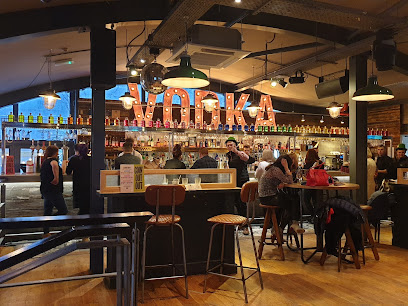
The Triplekirks
0.6 km
Aberdeen’s lively pub and sports bar offering boozy brunches, live games, pub quizzes, and a welcoming atmosphere for all.
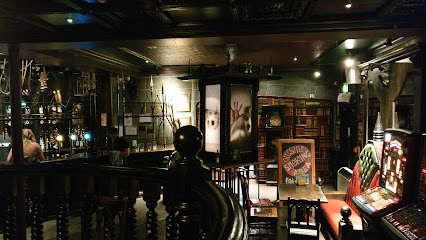
Nightclubs & after hour spots

CHEERZ
0.4 km
Aberdeen's iconic LGBT bar and nightclub: dance, drink, and connect in a welcoming Exchange Street haven open late into the night.
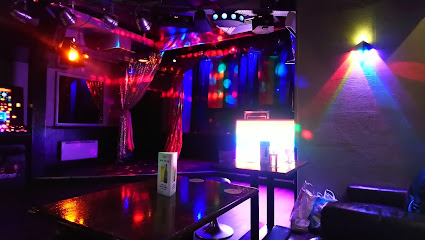
Exodus
0.6 km
Experience Aberdeen’s vibrant nightlife and boozy brunches in a unique historic church setting at Exodus, The Triplekirks.
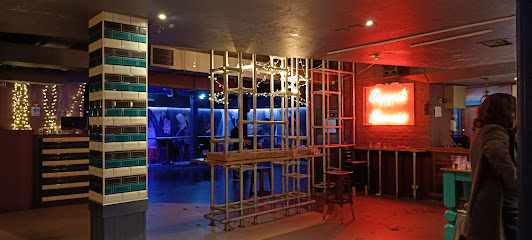
The Underground Klub
0.7 km
A compact, bass-forward late-night club in central Aberdeen with booth seating, layered sound and an intimate underground vibe.
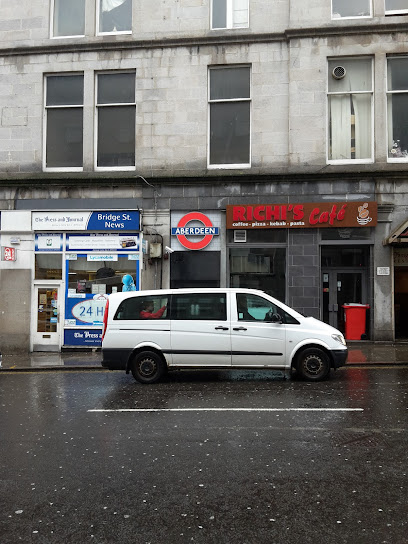
Private Eyes
0.7 km
Experience Aberdeen’s vibrant nightlife at Private Eyes, a stylish nightclub offering lively music, adult entertainment, and a welcoming city-center atmosphere.
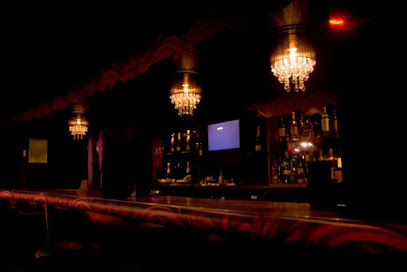
The Mask Club
0.7 km
Aberdeen’s vibrant adult entertainment hotspot with professional dancers, lively music, and a dynamic late-night atmosphere.
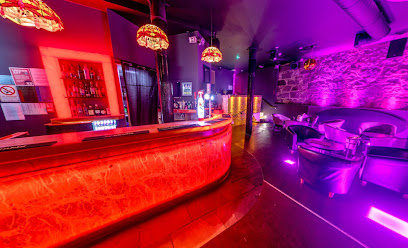
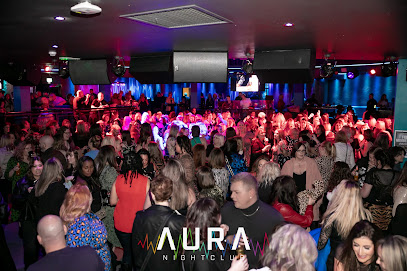
AURA Nightclub Aberdeen
0.7 km
Experience Aberdeen’s vibrant nightlife and nostalgic disco vibes at Aura Nightclub, the city’s premier venue for dynamic music and festive parties.
Number 7 Club
0.8 km
Aberdeen's intimate adult club on Crown Street: full-nude dances, drinks, and late-night energy from 9pm to 3am weekends.

Club Tropicana & Venga
1.1 km
Compact retro nightclub on Chapel Street with neon kitsch, themed nights and a late‑night dancefloor for nostalgic hits and loud, energetic DJ sets.
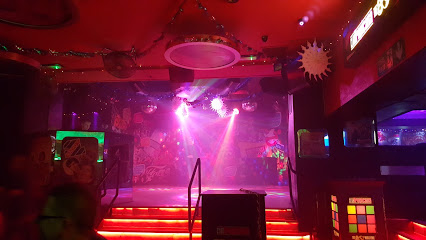
Venga
1.1 km
Dive into Aberdeen's electric nightlife at Venga, where retro beats, themed nights, and cocktails fuel unforgettable dances until dawn on vibrant Chapel Street.
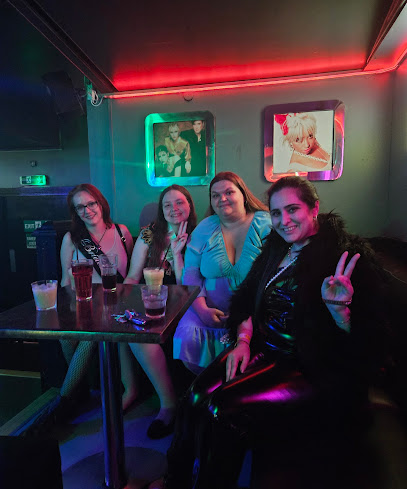
491 Union Street
1.3 km
Dive into Aberdeen's electric nightlife at this top-of-Union-Street hotspot, where killer beats, craft drinks, and epic events light up weekends until dawn.
Babylon
1.4 km
Discover the pulse of Aberdeen's nightlife at Babylon, a premier nightclub and bar offering unforgettable nights filled with music and fun.
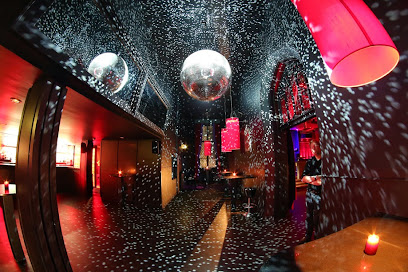
Utopia Nightclub Montrose
54.0 km
Experience Montrose’s vibrant weekend nightlife at Utopia Nightclub, where music, dancing, and community spirit come alive after dark.

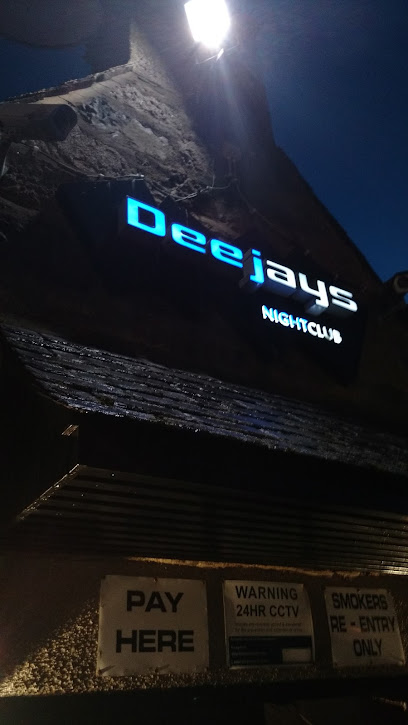
Deejays Nightclub
60.9 km
Fraserburgh’s revitalized nightlife hotspot offering vibrant music, dancing, and late-night fun on Denmark Street.
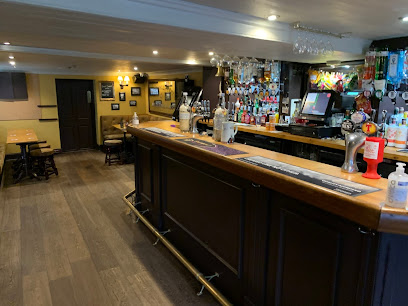
Market Arms
62.9 km
Experience the warmth and vibrancy of Market Arms in Banff, offering local brews, hearty meals, and a friendly atmosphere for every traveler.
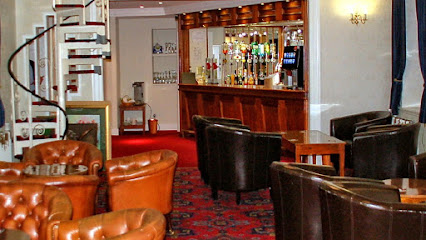
Banff Town & County Club
62.9 km
Discover the heart of Banff at the historic Town & County Club, a social hub that celebrates local culture and community spirit.
For the vibe & atmosphere seeker
- Romantic
- Tranquil
- Scenic
- Unique
- Casual
For the design and aesthetic lover
- Vintage Styles
- Rustic Designs
- Art Deco Styles
For the architecture buff
- Historic
- Landmarks
- Art & Design
- Sacred Sites
- Heritage Neighborhoods
For the view chaser and sunset hunter
- Iconic Views
- Architectural Shots
For the social media creator & influencer
- Instagrammable
- Photo Spots
- Architectural Shots
For the eco-conscious traveler
- Protected Area
- Locally Managed
For the kind of experience you’re after
- Spiritual / Energy Spot
- Myth & Legends
- Cultural Heritage
- Photowalk
For how adventurous you want the journey to be
- Easy Access
Location Audience
- Family Friendly
- Senior Friendly
- Wheelchair Access
- Solo Friendly
- Couple Friendly


