Town Walls - Caenarfon Travel Guide
Free Guide: Explore Caernarfon’s remarkably intact medieval town walls, a historic fortress circuit symbolizing English power and Welsh heritage.


A brief summary of Town Walls - Caenarfon
Explore Caernarfon’s remarkably intact medieval town walls, a historic fortress circuit symbolizing English power and Welsh heritage.
Encircling the historic town of Caernarfon in North Wales, the medieval Town Walls were constructed between 1283 and 1292 under King Edward I’s reign. Stretching 734 meters and featuring eight towers and two gatehouses, these remarkably intact fortifications symbolized English power and protected the town’s settlers. Today, they form part of a UNESCO World Heritage Site, offering visitors a glimpse into medieval military architecture and the colonial history of Wales.
On-site amenities
 Information boards
 Seating areas
 Restrooms
 Trash bins
- Address
- Caernarfon LL55 1RG
- Website
Getting there
Train
Bus
Car
Walking
Discover more about Town Walls - Caenarfon
Origins of a Fortress Town
The Caernarfon Town Walls were built between 1283 and 1292 following Edward I’s conquest of North Wales. Designed alongside the imposing Caernarfon Castle, the walls formed a defensive circuit around the new English settlement, intended both to protect and to assert royal authority. The construction mobilized large numbers of laborers from England, costing around £3,500—a significant sum at the time. The walls enclosed approximately 4.18 hectares, following a hexagonal plan adapted to the pre-existing Norman castle site, which uniquely remained outside the walls as a marketplace.
Architectural Features and Defensive Design
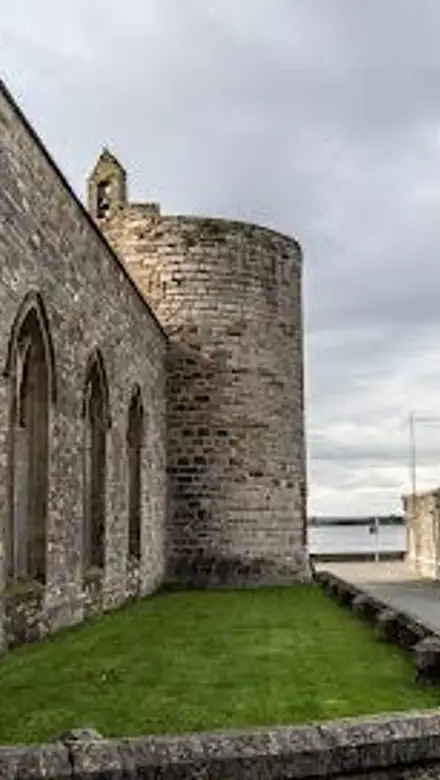
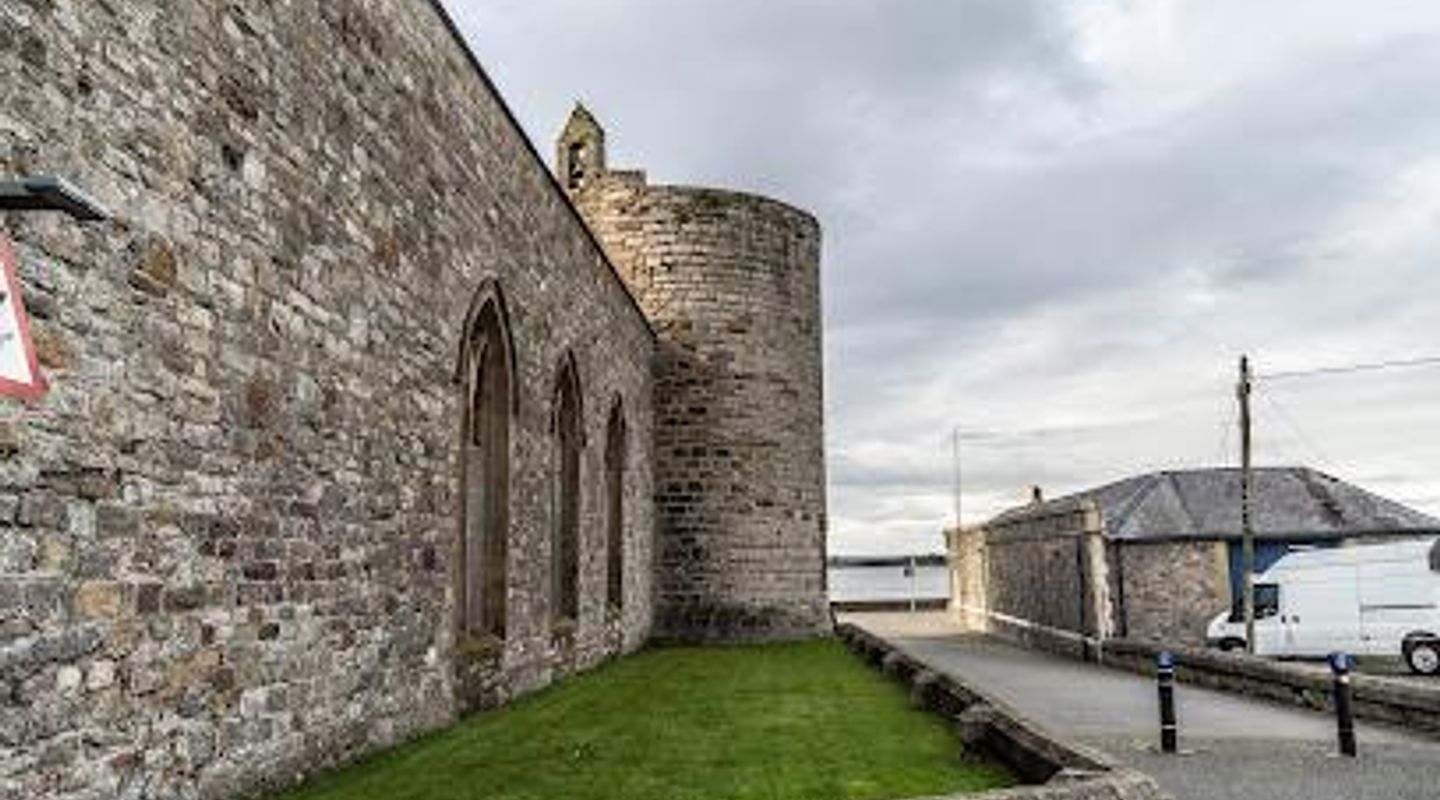
The walls extend 734 meters, punctuated by eight towers and two medieval gatehouses—the East Gate and the West (Water) Gate. Built mainly from carboniferous limestone, the towers are predominantly "gap-backed," lacking inner walls to allow for removable wooden bridges that could isolate sections during attack. The north-west corner houses the 14th-century Saint Mary’s Chapel, integrated into the defenses with a fully circular tower serving as a vestry. Over centuries, some towers have been repurposed, including one converted into a holiday home and others serving civic or club functions.
Historical Significance and Military Role
The walls were a vital part of Edward I’s strategy to secure English control over North Wales and to encourage English settlers from Cheshire and Lancashire to inhabit the town safely. The fortifications proved their worth during the 1294 rebellion led by Madog ap Llywelyn, when the walls sustained damage but held firm after costly repairs. Later, during Owain Glyndŵr’s uprising in the early 15th century, the walls again defended the town successfully against Welsh attacks. The Tudor dynasty’s rise in the 16th century eased hostilities, reducing the walls’ military importance and allowing Welsh residents to live within the town.
Preservation and Modern Legacy
Today, Caernarfon’s Town Walls are among the best-preserved medieval town defenses in Britain. They form part of the UNESCO World Heritage Site known as the Castles and Town Walls of King Edward in Gwynedd, recognized for their architectural coherence and historical authenticity. Conservation efforts have focused on maintaining the walls with minimal intervention, preserving their original form, materials, and features. Visitors can admire the walls’ commanding presence, which continues to shape Caernarfon’s historic townscape.
Visitor Experience and Surroundings
The walls offer a scenic walking route around Caernarfon’s old town, providing panoramic views of the castle, Menai Strait, and the surrounding countryside. The terrain is generally level and accessible, with some sections offering shaded streets that evoke the medieval atmosphere. Nearby, the town bustles with Welsh cultural pride, visible in local art, crafts, and language, enriching the heritage experience. The walls stand not only as a military relic but as a symbol of Caernarfon’s identity and resilience through centuries of change.
Symbolism and Cultural Impact
Beyond their defensive role, the walls were a powerful symbol of English colonial ambition and governance in medieval Wales. Their imposing presence was designed to impress and intimidate, reinforcing Caernarfon’s status as the capital of the principality of North Wales. The walls’ survival through rebellions and political shifts reflects the complex history of Welsh-English relations and the evolving identity of the town. Today, they invite reflection on the layers of history embedded in Caernarfon’s streets and stones.
Evendo Review Centre
 Google
Guest reviews
Best time to go
Quietest: Jan, Feb & Dec · before 6am or at 10pm
Busy times are Evendo estimates for a typical year, to help you plan. Actual crowds vary with events, school holidays and the weather.
Explore Town Walls - Caenarfon on the map
A handpicked selection of must-see spots near Town Walls - Caenarfon, mapped for you.
Get your free copy of our complete guide to Town Walls - Caenarfon, delivered straight to you.
Everything on this page, from opening hours and how to get there to Eve’s tips and the best time to go, in one PDF you can read offline, print or share.
Already have an account? Sign in
Your Town Walls - Caenarfon guide is ready.
We'll send it to · Not you? Sign out

Getting your guide ready…
We are putting together a fresh copy of the Town Walls - Caenarfon guide. This can take up to a minute.
This can take a few moments. If your browser asks, choose Allow so the download can start. You'll find the guide in your Downloads folder.
Nothing happened? Download it again
Sorry, the guide is taking longer than usual. Please try again in a minute, or get it by email instead.
Unlock the best of Town Walls - Caenarfon
Skip-the-line tickets, guided tours with entry, and walking tours of the area, booked in a few clicks.


Other nearby places you may find interesting
The closest places of the same kind, if this one is not quite what you had in mind.
-
-
-
-
-


Swipe for more places
More to explore near Town Walls - Caenarfon

 Best experiences near Town Walls - Caenarfon
 Best hotels near Town Walls - Caenarfon
 Best landmarks near Town Walls - Caenarfon
 Best attractions near Town Walls - Caenarfon
 Best shops near Town Walls - Caenarfon
 Best restaurants near Town Walls - Caenarfon
 Best bars near Town Walls - Caenarfon
Do you manage this location?
Take control to get all the benefits, like improved information, better appearance, and stronger visibility across AI-powered discovery.
Explore more

Explore more of Anglesey
Discover the enchanting isle of Anglesey in Wales, where stunning landscapes, ancient history, and vibrant culture await every traveler.
Explore Anglesey
Explore more of United Kingdom
Discover the United Kingdom: A blend of rich history, stunning landscapes, and vibrant cities, offering a unique travel experience for every visitor.
Explore United Kingdom