Historic Kilmun, Argyllshire Travel Guide
Discover Kilmun’s sacred heritage, clan mausoleum, and stunning stained glass on the tranquil shores of Holy Loch.
Historic Kilmun, located on the north shore of the Holy Loch near Dunoon, is a site of profound religious and clan significance dating back to the 7th century. It features the 19th-century Kilmun Parish Church with remarkable stained glass windows and one of Britain’s few working hydraulic water organs, alongside the Argyll Mausoleum, the burial place of the powerful Campbell clan chiefs. The tranquil setting and rich history make it a unique cultural landmark in Argyll and Bute.
A brief summary to Historic Kilmun
- Dunoon, Kilmun, PA23 8SE, GB
- Click to display
- Click to display
- Duration: 1 to 3 hours
- Mid ranged
-
 Outdoor
- Mobile reception: 4 out of 5
- Thursday 11 am-4 pm
- Friday 11 am-4 pm
- Saturday 11 am-4 pm
- Sunday 11 am-4 pm

Know before you go
Hi, I'm Eve. Here are a few practical things to know before exploring Historic Kilmun.
- Check opening days and times before visiting, as Historic Kilmun is open Thursday to Sunday and some Mondays, mainly April to October.
- Join a guided tour included in the admission fee to gain deeper insight into the Campbell clan history and church architecture.
- Don’t miss the hydraulic water-powered organ recitals and the exquisite stained glass windows by Stephen Adam.
- Visit the nearby Kilmun Arboretum and explore woodland trails to experience the natural beauty of the Cowal Peninsula.
- Historic Kilmun can be hired for private events such as weddings and concerts, offering a unique heritage venue.
Do you manage this location?
Take control to get all the benefits, like improved information, better appearance, and stronger visibility across AI-powered discovery. Learn more about listing your business on Evendo
Activate your presenceOther nearby places you may find interesting
The closest places of the same kind, if this one is not quite what you had in mind.

Explore Historic Kilmun on the Map
A handpicked selection of must-see spots near Historic Kilmun, mapped for you.
Getting There
-
Car
Driving from Dunoon to Historic Kilmun takes approximately 15-20 minutes along the A815. Parking is available near the site, but spaces may be limited during peak season. No parking fees apply.
-
Public Bus
Local bus services run from Dunoon to Kilmun several times daily, with a journey time of about 25-30 minutes. Check current timetables as frequency varies seasonally. The bus stop is within walking distance of the church.
-
Walking
For active visitors, walking from Dunoon to Kilmun is a scenic 7-kilometer route along minor roads and footpaths, taking approximately 1.5 to 2 hours. Terrain is mostly gentle but may be challenging for those with mobility issues.
For the on-the-go comforts that matter to you
-
 Restrooms
-
 Drink Options
-
 Food Options
-
 Seating Areas
-
 Information Boards
-
 Visitor Center
Discover more about Historic Kilmun
Roots of a Sacred Site and Early Christian Heritage
Historic Kilmun’s origins trace back to the 7th century when the Irish monk St Fintán Munnu founded a monastic community here, lending the village its name meaning “the cell or chapel of Munnu.” This early Christian settlement established Kilmun as a spiritual center on Scotland’s west coast. Remnants of a 12th-century church still stand beside the current parish church, marking centuries of continuous worship and sacred tradition on this site overlooking the Holy Loch.The Campbell Clan and the Argyll Mausoleum
In 1442, Sir Duncan Campbell, chief of the powerful Campbell clan, founded a collegiate church here, funding priests to pray for his family’s souls. Kilmun became the spiritual home and final resting place for the Campbells, with the Argyll Mausoleum built in 1795 to house the Dukes and Duchesses of Argyll. The mausoleum shelters over 500 years of clan chiefs, including Sir Duncan Campbell himself and the 3rd Duke of Argyll, whose effigies and funeral tributes reflect the clan’s enduring legacy.Architectural Evolution and Artistic Treasures
The present Kilmun Parish Church, erected in 1841, occupies the site of earlier medieval churches and incorporates a partly ruined tower from the original structure. The church interior was extensively remodeled in the late 19th and early 20th centuries. It boasts stunning stained glass windows designed by Stephen Adam, including the earliest dating from 1895, and houses one of the few remaining hydraulic water-powered organs in Britain, still in working condition.Visitor Experience and Cultural Activities
Visitors to Historic Kilmun can explore the church, mausoleum, and surrounding historic graveyard, enriched by detailed guided tours that illuminate the site’s deep history and clan stories. The visitor center offers exhibits on the Campbell family and local heritage, with a gift shop and small tea room available for groups. Regular organ recitals and musical performances enliven the site, and the venue can be hired for weddings, concerts, and other events, blending heritage with contemporary community use.Natural Setting and Surrounding Attractions
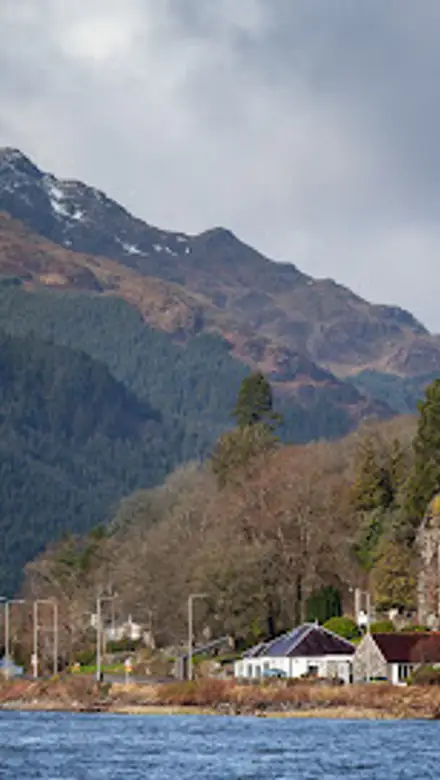
Set on a gentle knoll just meters from the Holy Loch’s shoreline, Historic Kilmun benefits from serene waterside views and peaceful grounds. Nearby, the Kilmun Arboretum showcases diverse tree species planted since the 1930s, and woodland trails lead to enchanting natural sites like Puck’s Glen and Benmore Botanic Garden. The wider Cowal Peninsula offers abundant wildlife and scenic landscapes, making Kilmun a gateway to both cultural and nature exploration.Preserving Legacy and Welcoming Visitors
The site remains a cherished heritage landmark managed with care to preserve its historical, architectural, and cultural significance. Open seasonally from April to October with guided tours included in the admission fee, Historic Kilmun invites visitors to connect with Scotland’s spiritual past and clan history in a tranquil, evocative setting. The combination of sacred architecture, clan mausoleum, artistic treasures, and natural beauty creates a memorable experience for all who visit.












Your all‑in‑one travel companion app
Explore expert travel guides, compare and book tours, experiences, hotels, and more—all from the palm of your hand. Download now for seamless trip planning wherever your wanderlust takes you.


Explore More of Argyllshire
Looking beyond Historic Kilmun? Discover Argyllshire for broader travel guides, local hot-spots, and regional highlights.
Explore Argyllshire