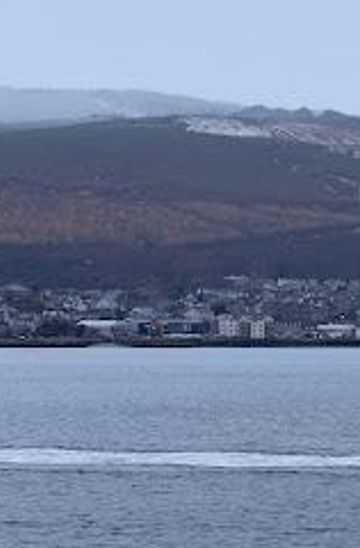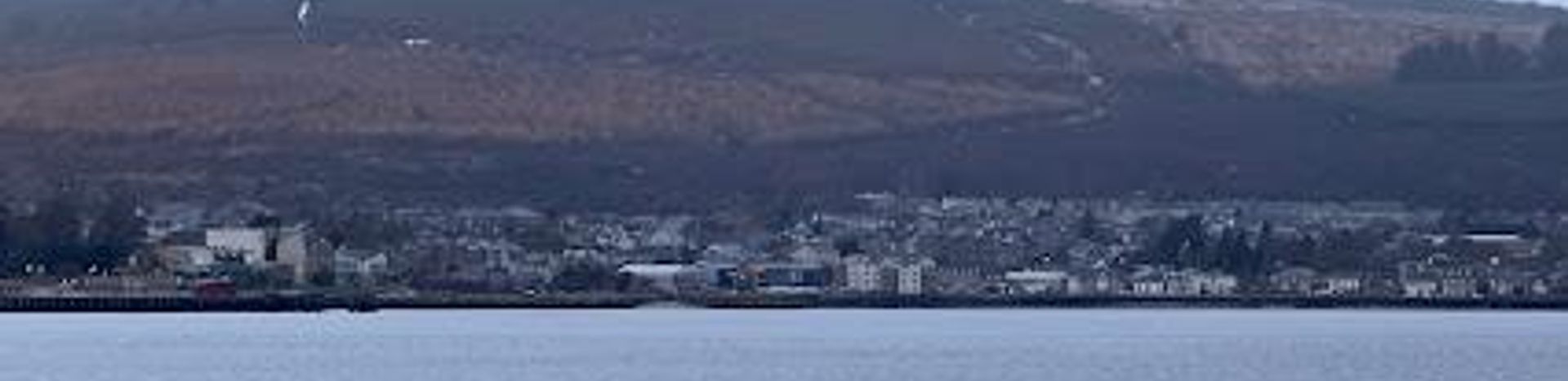
Dunoon Castle: Historic Stronghold Overlooking the Firth of Clyde
Explore Dunoon Castle’s historic hilltop ruins with sweeping views over the Firth of Clyde and a rich legacy of Scottish clan history.
Dunoon Castle, perched on Castle Hill in Dunoon, Scotland, is a historic medieval fortress dating back to the 12th century. Though only scant ruins remain, the site offers commanding views over the town and the Firth of Clyde. Once a royal residence and strategic stronghold, the castle witnessed centuries of Scottish history, clan conflicts, and military use before its abandonment in the 17th century. Nearby, the 19th-century Castle House Museum preserves the area's rich heritage.
A brief summary to Dunoon Castle
- Castle Hill, Castle St, Dunoon, PA23 7ED, GB
- Click to display
- Duration: 0.5 to 2 hours
- Free
-
 Outdoor
- Mobile reception: 4 out of 5

Know before you go
Hi, I'm Eve. Here are a few practical things to know before exploring Dunoon Castle.
- Wear sturdy footwear for the uphill walk to the castle ruins, as the terrain can be uneven.
- Visit the nearby Castle House Museum to deepen your understanding of Dunoon’s history and the castle’s legacy.
- Bring a camera to capture panoramic views of Dunoon town and the Firth of Clyde from the castle hill.
- Combine your visit with a stroll through the adjacent Castle Gardens, especially beautiful in spring and summer.
Do you manage this location?
Take control to get all the benefits, like improved information, better appearance, and stronger visibility across AI-powered discovery. Learn more
Activate your presence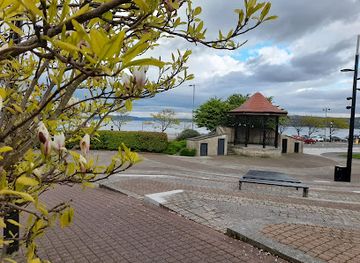
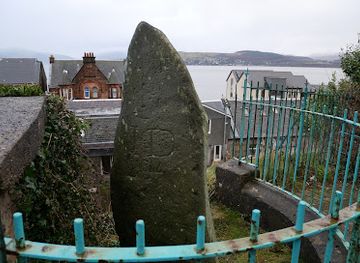
Getting There
-
Bus
Take the local bus service from Dunoon town center to Castle Hill, with a journey time of approximately 10-15 minutes. Buses run regularly but check schedules for weekends and holidays. The stop is a short uphill walk from the castle site. Tickets cost around £2-£4.
-
Car
Driving from central Dunoon to the castle takes about 5 minutes. Limited parking is available near Castle Gardens; expect narrow roads and some uphill walking. Parking is free but can be busy during peak tourist season.
-
Walking
A pleasant 20-30 minute walk from Dunoon Pier along paved and gravel paths leads to the castle hill. The route includes some uphill sections and uneven surfaces, so suitable footwear is recommended. This option offers scenic views en route.
For the on-the-go comforts that matter to you
-
 Seating Areas
-
 Information Boards
-
 Restrooms
-
 Trash Bins
Discover more about Dunoon Castle
Origins and Medieval Significance
Dunoon Castle's origins trace back to at least the early 13th century, with some evidence suggesting an even earlier defensive site. The castle was originally constructed as a stronghold on a natural mound, possibly as a motte-and-bailey or castle of enclosure. Its strategic hilltop position allowed control over the Firth of Clyde and the surrounding region. During the medieval period, it was a royal residence in the 14th century and played a pivotal role in the power struggles of Scottish clans and kings.Clan Conflicts and Royal Connections
The castle was closely linked to the Lamont and Campbell clans. In the 14th century, the Campbells became hereditary keepers of Dunoon Castle, a role they maintained for centuries. The castle endured sieges and occupations, including capture by Edward Balliol and the English in 1334 before being reclaimed by the Scots. Mary, Queen of Scots, visited the castle in 1563, underscoring its importance. The 17th century brought violent clan conflicts, notably the 1646 Dunoon Massacre, after which the castle was abandoned.Decline and Transformation
After abandonment around 1650, Dunoon Castle fell into ruin. Stones from the castle were quarried to build Castle House in the 19th century, a grand baronial mansion built by James Ewing, Lord Provost of Glasgow. The castle hill later became a landscaped park and gardens, contributing to Dunoon’s rise as a popular holiday destination. The site also served military functions during both World Wars and the Cold War, with searchlights and coastal batteries installed.Present-Day Ruins and Surroundings
Today, only limited ruins remain on the castle hill, including some Victorian-era walling and foundations. The site offers panoramic views of Dunoon, the Firth of Clyde, and nearby botanical gardens. The adjacent Castle House Museum, housed in the 19th-century mansion, showcases Dunoon’s history from Neolithic times through wartime, including exhibits on local clans and the town’s steamer era. The castle hill and its environs are protected as a Scheduled Monument, reflecting their historical and cultural significance.Architectural and Archaeological Insights
Archaeological assessments reveal the castle’s layered history, with evidence of medieval fortifications and later Victorian modifications. The castle originally featured three circular towers arranged in a triangular formation. Despite limited physical remains, the site’s historical records and recent studies provide a window into its evolving role—from royal fortress to military post to heritage landmark.Legacy and Cultural Importance
Dunoon Castle stands as a testament to Scotland’s turbulent medieval past, clan dynamics, and strategic coastal defense. Its story intertwines with that of Dunoon town itself, reflecting shifts in power, architecture, and community identity. Visitors can appreciate the castle’s legacy through the ruins, the surrounding gardens, and the rich collections at Castle House Museum, making it a compelling destination for history enthusiasts and cultural explorers alike.Explore the best of what Dunoon Castle has to offer













More about Dunbartonshire
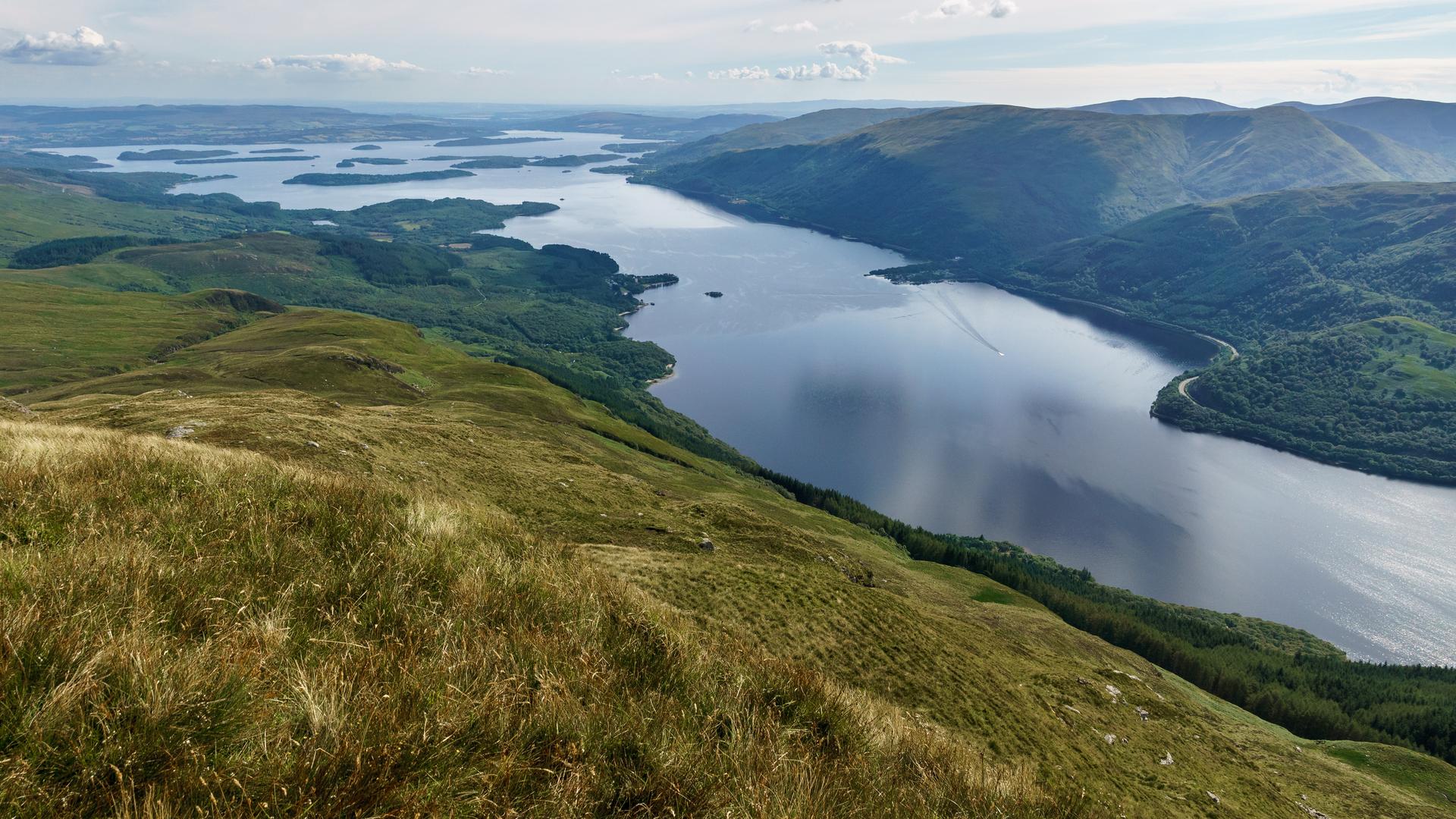
Discover the historic charm and natural beauty of Dunbartonshire, Scotland's hidden gem. Perfect for history enthusiasts and nature lovers seeking a serene escape.
Tell me more about Dunbartonshire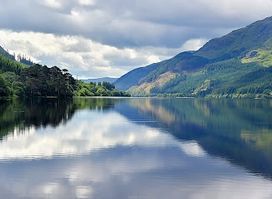
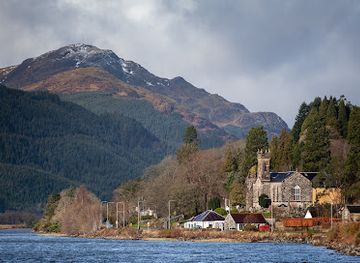
A tranquil picnic spot with breathtaking views of Loch Eck, perfect for nature lovers and outdoor adventurers in Argyll Forest Park.
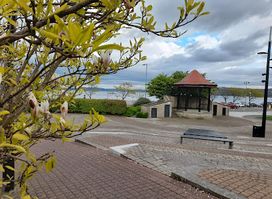
Experience the serene beauty of Argyll Gardens in Dunoon, where vibrant flora meets peaceful landscapes for an unforgettable outdoor escape.