
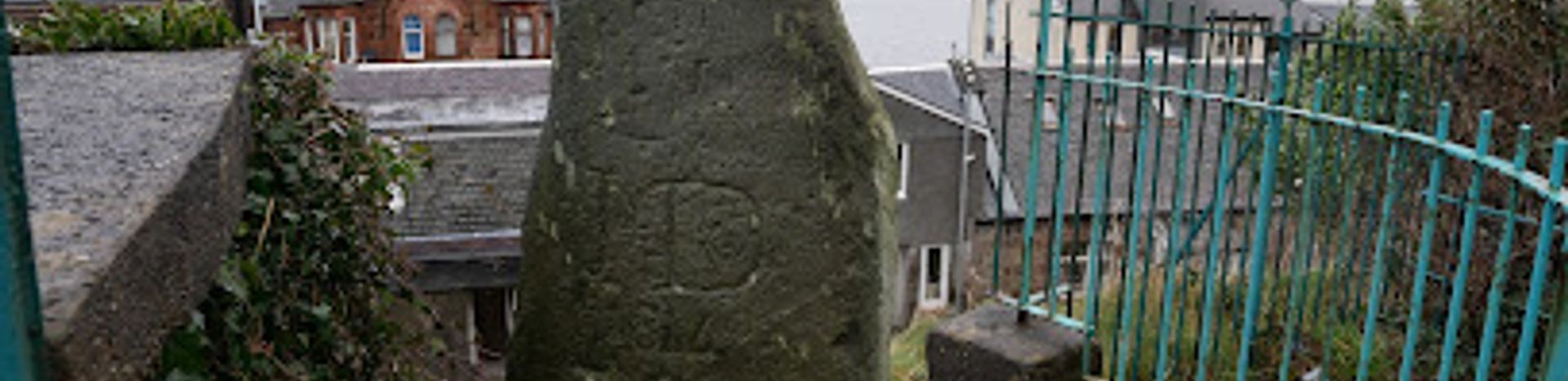
Granny Kempock Stone: Ancient Sentinel of Gourock
Discover the ancient Bronze Age Granny Kempock Stone in Gourock, a mystical landmark steeped in maritime lore, witchcraft tales, and timeless rituals.
The Granny Kempock Stone is a Bronze Age standing stone located in Gourock, Scotland, dating back to around 2000 BC. Known locally as the 'Lang Stane,' this megalith has been a focal point of superstition, maritime lore, and community rituals for centuries. It is famed for its associations with marriage blessings, sailors’ protection rites, and the tragic witchcraft history surrounding the figure of Granny Kempock, a reputed local witch. The stone’s enigmatic presence commands views over the Firth of Clyde and continues to intrigue visitors with its layered history and folklore.
A brief summary to Granny Kempock Stone
- Gourock, GB
- Duration: 0.5 to 1.5 hours
- Free
-
 Outdoor
- Mobile reception: 4 out of 5
- Monday 12 am-12 am
- Tuesday 12 am-12 am
- Wednesday 12 am-12 am
- Thursday 12 am-12 am
- Friday 12 am-12 am
- Saturday 12 am-12 am
- Sunday 12 am-12 am
Local tips
- Visit during daylight hours to fully appreciate the stone’s silhouette against the coastal landscape.
- Take time to explore the surrounding views of the Firth of Clyde, which enhance the stone’s historical maritime significance.
- Respect the stone and avoid adding graffiti or climbing on it to help preserve this ancient monument.
- Learn about the local witchcraft history connected to Granny Kempock for a deeper understanding of the site’s folklore.

For the on-the-go comforts that matter to you
- Restrooms
- Drink Options
- Food Options
- Seating Areas
- Information Boards
Getting There
-
Train and Walk
Take the ScotRail train to Gourock station from Glasgow Central, a journey of approximately 50 minutes. From the station, it is a 10-minute walk to the Granny Kempock Stone along accessible urban paths. No entrance fee applies.
-
Bus and Walk
Local bus services connect Gourock with nearby towns such as Greenock and Inverkip, with journey times ranging from 15 to 30 minutes depending on origin. From the bus stop in Gourock town center, the stone is a 10-minute walk on paved streets. Buses run regularly but check schedules for weekends and holidays.
-
Car
Driving to Gourock is straightforward via the A770 or A78 roads. Public parking is available near the town center, about a 10-minute walk from the stone. Parking fees may apply. Note that the stone is located on a raised rocky ridge, so some uneven terrain is involved on approach.
Granny Kempock Stone location weather suitability
-
 Any Weather
-
 Clear Skies
-
 Windy Conditions
-
 Mild Temperatures
Discover more about Granny Kempock Stone
Origins and Archaeological Significance
The Granny Kempock Stone is a prehistoric standing stone believed to date from the Bronze Age, approximately 2000 BC. This ancient monolith, also known as the 'Lang Stane,' stands prominently on the ridge overlooking the Firth of Clyde in the town of Gourock. Its exact original purpose remains uncertain, but it is nationally important due to its potential to shed light on Bronze Age ritual and burial practices. The stone’s enduring presence for thousands of years marks it as a significant prehistoric monument in Scotland.Myth, Legend, and Witchcraft
Over the centuries, the stone has accumulated a rich tapestry of myths and legends, many centered on the figure of Granny Kempock, a local witch said to have lived nearby. Historical accounts recount the tragic story of Mary (or Marie) Lamont, a young woman accused of witchcraft in the 17th century, who allegedly planned to topple the stone to dispel its protective powers. Her execution and the ghostly tales of her spirit wandering the nearby shores have woven an eerie layer of folklore around the stone, blending history with myth.Community Rituals and Maritime Traditions
The stone has long been a site of superstition and ritual for the local community, especially for sailors and newlyweds. Couples seeking good fortune in marriage would walk around the stone to receive Granny Kempock’s blessing. Sailors about to embark on voyages would collect sand near the stone and circle it seven times while chanting, aiming to secure safe passage and favorable winds. These customs underscore the stone’s role as a guardian figure watching over the town and its maritime activities.Physical Presence and Cultural Impact
Standing weathered and graffiti-marked, the stone’s silhouette is said to resemble an old hag gazing out to sea, reinforcing its mystical aura. It has acted as a visible landmark for ships navigating the Clyde, symbolizing protection and the unpredictable power of the sea. The stone’s cultural resonance extends beyond superstition, inspiring local stories, historical fiction, and a continuing fascination that blends the ancient with the modern.Modern Recognition and Preservation
Today, the Granny Kempock Stone is recognized as a treasured heritage site, attracting visitors interested in Scotland’s prehistoric monuments and folklore. Despite the passage of time and the layers of graffiti added over centuries, it remains a potent symbol of local identity and history. Efforts to preserve its legacy highlight the importance of such megaliths in understanding Scotland’s deep past and the cultural narratives that have grown around them.Experiencing the Stone Today
Visitors to the site can appreciate not only the stone’s ancient origins but also the evocative atmosphere shaped by its myths and seaside setting. The stone’s commanding position offers scenic views of the Firth of Clyde, inviting reflection on the intertwining of natural landscape, history, and legend that defines Granny Kempock’s enduring mystique.Iconic landmarks you can’t miss

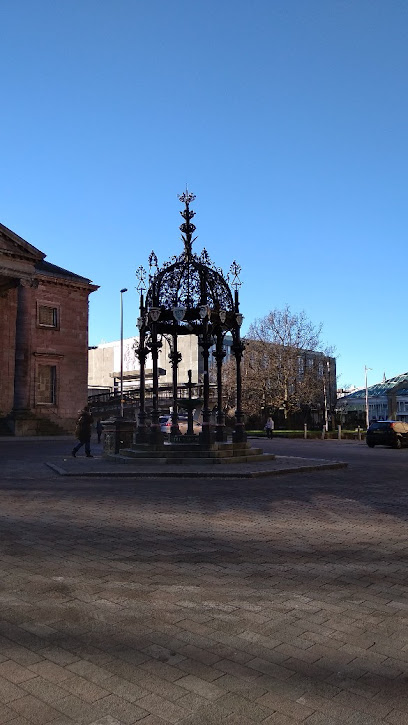
Lyle Fountain
4.3 km
Historic Victorian drinking fountain in Greenock’s Cathcart Square, gifted by Abram Lyle with elegant filigree dome and rich local heritage.
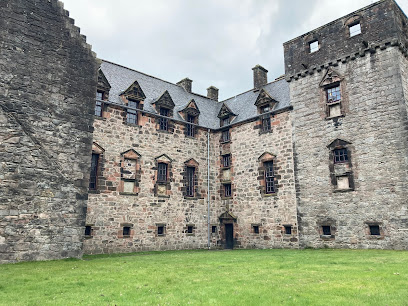
Historic Scotland
9.3 km
Discover the architectural beauty and historical significance of Historic Scotland in Port Glasgow, a perfect destination for history enthusiasts and nature lovers alike.
Argyll Walks
19.0 km
Explore the breathtaking landscapes of Scotland with Argyll Walks, where guided tours meet stunning natural beauty and rich cultural experiences.
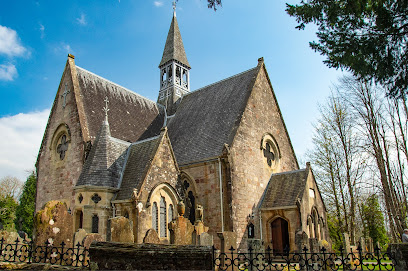
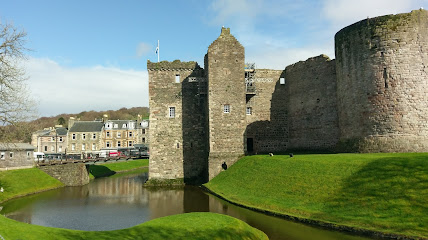
Rothesay Castle
20.2 km
Explore the captivating Rothesay Castle on the Isle of Bute, a stunning medieval fortress rich in history and natural beauty.
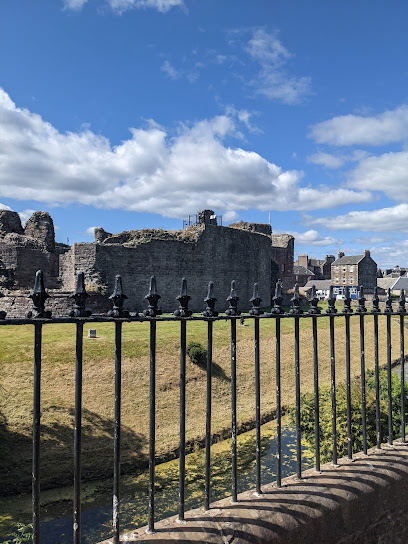
Bute Museum
20.2 km
Discover the Isle of Bute's history and culture at Bute Museum, a captivating tourist attraction in Rothesay filled with intriguing exhibits.
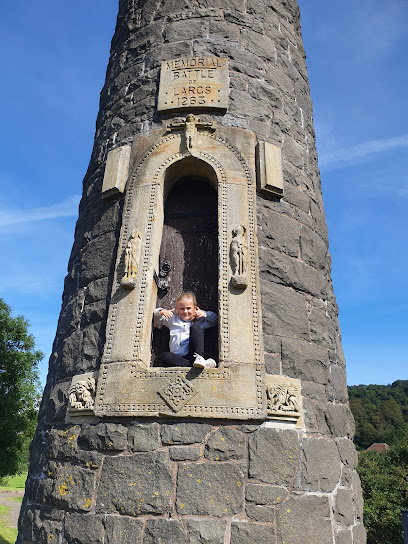
Largs Pencil Monument
20.4 km
Discover the Largs Pencil Monument, a towering tribute to Scottish heritage with stunning views of the Firth of Clyde and rich historical significance.
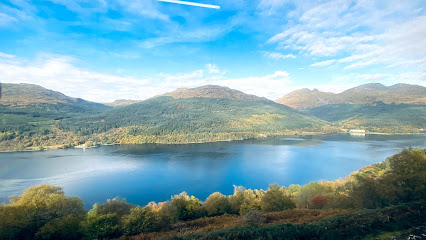
Loch Lomond
20.5 km
Discover the breathtaking beauty of Loch Lomond, Scotland's largest freshwater lake, offering stunning landscapes and endless outdoor adventures.
Clairinsh
20.8 km
Experience the enchanting beauty and rich history of Clairinsh, a hidden gem in the Scottish Highlands perfect for nature lovers and cultural explorers.
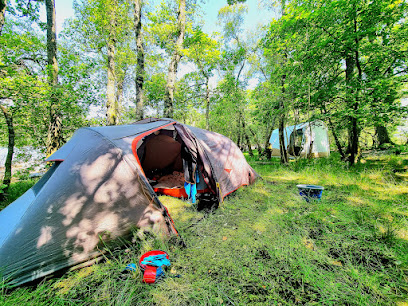
Blantyre Monument
20.8 km
An 80-foot obelisk in Bishopton honoring Major-General Robert Walter Stuart, the 11th Lord Blantyre, and his Napoleonic War legacy.
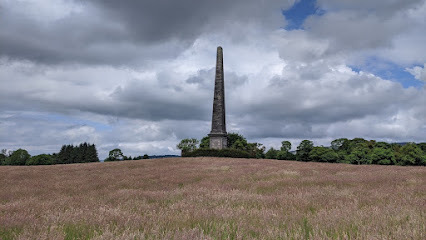
Loch Lomond National Nature Reserve (Endrick Mouth)
21.1 km
Explore the breathtaking landscapes and diverse wildlife of Loch Lomond National Nature Reserve, a serene retreat for nature lovers in Scotland.
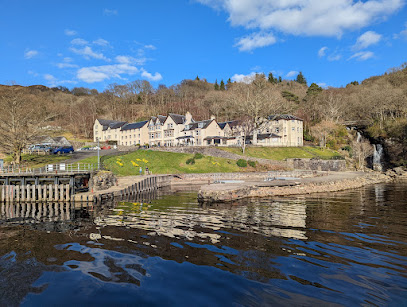
Clochoderick Stone
21.2 km
Discover the ancient Clochoderick Stone, a towering glacial erratic steeped in history and Scottish folklore near Johnstone.
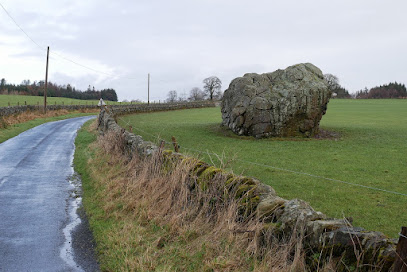
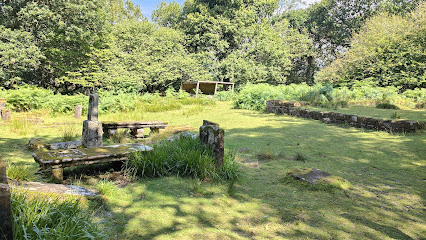
Inchcailloch burial ground
21.2 km
Discover the serene beauty and historical significance of Inchcailloch Burial Ground, a hidden gem on Loch Lomond's tranquil shores.
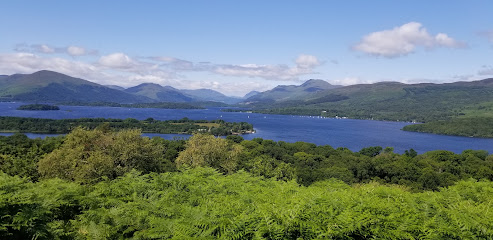
Loch Lomond National Nature Reserve (Inchcailloch)
21.4 km
Explore Loch Lomond National Nature Reserve, a captivating destination in Scotland offering scenic landscapes, diverse wildlife, and outdoor adventures.
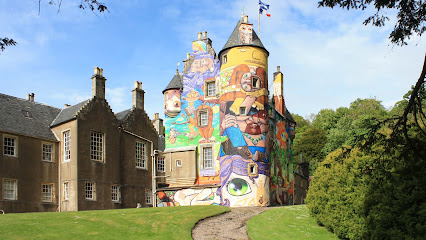
Kelburn Castle and Estate
21.4 km
Discover the charm of Kelburn Castle and Estate, a historic Scottish gem with stunning gardens, vibrant art, and family-friendly adventures.
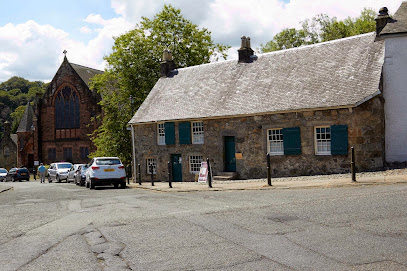
Weaver's Cottage
21.6 km
Explore Scotland's textile heritage at Weaver's Cottage, a charming museum in Kilbarchan showcasing traditional handloom weaving.
Unmissable attractions to see

Battery Park
1.3 km
Scenic waterfront park in Greenock offering floodlit pitches, adventure playgrounds, and family-friendly outdoor fun by the River Clyde.
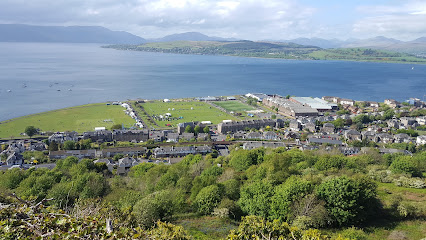
Lyle Hill Viewpoint
1.7 km
Discover breathtaking panoramic views over the Firth of Clyde and beyond from historic Lyle Hill in Greenock, Scotland.
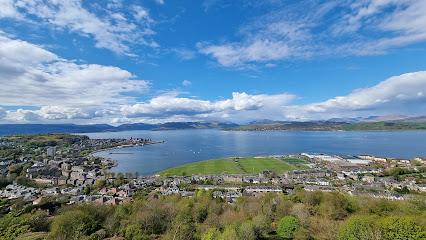
Peel Ports Greenock Ocean Terminal
3.6 km
A modern cruise and container terminal on Scotland’s scenic River Clyde, blending maritime efficiency with stunning waterfront views.

Auchmountain Glen
5.6 km
Discover Auchmountain Glen’s historic waterfalls and scenic trails nestled in Greenock’s lush ravine landscape.
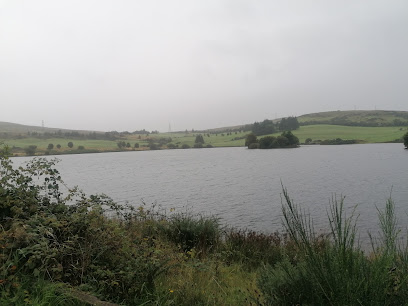
Greenock Cut Visitor Centre
5.8 km
Explore historic waterways, scenic trails, and rich wildlife at Greenock Cut Visitor Centre, Inverclyde’s gateway to nature and heritage.
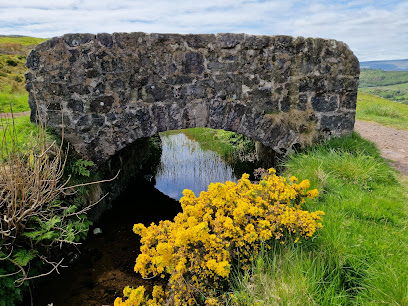
Argyll Gardens
6.7 km
Experience the serene beauty of Argyll Gardens in Dunoon, where vibrant flora meets peaceful landscapes for an unforgettable outdoor escape.
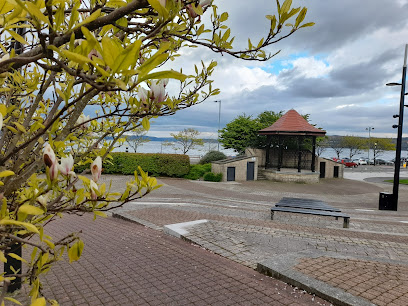
Dunoon Castle
6.7 km
Explore Dunoon Castle’s historic hilltop ruins with sweeping views over the Firth of Clyde and a rich legacy of Scottish clan history.
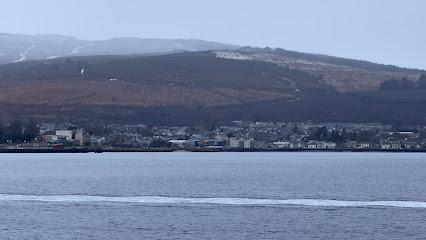
Loch Lomond Firkin Point
7.9 km
Tranquil picnic and camping spot on Loch Lomond’s western shore with stunning views, accessible walks, and peaceful natural beauty.
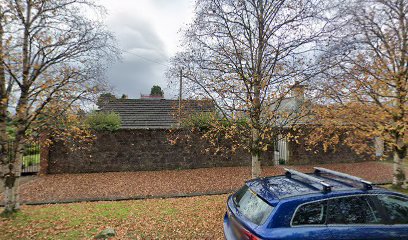
The Hill House
8.4 km
Discover The Hill House, Mackintosh’s iconic Scottish villa blending Art Nouveau elegance with innovative design and breathtaking views.
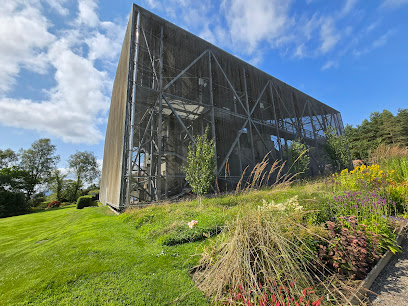
Historic Kilmun
8.6 km
Discover Kilmun’s sacred heritage, clan mausoleum, and stunning stained glass on the tranquil shores of Holy Loch.
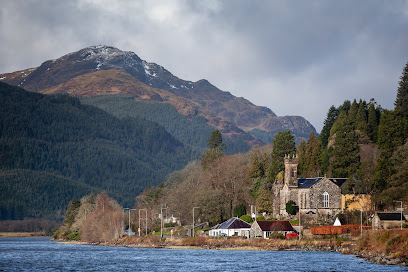
Newark Castle
9.3 km
Explore Newark Castle’s rich Renaissance architecture and riverside views, a hidden gem on the banks of the River Clyde in Port Glasgow.
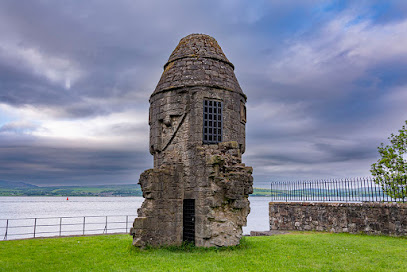
Geilston Garden
9.8 km
Discover the tranquil charm of Geilston Garden, a vibrant 200-year-old walled garden by the River Clyde with colorful borders, edible plants, and woodland trails.
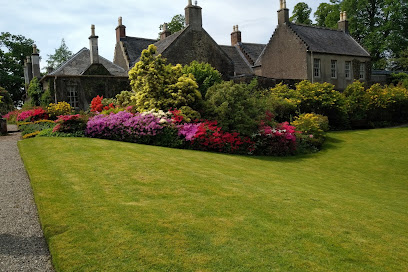
Puck's Glen
11.2 km
Discover the enchanting waterfalls and mystical forest trails of Puck's Glen, a magical gorge nestled in Scotland’s Argyll Forest Park.
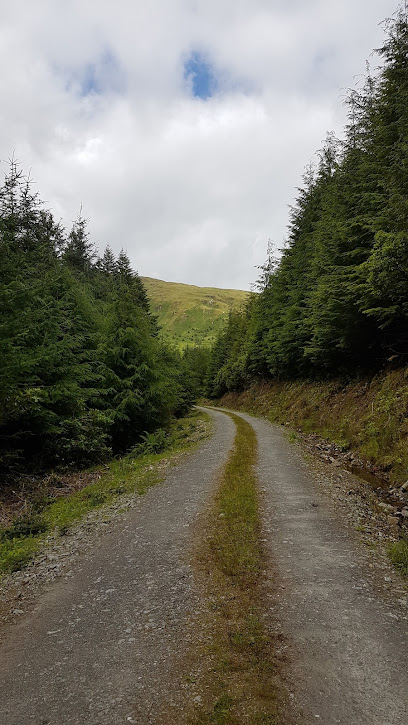
Benmore Botanic Garden
12.3 km
Explore majestic redwoods, vibrant rhododendrons, and panoramic mountain views in this 120-acre botanical gem on Scotland’s Cowal Peninsula.
Finlaystone Country Park
13.1 km
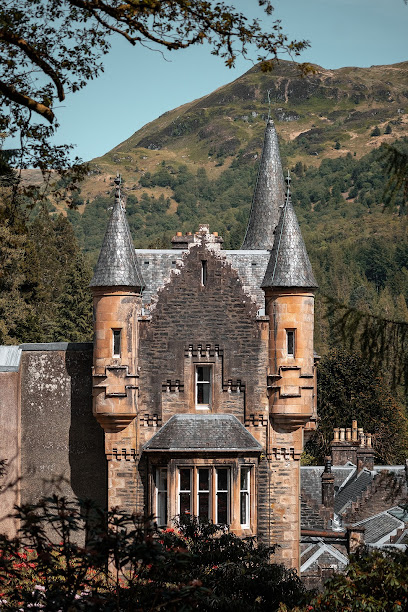
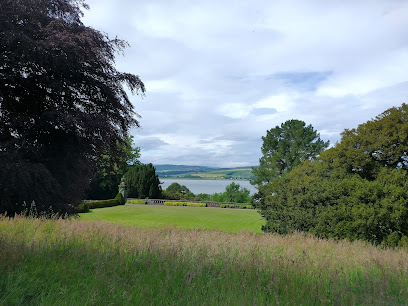
Explore centuries-old woodlands, family fun, and stunning Clyde views at Finlaystone Country Park, a heritage gem near Port Glasgow.
Essential places to dine

The Lorne Dunoon
6.8 km
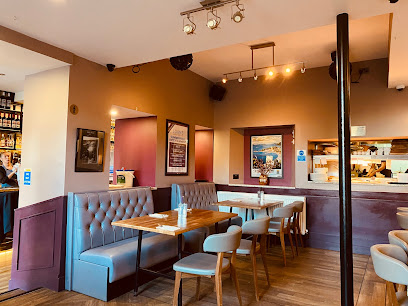
Dunoon’s friendly bar and kitchen offering fresh food, fine drinks, and a welcoming atmosphere with indoor and garden seating.
The Ardentinny
10.8 km
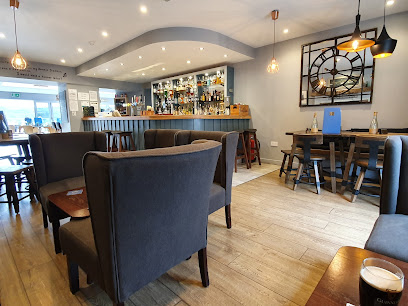
Historic pub and bistro on Loch Long’s shore, blending centuries of heritage with stunning views and local Scottish flavors.
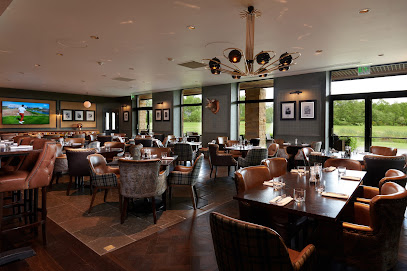
The Clubhouse at Cameron
14.3 km
Modern European dining with scenic views at Cameron Club & Spa on Loch Lomond, offering fresh, locally inspired dishes and warm hospitality.
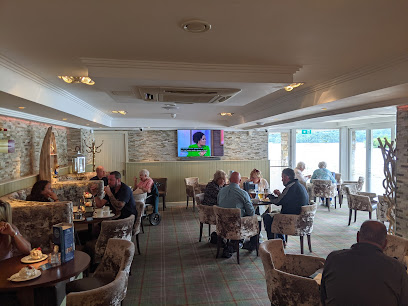
Duck Bay Hotel & Restaurant
14.4 km
Scenic lochside retreat with modern dining, cozy rooms, and warm Scottish hospitality on the banks of Loch Lomond.
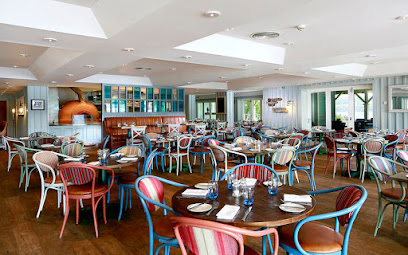
La Vista
14.6 km
Savor authentic Italian cuisine with breathtaking views of Loch Lomond at La Vista, Cameron House’s elegant lakeside restaurant.
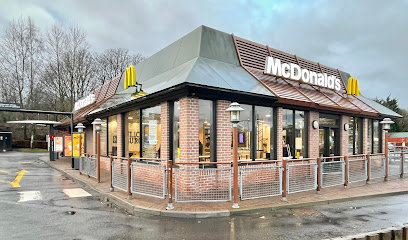
McDonald's
14.9 km
Classic American fast food served 24/7 in Balloch, near Loch Lomond’s scenic beauty and top attractions.
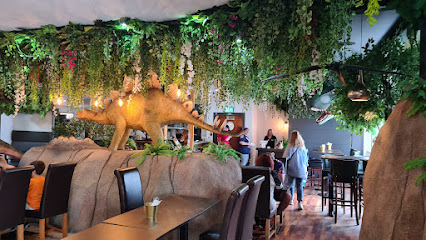
Jurassic Grill Loch Lomond
15.0 km
Family-friendly dinosaur-themed restaurant near Loch Lomond offering fun decor, interactive service, and hearty British-style meals.
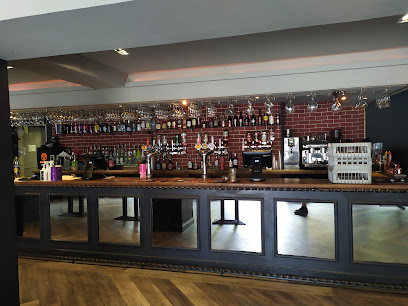
The Lounge at Loch Lomond
15.3 km
Authentic Indian flavors and warm hospitality await at The Lounge, your relaxed dining spot near Loch Lomond in Balloch.
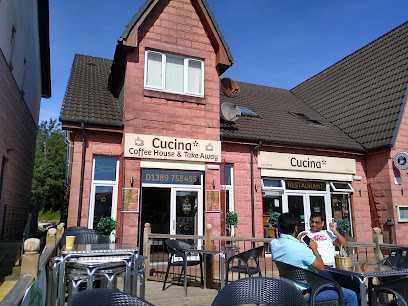
Cucina
15.3 km
Savor hearty Italian classics and vibrant atmosphere in Balloch’s contemporary Cucina, near the scenic Loch Lomond.
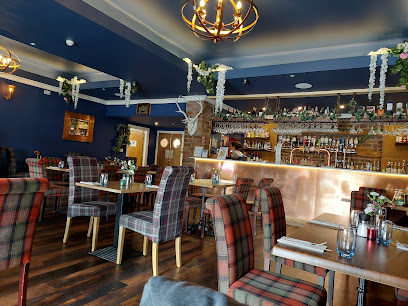
The Pier Kitchen & Bar
15.3 km
Enjoy fresh Scottish flavors and stunning Loch Lomond views at The Pier Kitchen & Bar, Balloch’s scenic dining destination.
Coast
15.3 km
Relax and dine at Coast, a scenic gastropub on the Clyde offering hearty British fare, vegan options, and warm hospitality in Langbank.
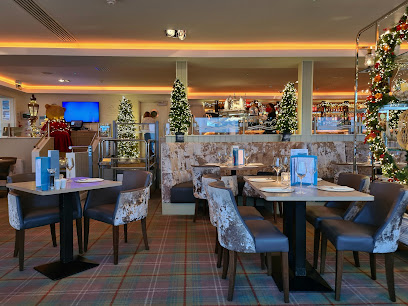
Lomond Fish Bar
15.4 km
A classic Scottish fish and chip shop in Balloch, serving golden battered fish, thick-cut chips, and hearty pies in a no-frills, family-run setting.
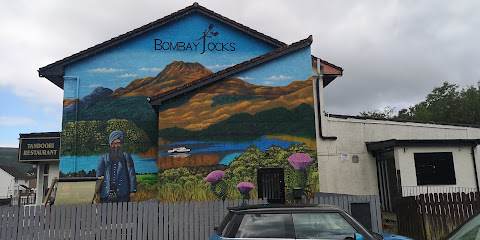
Tullie Inn
15.4 km
Charming Scottish pub and inn by Loch Lomond offering hearty fare, cozy rooms, and stunning waterfront views in Balloch.
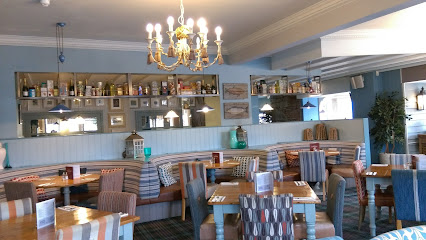
Grill on the Bridge
15.5 km
A beloved Dumbarton steakhouse blending hearty grilled flavors with warm, welcoming service in a cozy riverside setting.
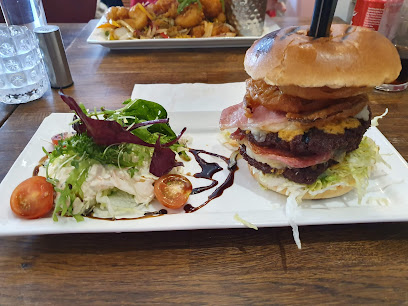
The Riverview Restaurant
15.5 km
Cozy riverside dining in Dumbarton blending Indian and Italian flavors with warm service and scenic views.
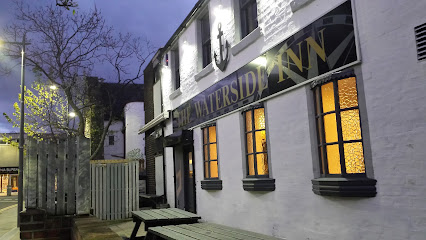
Markets, malls and hidden boutiques

Allsortz
6.8 km
Discover unique gifts, homeware, and spiritual treasures at Allsortz, Dunoon’s welcoming family-run shop since 2015.
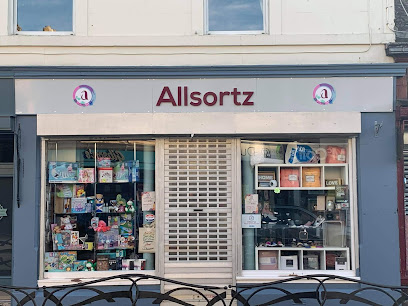
Doon The Watter
6.8 km
A cozy Dunoon gift shop filled with local crafts, Scottish souvenirs, and a warm, unhurried welcome on Argyll Street.
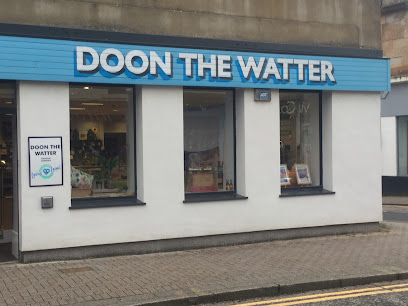
Highland Stores
6.8 km
Discover authentic Scottish outdoor clothing and iconic Dunoon mugs at Highland Stores, Dunoon’s welcoming boutique on Argyll Street.
Wright's Clothing & Footwear
6.8 km
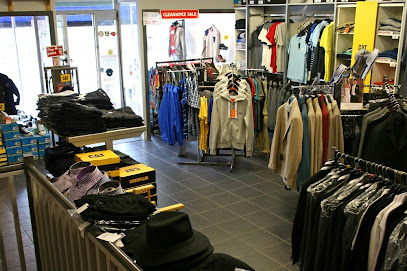
Classic menswear and formal attire with a Scottish touch, Wright's Clothing & Footwear blends tradition and style in Dunoon's vibrant shopping scene.
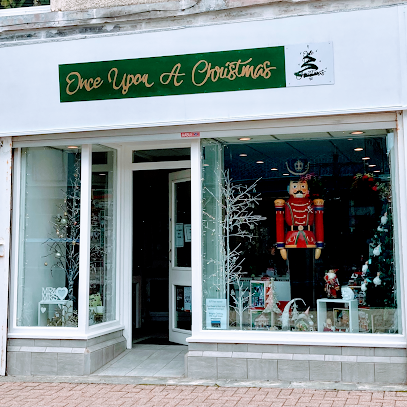
Once Upon a Christmas, Gift Shop Dunoon, Scotland
6.8 km
Discover a year-round Christmas wonderland in Dunoon, where festive magic and unique gifts await at Once Upon a Christmas.
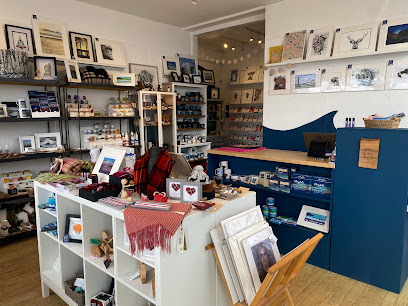
Shooftie
6.9 km
Discover authentic Scottish artisan gifts and handmade treasures in the heart of Helensburgh’s charming West Clyde Street.
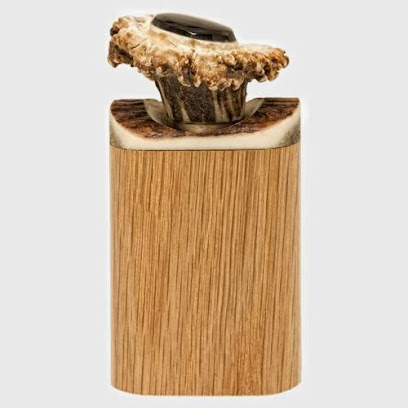
Antler Sgian Dubhs
7.1 km
Discover handcrafted Scottish Sgian Dubhs at this unique Helensburgh art studio blending tradition, artistry, and cultural heritage.
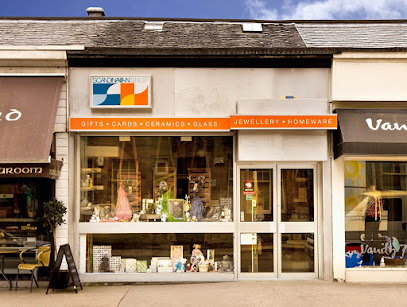
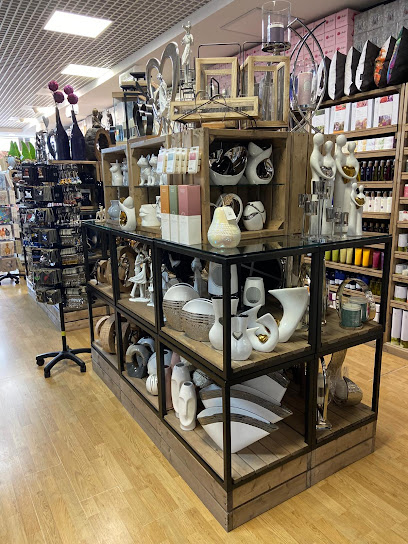
The Scandinavian Shop
7.2 km
Discover timeless Nordic design and quirky gifts at The Scandinavian Shop, Helensburgh’s specialist for authentic Scandinavian homeware.
The Regimental Store Ltd
8.7 km
Explore The Regimental Store Ltd in Port Glasgow for unique military gear and rich Scottish military heritage. A must-visit for history enthusiasts.

Clarins House of Fraser Loch Lomond
14.9 km
Experience premium Clarins beauty products in the elegant House of Fraser store, set against the stunning backdrop of Loch Lomond Shores.

House of Fraser
14.9 km
A comprehensive department store nestled in the scenic Loch Lomond Shores, offering fashion, beauty, and homewares for the whole family.

Phase Eight at House of Fraser
14.9 km
Elegant women's fashion and occasionwear at Phase Eight inside Frasers, set against the stunning backdrop of Loch Lomond Shores.

Keepsake Scotland
15.0 km
Modern Scottish gifts and souvenirs in a scenic Loch Lomond Shores setting, blending tradition with contemporary charm.
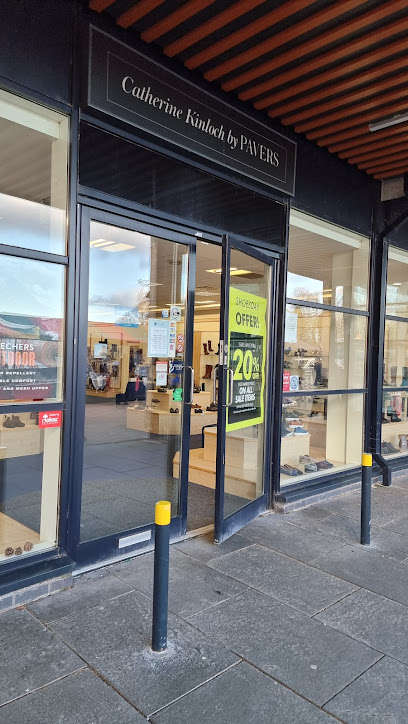
Catherine Kinloch
15.0 km
A traditional Scottish shoe shop offering comfortable, well-made footwear in the heart of Loch Lomond Shores – perfect for updating your walking shoes with a view.
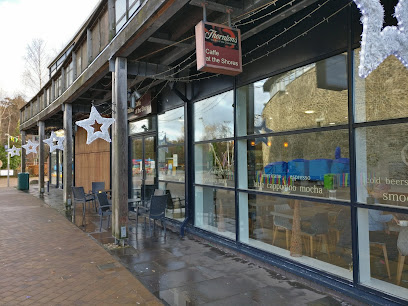
thorntons, Balloch Franchise Store
15.0 km
Premium British chocolates at Scotland's gateway to Loch Lomond, nestled in a world-class leisure destination.
Essential bars & hidden hideouts

The Burgh Bar
6.4 km
Experience Dunoon’s vibrant social scene with local ales, lively events, and welcoming charm at The Burgh Bar on Queen Street.
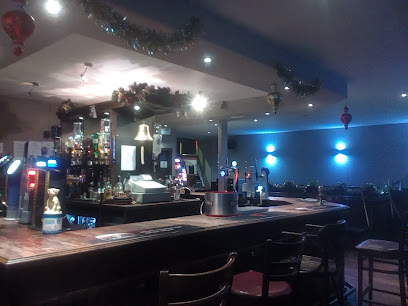
Argyll’s Social Club
6.6 km
Experience the lively heart of Dunoon’s social scene at Argyll’s Social Club, where local culture and entertainment come alive.

The Clansman Bar
6.7 km
A vibrant and welcoming pub in Dunoon, famed for its real ales, sunny beer garden, and lively weekend atmosphere.
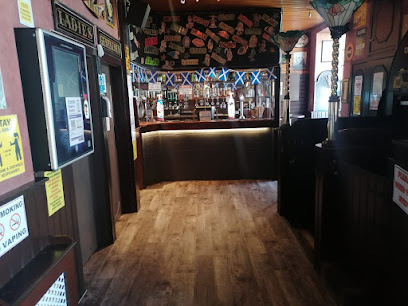
Tryst
6.8 km
Tryst in Dunoon offers a vibrant bar experience with expertly crafted cocktails and hearty meals in a welcoming, modern setting.
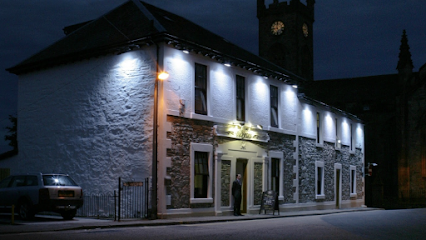
Sinbad's
6.8 km
A lively, affordable pub in Dunoon with music, pool, and friendly locals in a casual, welcoming atmosphere.
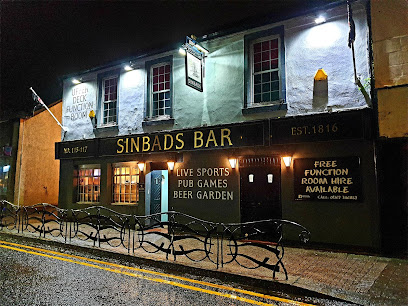
Ingrams Bar
6.8 km
A welcoming Dunoon pub blending traditional charm with lively social vibes and great food by the waterfront.
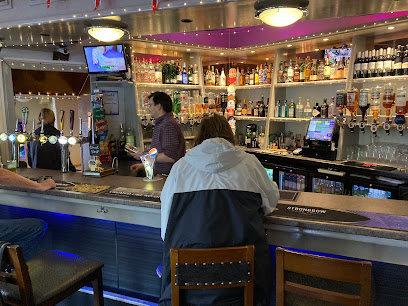
The Victoria Bar
6.9 km
A charming and affordable pub in Dunoon offering warm hospitality and a cozy atmosphere for relaxed evenings.
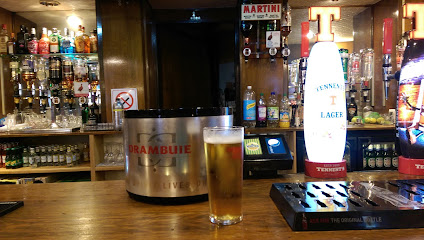
Argyll Bar
7.2 km
A cozy and traditional Helensburgh pub offering lively entertainment, local charm, and a welcoming atmosphere on East Clyde Street.
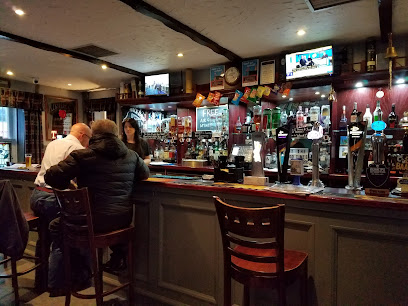
The Royal Bar
11.1 km
Historic coastal pub in Innellan serving hearty Scottish fare with stunning Firth of Clyde views and a welcoming, dog-friendly atmosphere.
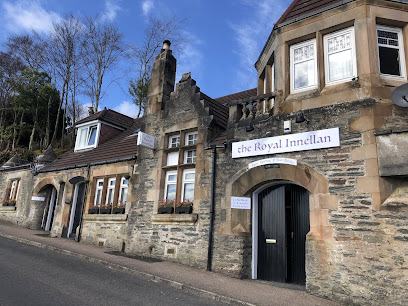
Great Scotts Bar
14.4 km
Discover Scotland’s whisky heritage with over 250 whiskies and stunning Loch Lomond views at the Great Scots Bar, Cameron House’s iconic lochside retreat.
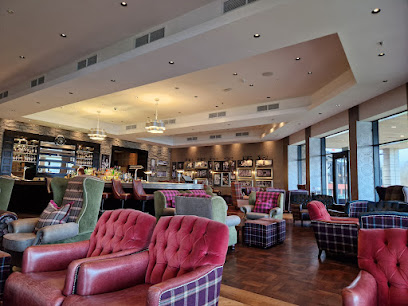
The Tavern
14.4 km
Lively family-friendly bar with hearty fare, live sports, and local music at Cameron House on scenic Loch Lomond.
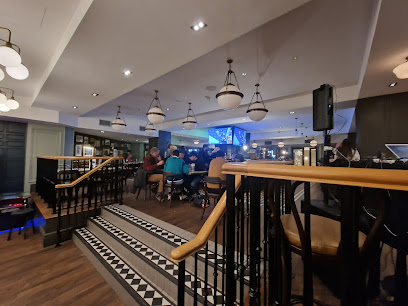
The Lobby Bar
14.5 km
Elegant bar at Cameron House offering refined drinks and stunning Loch Lomond views within a historic Scottish estate.
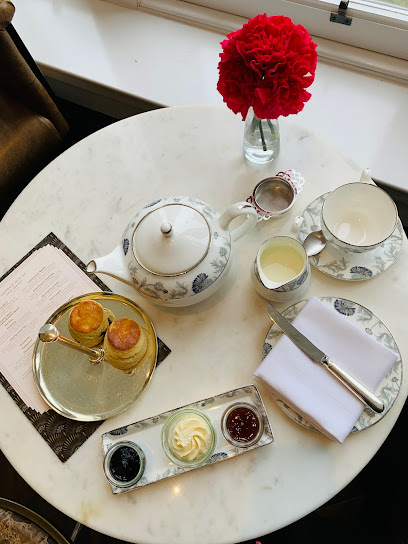
Queen Of The Loch
14.9 km
A family-friendly pub and lodge on Loch Lomond’s shores, offering hearty British fare, cozy stays, and a warm, welcoming atmosphere.

The Old Vale Bar
15.0 km
Historic Scottish pub blending traditional hospitality with a cozy, modern vibe in the heart of Alexandria.
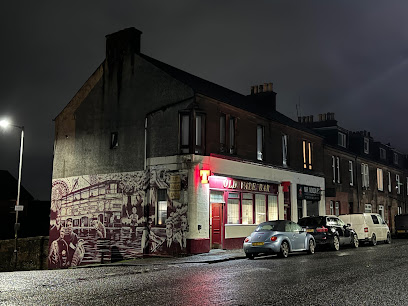
Waverley Bar
15.2 km
A cozy and friendly pub in Dumbarton’s West Bridgend, offering local ales, live music, and a spacious beer garden for a true Scottish experience.
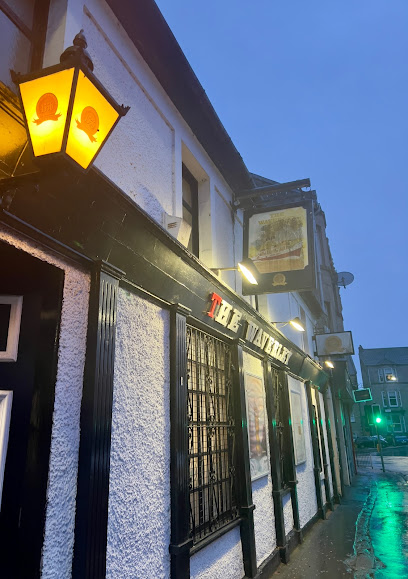
Nightclubs & after hour spots

Word Up
3.8 km
Experience Greenock's revitalized nightlife at Word Up, a modern nightclub with vibrant energy and a welcoming atmosphere.

Red
4.4 km
Experience Greenock’s vibrant nightlife at Red Nightclub, where intimate vibes meet lively dance floors and affordable fun every weekend.

Desire Nightclub
15.3 km
Experience Balloch’s vibrant nightlife at Desire Nightclub, where energetic music and welcoming vibes create unforgettable evenings.

Club 69 Paisley
27.6 km
Dive into Paisley’s legendary underground techno scene at Club 69, where pulsating beats and vibrant vibes keep the night alive.
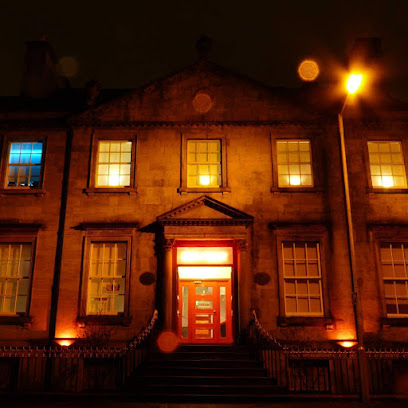
Fantoosh
27.8 km
A lively, intimate nightclub in Paisley’s heart, perfect for energetic nights with friends and local beats.

Vienna's Nightclub
27.8 km
Experience Paisley’s vibrant nightlife at Vienna's Nightclub, where energetic music and lively crowds come alive every weekend.
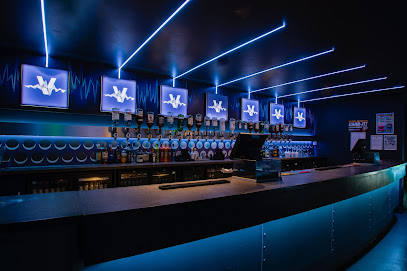
The Berkeley Suite
35.8 km
Discover Glasgow’s hidden vintage nightclub with top DJs, retro vibes, and an intimate dancehall atmosphere beneath a 1940s ballroom.
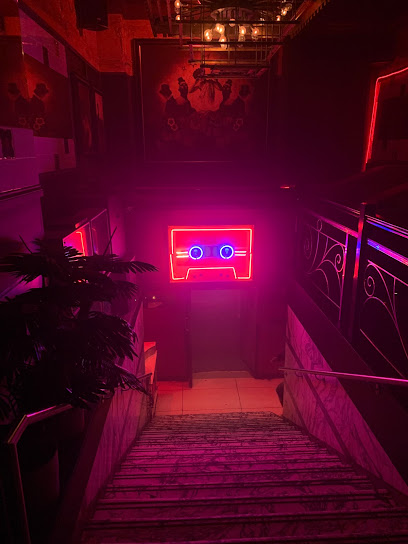
Seventh Heaven Lap Dancing Club
35.9 km
Discover the vibrant nightlife of Glasgow at Seventh Heaven Lap Dancing Club, where entertaining performances meet a lively atmosphere.

Firewater
36.1 km
Dive into Glasgow's indie nightlife at Firewater, where two rooms blast alternative anthems, cheap entry fuels the fun, and Sauchiehall Street's energy ignites until 2:30am Thu-Sat.

Saint Judes After Dark
36.4 km
Glasgow's electrifying after-dark escape: pulsating DJ beats, craft cocktails, and retro club vibes fuel nights until 3am on Bath Street.

Buff Club
36.5 km
Dive into Glasgow's funky basement beats at The Buff Club, where soul, disco, and 80s grooves light up the night under disco ball magic.
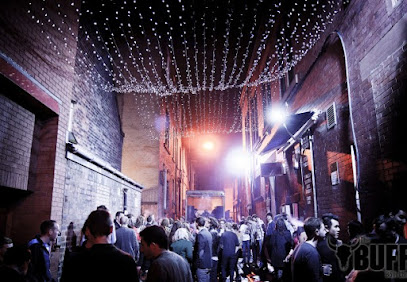
The Plug Glasgow
36.5 km
Experience Glasgow’s premier Afrobeat nightclub where Nigerian wedding vibes meet luxury nightlife and vibrant celebration.
The Box Night Club
36.5 km
Discover Saltcoats' nightlife at The Box Night Club, where vibrant music and a welcoming atmosphere create unforgettable nights out.
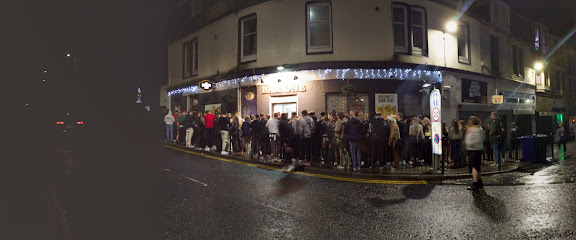
The Savoy
36.6 km
Experience Glasgow’s vibrant weekend nightlife at The Savoy, a lively nightclub on Sauchiehall Street pulsing with music and energy until dawn.

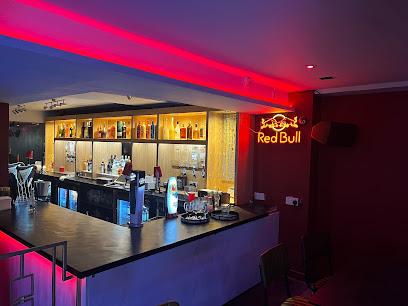
142B Lounge
36.7 km
Glasgow's premier spot for Afrobeats, Amapiano, and African flavors—dance, dine, and vibe in luxury VIP style until dawn.
For the vibe & atmosphere seeker
- Scenic
- Tranquil
- Unique
- Quirky
For the design and aesthetic lover
- Rustic Designs
For the architecture buff
- Historic
- Landmarks
For the view chaser and sunset hunter
- Iconic Views
- Waterfront
For the social media creator & influencer
- Instagrammable
- Photo Spots
For the eco-conscious traveler
- Public-Transport Accessible
- Locally Managed
For the kind of experience you’re after
- Myth & Legends
- Cultural Heritage
- Photowalk
- Day Trip
For how adventurous you want the journey to be
- Easy Access
Location Audience
- Family Friendly
- Senior Friendly
- Child Friendly
- Teen Friendly
- Wheelchair Access
- Pet Friendly
- Solo Friendly
- Couple Friendly


