
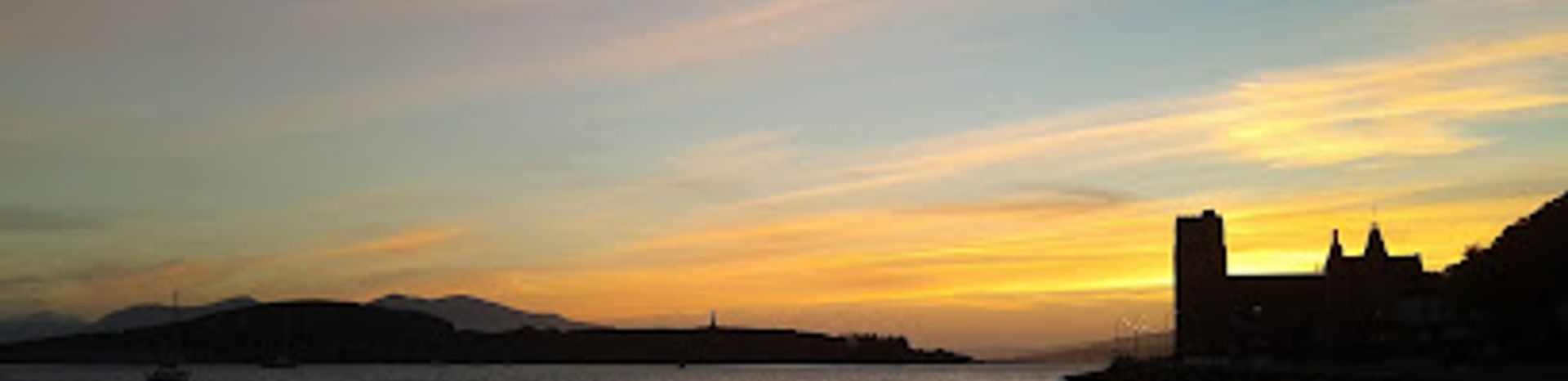
St John's Cathedral, Oban
An unfinished masterpiece where Gothic ambition meets industrial-age engineering in Scotland's most unusual cathedral.
St John's Cathedral is a remarkable and unique Scottish Episcopal cathedral in Oban, distinguished by its unfinished architectural state and striking blend of Gothic masonry with twentieth-century engineering. Originally established as a chapel in 1863 and elevated to cathedral status in 1920, the building stands as the seat of the Bishop of Argyll and the Isles. Its most distinctive feature is the pair of massive riveted steel buttresses that support the incomplete nave—a bold structural solution that creates an interior of genuine contemporary spirituality and architectural intrigue.
A brief summary to St John's Scottish Episcopal Cathedral : Oban
- 129 George St, Oban, PA34 5NT, GB
- +441631562323
- Visit website
- Duration: 0.75 to 2 hours
- Free
-
 Indoor
- Mobile reception: 4 out of 5
Local tips
- Look closely at the massive riveted steel buttresses supporting the incomplete nave—they are a striking fusion of Victorian ecclesiastical design and early twentieth-century engineering that defines the cathedral's unique character.
- Examine the contrasting stained glass windows: the 1864 triple east window from the original church versus the contemporary Bethel and Revelation Windows, which illustrate the building's layered history.
- Spend time in the interior to appreciate the peaceful, contemplative atmosphere—the unfinished state creates an unexpected spiritual quality that many visitors find deeply moving.
- Visit on a Sunday morning for the Sung Eucharist at 10:15 AM to experience the cathedral as an active place of worship and community gathering, followed by coffee.
- Notice the lifebelt from HMS Jason on the east side of the nave—a poignant memorial to the twenty-five crew members lost in 1917, connecting the cathedral to Oban's maritime heritage.

For the on-the-go comforts that matter to you
- Restrooms
- Drink Options
- Seating Areas
- Information Boards
Getting There
-
Bus from Oban Town Centre
St John's Cathedral is located at 129 George Street in central Oban, approximately 5–10 minutes on foot from the town centre bus station. Local bus services operate throughout the day with frequent connections to surrounding areas. Journey times vary by route and destination, but most services run year-round with reduced frequency on Sundays. No fare required to visit the cathedral itself.
-
Car with Street Parking
Drive to 129 George Street, Oban PA34 5NT. The cathedral sits prominently on the northeast side of Oban Bay, near the Corran Esplanade. Street parking is available on George Street and surrounding roads, though spaces can be limited during peak tourist season (July–August). Parking is free but may have time restrictions; check local signage. Journey time from Oban town centre is approximately 5 minutes by car.
-
Walking from Oban Seafront
From the Corran Esplanade and seafront area, the cathedral is a straightforward 10–15 minute walk inland. The route involves gentle terrain on paved streets with good accessibility. The cathedral's imposing tower is visible from the esplanade, making it easy to navigate. This walk offers pleasant views of Oban Bay and the surrounding townscape.
-
Taxi or Ride Service
Taxis are readily available from Oban town centre and the railway station. Journey time is approximately 5–10 minutes depending on traffic and starting point. Estimated fare from the town centre is roughly 6–10 GBP. Ride-sharing services operate in Oban during peak season, though availability may be limited in winter months.
St John's Scottish Episcopal Cathedral : Oban location weather suitability
-
 Any Weather
Discover more about St John's Scottish Episcopal Cathedral : Oban
A Cathedral Born from Victorian Ambition
The story of St John's Cathedral begins in 1846, when Oban was merely a small village and the present site consisted of open fields. The Episcopal congregation gathered here during a period of Victorian expansion along Scotland's west coast. The first modest church was completed in 1863, largely funded by two influential local families: the MacDougalls of Dunollie and the Campbells of Dunstaffnage. In 1882, a broad south aisle was added to accommodate the growing congregation. These early structures reflected the spiritual aspirations of a community taking root in what would become a thriving coastal town.The Grand Vision and Its Interruption
In 1883, Bishop Chinnery-Haldane envisioned something far grander—a cathedral of proper proportions befitting the diocese's importance. When he died in 1906, the congregation decided to build a new church as his memorial, with funding promised from his family estate. The Glasgow architect James Chalmers won a competition to design this ambitious structure, and construction began in 1908. The new cathedral was reoriented from east-west to north-south alignment, with its floor level raised twelve feet above the original church. However, the project encountered a critical setback: funds were exhausted in August 1910, leaving only the chancel, sanctuary, one transept, and a single bay of the nave completed. The remainder of the intended structure never materialized, despite major campaigns in the 1960s and beyond to finish the work.Engineering Innovation Meets Ecclesiastical Tradition
What might have been viewed as architectural failure became something far more intriguing. To stabilize the incomplete structure, two massive riveted steel buttresses were inserted on the exterior, creating a unique and striking visual contrast. These industrial-age supports, reminiscent of the Forth Rail Bridge, extend deep into the earth below the undercroft. Additional steelwork was incorporated within the roof of the nave itself. Rather than diminishing the cathedral's appeal, these engineering solutions have become central to its character—a genuine blend of Romanesque Gothic masonry and twentieth-century industrial design that speaks to both the building's unfinished state and its enduring resilience.Spiritual Presence and Historical Significance
In 1920, the incomplete structure was formally constituted as the Episcopal Cathedral for the Diocese of Argyll and the Isles, becoming the seat of the Bishop. The building's interior possesses a remarkable dignity and presence despite—or perhaps because of—its unfinished nature. The cathedral serves as the mother church of the historic United Diocese of Argyll and the Isles within the Scottish Episcopal Church, continuing a tradition that traces back through Jacobite times to the medieval period and ultimately to the Celtic Church. The Episcopal Church's deep roots in the West Highlands are commemorated in the cathedral's choir stalls, named after principal Celtic saints.Details of Faith and Memory
The interior contains numerous fascinating details that reward careful observation. On the east side of the nave hangs a lifebelt from HMS Jason, serving as a memorial to twenty-five crew members who perished when the ship struck a mine off the island of Coll on 7 April 1917. The cathedral's stained glass reflects contrasting eras: a triple window forming the east window dates to 1864 and came from the original church, while the Bethel and Revelation Windows on the opposite side of the nave represent contemporary design, created by Sarah Campbell of Dunstaffnage. Stabilization work undertaken in 1988 addressed eighty years of settlement and structural pressures, ensuring the cathedral's continued integrity for future generations.Iconic landmarks you can’t miss

St John's Scottish Episcopal Cathedral : Oban
0.0 km
An unfinished masterpiece where Gothic ambition meets industrial-age engineering in Scotland's most unusual cathedral.
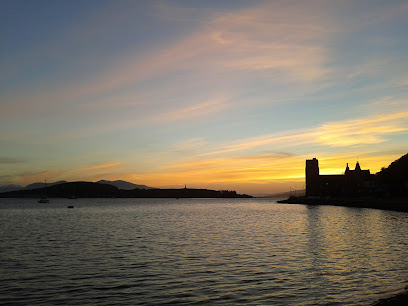
McCaig's Tower & Battery Hill
0.3 km
Explore Oban’s iconic McCaig's Tower, a Colosseum-inspired folly with stunning views and tranquil gardens atop Battery Hill.

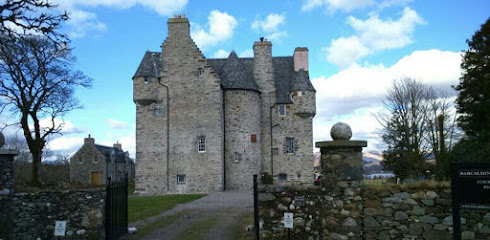
Barcaldine Castle
11.3 km
Experience the haunting beauty and rich history of Barcaldine Castle, a 17th-century Scottish fortress overlooking Loch Creran.
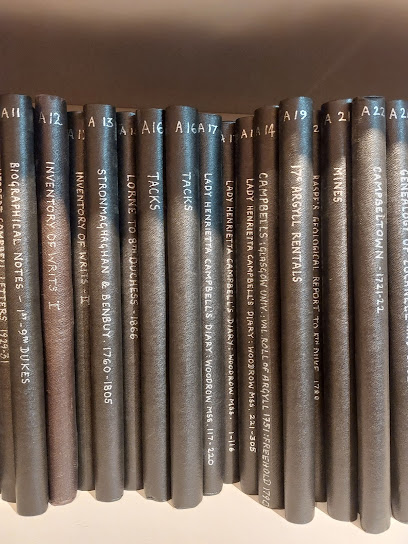
The Argyll Papers, Inveraray Castle
31.5 km
Explore over 700 years of Scottish history through the Campbell family’s extensive archive at Inveraray Castle.
Kilmartin Museum
31.5 km
Discover 12,000 years of history at Kilmartin Museum, where ancient artefacts meet the stunning prehistoric landscape of Kilmartin Glen.
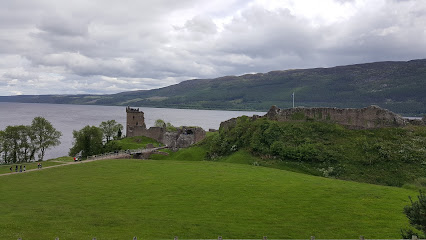
Nether Largie Mid Cairn
32.1 km
Bronze Age burial cairn at the heart of Scotland's most significant prehistoric landscape, carved with rare axehead symbols.
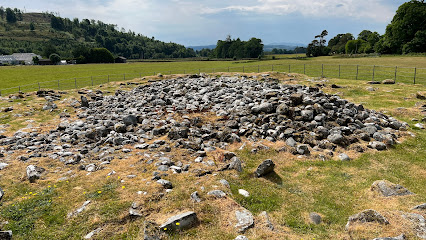
The Tinkers Heart
37.0 km
A heart-shaped quartz monument near Cairndow honoring the Scottish Traveller community’s heritage with stunning views over Loch Fyne.
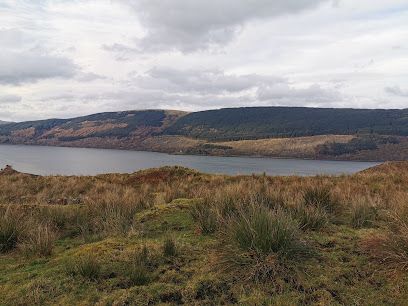
About Argyll Walking Holidays
37.0 km
Explore Argyll’s stunning landscapes with expert guided walking holidays from Cairndow’s trusted outdoor activity organizer.
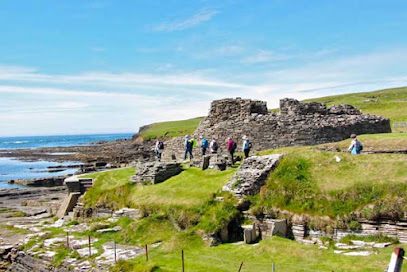
Tobermory Clock Tower
43.1 km
Historic granite clock tower memorializing local heritage, standing proudly by Tobermory’s colourful harbour on the Isle of Mull.
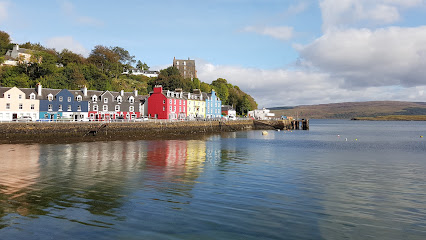
Glas Eilean
44.9 km
Explore the tranquil beauty of Glas Eilean, a hidden island gem in Lochgilphead surrounded by stunning Scottish landscapes and vibrant wildlife.
Fossil Tree
45.5 km
Explore the breathtaking Fossil Tree on the Isle of Mull, a historical landmark offering a glimpse into ancient geological wonders amidst stunning landscapes.
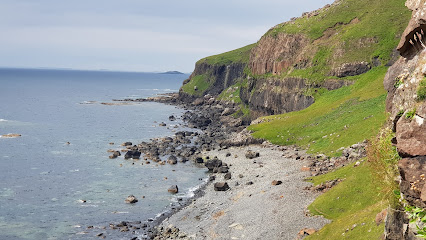
Tioram Castle
46.3 km
A hauntingly beautiful ruined castle on a tidal island in Loch Moidart, once the seat of Clanranald and the Lords of the Isles.
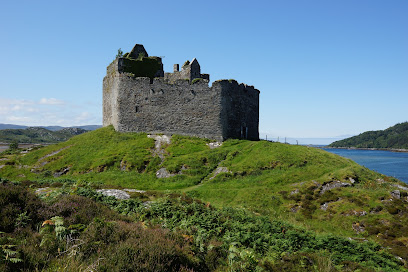
Ben Vane
46.5 km
Explore the breathtaking heights of Ben Vane, a majestic peak offering stunning views and unforgettable hiking experiences in the heart of Scotland's Highlands.
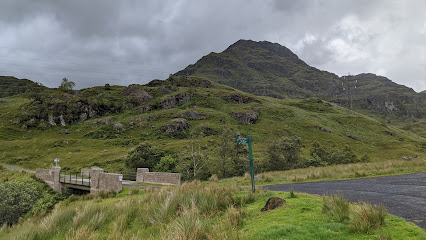
Jubilee Point
46.7 km
Explore Jubilee Point in Argyll Forest Park, a serene picnic ground with stunning views of Loch Eck, perfect for nature lovers and families.
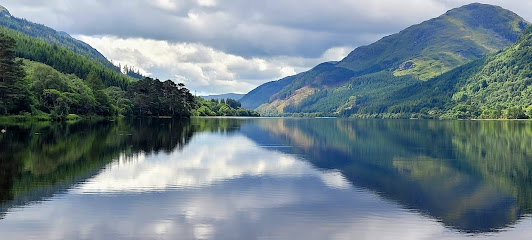
Falls Of Falloch
48.5 km
Experience the breathtaking beauty of the Falls of Falloch, a stunning waterfall and scenic hiking area in the heart of Scotland's picturesque landscapes.
Unmissable attractions to see

Oban War & Peace Museum
0.1 km
Explore Oban’s rich wartime heritage and maritime history in this free, volunteer-run museum on the scenic Corran Esplanade.
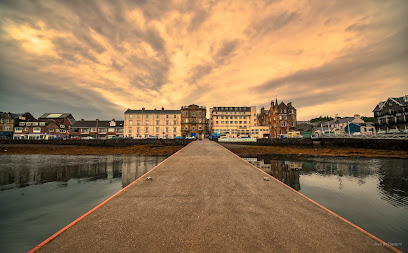
Ardconnel Terrace
0.2 km
Discover Ardconnel Terrace’s Victorian charm and breathtaking coastal views in the heart of Oban’s historic landscape.
VisitScotland Oban iCentre
0.2 km
Your essential gateway to exploring Oban and the Scottish Highlands with expert advice and local insights.
The View Oban
0.3 km
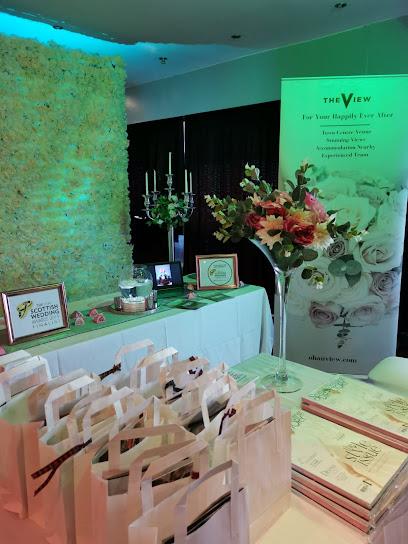
Discover the perfect blend of stunning views and delectable Scottish cuisine at The View Oban, a must-visit restaurant in Oban, Scotland.
Diocese of Argyll & The Isles
0.4 km
Historic Catholic diocese in Scotland’s West Highlands, centered on the neo-Gothic St Columba’s Cathedral overlooking Oban Bay.
St. Columba’s Cathedral
0.5 km
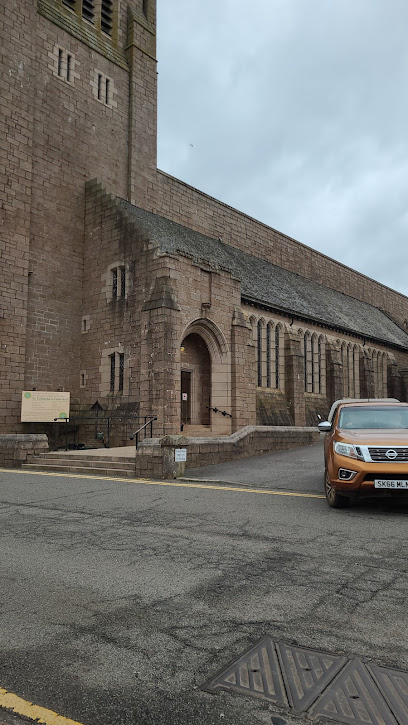
A majestic Neo-Gothic cathedral on Oban’s seafront, blending rich history, stunning granite architecture, and spiritual sanctuary.
Argyll Square
0.5 km
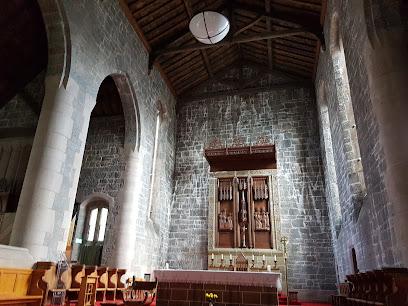
Historic Argyll Square anchors Oban’s waterfront with classical architecture and vibrant local life at Scotland’s scenic western coast.
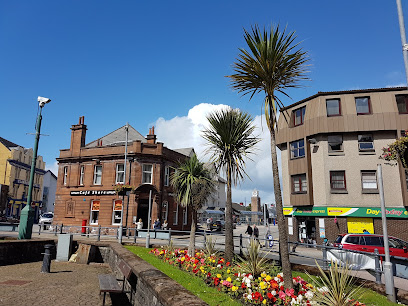
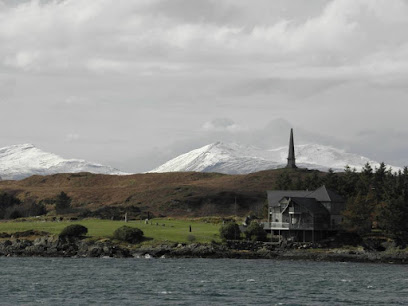
Rudh-a-Chruidh
1.1 km
Discover Rudh-a-Chruidh, a tidal island sanctuary near Oban with stunning coastal views, rich wildlife, and a sleek modern home blending nature and luxury.
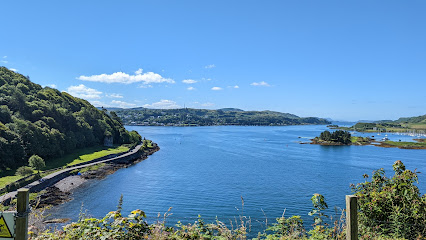
Dunollie Museum, Castle and Grounds
1.3 km
Explore Dunollie’s rich history, stunning castle ruins, and enchanting woodland gardens overlooking Oban Bay in a captivating heritage experience.
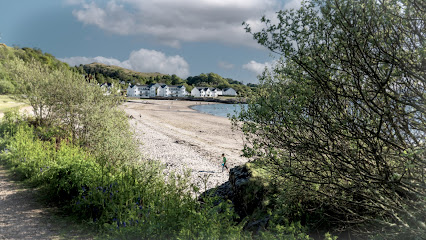
Ganavan Sands
2.3 km
Peaceful sandy beach near Oban with scenic views, easy access, and family-friendly facilities for a relaxing coastal escape.
Dunstaffnage Castle and Chapel
4.8 km
Explore one of Scotland’s oldest stone castles with rich history, stunning sea views, and the haunting ruins of a medieval chapel near Oban.
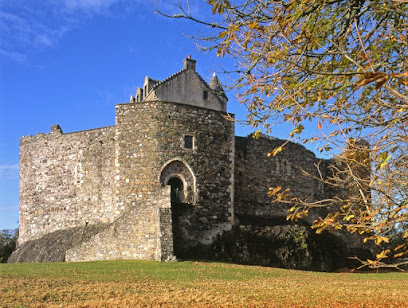
Gylen Castle
6.6 km
Explore the evocative ruins of Gylen Castle, a 16th-century MacDougall tower house with breathtaking views over Scotland’s Firth of Lorne.
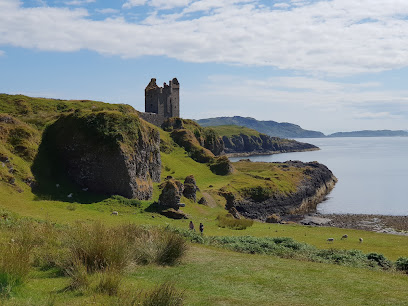
Duart Castle
12.0 km
Historic stronghold of Clan MacLean with stunning sea views and rich Scottish heritage on the Isle of Mull.
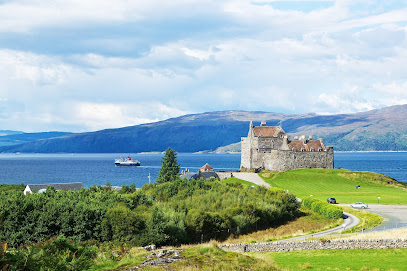
Ardchattan Priory
12.1 km
Discover the tranquil ruins and ancient gardens of Ardchattan Priory, a medieval monastic site steeped in Scottish history and clan heritage.
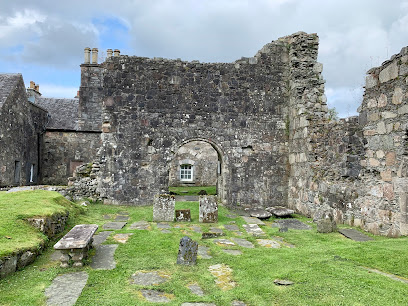
Forest & River Walk
17.5 km
A tranquil forest and river trail on the Isle of Mull, blending waterfalls, wildlife, and scenic views for a refreshing nature escape.
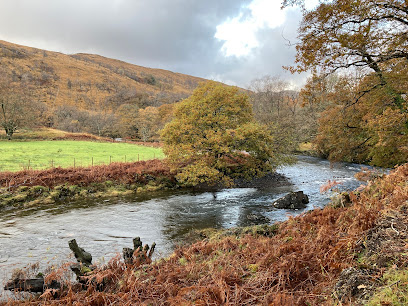
Essential places to dine

EE-USK
0.2 km
Fresh, locally sourced seafood served with panoramic harbor views on Oban’s historic North Pier.
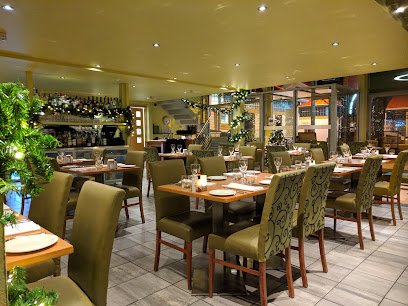
Taste of Argyll Kitchen
0.3 km
Cozy Scottish kitchen in Oban serving fresh, local dishes with a creative touch and warm hospitality.
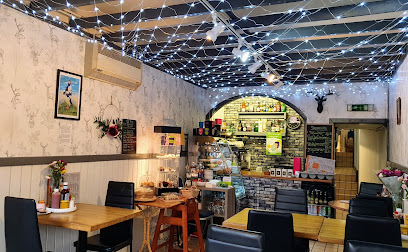
Food From Argyll at the Pier
0.5 km
A vibrant café at Oban’s ferry terminal serving fresh, locally sourced Argyll produce with stunning waterfront views.
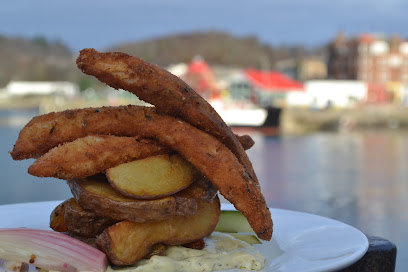
The Barn Bar
4.3 km
A rustic country pub at Cologin offering seasonal Scottish fare, cozy log fires, and lively local music near Oban.
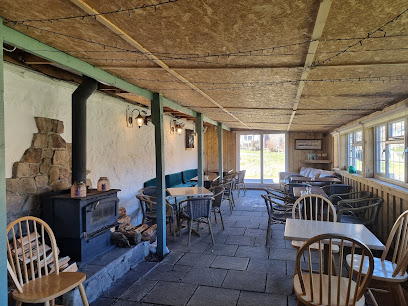
Tigh An Truish
12.9 km
Charming inn and acclaimed restaurant with stunning views of the iconic Clachan Bridge, offering exquisite local cuisine and cozy accommodations.
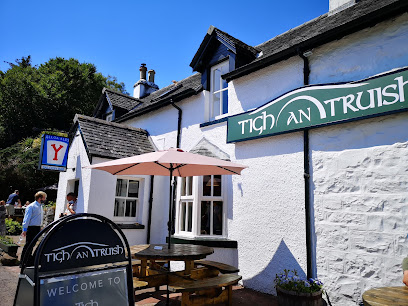
Restaurant at the Isle of Eriska
13.4 km
Experience Michelin-starred dining on a private Scottish island, where local flavours and historic charm meet breathtaking Highland views.
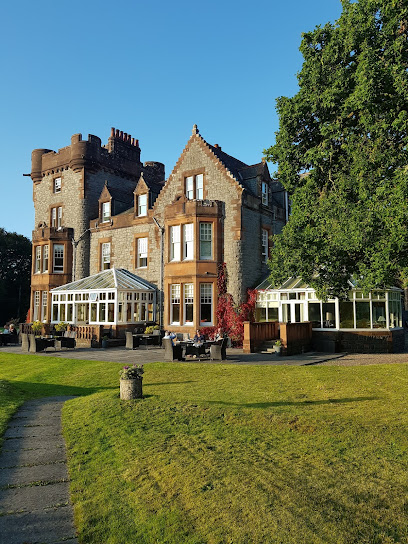
Kilchrenan Inn
19.5 km
A cozy Highland inn blending rustic charm, hearty cuisine, and warm hospitality in peaceful Kilchrenan.
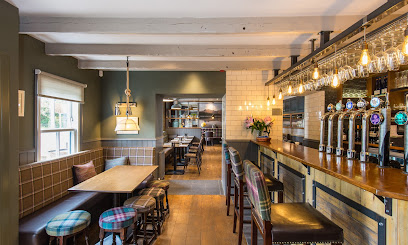
Restaurant at Loch Melfort Hotel
20.8 km
Savor inventive Scottish cuisine with stunning sea loch views at the acclaimed Restaurant at Loch Melfort Hotel in Arduaine.
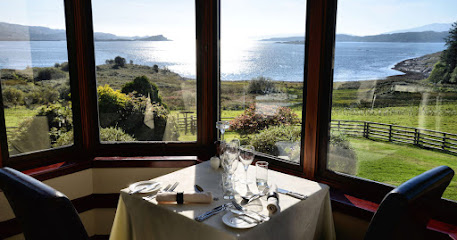
The Whitehouse Restaurant
22.9 km
An intimate fine dining haven in Lochaline serving innovative Scottish cuisine with fresh, local, and foraged ingredients in a historic coastal setting.
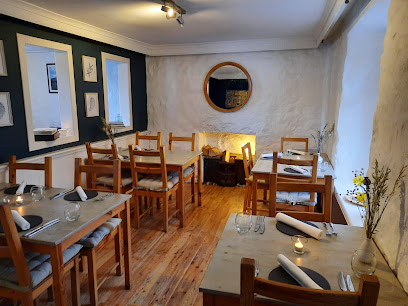
Cottage Restaurant
32.2 km
Cozy and charming dining in Inveraray with fresh local ingredients and warm, attentive service on Main Street West.
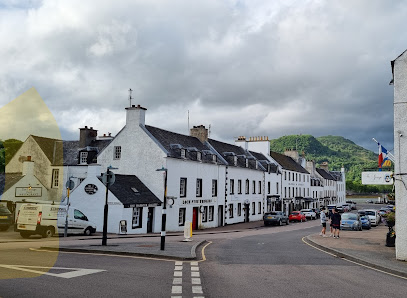
Samphire
32.2 km
Exquisite fresh seafood in a charming historic setting, Samphire offers a refined dining experience in the heart of Inveraray.
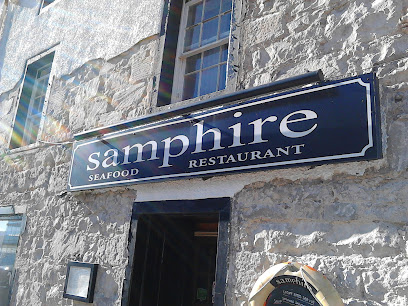
Ocho Inveraray
32.2 km
Unpretentious, flavorful dining in the heart of historic Inveraray with a warm, welcoming atmosphere.
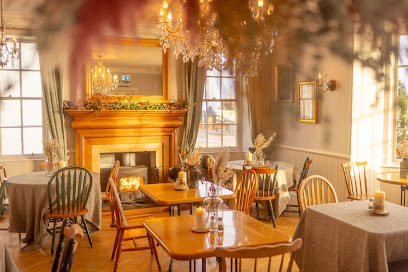
The Laroch Restaurant and Bar
35.8 km
Cozy Highland dining with hearty portions and tender meats in the welcoming village of Ballachulish.
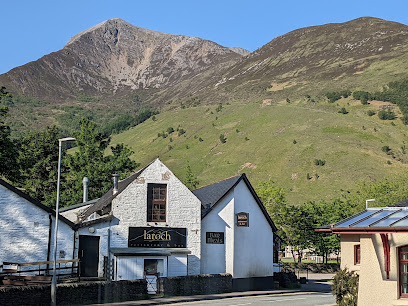
Loch Fyne Restaurant & Oyster Bar
37.3 km
Fresh Scottish seafood with stunning loch views in a rustic, welcoming setting at the head of Loch Fyne.
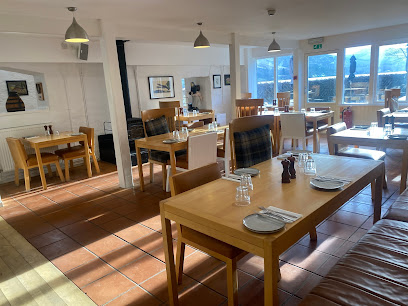
Inver Restaurant & Rooms
38.3 km
Discover a refined Scottish dining experience with fresh local ingredients and cozy rooms on the tranquil shores of Loch Fyne.
Markets, malls and hidden boutiques

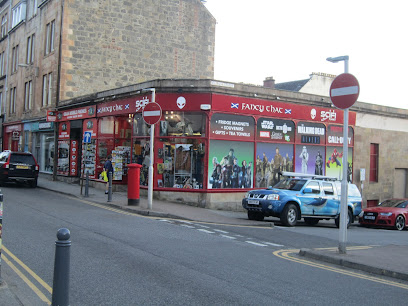
Fancy That & Sci-Fi Planet
0.0 km
Discover a unique blend of local souvenirs and sci-fi collectibles at Fancy That & Sci-Fi Planet in the heart of Oban.
Bolliwood to the Smiddy
0.1 km
A warm, welcoming gift shop in Oban filled with handcrafted Scottish souvenirs and local crafts – perfect for meaningful keepsakes after exploring the coast.
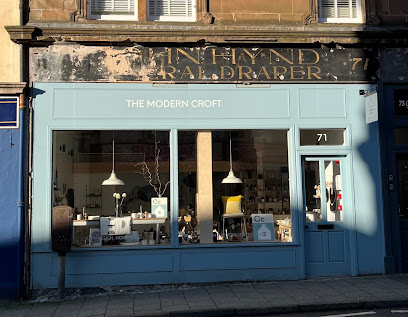
The Modern Croft
0.2 km
A bright, contemporary homewares and gift shop in Oban, showcasing beautiful craft and design from Scotland and beyond.
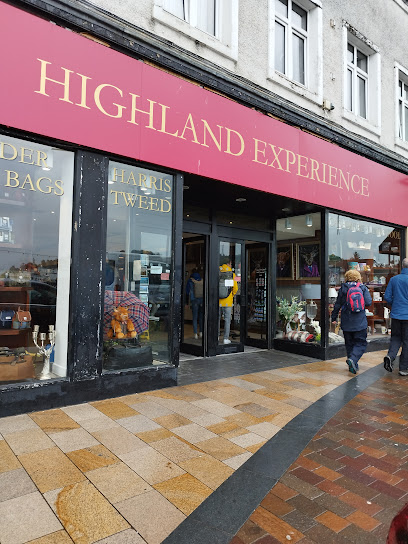
Highland Experience
0.3 km
Explore Highland Experience in Oban for unique Scottish clothing and accessories that reflect the rich culture and craftsmanship of the Highlands.
McCaig's Warehouse
0.4 km
Discover quality Scottish clothing and unique gifts at McCaig's Warehouse, a welcoming boutique nestled in Oban’s Heritage Centre.
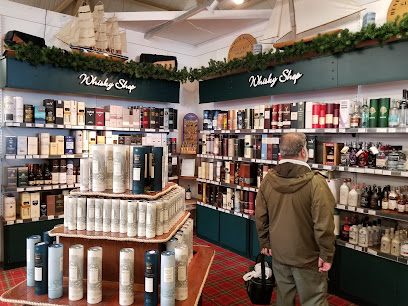
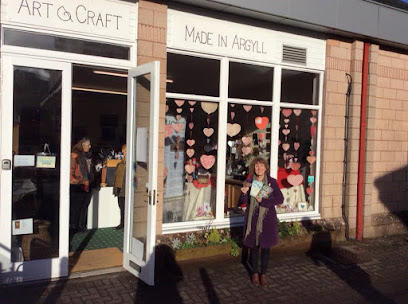
Made in Argyll
0.4 km
Discover handcrafted jewellery, ceramics, textiles and art from Argyll’s makers in a bright, harbour-side craft shop in Oban.
M E S S Charity Shop
14.7 km
Discover unique pre-loved treasures and support local sustainability at M E S S Charity Shop in Craignure’s community hub.
Island Castaways Within An Roth Community Centre
15.5 km
Discover unique preloved treasures and support local causes at Island Castaways, Craignure’s beloved charity shop on the Isle of Mull.
Craignure SPAR and Post Office
15.6 km
Discover the convenience of Craignure SPAR and Post Office, your one-stop shop for essentials and local delights on the Isle of Mull.
Ardfern Village Store
26.4 km
Charming village store offering local Scottish produce, essentials, and warm hospitality in the heart of Ardfern near Lochgilphead.
Bonnie Argyll - Bespoke gifts and crafts from Scotland
32.2 km
Discover authentic Scottish craftsmanship and bespoke gifts in the heart of historic Inveraray at Bonnie Argyll.
The House Of Scotland
32.2 km
Discover authentic Scottish gifts and craftsmanship in the heart of Inveraray’s historic Main Street.
Sid’s Vintage
32.3 km
Discover timeless vintage fashion treasures in the heart of Inveraray at Sid’s Vintage, where every piece tells a story.

Bluestone Gift Shop
42.1 km
A charming independent gift shop in Lochgilphead, offering Scottish-made cards, jewellery, and souvenirs with a personal touch.

The Square Peg Gift Shops
42.3 km
Discover unique gifts and local Scottish charm at The Square Peg, Lochgilphead’s beloved creative gift shop in Colchester Square.
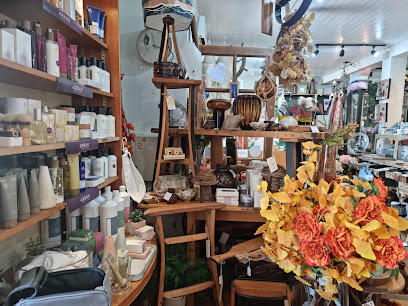
Essential bars & hidden hideouts

The Tartan Tavern
0.0 km
Experience authentic Scottish hospitality and traditional charm at The Tartan Tavern, a cozy and lively pub in the heart of Oban.
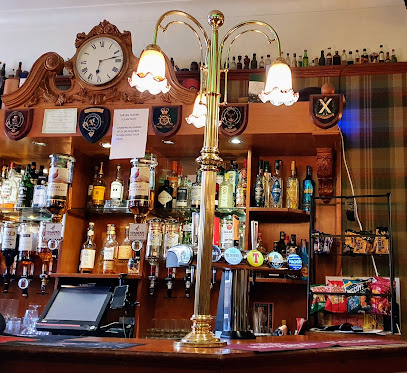
Cellar Bar
0.1 km
Cozy and traditional Scottish pub on Oban’s waterfront, famed for local whiskies, live music, and warm hospitality.
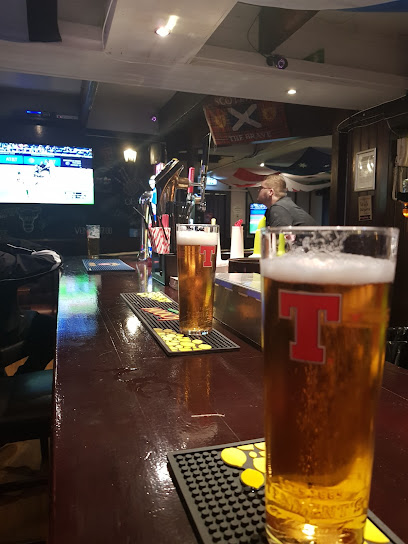
Markie Dans
0.2 km
Family-run pub in Oban offering vast single malts, hearty food, live music, and stunning bay views in a welcoming, lively atmosphere.
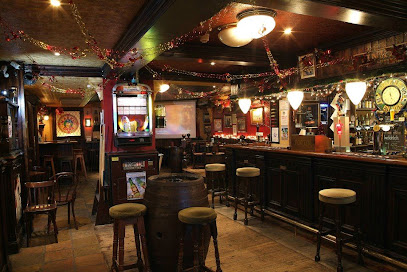
Lorne Bar
0.5 km
Experience authentic Scottish hospitality, fresh local seafood, and a warm, welcoming atmosphere in the heart of Oban at The Lorne Bar.
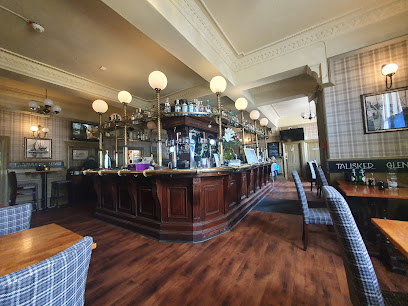
Craignure Inn
15.2 km
A cozy, dog-friendly pub and inn in Craignure offering hearty fare, comfortable rooms, and a warm welcome on the Isle of Mull.
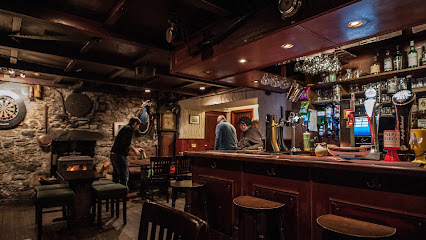
Isle of Mull Hotel & Spa
16.3 km
A welcoming coastal retreat on the Isle of Mull, blending scenic views, spa relaxation, and warm Scottish hospitality.
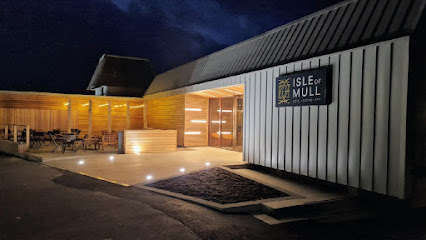
The Oyster Bar
17.4 km
A charming seafood haven in historic Ellenabeich, offering fresh oysters, scenic coastal views, and warm Scottish hospitality.
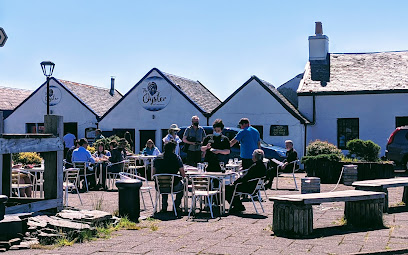
The Clachan Bar
37.4 km
Experience authentic Scottish village hospitality and cozy charm at The Clachan Bar in picturesque Strachur.
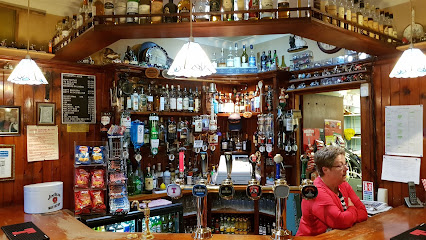
The Anderson Lounge
39.5 km
A cozy, rustic bar in Cairnbaan offering local craft beers and a welcoming atmosphere for travelers exploring the Scottish Highlands.
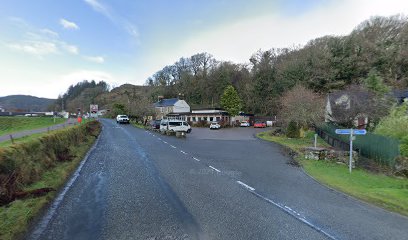
The Argyll Inn
42.4 km
A cozy local bar in Lochgilphead offering traditional Scottish hospitality and a welcoming atmosphere every day from noon to late evening.
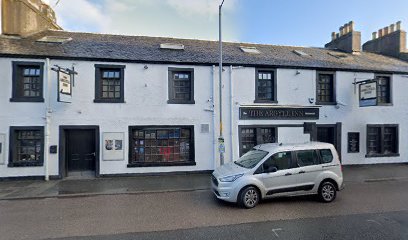
Western Isles Hotel
42.9 km
Historic hotel with breathtaking Tobermory Bay views, classic charm, and warm hospitality on the scenic Isle of Mull.
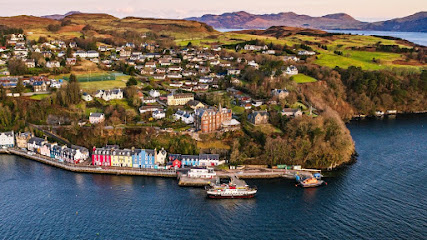
Mishnish
43.0 km
A traditional Scottish hotel and bar in Tobermory, famed for cosy harbour views, live folk music, and warm island hospitality.
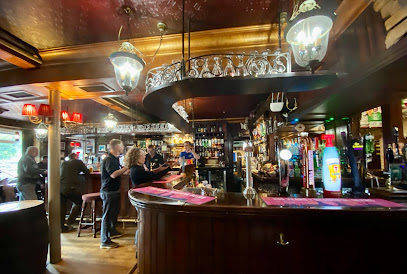
Auld Mull Bar
43.0 km
Experience warm island hospitality and local flavors at Auld Mull Bar, a cozy family-run retreat in Tobermory’s charming harbor village.
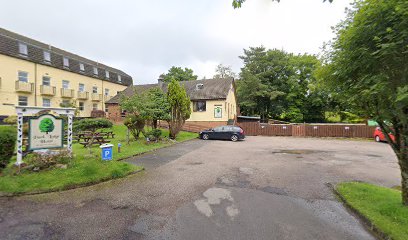
The Tobermory Hotel
43.1 km
Historic boutique hotel with stunning Tobermory Bay views, local cuisine, and warm Highland hospitality on the Isle of Mull’s vibrant waterfront.
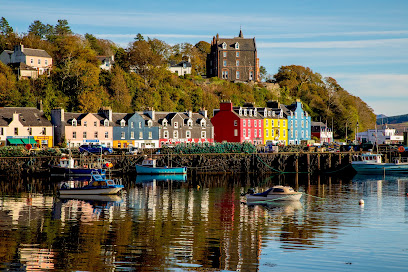
Bothy Bar
45.3 km
A cozy Highland retreat offering traditional Scottish fare, warm hospitality, and stunning views in the heart of Kinlochleven.
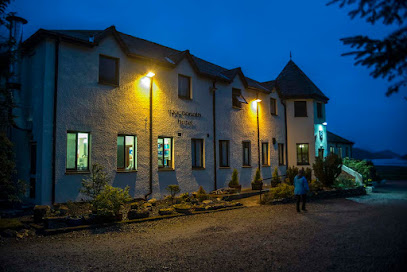
Nightclubs & after hour spots

Roobarb
49.5 km
Experience Fort William’s vibrant nightlife at Roobarb, the welcoming nightclub where music and dancing light up weekend nights.
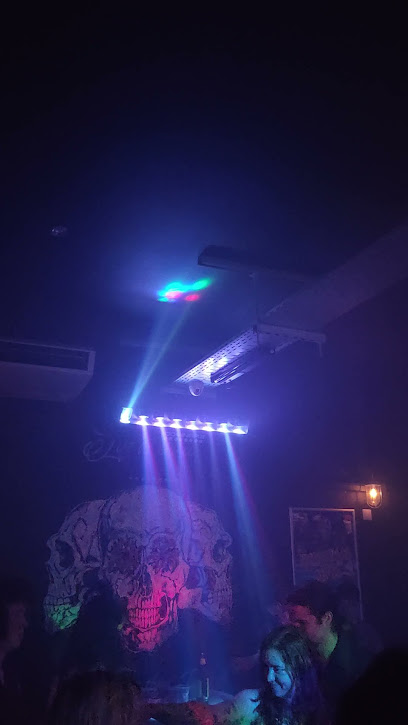
Word Up
67.9 km
Experience Greenock's revitalized nightlife at Word Up, a modern nightclub with vibrant energy and a welcoming atmosphere.
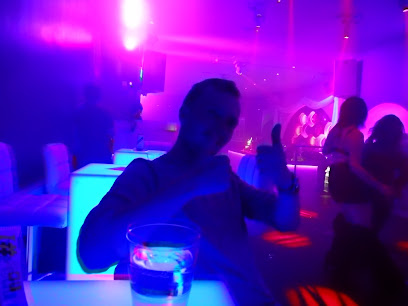
Red
68.6 km
Experience Greenock’s vibrant nightlife at Red Nightclub, where intimate vibes meet lively dance floors and affordable fun every weekend.

Jura Brewery
70.3 km
Discover Jura Brewery: A Craft Beer Experience in the Heart of the Isle of Jura, Where Tradition Meets Nature's Bounty.
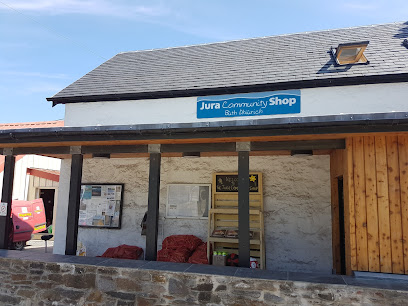
The Jura Community Shop
71.3 km
Discover the charm of Isle of Jura at The Jura Community Shop, your go-to destination for local products and essentials in Craighouse.
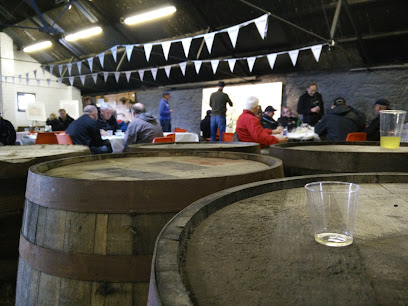
Isle of Jura Distillery Co
71.3 km
Discover the rich heritage and exquisite flavors of Isle of Jura Distillery, a must-visit for whisky lovers in Scotland's stunning landscape.
Desire Nightclub
71.7 km
Experience Balloch’s vibrant nightlife at Desire Nightclub, where energetic music and welcoming vibes create unforgettable evenings.

Ballygrant Inn
78.4 km
A cozy family-run inn on Islay offering hearty local cuisine, an award-winning whisky bar, and comfortable rooms for exploring the Hebridean island.
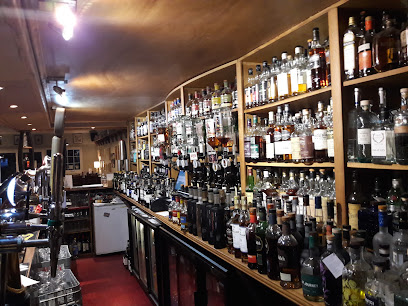
Bar Am Praban
83.4 km
Experience authentic Scottish cuisine and warm hospitality at Bar Am Praban, a premier bar and restaurant on the scenic Isle of Skye.
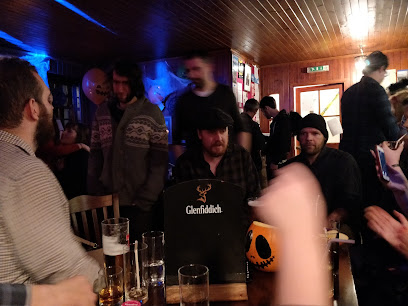
DUFFIE'S BAR
89.0 km
Discover the cozy ambiance of Duffie's Bar in Bowmore, Isle of Islay; a perfect spot for whisky lovers and relaxation amidst beautiful surroundings.
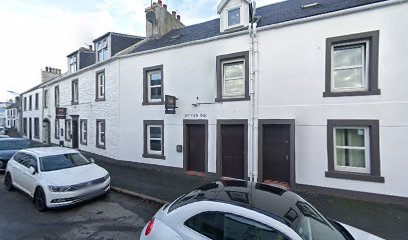
The Lochside Hotel & Restaurant
89.0 km
Discover the beauty and flavors of the Isle of Islay at The Lochside Hotel & Restaurant, where comfort meets local charm in a stunning setting.
Club 69 Paisley
90.6 km
Dive into Paisley’s legendary underground techno scene at Club 69, where pulsating beats and vibrant vibes keep the night alive.
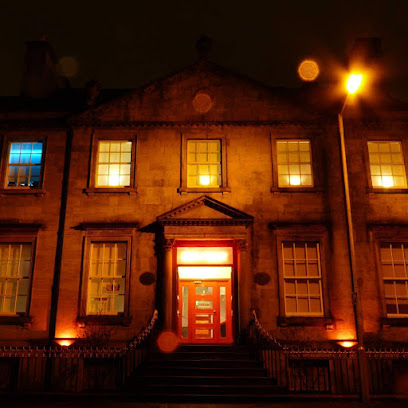
Fantoosh
90.9 km
A lively, intimate nightclub in Paisley’s heart, perfect for energetic nights with friends and local beats.
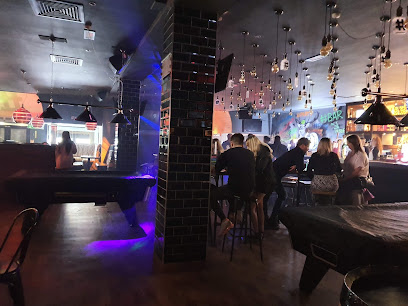
Vienna's Nightclub
90.9 km
Experience Paisley’s vibrant nightlife at Vienna's Nightclub, where energetic music and lively crowds come alive every weekend.
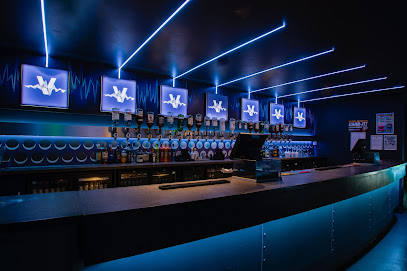
The Wineport Restaurant
93.8 km
Experience the charm of The Wineport Restaurant on the Isle of Arran: a perfect blend of fine dining, local flavors, and breathtaking views.
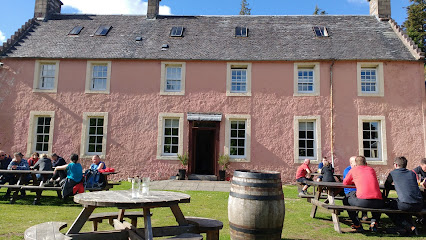
For the vibe & atmosphere seeker
- Tranquil
- Unique
- Scenic
- Spiritual / Energy Spot
For the design and aesthetic lover
- Industrial Designs
- Vintage Styles
- Rustic Designs
For the architecture buff
- Historic
- Landmarks
- Sacred Sites
- Art & Design
For the view chaser and sunset hunter
- Iconic Views
- Panoramas
- Skyline
For the social media creator & influencer
- Instagrammable
- Architectural Shots
- Photo Spots
For the eco-conscious traveler
- Protected Area
- Locally Managed
For the kind of experience you’re after
- Spiritual / Energy Spot
- Cultural Heritage
- Myth & Legends
- Day Trip
For how adventurous you want the journey to be
- Easy Access
Location Audience
- Family Friendly
- Senior Friendly
- Solo Friendly
- Couple Friendly
- Wheelchair Access


