

Ardchattan Priory Travel Guide
Free Guide: Discover the tranquil ruins and ancient gardens of Ardchattan Priory, a medieval monastic site steeped in Scottish history and clan heritage.


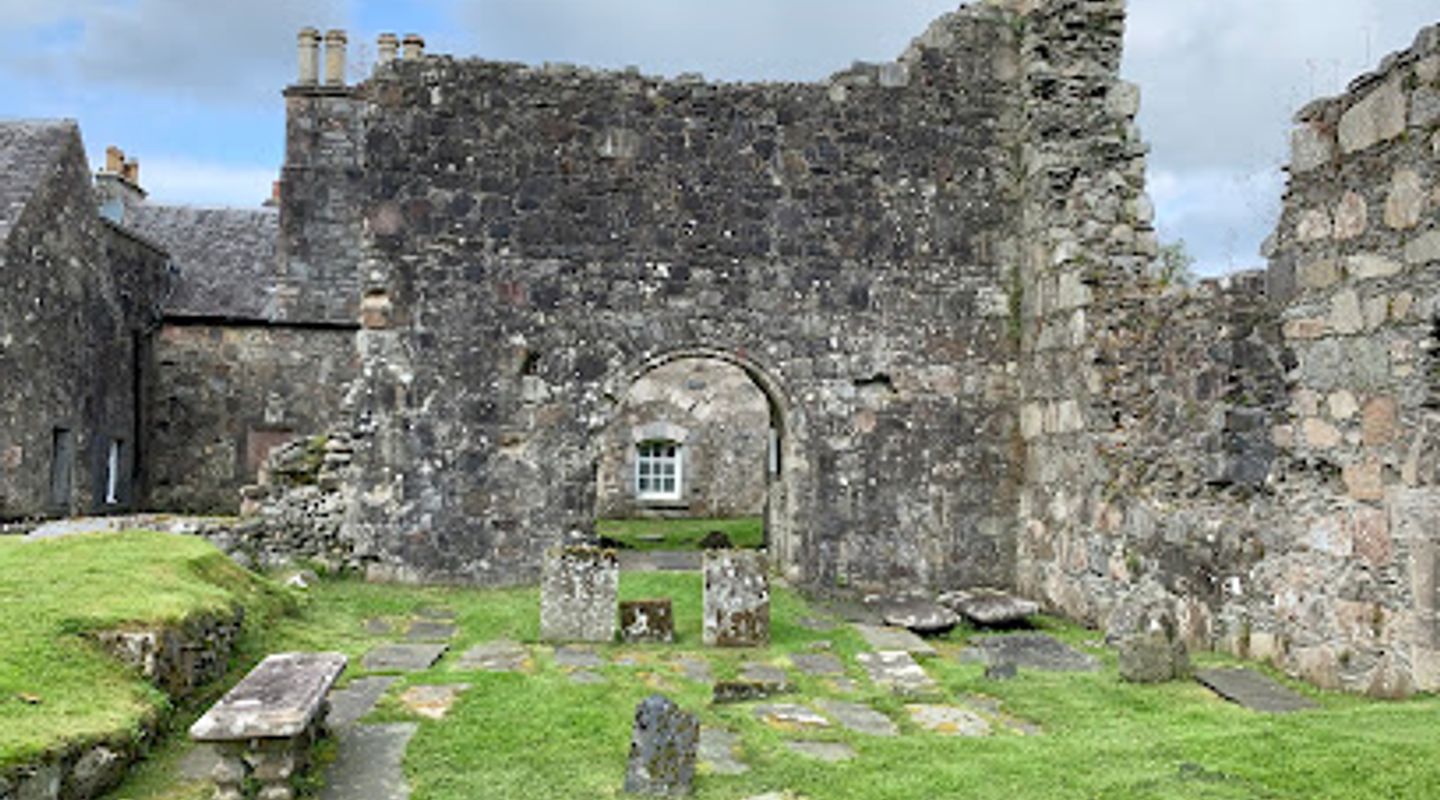
A brief summary of Ardchattan Priory
Discover the tranquil ruins and ancient gardens of Ardchattan Priory, a medieval monastic site steeped in Scottish history and clan heritage.
Ardchattan Priory, founded in 1230 by Sir Duncan MacDougall, is a serene historic site near Oban, Scotland. Once home to Valliscaulian monks, the priory features medieval ruins, ancient sculptured stones including a 10th-century Celtic cross, and tranquil gardens that have existed for over 700 years. The site reflects a rich history tied to Scottish clans, medieval politics, and religious transformation.
On-site amenities
 Restrooms
 Seating areas
 Information boards
Opening hours
- MonClosed
- TueClosed
- Wed9:30 am–5:30 pm
- ThuClosed
- FriClosed
- SatClosed
- SunClosed
Opening hours as listed on the venue’s Google Business Profile. Hours can change for services and special events, so check with the venue before you go.
- Address
- Ardchattan, Oban PA37 1RQ
- Website
Getting there
Car
Bus
Walking
Discover more about Ardchattan Priory
Founding and Monastic Heritage
Ardchattan Priory was established in 1230 or 1231 by Sir Duncan MacDougall, a powerful lord descended from Somerled and the Lords of the Isles. The priory was home to monks of the Valliscaulian order, a strict monastic community originating from Burgundy, known for their austere religious practices and emphasis on solitude. The priory was dedicated to St Modan and served as a spiritual center for the region for over three centuries.
Medieval Significance and Clan Connections
The priory played a notable role in Scottish medieval history. In 1308, Robert the Bruce convened a council of local chiefs here, believed to be the last Gaelic-speaking parliament in Scotland. The sacred yew trees of Ardchattan supplied wood for the longbows used to secure victory at the Battle of Bannockburn in 1314. Over time, the priory came under the influence of Clan Campbell, who converted parts of the buildings into private residences while maintaining the church for worship until the early 18th century.
Architectural and Artistic Features
Visitors can explore the peaceful ruins, which include remnants of the church, sacristy, choir, and two aisles dedicated to branches of the Campbells. The site is renowned for its collection of sculptured stones, mostly dating from the 15th and 16th centuries. Among these is a striking Celtic-style cross from the 10th century, notable for its intricate carvings and believed to have been relocated to the priory from elsewhere.
Gardens and Natural Setting
The priory grounds feature gardens that have been cultivated for over 700 years, originally by the Valliscaulian monks. These gardens provide a tranquil environment, blending natural beauty with historical ambiance. The location on the north shore of Loch Etive offers scenic views and a peaceful atmosphere, making it a place of quiet reflection and connection with nature.
Impact of the Reformation and Later History
The Reformation of 1560 brought an end to the monastic life at Ardchattan. By that time, the priory had dwindled to just a few monks. The site was gradually transformed under the Campbells, who adapted the buildings for secular use. Despite some damage during the Civil War, the church remained in use until 1732. Today, the ruins stand as a testament to the layered history of religious, clan, and political life in Argyll.
Visitor Experience and Preservation
Ardchattan Priory offers visitors a chance to explore a quiet historic landmark rich in cultural heritage. The combination of architectural ruins, ancient stones, and peaceful gardens provides a unique experience for those interested in medieval history, Scottish clans, and monastic traditions. The site is maintained to preserve its historical integrity while allowing public access to this evocative landscape.
Evendo Review Centre
 Google
Guest reviews
Best time to go
Quietest: Jan, Feb & Dec · before 6am or at 9pm
Busy times are Evendo estimates for a typical year, to help you plan. Actual crowds vary with events, school holidays and the weather.
Explore Ardchattan Priory on the map
A handpicked selection of must-see spots near Ardchattan Priory, mapped for you.
Get your free copy of our complete guide to Ardchattan Priory, delivered straight to you.
Everything on this page, from opening hours and how to get there to Eve’s tips and the best time to go, in one PDF you can read offline, print or share.
Already have an account? Sign in
Your Ardchattan Priory guide is ready.
We'll send it to · Not you? Sign out

Getting your guide ready…
We are putting together a fresh copy of the Ardchattan Priory guide. This can take up to a minute.
This can take a few moments. If your browser asks, choose Allow so the download can start. You'll find the guide in your Downloads folder.
Nothing happened? Download it again
Sorry, the guide is taking longer than usual. Please try again in a minute, or get it by email instead.
Other nearby places you may find interesting
The closest places of the same kind, if this one is not quite what you had in mind.
-
-
-
-
-


Swipe for more places
More to explore near Ardchattan Priory

 Best experiences near Ardchattan Priory
 Best hotels near Ardchattan Priory
 Best landmarks near Ardchattan Priory
 Best attractions near Ardchattan Priory
 Best shops near Ardchattan Priory
 Best restaurants near Ardchattan Priory
 Best bars near Ardchattan Priory
Do you manage this location?
Take control to get all the benefits, like improved information, better appearance, and stronger visibility across AI-powered discovery.
Explore more

Explore more of Argyllshire
Explore Argyllshire: A Scottish paradise of rugged coastlines, ancient castles, and charming villages, offering a blend of natural beauty and rich history.
Explore Argyllshire
Explore more of United Kingdom
Discover the United Kingdom: A blend of rich history, stunning landscapes, and vibrant cities, offering a unique travel experience for every visitor.
Explore United Kingdom
