Tantallon Castle Travel Guide
Explore the dramatic cliffside ruins of Tantallon Castle, a mighty medieval fortress with breathtaking views over Bass Rock and the North Sea.
Origins and the Red Douglas Legacy
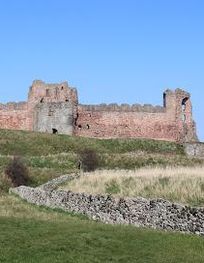
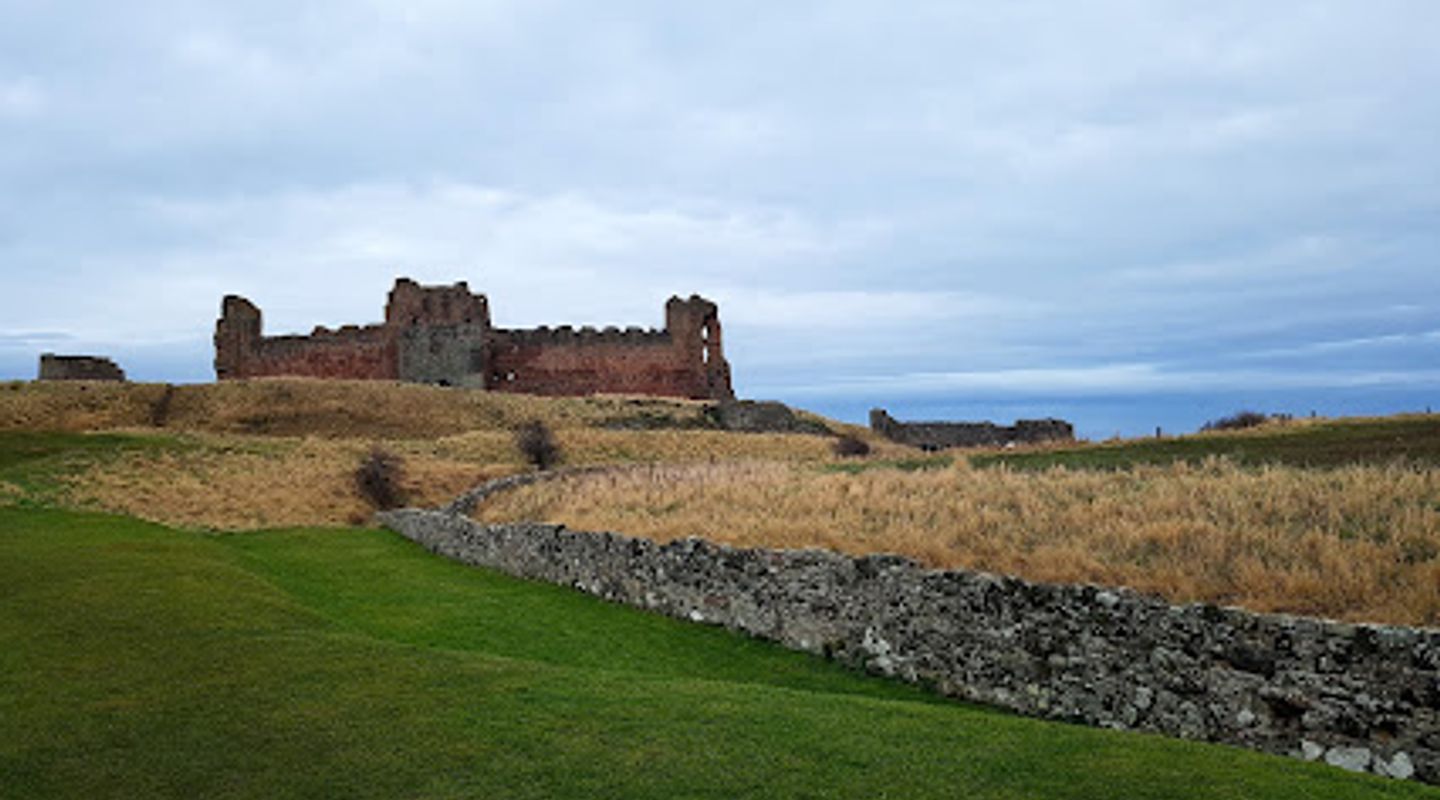
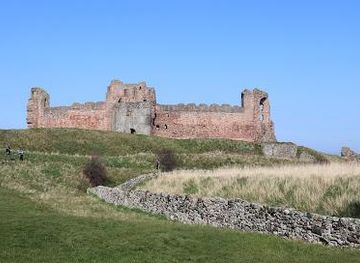
Tantallon Castle was constructed around the mid-1300s by William Douglas, 1st Earl of Douglas, at the height of his influence. The castle became the seat of the Red Douglas branch of the family, who controlled it for approximately three centuries. This powerful dynasty often found itself in conflict with the Scottish Crown, shaping much of the castle’s turbulent history. The fortress was strategically positioned on a rocky headland with sheer cliffs on three sides, providing a natural defense that was enhanced by its formidable curtain wall and deep outer ditch.Architectural Strengths and Defenses
Designed before the advent of gunpowder artillery, Tantallon’s architecture focused on withstanding siege engines like trebuchets and battering rams. Its curtain wall, up to 12 feet thick, is nearly windowless and reinforced with high battlements for archers. Later modifications in the 16th century added gun holes and external gun defenses, including a gun tower and an earthen ravelin, to counter cannon fire. Despite these upgrades, the castle was severely damaged during Oliver Cromwell’s siege in 1651, which ended its role as a military stronghold.Historic Sieges and Political Intrigue
Tantallon endured multiple sieges, most notably by Kings James IV and James V in the late 15th and early 16th centuries. The 1528 siege by James V lasted twenty days but failed to capture the castle, thanks to its strong defenses and strategic location. The castle also played a role during the War of the Rough Wooing and the English Civil Wars. Cromwell’s forces bombarded Tantallon in 1651, forcing a surrender after twelve days of heavy artillery fire. The destruction was so extensive that the castle was never reoccupied.Visitor Experience and Atmosphere Today
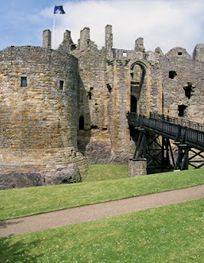
Today, Tantallon Castle stands as a striking ruin, evocative of its dramatic past and commanding coastal views. Visitors can explore the vast remains of the Great Hall, the grim pit prison, and climb the battlements for panoramic vistas of Bass Rock and the North Sea. The castle’s weathered sandstone walls and exposed defensive structures create a powerful atmosphere, enhanced by the cries of seabirds and the coastal wind. Although access to the east tower and doocot is currently restricted, the site offers a rich experience for history enthusiasts and photographers alike.Natural Setting and Scenic Highlights
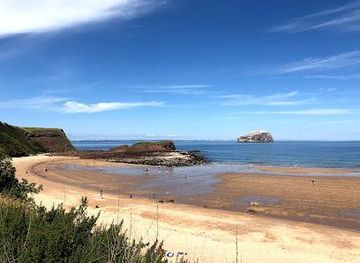
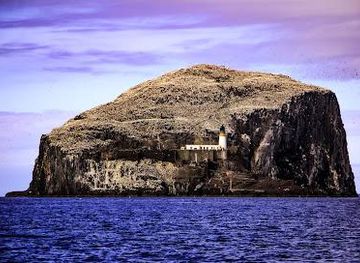
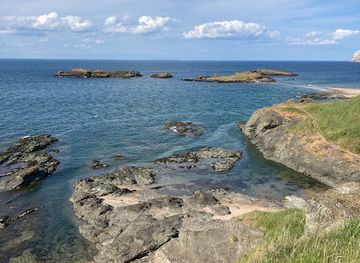
Set on a small peninsula with cliffs plunging into the sea, Tantallon boasts some of the most breathtaking coastal scenery in Scotland. From the battlements, visitors enjoy expansive views over the Firth of Forth, including the iconic Bass Rock, home to the world’s largest colony of northern gannets. The rugged coastline and open skies provide excellent opportunities for stargazing, birdwatching, and photography, making Tantallon a unique blend of natural beauty and historical grandeur.Conservation and Access
Managed by Historic Environment Scotland, Tantallon Castle is preserved as a protected historic site. Visitor facilities include a car park and a visitor centre nearby, with ground-level access to much of the castle. However, steep spiral staircases limit access to upper floors for some visitors. Dogs on leads are welcome, and the site encourages responsible tourism to maintain its fragile environment. The castle’s remote coastal location ensures a tranquil yet awe-inspiring experience.A brief summary to Tantallon Castle
- North Berwick, EH39 5PN, GB
- Click to display
- Click to display
- Monday 9:30 am-5 pm
- Tuesday 9:30 am-5 pm
- Wednesday 9:30 am-5 pm
- Thursday 9:30 am-5 pm
- Friday 9:30 am-5 pm
- Saturday 9:30 am-5 pm
- Sunday 9:30 am-5 pm

Know before you go
Hi, I'm Eve. Here are a few practical things to know before exploring Tantallon Castle.
- Wear sturdy footwear as the castle grounds include uneven surfaces and exposed battlements with steep staircases.
- Bring a camera to capture spectacular views of Bass Rock and the rugged East Lothian coastline.
- Purchase a guidebook or download an audio guide to fully appreciate the castle’s rich history and architectural features.
- Check weather conditions before visiting, as coastal winds can be strong and some areas are exposed.
- Note that access to the east tower and doocot is currently closed for safety reasons.
Do you manage this location?
Take control to get all the benefits, like improved information, better appearance, and stronger visibility across AI-powered discovery. Learn more about listing your business on Evendo
Activate your presenceOther nearby places you may find interesting
The closest places of the same kind, if this one is not quite what you had in mind.
Explore Tantallon Castle on the Map
A handpicked selection of must-see spots near Tantallon Castle, mapped for you.
Unlock the Best of Tantallon Castle
Buy tickets
-
No tickets available
Book tours with entry


Book tours without entry
-
No tours available
Getting There
-
Car
Driving from Edinburgh to Tantallon Castle takes approximately 40 to 50 minutes via the A1 and A198. Ample parking is available near the visitor centre. Note that roads can be narrow in places and parking may be limited during peak season. Entry fees apply.
-
Bus
Regular bus services run from Edinburgh to North Berwick, taking about 1 hour. From North Berwick town centre, a taxi or local bus can reach Tantallon Castle in 10 to 15 minutes. Bus frequency varies, so check schedules in advance.
-
Walking
From North Berwick, a scenic 5 km walk along coastal paths to Tantallon Castle takes roughly 1.5 hours. The trail features uneven terrain and some steep sections, so it is suitable for experienced walkers with good footwear.















Your all‑in‑one travel companion app
Explore expert travel guides, compare and book tours, experiences, hotels, and more—all from the palm of your hand. Download now for seamless trip planning wherever your wanderlust takes you.