

Kingencleugh Castle Travel Guide
Free Guide: Explore the evocative ruins of Kingencleugh Castle, a historic Campbell residence nestled in Mauchline’s scenic glen with rich Reformation ties.


A brief summary of Kingencleugh Castle
Explore the evocative ruins of Kingencleugh Castle, a historic Campbell residence nestled in Mauchline’s scenic glen with rich Reformation ties.
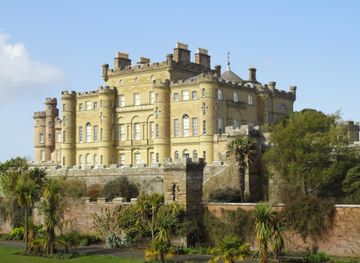
Kingencleugh Castle, located near Mauchline in Ayrshire, Scotland, is a historic 17th-century ruin originally built around 1620 for the Campbell family. Overlooking the Kingen Cleugh Glen and burn, this L-shaped fortified residence blends residential comfort with defensive features. The castle is linked to notable Scottish Reformation figures and local legends, including a reputed ley tunnel to Mauchline Castle. Its picturesque setting and evocative ruins offer a glimpse into Scotland's turbulent past and architectural heritage.
On-site amenities
 Seating areas
 Information boards
 Trash bins
- Address
- Mauchline KA5 5JL
Getting there
Car
Bus
Walking
Discover more about Kingencleugh Castle
Origins and Historical Significance of Kingencleugh Castle
Kingencleugh Castle was constructed around 1620 by the Campbells as a replacement for an older fortification that dated back to the 14th or 15th century. The castle served as a border marker for the Campbell feus in the region and was primarily a residence with defensive features rather than a military fortress. The Campbells held the property until the late 18th century. The castle is historically notable for its association with the Scottish Reformation; John Knox is said to have visited Kingencleugh in 1556, and the castle was home to reformers Hugh and Robert Campbell. Local tradition speaks of a ley tunnel linking Kingencleugh to Mauchline Castle, underscoring the site's historical mystique.
Architectural Features and Ruins
The castle's remains consist of a four-storey, L-shaped structure built of ashlar-ended rubble masonry with walls approximately 0.8 meters thick. The lower floors feature narrow slit windows, indicative of its defensive design. The north-west wall stands to its full height of about 7 meters, topped with a distinctive crow-stepped gable. A corbelled turret remains in the re-entrant angle, and the main entrance is located in the western arm of the 'L'. The ground-floor apartment was barrel-vaulted, providing structural strength and security. Positioned above the Kingen Cleugh Glen and burn, the castle overlooks sloping terrain to the south, offering natural protection and commanding views.
Setting and Surrounding Landscape
Kingencleugh Castle is situated in a narrow gorge known locally as a 'cleugh,' characterized by steep rocky sides and the burn that feeds into the nearby River Ayr. The natural landscape enhances the castle’s defensibility and scenic appeal. Nearby remnants of historic mills and stone arched footbridges attest to the area's industrial past in the 19th century. The surrounding glen and woodland provide a tranquil environment, rich in natural beauty and heritage.
Connection to Mauchline and Regional Heritage
The castle lies close to the historic town of Mauchline, a site deeply embedded in Scotland’s religious and cultural history. Mauchline was a Covenanter stronghold and featured prominently in the Scottish Reformation, with figures like George Wishart and John Knox preaching in the area. The castle’s proximity to Mauchline links it to these significant historical narratives. The nearby Mauchline Castle, originally a monastic residence for Melrose Abbey, complements Kingencleugh’s story, together illustrating the region’s layered past.
Preservation and Visitor Experience
Though largely in ruins, Kingencleugh Castle remains a compelling attraction for visitors interested in Scottish history, architecture, and natural landscapes. The site’s evocative ruins invite exploration and reflection on the lives of its former inhabitants and their role in Scotland’s religious and political transformations. The castle’s setting in a peaceful glen offers a quiet retreat, ideal for photography, historical contemplation, and enjoying the scenic Ayrshire countryside.
Legends and Anecdotes Surrounding the Castle
Among the local lore is the tale of a subterranean passage or ley tunnel running between Kingencleugh Castle and Mauchline Castle, a feature common in Scottish castle legends. John Knox’s reputed visit in 1556 adds a layer of spiritual and historical intrigue. The Campbell family’s elephant crest, visible on the later manor house built nearby, symbolizes the family’s legacy. These stories enrich the visitor’s experience, blending history with folklore in a uniquely Scottish manner.
Evendo Review Centre
 Google
Guest reviews
Best time to go
Quietest: Jan, Feb & Dec · before 6am or at 9pm
Busy times are Evendo estimates for a typical year, to help you plan. Actual crowds vary with events, school holidays and the weather.
Explore Kingencleugh Castle on the map
A handpicked selection of must-see spots near Kingencleugh Castle, mapped for you.
Get your free copy of our complete guide to Kingencleugh Castle, delivered straight to you.
Everything on this page, from opening hours and how to get there to Eve’s tips and the best time to go, in one PDF you can read offline, print or share.
Already have an account? Sign in
Your Kingencleugh Castle guide is ready.
We'll send it to · Not you? Sign out

Getting your guide ready…
We are putting together a fresh copy of the Kingencleugh Castle guide. This can take up to a minute.
This can take a few moments. If your browser asks, choose Allow so the download can start. You'll find the guide in your Downloads folder.
Nothing happened? Download it again
Sorry, the guide is taking longer than usual. Please try again in a minute, or get it by email instead.
Other nearby places you may find interesting
The closest places of the same kind, if this one is not quite what you had in mind.
-
-
-
-
-


Swipe for more places
More to explore near Kingencleugh Castle

 Best experiences near Kingencleugh Castle
 Best hotels near Kingencleugh Castle
 Best landmarks near Kingencleugh Castle
 Best attractions near Kingencleugh Castle
 Best shops near Kingencleugh Castle
 Best restaurants near Kingencleugh Castle
 Best bars near Kingencleugh Castle
Do you manage this location?
Take control to get all the benefits, like improved information, better appearance, and stronger visibility across AI-powered discovery.
Explore more
Explore more of Ayrshire
Discover Ayrshire: a coastal retreat in Scotland offering historic castles, scenic trails, and a rich cultural heritage awaiting your exploration.
Explore Ayrshire
Explore more of United Kingdom
Discover the United Kingdom: A blend of rich history, stunning landscapes, and vibrant cities, offering a unique travel experience for every visitor.
Explore United Kingdom
