
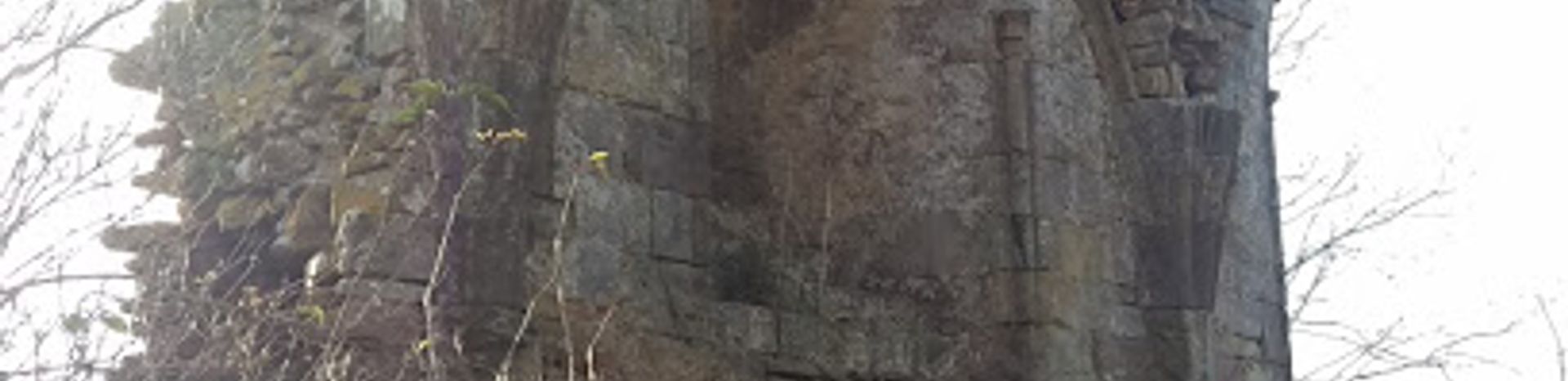
Craigie Castle: Medieval Stronghold and Wallace Heritage
Explore the evocative ruins of Craigie Castle, a medieval fortress steeped in Wallace heritage and architectural grandeur near Kilmarnock.
Craigie Castle, located near Kilmarnock in South Ayrshire, Scotland, is a striking ruin of a medieval fortified site dating mainly from the 15th century, with origins in the 12th or 13th century. Originally built for the Lindsay clan and later owned by the Wallaces of Riccarton, it features one of Scotland’s finest vaulted halls and is linked to the early life of William Wallace. The castle’s remains sit amidst ditches and natural lochans, evoking a powerful sense of Scotland’s medieval past.
A brief summary to Craigie Castle
- Craigiemains Farm, Kilmarnock, KA1 5PG, GB
- Duration: 0.5 to 2 hours
- Free
-
 Outdoor
- Mobile reception: 3 out of 5
Local tips
- Wear sturdy footwear as the castle ruins are set on uneven ground with natural defensive ditches.
- Visit during daylight hours to fully appreciate the architectural details and surrounding landscape.
- Bring a camera to capture the atmospheric ruins and scenic ridge views.
- Combine your visit with nearby historical sites in Ayrshire for a fuller medieval experience.

For the on-the-go comforts that matter to you
- Information Boards
Getting There
-
Bus
Take the Stagecoach bus service from Kilmarnock town center towards Craigie village, with a journey time of approximately 20-30 minutes. Services run hourly, and the stop near Craigiemains Farm is a short walk from the castle ruins. Tickets cost around £3-£5 one way.
-
Car
Driving from Kilmarnock, the castle is about a 10-minute drive via minor roads. Parking is limited near Craigiemains Farm, so arrive early. The terrain near the castle is uneven, so ensure your vehicle is suitable for rural roads.
-
Walking
For the adventurous, a 90-minute walk from Kilmarnock town center to Craigie Castle follows rural paths and minor roads. The route includes some uneven terrain and gentle inclines, suitable for experienced walkers with proper footwear.
Craigie Castle location weather suitability
-
 Any Weather
-
 Clear Skies
-
 Mild Temperatures
-
 Rain / Wet Weather
Discover more about Craigie Castle
Origins and Early Ownership
Craigie Castle, known in Gaelic as Caisteil Chreagaidh, stands about 4 miles southeast of Kilmarnock. Its origins trace back to the 12th or 13th century, initially constructed by the Lindsay clan. Around 1371, the castle passed by marriage to John Wallace of Riccarton, marking the beginning of the Ayrshire Wallaces' tenure. This family line occupied the castle until 1588 before relocating to Newton Castle in Ayr. The site’s early history is intertwined with Scotland’s medieval nobility and clan dynamics, reflecting the shifting allegiances and land ownership of the period.Architectural Features and Layout
The castle’s ruins predominantly exhibit 15th-century Gothic castellated architecture, built over an earlier hall house from the 12th or 13th century. The structure originally formed a rectangular hall-house with a wide crenellated parapet and saddleback roof. The 15th-century renovations included the addition of a rib-vaulted hall with three bays over an unvaulted basement, considered one of the finest examples of vaulted halls in Scotland, rivaling those in abbeys and churches. The castle was fortified with ditches and natural lochans, enclosing approximately four acres, and featured two courtyards and ranges of outbuildings, indicating its significance as a defensive and residential complex.Connection to William Wallace and Local Legends
Craigie Castle holds a special place in Scottish history due to its association with William Wallace, the famed freedom fighter. It is believed by descendants such as Mrs. Frances Dunlop that Wallace was born at Craigie Castle, his grandfather’s home. Wallace reportedly spent his early years here before moving due to family expansion. The castle’s connection to Wallace adds a layer of cultural heritage and mystique, linking the site to Scotland’s national identity and the struggle for independence.Decline and Ruin
The castle was abandoned around 1600 following the Wallace family’s move to Newton Castle. Over time, it fell into ruin, exacerbated by a severe storm in 1701 that caused significant damage. By the late 18th century, the castle was largely demolished, leaving only the evocative ruins visible today. Despite its ruinous state, the site remains protected as a scheduled monument, recognized for its national importance as a medieval fortified site combining surviving stone structures with its natural defensive landscape.Surroundings and Present-Day Setting
Craigie Castle is situated on a ridge near Craigiemains Farm, surrounded historically by wooded parkland and defensive earthworks. The natural lochans and ditches that once fortified the castle contribute to its atmospheric setting, offering visitors a glimpse into medieval fortification strategies. The site’s rural location near Kilmarnock provides a tranquil environment to explore Scotland’s layered history amid evocative ruins.Architectural Significance and Preservation
The castle’s rib-vaulted hall is a highlight for architectural historians, representing a high-quality medieval construction comparable to prominent Scottish ecclesiastical buildings. Traces of earlier defensive features, such as crenellated parapets and round-arched doorways, illustrate the evolution of castle design over centuries. Today, Craigie Castle stands as a testament to Scotland’s medieval heritage, preserved as a scheduled monument and studied for its architectural and historical value.Iconic landmarks you can’t miss

Wallace's Monument, Ayrshire “Burnweil”
2.2 km
A proud Ayrshire landmark honoring William Wallace, Scotland’s legendary hero of independence and bravery.
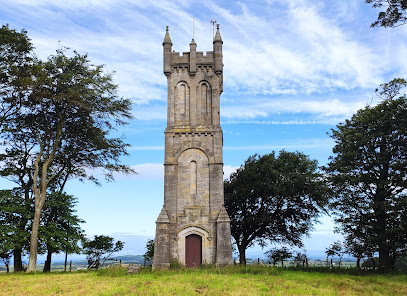
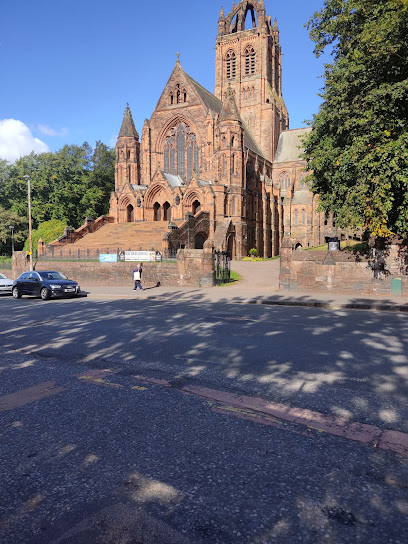
Trinity Church (Former)
11.3 km
A majestic Gothic Revival landmark showcasing Victorian ecclesiastical architecture and Irvine’s rich religious heritage.
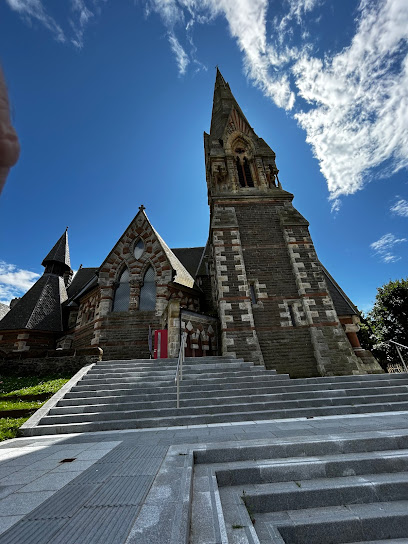
Ayr Citadel
12.2 km
Explore Ayr Citadel, a 17th-century hexagonal fortress by the sea, rich in history and coastal charm.
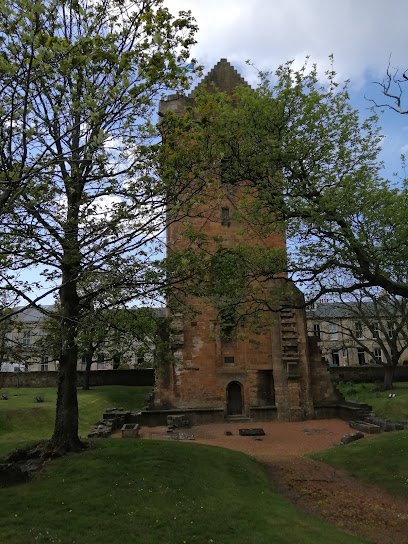
Spirit of Scotland Monument
21.1 km
A towering steel silhouette honoring William Wallace and Scotland’s historic battles at Loudoun Hill, embodying the nation’s enduring spirit.
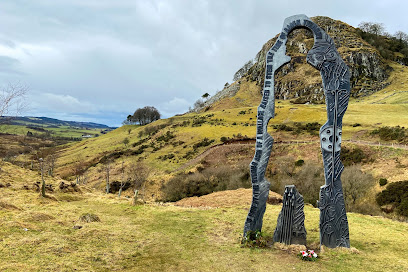
Weaver's Cottage
31.6 km
Explore Scotland's textile heritage at Weaver's Cottage, a charming museum in Kilbarchan showcasing traditional handloom weaving.
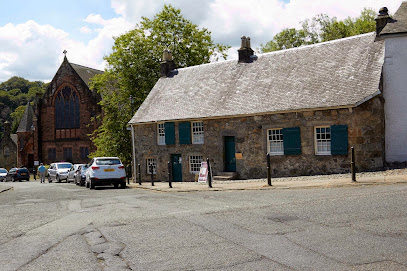
Johnstone History Museum
31.8 km
Explore the captivating history of Johnstone at the Johnstone History Museum, a unique local treasure filled with engaging artifacts and stories of the past.
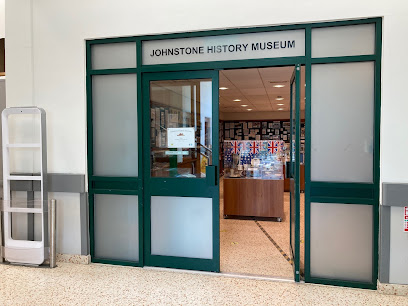
Strathaven Castle
32.0 km
Discover the haunting ruins of Strathaven Castle, a 15th-century fortress steeped in history, legend, and Scottish heritage.
Calderglen Country Park and Zoo
32.2 km
Explore the natural beauty and wildlife of Calderglen Country Park and Zoo, a perfect destination for families and nature enthusiasts in Glasgow.
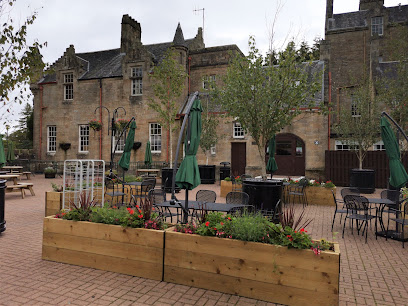
Reino Unido
32.3 km
Experience the artistic vibrancy of Reino Unido, where captivating paintings and cultural richness await every traveler.
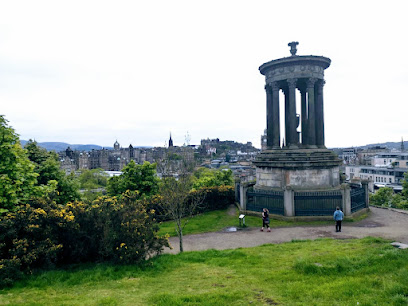
Turnberry Castle, Robert the Bruce birthplace
32.3 km
Discover the legendary birthplace of Robert the Bruce at Turnberry Castle, a historical landmark offering breathtaking coastal views and rich Scottish heritage.
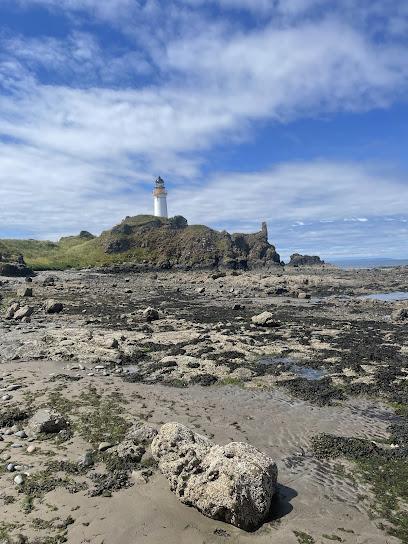
Dalquharran Castle
32.5 km
Experience the timeless beauty and rich history of Dalquharran Castle, a stunning Gothic estate surrounded by idyllic landscapes in South Ayrshire, Scotland.
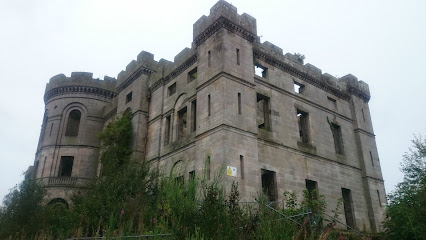
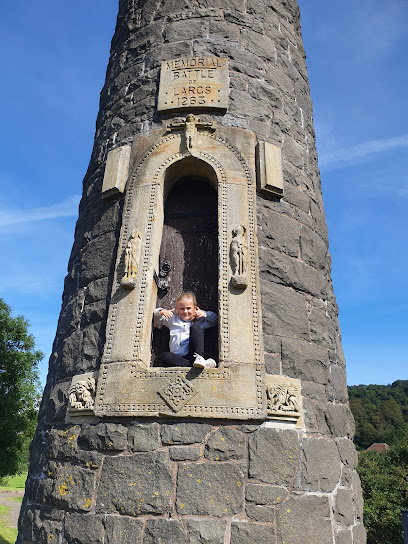
Largs Pencil Monument
32.8 km
Discover the Largs Pencil Monument, a towering tribute to Scottish heritage with stunning views of the Firth of Clyde and rich historical significance.
Sma' Shot Cottages
32.9 km
Discover the rich textile heritage of Paisley at Sma' Shot Cottages, a museum that brings the weaving history of Scotland to life.
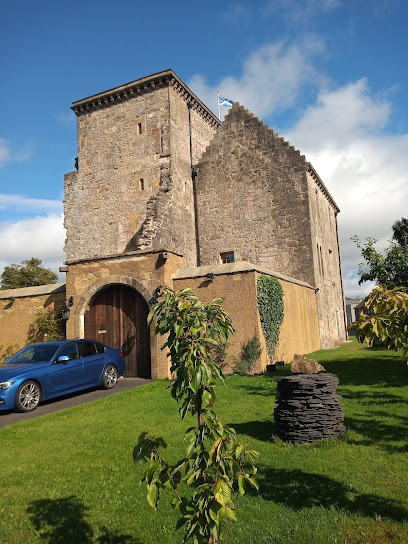
Coats Paisley
33.0 km
Historic wedding and events venue on Paisley’s High Street, blending heritage charm with cinematic interiors and versatile celebration spaces.
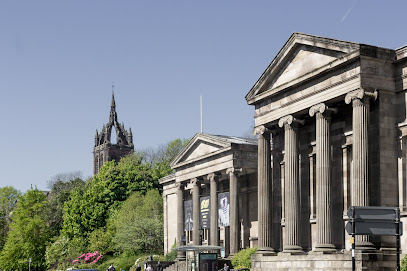
Paisley Museum & Art Gallery
33.0 km
Explore the Paisley Museum & Art Gallery, a cultural treasure trove showcasing art, history, and local heritage in the heart of Scotland.
Unmissable attractions to see

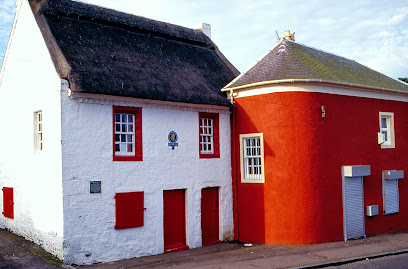
Bachelors' Club
5.0 km
Step into the 17th-century thatched house where Robert Burns and friends debated, danced, and shaped Scottish literary history.
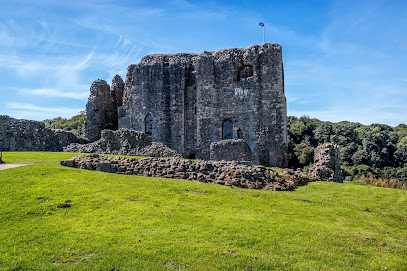
Dundonald Castle and Visitor Centre
5.3 km
Explore the medieval hilltop fortress of Dundonald Castle, where Scottish royal history meets scenic coastal views and engaging visitor experiences.
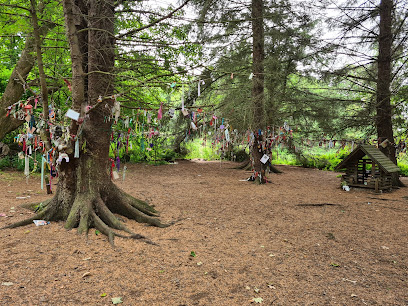
Fullarton Fairy Trail
6.5 km
Discover the enchanting Fullarton Fairy Trail in Troon—a magical woodland walk filled with fairy doors, wooden carvings, and family-friendly play areas.
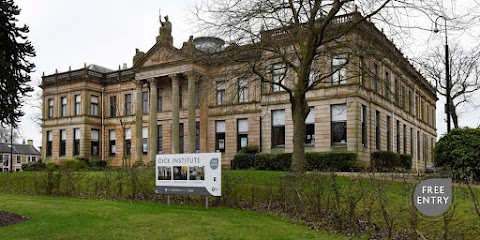
Dick Institute
6.5 km
A historic cultural hub in Kilmarnock featuring Ayrshire’s largest museum, gallery, and library with free admission and vibrant community programs.
Burns Shopping Mall
6.6 km
Kilmarnock’s central shopping destination offering practical retail choices and convenient services in a covered, accessible environment.
Kay Park
7.0 km
Historic urban park in Kilmarnock featuring the iconic Burns Monument and tranquil green spaces for family-friendly leisure.
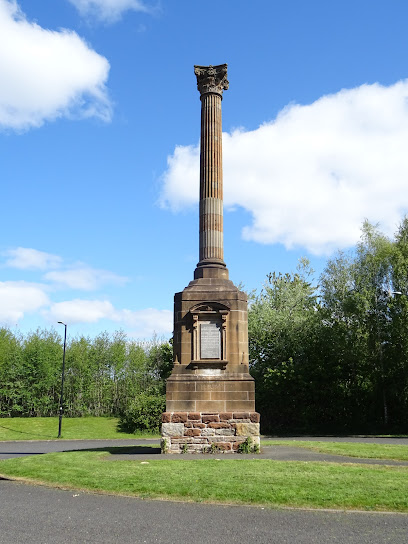
Highland Mary's Monument
7.5 km
A poignant monument in Ayrshire marking the heartfelt farewell of Robert Burns and Highland Mary by the River Ayr.
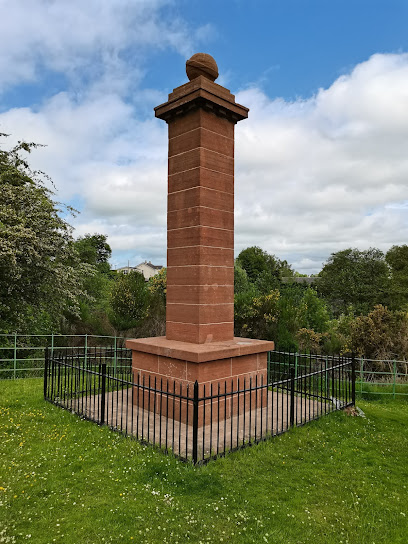
Dean Castle Country Park
7.9 km
Explore 200 acres of history, nature, and family fun at Dean Castle Country Park, Kilmarnock’s scenic green heart.
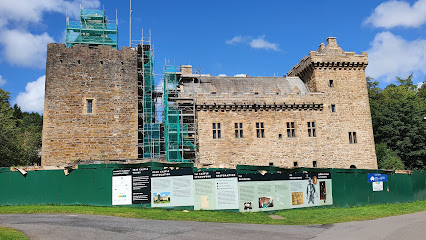
Prestwick Golf Club
8.1 km
Historic Prestwick Golf Club, birthplace of The Open Championship and a timeless links challenge on Scotland’s Ayrshire coast.
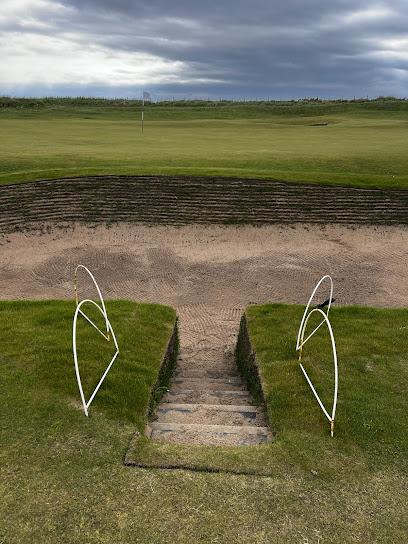
Peden's Cove
8.1 km
A serene riverside haven in Failford steeped in Covenanter history and natural beauty, perfect for reflection and scenic walks.
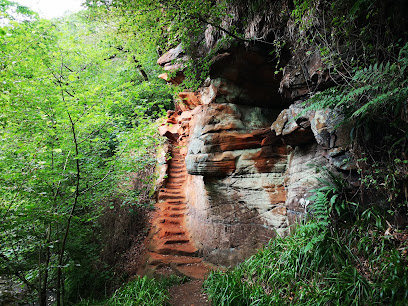
Shewalton Wood
8.1 km
Discover serene woodland trails and vibrant wildlife in Shewalton Wood, a peaceful nature reserve near Irvine.
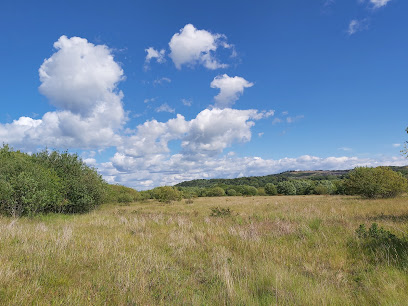
Barassie Beach
8.4 km
A peaceful sandy beach north of Troon with stunning views, watersports, and a tranquil atmosphere away from the crowds.
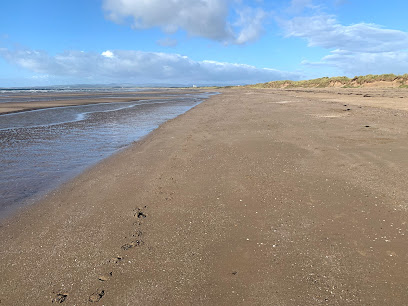
Burns House Museum
10.0 km
Discover the intimate home and legacy of Robert Burns and Jean Armour in the heart of historic Mauchline.
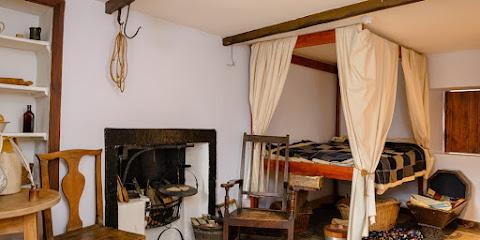
Kingencleugh Castle
11.2 km
Explore the evocative ruins of Kingencleugh Castle, a historic Campbell residence nestled in Mauchline’s scenic glen with rich Reformation ties.
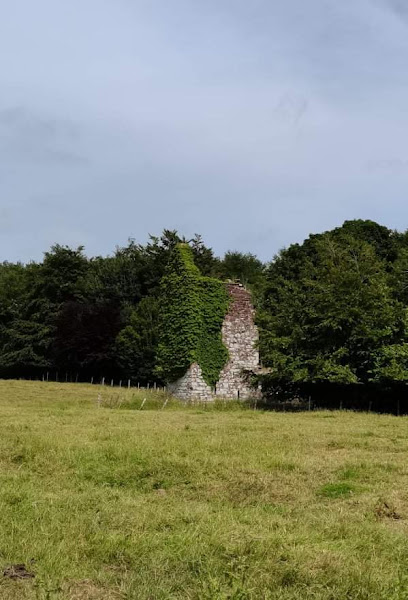
Scottish Maritime Museum, Linthouse Building
11.4 km
Explore Scotland’s rich maritime heritage in the historic Linthouse Building at Irvine Harbour, home to iconic vessels and interactive exhibits.
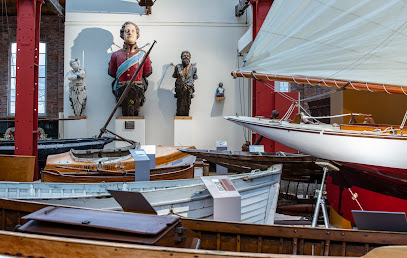
Essential places to dine

Blues Restaurant
5.7 km
Modern European dining with local Ayrshire flavors in a stylish setting at The Park Hotel, Kilmarnock’s premier restaurant.
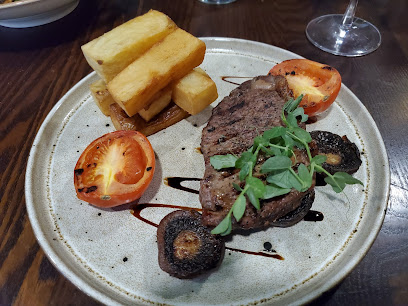
The Long House
6.0 km
A stylish and welcoming modern British restaurant and bar with a dog-friendly garden in the heart of Kilmarnock.
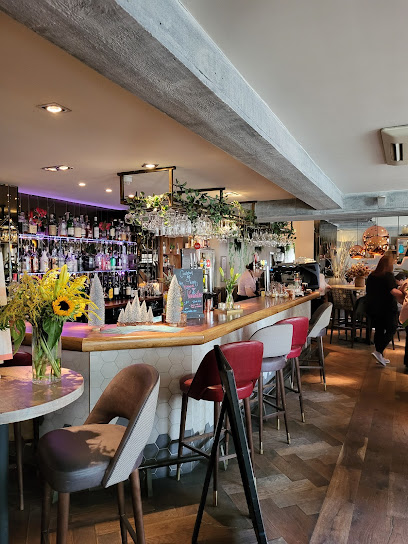
Salt and Barrel
6.9 km
Discover fresh, locally crafted Scottish cuisine in a vibrant training restaurant at the heart of Kilmarnock’s college campus.
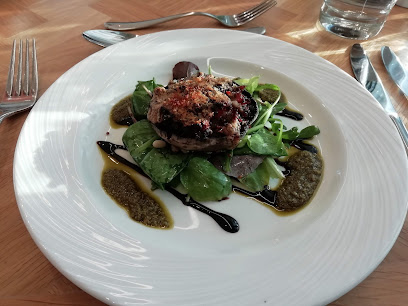
The Vine
8.3 km
A vibrant modern British restaurant and bar in Prestwick, serving seasonal dishes and cocktails from day to late night.
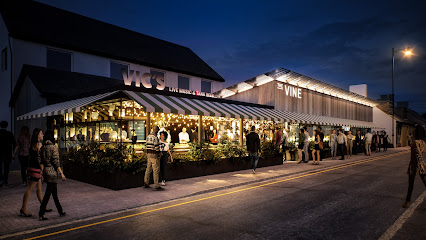
The ClockTower
8.6 km
A charming restaurant nestled in historic Auchincruive Estate, offering hearty meals and a cozy atmosphere in Ayr’s scenic countryside.
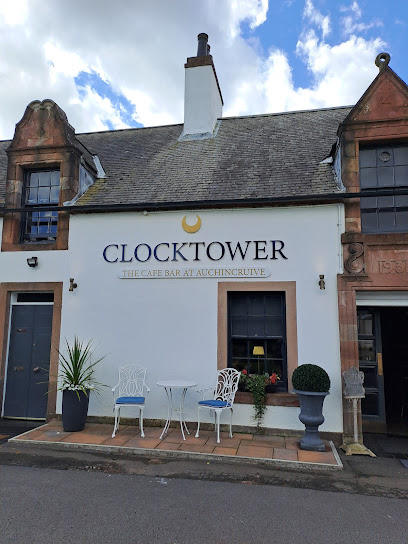
The canny crow restaurant
8.7 km
Contemporary Scottish dining with stunning views and warm hospitality in the heart of Irvine’s Dundonald Links.
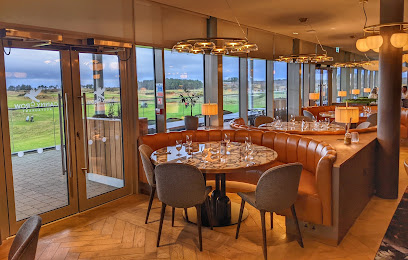
The Swan Restaurant - Troon
8.8 km
A welcoming British restaurant in Troon known for hearty classics, generous portions, and a cozy atmosphere.
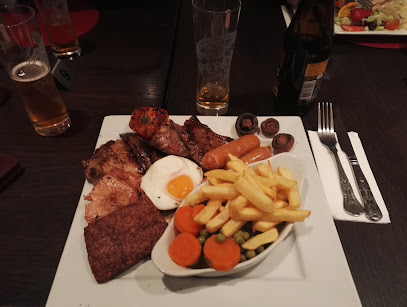
The Glasshouse Restaurant
11.1 km
Elegant dining in a Victorian glasshouse set within the historic and scenic Rowallan Castle Estate in Ayrshire.
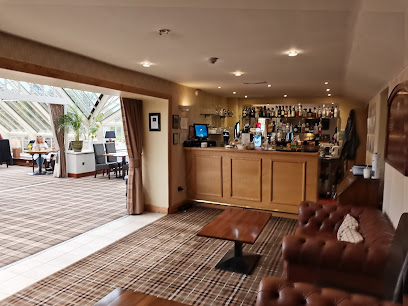
The Ship Irvine Ayrshire
11.8 km
A beloved harbour-side gastropub in Irvine offering hearty traditional dishes and a warm, family-friendly atmosphere.
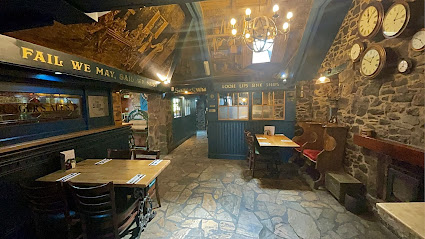
The Potting Shed at Si!
12.0 km
Experience artisan Scottish dining in a charming garden-themed setting with dog-friendly spaces and vibrant events in Irvine.
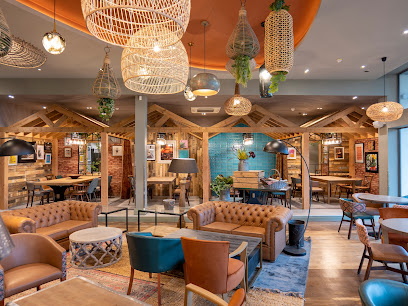
Arthur Street Kitchen (ASK)
12.1 km
A vibrant British cuisine restaurant in Ayr offering hearty dishes, lively atmosphere, and a great selection of wines and cocktails at moderate prices.
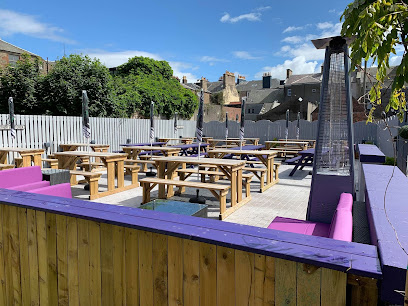
The Tam O'Shanter Inn
12.2 km
Ayr’s oldest pub blending historic Scottish charm with hearty traditional fare, live music, and a warm, welcoming atmosphere.
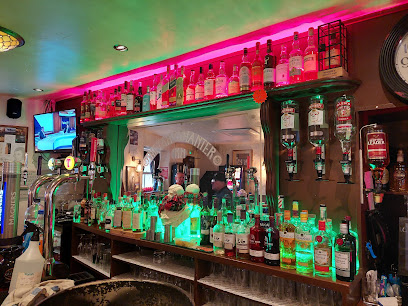
The Tree House
12.2 km
A vibrant modern British restaurant and bar in Ayr’s heart, featuring fresh local dishes and a hidden urban garden terrace.
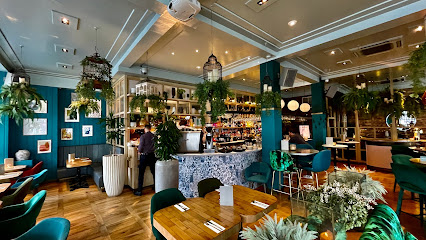
Stage Door Cafe
12.2 km
Cozy modern European cafe by Ayr’s Gaiety Theatre, serving fresh breakfasts and casual meals in a welcoming atmosphere.
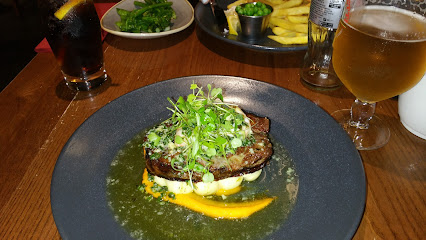
Helen's Restaurant
12.2 km
Cozy Ayr eatery serving traditional British comfort food with friendly service and a welcoming, dog-friendly atmosphere.

Markets, malls and hidden boutiques

A Scents Of Scotland
4.9 km
Discover handcrafted Scottish gifts and luxurious home fragrances that bring the spirit of the Highlands into your home.
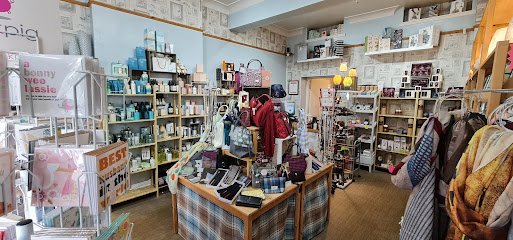
The Keekin' Glass
8.1 km
Discover quirky gifts and cheeky charm at The Keekin' Glass, Prestwick’s beloved boutique for unique treasures and joyful surprises.
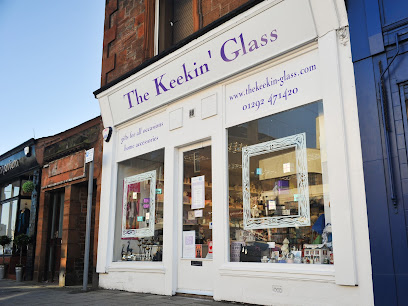
Emporium Boutique
8.2 km
Affordable, stylish womenswear in a relaxed, independent boutique on Prestwick’s Main Street – perfect for everyday looks and special occasions.
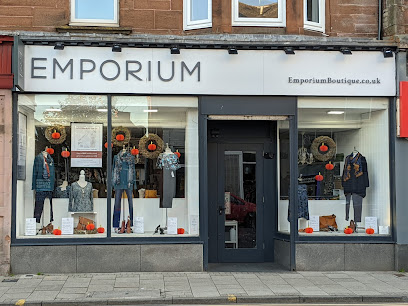
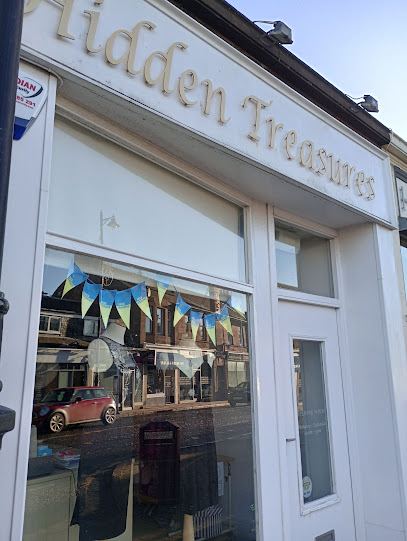
Hidden Treasures
8.3 km
A charming boutique in Prestwick offering stylish ladies’ clothing, hats, and accessories in a warm, welcoming setting.
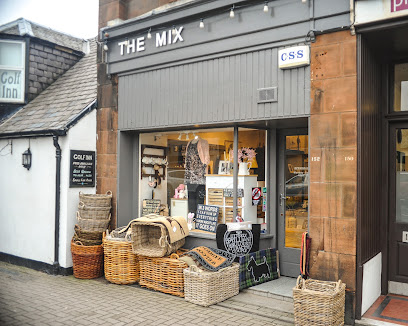
In The Mix
8.4 km
Discover unique Scottish gifts and local crafts at In The Mix, Prestwick’s charming boutique on Main Street.
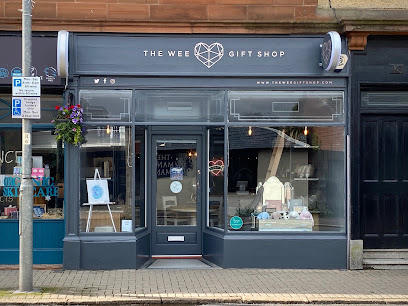
The Wee Gift Shop
8.6 km
A charming independent gift shop in Troon, showcasing handcrafted goods from over 30 Scottish artists and makers.
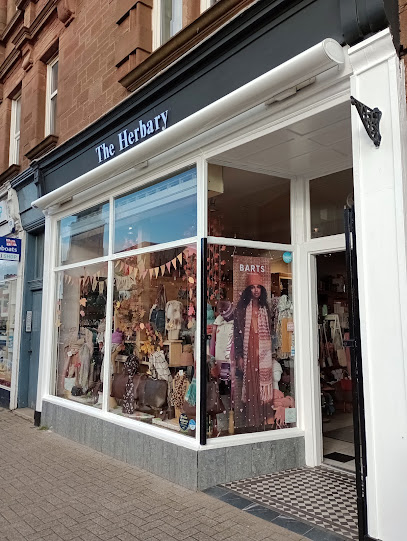
The Herbary
8.8 km
Discover Troon's charming independent gift shop offering unique jewellery, fine gifts, and local treasures in a welcoming boutique setting.
Many Thanks
10.0 km
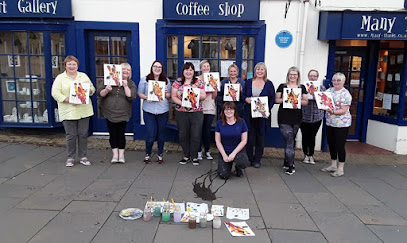
Discover Many Thanks in Mauchline: a cozy gift shop and café offering unique Scottish crafts and warm hospitality in the heart of Ayrshire.
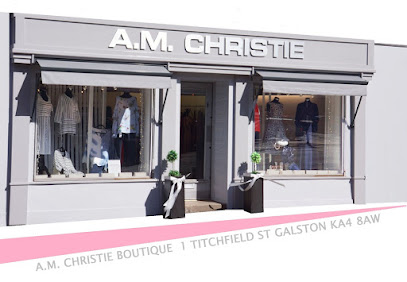
A.M. Christie
10.4 km
Discover A.M. Christie in Galston – a boutique offering unique styles and quality clothing at reasonable prices for every fashion enthusiast.
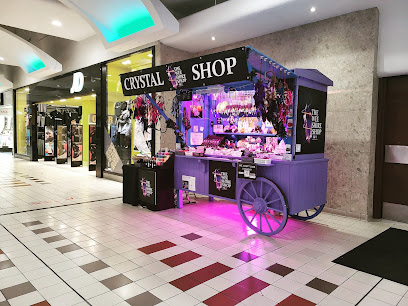
The Wee Shire Shop
11.3 km
Discover unique Scottish gifts and local craftsmanship in a warm, welcoming atmosphere at The Wee Shire Shop in Irvine.
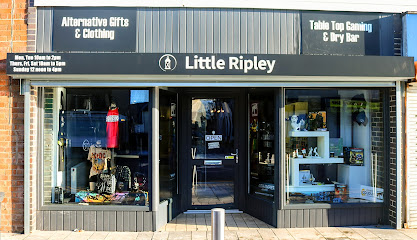
Little Ripley Shop
11.5 km
Discover handcrafted treasures and local charm at Little Ripley Shop, Irvine’s boutique destination for unique gifts and authentic Ayrshire crafts.
Honeyman Boutique
11.9 km
Discover timeless bridal elegance at Diane Honeyman Boutique, Ayr’s premier destination for designer wedding gowns and accessories.
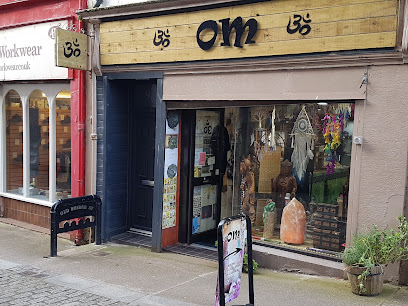
Om Store UK
12.0 km
Discover a serene metaphysical sanctuary in Ayr’s High Street, offering crystals, incense, and spiritual treasures for mindful living.
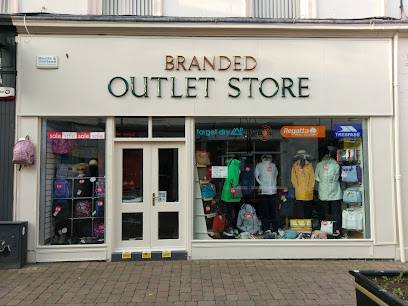
Branded Outlet Store
12.0 km
Explore unbeatable fashion deals at Branded Outlet Store in Ayr, where quality meets affordability for every style enthusiast.
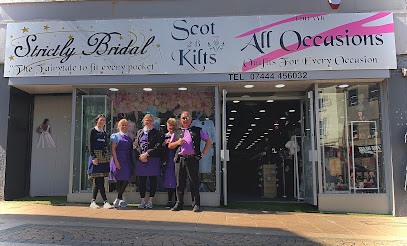
I Do Ayr
12.0 km
A welcoming bridal boutique in Ayr offering inclusive, elegant wedding dresses and haute couture fashion with exceptional personal service.
Essential bars & hidden hideouts

The Harbour Bar
9.3 km
A traditional nautical-themed pub in Troon offering great drinks, hearty food, live music, and a welcoming atmosphere by the waterfront.
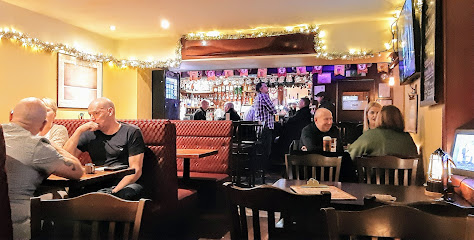
Harbour Lights
11.6 km
Historic harbourside pub in Irvine offering a lively atmosphere, scenic views, and a welcoming spot for drinks and socializing.
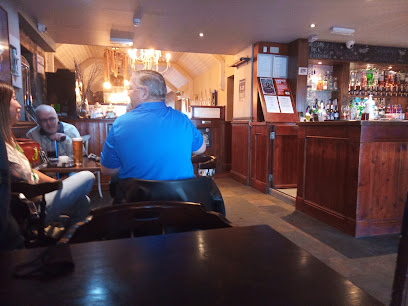
The Wee Mans Bar
11.6 km
Experience authentic Ayrshire hospitality and local flavors at The Wee Mans Bar, a cozy and historic pub in the heart of Ayr.

The Black Bull
11.8 km
Ayr’s oldest riverside pub, The Black Bull blends historic charm with lively entertainment and friendly local spirit.
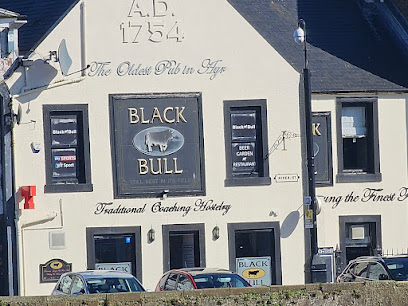
Anchor Bar
11.9 km
A welcoming, traditional seaside pub in Ayr offering hearty food, great drinks, and scenic harbor views at an affordable price.
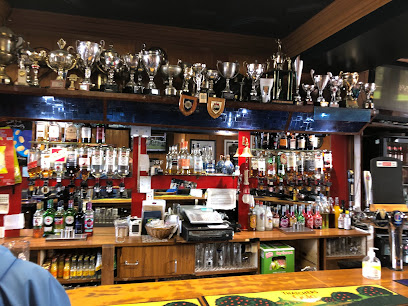
Smugglers
11.9 km
Traditional Scottish pub with rustic charm, lively entertainment, and a welcoming atmosphere on Ayr’s historic harbourfront.
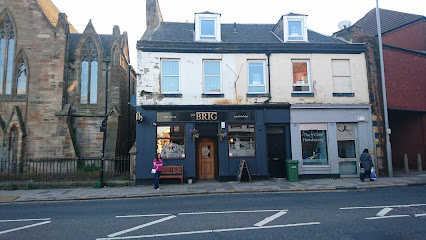
Willie Wastles Sports Bar & Restaurant
11.9 km
Lively sports bar and restaurant in Ayr with over 30 TVs, family and dog friendly, serving hearty meals and drinks in a welcoming atmosphere.
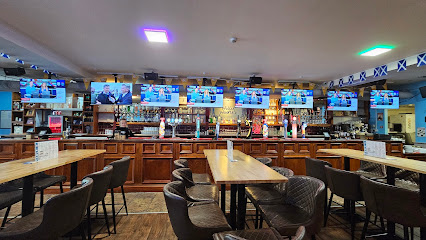
The Fort Bar
12.0 km
A welcoming harbourside pub in Ayr offering friendly service, great drinks, and a cozy atmosphere steeped in Scottish tradition.
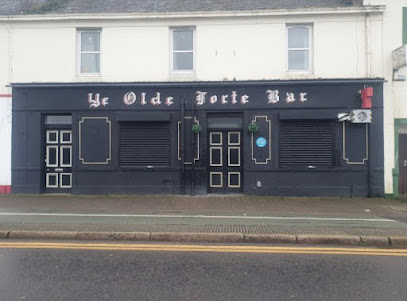
The Smoking Goat bar and grill
12.0 km
A vibrant basement bar and grill in Ayr offering award-winning ambiance, live entertainment, and diverse, inclusive dining options.
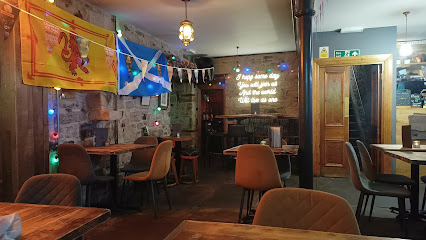
Christina's Bar
12.0 km
A friendly and affordable Scottish pub on Ayr’s Mill Street, offering hearty meals and a warm local atmosphere.
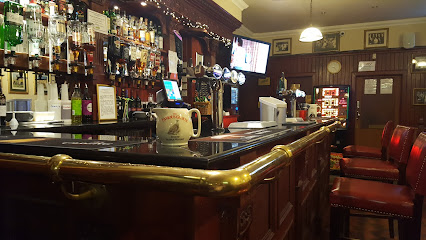
Billy Bridges Bar
12.0 km
Experience authentic Ayr nightlife with local ales, friendly vibes, and lively events at Billy Bridges Bar, your cozy Scottish pub retreat.
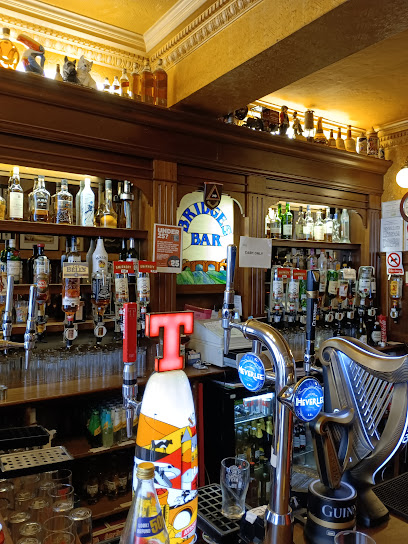
Wee Windaes
12.0 km
A cozy, traditional Scottish pub in Ayr offering warm hospitality, authentic atmosphere, and a welcoming local vibe.
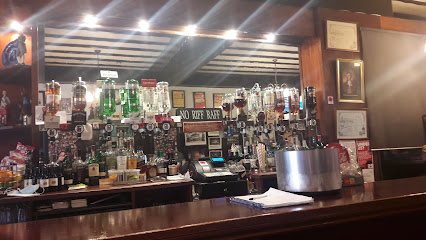
Harleys Ayr
12.0 km
A vibrant and welcoming bar on Ayr’s High Street, perfect for lively nights and social gatherings with a modern, inviting atmosphere.
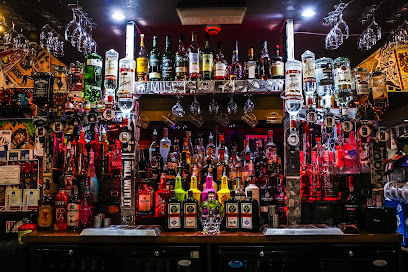
Mulligan's Ayr
12.1 km
A vibrant Irish sports bar in Ayr offering lively music, extensive drinks, and a welcoming atmosphere for all ages and tastes.
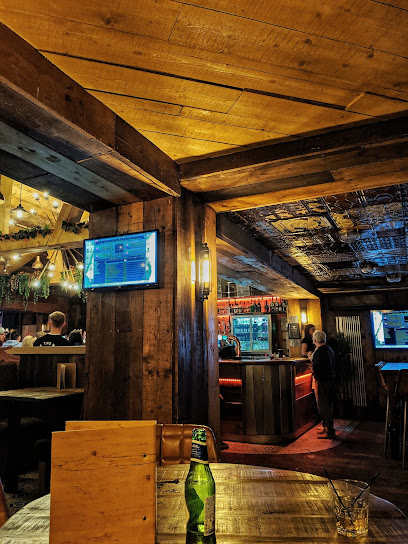
Tbar
12.2 km
A quirky and lively pub in Ayr offering excellent cocktails, live music, and a welcoming atmosphere for a memorable night out.
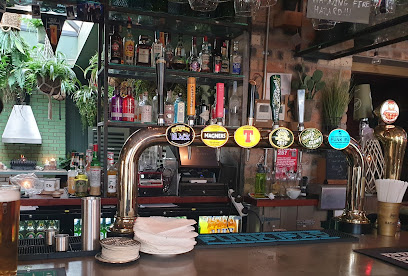
Nightclubs & after hour spots

The Club
6.6 km
A vibrant nightlife hotspot in the heart of Kilmarnock, offering lively music and a welcoming atmosphere for locals and visitors.
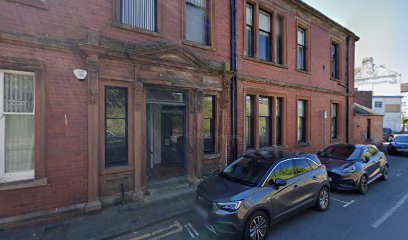
Pitchers Bar and Nightclub
11.2 km
A vibrant and inclusive nightclub in Irvine’s heart, offering lively music, dancing, and a welcoming atmosphere until the early hours.

Ayr Ex-Services Club
12.0 km
A friendly and lively social club in Ayrshire offering great music, community spirit, and vibrant weekend nights.
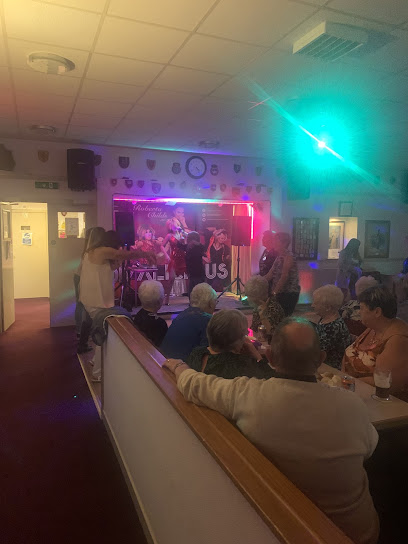
Printhouse Ayr
12.0 km
Experience Ayrshire’s vibrant nightlife and live music scene at Printhouse Ayr, where music and atmosphere unite for unforgettable nights.
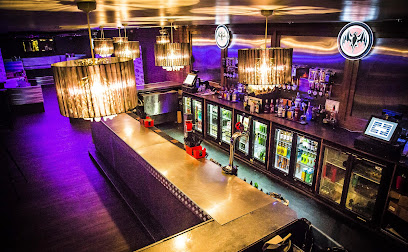
Notion Ayr
12.1 km
Discover the vibrant nightlife at Notion Ayr, an exceptional events venue in the heart of Ayr, perfect for unforgettable social experiences.

Skye Nightclub & Lounge
31.7 km
Energetic nightclub and lounge in East Kilbride offering vibrant nightlife, music, and drinks in a stylish setting.
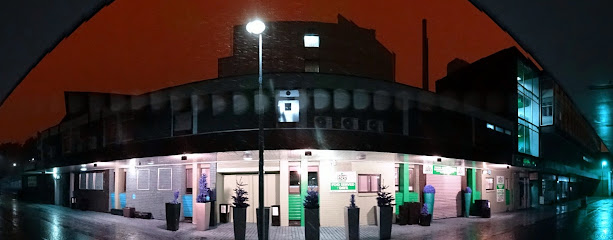
Downtown Nightclub
31.8 km
Experience East Kilbride’s vibrant weekend nightlife at Downtown Nightclub, a hub of music, dancing, and late-night energy in the town centre.
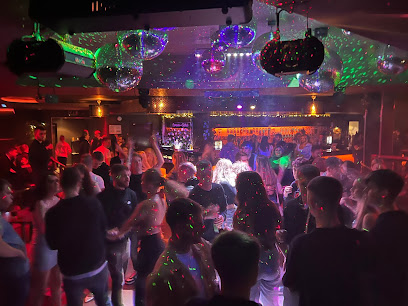
Vienna's Nightclub
32.9 km
Experience Paisley’s vibrant nightlife at Vienna's Nightclub, where energetic music and lively crowds come alive every weekend.
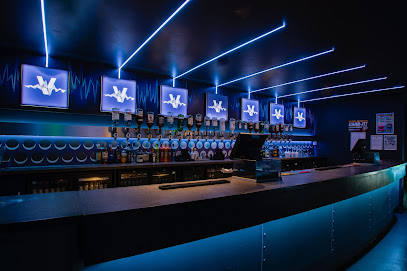
Fantoosh
33.0 km
A lively, intimate nightclub in Paisley’s heart, perfect for energetic nights with friends and local beats.
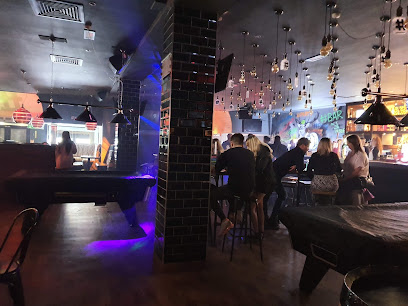
Club 69 Paisley
33.6 km
Dive into Paisley’s legendary underground techno scene at Club 69, where pulsating beats and vibrant vibes keep the night alive.
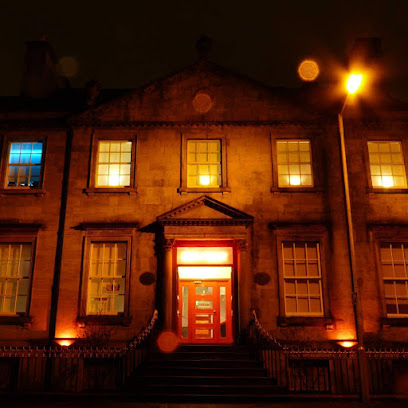
The Shed
34.6 km
Dive into Shawlands' glitzy two-floor nightclub where chart bangers, R&B, hip-hop, and 80s cheese anthems fuel unpretentious Southside partying till the early hours.

Sub Club
37.8 km
Glasgow’s legendary underground nightclub, Sub Club, pulses with cutting-edge sound and authentic dance culture in an intimate basement setting.
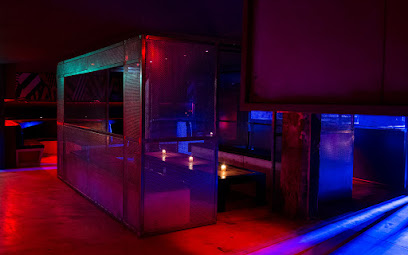
Classic Grand
37.8 km
Glasgow's ultimate electronic music haven in a reborn cinema, where thunderous beats and euphoric crowds collide until dawn.

Pierhead Tavern
37.9 km
Discover the warmth and flavors of the Isle of Arran at Pierhead Tavern, a cozy pub and restaurant in Lamlash offering stunning views and local cuisine.
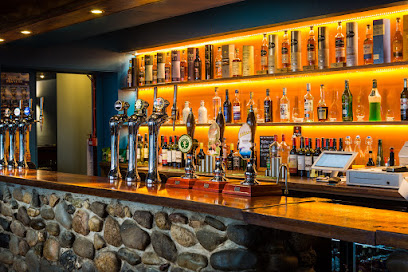
Cathouse Rock Club
37.9 km
Glasgow's unrelenting rock fortress since 1990—metal riffs, live gigs, and alternative fury across three pounding rooms.
For the vibe & atmosphere seeker
- Tranquil
- Scenic
- Historic
- Unique
For the design and aesthetic lover
- Gothic
- Historic
For the architecture buff
- Historic
- Landmarks
- Heritage Neighborhoods
For the view chaser and sunset hunter
- Iconic Views
- Panoramas
For the social media creator & influencer
- Instagrammable
- Photo Spots
For the eco-conscious traveler
- Protected Area
- Public-Transport Accessible
- Low Impact
For the kind of experience you’re after
- Cultural Heritage
- Myth & Legends
- Photowalk
- Day Trip
- Nature Escape
For how adventurous you want the journey to be
- Easy Access
Location Audience
- Family Friendly
- Senior Friendly
- Child Friendly
- Solo Friendly
- Couple Friendly


