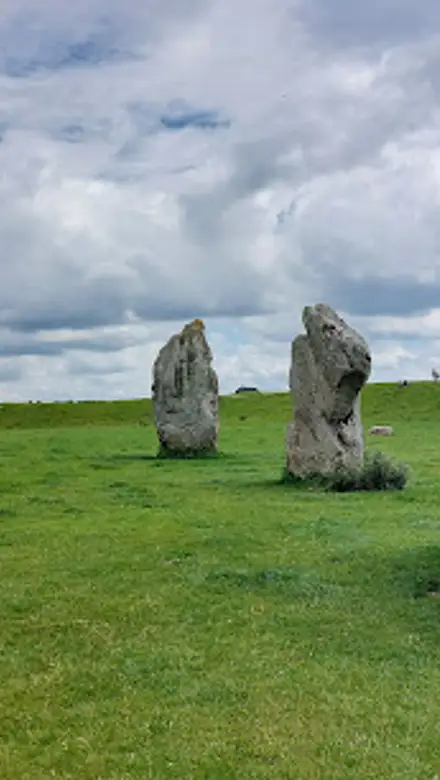
Avebury, Wiltshire Travel Guide
Explore Avebury, the world’s largest Neolithic stone circle, a monumental prehistoric landscape of mystery, ritual, and enduring heritage.
Avebury is a vast Neolithic henge and stone circle complex near Marlborough, Wiltshire, featuring the largest prehistoric stone circle in the world. Dating back over 4,500 years, it consists of a massive circular bank and ditch enclosing around 100 standing stones arranged in multiple rings. The site is part of a wider ritual landscape including Silbury Hill and West Kennet Long Barrow, reflecting ancient ceremonial, astronomical, and social functions. Managed by the National Trust, Avebury remains a place of wonder, spirituality, and cultural heritage.
A brief summary to Avebury
- Marlborough, Avebury, SN8 1RF, GB
- Click to display
- Click to display
- Duration: 2 to 4 hours
- Free
-
 Outdoor
- Mobile reception: 4 out of 5

Know before you go
Hi, I'm Eve. Here are a few practical things to know before exploring Avebury.
- Visit early in the morning or late afternoon to enjoy the site with fewer crowds and softer light for photography.
- Wear comfortable walking shoes as the stone circle and surrounding landscape cover a large area with uneven terrain.
- Explore nearby prehistoric sites like Silbury Hill and West Kennet Long Barrow to deepen your understanding of the ritual landscape.
- Check opening times for the Alexander Keiller Museum and Avebury Manor to complement your visit with archaeological exhibits and historic interiors.
Do you manage this location?
Take control to get all the benefits, like improved information, better appearance, and stronger visibility across AI-powered discovery. Learn more about listing your business on Evendo
Activate your presenceOther nearby places you may find interesting
The closest places of the same kind, if this one is not quite what you had in mind.
Explore Avebury on the Map
A handpicked selection of must-see spots near Avebury, mapped for you.
Unlock the Best of Avebury
Buy tickets
-
No tickets available
Book tours with entry


Getting There
-
Bus
Take the bus service 49 from Swindon to Avebury, which takes approximately 45 to 60 minutes. Services run several times daily but check schedules in advance as frequency varies. The bus stops near the village, a short walk from the stone circle.
-
Train and Taxi
Travel by train to Swindon station from major UK cities, then take a taxi to Avebury village, about a 25-minute drive. Taxi fares typically range from £25 to £35. This option offers flexibility but can be more costly.
-
Car
Driving to Avebury is convenient with parking available southeast of the village (postcode SN8 1QT). Parking costs around £7.00 for the day, or £4.00 after 3pm. Note that the village roads can be narrow and busy during peak season.
-
Walking
For active travelers, walking from nearby villages such as West Kennet involves countryside paths with gentle terrain and takes about 1 to 1.5 hours. Suitable for those with moderate fitness and proper footwear.
For the on-the-go comforts that matter to you
-
 Restrooms
-
 Drink Options
-
 Food Options
-
 Seating Areas
-
 Picnic Areas
-
 Trash Bins
-
 Information Boards
-
 Visitor Center
Discover more about Avebury
Ancient Origins and Monumental Scale
Avebury’s stone circle dates back to the Neolithic period, constructed between roughly 2850 and 2200 BC. It is the largest stone circle in Britain and possibly the world, with an outer ring of about 1.3 km in circumference enclosing two smaller inner circles and a central feature known as the Cove. Originally, around 100 massive standing stones, some weighing over 40 tons, were erected without metal tools, showcasing remarkable prehistoric engineering and communal effort. The enclosing henge comprises a large circular bank and ditch, forming a monumental earthwork that defines the sacred space.Spiritual and Ritual Significance
The exact purpose of Avebury remains a mystery, but archaeological and scholarly consensus suggests it was a site for religious ceremonies, ritual gatherings, and possibly astronomical observations. Theories propose it was used to worship deities controlling natural forces, to hold feasts, or to serve as a symbolic centre of the world. Animal bones found nearby support the idea of communal feasting, while alignments with celestial events hint at an astronomical dimension. Over centuries, Avebury retained spiritual significance, influencing later pagan and medieval beliefs.The Wider Prehistoric Landscape
Avebury is part of an extensive prehistoric ritual complex that includes Silbury Hill—the largest man-made mound in Europe—and West Kennet Long Barrow, a Neolithic burial chamber nearby. These monuments interconnect via avenues of standing stones, such as the West Kennet Avenue, linking Avebury to other sacred sites. This landscape reflects a highly organised society capable of large-scale ceremonial architecture and social cohesion, offering insight into Neolithic life and beliefs.Modern Stewardship and Visitor Experience
Today, Avebury is managed by the National Trust and is a designated World Heritage Site. Its open-air stone circles are freely accessible year-round from dawn to dusk, allowing visitors to explore at their own pace. The nearby Alexander Keiller Museum houses archaeological finds from the area, enriching understanding of the site’s history. Avebury Manor and Garden, a historic house nearby, offers seasonal exhibitions and events, including festive Christmas displays. The village of Avebury retains a charming rural character, with local shops and pubs enhancing the visitor experience.Architectural and Cultural Legacy
Avebury’s scale and design distinguish it from other megalithic sites, emphasizing its importance in prehistoric Britain. Unlike Stonehenge, Avebury incorporates the village within its stone circle, blending ancient monumentality with living heritage. The site’s preservation allows reflection on the ingenuity and spirituality of Neolithic peoples. Its cultural resonance continues today, inspiring archaeological research, artistic interpretation, and spiritual contemplation.Engagement and Interpretation
Interpretive signage and guided tours help visitors appreciate the complex history and significance of Avebury. The site encourages mindfulness and connection with ancient landscapes. Events such as Heritage Open Days and seasonal markets provide opportunities to engage with local culture and crafts. Avebury remains a vibrant symbol of Britain’s prehistoric past and a destination for those seeking history, mystery, and natural beauty.












Your all‑in‑one travel companion app
Explore expert travel guides, compare and book tours, experiences, hotels, and more—all from the palm of your hand. Download now for seamless trip planning wherever your wanderlust takes you.


Explore More of Wiltshire
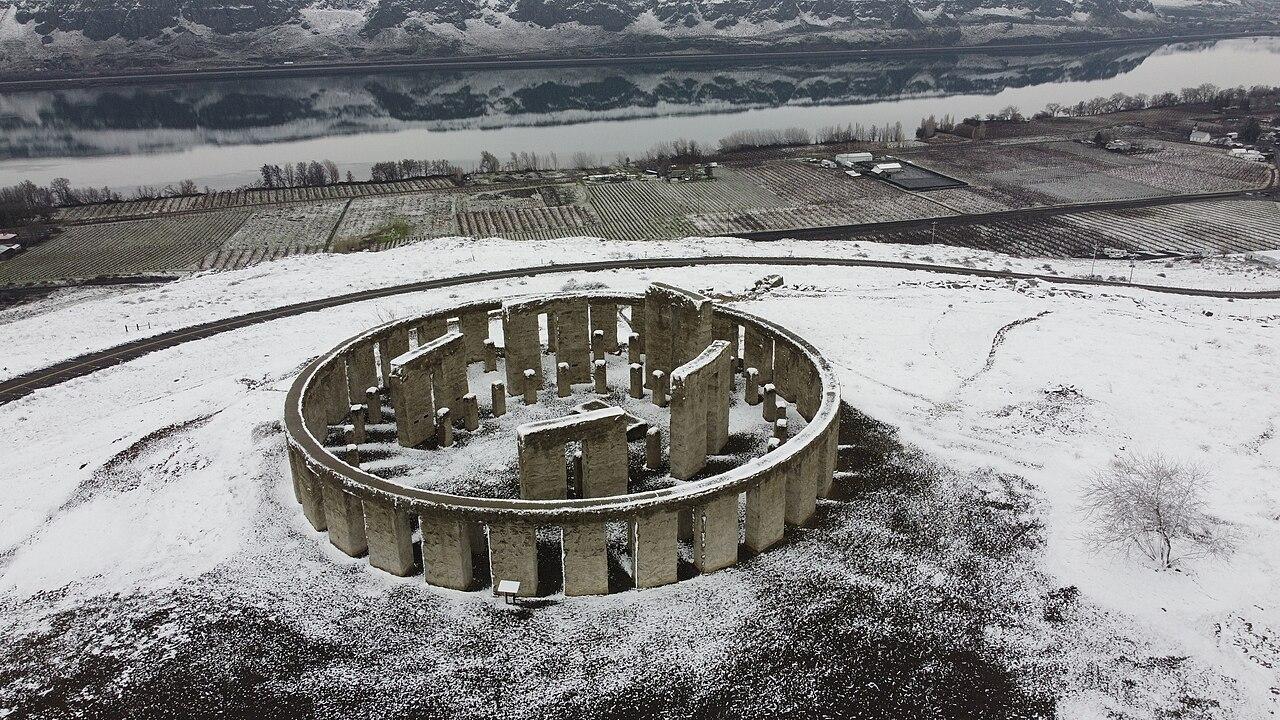
Looking beyond Avebury? Discover Wiltshire for broader travel guides, local hot-spots, and regional highlights.
Explore Wiltshire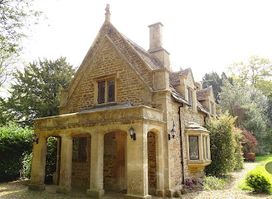
A seasonal floral haven in Wiltshire showcasing spectacular bluebells, magnolias, azaleas, and rhododendrons across 30 serene woodland acres.
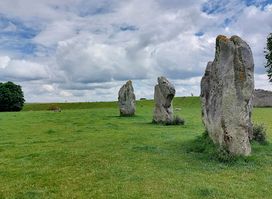
Explore Avebury, the world’s largest Neolithic stone circle, a monumental prehistoric landscape steeped in mystery and ancient ritual.