Windmill Hill, Avebury, Wiltshire Travel Guide
Explore Windmill Hill, a vast Neolithic causewayed enclosure with panoramic views and deep prehistoric significance within Avebury's ancient landscape.
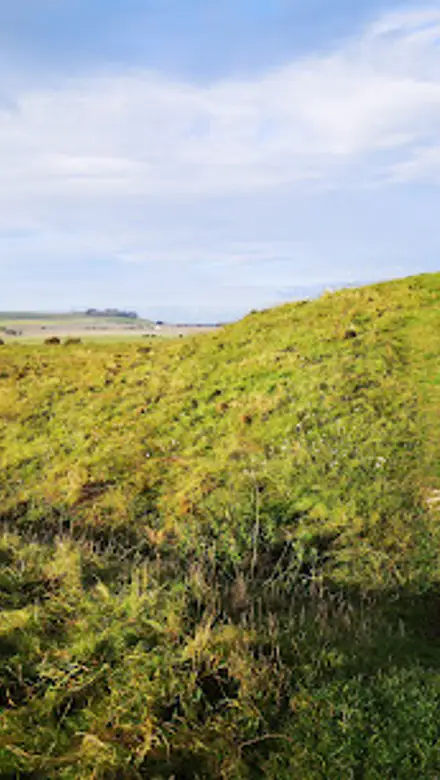
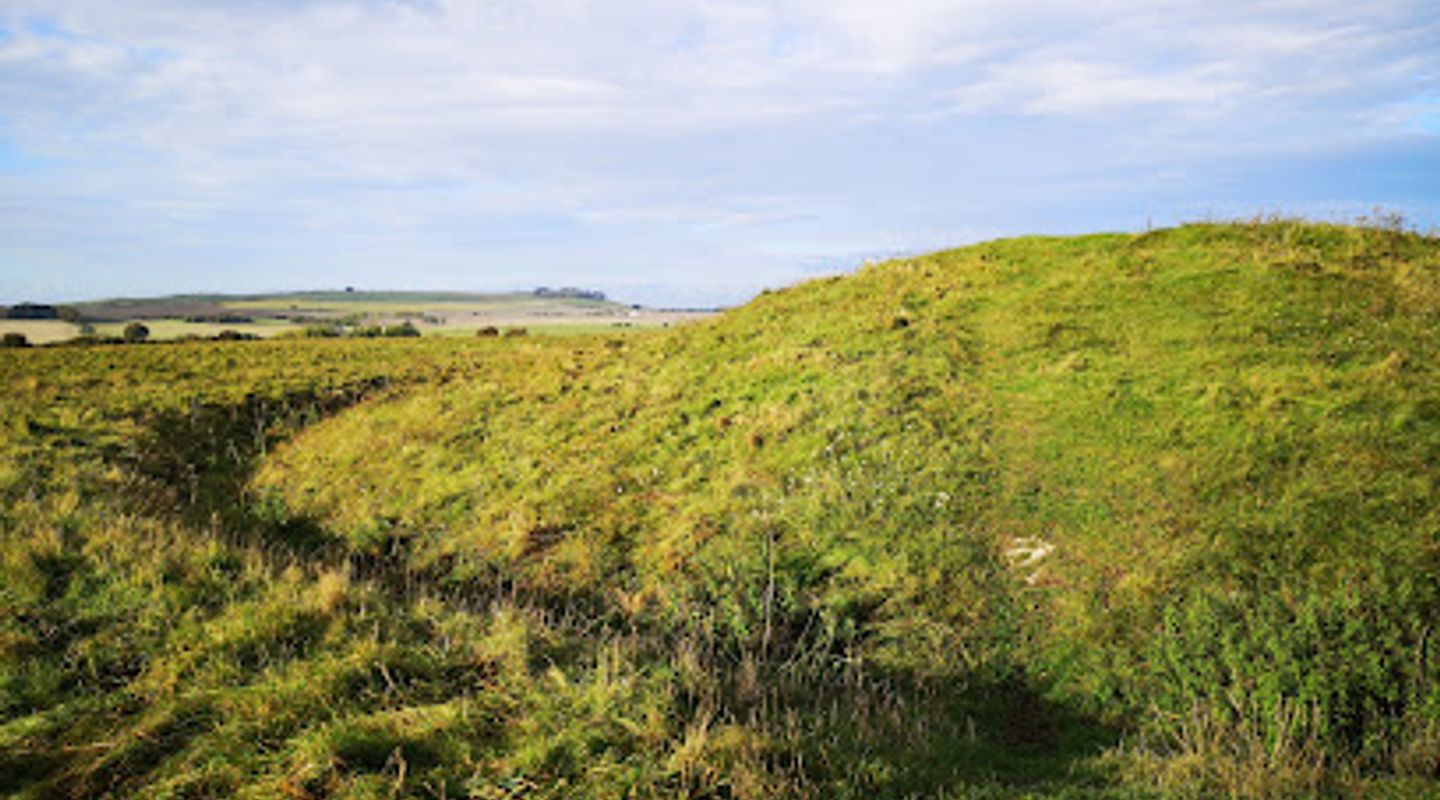
Windmill Hill is a significant Neolithic causewayed enclosure located northwest of Avebury Henge in Wiltshire, England. Dating back to around 3700 BC, it is the largest known causewayed enclosure in Britain, featuring three concentric ditches and evidence of early farming, feasting, and ritual activities. Its elevated position offers panoramic views of the Avebury landscape, including Silbury Hill and Waden Hill, making it a vital part of the Avebury World Heritage Site.
A brief summary to Windmill Hill, Avebury
- Swindon, SN4 9NW, GB
- Click to display
- Click to display
- Duration: 1 to 3 hours
- Free
-
 Outdoor
- Mobile reception: 4 out of 5

Know before you go
Hi, I'm Eve. Here are a few practical things to know before exploring Windmill Hill, Avebury.
- Wear sturdy footwear as the walk to Windmill Hill involves a moderate incline and uneven terrain.
- Visit on a clear day to fully appreciate the panoramic views of Silbury Hill and the surrounding countryside.
- Bring water and snacks, as facilities are limited near the site itself; amenities are available in Avebury village.
- Keep dogs on a lead to protect grazing sheep and respect the site's natural environment.
Do you manage this location?
Take control to get all the benefits, like improved information, better appearance, and stronger visibility across AI-powered discovery. Learn more about listing your business on Evendo
Activate your presenceOther nearby places you may find interesting
The closest places of the same kind, if this one is not quite what you had in mind.
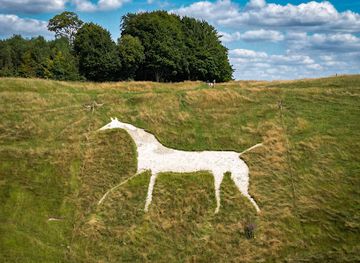
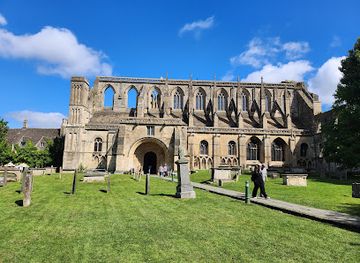
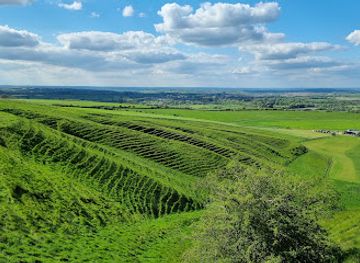
Explore Windmill Hill, Avebury on the Map
A handpicked selection of must-see spots near Windmill Hill, Avebury, mapped for you.
Getting There
-
Bus and Walk
Take the bus from Swindon to Avebury village, a journey of approximately 30-45 minutes. From Avebury, expect a 30-minute walk uphill along a moderate incline to Windmill Hill. The walking path is uneven and may be challenging for those with mobility issues. Bus fares typically range from £5 to £8 one way.
-
Car and Walk
Drive to the National Trust car park in Avebury, about 20-30 minutes from Swindon. Parking is free for English Heritage members displaying a car sticker; otherwise, parking is free but limited. From the car park, walk 1.5 miles (approximately 30-40 minutes) on a moderate incline to reach Windmill Hill. The access track is narrow and used by farm vehicles, so park considerately.
-
Taxi
A taxi from Swindon to Windmill Hill takes about 20-30 minutes, costing approximately £25-£35. This option reduces walking but note that the final approach involves a rough track unsuitable for drop-off directly at the site.
For the on-the-go comforts that matter to you
-
 Restrooms
-
 Food Options
-
 Drink Options
-
 Seating Areas
-
 Information Boards
Discover more about Windmill Hill, Avebury
Origins and Archaeological Importance
Windmill Hill stands as one of the earliest monumental sites in the Avebury complex, with occupation beginning around 3800 to 3700 BC during the early Neolithic period. It is recognized as the largest causewayed enclosure in Britain, encompassing approximately 21 acres (8.5 hectares). The site consists of three concentric, interrupted ditches with causeways, a design characteristic of causewayed enclosures that served multiple functions including settlement, ritual, and social gathering. Excavations revealed numerous artifacts such as pottery and flint tools, alongside extensive evidence of early farming practices including crop cultivation and animal husbandry, highlighting a sophisticated prehistoric community.Landscape and Setting
Perched on higher ground northwest of the Avebury Henge, Windmill Hill offers commanding 360-degree views across the surrounding Wiltshire countryside. From here, visitors can see iconic landmarks such as Silbury Hill—the largest prehistoric mound in Europe—and Waden Hill. The site's elevated position may have held symbolic significance, possibly serving as a vantage point or ceremonial location. The surrounding landscape was shaped by prehistoric peoples over millennia, with Windmill Hill forming an integral part of the broader Avebury World Heritage Site, which includes stone circles, avenues, barrows, and other Neolithic monuments.Function and Cultural Role
Archaeological evidence suggests Windmill Hill was a focal point for feasting, animal trading, and ritual activities, indicated by the large quantities of animal bones found on site. The causewayed enclosure likely served as a communal gathering place for prehistoric people, facilitating social cohesion and ceremonial events. The presence of Bronze Age round barrows atop the hill indicates continued ritual significance into later prehistoric periods. Its design and spatial relationship with other Avebury monuments reflect the complex social and religious landscape of Neolithic Britain.Preservation and Access
Windmill Hill is managed by The National Trust on behalf of English Heritage and is freely accessible to visitors during daylight hours. The site retains subtle earthworks of its ditches and banks, though some features have been affected by historic quarrying and agricultural activity. Visitors are encouraged to explore the site respectfully, appreciating its quiet remoteness and the sense of ancient history it conveys. Nearby facilities include restrooms and a café at the Alexander Keiller Museum in Avebury village, which provides further context about the Avebury monuments.Modern Significance and Research
As part of the Avebury World Heritage Site, Windmill Hill contributes to an internationally important prehistoric landscape that has influenced archaeological research and public understanding of Neolithic Britain. Ongoing studies continue to reveal new insights into the construction, use, and cultural significance of causewayed enclosures. The site exemplifies the evolution of monument building and landscape shaping over more than two millennia, reflecting the ingenuity and social organization of prehistoric communities.Visitor Experience and Atmosphere
Visitors to Windmill Hill experience a tranquil and scenic environment, marked by open skies and expansive views. The quiet elevation away from the main Avebury village offers a peaceful setting for reflection on the ancient past. The subtle earthworks invite exploration and imagination, connecting visitors to the rhythms of prehistoric life and the enduring legacy of human creativity in the landscape.












Your all‑in‑one travel companion app
Explore expert travel guides, compare and book tours, experiences, hotels, and more—all from the palm of your hand. Download now for seamless trip planning wherever your wanderlust takes you.


Explore More of Wiltshire
Looking beyond Windmill Hill, Avebury? Discover Wiltshire for broader travel guides, local hot-spots, and regional highlights.
Explore Wiltshire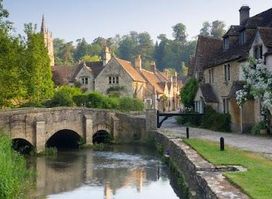
Step into Castle Combe, a timeless Cotswold village famed for its honey-hued stone cottages, medieval charm, and serene rural beauty.
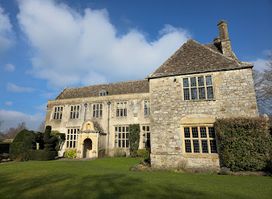
Explore a historic 16th-century manor and stunning gardens nestled within the world’s largest Neolithic stone circle in Wiltshire.