
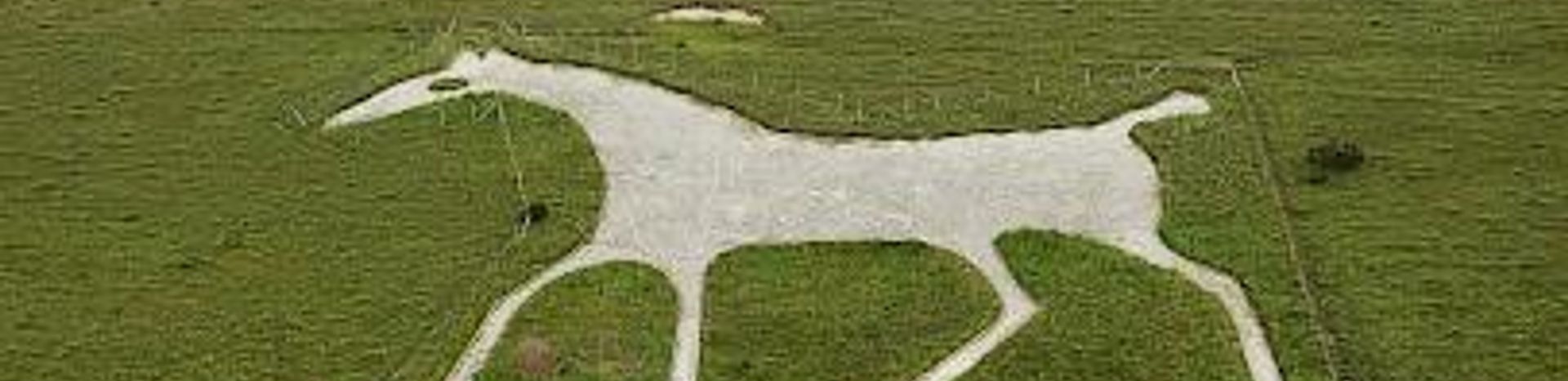
The Alton Barnes White Horse: Wiltshire’s Iconic Chalk Figure
An iconic chalk hill figure on Wiltshire’s highest point, blending history, legend, and stunning panoramic views across the Pewsey Vale.
The Alton Barnes White Horse is a striking chalk hill figure carved in 1812 on Milk Hill, Wiltshire’s highest point. Measuring approximately 180 feet high and 160 feet long, this historic landmark overlooks the Vale of Pewsey and is renowned for its bold design and scenic setting. Commissioned by local farmer Robert Pile, the horse has been carefully maintained and restored over the centuries, making it a captivating symbol of Wiltshire’s cultural heritage and landscape.
A brief summary to The Alton Barnes White Horse
- 30 Long St, Marlborough, Devizes, SN10 1NW, GB
- Visit website
- Duration: 1 to 3 hours
- Free
-
 Outdoor
- Mobile reception: 4 out of 5
- Monday 12 am-12 am
- Tuesday 12 am-12 am
- Wednesday 12 am-12 am
- Thursday 12 am-12 am
- Friday 12 am-12 am
- Saturday 12 am-12 am
- Sunday 12 am-12 am
Local tips
- Visit from nearby villages Stanton St Bernard or Alton Priors for the best distant views of the horse.
- The horse is best appreciated from afar; close-up views diminish its impressive scale.
- Plan your visit to coincide with winter solstice for special candlelight illuminations if available.
- Wear sturdy footwear if hiking up Milk Hill, as terrain can be uneven and exposed.

For the on-the-go comforts that matter to you
- Restrooms
- Seating Areas
- Information Boards
- Picnic Areas
- Trash Bins
Getting There
-
Car
Driving from Marlborough takes about 15-20 minutes. Parking is available near Pewsey Downs car park, which offers access to walking paths to the horse. Note that parking spaces may be limited during peak times, and the terrain from the car park to the horse is uneven.
-
Bus and Walk
Take a bus from Marlborough to Pewsey village (approximately 30-40 minutes). From Pewsey, a scenic 4-5 km walk or local taxi ride leads to Milk Hill and the Alton Barnes White Horse. Walking routes include uneven countryside paths, so suitable footwear is recommended.
-
Walking
For active visitors, a 3-4 hour circular hike from Alton Barnes village offers a rewarding route through the Pewsey Downs to the horse. The terrain includes open hills and some steep sections, requiring moderate fitness and sturdy footwear.
The Alton Barnes White Horse location weather suitability
-
 Any Weather
-
 Clear Skies
-
 Mild Temperatures
-
 Rain / Wet Weather
-
 Windy Conditions
Discover more about The Alton Barnes White Horse
A Bold Creation on Wiltshire’s Highest Hill
The Alton Barnes White Horse was cut into the southern slope of Milk Hill in 1812, commissioned by Robert Pile, a tenant farmer from Alton Barnes. Choosing the highest point in Wiltshire, standing at 295 meters, ensured the horse would be visible for miles across the rolling landscape. The figure measures roughly 180 feet tall and 160 feet long, with a deliberately exaggerated height to counter foreshortening when viewed from a distance. This chalk hill carving is the second largest of Wiltshire’s famed white horses, inspired by the earlier Cherhill White Horse.Craftsmanship and a Tale of Deception
Robert Pile hired John Thorne, a journeyman inn sign painter known as Jack the Painter, to design and carve the horse. Thorne provided a sketch resembling Cherhill’s horse but with outlined ears, then absconded with the payment, leaving local resident John Harvey to complete the turf-stripping and digging. Despite this deception, the horse was successfully created by excavating the chalk to a depth of about one foot and packing it with chalk rubble. Over time, the horse has required regular scouring and maintenance to preserve its vivid white appearance.Historical Significance and Cultural Traditions
The Alton Barnes White Horse is deeply embedded in local culture and history. It has been illuminated by candles every winter solstice for over a decade and celebrated its bicentenary in 2012 with a lantern parade. On two occasions, it was playfully transformed into a zebra on April Fools’ Day. During World War II, the horse was camouflaged to protect it from enemy aircraft. The site also witnessed community efforts involving hundreds of volunteers and RAF helicopters to restore and refresh the chalk surface, most recently in 2019.Scenic Surroundings and Viewing Experience
Situated on Milk Hill, the horse overlooks the picturesque Vale of Pewsey and the Pewsey Downs. The location offers stunning panoramic views of the Wiltshire countryside, with expansive rolling hills and open skies. The horse is best appreciated from a distance, where its full scale and design can be admired. Nearby villages such as Stanton St Bernard and Alton Priors provide excellent vantage points. The area is also notable for its natural beauty and proximity to other historic white horses in Wiltshire.Preservation and Community Involvement
The horse has been maintained through the centuries by local parish councils, landowners, and community groups. Significant restoration efforts have included the use of helicopters to transport fresh chalk, ensuring the figure remains bright and sharply defined. These conservation activities highlight the community’s dedication to preserving this emblematic landmark for future generations. The horse’s presence continues to inspire local pride and attracts visitors interested in Wiltshire’s unique heritage.Symbolism and Wiltshire’s White Horse Tradition
The Alton Barnes White Horse is part of a broader tradition of chalk hill figures in Wiltshire, a county renowned for its white horses carved into hillsides. These figures often commemorate local events, landowners’ whims, or cultural symbols. While the origins of the white horse motif are unclear, some speculate inspiration from the ancient Uffington White Horse in Oxfordshire. The Alton Barnes horse stands as a testament to this enduring cultural iconography, blending history, art, and landscape in a singular visual statement.Iconic landmarks you can’t miss

Prince Bladud and the Pig
35.3 km
Discover the enchanting story of Prince Bladud and the Pig, a must-see historical landmark in the heart of Bath, England.
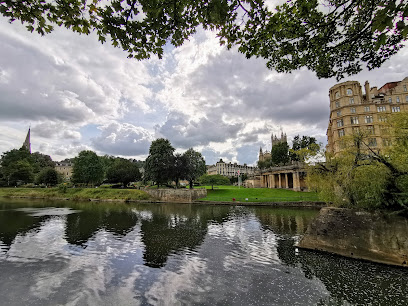
Monks Mill
35.3 km
Discover Monks Mill, a rare medieval watermill ruin nestled in Bath’s picturesque Parade Gardens, echoing centuries of monastic industry and wool trade heritage.
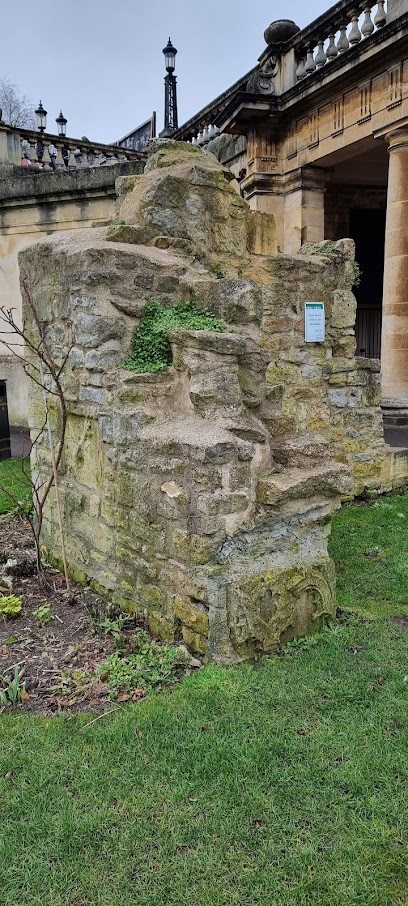
City Sightseeing Bath Hop On Hop Off
35.3 km
Discover the best of Bath with City Sightseeing's flexible hop-on hop-off bus tour, exploring iconic landmarks and hidden gems at your own pace.
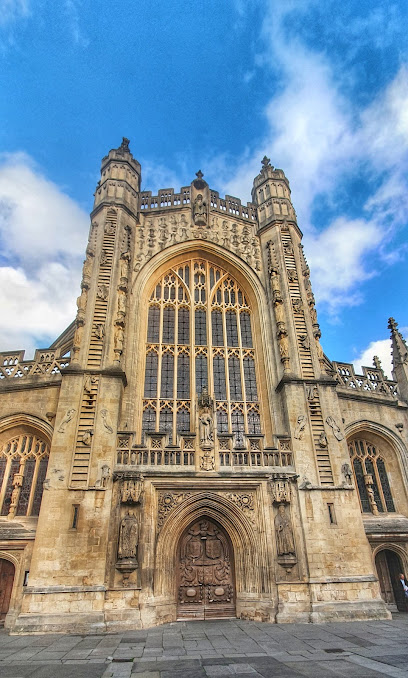
Argyle St & Pulteney Bridge
35.4 km
Explore the iconic Argyle Street and Pulteney Bridge, where history meets beauty in the heart of Bath, offering stunning views and charming cafes.
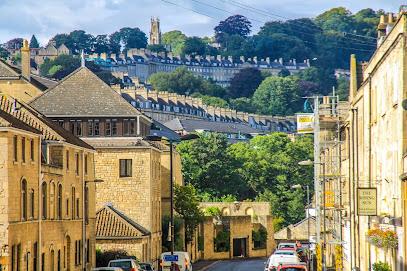
Parade Gardens
35.4 km
Explore the enchanting Parade Gardens in Bath, a serene escape filled with vibrant flowers, historic monuments, and breathtaking views along the River Avon.
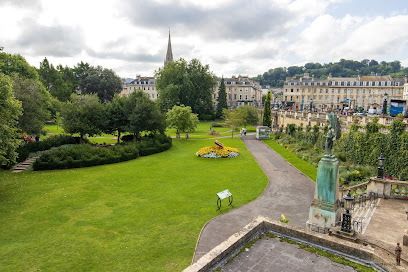
Pulteney weir
35.4 km
Discover the picturesque Pulteney Weir in Bath, where serene waters meet stunning architecture, creating a tranquil escape in the heart of the city.
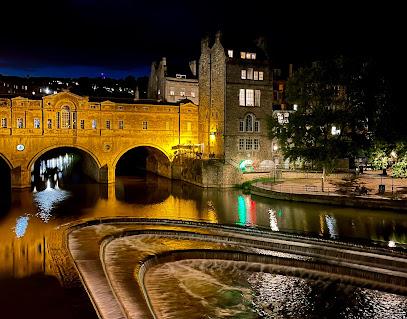
Bizarre Bath
35.4 km
Experience the quirky and humorous side of Bath with Bizarre Bath, a unique attraction that blends comedy with captivating local history.
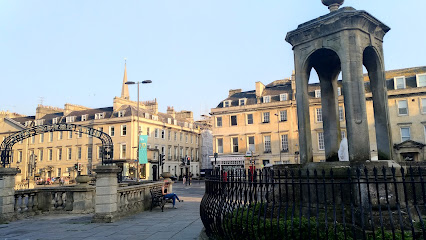
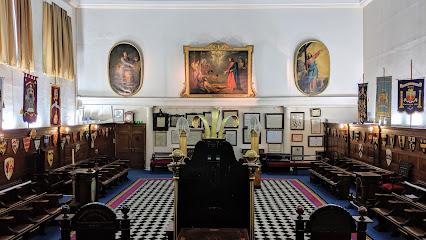
Bath Masonic Hall
35.4 km
Discover the hidden history and architectural beauty of Bath Masonic Hall, a unique tourist attraction that unveils the secrets of Freemasonry.

Old Theatre Royal
35.4 km
Discover the historic Old Theatre Royal in Bath, a cultural hub blending stunning architecture and vibrant events for an unforgettable experience.
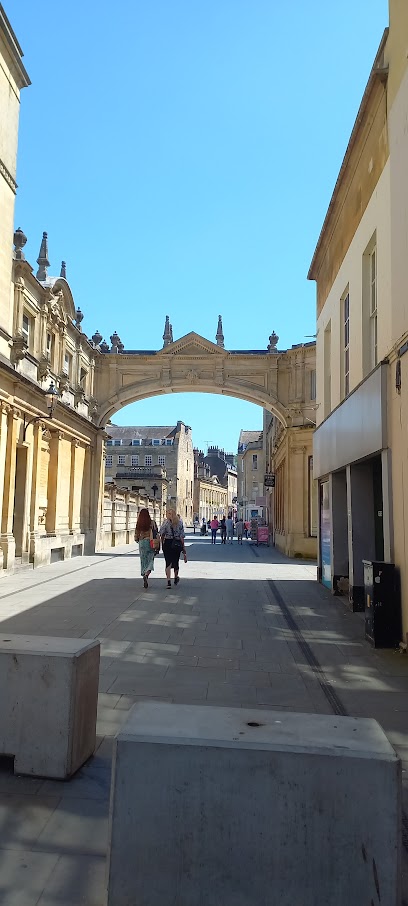
North Parade, Bath
35.4 km
Experience the historic beauty and vibrant atmosphere of North Parade, Bath, where Georgian architecture meets the charm of the River Avon.
Pulteney Bridge
35.4 km
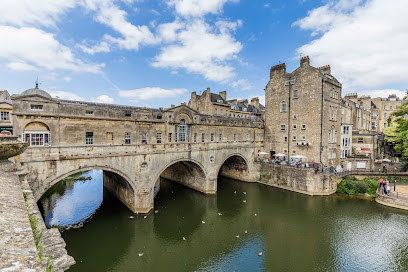
Experience the stunning Pulteney Bridge in Bath, a unique architectural gem adorned with shops, offering picturesque views and rich history.
In and Beyond Bath
35.4 km
Experience the rich history and stunning architecture of Bath with personalized tours from In and Beyond Bath, your expert local travel guide.
The EASTGATE
35.4 km
Explore The EASTGATE, a captivating historical landmark in Bath, showcasing stunning Georgian architecture and rich cultural heritage.
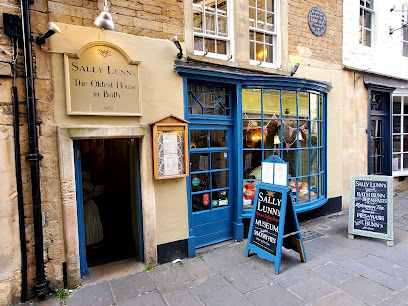
Sally Lunn’s Historic Eating House & Museum
35.4 km
Experience the rich history and delectable flavors at Sally Lunn’s Historic Eating House & Museum in Bath, where tradition meets taste.
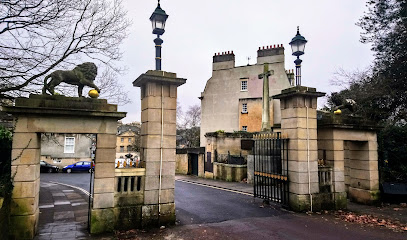
Parte de la muralla medieval de la ciudad de Bath
35.4 km
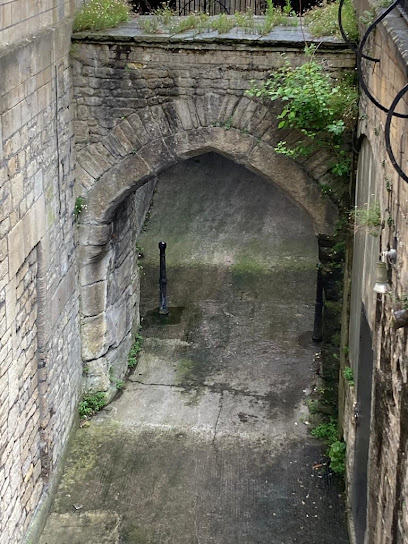
Explore a rare surviving fragment of Bath’s medieval city wall, a gateway to the city’s rich Roman and medieval heritage.
Unmissable attractions to see

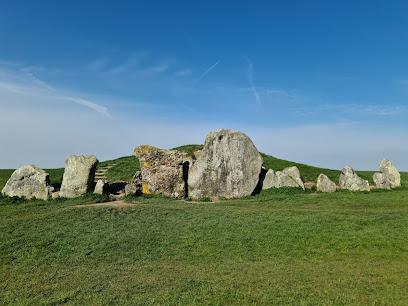
West Kennet Long Barrow
4.0 km
Explore one of Britain’s largest Neolithic tombs, a monumental burial site offering ancient history and stunning Wiltshire views.
The Sanctuary
4.4 km
Explore the ancient timber circles and earthworks of The Sanctuary, a mystical Neolithic site within the Avebury World Heritage landscape.
Silbury Hill
4.8 km
Explore Silbury Hill, Europe's largest prehistoric chalk mound, a monumental mystery towering over the Wiltshire landscape since 2400 BC.
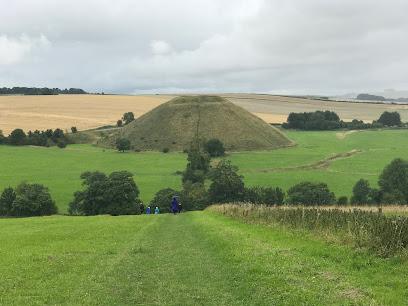
National Trust - Lockeridge Dene and Piggledene
5.5 km
Explore ancient sarsen stone valleys nestled in tranquil Wiltshire countryside, rich with natural beauty and prehistoric heritage.
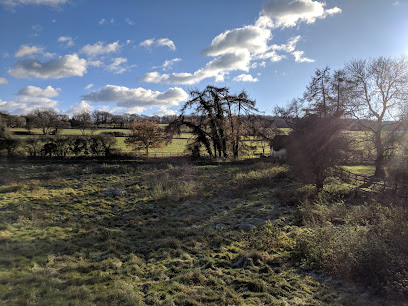
West Woods
5.6 km
Explore the enchanting ancient woodlands of West Woods, where natural beauty and deep history intertwine just south of Marlborough.
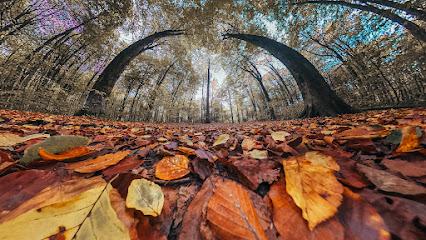
Avebury
6.3 km
Explore Avebury, the world’s largest Neolithic stone circle, a monumental prehistoric landscape of mystery, ritual, and enduring heritage.
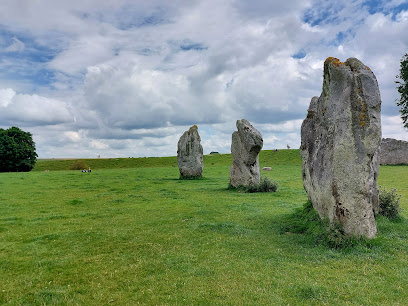
National Trust - Avebury Manor
6.3 km
Explore a historic 16th-century manor and stunning gardens nestled within the world’s largest Neolithic stone circle in Wiltshire.
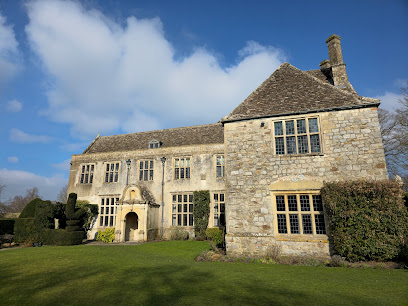
National Trust Museum
6.3 km
Explore Britain’s prehistoric heritage through the remarkable artefacts and stories at the Alexander Keiller Museum in Avebury’s ancient heartland.
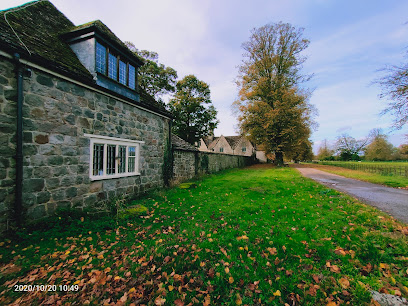
The Devil's Den
7.4 km
Explore the enigmatic Neolithic dolmen of The Devil's Den, a quiet ancient monument nestled among Wiltshire's sarsen stones and rolling chalk downs.
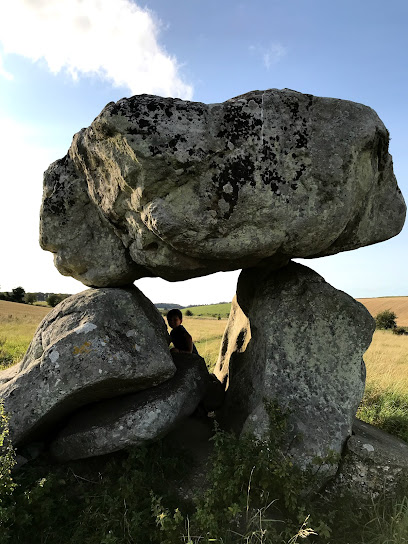
Windmill Hill, Avebury
7.9 km
Explore Windmill Hill, a vast Neolithic causewayed enclosure with panoramic views and deep prehistoric significance within Avebury's ancient landscape.
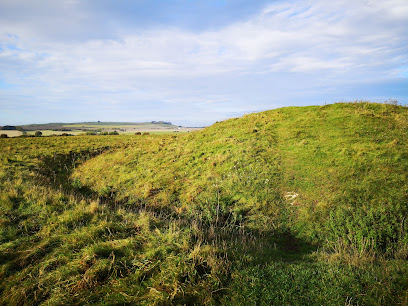
Oldbury Castle Hillfort
7.9 km
Explore Oldbury Castle Hillfort, an ancient Iron Age stronghold with breathtaking views and rich prehistoric heritage on Wiltshire’s Cherhill Downs.
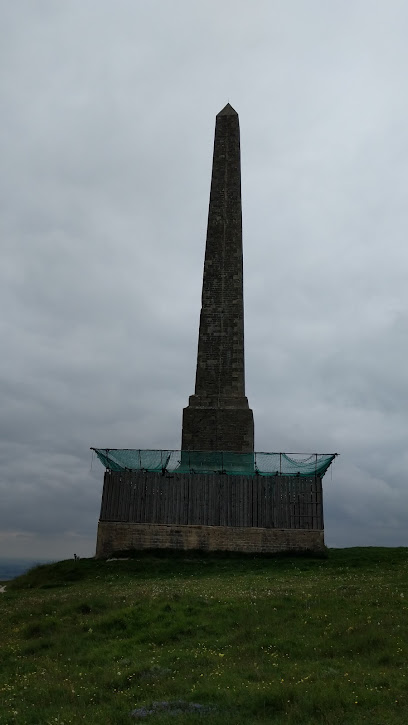
Cherhill White Horse
8.1 km
Historic chalk hill figure carved in 1780, offering stunning views and a unique glimpse into Wiltshire’s heritage.
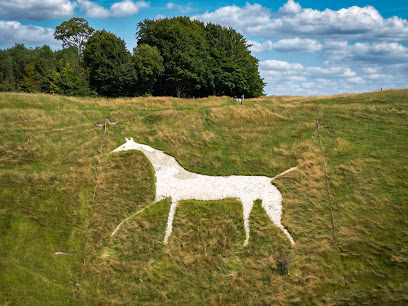
Pewsey White Horse
8.5 km
A charming, well-proportioned chalk hill figure commemorating King George VI’s coronation, nestled in the scenic Wiltshire countryside.
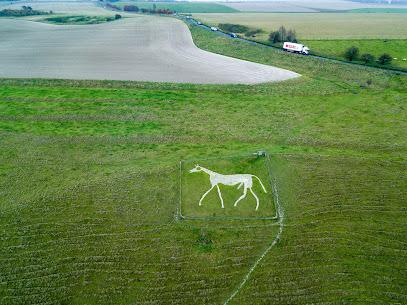
Morgan's Hill
9.0 km
Discover Morgan's Hill, a tranquil chalk grassland reserve rich in rare orchids, butterflies, historic earthworks, and sweeping Wiltshire vistas.
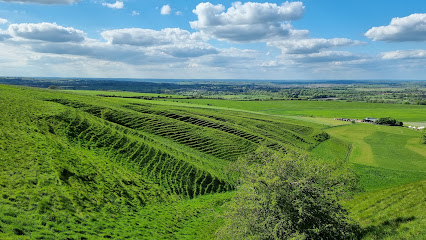
Wiltshire Museum
10.4 km
Discover 500,000 years of Wiltshire’s history through award-winning galleries and stunning Bronze Age treasures in the heart of Devizes.
Essential places to dine

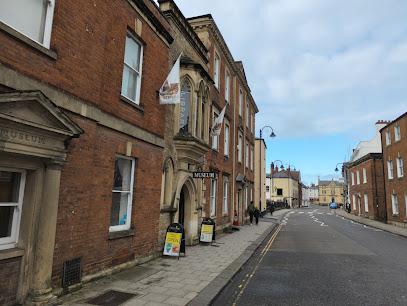
The Silks
11.8 km
Historic Victorian pub in Wiltshire serving seasonal British fare by MasterChef Champion Thomas Frake, blending heritage with community spirit.
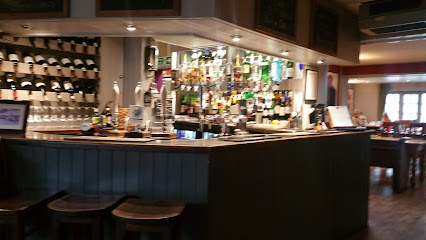
Sign of the Angel
19.6 km
Step into history at Sign of the Angel, a 15th-century coaching inn in Lacock offering cozy charm, excellent food, and timeless English hospitality.
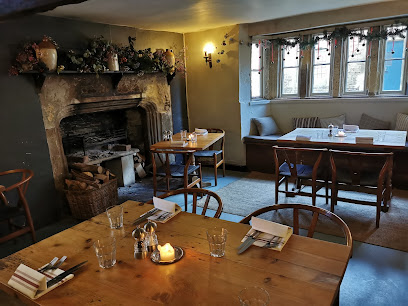
Bybrook
29.8 km
Michelin-starred modern British fine dining in a historic Cotswold manor with fresh, seasonal produce from its own kitchen garden.
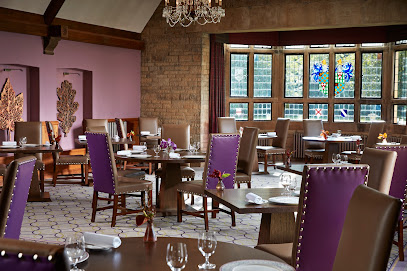
Grey's Brasserie
31.4 km
Sophisticated yet relaxed dining at Whatley Manor, featuring globally inspired small plates and traditional Sunday roasts in a stunning Cotswolds setting.
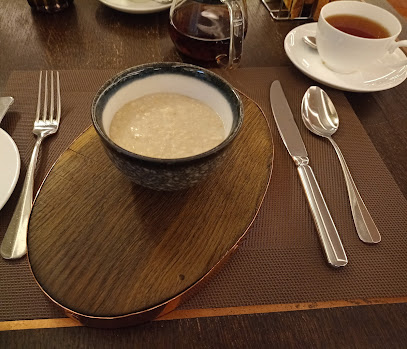
Bathampton Mill Bath
33.3 km
Historic riverside gastropub blending traditional British charm with scenic views and modern dining near Bath.
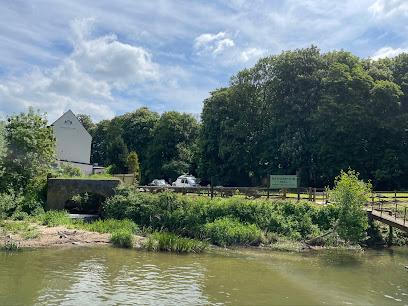
The Old Boathouse
33.4 km
Charming lakeside gastropub offering hearty British and European dishes with scenic views at Cotswold Water Park.
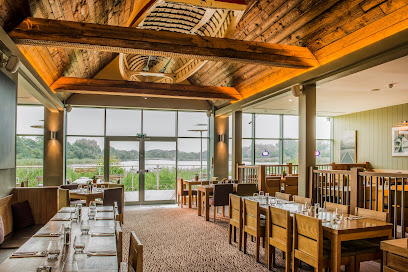
The Woodspeen Restaurant
34.7 km
Michelin-starred modern British cuisine in a charming farmhouse with seasonal menus, award-winning wines, and an adjoining cookery school near Newbury.
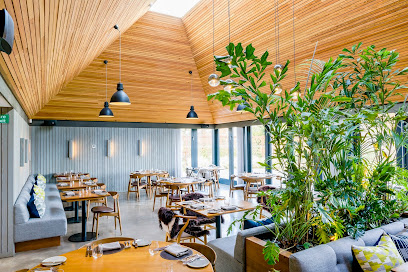
Bathwick Boatman Riverside
34.9 km
Charming riverside dining in Bath’s historic boathouse, serving fresh seasonal dishes with warm, family-run hospitality.
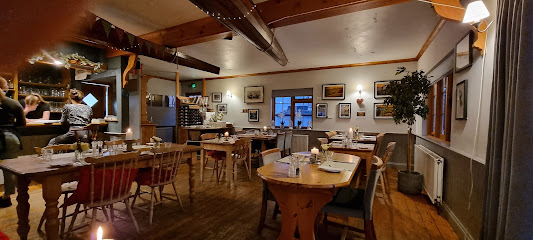
The Restaurant at The Bird
35.0 km
Stylish, sustainable dining in Bathwick with modern British dishes, festive charm, and stunning views of Bath Abbey.
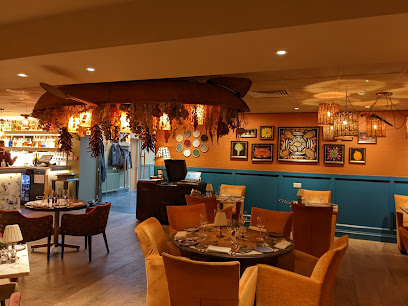
Opa Bath
35.2 km
Experience authentic Greek meze and vibrant nightlife in atmospheric vaulted cellars by Bath’s River Avon.
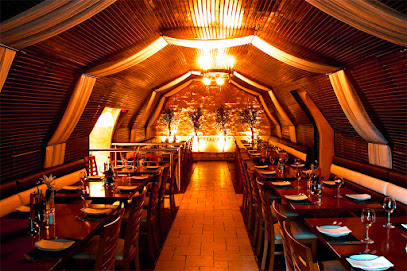
La Perla
35.3 km
Discover authentic Spanish tapas and vibrant flavors in the cozy, atmospheric arches beneath Bath’s historic streets.
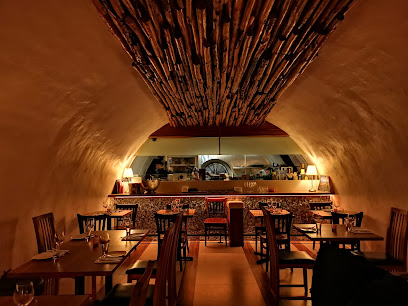
The Elder Restaurant
35.3 km
Experience refined modern British cuisine with a focus on seasonal wild game in Bath’s elegant Georgian setting.
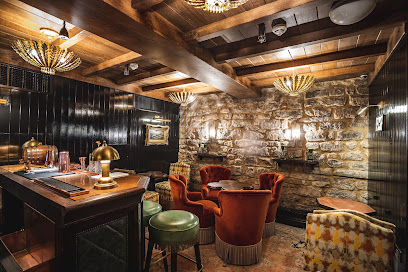
Sotto Sotto
35.3 km
Discover authentic Italian cuisine in a romantic vaulted cellar setting beneath Bath’s historic streets.
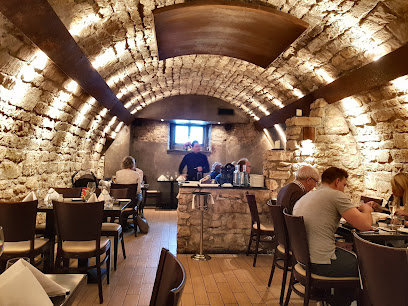
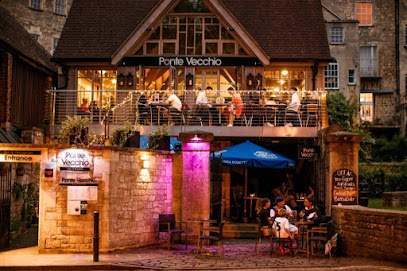
Ponte Vecchio
35.3 km
Bath’s finest Italian restaurant in a converted riverside boathouse, with stunning views of Pulteney Bridge and the weir.
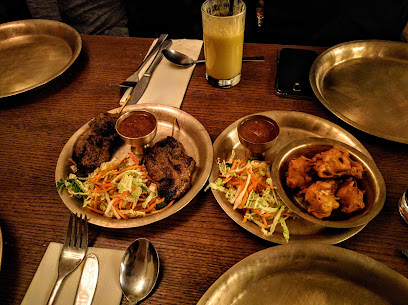
Yak Yeti Yak
35.4 km
Authentic Nepalese cuisine and Himalayan hospitality in a vibrant basement gem.
Markets, malls and hidden boutiques

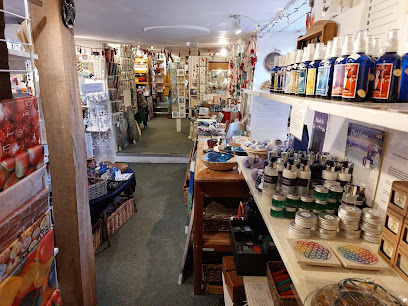
The Henge Shop
6.2 km
Explore Celtic and Pagan treasures, spiritual guidance, and artisan crafts in the heart of Avebury Stone Circle.
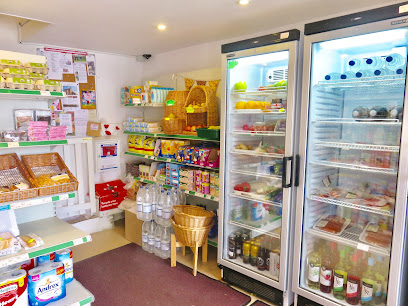
Avebury Community Shop
6.2 km
Explore the Avebury Community Shop for unique local products, artisan goods, and a taste of Marlborough's vibrant culture.
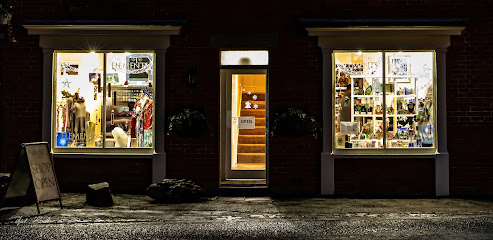
Elements of Avebury
6.2 km
Discover authentic local artistry and spiritual treasures in the heart of Avebury’s ancient stone circle.
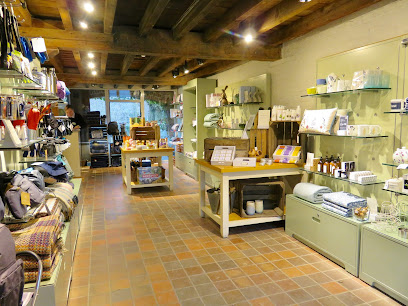
National Trust shop
6.3 km
Discover unique gifts and local artisan treasures in a historic stables building at the heart of Avebury’s ancient village.
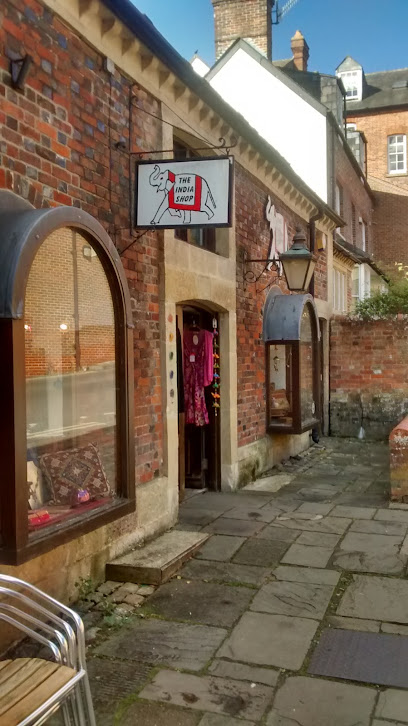
The India Shop
9.7 km
Discover vibrant fair trade treasures and authentic Indian craftsmanship in the heart of Marlborough’s charming market town.
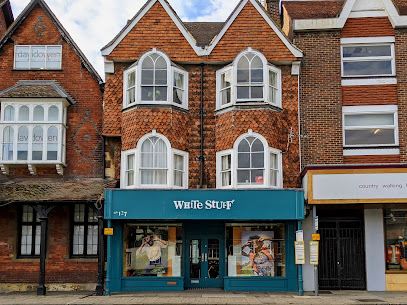
White Stuff Marlborough
9.7 km
Discover timeless, sustainable fashion and accessories at White Stuff Marlborough on the historic High Street.
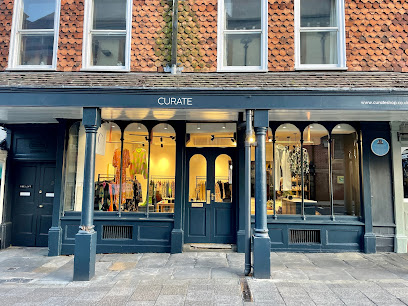
Curate
9.8 km
Discover artistically inspired fashion and homewares at Curate, Marlborough’s award-winning independent boutique on High Street.
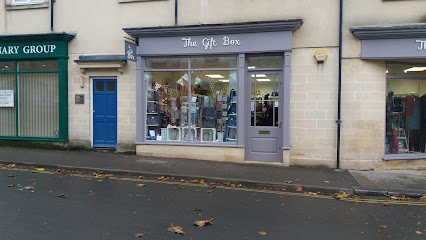
The Gift Box
13.0 km
Discover unique gifts and stylish fashion accessories in a charming Calne boutique with a warm, welcoming atmosphere.
The Wiltshire Gift Co
18.6 km
Discover unique gifts and candles in a vibrant garden centre setting with family-friendly attractions and local charm.

National Trust Gift Shop
19.6 km
Discover unique, eco-friendly gifts and local artisan treasures in a historic Lacock High Street setting.
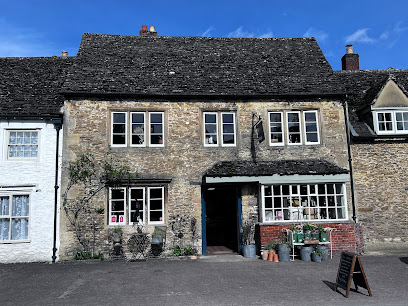
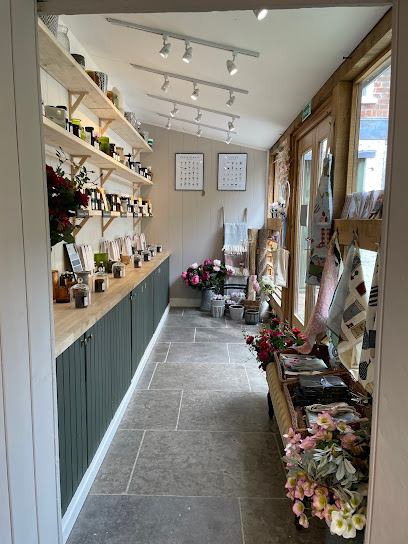
O L I V
19.6 km
Discover artisan candles, homewares, and unique gifts at O L I V, a charming boutique nestled in historic Lacock village.
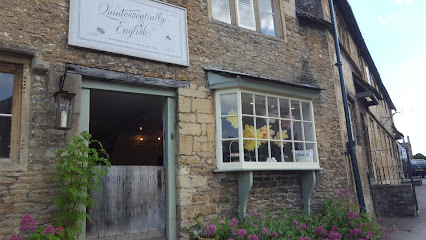
Quintessentially English
19.7 km
A charming Wiltshire gift shop in Lacock, specializing in handmade soaps, candles, and artisanal beauty products with a distinctly English character.
CoCo Chemistry Chocolates
19.7 km
Handcrafted luxury chocolates in the historic village of Lacock, blending tradition, quality, and charm for a truly sweet experience.
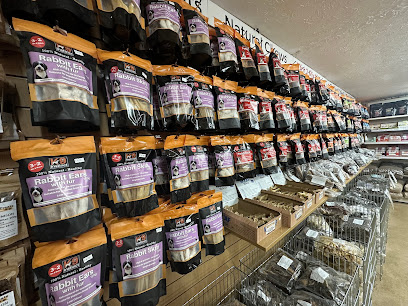
Natural Treats Wiltshire - Raw Dog Food Store
20.6 km
Premium raw dog food and natural treats in Melksham, serving conscious pet owners with expert nutrition guidance.
Emery Gate Shopping Centre
20.9 km
Chippenham’s only covered shopping centre offering national brands, local shops, cafes, and ample parking in a convenient central location.
Essential bars & hidden hideouts

Waggon & Horses
5.4 km
Historic 17th-century gastropub with cosy charm, scenic garden views of Silbury Hill, and a celebrated menu featuring local and gluten-free delights.
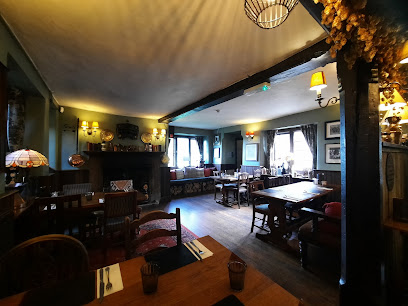
Red Lion
6.2 km
A charming traditional pub in Avebury offering hearty food, local stories, and a warm, welcoming atmosphere near the ancient stone circles.
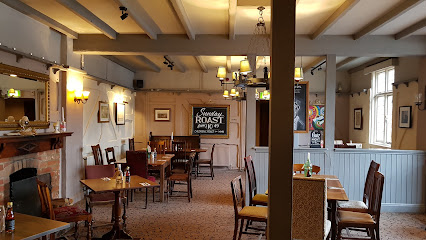
The White Horse Inn
11.0 km
Traditional Wiltshire pub and guesthouse offering homemade food, local ales, cosy rooms, and a warm countryside welcome in Compton Bassett.
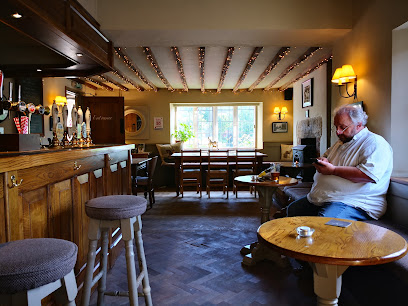
The Ivy Inn
11.0 km
A traditional Wiltshire pub offering cozy charm, fresh food, real ales, and a welcoming atmosphere in the heart of Heddington.
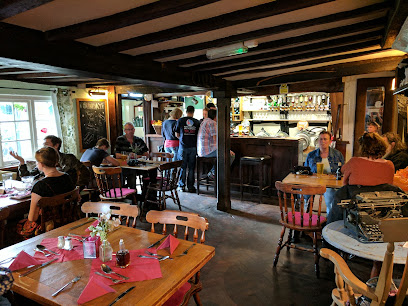
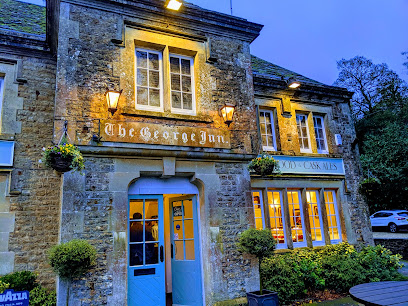
The George Inn
14.9 km
A classic village pub in Sandy Lane offering hearty home-cooked meals, cozy rooms, and warm local hospitality.
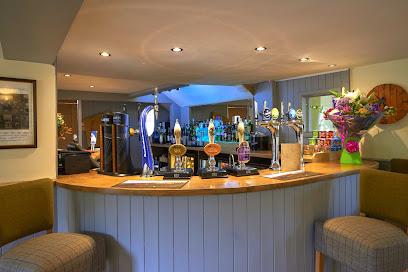
Westbrook Inn
15.2 km
Charming countryside pub near Chippenham offering extensive vegan options, hearty meals, and a warm, relaxed atmosphere.
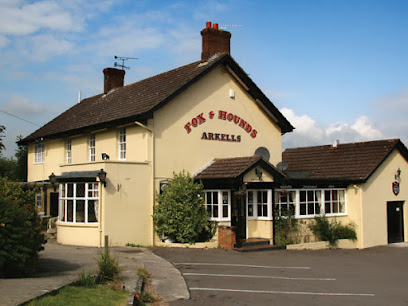
The Fox & Hounds
17.0 km
Quirky garden bar and lively pub in Wroughton offering hearty British fare, live music, and memorable community events.
The Bell
18.6 km
A charming Georgian coaching inn in Ramsbury offering exquisite farm-to-fork dining in a historic, countryside setting.
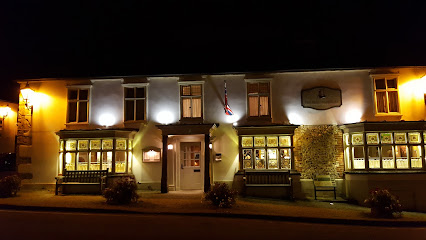
The Three Crowns
20.4 km
A lively, traditional pub in Chippenham known for real ales, live music, and a welcoming community spirit.
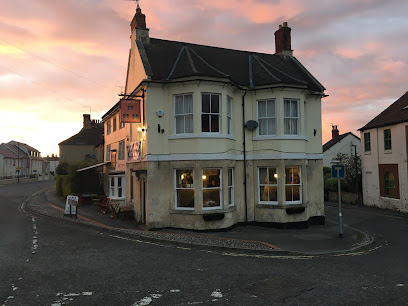
The Hop Inn
20.5 km
A vibrant Swindon pub famed for its craft ales, hearty contemporary fare, and welcoming community atmosphere.
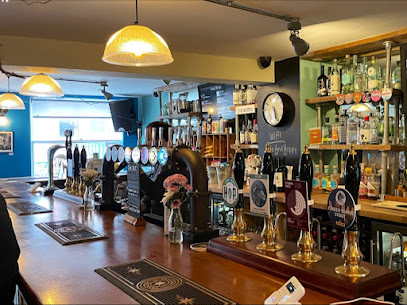
The Tuppenny
20.5 km
Swindon’s cozy craft beer haven with quirky charm, live music, and a vibrant social scene for all beer lovers and culture seekers.
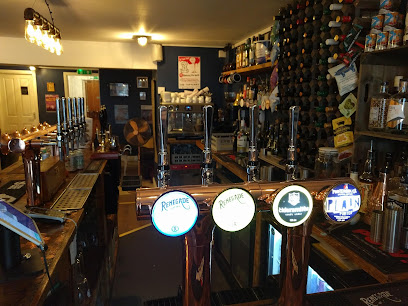
Eighteen Bar & Lounge
20.6 km
A vibrant cocktail bar in Swindon’s heart, blending creative drinks with a lively and welcoming atmosphere.
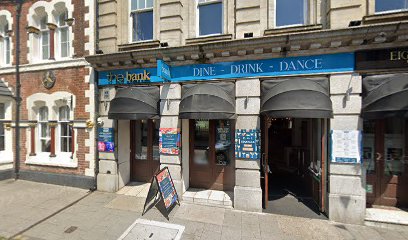
The Vault
20.7 km
Swindon's intimate cocktail bar offering expertly crafted drinks, stylish decor, and a warm, welcoming atmosphere.
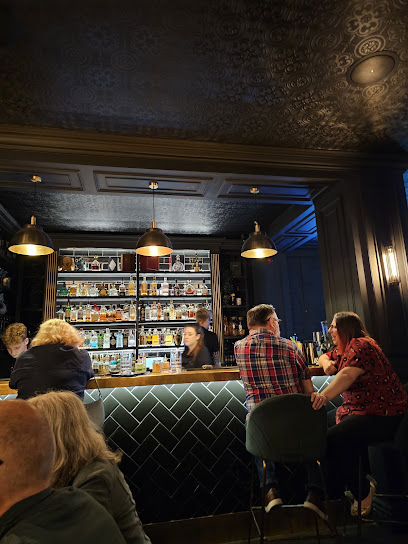
1101 Cocktail Bar
20.7 km
Sophisticated cocktails and a relaxed vibe make 1101 Cocktail Bar a standout spot for Swindon nightlife enthusiasts.
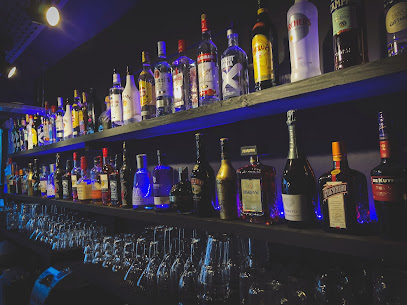
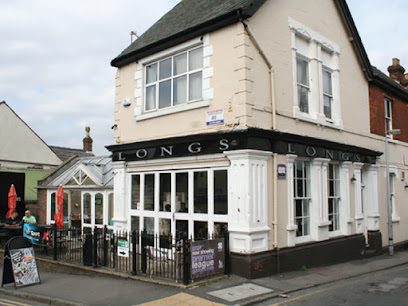
Longs Bar
20.7 km
A lively cocktail bar in Swindon's Old Town offering creative drinks, stone-baked pizzas, and a vibrant atmosphere day and night.
Nightclubs & after hour spots

Venue Five-0 Night Club
19.3 km
Energetic weekend nights and diverse music await at Venue Five-0 Night Club, Royal Wootton Bassett’s lively nightlife hotspot.
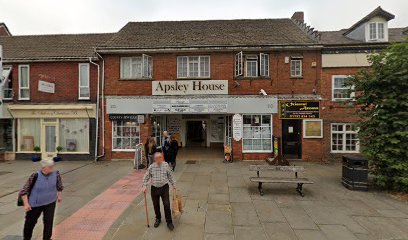
E11evn's Nightclub
21.1 km
A lively late-night hotspot in Chippenham offering weekend clubbing with a spirited local vibe and energetic dance floors.
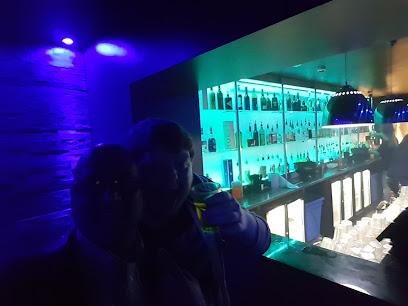
The Tub
33.3 km
A vibrant student nightclub on University of Bath campus, perfect for dancing, socializing, and late-night fun in a lively, welcoming atmosphere.
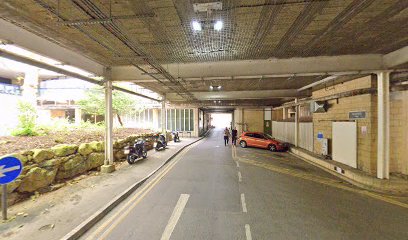
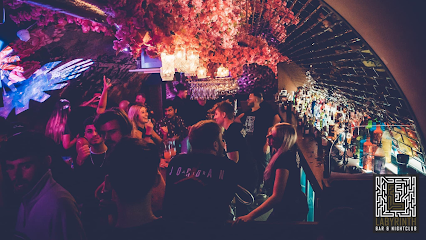
Labyrinth Bar & Nightclub
35.3 km
Experience Bath’s vibrant nightlife at Labyrinth Bar & Nightclub with four unique rooms, eclectic music, and a lively social atmosphere.
Second Bridge
35.4 km
A lively nightclub in Bath offering cocktails, shisha, and a buzzing beer garden for vibrant nightlife experiences.
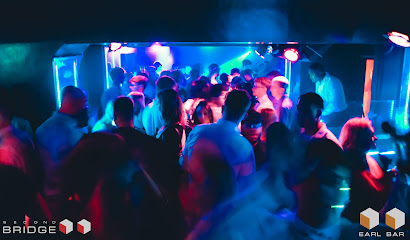
Lomah
35.5 km
Experience Bath’s industrial-chic nightlife at Lomah, a stylish underground club with hip hop beats and a laidback vibe for 21+ guests.
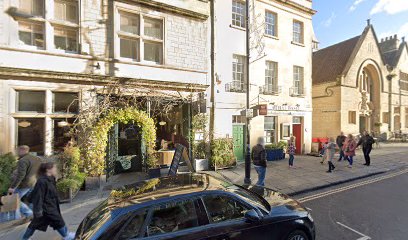
Zero / Zero
35.6 km
Experience Bath’s vibrant nightlife at Zero / Zero, a cozy nightclub and cocktail lounge with a lively atmosphere and late-night beats.
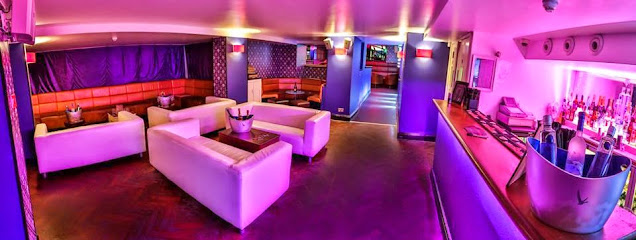
Komedia
35.7 km
Bath’s vibrant community-owned venue offering comedy, live music, cabaret, and more in a beautifully restored historic cinema.
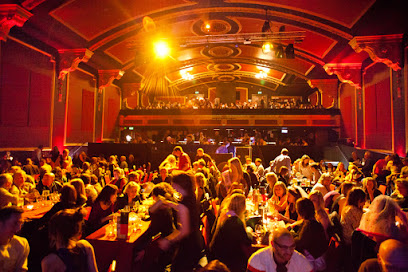
Sub 13
35.7 km
Bath’s award-winning cocktail bar and nightclub offering masterclasses, vibrant nightlife, and a heated terrace in a stylish three-floor venue.
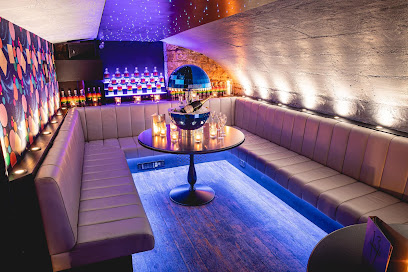
ReVA Nightclub
39.1 km
Cirencester’s largest nightclub offering electrifying music, stylish cocktails, and a vibrant atmosphere for unforgettable nights.
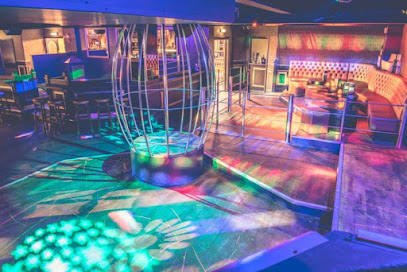
Trio Nightclub
48.6 km
Experience Stroud’s vibrant nightlife at Trio Nightclub, where music, dancing, and energetic vibes light up weekend nights.
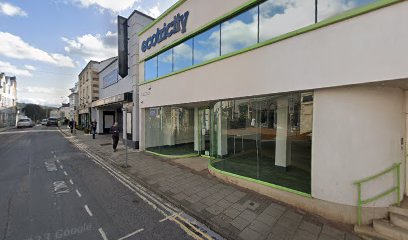
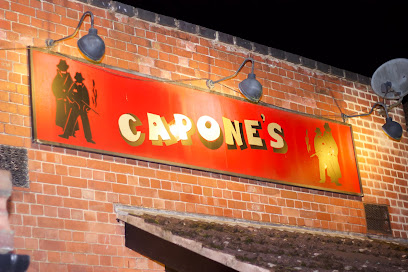
Capones
49.0 km
Historic nightclub in Dursley with legendary ties to Al Capone, offering vibrant weekend nightlife and pulsating music.
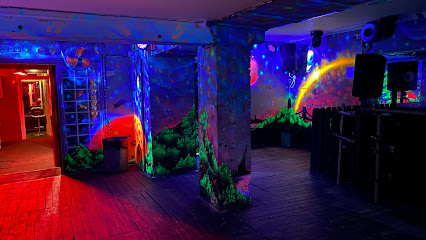
Dare to Club
51.1 km
Experience Bristol’s vibrant, inclusive nightlife at Dare to Club, where diverse music and welcoming vibes create unforgettable nights.
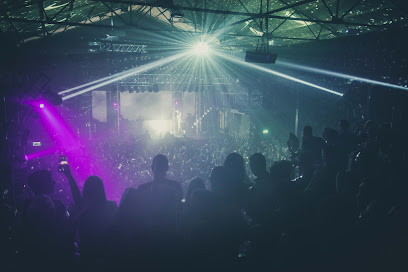
Motion
51.2 km
Bristol’s iconic warehouse nightclub, Motion, pulses with underground beats and community spirit, celebrating decades of electronic music culture.
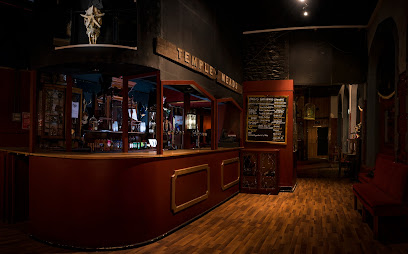
The Loco Klub
51.7 km
An atmospheric subterranean arts venue in Brunel’s Temple Meads arches, where tunnels, brick vaults and intimate soundscapes host club nights, theatre and live music.
For the vibe & atmosphere seeker
- Scenic
- Relaxing
- Tranquil
- Unique
For the design and aesthetic lover
- Rustic Designs
For the architecture buff
- Historic
- Landmarks
- Parks & Gardens
For the view chaser and sunset hunter
- Iconic Views
- Panoramas
- Sunrise Spots
- Sunset Spots
For the social media creator & influencer
- Instagrammable
- Photo Spots
- Selfie Spots
For the eco-conscious traveler
- Eco-Friendly
- Low Impact
- Public-Transport Accessible
- Leave-No-Trace Critical
- Locally Managed
For the kind of experience you’re after
- Cultural Heritage
- Photowalk
- Nature Escape
- Day Trip
- Weekend Getaway
- Myth & Legends
For how adventurous you want the journey to be
- Easy Access
- Requires Hike
Location Audience
- Family Friendly
- Senior Friendly
- Child Friendly
- Teen Friendly
- Solo Friendly
- Couple Friendly
- Vegetarian Friendly
- Vegan Friendly


