Conger Hill, Bedfordshire Travel Guide
Explore Conger Hill, a medieval motte-and-bailey castle mound in Toddington, rich with history, folklore, and commanding Chiltern views.
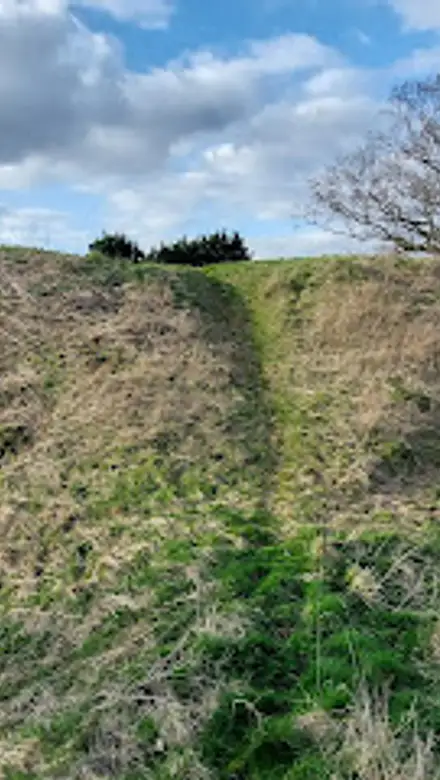
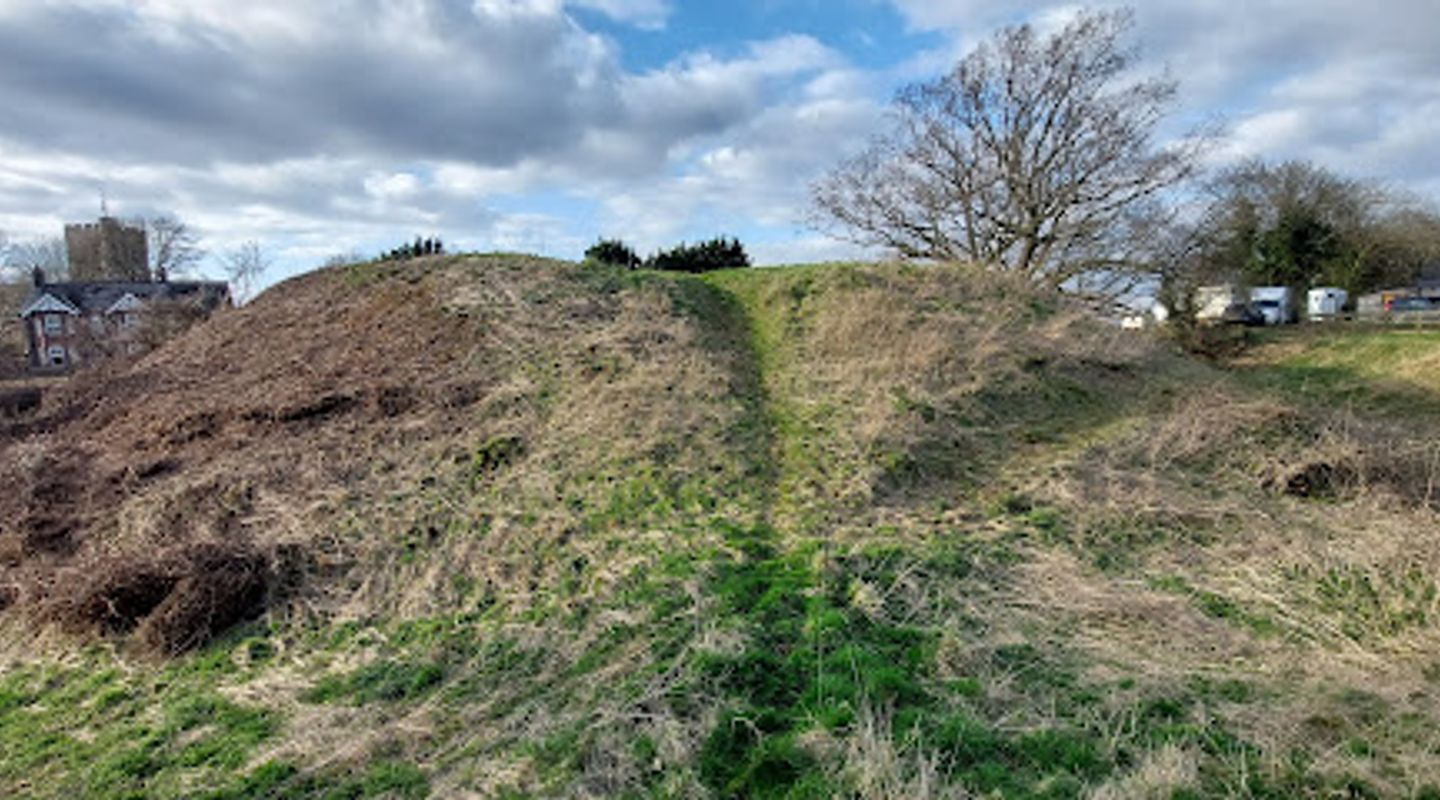
Conger Hill, located in Toddington near Dunstable, Bedfordshire, is a historic medieval motte-and-bailey castle site dating back to the 13th century. This artificial earthen mound, rising 18 feet above the surrounding moat, was once the stronghold of Sir Paulinus Pegure. Today, only earthworks remain, with a flat top 92 feet in diameter and no visible ramparts. The site, also known as Toddington Castle, is a Scheduled Monument rich in folklore, including a Shrove Tuesday pancake tradition, and offers commanding views over the Chilterns.
A brief summary to Conger Hill
- Dunstable, Toddington, GB
- Click to display
- Duration: 0.5 to 2 hours
- Free
-
 Outdoor
- Mobile reception: 4 out of 5

Know before you go
Hi, I'm Eve. Here are a few practical things to know before exploring Conger Hill.
- Visit during spring or summer for the best weather and clear views across the Chiltern Hills.
- Bring sturdy footwear as the site involves walking on uneven earthworks and natural terrain.
- Combine your visit with a walk around Toddington village to appreciate its historic church and traditional architecture.
- Listen for the local Shrove Tuesday pancake bell tradition, revived in recent years, which adds a unique cultural dimension.
Do you manage this location?
Take control to get all the benefits, like improved information, better appearance, and stronger visibility across AI-powered discovery. Learn more about listing your business on Evendo
Activate your presenceOther nearby places you may find interesting
The closest places of the same kind, if this one is not quite what you had in mind.

Explore Conger Hill on the Map
A handpicked selection of must-see spots near Conger Hill, mapped for you.
Getting There
-
Bus
Take the local bus service from Dunstable town center to Toddington village; the journey takes approximately 25 to 35 minutes. Services run several times daily but check schedules in advance as frequency varies. From the village center, Conger Hill is accessible via a short walk along marked footpaths.
-
Car
Driving from Dunstable or nearby towns, expect a 15 to 20-minute journey via local roads. Limited roadside parking is available near Conger Lane; visitors should be prepared for a short walk over uneven terrain to reach the motte. Parking restrictions may apply during local events.
-
Walking
For those staying in Toddington, a 10 to 15-minute walk through village footpaths leads to Conger Hill. The route includes gentle slopes and natural ground surfaces, suitable for most walkers but may be challenging for wheelchair users or those with limited mobility.
For the on-the-go comforts that matter to you
-
 Information Boards
-
 Seating Areas
-
 Trash Bins
Discover more about Conger Hill
Origins and Historical Significance
Conger Hill, also known historically as Toddington Castle, is an artificial earthen mound that served as a medieval motte-and-bailey castle in the village of Toddington, Bedfordshire. The site dates from before the 13th century and was the stronghold of Sir Paulinus Pegure, who leased it from Roger Bigod, 2nd Earl of Norfolk. Although the original structures were likely timber and possibly later stone, today only the earthworks survive. The motte rises approximately 18 feet above the bottom of the surrounding moat, with a flat summit measuring around 92 feet in diameter. The castle’s strategic position on a ridge of the Chiltern Hills provided commanding views of the surrounding upper watershed of the River Ouse.Archaeological Features and Landscape
The earthworks include a circular mound and a surrounding ditch or fosse, which has partially infilled over time. The precise extent of the bailey—the enclosed courtyard typical of motte-and-bailey castles—is uncertain but may correspond with modern field boundaries nearby. Excavations have uncovered medieval pottery on the mound’s eroded sides, now preserved in local museums. The site has suffered erosion but remains a significant example of Norman military architecture and feudal social organization. The name 'Conger Hill' first appeared in records from 1597 and is believed to derive from its later use as a rabbit warren, with the Middle English term 'conynger' meaning 'rabbit warren'.Folklore and Cultural Traditions
Conger Hill is steeped in local folklore, particularly relating to a Shrove Tuesday tradition. For about 150 years, a 'pancake bell' rang from the nearby church to remind women to make pancakes. Children would run to Conger Hill and press their ears to the ground, listening for the sizzling sound of an 'old woman' frying pancakes underground. This whimsical custom ceased in the early 1970s but was revived in 2012, reflecting the enduring cultural connection between the community and the site. Popular imagination also once linked Conger Hill with witchcraft, seeing the mound as the lair of a witch, a belief common in the region until at least the 17th century.Setting Within Toddington Village
Situated near the parish church and surrounded by open grassland, Conger Hill forms a prominent landmark within Toddington’s historic landscape. The motte offers alternative views of the church tower and the village’s rich roofscape. Footpaths around the site follow historic routes visible on maps dating back to the 16th century, integrating the motte into the village’s evolving spatial fabric. Toddington itself has Anglo-Saxon origins and was mentioned in the Domesday Book of 1086. The castle site represents the establishment of Norman overlordship and the earliest surviving embodiment of social organization in the area.Preservation and Heritage Status
Conger Hill is a Scheduled Monument, recognized for its archaeological and historical importance. Despite erosion and the passage of centuries, the earthworks remain a protected heritage asset. The site’s preservation is aided by its rural setting and limited modern development. It stands as a testament to medieval fortification techniques and the layered history of Bedfordshire. Visitors can appreciate the site’s natural beauty, historical resonance, and the panoramic views it commands over the Chilterns and beyond.Visitor Experience and Atmosphere
Today, Conger Hill offers a tranquil and scenic environment where history and nature intertwine. The flat-topped mound invites contemplation of the past, while the surrounding countryside provides a peaceful backdrop. The site’s connection to local legends and traditions adds a layer of cultural richness, making it an evocative destination for history enthusiasts and those seeking a quiet rural retreat. Its accessibility via footpaths and proximity to the village church make it a meaningful stop within the broader Toddington heritage trail.












Your all‑in‑one travel companion app
Explore expert travel guides, compare and book tours, experiences, hotels, and more—all from the palm of your hand. Download now for seamless trip planning wherever your wanderlust takes you.


Explore More of Bedfordshire
Looking beyond Conger Hill? Discover Bedfordshire for broader travel guides, local hot-spots, and regional highlights.
Explore Bedfordshire