
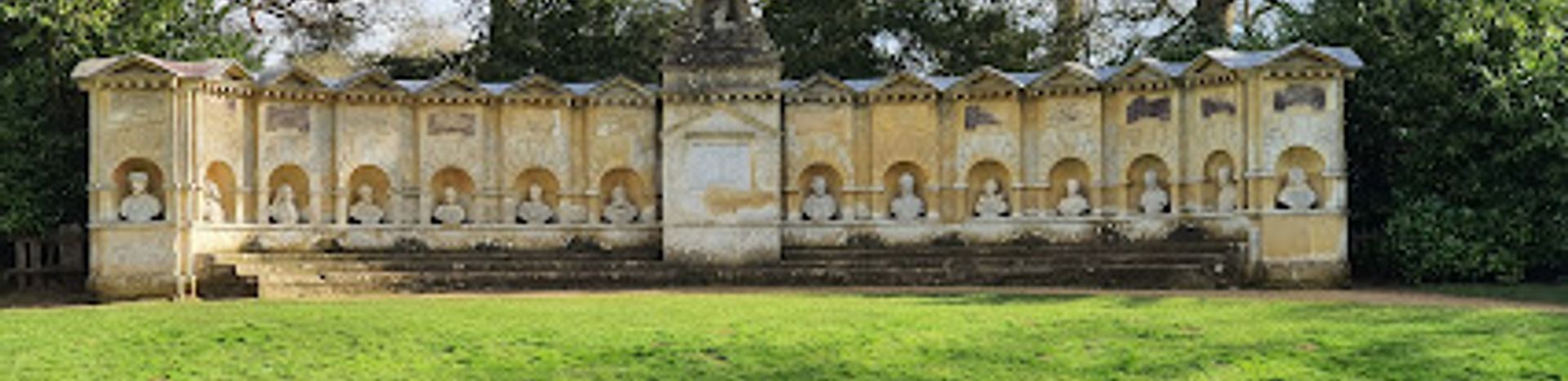
Temple of British Worthies at Stowe Gardens
An iconic neoclassical monument in Stowe Gardens honoring Britain's greatest thinkers and leaders with sixteen distinguished busts.
The Temple of British Worthies is a celebrated 18th-century monument in Stowe Gardens, Buckinghamshire, honoring sixteen notable British figures. Designed by William Kent and built around 1734–1735, the curved stone exedra features busts of eminent men from history, politics, literature, and science, with Queen Elizabeth I as the sole female figure. This architectural tribute reflects the Whig political ideals of the Temple family and offers a contemplative glimpse into British heritage within the scenic landscape gardens.
A brief summary to Temple of British Worthies
- Buckingham, MK18 5EE, GB
- Duration: 0.5 to 2 hours
- Free
-
 Outdoor
- Mobile reception: 4 out of 5
Local tips
- Visit during daylight hours to fully appreciate the detailed sculptures and the surrounding landscaped gardens.
- Explore nearby temples in Stowe Gardens to understand the broader historical and philosophical context.
- Bring a camera for excellent photo opportunities of the temple’s classical architecture and busts.
- Wear comfortable shoes as the temple is part of a large outdoor garden requiring walking on varied terrain.

For the on-the-go comforts that matter to you
- Restrooms
- Drink Options
- Food Options
- Seating Areas
- Information Boards
- Visitor Center
- Trash Bins
Getting There
-
By Car
Driving to Stowe Gardens from central Buckingham typically takes 15 to 25 minutes via local roads. Parking is available on-site but can fill quickly during peak season. There is no charge for parking, but early arrival is recommended to secure a spot.
-
By Bus
Local bus services connect Buckingham town center to Stowe Gardens with a journey time of approximately 30 to 40 minutes. Services run several times daily but may be limited on weekends. A standard single fare costs around £3 to £5.
-
By Train and Taxi
The nearest train station is Milton Keynes Central, about 12 km from Stowe Gardens. From there, a taxi ride of 20 to 30 minutes is required. Taxi fares typically range from £25 to £35.
-
Walking
For active visitors staying nearby, walking to the temple is possible but involves traversing uneven garden paths and may take 30 to 45 minutes. Suitable footwear is advised.
Temple of British Worthies location weather suitability
-
 Any Weather
-
 Clear Skies
-
 Mild Temperatures
-
 Rain / Wet Weather
Discover more about Temple of British Worthies
An Enlightened Tribute to British Legacy
The Temple of British Worthies stands as a distinguished monument within the historic Stowe Gardens, designed by William Kent and constructed between 1734 and 1735. This curving stone wall, or exedra, is roofless and features a central stone pier topped by a stepped pyramid containing a niche with a bust of Mercury, the Roman god of commerce and luck. The structure honors sixteen British figures, celebrated for their contributions to the nation’s history, culture, and intellect. These busts are carved from Portland stone and arranged in niches along the curved wall, symbolizing a procession of British greatness.Figures of Thought and Action
The sixteen busts are divided into two groups: eight men of contemplation and eight men (plus one woman) of action. The contemplative side includes luminaries such as Alexander Pope, John Locke, Sir Isaac Newton, William Shakespeare, and Francis Bacon—figures renowned for their ideas, literature, and scientific advances. The side of action features iconic leaders and heroes like Alfred the Great, Sir Francis Drake, Sir Walter Raleigh, and William III, recognized for their deeds and governance. Queen Elizabeth I uniquely represents the female presence among these British Worthies, underscoring her historical significance.Architectural and Artistic Significance
The temple’s design reflects the neoclassical style popular in the Georgian era, with its unfluted Roman columns and classical motifs echoing the ideals of the Enlightenment. The busts themselves were crafted by notable sculptors such as Michael Rysbrack and Peter Scheemakers, whose works embody the artistic excellence of the period. The temple’s location in the Elysian Fields of Stowe Gardens situates it within a broader landscape of allegorical and commemorative structures, enhancing its role as a cultural and historical focal point.The Temple’s Place in Stowe’s Grand Vision
Stowe Gardens, developed primarily under the patronage of the Temple family, were designed as a landscape of political and philosophical symbolism. The Temple of British Worthies complements other temples in the gardens, such as the Temple of Ancient Virtue and the Temple of Friendship, each celebrating different virtues and ideals. This ensemble of monuments reflects the Whig political philosophy of the Temple family, who sought to promote liberty, learning, and national pride through art and architecture.Historical Context and Legacy
The Temple of British Worthies was created during a time when Britain was defining its national identity and political ideals. The figures chosen represent a curated narrative of British greatness, emphasizing constitutional monarchy, scientific progress, and cultural achievement. Though the family fortunes that funded Stowe waned by the mid-19th century, the temple remains a lasting testament to their vision. Today, it is a cherished heritage site managed by the National Trust, attracting visitors who appreciate its historical depth and artistic beauty.Visiting the Temple Today
Visitors to Stowe Gardens find the Temple of British Worthies a serene and inspiring place, surrounded by the carefully restored landscape that blends natural beauty with classical design. The temple’s open-air setting allows for contemplative viewing of the busts and the surrounding gardens, inviting reflection on Britain’s rich cultural and political history. Its proximity to other notable garden features makes it an integral part of the Stowe experience.Iconic landmarks you can’t miss

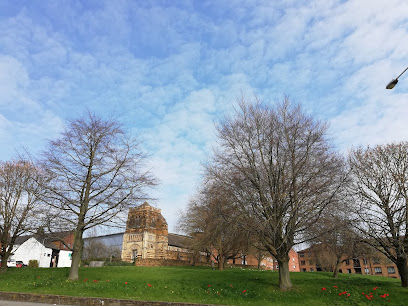
Northampton Castle Postern Gate
24.2 km
Discover the solitary Postern Gate, the last surviving gateway of Northampton Castle, echoing centuries of royal history and medieval intrigue.
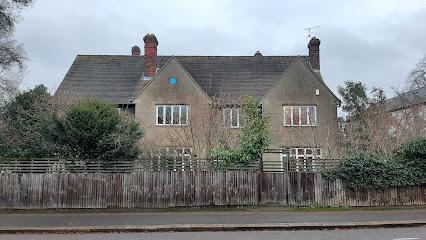
Blue Plaque: J.R.R. Tolkien
33.4 km
The Oxford home where Tolkien wrote The Hobbit and The Lord of the Rings, marked by a historic blue plaque.
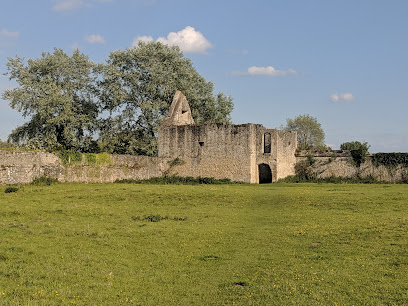
Godstow Abbey
34.1 km
Discover the serene beauty and rich history of Godstow Abbey, a tranquil ruin near Oxford, perfect for history enthusiasts and nature lovers alike.
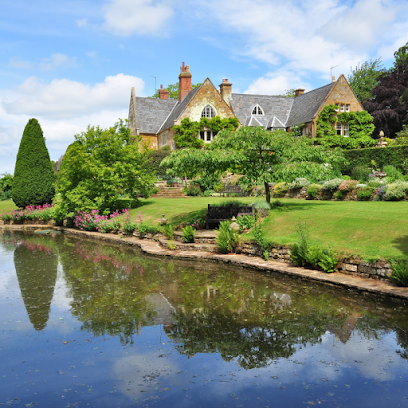
Coton Manor Garden
34.3 km
Explore the enchanting Coton Manor Garden, a botanical paradise filled with vibrant flora and serene landscapes, perfect for relaxation and exploration.
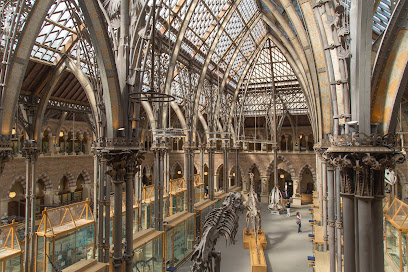
Oxford University Museum of Natural History
34.4 km
Explore the captivating Oxford University Museum of Natural History, where science and history come alive in a stunning architectural setting.
New College Ln
34.8 km
Explore the enchanting New College Lane in Oxford, where history, architecture, and student life come together in a picturesque setting.
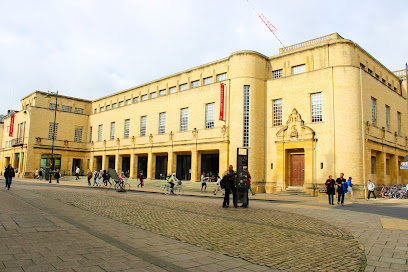
Weston Library
34.8 km
Explore the Weston Library in Oxford - a cultural gem featuring rare manuscripts, stunning architecture, and a vibrant atmosphere for book lovers.
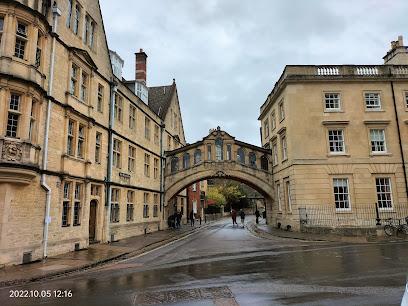
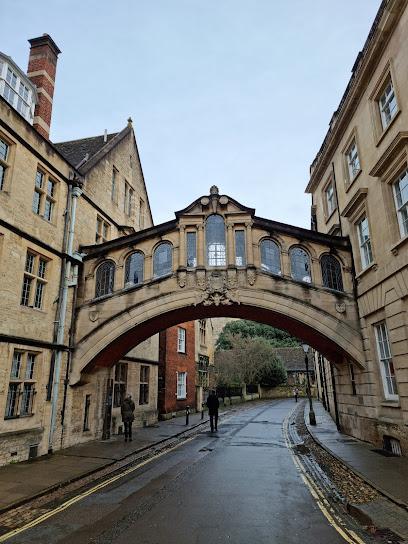
Bridge of Sighs
34.8 km
An iconic covered bridge connecting Hertford College’s quadrangles, blending Gothic charm with Oxford’s academic spirit.
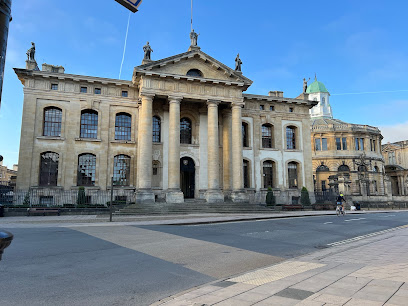
Clarendon Building
34.8 km
An iconic neoclassical landmark in Oxford’s academic heart, blending historic grandeur with university tradition on Broad Street.
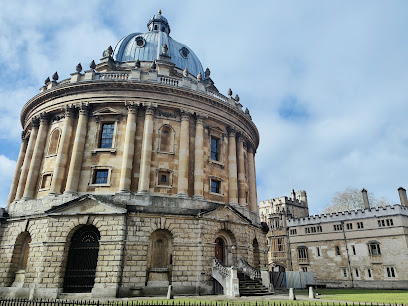
Bodleian Library
34.8 km
Discover the Bodleian Library, an iconic historical landmark in Oxford, home to millions of texts and a hub for cultural events and tours.
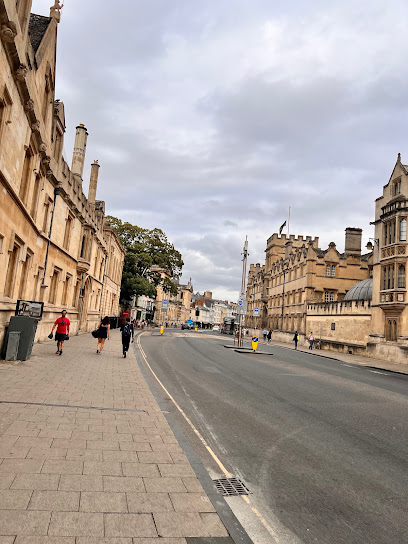
City Sightseeing Oxford
34.8 km
Discover Oxford’s rich history and stunning architecture with City Sightseeing Oxford’s immersive bus tours for an unforgettable travel experience.
The Oxford Ghost Tour
34.8 km
Discover the haunted history of Oxford with The Oxford Ghost Tour, where chilling stories and eerie legends await every curious traveler.
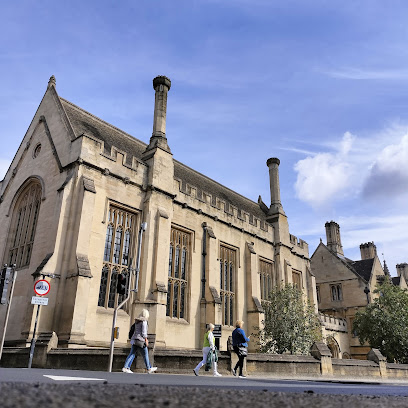
The Sheldonian Theatre
34.8 km
Explore the architectural beauty and cultural significance of The Sheldonian Theatre, a historic performing arts gem in the heart of Oxford.
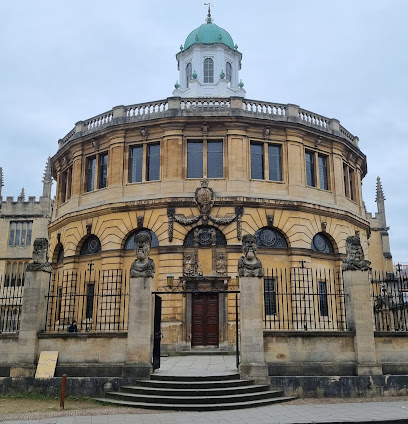
Bodleian Old Library
34.8 km
Discover the Bodleian Old Library, a historic treasure in Oxford, steeped in knowledge and architectural beauty, inviting all to explore its literary wonders.
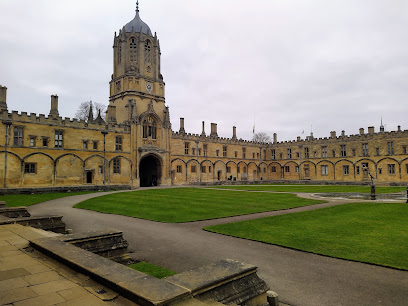
History of Science Museum
34.8 km
Explore the History of Science Museum in Oxford: A treasure trove of scientific instruments and manuscripts showcasing centuries of innovation and discovery.
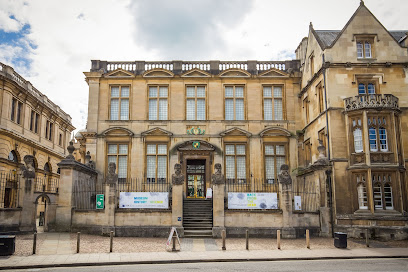
Unmissable attractions to see

Gothic Temple
0.2 km
Experience the charm and architectural beauty of the Gothic Temple, an iconic landmark in Buckingham that transports you to a romantic past.
National Trust - Stowe Gardens
0.2 km
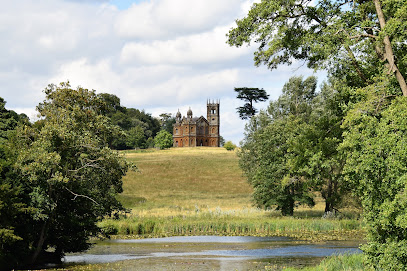
A masterpiece of 18th-century landscape design, where classical temples rise from sweeping parkland and serpentine lakes.
Pebble Alcove
0.3 km
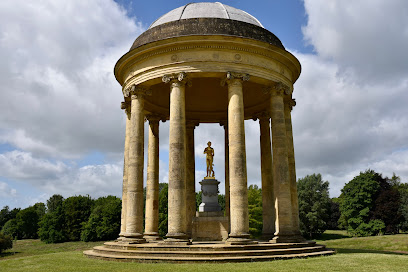
Explore Pebble Alcove in Buckingham, a stunning landmark that combines unique architecture with serene natural beauty for a perfect getaway.
Buckinghamshire Military Museum Trust
3.7 km
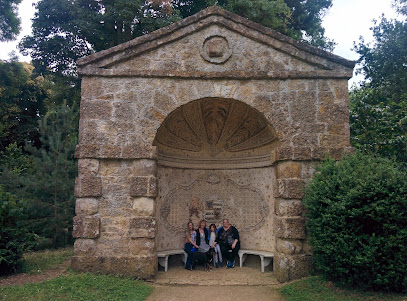
Explore centuries of Buckinghamshire’s military heritage within the historic Old Gaol, a unique museum blending local history and immersive exhibits.
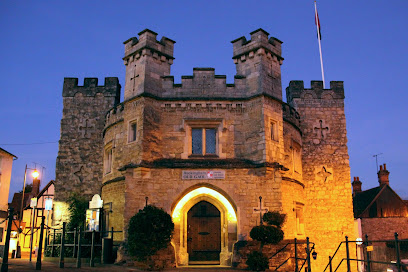
Buckingham Old Gaol
3.7 km
Explore Buckingham’s historic former prison, a compact museum revealing the town’s rich social and legal heritage through immersive exhibits.
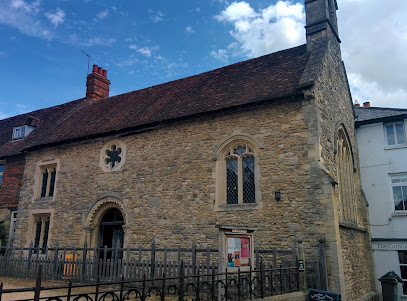
National Trust - Buckingham Chantry Chapel
3.7 km
Discover Buckingham’s oldest building, a medieval chapel with a Norman doorway, rich history, and a charming second-hand bookshop.
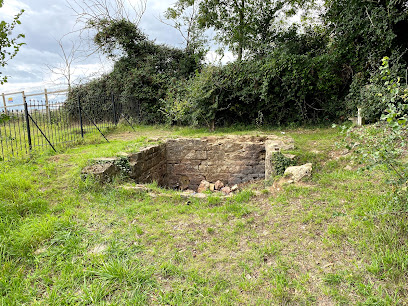
St Rumbold's Well
3.9 km
Discover the ancient sacred spring of Saint Rumbold, a medieval pilgrimage site steeped in legend and local heritage in Buckingham.
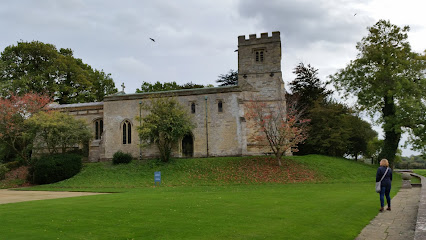
Claydon Estate
12.6 km
Discover the charm of Claydon Estate’s Georgian courtyard, historic National Trust house, and tranquil Buckinghamshire countryside.
National Trust - Claydon
12.6 km
Discover the grandeur of Georgian Claydon House and vibrant Courtyard nestled in Buckinghamshire’s historic countryside.
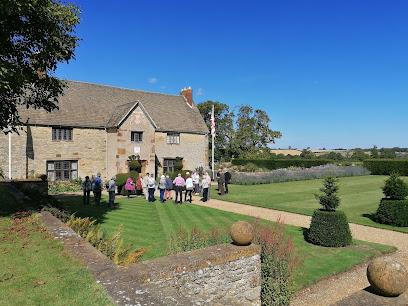
Sulgrave Manor
14.4 km
Explore Sulgrave Manor, the Tudor home of George Washington’s ancestors and a lasting symbol of Anglo-American friendship and heritage.
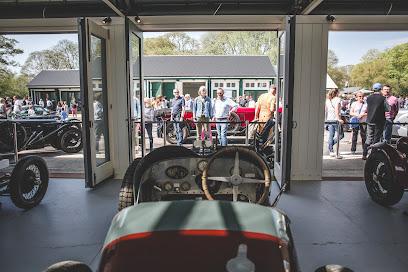
Bicester Heritage
15.4 km
Explore the UK’s premier historic motoring campus where vintage cars, aviation heritage, and passionate craftsmanship come alive.
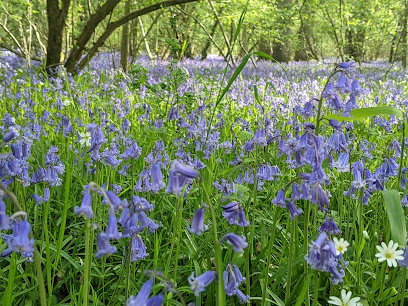
Finemere Wood
16.2 km
Explore Finemere Wood, an ancient Buckinghamshire woodland alive with history, wildflowers, butterflies, and tranquil nature walks.
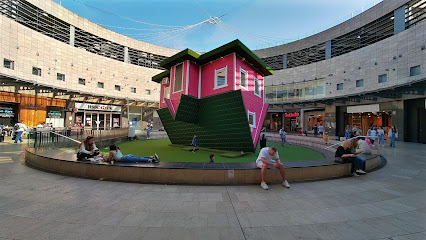
Upside Down House - Milton Keynes
17.6 km
Step into a vibrant, gravity-defying world at Milton Keynes’ Upside Down House—where every room flips your perspective and sparks playful photo fun.
Bicester Village
18.2 km
Luxury designer outlet village with 150+ boutiques, up to 70% off, and festive charm near Oxford.

Xscape Milton Keynes
18.2 km
A vibrant indoor playground in Milton Keynes offering skiing, skydiving, trampolining, bowling, cinema, dining, and endless family fun all year round.

Essential places to dine

Allium Dining
5.0 km
Intimate farm-to-table dining in Buckinghamshire, where seasonal British produce meets creative culinary artistry.

Beefeater Buckingham
5.2 km
Classic British steakhouse and family-friendly grill in Buckingham offering hearty meals, welcoming service, and a lively casual atmosphere.
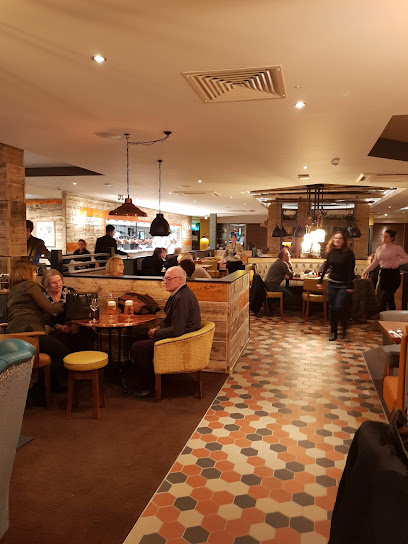
The Old Thatched Inn
9.1 km
A charming thatched gastropub in Adstock offering quality local cuisine and cozy countryside ambiance.
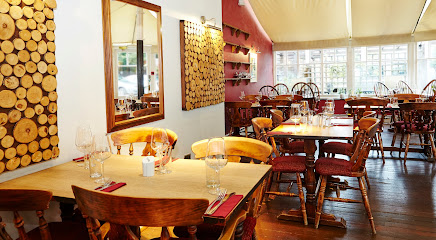
The Folly
10.8 km
A charming British inn in Towcester offering generous portions of classic dishes in a warm, welcoming atmosphere.
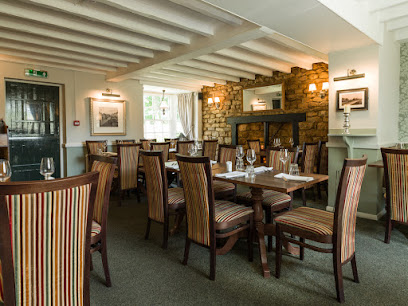
The Plough At Shutlanger
13.5 km
A charming English country pub in Shutlanger offering locally sourced British fare, traditional ales, and a warm countryside atmosphere.
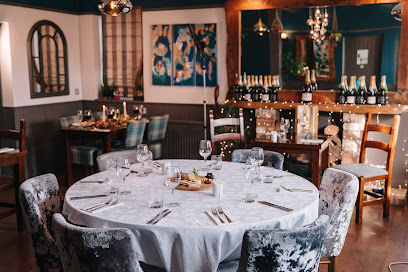
The Orangery at RH England
16.9 km
Elegant live-fire dining in a grand orangery with scenic deer park views and refined, high-quality cuisine in Aynho Park.
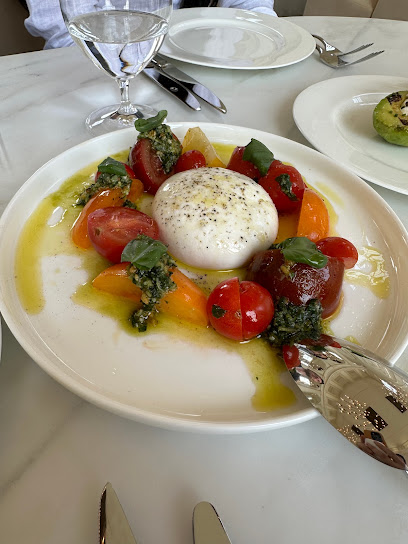
The Pilgrim Pub
17.5 km
A Michelin Guide village pub in North Marston serving seasonal local dishes with a warm community spirit and inviting beer garden.
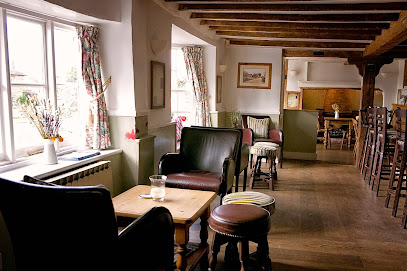
Cecconi's Bicester
18.1 km
Experience authentic Italian flavors and artisanal dishes in the stylish heart of Bicester Village.
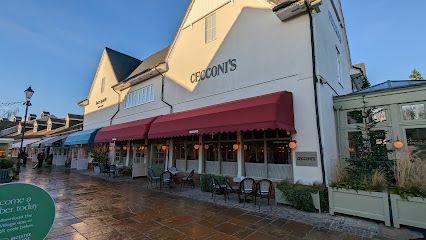
CANALETTO
18.2 km
Authentic Italian dining with Mediterranean charm in a warm, welcoming atmosphere on Bicester Road, Kingswood.
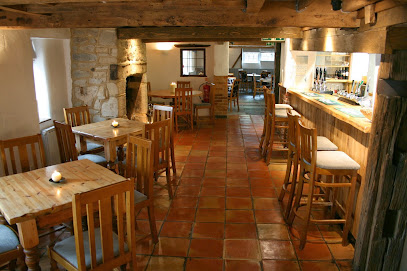
Harvester Grange Park Northampton
19.3 km
Family-friendly British grill with a fresh unlimited salad bar and welcoming atmosphere in Northampton’s Grange Park.
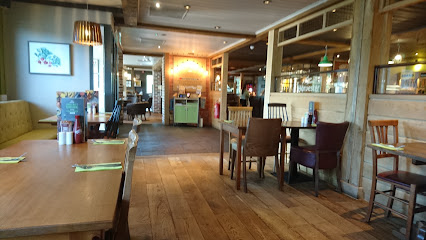
Little Gems Country Dining
21.2 km
Experience refined country dining with cozy charm and quality cuisine in the heart of Milton Keynes.
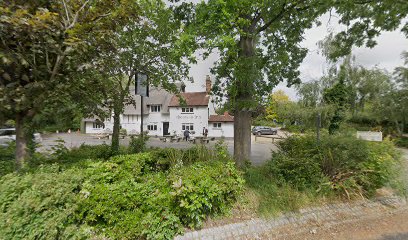
The Five Arrows
21.4 km
Boutique neo-Tudor charm with refined dining and peaceful gardens beside historic Waddesdon Manor in Buckinghamshire.

The Bell At Hardwick, Aylesbury, Buckinghamshire
22.0 km
A charming gastropub blending traditional British hospitality with modern dining in the heart of Hardwick village.
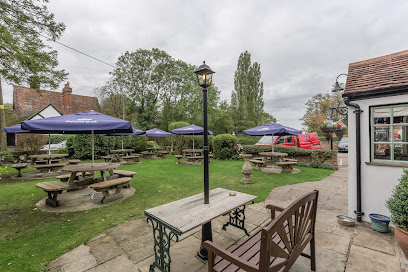
Hibiscus
23.3 km
Experience award-winning fine dining at Hibiscus, nestled within the historic and picturesque Delapré Abbey estate in Northampton.
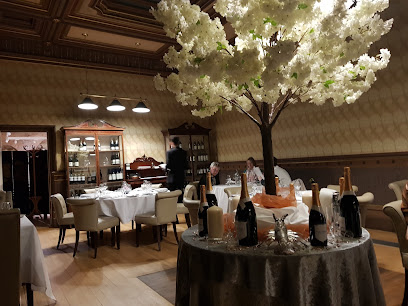
Nut Tree Inn
23.5 km
Michelin-starred fine dining meets historic charm in the heart of Oxfordshire’s countryside at The Nut Tree Inn.
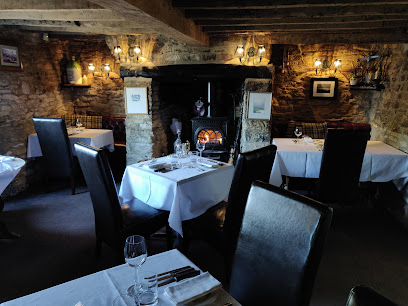
Markets, malls and hidden boutiques

Meadow Walk Shopping Centre
3.8 km
A charming compact shopping centre in Buckingham featuring independent shops, cafes, and convenient parking in a friendly community setting.
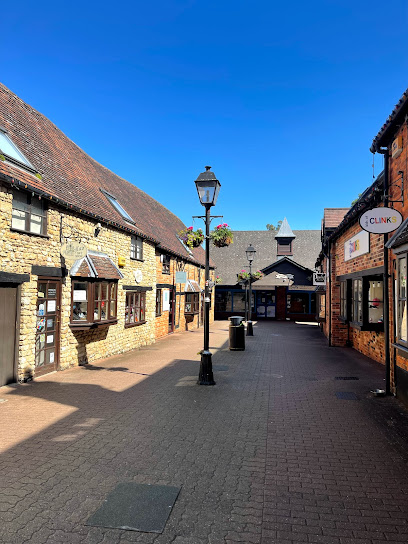
Beautifully Different Winslow
13.3 km
Discover original flair and stylish ladies' fashion at Beautifully Different Winslow, a charming boutique in the heart of Buckinghamshire’s historic market town.
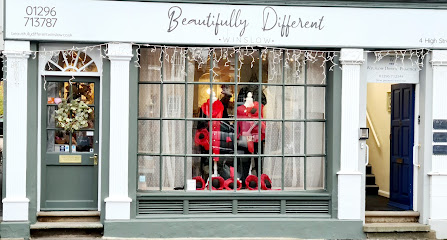
Mrs B's Emporium
14.3 km
Discover quirky gifts, handmade candles, and unique homewares in a cozy, friendly shop nestled in Wolverton’s historic Church Street.
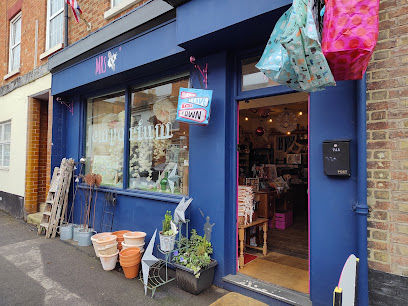
Menkind
17.8 km
Discover quirky gadgets, unique gifts, and fun toys at Menkind Milton Keynes, your go-to spot for playful and tech-inspired shopping.

Next Outlet Northampton
23.8 km
Affordable fashion and homeware at Next Outlet Northampton, nestled in the vibrant St James Retail Park.

St James Retail Park
23.9 km
Convenient shopping with free parking and a variety of stores in Northampton’s St James Retail Park.

Singh & Smile
24.3 km
Discover personalized gifts, aromatherapy, and wellness treasures at Singh & Smile, Northampton’s charming boutique for joyful living.

32 The Guild
24.3 km
Discover unique contemporary ladieswear and artisanal fashion in Northampton’s vibrant cultural quarter at 32 The Guild.
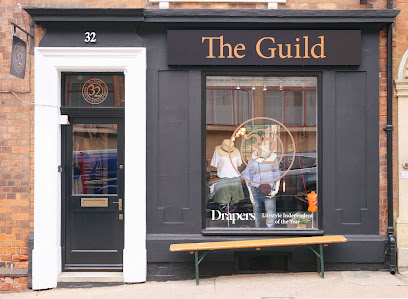
Circus
24.4 km
Contemporary men’s and women’s clothing store in Northampton’s lively Drapery shopping street.

Voni Blu
24.5 km
Explore unique fashion at Voni Blu, Northampton's top boutique for ladies' clothing and stylish accessories.

MOOCH on St Giles Street
24.5 km
Discover unique gifts and charming home accessories with friendly service at MOOCH on St Giles Street, Northampton’s beloved independent boutique.
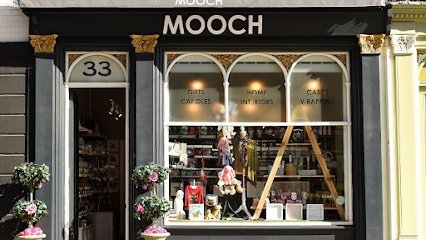
Vintage Guru Ltd
24.6 km
Discover unique vintage treasures and handmade gifts in the heart of Northampton’s St Giles at Vintage Guru Ltd.
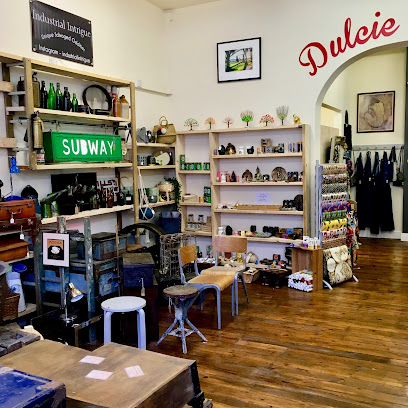
The Works
24.6 km
Discover affordable creativity at The Works Northampton, your go-to spot for books, crafts, toys, and stationery in the heart of the city.

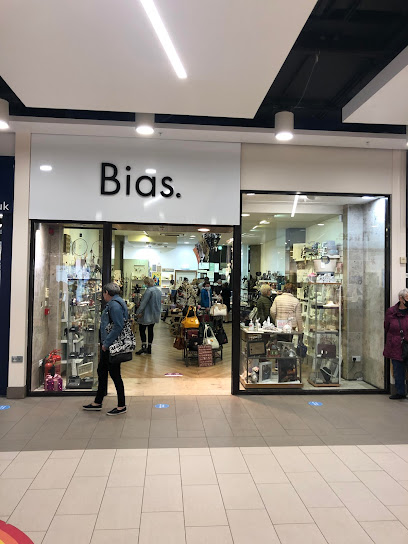
Bias Gift Shop
24.7 km
Discover unique gifts, stylish accessories, and charming homewares at Bias Gift Shop in Northampton’s Grosvenor Centre.
Next Home
24.7 km
A stylish and practical department store in Northampton offering fashion, footwear, and homewares under one roof with moderate prices.

Essential bars & hidden hideouts

The Kings Head Coffee & Gin Bar
3.7 km
Historic pub meets vibrant coffee and gin bar with a sunny courtyard garden in the heart of Buckingham’s Market Hill.
The Grand Junction
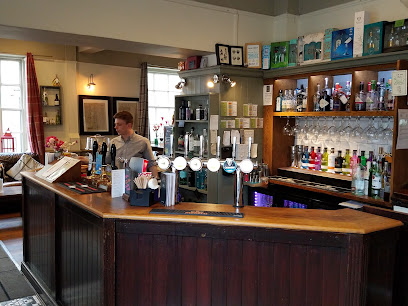
3.7 km
A vibrant Mediterranean-inspired pub in Buckingham with wood-fired pizzas, cozy bar, private function room, and charming courtyard dining.
The Cock At Roade
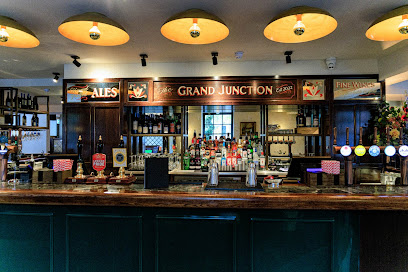
16.6 km
A classic village pub in Roade offering hearty British fare, excellent beer, and a warm, friendly atmosphere near Northampton.
Be At One - Milton Keynes
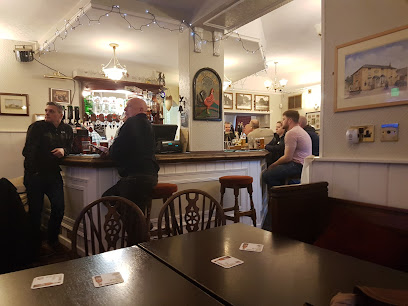
17.1 km
Discover over 100 expertly crafted cocktails and vibrant nightlife energy at Be At One, Milton Keynes’ premier cocktail bar in The Hub.
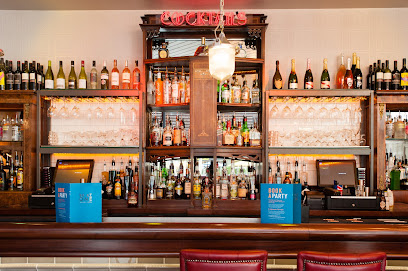
Jolly Hucksters Ltd- Mobile Bar Company
20.0 km
Milton Keynes’ trusted family-run mobile bar, delivering bespoke drink experiences and exceptional service to weddings and events.
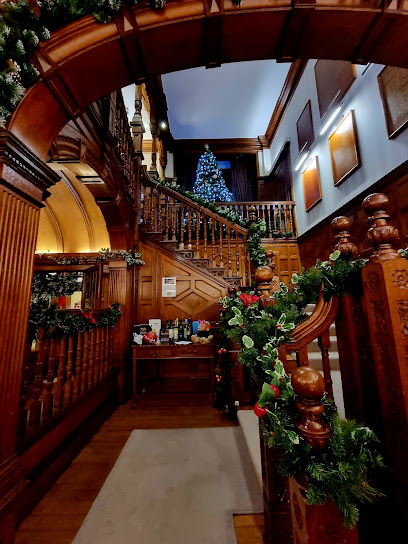
Wig & Walnut
20.1 km
A charming, affordable pub in Grange Park offering quality food, friendly service, and a welcoming atmosphere for locals and visitors alike.
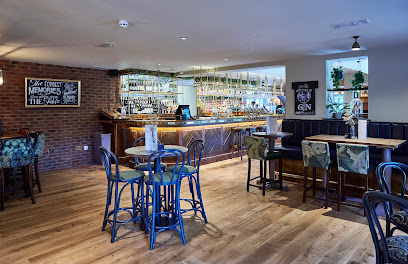
The Malt Shovel Tavern
24.0 km
Traditional English pub in Northampton famed for its real ales, hearty meals, and welcoming, dog-friendly atmosphere.
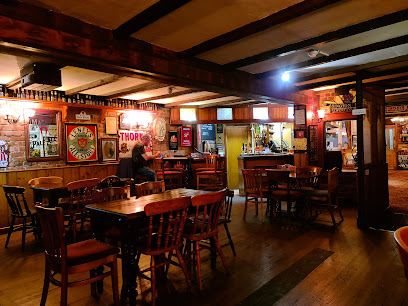
King Billy Rock Bar
24.1 km
Northampton’s iconic biker pub and live music hotspot, King Billy Rock Bar pulses with rock energy and community spirit.
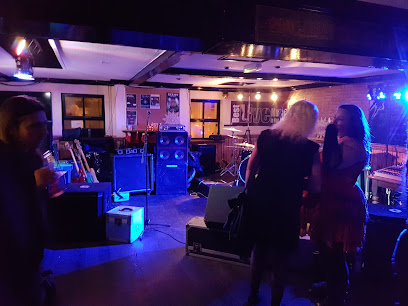
The Sevens
24.3 km
A vibrant Northampton pub blending sports enthusiasm with quality food and a welcoming community atmosphere.
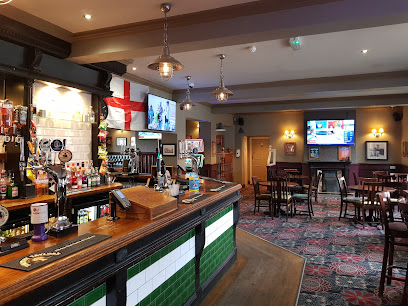
Old Bank
24.4 km
A vibrant, spacious pub in Northampton’s St Giles' Square, offering traditional ales, hearty food, and a lively social atmosphere.
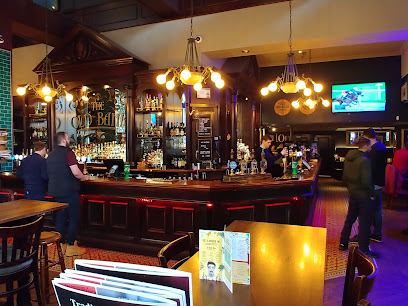
Shipmans
24.4 km
Historic Shipmans pub in Northampton offers timeless charm, premium drinks, and a refined dining experience in the town centre.
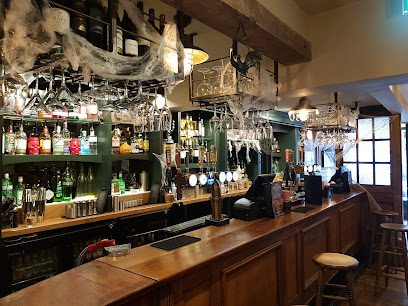
Mail Coach Northampton
24.4 km
Classic British pub charm meets lively social vibes with craft ales, hearty food, and live sports in Northampton’s welcoming Mail Coach.
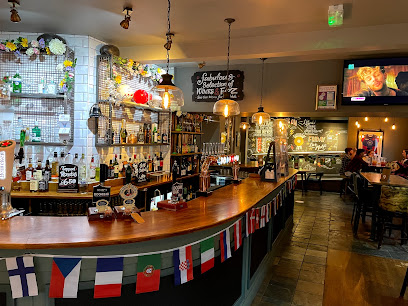
The Optimist
24.5 km
A vibrant Northampton pub blending stylish interiors, diverse food, lively entertainment, and a welcoming atmosphere in the city center.
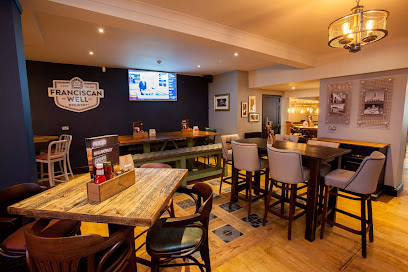
Velvet Room Northampton
24.5 km
Stylish tapas and inventive cocktails blend in a vibrant social hub at Northampton’s Velvet Room, perfect for sharing and late-night fun.

The Fish
24.6 km
A vibrant Northampton pub blending traditional British fare, live music, and a welcoming atmosphere on historic Fish Street.
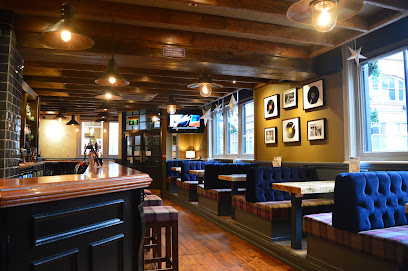
Nightclubs & after hour spots

Garudaa
17.4 km
A spacious, welcoming gentlemen’s club in Milton Keynes offering VIP areas, game rooms, and late-night entertainment in a relaxed, darkly lit setting.
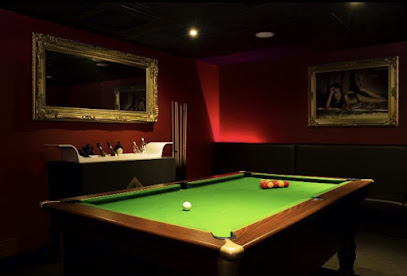
Pink Punters
20.9 km
Milton Keynes’ dynamic multi-room nightclub blending diverse music, vibrant crowds, and a lively late-night party atmosphere.
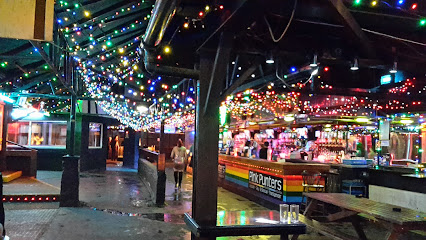
Elysium
24.2 km
Northampton’s premier late-night nightclub for house, bass, and tech house music, famed as the city’s official after-party hotspot.
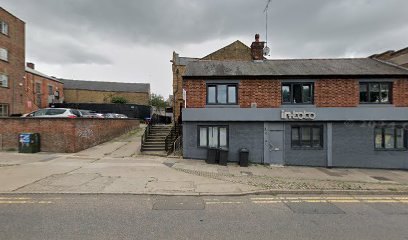
Stereo Bar and Club
24.2 km
Experience Northampton’s vibrant nightlife with eclectic music, lively dancing, and a welcoming atmosphere at Stereo Bar and Club.
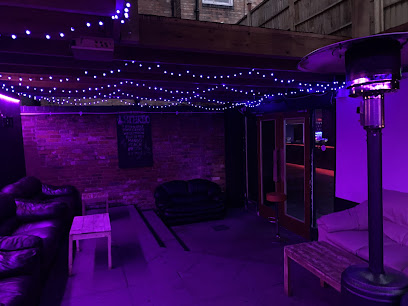
NB's
24.3 km
Experience Northampton’s vibrant nightlife with NB's lively clubbing atmosphere, multiple rooms, and sociable outdoor bar area.
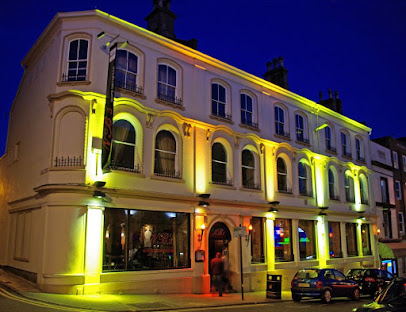
Club43
24.3 km
Northampton’s vibrant underground nightclub offering top electronic acts and a soulful, energetic nightlife experience.
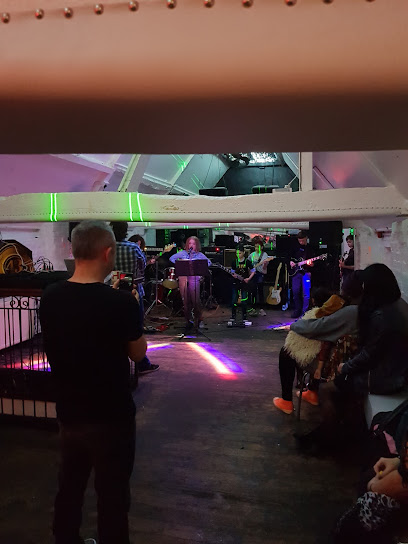
The Platform
24.4 km
Northampton’s vibrant nightclub and bar blending historic charm with lively music, drinks, and student-friendly events.
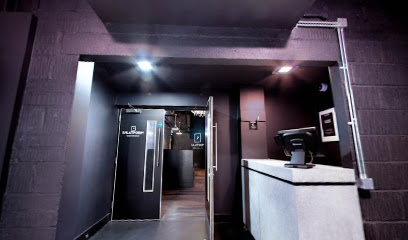
The Boston
24.5 km
Northampton’s welcoming LGBTQ+ nightclub and pub, The Boston offers lively music, themed nights, and a vibrant inclusive atmosphere.

Club Bar X
25.2 km
Lively basement nightclub on Wellingborough Road, Northampton, offering late-night music, dancing, and a vibrant social scene Thursday to Saturday.

Club 145
25.2 km
Energetic nightclub on Wellingborough Road offering lively music, dancing, and a vibrant social scene in the heart of Northampton.

Mirage Aylesbury
27.2 km
Experience Aylesbury’s vibrant nightlife at Mirage, a lively nightclub offering music, dancing, and late-night fun in the heart of town.
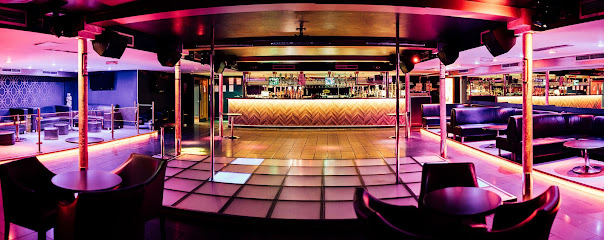
TWC
31.9 km
Experience the vibrant nightlife and energetic party scene at TWC, Aylesbury’s premier nightclub destination.
Fever Oxford
34.9 km
Experience Oxford’s vibrant nightlife at Fever, a multi-room nightclub blending live DJs, dynamic music, and a lively party atmosphere.

Plush Oxford
35.1 km
Experience Oxford’s vibrant, inclusive nightlife hotspot with great music, cocktails, and a welcoming atmosphere at Plush Oxford.
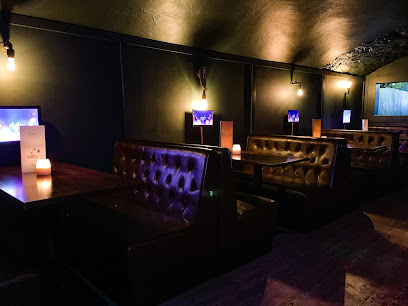
The Bridge Nightclub
35.3 km
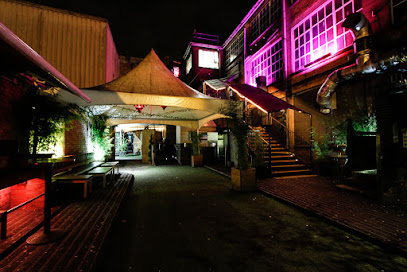
Oxford’s lively student-focused nightclub with diverse music, multiple dance floors, and a spacious pub garden for late-night socializing.
For the vibe & atmosphere seeker
- Tranquil
- Scenic
- Unique
- Relaxing
For the design and aesthetic lover
- Vintage Styles
- Art Deco Styles
For the architecture buff
- Historic
- Landmarks
- Art & Design
For the view chaser and sunset hunter
- Iconic Views
- Panoramas
For the social media creator & influencer
- Instagrammable
- Photo Spots
- Selfie Spots
- Architectural Shots
For the eco-conscious traveler
- Public-Transport Accessible
- Locally Managed
- Protected Area
For the kind of experience you’re after
- Cultural Heritage
- Photowalk
- Day Trip
- Weekend Getaway
For how adventurous you want the journey to be
- Easy Access
Location Audience
- Family Friendly
- Senior Friendly
- Child Friendly
- Teen Friendly
- Wheelchair Access
- Solo Friendly
- Couple Friendly
- Vegetarian Friendly
- Vegan Friendly


