
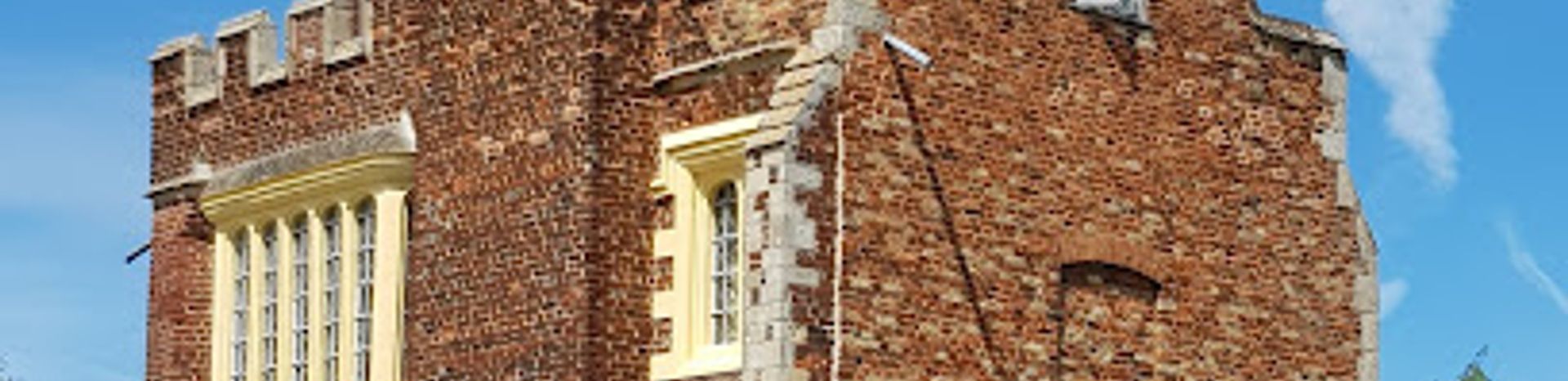
Warden Abbey: Historic Cistercian Heritage in Bedfordshire
Discover the serene and historic grounds of Warden Abbey, a Cistercian legacy transformed into a timeless English landmark.
Warden Abbey, founded in 1135 near Old Warden, Bedfordshire, is a historic former Cistercian monastery renowned for its medieval roots and transformation into a landmark Trust property. Though the original abbey buildings no longer stand, the site preserves the legacy of monastic life, medieval farming innovation, and Tudor-era architecture incorporated into later manor houses.
A brief summary to Warden Abbey
- Biggleswade, Old Warden, SG18 9LS, GB
- Visit website
- Duration: 1 to 3 hours
- Mid ranged
-
 Outdoor
- Mobile reception: 4 out of 5
Local tips
- Book your stay early through the Landmark Trust to experience the historic manor house on the abbey site.
- Explore the surrounding Old Warden village to appreciate local history and countryside charm.
- Visit during spring or summer for the best weather and to enjoy the gardens and rural landscape.
- Bring a camera to capture the tranquil rural views and historic architectural details.

For the on-the-go comforts that matter to you
- Restrooms
- Seating Areas
- Information Boards
Getting There
-
Train and Taxi
Take a train to Biggleswade station from London King's Cross or Cambridge, with journey times ranging from 30 to 60 minutes. From Biggleswade, a taxi ride of approximately 15 minutes will bring you to Warden Abbey. Taxi fares typically range from £20 to £30. Note that taxi availability may vary, so pre-booking is recommended.
-
Car
Driving from London or Cambridge takes about 1 to 1.5 hours depending on traffic. Warden Abbey is accessible via the A1 and local roads. Parking is available on site but limited, so plan accordingly. The rural roads can be narrow, so cautious driving is advised.
-
Bus and Walking
From Biggleswade town center, local bus services run infrequently and may require a 3-kilometer walk on country lanes to reach Warden Abbey. Walking takes about 40 minutes over mostly flat terrain but with limited footpaths, so suitable footwear and daylight hours are recommended.
Warden Abbey location weather suitability
-
 Any Weather
-
 Clear Skies
-
 Mild Temperatures
Discover more about Warden Abbey
Origins and Medieval Foundations
Warden Abbey was established in 1135 by Walter Espec, a prominent local lord and founder of the Cistercian abbey at Rievaulx in Yorkshire. As a daughter house, it was part of the influential Cistercian order, known for their austere monastic life and pioneering agricultural practices. The abbey was originally named Saint Mary Sartis, referencing its location on assarted land—previously unproductive woodland cleared for cultivation. Over the centuries, the abbey expanded its landholdings through grants and donations, becoming a significant religious and economic presence in Bedfordshire.Monastic Life and Notable Events
The monks of Warden Abbey were respected for their spiritual discipline and farming expertise, particularly in sheep husbandry. Despite its peaceful reputation, the abbey was involved in violent conflict in 1217 when Fawkes de Bréauté, a local sheriff, attacked the monks over a land dispute, resulting in the death and abduction of several monks. This incident highlights the turbulent medieval power struggles surrounding the abbey. By the 14th century, the abbey undertook ambitious building projects, including a cathedral-scale church and elaborate tile pavements, funded largely by alms and gifts from pilgrims.Dissolution and Transformation
In 1537, Warden Abbey became the first major monastery in England to surrender during King Henry VIII’s Dissolution of the Monasteries. Valued at nearly £390, the abbey's lands and buildings were leased to Robert Gostwick, who demolished much of the original monastic structures and constructed a Tudor manor house on the site. This house incorporated some of the abbey’s architectural features and remained a notable estate through subsequent ownerships, including the Whitbread family in the 18th century.Modern Legacy and Preservation
Today, no visible remains of the original abbey survive above ground, but the site is protected as a Grade I listed building and scheduled ancient monument. The Landmark Trust acquired the property and has preserved the Tudor manor house built on the abbey grounds, opening it as a holiday rental that offers visitors a unique opportunity to experience centuries of English history. The surrounding landscape retains a tranquil rural character, reflecting the abbey’s historic role in shaping the local environment.Cultural and Historical Significance
Warden Abbey’s story intertwines religious devotion, medieval agriculture, and Tudor aristocratic life. Its foundation by the Cistercians symbolizes the monastic movement’s impact on England’s rural economy and spiritual life. The abbey’s dramatic episodes, from violent feuds to royal dissolution, mirror wider national changes. Today, the site stands as a testament to England’s layered history, inviting reflection on the passage of time and the endurance of heritage.Visitor Experience and Atmosphere
Visitors to Warden Abbey find an idyllic retreat away from urban bustle, surrounded by peaceful countryside. The preserved manor house offers a cozy, historic ambiance with period features and gardens that echo the abbey’s agricultural past. The site’s quiet charm and deep historical roots provide a contemplative setting for those interested in medieval history, architecture, and rural heritage.Iconic landmarks you can’t miss

English Heritage - Bushmead Priory
16.9 km
England's finest surviving medieval priory refectory, where Augustinian canons once gathered to dine and pray.
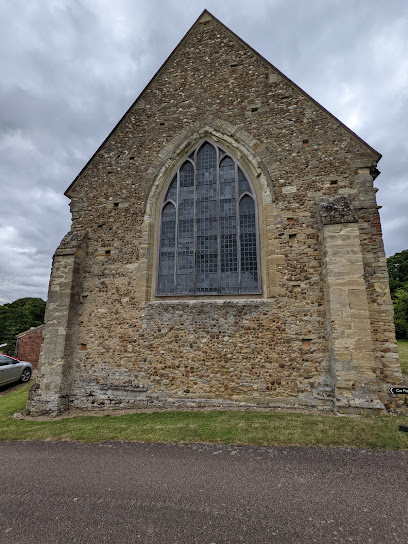
The Warren House
24.5 km
A rare 17th-century timber-framed warrener’s cottage offering historic charm and scenic views over Kimbolton Castle in tranquil rural surroundings.
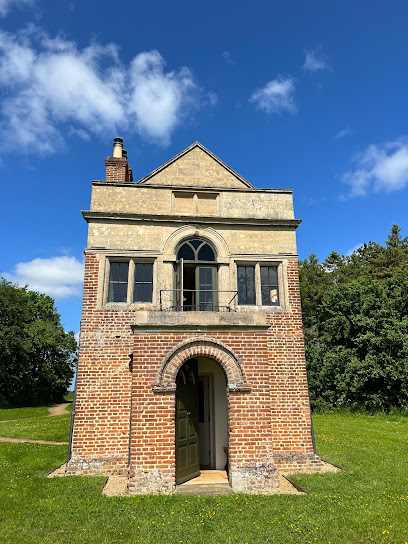
East Midlands Steam and Country Show
28.8 km
Experience the rich heritage and vibrant culture at the East Midlands Steam and Country Show, where steam engines meet delicious local food and crafts.
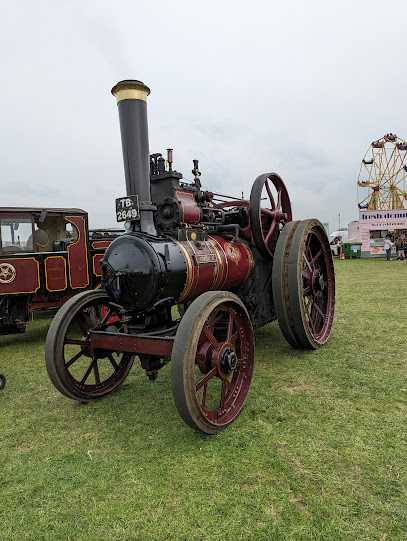
The George
30.3 km
A historic Huntingdon coaching inn with a traditional pub, hearty food, and a long connection to local history and Oliver Cromwell.

Cromwell Museum
30.3 km
Explore the fascinating history of Oliver Cromwell at Cromwell Museum in Huntingdon, a captivating destination for history enthusiasts and curious travelers alike.
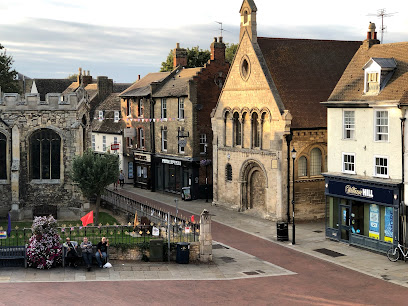
The Manor, Hemingford Grey
31.7 km
Discover the historic allure of The Manor in Hemingford Grey, the oldest continuously inhabited house in the UK, surrounded by stunning gardens and rich history.
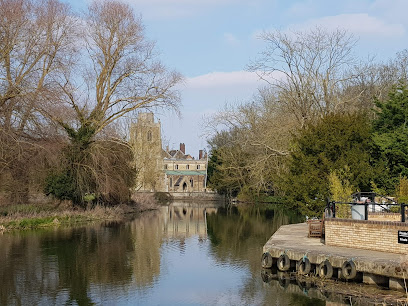
Hartford Mill Wacky Warehouse
32.3 km
Experience endless fun at Hartford Mill Wacky Warehouse, the ultimate children's amusement center in Huntingdon, perfect for family adventures and joy-filled moments.
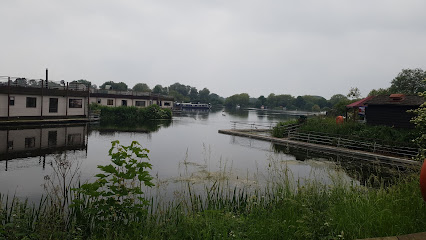
National Trust - Houghton Mill & Waterclose Meadows
32.4 km
Explore the historic charm of Houghton Mill & Waterclose Meadows, a scenic escape filled with nature, history, and delightful riverside walks.
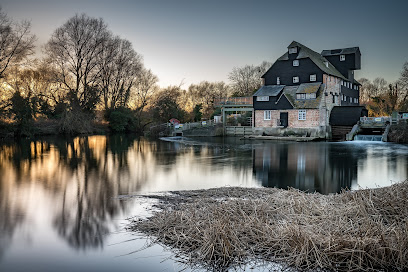
Cambridge American Cemetery and Memorial
32.4 km
Explore the Cambridge American Cemetery and Memorial, a moving tribute to American soldiers in the UK, steeped in history and serenity.
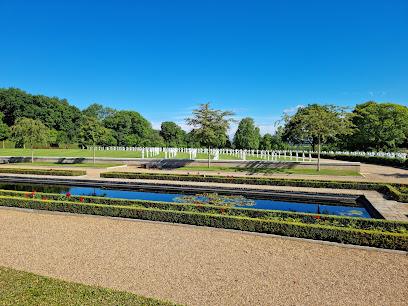
Grantchester Recreation Ground
33.0 km
Explore the tranquil beauty of Grantchester Recreation Ground, a serene park near Cambridge perfect for picnics, leisurely walks, and family outings.
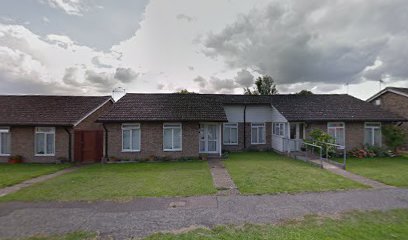
Grantchester
33.2 km
Medieval charm meets literary legacy on the banks of the River Cam, just beyond Cambridge.
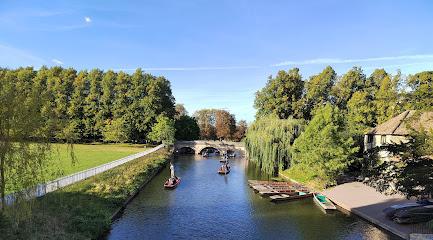
Grantchester Village Hall
33.2 km
Explore the heart of Grantchester at the Village Hall, a hub of community life surrounded by stunning countryside and rich local culture.
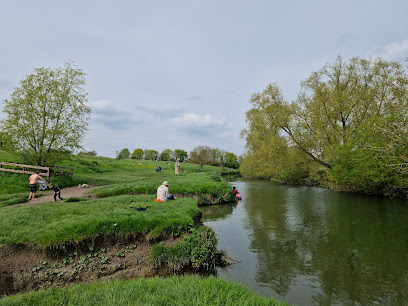
Grantchester Tours
33.2 km
Explore the scenic beauty and rich history of Grantchester with guided tours that unveil the charm of this idyllic English village.
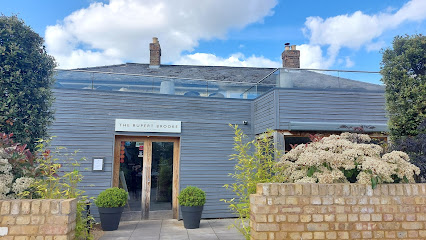
The Rupert Brooke
33.3 km
Experience the best of British cuisine at The Rupert Brooke in Grantchester, a charming restaurant celebrated for its seasonal dishes and elegant ambiance.
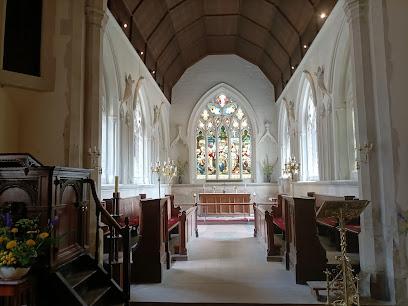
The Church of Saint Andrew and Saint Mary Grantchester
33.3 km
Discover the serene beauty and rich history of the Church of Saint Andrew and Saint Mary in Grantchester, a picturesque gem near Cambridge.
Unmissable attractions to see

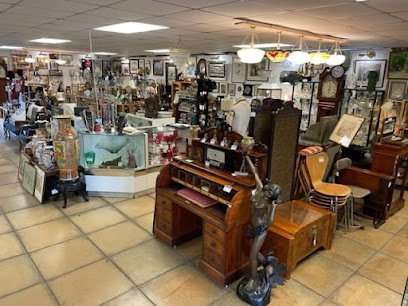
Time After Time Ltd
5.7 km
Discover a diverse collection of antiques and collectables in the charming village of Willington, Bedfordshire.
National Trust - Willington Dovecote and Stables
6.3 km
Discover the grandeur of Tudor rural life at Willington’s vast 16th-century dovecote and enigmatic stables, a symbol of manorial prestige and history.
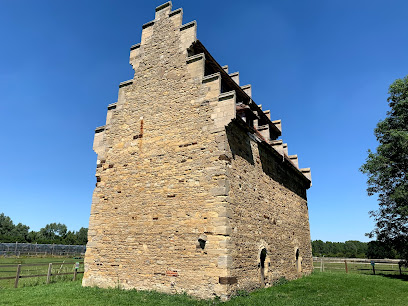
Cainhoe Castle
6.8 km
Explore the mysterious earthworks of Cainhoe Castle, a Norman motte and triple bailey fortress nestled in Bedfordshire’s tranquil countryside.
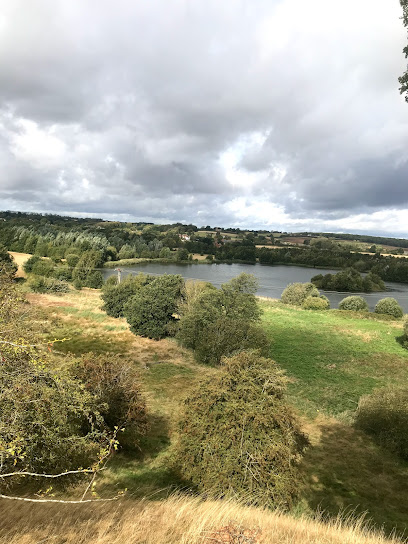
Priory Country Park
7.1 km
A scenic 300-acre Bedford park with lakes, wildlife, water sports, and family-friendly trails, blending nature and history in a tranquil setting.
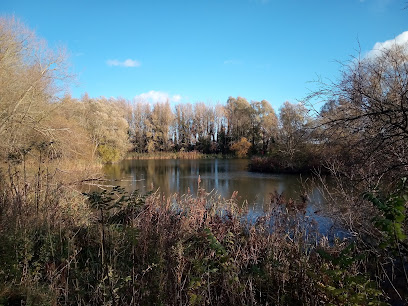
Moot Hall Museum
8.0 km
Explore the 15th-century Moot Hall Museum in Elstow, a unique medieval market hall dedicated to John Bunyan and 17th-century English life.
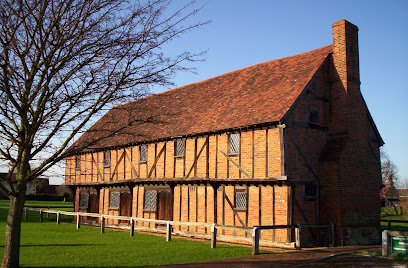
Russell Park
8.2 km
A vibrant riverside park in Bedford offering inclusive play, sports, scenic walks, and lively community events year-round.
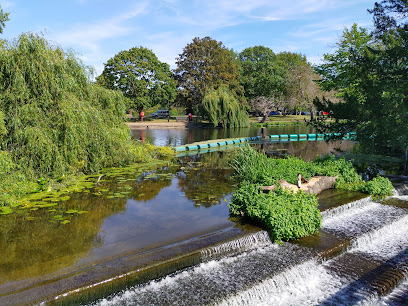
RSPB The Lodge
8.5 km
Explore Bedfordshire’s largest heathland sanctuary, home to rare birds, diverse habitats, and immersive nature trails at RSPB The Lodge.
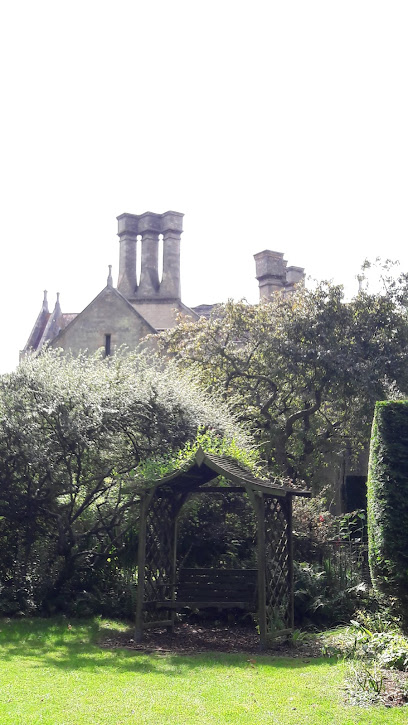
St John's Retail Park
8.5 km
A convenient and diverse shopping destination in Bedford with popular stores, ample parking, and a welcoming atmosphere.
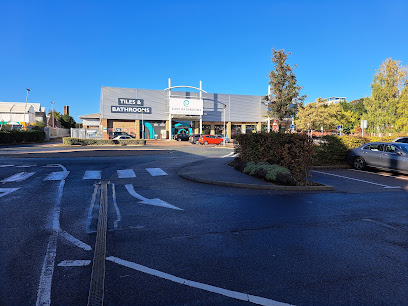
The Interchange Retail Park
8.7 km
A lively retail hub in Bedford with popular high street brands, local kiosks, and convenient shopping hours for every visitor.

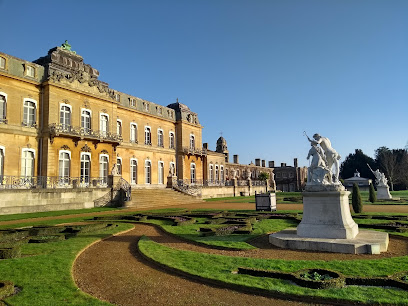
Wrest Park
8.8 km
Explore the grandeur of an 18th-century French-style mansion and its 90 acres of stunning gardens blending history, art, and nature in Bedfordshire.
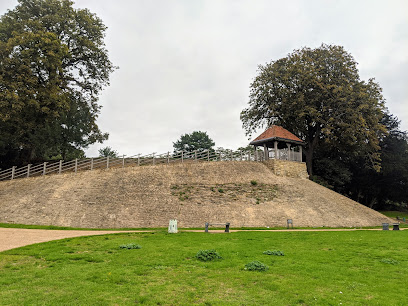
Bedford Castle Mound
8.9 km
Historic Norman castle earthwork with panoramic river views, accessible paths, and rich medieval heritage beside Bedford’s scenic Embankment.
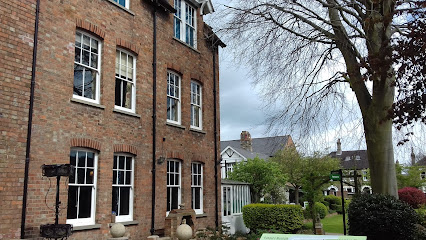
Panacea Museum
9.0 km
Explore the captivating history and serene gardens of Bedford’s Panacea Society at the Panacea Museum, a unique religious heritage site.
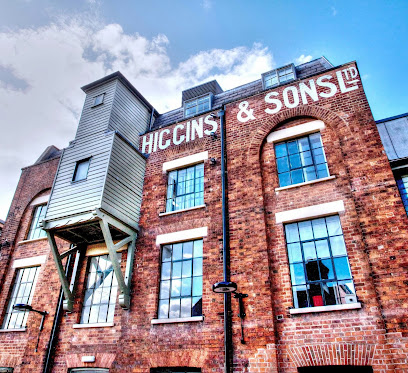
The Higgins Bedford
9.0 km
Discover Bedford’s rich heritage and world-class art collections in a historic brewery turned vibrant museum and gallery.
John Bunyan Museum
9.0 km
Discover the life, legacy, and literary genius of John Bunyan at Bedford’s immersive museum and historic meeting church.
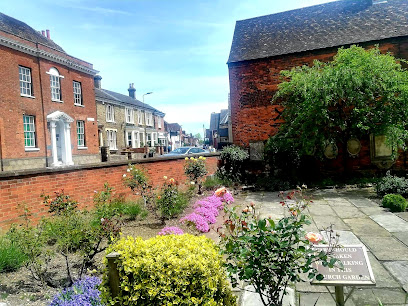
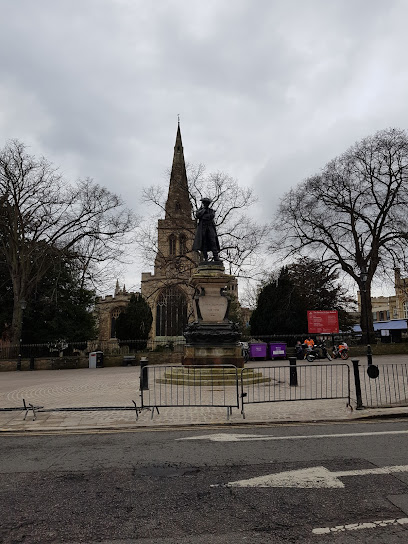
John Howard Statue
9.1 km
Explore the John Howard Statue in Bedford, a historical landmark celebrating the legacy of social reform and humane treatment in prisons.
Essential places to dine

Kings Arms Bedford
5.1 km
A charming gastropub in Cardington blending classic British pub tradition with modern dining and warm hospitality.
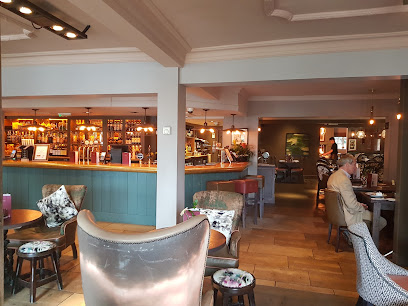
Flying Horse Clophill
7.3 km
Charming barn gastropub in Clophill offering diverse British dishes, warm ambiance, and attentive service for all occasions.
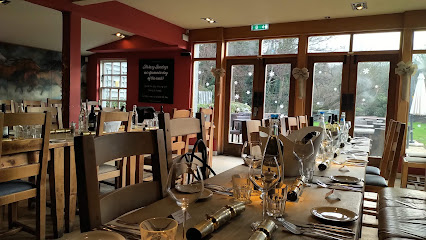
Priory Marina Beefeater
7.4 km
Classic British grill and family-friendly pub by Bedford’s marina with hearty meals, bottomless chips, and a welcoming atmosphere.
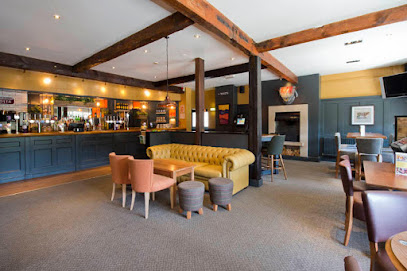
Harvester Orchard Bedford
7.9 km
A family-friendly British bar and grill in Bedford offering fresh, flavorful meals from breakfast to late-night dining in a relaxed setting.
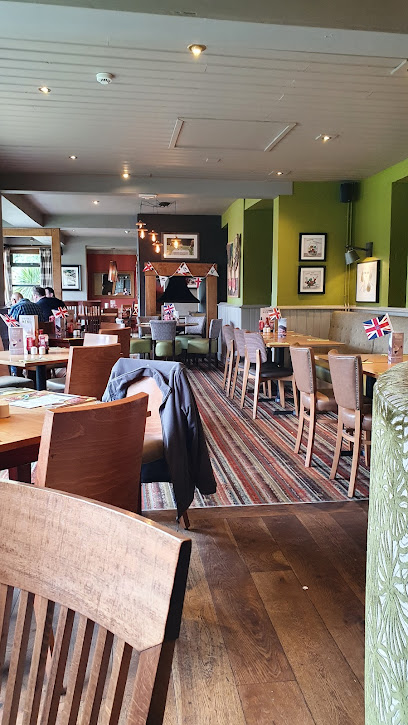
The Knife & Cleaver
8.0 km
A charming gastropub and B&B in Houghton Conquest blending hearty breakfasts, modern British cuisine, and countryside comfort.
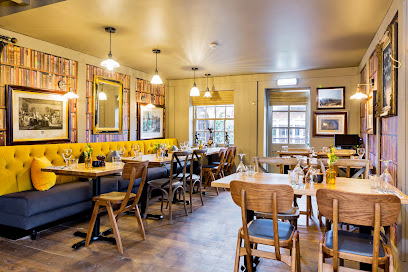
The Embankment
8.7 km
Charming riverside gastropub and boutique hotel in Bedford with scenic views, quality food, and welcoming atmosphere.
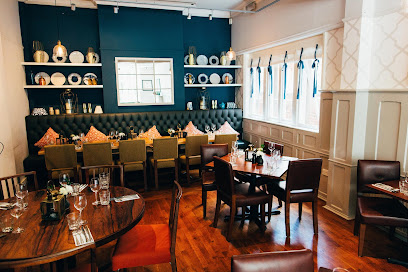
Pen & Cob
9.0 km
Riverside British brasserie in Bedford serving seasonal, locally sourced dishes with art-deco charm and scenic river views.
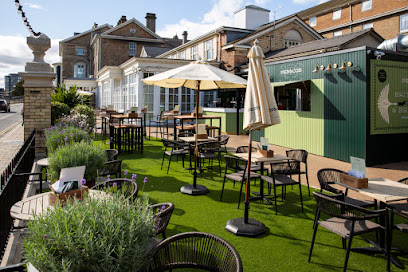
Cappuccino Bar
9.0 km
A cozy Italian café and restaurant in Bedford offering authentic flavors, friendly service, and a warm, inviting atmosphere for all occasions.
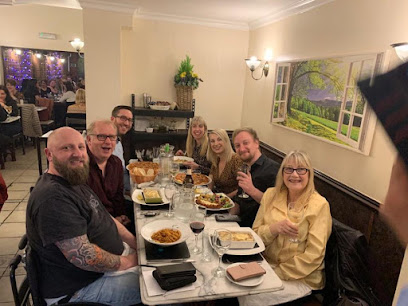
The Higgins Pantry
9.0 km
A lively Italian café-restaurant in Bedford offering delicious Mediterranean dishes, gluten-free options, and a welcoming atmosphere at moderate prices.
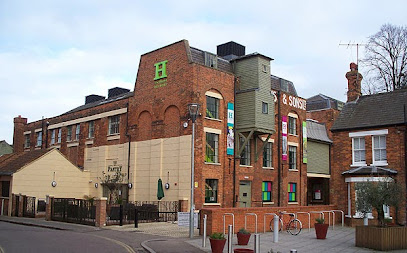
Blue Monk Nepalese & Indian Restaurant
9.1 km
Experience authentic Nepalese and Indian flavors in Bedford’s vibrant Blue Monk, where tradition meets modern culinary creativity.
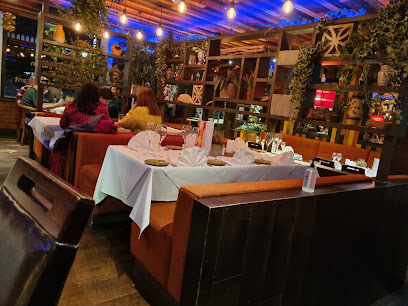
La Terrazza Bedford
9.1 km
Experience authentic Italian cuisine in the cozy heart of Bedford with fresh pasta, seafood delights, and warm hospitality.
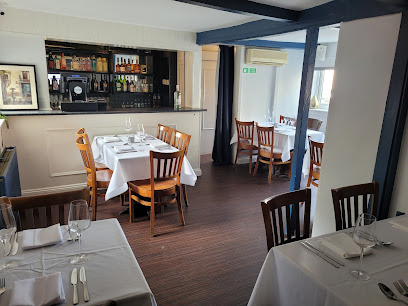
Albero Lounge
9.1 km
Spacious riverside lounge in Bedford offering Mediterranean-inspired dishes, extensive vegan options, and a relaxed, family-friendly atmosphere.
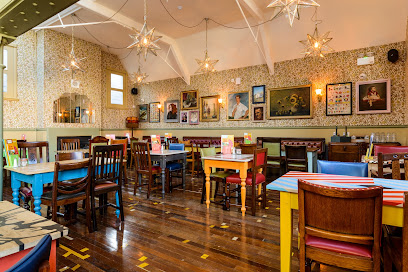
Il Basilico
9.2 km
Experience authentic Italian flavors and a lively atmosphere at Il Basilico, Bedford’s family-run gem for pizza, seafood, and more.
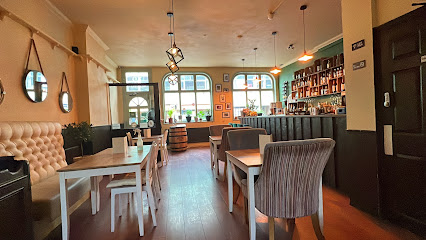
Zizzi - Bedford
9.2 km
Savor fresh Italian flavors and riverside views at Zizzi Bedford, your friendly neighborhood spot for pizza, pasta, and more.
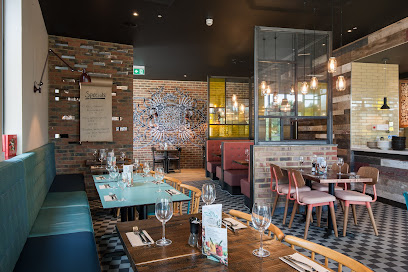
Olive Tree Restaurant Bedford
9.2 km
Authentic Turkish Mediterranean cuisine in central Bedford with exceptional service and vibrant atmosphere.

Markets, malls and hidden boutiques

Alban Retail Park
8.3 km
A versatile and convenient shopping destination in Bedford offering homeware, garden supplies, and more with extended hours and easy access.
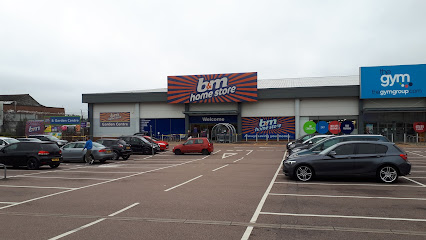
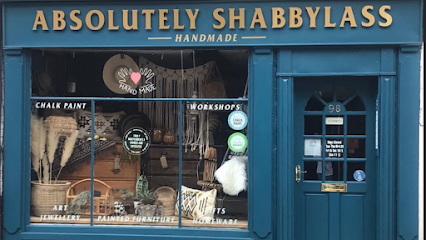
Absolutely ShabbyLass
8.7 km
Discover unique gifts, hand-painted furniture, and artisanal homewares at Absolutely ShabbyLass, Bedford’s charming boutique of creativity and craftsmanship.
A1 Personalised Gifts
8.9 km
Explore A1 Personalised Gifts in Biggleswade for unique, custom-made souvenirs that capture your travel memories beautifully.

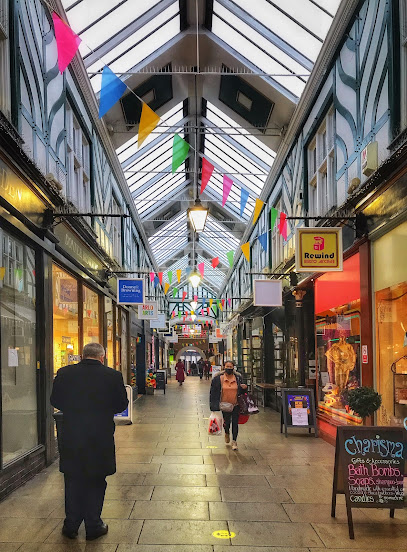
The Arcade
9.3 km
Step into Bedford’s historic Victorian Arcade, where timeless charm meets unique independent shopping in a vibrant community setting.
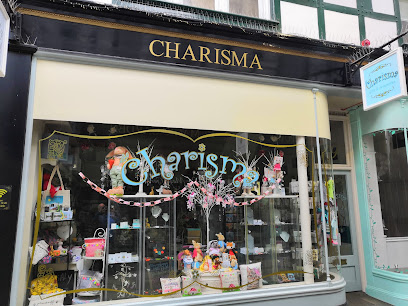
Charisma
9.3 km
Unique handcrafted gifts and artisanal treasures in Bedford's charming Arcade shopping center.
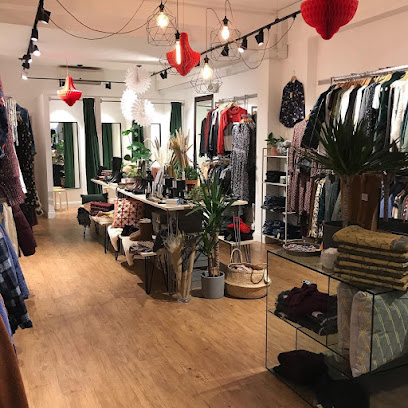
Boutique Planet
9.3 km
Discover sustainable, premium ladieswear and accessories in Bedford’s charming Victorian Arcade at Boutique Planet.
Primark
9.3 km
Discover unbeatable style and value at Primark Bedford, your go-to destination for affordable fashion in the vibrant Harpur Centre.
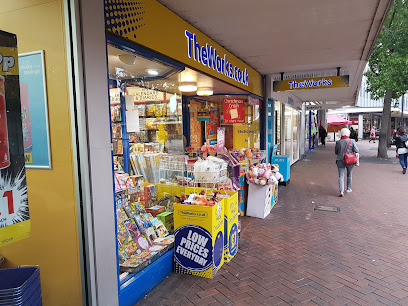
The Works
9.4 km
Affordable books, crafts, toys, and stationery in Bedford’s friendly and accessible retail hub.
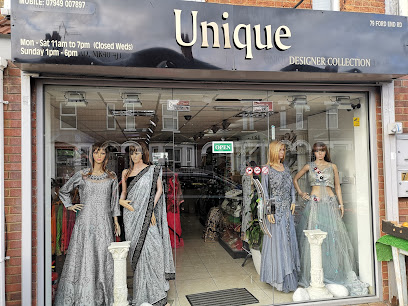
Unique - Designer Collection
9.8 km
Discover curated women's fashion blending timeless elegance and modern style at Unique - Designer Collection in Bedford.
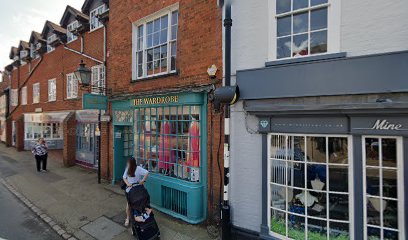
The Wardrobe
10.3 km
Discover stylish, quality clothing with friendly service at The Wardrobe, Ampthill’s charming boutique on Church Street.
No.14 Ampthill
10.3 km
Discover unique gifts and local treasures in the charming market town setting of No.14 Ampthill's boutique gift shop.
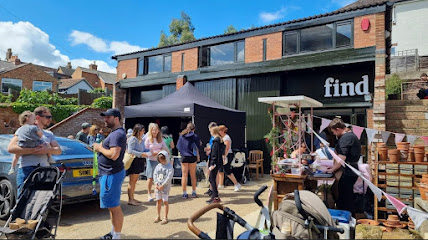
Find Vintage Ampthill
10.3 km
Discover timeless vintage furniture and unique home treasures in a charming Ampthill courtyard setting.
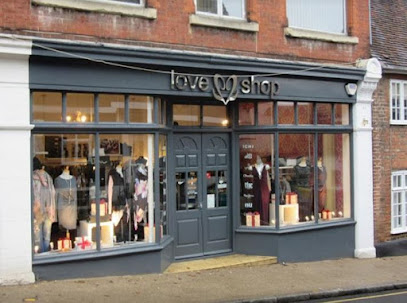
Love 2 Shop Boutique
10.3 km
Explore the charming Love 2 Shop Boutique in Ampthill for unique ladies' fashion that captures the essence of local style and elegance.
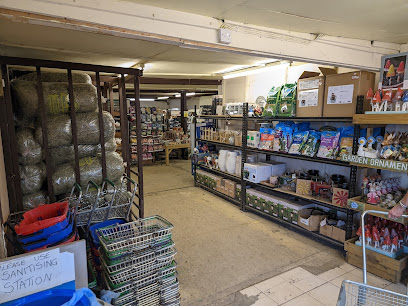
Pells Farm Shop
10.5 km
Discover fresh local produce and homemade delights in Bedford’s charming countryside farm shop with over 40 years of tradition.
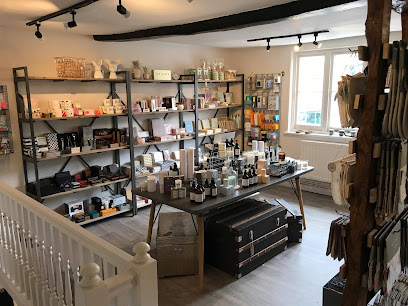
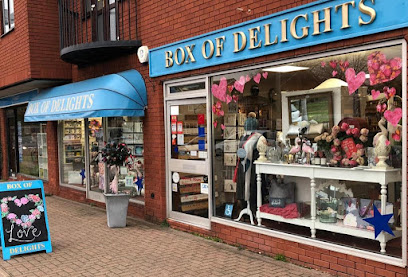
Box of Delights
12.4 km
Independent gift and greeting card shop bringing joy to Flitwick's celebrations.
Essential bars & hidden hideouts

The Five Bells At Cople
4.9 km
Historic 400-year-old pub in Cople offering cozy vibes, classic British fare, hand-stretched pizzas, tapas, and a family-friendly atmosphere.
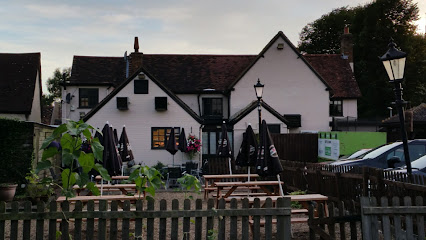
The Guinea
5.8 km
Historic 18th-century village pub in Moggerhanger with cozy charm, hearty homemade food, and a welcoming community atmosphere.
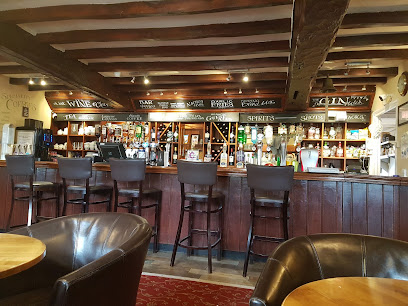
The Stone Jug
6.9 km
A warm, traditional village pub in Clophill offering hearty home-cooked meals, quality ales, and a friendly, family-friendly atmosphere.
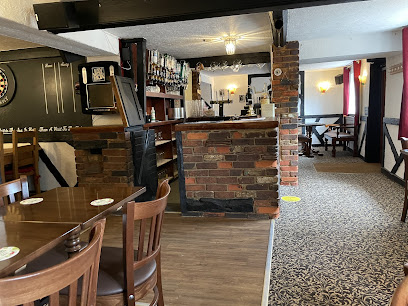
The White Horse Bedford
8.3 km
Bright, welcoming pub in Bedford offering homemade dishes, cosy atmosphere, and friendly service in a stylish setting.
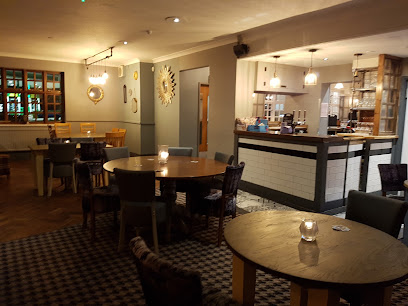
The Three Cups
8.9 km
A vibrant and cozy Bedford pub blending traditional charm with lively entertainment and warm hospitality.
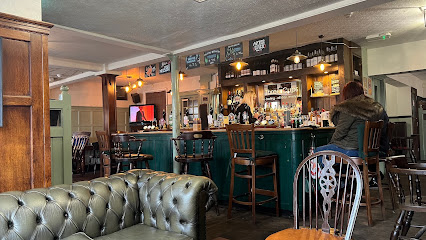
The Castle
9.0 km
A welcoming historic pub in Bedford blending cozy charm, friendly service, and full hospitality services in the town’s heart.
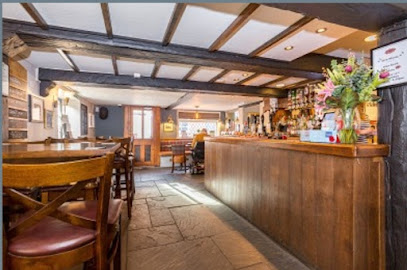
The Ship
9.1 km
A classic Bedford pub offering unique ales, hearty fare, and a welcoming atmosphere with spacious outdoor seating and dog-friendly charm.
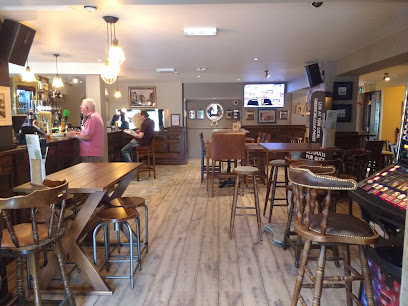
The Flute Wine & Lounge Bar
9.1 km
Cozy and stylish wine lounge in Bedford’s Ram Yard, perfect for relaxed evenings with quality drinks and friendly vibes.
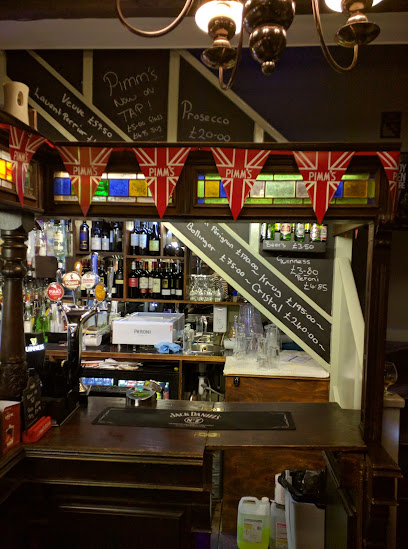
The Rose
9.1 km
Classic British pub grub and lively atmosphere combine at The Rose, Bedford’s vibrant High Street gathering spot.
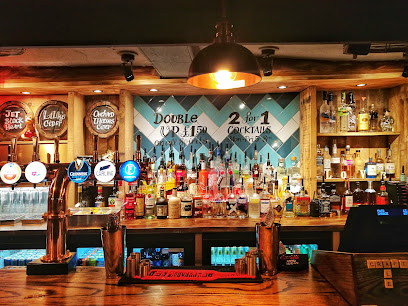
Auction Room Bar
9.1 km
A stylish and quirky Bedford bar with spacious interiors, quality cocktails, live music, and a hidden courtyard for a lively yet relaxed night out.
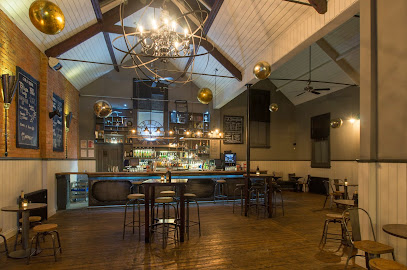
Slug & Lettuce - Bedford
9.2 km
Lively cocktail bar and restaurant in Bedford’s High Street, famed for 2-for-1 cocktails, bottomless brunch, and a vibrant social scene.
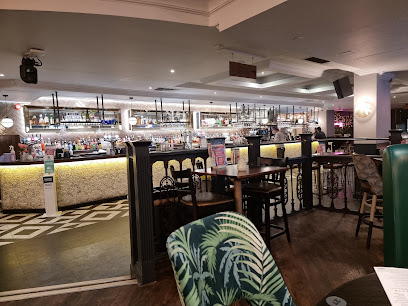
Vogue
9.2 km
Vogue Bar in Bedford offers a vibrant, multi-floor nightlife experience with expert bartenders and diverse music genres in a lively, welcoming setting.

Astons Bedford
9.2 km
Astons Bedford offers a stylish, members-only over-30s club with retro disco vibes, live entertainment, and a chic garden bar in the heart of Bedford.
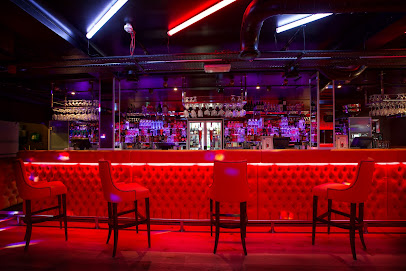
Cocos Bedford
9.2 km
Chic riverside cocktail bar in Bedford, famed for expert drinks, lively vibe, and warm hospitality.
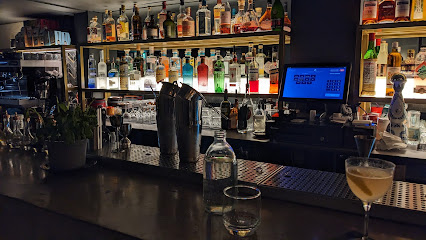
The Cellar Bar
9.2 km
Discover Bedford’s unique underground bar with expertly crafted cocktails, premium craft beers, and vibrant live music in an atmospheric cellar setting.
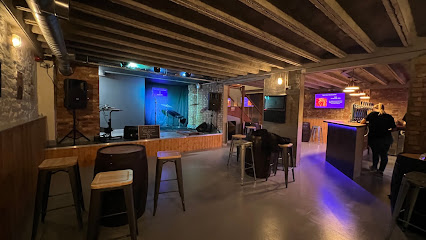
Nightclubs & after hour spots

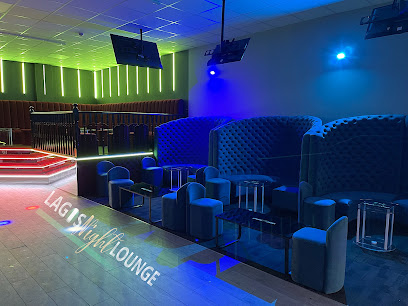
Lagos Night Lounge
7.6 km
Experience Bedford’s vibrant African-inspired nightlife with live music, themed events, and authentic cuisine at Lagos Night Lounge.
Cubana Nightclub - Bedford
9.1 km
Bedford’s vibrant two-floor nightclub with live music, multiple bars, and VIP areas, offering an energetic dance and social experience on Mill Street.

Six's Club
9.3 km
A lively community nightclub in Bedford offering soulful music, friendly vibes, and memorable nights from Thursday to Sunday.
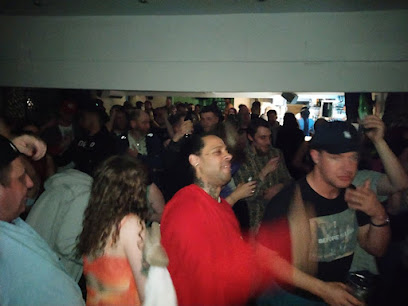
The Studio Club
9.7 km
A friendly, casual nightclub and bar in Bedford offering affordable drinks, pool tables, and live music in an intimate setting.
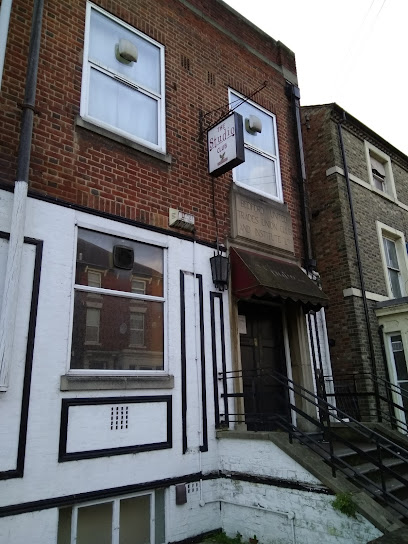
The Kalooki Club
10.3 km
A friendly and lively social club in Bedford offering great service, casual vibes, and a welcoming atmosphere for locals and visitors alike.
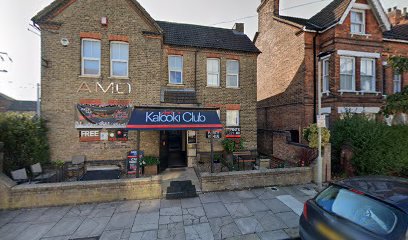
Mia Musica
23.0 km
Luton’s lively Romanian-themed night club and sports bar with authentic football culture and late-night weekend vibes.
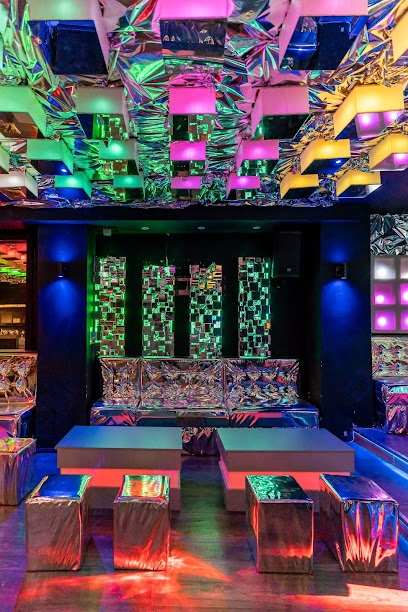
Penthouse Playrooms
23.9 km
A vibrant adult nightclub in Dunstable offering themed events and lively weekend entertainment for an energetic night out.
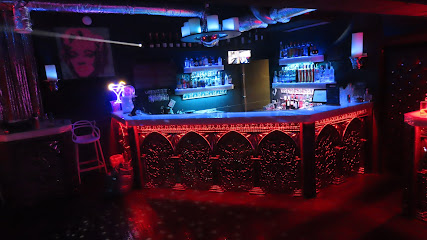
Pink Punters
25.5 km
Milton Keynes’ dynamic multi-room nightclub blending diverse music, vibrant crowds, and a lively late-night party atmosphere.
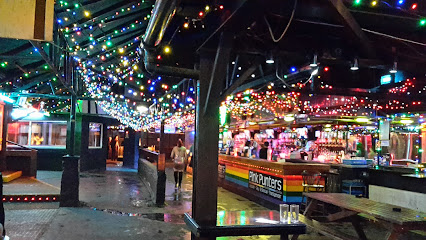
Garudaa
27.3 km
A spacious, welcoming gentlemen’s club in Milton Keynes offering VIP areas, game rooms, and late-night entertainment in a relaxed, darkly lit setting.
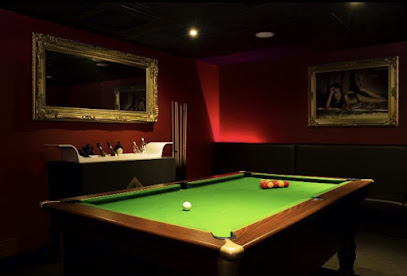
Montagu Club
30.4 km
Discover the lively Montagu Club in Huntingdon - a social haven for music lovers and friends looking to unwind and enjoy local culture.
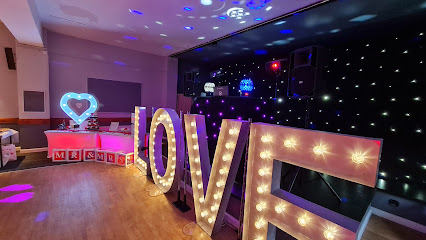
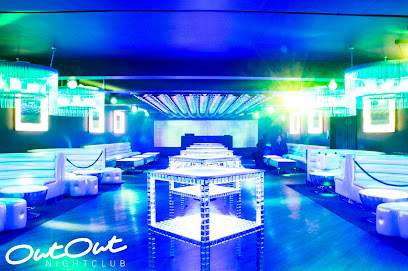
OutOut Nightclub
33.5 km
Vibrant nightlife hub in St. Ives offering dynamic club nights, private events, and a lively atmosphere from 10pm to 4am Fridays and Saturdays.
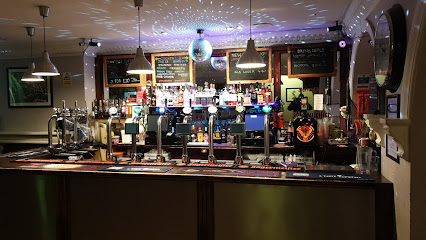
The Lounge
33.5 km
A lively nightclub and wine bar on The Broadway, offering vibrant late-night entertainment in the heart of St Ives.
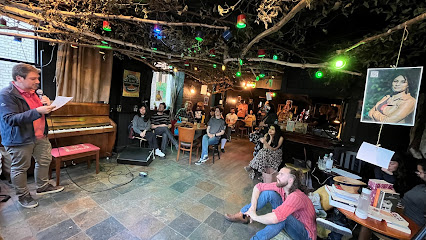
Tall Trees
35.8 km
Discover the lively atmosphere of Tall Trees, a cocktail bar and live music venue in Cambridge, perfect for unforgettable nights out.
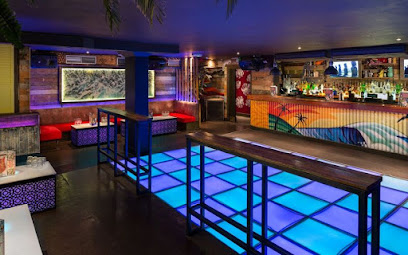
Cambridge Lola Lo
35.9 km
Step into Cambridge Lola Lo, a vibrant tiki-themed nightclub with tropical vibes, lively dance floors, and a stunning rooftop terrace in the city centre.
La Raza
35.9 km
Experience the vibrant flavors of Spain at La Raza, Cambridge’s premier cocktail bar and tapas restaurant, featuring live music and a lively atmosphere.
For the vibe & atmosphere seeker
- Tranquil
- Relaxing
- Scenic
- Unique
- Casual
For the design and aesthetic lover
- Rustic Designs
- Vintage Styles
For the architecture buff
- Historic
- Heritage Neighborhoods
For the view chaser and sunset hunter
- Iconic Views
- Panoramas
For the social media creator & influencer
- Instagrammable
- Photo Spots
For the eco-conscious traveler
- Protected Area
- Public-Transport Accessible
- Locally Managed
For the kind of experience you’re after
- Cultural Heritage
- Photowalk
- Nature Escape
- Day Trip
- Weekend Getaway
For how adventurous you want the journey to be
- Easy Access
Location Audience
- Family Friendly
- Senior Friendly
- Child Friendly
- Couple Friendly
- Solo Friendly


