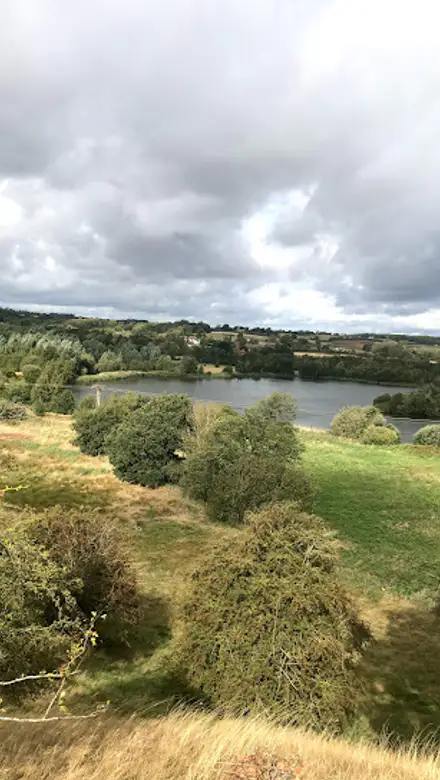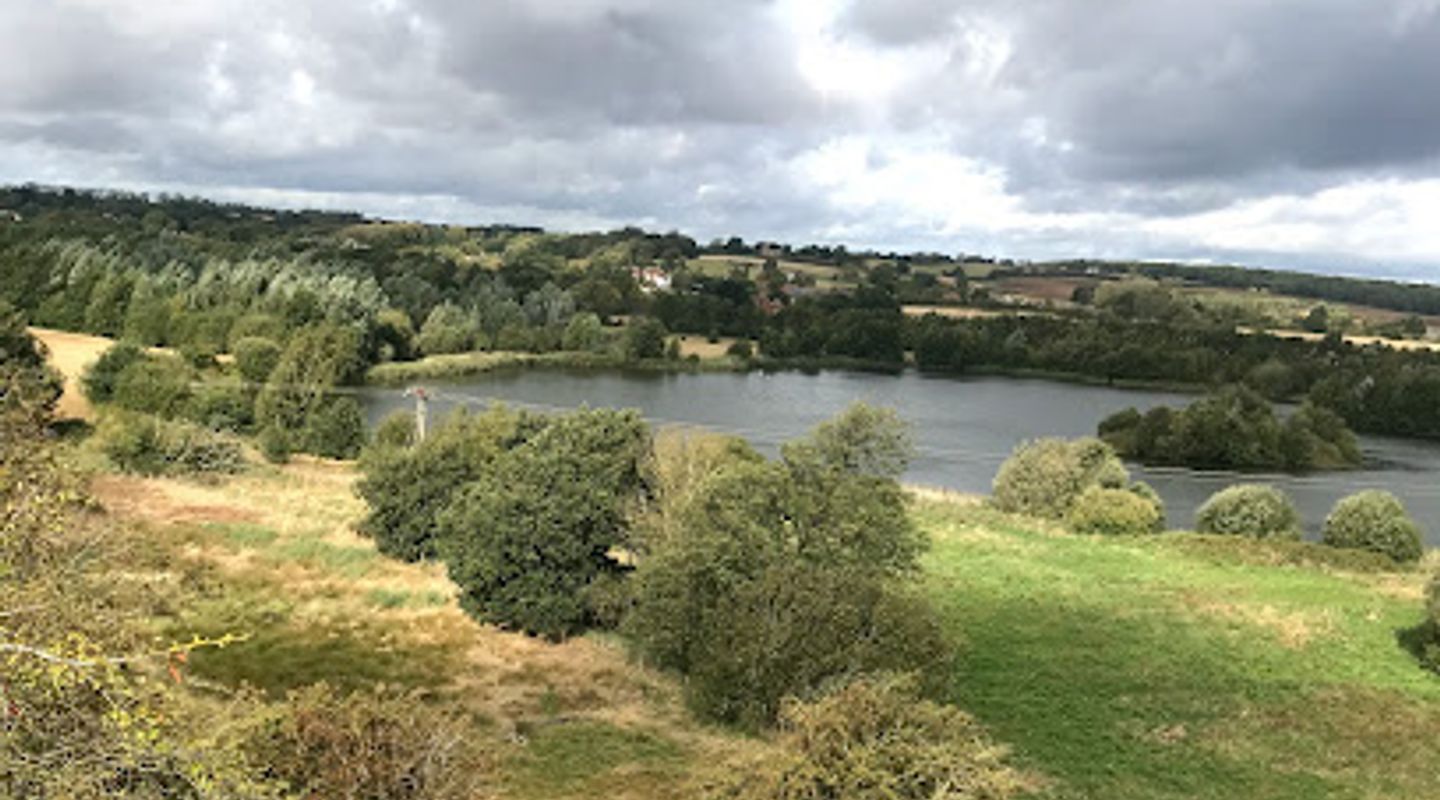
Cainhoe Castle, Bedfordshire Travel Guide
Explore the mysterious earthworks of Cainhoe Castle, a Norman motte and triple bailey fortress nestled in Bedfordshire’s tranquil countryside.
Cainhoe Castle, near Clophill in Bedfordshire, is a Norman motte and triple bailey castle built shortly after the 1066 Norman Conquest by Nigel d'Aubigny. Though now mostly earthworks, its impressive defensive mounds and baileys reveal its medieval military importance as the seat of the Albini barony. The site offers a mysterious glimpse into England’s feudal past amidst peaceful countryside.
A brief summary to Cainhoe Castle
- Bedford, Clophill, GB
- Click to display
- Duration: 0.5 to 2 hours
- Free
-
 Outdoor
- Mobile reception: 3 out of 5

Know before you go
Hi, I'm Eve. Here are a few practical things to know before exploring Cainhoe Castle.
- Wear sturdy footwear as the site consists mainly of earthworks and uneven ground.
- Visit during daylight hours to fully appreciate the layout and surrounding landscape.
- Bring a camera for capturing panoramic views of the castle’s natural hilltop setting.
- Combine your visit with nearby historical sites in Bedfordshire for a full medieval experience.
Do you manage this location?
Take control to get all the benefits, like improved information, better appearance, and stronger visibility across AI-powered discovery. Learn more about listing your business on Evendo
Activate your presenceOther nearby places you may find interesting
The closest places of the same kind, if this one is not quite what you had in mind.
Explore Cainhoe Castle on the Map
A handpicked selection of must-see spots near Cainhoe Castle, mapped for you.
Getting There
-
Bus
Take the local bus service from Bedford town center to Clophill, which runs approximately every two hours. The journey takes around 30-40 minutes. From Clophill, the castle site is accessible by a 20-minute walk across rural paths. Bus fares range from £3 to £5 single.
-
Car
Driving from Bedford, Cainhoe Castle is about a 15-minute journey via local roads. Parking is limited near the site, so plan to park in Clophill village and walk approximately 1.5 km on uneven terrain. No parking fees apply.
-
Walking
For walkers, a scenic 1.5-hour hike from Clophill village offers countryside views and access to the castle earthworks. The route involves uneven ground and gentle inclines, suitable for moderately fit visitors.
For the on-the-go comforts that matter to you
-
 Information Boards
Discover more about Cainhoe Castle
Origins and Historical Significance
Cainhoe Castle was constructed soon after the Norman Conquest of 1066 by Nigel d'Aubigny, a Norman knight who became a powerful local baron. The castle served as the caput, or administrative center, of the Albini barony, marking it as a site of regional importance. Recorded in the Domesday Book of 1086, Cainhoe was a symbol of Norman authority imposed on Bedfordshire’s landscape. Despite its significance, the castle had a relatively uneventful history, with no major battles recorded at the site.Architectural Layout and Defensive Features
The castle is a classic example of a motte and bailey design, featuring a central motte—a raised earthwork mound—surrounded by three baileys or enclosed courtyards. The motte at Cainhoe is notably small but steep and well-defended by a substantial ditch approximately 40 feet wide, enhancing its natural hilltop position. The baileys provided space for domestic buildings and defensive works, arranged to maximize the natural defenses offered by the greensand ridge and marshy land to the north and west.Material and Construction Insights
While the castle’s earthworks remain prominent, it is uncertain whether Cainhoe ever had substantial stone fortifications. Local stone was available but likely removed over time, and the castle’s defensive structures were probably primarily timber stockades and buildings. This aligns with typical Norman military architecture of the period, which often relied on wooden palisades atop earthworks for rapid construction and strong defense.Later History and Archaeological Legacy
Cainhoe Castle’s prominence declined by the late 13th century, with records indicating it had likely fallen out of use before 1272. Some local lore connects the ruins with events from the English Civil War in the 17th century, though such stories remain unconfirmed. Today, the site is recognized for its archaeological value, with scheduled earthworks that reveal the layout and scale of the medieval fortress. The surrounding landscape remains largely pastoral, preserving the castle’s enigmatic atmosphere.Visiting Cainhoe Castle Today
Visitors to Cainhoe Castle experience a tranquil rural setting where the impressive earthworks rise subtly above the fields. The site offers a unique opportunity to explore Norman military architecture’s footprint without extensive modern reconstruction. Interpretive signage and the natural environment invite reflection on the castle’s role in England’s feudal past and the strategic importance of Bedfordshire’s landscape in medieval times.Local Context and Cultural Heritage
The castle’s location near Clophill situates it within a region rich in history, with evidence of earlier Roman and Anglo-Saxon activity nearby. Cainhoe Castle’s legacy as a baronial seat ties it to the broader story of Norman consolidation in England. Its remains contribute to Bedfordshire’s cultural heritage, offering insight into medieval life, defense, and governance in a rural English setting.












Your all‑in‑one travel companion app
Explore expert travel guides, compare and book tours, experiences, hotels, and more—all from the palm of your hand. Download now for seamless trip planning wherever your wanderlust takes you.


Explore More of Bedfordshire
Looking beyond Cainhoe Castle? Discover Bedfordshire for broader travel guides, local hot-spots, and regional highlights.
Explore Bedfordshire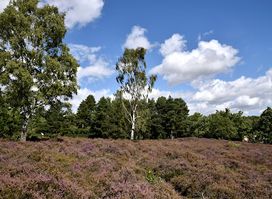
Explore Bedfordshire’s largest heathland reserve with rare wildlife, historic landscapes, and tranquil woodland on the Greensand Ridge.
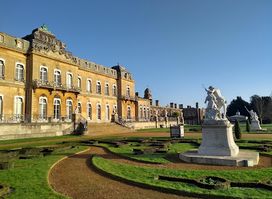
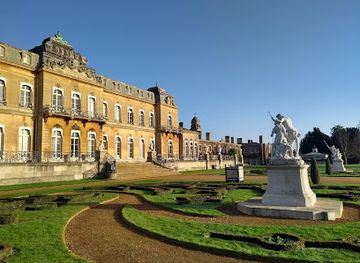
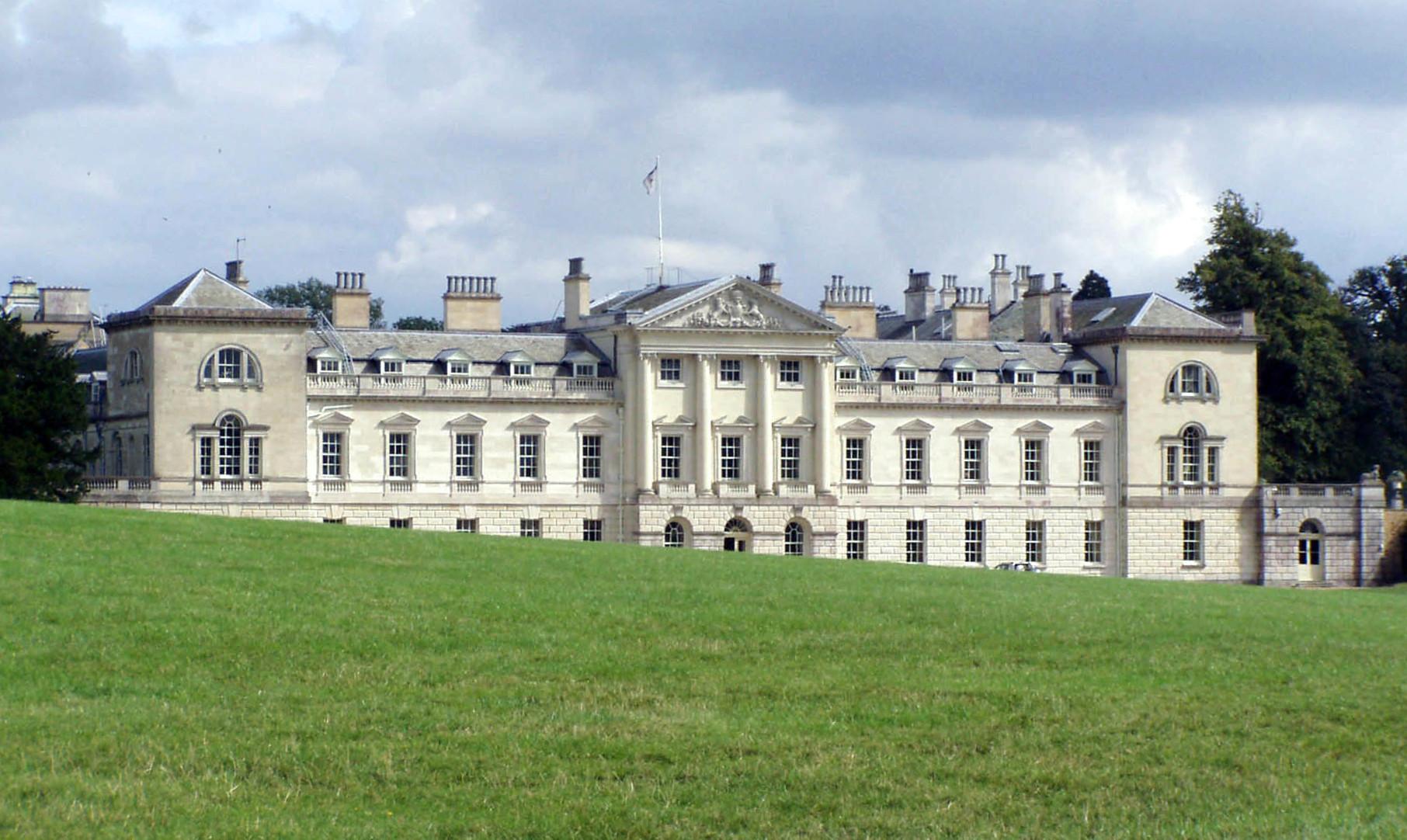
Explore the grandeur of an 18th-century French-style mansion and its 90 acres of stunning gardens blending history, art, and nature in Bedfordshire.