
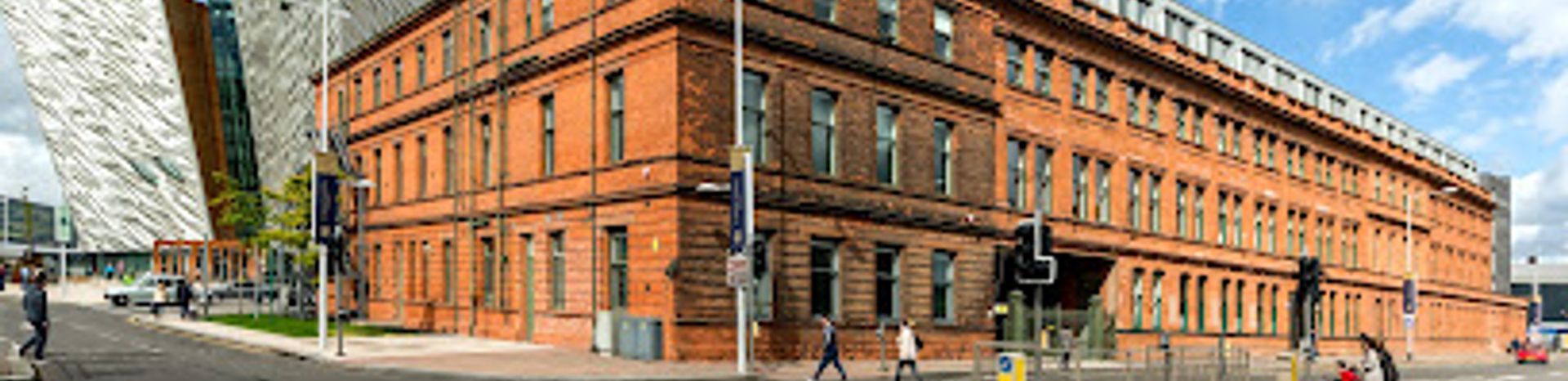
Harland & Wolff HQ & Drawing Offices, Belfast
Historic Harland & Wolff HQ and Drawing Offices: birthplace of Titanic’s design and Belfast’s shipbuilding legacy.
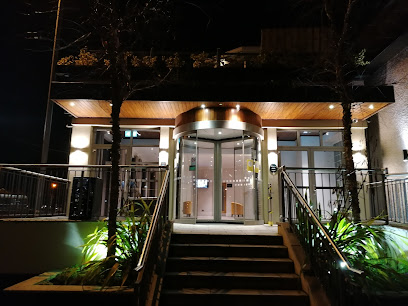
The Harland & Wolff Headquarters and Drawing Offices in Belfast are iconic historic buildings where some of the most famous ships, including the RMS Titanic, were designed. Constructed between 1886 and 1917, this B+ listed site features distinctive redbrick and sandstone architecture and vast barrel-vaulted drawing rooms flooded with natural light. Once the heart of the world’s largest shipyard, the site now stands as a poignant symbol of Belfast’s maritime heritage and shipbuilding legacy.
A brief summary to Harland & Wolff HQ & Drawing Offices
- Queens Rd, Belfast, BT3 9DT, GB
- +442890766300
- Visit website
- Duration: 1 to 2 hours
- Mid ranged
-
 Outdoor
- Mobile reception: 4 out of 5
- Monday 7:15 am-11 pm
- Tuesday 7:15 am-11 pm
- Wednesday 7:15 am-11 pm
- Thursday 7:15 am-11 pm
- Friday 7:15 am-11 pm
- Saturday 7:15 am-11 pm
- Sunday 9 am-9:30 pm
Local tips
- Visit during daylight hours to appreciate the natural light flooding the barrel-vaulted drawing offices.
- Combine your visit with nearby Titanic Belfast to deepen your understanding of Belfast’s maritime heritage.
- Look for architectural details such as the dentil moulding and original floor tiles linked to the Olympic class liners.
- Check for special tours or events that may provide access to restoration areas or historical exhibitions.

For the on-the-go comforts that matter to you
- Restrooms
- Information Boards
- Seating Areas
Getting There
-
Public Transport
Take the Metro bus service 26 or 26A from Belfast city center to Queen's Road; journey time is approximately 20-30 minutes. Services run frequently from early morning until late evening. A single fare costs around £2.50 GBP. Note that stops are a short walk from the site.
-
Taxi
A taxi ride from Belfast city center to Harland & Wolff HQ takes about 10-15 minutes depending on traffic, with fares typically ranging from £8 to £12 GBP. Taxis offer door-to-door convenience but may be less economical during peak hours.
-
Car
Driving to the site is possible with parking available nearby, though spaces may be limited during events. Travel time from central Belfast is roughly 10 minutes. Be aware of potential traffic congestion and parking fees in the area.
Harland & Wolff HQ & Drawing Offices location weather suitability
-
 Any Weather
-
 Rain / Wet Weather
-
 Mild Temperatures
Discover more about Harland & Wolff HQ & Drawing Offices
Architectural Heritage of Belfast’s Shipbuilding Powerhouse
The Harland & Wolff Headquarters and Drawing Offices, located on Queen's Road, Belfast, represent a remarkable chapter in maritime industrial history. Built in phases from 1886 to 1917, the complex showcases a striking redbrick and sandstone facade that reflects the architectural style of early 20th-century industrial buildings. The offices were designed to maximize natural light, particularly in the two expansive drawing offices featuring barrel-vaulted ceilings and large arched windows. These spaces were not temporary structures as was typical for shipyards but permanent, symbolizing the ambition and permanence of Harland & Wolff’s shipbuilding enterprise.Cradle of the Olympic Class Liners
Within these drawing offices, the plans for some of the most famous ships in history were conceived, including the Olympic, Titanic, and Britannic liners. The building’s interiors share design elements with these ships, such as dentil moulding on the walls and floor tiles identical to those found in Titanic’s first-class smoking room and swimming baths. The offices also housed administrative functions and were the nerve center for the shipyard’s operations during its heyday. The building’s steel framework is made of battleship-quality steel, the same robust material used in many of the ships constructed here.Evolution and Decline of a Shipbuilding Giant
As the shipyard expanded, the HQ and offices grew with it, adding administrative blocks and connecting structures that formed the iconic facade seen today. Over time, the building adapted to changing industrial needs, including the removal of a fourth floor and demolition of smaller pavilions. By the late 20th century, shipbuilding in Belfast had declined significantly, and Harland & Wolff diversified into other sectors such as offshore oil rigs. The offices were vacated in 1989, leaving the building empty for nearly three decades, during which it fell into disrepair despite its listed status and historical importance.Preservation and Future Prospects
Recognized as a B+ listed building since 2002, the Harland & Wolff HQ and Drawing Offices are acknowledged for their unique architectural and historical significance. Efforts to preserve and repurpose the site have been underway, with plans to restore the historic drawing offices and transform them into a boutique hotel, blending heritage with modern use. The site remains a powerful symbol of Belfast’s maritime past, situated near the Titanic Belfast visitor attraction and the famous Samson and Goliath gantry cranes that dominate the skyline.Legacy of Innovation and Craftsmanship
The Harland & Wolff offices stand as a testament to the craftsmanship and innovation that defined Belfast’s shipbuilding industry. The building’s design reflects the pride and precision that went into creating vessels that were marvels of engineering and luxury. From the ornate presentation rooms to the strong rooms housing ship plans, every detail tells a story of a bygone era when Belfast was at the forefront of maritime construction, influencing global shipping and naval architecture.Connection to Belfast’s Maritime Identity
Today, the Harland & Wolff HQ and Drawing Offices are more than just a building; they are a cultural landmark that connects visitors to Belfast’s rich shipbuilding heritage. Located in Titanic Quarter, the site forms part of a broader narrative that includes shipyard history, urban regeneration, and maritime tourism. The preserved architecture and planned adaptive reuse ensure that the legacy of Harland & Wolff continues to inspire and educate future generations about Belfast’s pivotal role in maritime history.Iconic landmarks you can’t miss

Titanic Hotel Belfast
0.0 km
Luxury in the heart of Titanic history: nautical-themed elegance amid Belfast's shipbuilding legacy.

Slipways
0.1 km
Step onto the historic Slipways where Titanic was born, amid Belfast’s maritime legacy and stunning waterfront vistas.
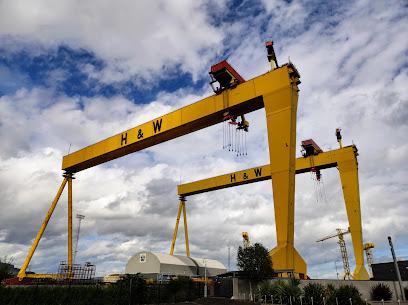
The Samson & Goliath Cranes
0.4 km
Towering yellow giants of Belfast’s shipbuilding past, Samson and Goliath cranes dominate the skyline as enduring symbols of industrial heritage.
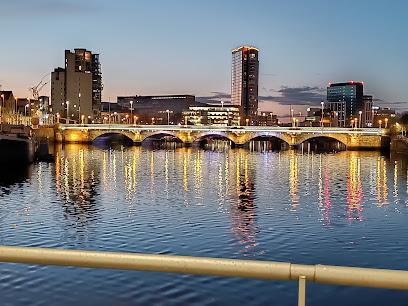
Queen Elizabeth II Bridge
1.1 km
A 1960s road bridge over the River Lagan, connecting central Belfast with the Titanic Quarter and offering quiet riverside views from its pedestrian walkways.
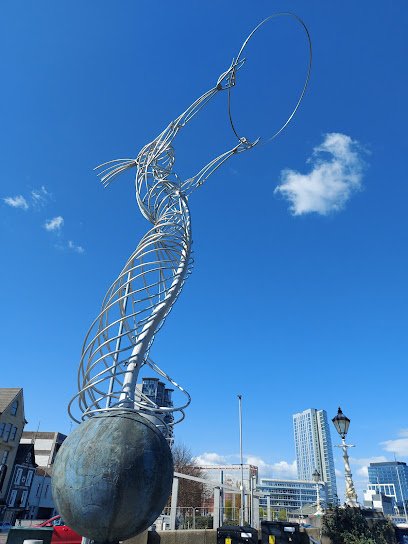
Beacon of Hope
1.2 km
A soaring symbol of peace and gratitude rising 19.5 meters above Belfast's heart.
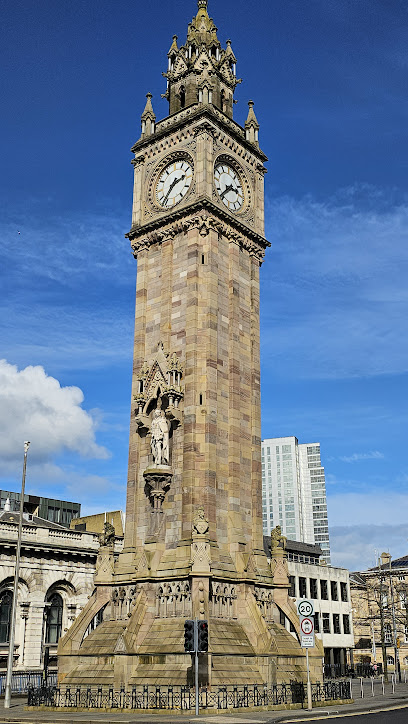
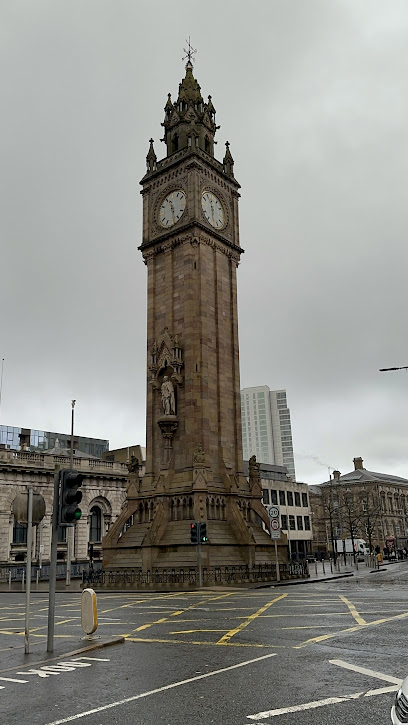
Albert Memorial Clock
1.3 km
Belfast’s iconic leaning Victorian clock tower, blending Gothic grandeur with rich industrial heritage and local character.
Numbers' Wall
1.3 km
A burst of colorful numbers and symbols celebrating Belfast's vibrant contemporary street art scene.
2-6 Waring St
1.4 km
Victorian banking masterpiece transformed into luxury hospitality on Belfast's historic mercantile street.
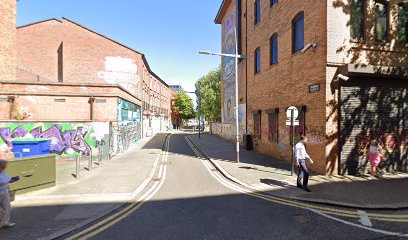
Mural
1.6 km
Explore Belfast's vibrant mural art scene, a colorful reflection of the city's history and culture, captivating every visitor with its rich storytelling.
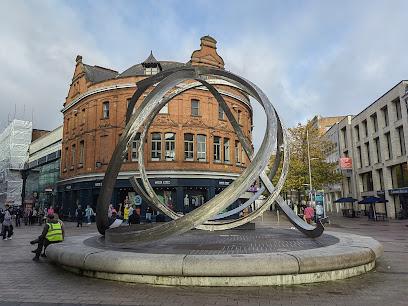
Spirit of Belfast
1.6 km
Explore the Spirit of Belfast, a captivating sculpture that reflects the resilient culture and rich history of this vibrant city in Northern Ireland.
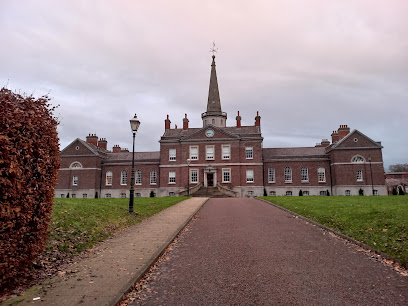
Clifton House
1.6 km
Explore the historical significance and architectural elegance of Clifton House, a must-see landmark in Belfast that offers a glimpse into the city's vibrant heritage.
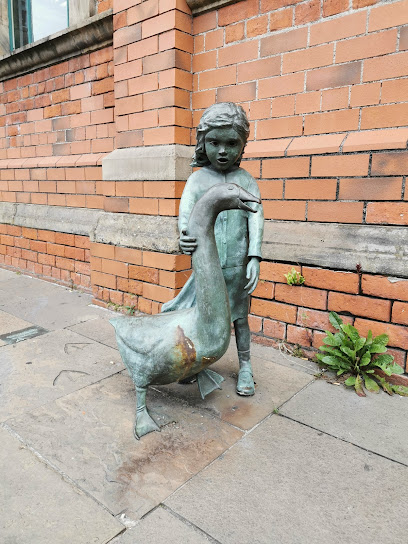
Alec the Goose
1.6 km
A bronze tribute to a beloved 1920s goose who walked schoolchildren to school in East Belfast.
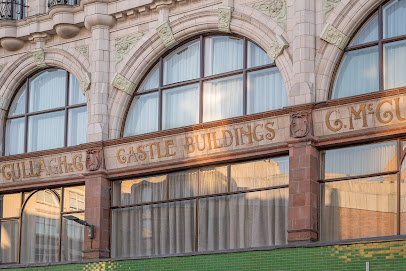
Castle Buildings
1.6 km
Discover the architectural beauty and modern comforts of the Castle Buildings in Belfast, a perfect stay for any traveler.
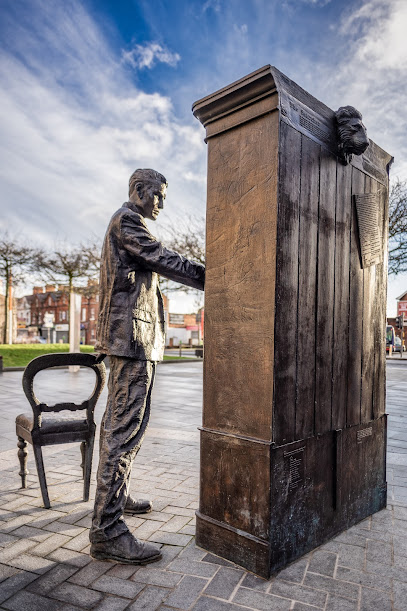
CS Lewis Statue - The Searcher
1.7 km
Experience the magic of storytelling at the CS Lewis Statue - The Searcher in Belfast, a tribute to the beloved author and his enchanting worlds.
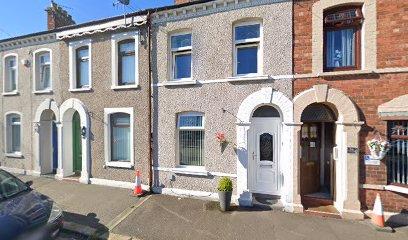
Clifton Street Graveyard
1.7 km
Two centuries of Belfast's history etched in stone—where Republicans, Unionists, and ordinary citizens rest side by side.
Unmissable attractions to see

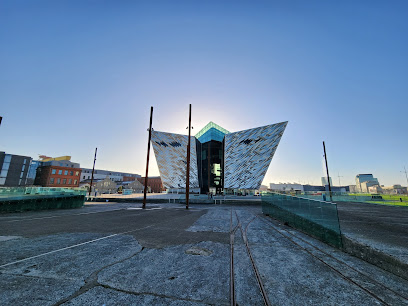
Titanic experience
0.0 km
Discover the dramatic story of the Titanic where it was built, through immersive exhibits and cutting-edge technology in Belfast’s iconic waterfront landmark.
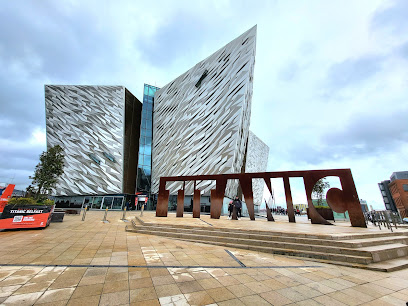
Titanic Quarter Limited
0.0 km
Explore Belfast’s Titanic Quarter: where maritime history meets vibrant urban regeneration along the scenic waterfront.
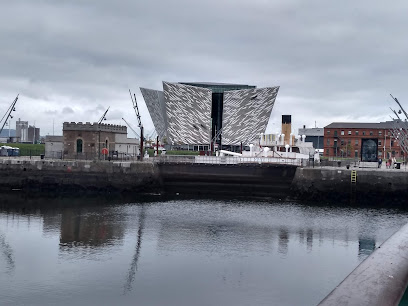
Titanic Belfast
0.1 km
Explore the Titanic Belfast Museum: Dive into the history of the RMS Titanic and experience its remarkable legacy in an iconic setting.
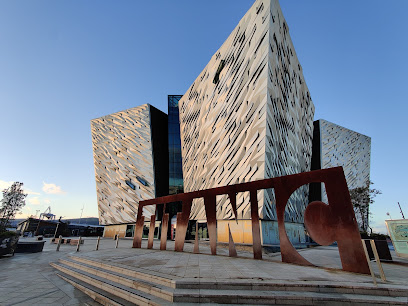
SS Nomadic
0.2 km
The last White Star Line vessel and Titanic's tender ship—a floating museum of maritime elegance and history.
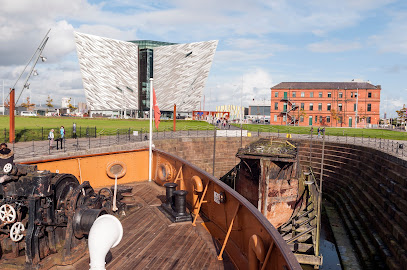
Maritime Mile
0.3 km
Explore Belfast’s historic waterfront trail, where maritime heritage meets vibrant culture and iconic landmarks along the Maritime Mile.
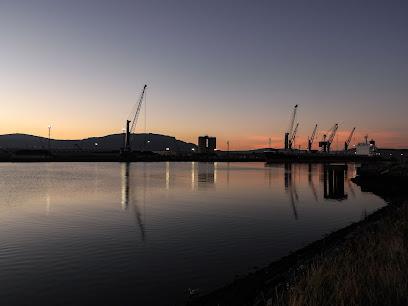
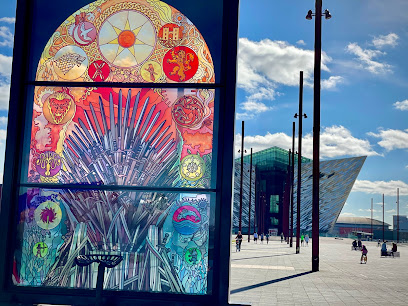
The Iron Throne - Glass of Thrones
0.3 km
Experience the iconic Iron Throne in vibrant stained glass on Belfast’s Titanic Slipways, where fantasy meets maritime history.
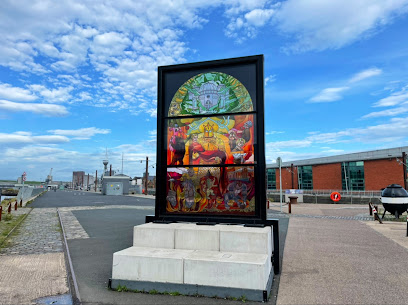
Glass of Thrones - HMS Caroline
0.3 km
Discover the dramatic House Lannister stained glass window beside historic HMS Caroline, blending Game of Thrones lore with Belfast’s maritime heritage.
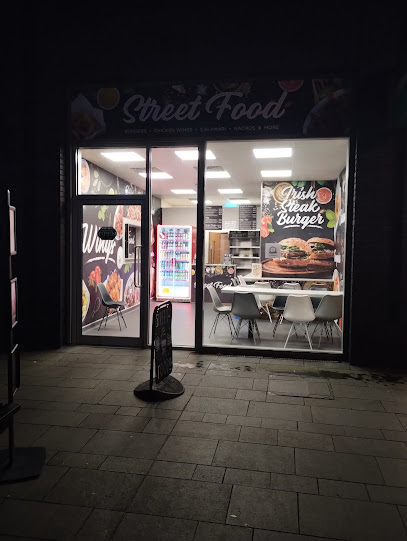
Street Food
0.4 km
Discover vibrant fast-food flavors in Belfast’s Titanic Quarter, where local heritage meets global street food culture.
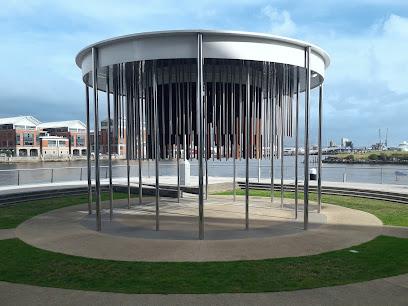
SoundYard - Maritime Belfast
0.5 km
Experience Belfast’s shipbuilding heritage through interactive sound and light at the striking SoundYard installation on Queen’s Quay.
The Great Light, Maritime Mile
0.6 km
Discover Belfast's maritime heritage at The Great Light, a stunning landmark celebrating the city's rich shipbuilding history along The Maritime Mile.
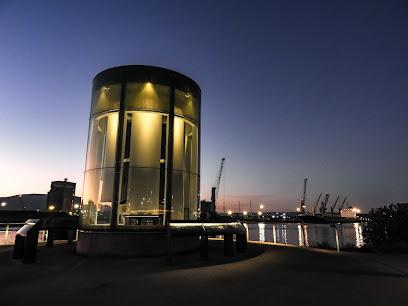
W5
0.6 km
An award-winning science and discovery centre in Belfast’s Titanic Quarter, where over 250 interactive exhibits spark curiosity and fun for all ages.
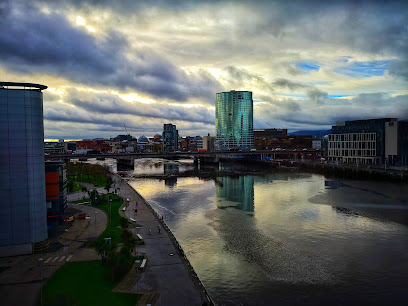
SSE Arena Belfast
0.6 km
Belfast’s vibrant SSE Arena on Queens Quay offers world-class concerts, sports, and family events in a modern waterfront setting.
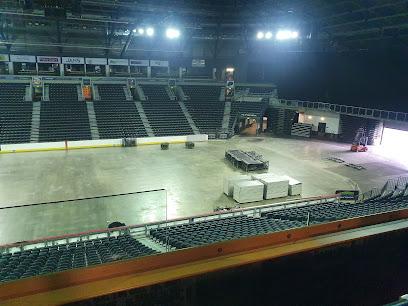
Glass of Thrones - Odyssey
0.7 km
Discover the vivid House Targaryen stained glass window at Odyssey Point, a dazzling tribute to Game of Thrones in Belfast’s Titanic Quarter.
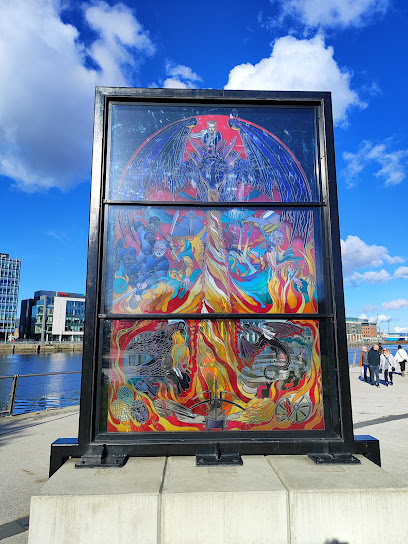
HMS Caroline
0.8 km
Step aboard HMS Caroline, Belfast’s historic WWI light cruiser, and explore a century of naval history in a fully restored floating museum.
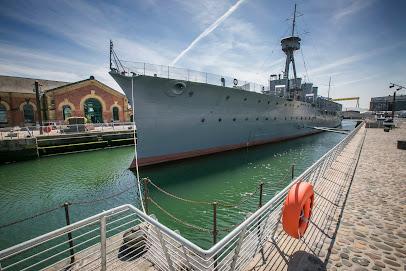
Titanic Mural
0.8 km
A vibrant mural celebrating Belfast’s shipbuilding heritage and the spirit of the Titanic’s shipyard community.

Essential places to dine

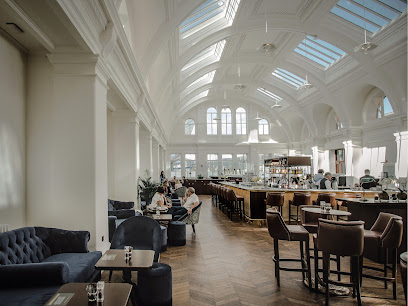
Drawing Office Two Bar
0.0 km
Historic elegance meets casual dining in the original Titanic drawing offices with a vibrant bar and all-day menu.
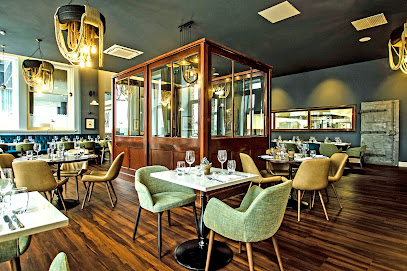
The Wolff Grill Restaurant
0.0 km
Refined British fine dining in the historic Titanic Hotel Belfast with scenic views and maritime heritage ambiance.
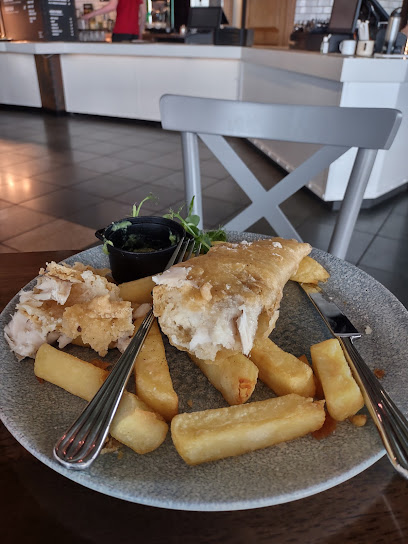
The Pantry at Titanic Belfast
0.1 km
Savor locally inspired dishes in a historic setting at The Pantry, Titanic Belfast’s welcoming restaurant celebrating Northern Ireland’s finest produce.
Hickson's Point
0.1 km
Discover authentic Irish cuisine and vibrant culture at Hickson's Point in Belfast - your gateway to local flavors.
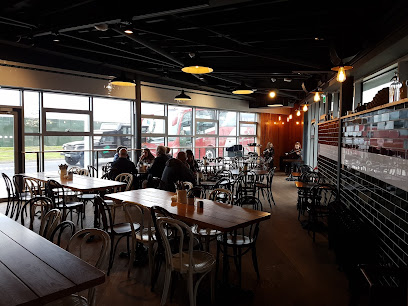
Novelli at City Quays
0.9 km
Stylish Mediterranean brasserie on Belfast’s waterfront with stunning harbor views and all-day dining.
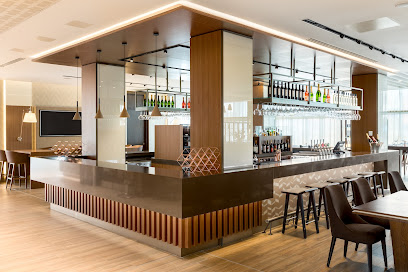
OX Belfast
1.3 km
Experience Belfast’s Michelin-starred gem offering inventive modern European tasting menus with seasonal, locally sourced ingredients in an elegant setting.
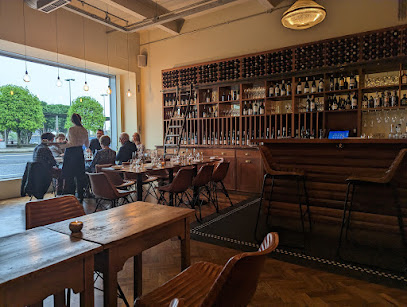
Coppi Restaurant
1.3 km
Modern Venetian-inspired Italian dining in Belfast’s Saint Anne's Square with vibrant cicchetti, fresh ingredients, and a lively atmosphere.
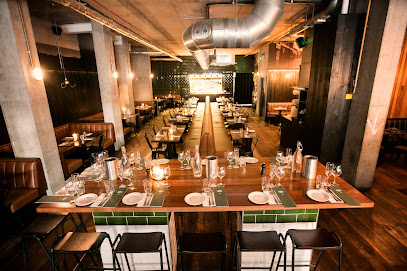
Buba
1.3 km
Bold Eastern Mediterranean small plates, flame-grilled meats and creative cocktails in Belfast’s Cathedral Quarter.
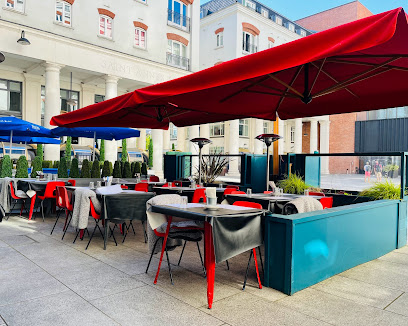
Dumpling Library
1.3 km
Experience a vibrant Pan-Asian feast in Belfast’s unique Dumpling Library, where exquisite dumplings meet creative cocktails in intimate dining pods.
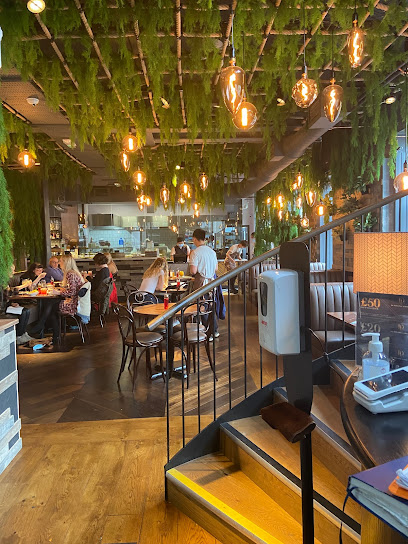
The Great Room Restaurant, Belfast
1.3 km
Experience Belfast’s finest Victorian dining beneath Ireland’s largest chandelier with exquisite local cuisine and impeccable service.
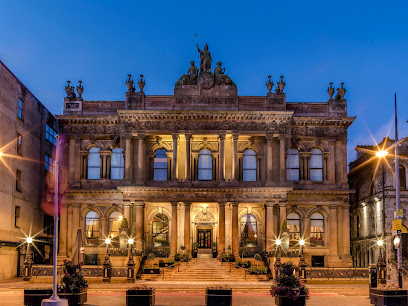
Waterman Restaurant
1.3 km
Discover Waterman Restaurant, Belfast’s Michelin-recognized spot for seasonal European cuisine in a stylish, relaxed setting with local charm.
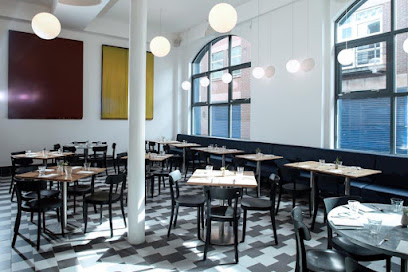
The Thirsty Goat Belfast
1.3 km
Discover Belfast's vibrant culinary scene at The Thirsty Goat, where delicious grilled dishes meet an extensive beverage selection.
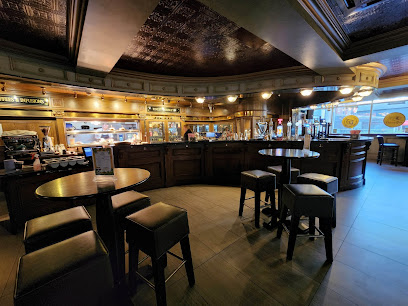
Mumbai 27
1.4 km
Experience authentic Indian flavors and warm hospitality in the heart of Belfast’s Cathedral Quarter at Mumbai 27.
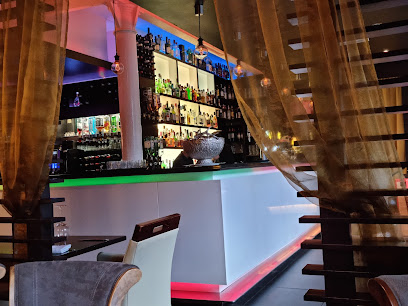
Six By Nico Belfast
1.4 km
Discover Belfast’s vibrant Six By Nico, where inventive six-course tasting menus transform culinary themes into unforgettable dining adventures.
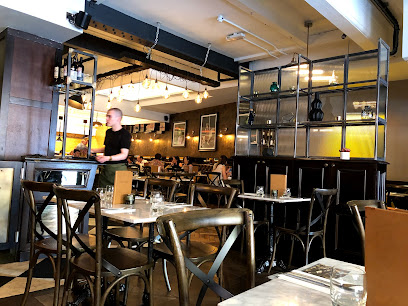
Taylor & Clay
1.4 km
Award-winning Belfast steakhouse with a bespoke wood-fired Asador grill, serving premium local meats and seasonal dishes in a vibrant city-centre setting.
Markets, malls and hidden boutiques

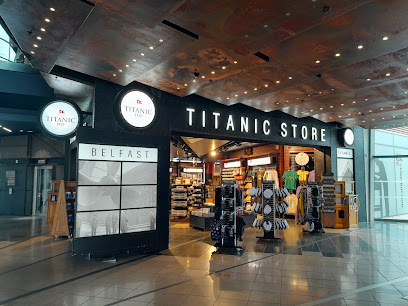
Titanic Store
0.1 km
Discover Titanic treasures in Belfast's shipyard heart: exclusive memorabilia, local crafts, and publications that sail the story of the unsinkable ship into your hands.
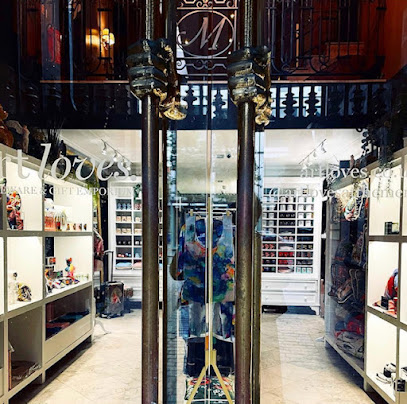
Art Loves at The Merchant
1.3 km
Discover a curated emporium of art-led gifts and homewares within Belfast’s iconic Merchant Hotel, celebrating creativity and craftsmanship.
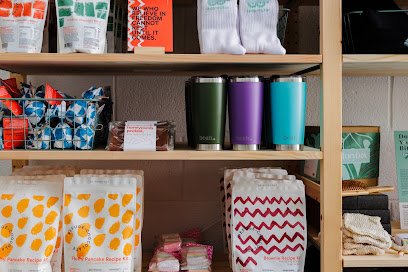
Storybox
1.3 km
Discover Storybox, a creative gift shop nestled in Belfast’s historic Portview Trade Centre, where heritage meets artistry and community spirit.
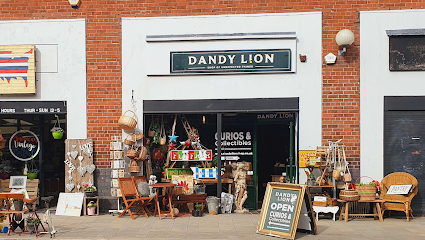
Dandy Lion Shop
1.3 km
Explore the Dandy Lion Shop in Belfast for unique antiques and gifts, perfect for collectors and treasure hunters alike.
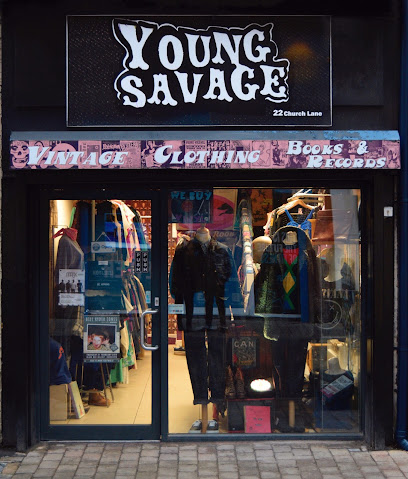
Young Savage - Vintage Clothing, Records and Books
1.4 km
Discover Belfast’s vibrant vintage gem offering unique clothing, rare records, and curated books in a welcoming, multi-floor cultural haven.
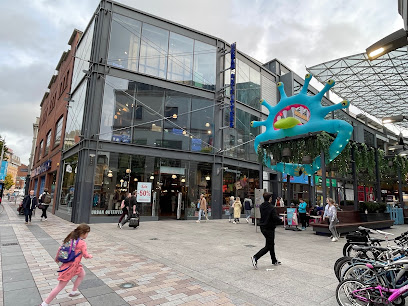
Urban Outfitters
1.4 km
Discover Urban Outfitters Belfast on Ann Street — where cutting-edge fashion meets creative lifestyle in Northern Ireland’s vibrant capital.
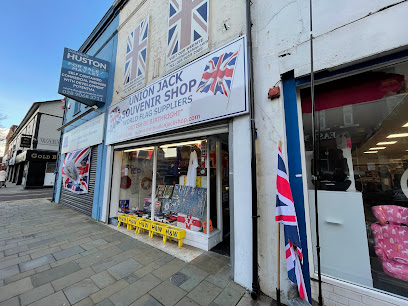
The Union Jack Shop
1.4 km
Explore a treasure trove of Unionist memorabilia at The Union Jack Shop in Belfast, celebrating British culture with a unique selection of gifts.
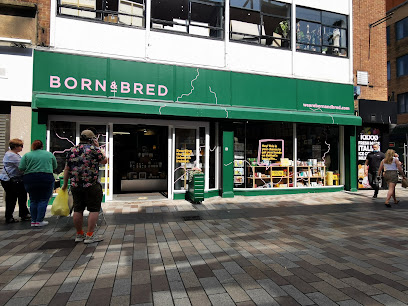
Born and Bred
1.4 km
Explore Born and Bred in Belfast for unique Irish gifts and souvenirs that capture the spirit of Northern Ireland.
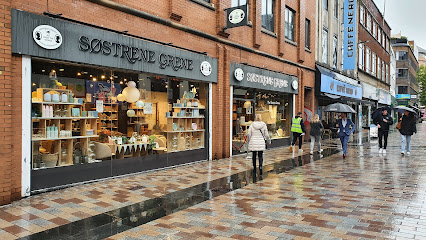
Søstrene Grene
1.5 km
Discover Scandinavian charm and creativity at Søstrene Grene Belfast, your cozy craft and home decor destination in the city center.
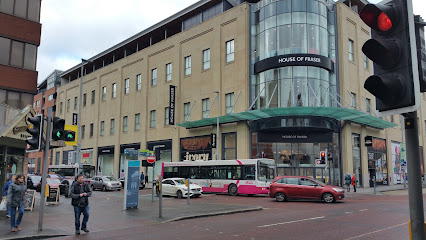
House of Fraser
1.5 km
A historic Belfast department store blending fashion, beauty, and homewares in the heart of Victoria Square’s vibrant shopping scene.
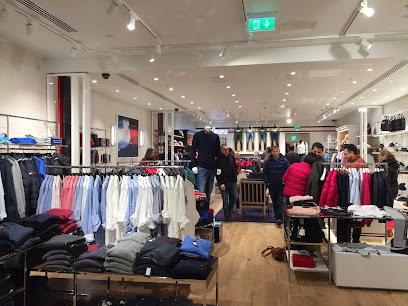
Tommy Hilfiger
1.5 km
Discover classic American style with a modern twist at Tommy Hilfiger, nestled in Belfast’s vibrant Victoria Square shopping centre.
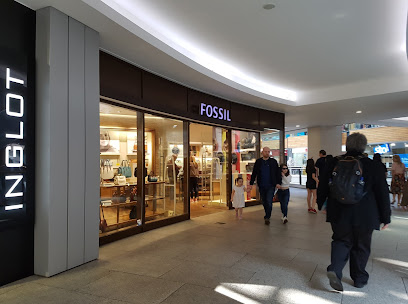
Fossil Store Belfast
1.5 km
Discover timeless American vintage-inspired watches and accessories in the heart of Belfast’s vibrant Victoria Square.
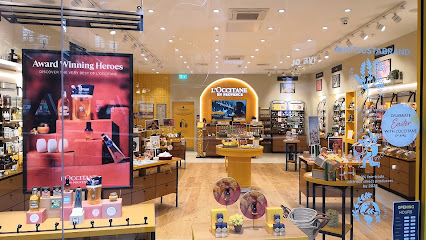
L'OCCITANE EN PROVENCE
1.5 km
Experience the natural beauty and timeless elegance of Provence at L'OCCITANE in Belfast’s vibrant Victoria Square.
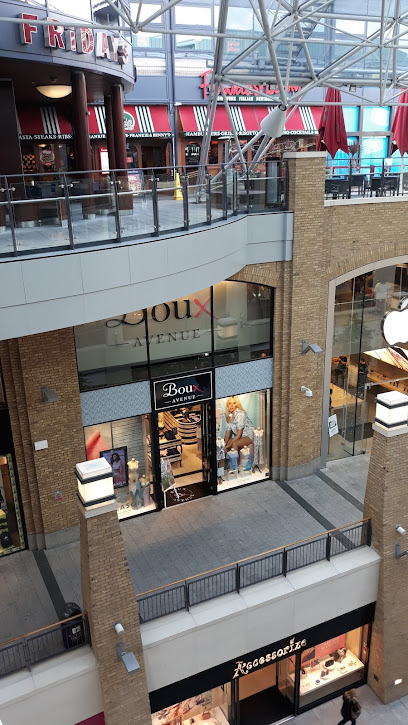
Boux Avenue
1.5 km
Discover affordable luxury lingerie and expert fittings in the heart of Belfast’s vibrant Victoria Square.
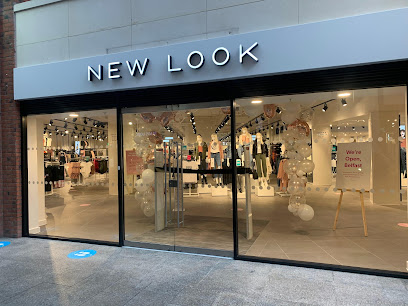
New Look
1.5 km
Contemporary fashion retail in Belfast's premier shopping destination with extended hours and convenient services.
Essential bars & hidden hideouts

The Harland Bar
0.0 km
Elegant piano bar in Harland & Wolff's historic offices, serving Titanic-inspired cocktails amid shipyard artefacts and live music in Belfast's Titanic Quarter.
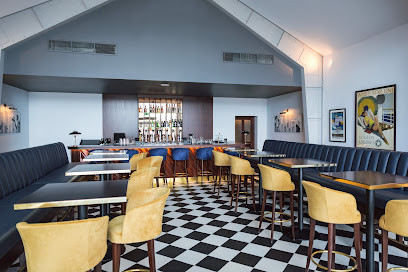
Pavilion One Bar
0.0 km
A convivial, shipyard‑inspired hotel bar with polished brass, hearty pub dishes and a relaxed atmosphere in the Titanic Hotel Belfast.
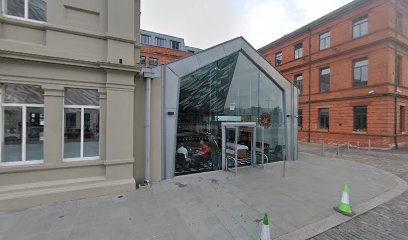
The American Bar
0.7 km
Historic Sailortown pub pouring perfect pints, live tunes, and bargain bites in Belfast's Docklands—a raw gem for locals and music seekers.
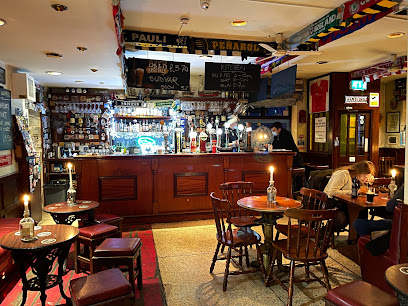
The Tipsy Bird
1.3 km
Experience Belfast's vibrant nightlife at The Tipsy Bird, where creative cocktails meet a cozy atmosphere, perfect for every traveler seeking fun.
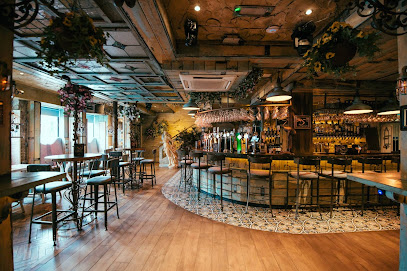
39 Gordon Street
1.3 km
Vibrant Cathedral Quarter cocktail bar pulsing with live music, craft drinks, and tasty tacos in Belfast's historic heart.
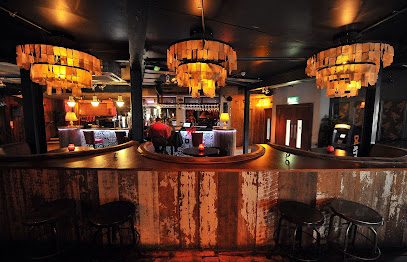
Ulster Sports Club
1.3 km
Experience the lively atmosphere of Ulster Sports Club, Belfast's top sports bar, offering delicious food, live music, and an electric ambiance.
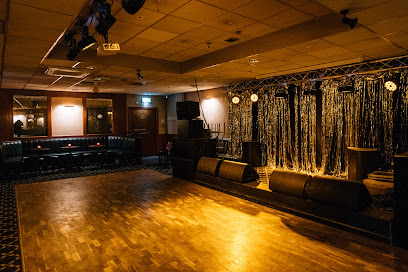
Bert's Jazz Bar
1.3 km
Discover the vibrant atmosphere of Bert's Jazz Bar in Belfast, where live music, exceptional cocktails, and delectable cuisine create an unforgettable experience.
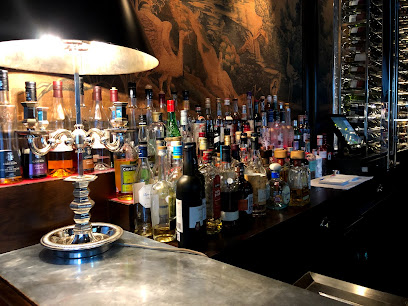
The Black Box
1.4 km
Belfast's intimate arts hub: live music, comedy, theatre, and casual bar vibes in a historic townhouse setting.
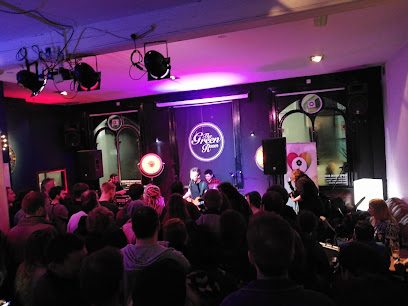
The Spaniard
1.4 km
A cozy, quirky pub in Belfast’s Cathedral Quarter, famed for its lively music, extensive rum selection, and intimate atmosphere.
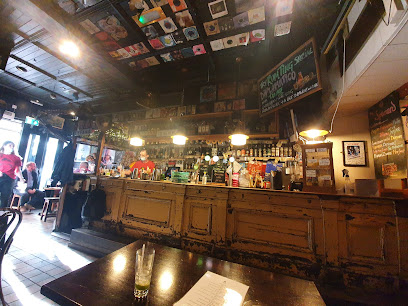
The Dark Horse
1.4 km
Quirky Cathedral Quarter pub with historic artifacts, poetic courtyard, Game of Thrones door, and superb drinks amid Belfast's cobbled charm.
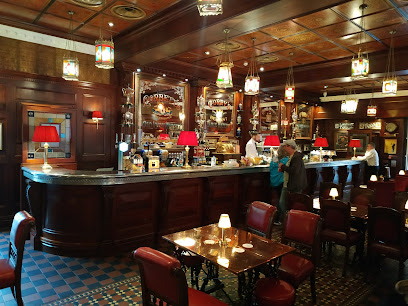
The National
1.4 km
Victorian grandeur meets modern Belfast buzz in this multi-bar haven for all-day eats, drinks, and live tunes on lively High Street.
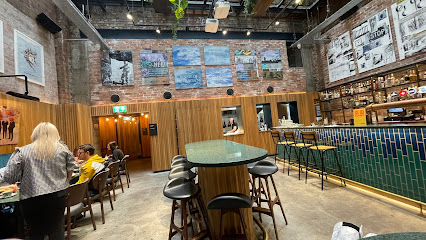
Bittles Bar
1.4 km
Discover Belfast’s iconic flatiron-shaped pub, Bittles Bar, where rich Irish culture, history, and a curated whiskey selection blend in a cozy, historic setting.
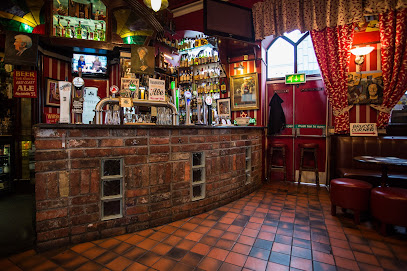
The Jailhouse
1.5 km
Historic Belfast pub blending vintage charm with lively cocktails and hearty fare in a character-filled setting at Joy’s Entry.
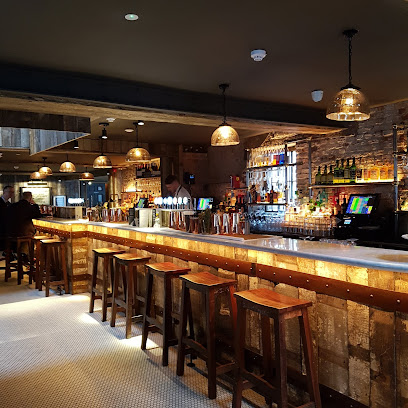
Henry's
1.5 km
A lively Belfast pub and restaurant blending historic charm with modern dining, live music, and a vibrant social scene.
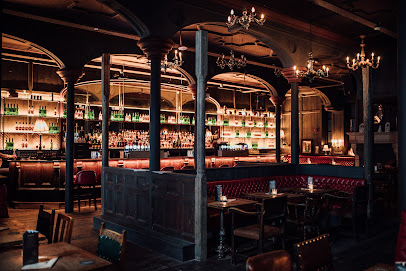
The Reporter. Bar
1.5 km
A cozy, quirky, dog-friendly bar in Belfast with great bottled beers, live music, and a welcoming atmosphere for all.
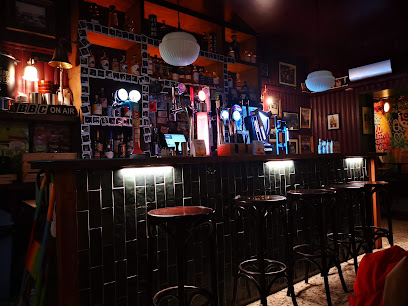
Nightclubs & after hour spots

Club Lux
1.3 km
Dive into Belfast's vibrant nightlife at Club Lux, the ultimate disco club and bar experience with electrifying music and great company.
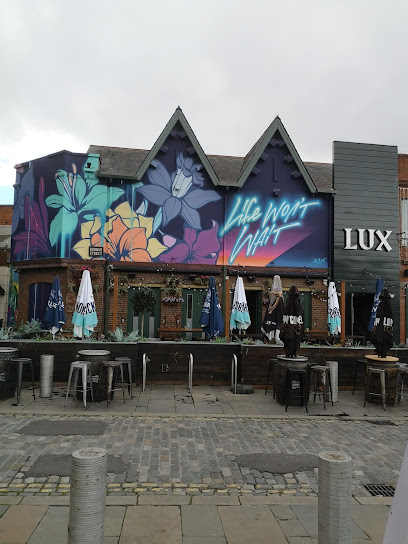
Craics Ninety
1.3 km
A compact, high‑energy clubnight in Belfast’s Common Market that celebrates 1990s music with DJs, themed entertainment and a pulsing dance atmosphere.
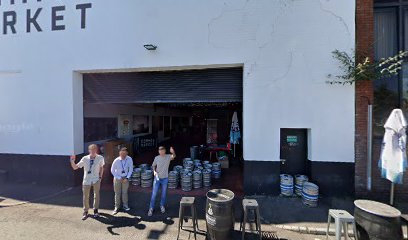
Ollie's Belfast
1.3 km
A compact, late-night nightclub beneath The Merchant Hotel — brick-vaulted interiors, VIP booths and a focused dancefloor for weekend clubbing.
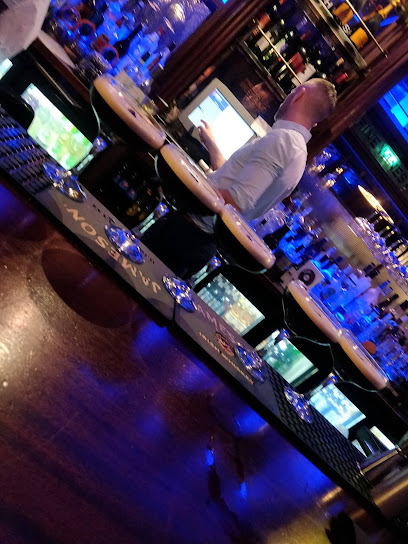
Kremlin
1.5 km
Belfast's beating heart of gay nightlife: dance floors ablaze, cocktails flowing, and community vibes till dawn on Donegall Street.
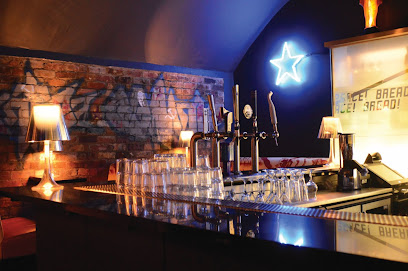
Boombox Belfast
1.5 km
A lively and inclusive gay nightclub in Belfast’s Cathedral Quarter, renowned for drag shows, DJ nights, and a welcoming queer atmosphere.
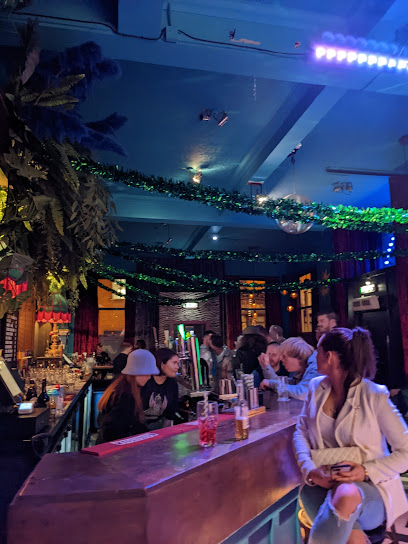
Anthology Ni
1.5 km
A high-energy Belfast nightclub within the Kremlin complex, known for DJ nights, themed performances and lively late‑hour clubbing.
Shoe Factory
1.5 km
Experience the lively and inclusive nightlife at Shoe Factory, Belfast's top gay nightclub, where music, dance, and celebration come together.
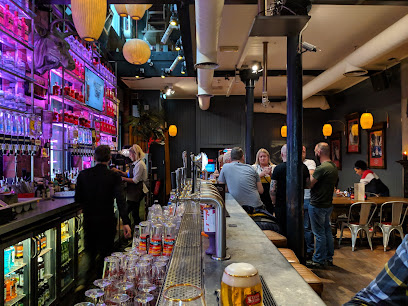
The Art Department
1.6 km
Experience the electrifying nightlife at The Art Department, Belfast's ultimate dance club with an artistic twist.
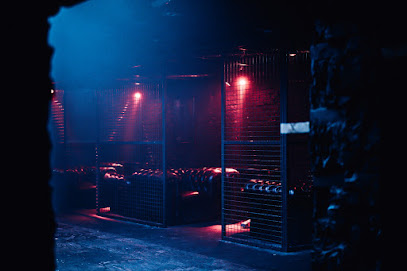
Cabaret Supper Club
1.7 km
Discover the vibrant nightlife of Belfast at Cabaret Supper Club, where exquisite dining meets captivating performances for an unforgettable experience.
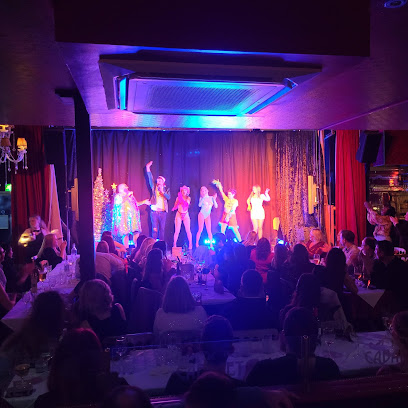
Thompsons Garage
1.7 km
Experience the vibrant nightlife of Belfast at Thompsons Garage, where music, dancing, and unforgettable memories await every night.
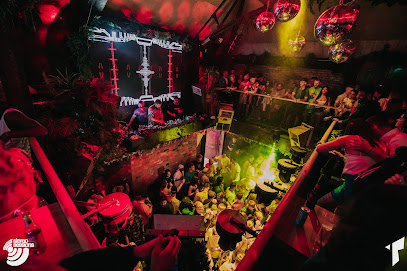
Voodoo
1.8 km
Experience the electric atmosphere of Voodoo, Belfast's top night club, featuring live music, great drinks, and an unforgettable nightlife experience.
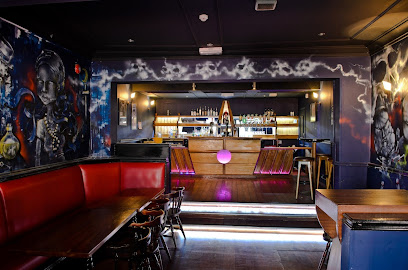
Alibi
2.7 km
Energetic R&B nightclub with guest DJs, cocktails, and a lively terrace in Belfast’s vibrant Queen’s Quarter.
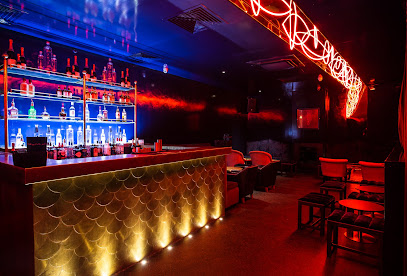
Scratch Nightclub
2.7 km
Experience Belfast’s vibrant nightlife at Scratch Nightclub, where diverse music and a lively atmosphere create unforgettable late-night memories.
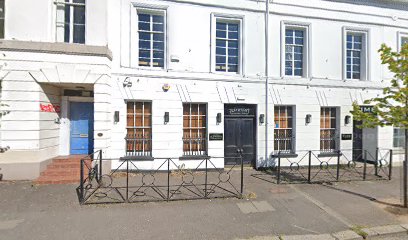
Club Honey
3.7 km
Experience Belfast’s vibrant nightlife at Club Honey, where energetic music and lively crowds create unforgettable nights on Falls Road.
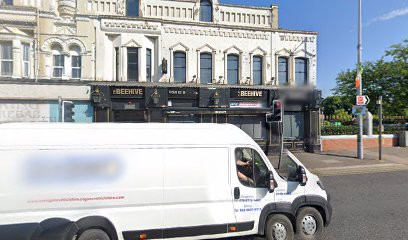
Saturday Night Nightclub
13.0 km
Experience the vibrant pulse of Newtownards nightlife at Saturday Night Nightclub, where music, dancing, and social energy come alive.
For the vibe & atmosphere seeker
- Historic
- Scenic
- Unique
- Tranquil
For the design and aesthetic lover
- Vintage Styles
- Industrial Designs
For the architecture buff
- Historic
- Landmarks
For the view chaser and sunset hunter
- Iconic Views
For the social media creator & influencer
- Instagrammable
- Architectural Shots
For the eco-conscious traveler
- Protected Area
- Public-Transport Accessible
- Locally Managed
For the kind of experience you’re after
- Cultural Heritage
- Photowalk
- Day Trip
- Weekend Getaway
For how adventurous you want the journey to be
- Easy Access
Location Audience
- Family Friendly
- Senior Friendly
- Child Friendly
- Teen Friendly
- Wheelchair Access
- Solo Friendly
- Couple Friendly
- Solo Female Friendly


