
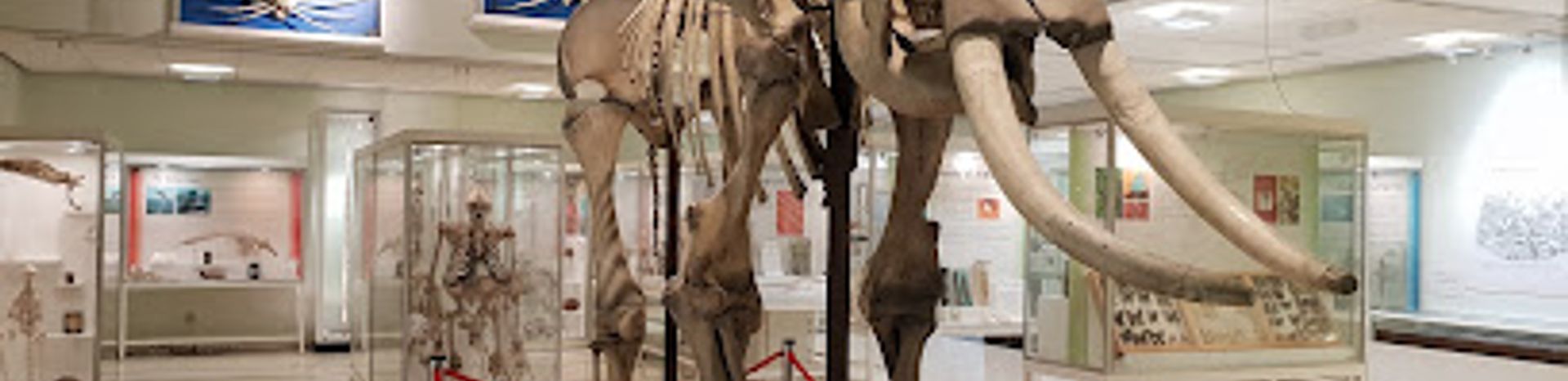
Cole Museum of Zoology
A free treasure trove of early 20th-century zoological specimens and comparative anatomy in Reading's university museum.
A remarkable free university museum housed in the University of Reading's Health and Life Sciences building, the Cole Museum of Zoology preserves thousands of zoological specimens collected since 1906. From taxidermied animals and skeletal displays to fossils and anatomical models, this compact yet captivating collection offers an intimate glimpse into early 20th-century animal diversity and remains one of Britain's most complete museums of comparative anatomy.
A brief summary to Cole Museum of Zoology
- Campus, Whiteknights, Reading, RG6 6UA, GB
- +441183787083
- Visit website
- Duration: 0.5 to 2 hours
- Free
-
 Indoor
- Mobile reception: 4 out of 5
- Monday 9 am-5 pm
- Tuesday 9 am-5 pm
- Wednesday 9 am-5 pm
- Thursday 9 am-5 pm
- Friday 9 am-5 pm
Local tips
- Arrive on weekday mornings for the quietest experience and best opportunity to study specimens without crowds. The museum is small but densely packed with fascinating displays.
- Download the museum's printable worksheet and colouring sheet before your visit to enhance engagement, particularly if visiting with children.
- Plan for 30 minutes to 2 hours depending on your level of interest; this is not an all-day destination but offers excellent value for a focused educational visit.
- Use public transport if possible—parking on campus is limited and incurs charges. Local buses serve the Whiteknights Campus regularly from Reading town centre.
- Check the museum's calendar before visiting, as it may close during university teaching periods or closure days. Group visits require advance booking.

For the on-the-go comforts that matter to you
- Restrooms
- Drink Options
- Food Options
- Seating Areas
- Information Boards
Getting There
-
Public Bus
Local buses from Reading town centre serve the Whiteknights Campus regularly. Journey time from the town centre is approximately 15–25 minutes depending on the route and traffic conditions. Buses are frequent during weekdays and less frequent on weekends. The museum is a short walk from the bus stop on campus. No fare payment is required beyond standard local bus fares, typically £1.50–£3.00 per journey.
-
Car with Parking
Drive to the Whiteknights Campus and use Carpark 1A, the designated visitor car park approximately 10 minutes' walk from the Health and Life Sciences building. Parking is pay-and-display; typical charges are £1.50–£2.50 per hour. The campus is well signposted from Reading town centre, approximately 3–4 miles away, with a driving time of 10–15 minutes depending on traffic.
-
Taxi or Ride-Share
Taxis and ride-share services from Reading town centre to the Whiteknights Campus take approximately 10–15 minutes. Estimated fares range from £12–£20 depending on traffic and the service used. This option is convenient for visitors without access to a car or those preferring not to navigate campus parking.
-
Walking from Campus
If already on the Whiteknights Campus, the Health and Life Sciences building is accessible via the main campus pathways. Walking from the main campus entrance takes approximately 15–20 minutes depending on your starting point. The building is clearly signposted, and campus maps are available at the main entrance.
Cole Museum of Zoology location weather suitability
-
 Any Weather
Discover more about Cole Museum of Zoology
A Century of Zoological Passion
Founded in 1906 by Professor Francis Cole, the Cole Museum of Zoology emerged from one man's extraordinary vision and dedication to understanding animal life. When Cole arrived at University College Reading, he began systematically building a collection through creative means—encouraging donations from overseas visitors, soliciting finds from students returning from research expeditions and holidays worldwide, and personally acquiring specimens that captured his scientific curiosity. By 1939, the prestigious journal Nature recognized the collection as being "without a rival" among its contemporaries, a testament to Cole's meticulous curation and the breadth of his gathering efforts.A Snapshot of Animal Diversity
Today, the Cole Museum houses thousands of specimens representing a unique snapshot of animal diversity frozen in the early 20th century. The collection encompasses taxidermied animals, articulated skeletons, histological preparations, fluid-preserved dissections, fossil material, plaster casts, and exquisite models depicting developmental stages and extinct species. Each specimen tells a story of zoological significance and comparative anatomy—the study of structural differences between animals. Remarkably, the Cole collection remains intact in its entirety, a rarity among British museums and a source of continuous educational value for students and visitors alike.The Scholar's Library and Modern Home
Complementing the physical specimens is the Cole Library, a distinguished collection of first editions and rare volumes of zoological and medical texts. This scholarly resource may be viewed by appointment, offering researchers and enthusiasts access to historical scientific literature that contextualizes the museum's specimens. In recent years, the museum relocated to a brand new home within the Health and Life Sciences building on the Whiteknights Campus, providing enhanced display conditions and improved accessibility while maintaining the integrity and significance of Cole's legacy.An Educational Institution for All Ages
The Cole Museum serves as both a teaching resource for University of Reading students and an open invitation to the general public. Visitors of all ages encounter fascinating specimens thoughtfully arranged with informative labels and context. The museum offers downloadable worksheets and colouring sheets designed to engage younger visitors, transforming a visit into an interactive learning experience. Whether you arrive with curiosity about a specific animal group or simply wish to explore the wonders of comparative anatomy, the museum's compact size belies the depth and quality of its holdings.Accessibility and Practical Considerations
Located on the Whiteknights Campus, the museum occupies the ground floor of the Health and Life Sciences building, making it accessible to visitors without requiring extensive navigation through the university grounds. Parking on campus is limited and typically requires payment at designated car parks, with Carpark 1A situated approximately a 10-minute walk from the museum entrance. Public transport connections to Reading town centre offer an alternative, with local buses providing regular service to the campus. The museum remains closed on weekends, bank holidays, and during university closure periods, so advance verification of opening hours is advisable.Iconic landmarks you can’t miss

Hilton Reading
2.5 km
Discover the perfect blend of modern luxury and convenience at Hilton Reading, your ideal base to explore the vibrant city and surrounding attractions.
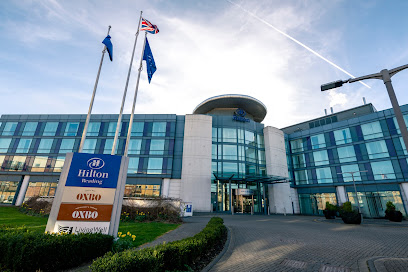
Edward VII Statue
3.0 km
A distinguished Edwardian bronze statue near Reading station, embodying regal history and artistic heritage from the early 20th century.
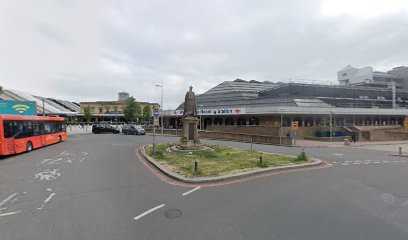
Holy Well of St Anne
4.2 km
A tranquil medieval pilgrimage site in Reading, dedicated to St Anne, echoing centuries of healing waters and local legend.
Maidenhead Railway Bridge
19.1 km
A masterpiece of Victorian engineering, Maidenhead Railway Bridge showcases Brunel’s groundbreaking design with its iconic flat brick arches spanning the Thames.
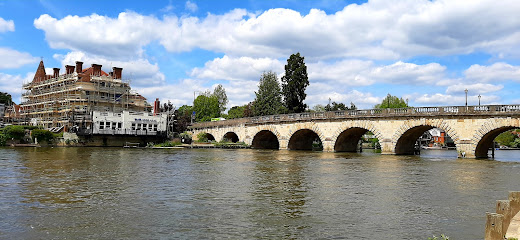
Virgin Experience Days
22.5 km
Uncover unique gifts and memorable experiences at Virgin Experience Days in Bourne End, a must-visit for every tourist seeking adventure.
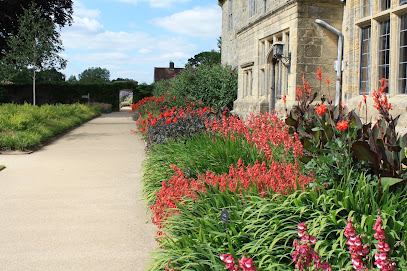
King George III & His Horse Statue
23.2 km
Majestic bronze statue of King George III atop Snow Hill, crowned by stunning views along Windsor Great Park’s historic Long Walk.

Sydney Camm Memorial
23.2 km
A full-size Hawker Hurricane replica honouring the Windsor-born designer who shaped aviation history.
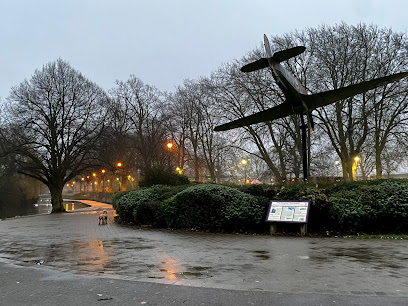
River Thames Windsor
23.4 km
Discover the beauty and history of the River Thames in Windsor, a picturesque destination perfect for leisurely strolls and scenic boat rides.
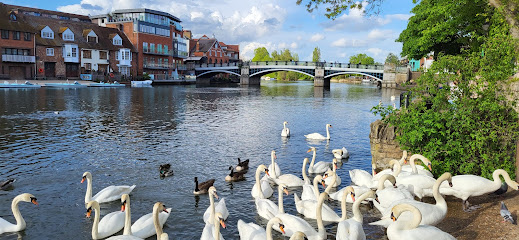
Windsor Wheel
23.6 km
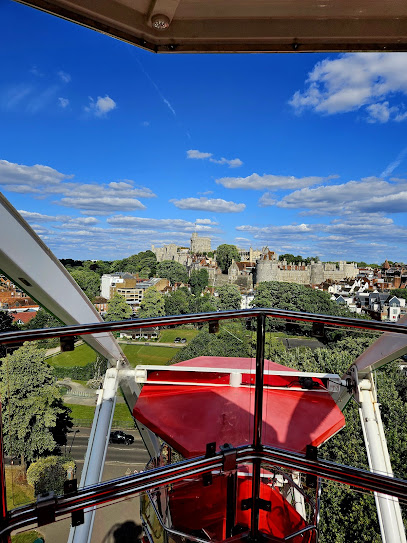
Experience breathtaking views of Windsor and its iconic landmarks from the heights of the Royal Windsor Wheel, a must-visit tourist attraction in Alexandra Gardens.
Monument Commemorating the Diamond Jubilee
23.6 km
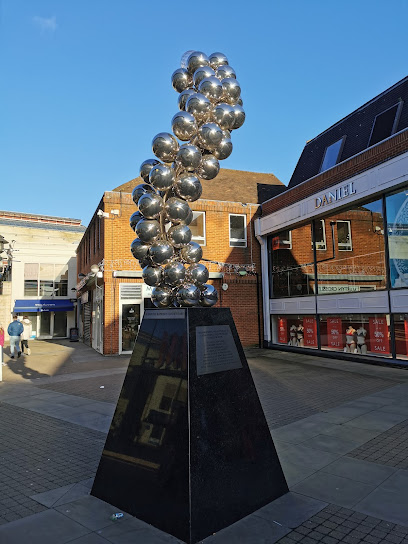
Explore the Monument Commemorating the Diamond Jubilee, a stunning tribute to Queen Elizabeth II in the heart of Windsor, rich with royal history.
Historical Windsor
23.6 km
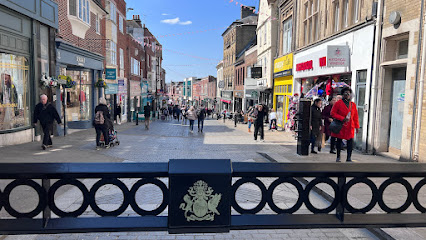
Discover unique souvenirs and gifts at Historical Windsor, the perfect shop to capture the essence of this royal town's heritage.
Diamond Jubilee Water Fountains
23.6 km
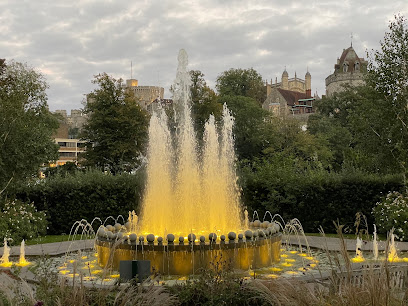
Immerse yourself in the beauty and history of the Diamond Jubilee Water Fountains, a captivating landmark in Windsor celebrating Queen Elizabeth II.
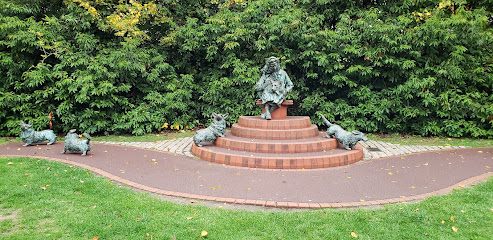
The Windsor Lady (The Queen and her Corgis)
23.8 km
Celebrate Queen Elizabeth II’s enduring love for her iconic corgis at Windsor’s charming historical landmark, The Windsor Lady.
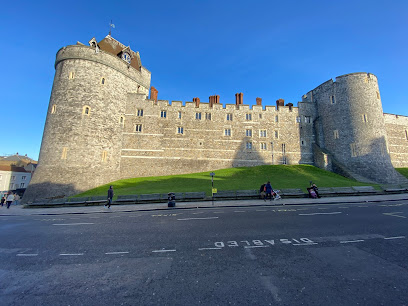
The Curfew Tower
23.8 km
Explore the medieval Curfew Tower, a historic bell tower and fortress sentinel within Windsor Castle’s ancient walls.
H. G. Wells White Plaque
23.8 km
Discover the H. G. Wells White Plaque on Windsor’s High Street, marking the early footsteps of a legendary science fiction pioneer.
Unmissable attractions to see

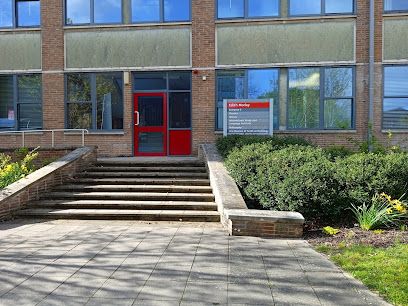
Ure Museum of Greek Archaeology
0.4 km
Discover one of Britain’s finest collections of ancient Greek and Egyptian artefacts in a compact, scholarly museum at the University of Reading.
The Museum of English Rural Life
1.7 km
Explore England’s rural past through immersive galleries, archives, and a peaceful garden at The Museum of English Rural Life in Reading.
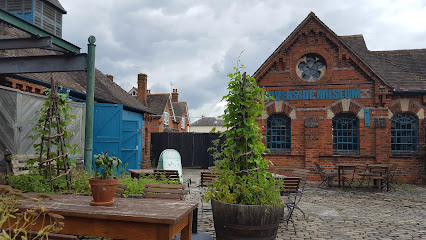
Riverside Museum
2.2 km
A peaceful riverside museum in Reading, where Victorian waterworks meet seasonal art and the story of the Kennet River unfolds.
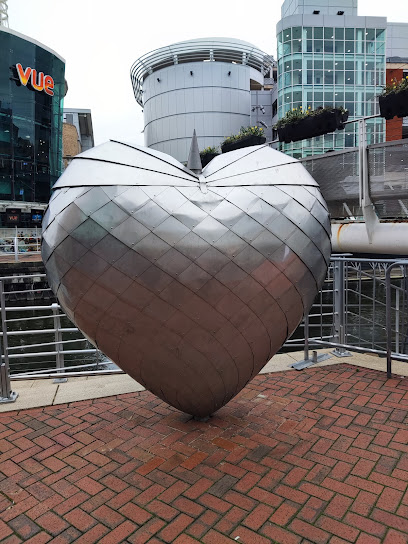
The Armoured Heart sculpture
2.5 km
A powerful symbol of peace and hope against knife crime, crafted from reclaimed blades and community spirit in Reading.
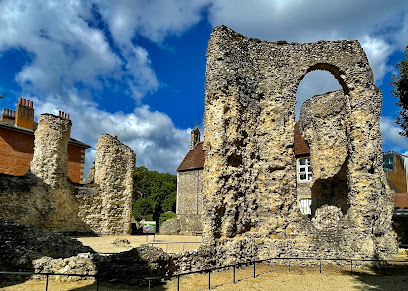
Reading Abbey Ruins
2.5 km
Uncover the historical charm of Reading Abbey Ruins, a captivating landmark that offers a glimpse into the past amidst tranquil gardens.
Maiwand Lion
2.7 km
Explore the historic Maiwand Lion in Reading, a stunning monument commemorating the bravery of the 66th Berkshire Regiment amidst beautiful gardens.
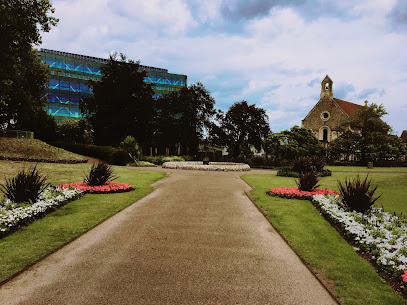
King's Meadow
2.8 km
Peaceful riverside park in Reading offering green space, scenic views, and community events along the Thames.
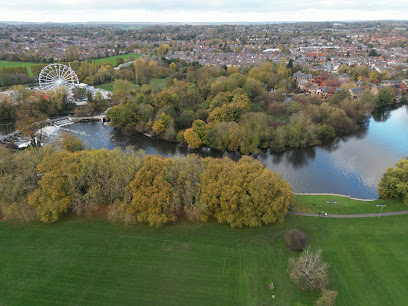
Britain's Bayeux Tapestry
2.8 km
Explore the stunning Victorian replica of the Bayeux Tapestry, a vivid embroidered narrative of the Norman Conquest, housed in Reading Museum’s historic gallery.
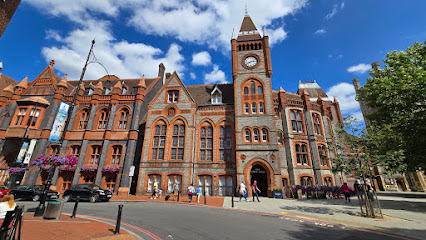
Reading Museum
2.8 km
Discover Berkshire’s rich heritage through captivating exhibits and a historic setting in the heart of Reading.
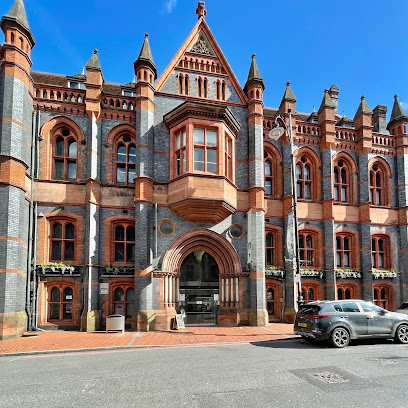
Broad Street Mall
2.9 km
A vibrant community-focused shopping and entertainment centre in Reading with diverse retail, dining, and leisure options.
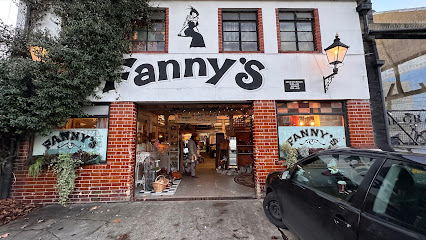
Fanny's Antiques
3.3 km
Discover Reading’s eclectic antique gem offering vintage treasures, rustic furniture, and quirky curios at affordable prices with expert staff and free parking.
Knockout Escape Rooms
3.8 km
Engage in immersive escape room adventures with clever puzzles and lively hosts at Reading’s Knockout Escape Rooms on Milford Road.
Escape Reading
4.2 km
Dive into immersive escape room adventures with thrilling puzzles and captivating stories at Escape Reading in the heart of Reading.
Caversham Court
4.2 km
A historic riverside garden in Reading, where centuries of history meet peaceful Thames-side walks and open-air Shakespeare under the trees.
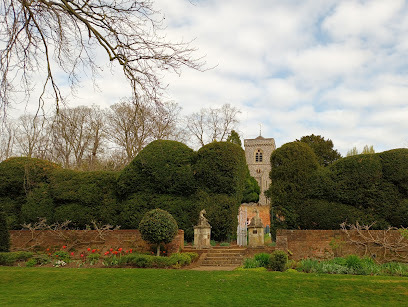
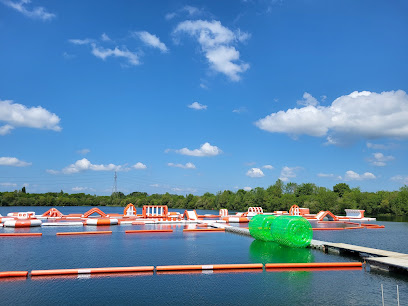
Lagoona Park
4.3 km
Experience thrilling watersports, family fun, and unforgettable events at Reading’s vibrant Lagoona Park, a lakeside urban oasis.
Essential places to dine

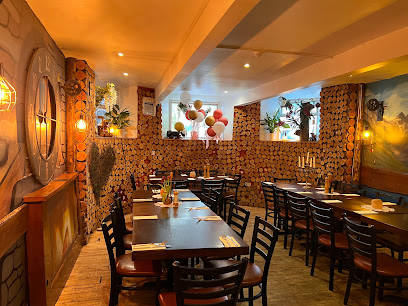
Piwnica Restaurant
1.8 km
Savor authentic Polish cuisine with generous portions and warm hospitality in a charming Reading cellar restaurant.
Miller & Carter Oracle
2.5 km
Savor expertly aged Black Angus steaks and vibrant bar & grill fare in the heart of Reading’s Oracle Centre.
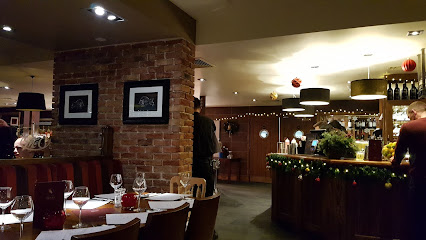
London Street Brasserie
2.5 km
Elegant riverside dining in Reading offering refined British cuisine with local, seasonal ingredients and a warm, inviting atmosphere.
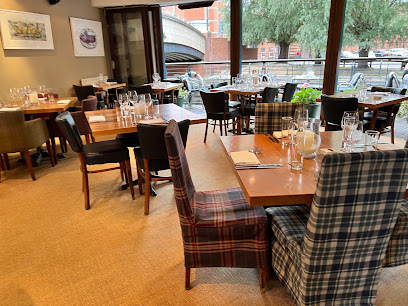
The Botanist Reading
2.6 km
Experience live music and delicious dining at The Botanist Reading - where every visit offers something new!
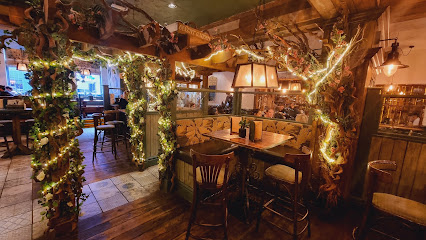
Buenasado Argentine Steakhouse - Reading
2.7 km
Savor authentic Argentinian steaks grilled to perfection in a vibrant riverside setting at Buenasado Argentine Steakhouse, Reading.
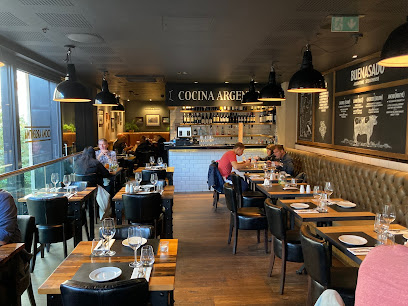
Bill's Reading Restaurant
2.8 km
Elegant Georgian setting meets hearty British fare with all-day dining, private rooms, and a sunny terrace in Reading’s town centre.
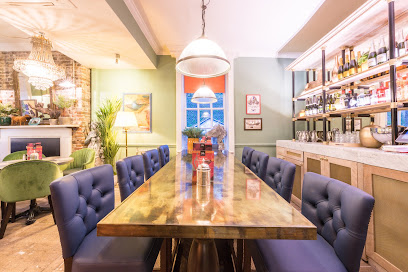
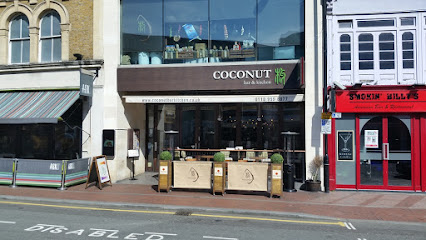
Coconut Bar & Kitchen
2.9 km
A vibrant Pan-Asian hotspot in Reading blending bold flavors, crafted cocktails, and an industrial chic vibe for all-day dining and late-night fun.
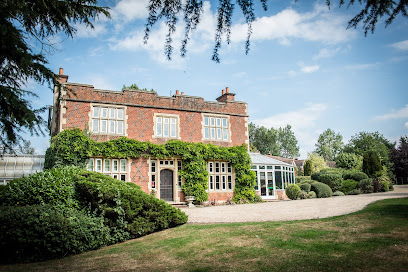
L'Ortolan
3.4 km
Experience the legacy of L'Ortolan, Reading’s iconic Michelin-starred French fine dining restaurant housed in a historic 1840s building.
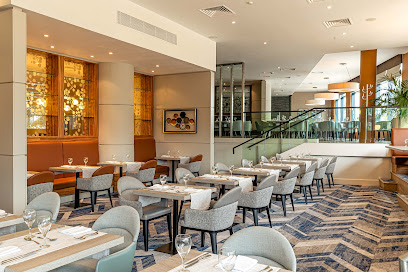
Caprice Restaurant at Crowne Plaza Reading East
3.8 km
Award-winning modern British and authentic Indian dining in a stylish setting at Crowne Plaza Reading East with a charming terrace and refined afternoon tea.
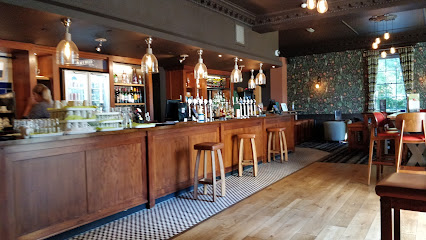
Harvester Mansion House Reading
4.9 km
Family-friendly British grill and bar in a historic setting with fresh salads and hearty meals in Reading’s Prospect Park.
Miller & Carter Caversham
5.5 km
Savor expertly aged Black Angus steaks in a warm, inviting setting at Miller & Carter Caversham, Reading’s premier steakhouse destination.
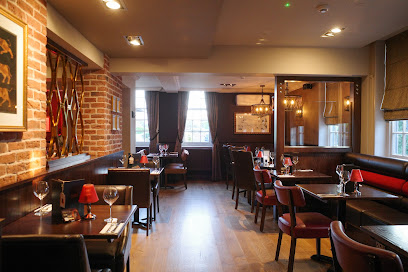
Chalk
8.1 km
Chalk Restaurant offers warm, stylish dining with quality modern English cuisine and a welcoming atmosphere in central Wokingham.
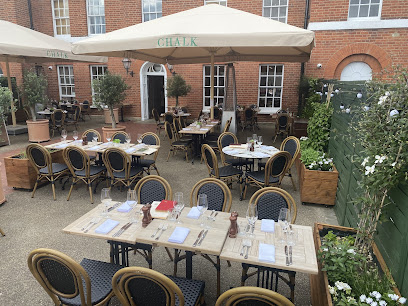
The Shurlock Inn
10.1 km
A charming 17th-century English gastropub blending historic charm with modern British cuisine and a lively bar scene.
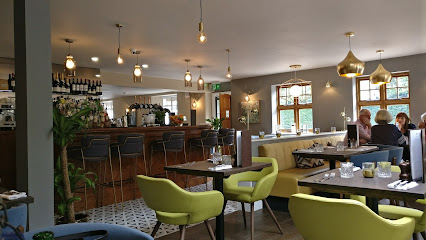
The Herd Restaurant
11.2 km
Experience expertly grilled British steaks and vibrant atmosphere in the heart of Pangbourne at The Herd Restaurant.
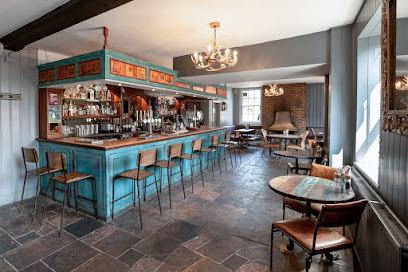
The Spring Inn
11.4 km
A charming gastropub in Sulhamstead offering locally sourced British cuisine, a vibrant drinks selection, and a welcoming countryside atmosphere.
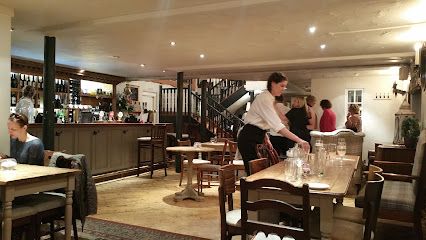
Markets, malls and hidden boutiques

Harris Arcade
2.9 km
Discover Reading’s elegant 1930s Art Deco arcade, home to quirky independent shops and a unique vintage shopping experience.
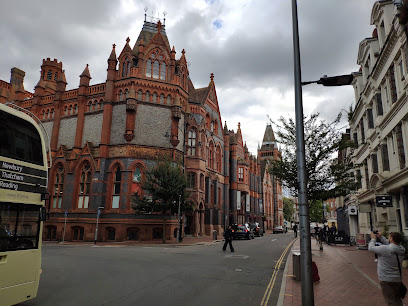
But Is It Art
2.9 km
Discover quirky, art-inspired gifts and British cultural charm at But Is It Art, Reading’s boutique for unique handcrafted treasures.
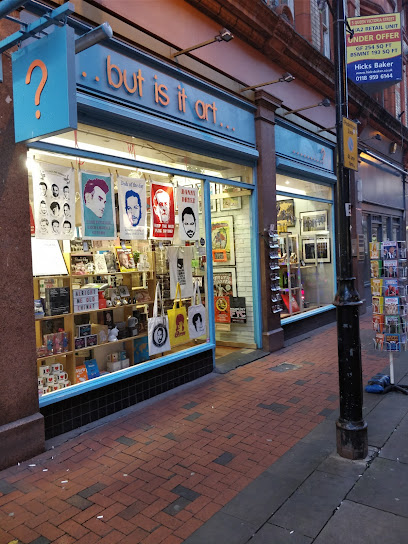
Dolly Rose Vintage Shed
3.9 km
Discover rare vintage fashion treasures and timeless style at Dolly Rose Vintage Shed, Caversham’s beloved boutique for sustainable, curated clothing.
Sugarland uk
5.2 km
Discover a vibrant world of UK and American sweets at Sugarland UK, Reading’s beloved candy shop with pick-and-mix fun and next-day delivery.

Well Cool Stuff
7.1 km
Explore one-of-a-kind gifts and unique souvenirs at Well Cool Stuff, a charming gift shop in Reading that celebrates local culture.
B&M Store
8.1 km
Shop smart and save big at B&M Store in Reading, where unbeatable prices meet a wide selection of products for every traveler.
Englefield Stores & Tea Room
10.9 km
A charming village tea room and store in Englefield offering hearty meals, local produce, and a tranquil rural retreat near Reading.
The Rhubarb Tree
11.2 km
Discover whimsical gifts, artisanal chocolates, and creative balloon art at The Rhubarb Tree, a charming boutique in Pangbourne’s historic High Street.
The Old Grain Barn Antiques, Berkshire
13.4 km
Discover vintage treasures and artisan crafts in a charming antique barn nestled in Berkshire’s Moss End Garden Village.
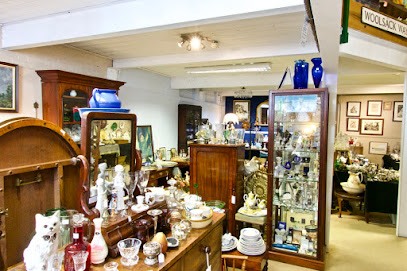
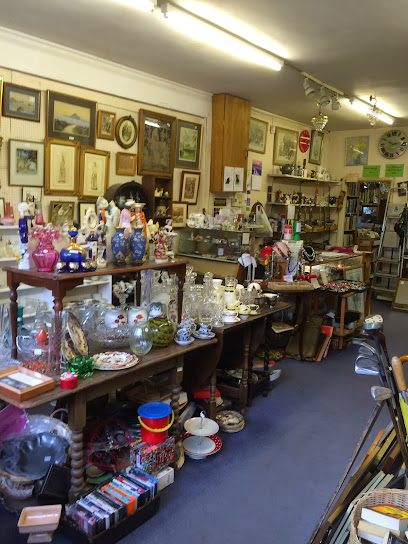
Barbara's Antique and Bric a Brac Shop
16.3 km
Discover unique vintage treasures and quirky gifts at Barbara's Antique and Bric a Brac Shop, a charming gem in the heart of Goring village.
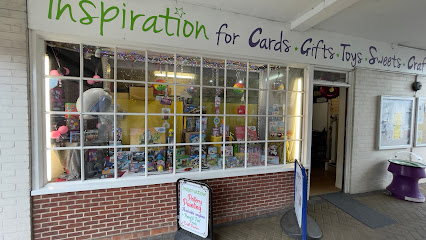
Inspiration
16.3 km
A charming gift shop in Goring Arcade offering traditional sweets, toys, stationery, pottery classes, and bespoke balloons for all occasions.
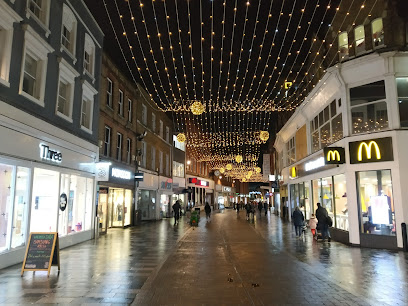
Nicholsons Shopping Centre
18.0 km
A vibrant shopping hub in Maidenhead blending big-name brands with charming boutiques for a diverse retail experience.
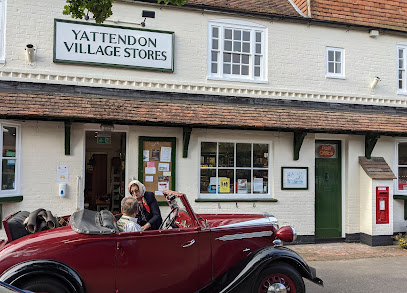
Yattendon Village Stores & Post Office
18.5 km
A welcoming village hub combining convenience shopping and postal services in the heart of Yattendon.
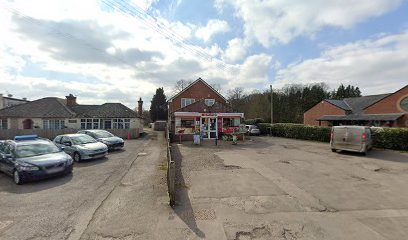
Peach's Stores
19.7 km
Discover the convenience of Peach's Stores, your go-to stop for snacks, beverages, and essentials in Reading, UK.
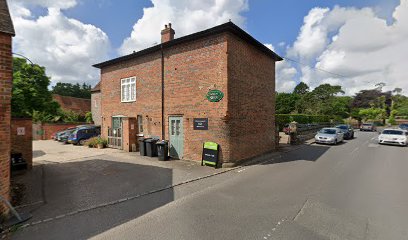
Litten Tree Antiques
21.0 km
Discover unique decorative antiques and bespoke vintage furniture in a charming historic Wesleyan Chapel in Hampstead Norreys.
Essential bars & hidden hideouts

The Three Tuns
1.0 km
Historic Reading pub blending traditional charm with lively bar and restaurant vibes on bustling Wokingham Road.
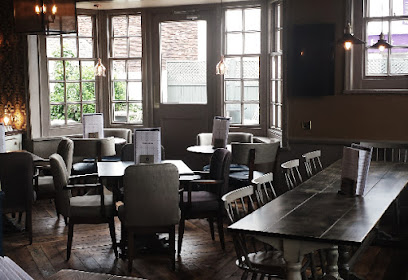
Hope & Bear
1.7 km
A classic Reading pub with vintage charm, two beer gardens, and a welcoming atmosphere for food, drinks, and lively events.
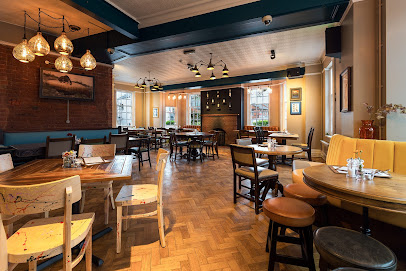
High Spirits Cocktail Company
2.6 km
Expertly crafted cocktails and a vibrant atmosphere in Reading’s city centre, perfect for relaxed evenings and lively weekends.
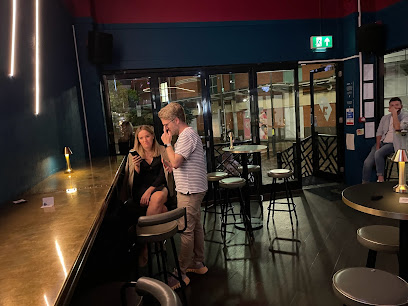
All Bar One Reading
2.6 km
Stylish riverside wine bar in Reading’s Oracle, perfect for cocktails, casual dining, and social gatherings in a modern setting.
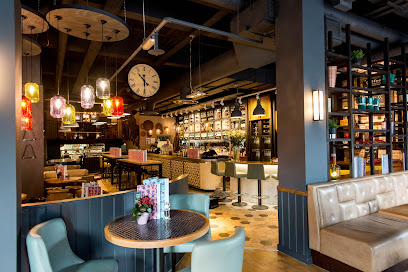
The Cocktail Club - Cocktail Bar in Reading
2.7 km
Vibrant two-floor cocktail bar in Reading’s centre, blending eclectic style with expertly crafted drinks and lively events.
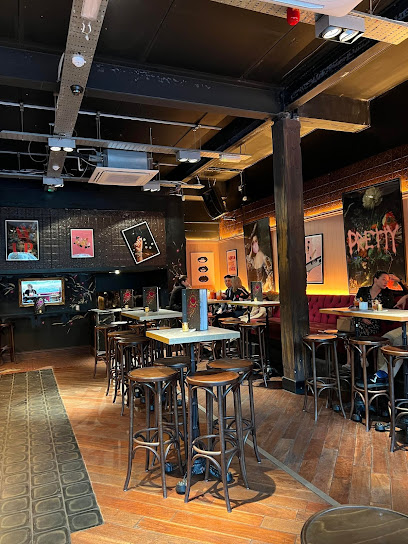
The Purple Turtle
2.7 km
A vibrant bar in Reading famed for its unique layered outdoor spaces and diverse drinks menu, perfect for lively social nights.
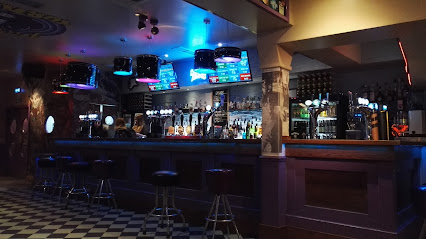
Valpy Street Bar & Bistro
2.8 km
Discover the cozy charm and unique basement ambiance of Valpy Street Bar & Bistro, a stylish spot for flavorful dining and lively evenings in Reading.
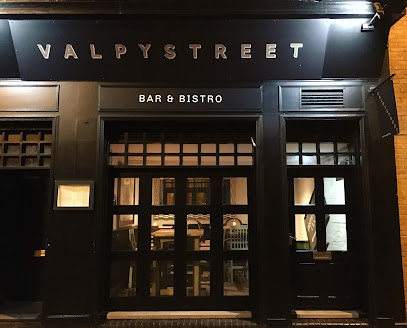
Wild Lime
2.8 km
A vibrant, modern bar in Reading offering fresh food, creative cocktails, and a welcoming atmosphere all week long.
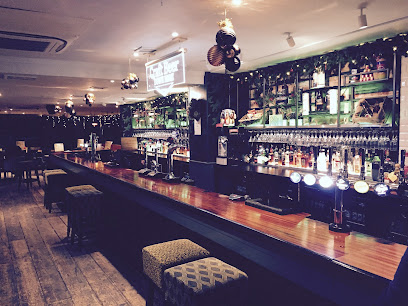
Oakford Social Club
2.9 km
A lively Reading pub with retro charm, great food, diverse drinks, and an inclusive, vibrant atmosphere for every night out.
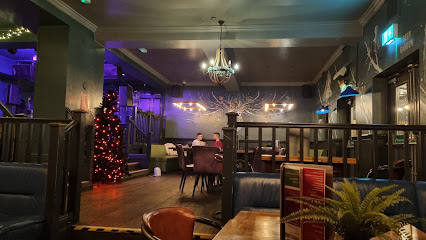
Milk Bar Reading
3.0 km
A vibrant cocktail bar in Reading blending classic flavors with creative twists and a lively urban atmosphere.
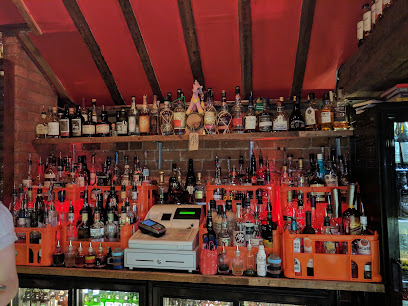
The Nag's Head
3.3 km
A vibrant traditional pub in Reading famed for its exceptional real ales, craft beers, and welcoming atmosphere.
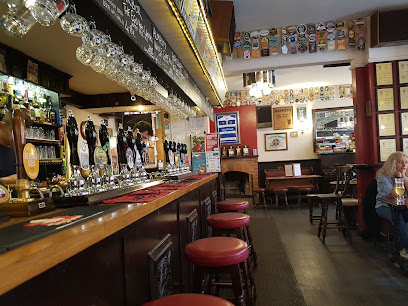
The Face Bar
3.3 km
Experience Reading’s vibrant live music and club scene at The Face Bar, where two rooms bring diverse sounds and late-night energy together.
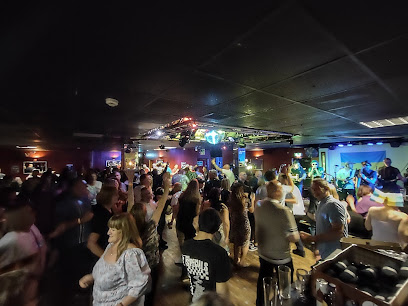
The White Eagle
4.3 km
A lively Polish pub in Reading offering hearty cuisine, a vibrant beer garden, and a welcoming atmosphere for all.
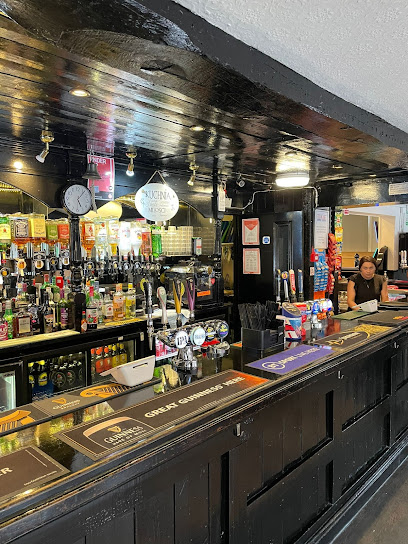
The Lord Raglan
8.2 km
A vibrant gastropub in Wokingham blending hearty meals, quality drinks, and lively atmosphere in a welcoming setting.
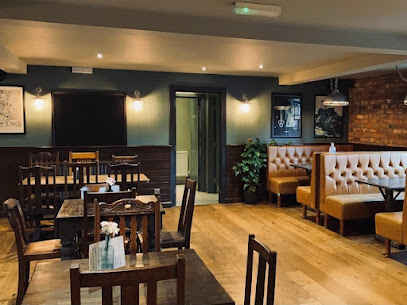
The Fox and Hounds
8.7 km
Charming dog-friendly gastropub in Sulhamstead offering hearty British fare, scenic beer garden, and a warm countryside welcome.
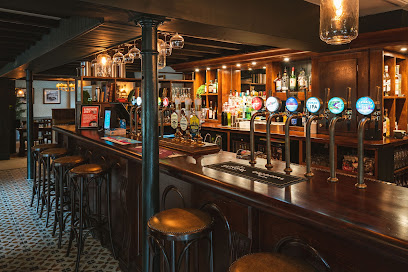
Nightclubs & after hour spots

3sixty
0.3 km
Experience vibrant student nightlife and live events at 3sixty, the University of Reading’s premier nightclub and entertainment venue.
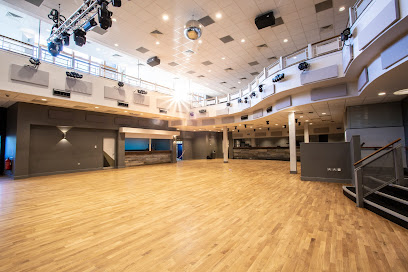
Gun Street Garden
2.7 km
Experience Reading’s vibrant nightlife in an urban jungle-themed club with diverse music, rooftop bar, and VIP lounges.

Q Club
2.9 km
Experience Reading’s energetic nightlife at Q Club, a lively nightclub and bar offering music, drinks, and late-night fun on Friar Street.
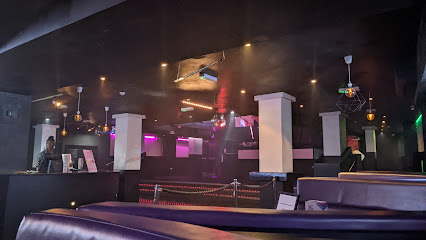
Reading Lola Lo
3.0 km
Experience Reading’s premier tiki-themed nightclub with vibrant cocktails, lively music, and a unique Polynesian atmosphere on Friar Street.
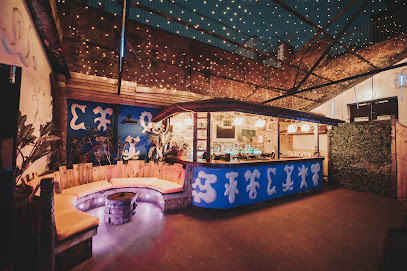
Popworld - Reading
3.0 km
A vibrant pop-themed nightclub in Reading’s city centre, where retro beats meet neon-lit fun for unforgettable nights.

The Binfield Club
10.6 km
Historic social club in Binfield offering vibrant nightlife, live music, sports, and community events in a welcoming atmosphere.
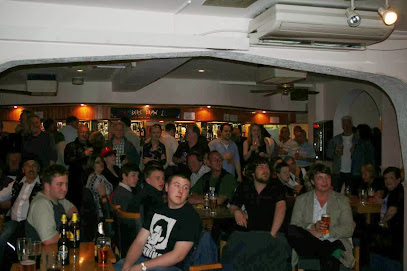
Pink Gentleman's Club.
23.5 km
Sophisticated adult entertainment with exclusive VIP rooms and topless pole shows in the heart of Windsor’s nightlife scene.
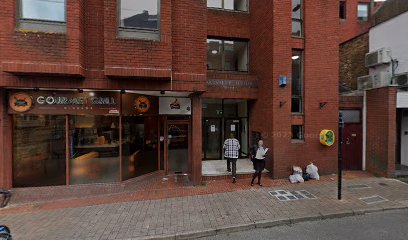
The Boom
23.6 km
Historic arches meet vibrant beats at The Boom, Windsor’s energetic nightclub and bar for unforgettable nights.
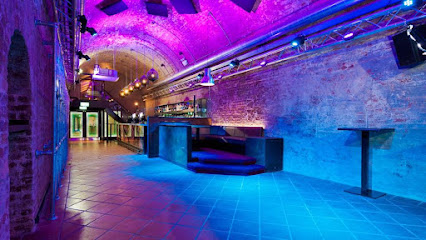
The Scotch
23.7 km
Windsor’s iconic Victorian arch nightclub blending historic charm with eclectic music and circus-themed nightlife.
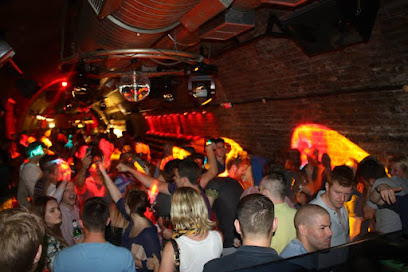
Labyrinth Nightclub Windsor
23.7 km
Experience Windsor’s vibrant nightlife with live DJs, multiple bars, and an electrifying atmosphere at Labyrinth Nightclub.
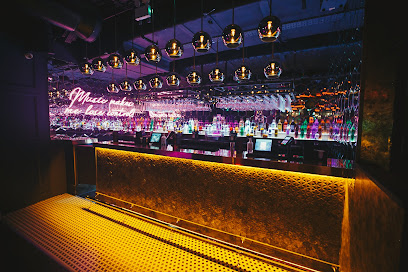
The Venue, Bucks
24.9 km
Experience High Wycombe’s vibrant nightlife at The Venue, Bucks – a lively nightclub with great music, friendly staff, and a welcoming atmosphere.
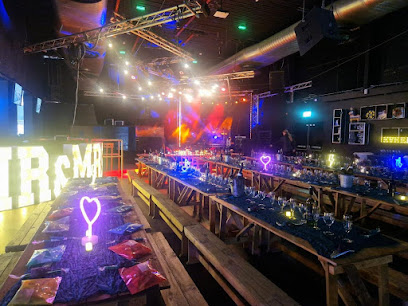
Trilogy Nightclub High Wycombe
25.0 km
A lively multi-room nightclub in High Wycombe offering dynamic music, vibrant crowds, and late-night fun on Paul’s Row.
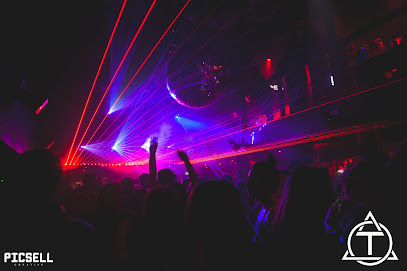
Diligence
25.5 km
Experience the vibrant nightlife and dynamic music scene at Diligence, High Wycombe’s energetic nightclub on London Road.

Winkers Nightclub
33.6 km
A lively, budget-friendly nightclub in Gerrards Cross offering energetic music and a casual local vibe for weekend partygoers.
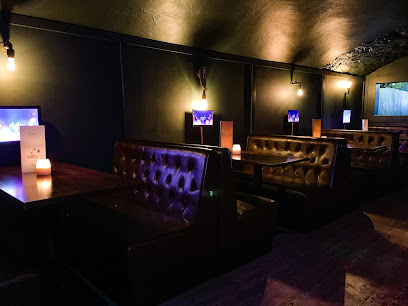
Plush Oxford
41.2 km
Experience Oxford’s vibrant, inclusive nightlife hotspot with great music, cocktails, and a welcoming atmosphere at Plush Oxford.
For the vibe & atmosphere seeker
- Relaxing
- Tranquil
- Unique
- Educational
For the design and aesthetic lover
- Minimalist Designs
- Modern Designs
For the architecture buff
- Modern
- Art & Design
For the view chaser and sunset hunter
- Iconic Views
For the social media creator & influencer
- Photo Spots
- Aesthetic Corners
For the eco-conscious traveler
- Locally Managed
- Low Impact
For the kind of experience you’re after
- Cultural Heritage
- Nature Escape
- Day Trip
For how adventurous you want the journey to be
- Easy Access
Location Audience
- Family Friendly
- Child Friendly
- Senior Friendly
- Solo Friendly
- Couple Friendly
- Wheelchair Access


