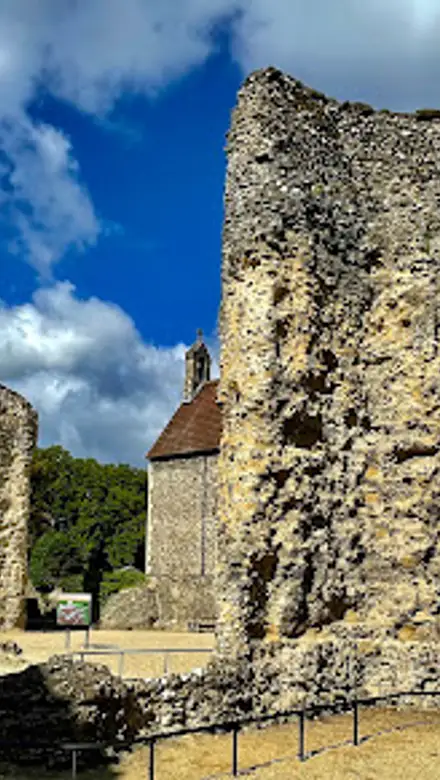
Reading Abbey Ruins Travel Guide
Free Guide: Explore the majestic ruins of Reading Abbey, a 900-year-old royal monastery steeped in history and cultural heritage in the heart of Reading.


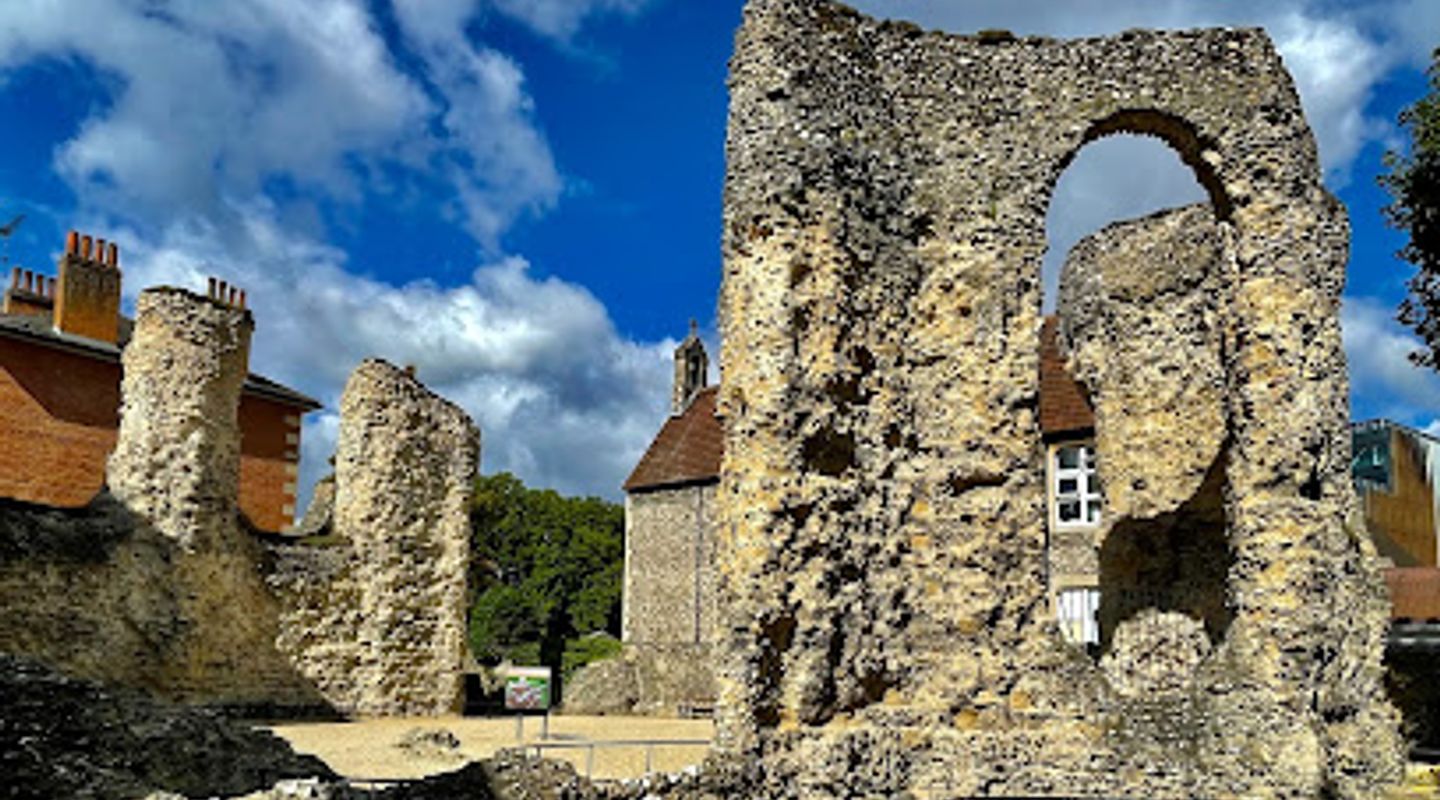
A brief summary of Reading Abbey Ruins
Explore the majestic ruins of Reading Abbey, a 900-year-old royal monastery steeped in history and cultural heritage in the heart of Reading.
Discover the evocative remains of Reading Abbey, founded in 1121 by King Henry I and once one of Europe’s largest royal monasteries. The ruins, including the south transept, chapter house, dormitory, and refectory, offer a glimpse into nearly 900 years of history. Nestled beside the Victorian Forbury Gardens in central Reading, the site is a Grade I listed Scheduled Ancient Monument, open daily from dawn to dusk with free admission. Informative panels and nearby museums enrich your visit with stories of medieval monks, royal connections, and literary heritage.
On-site amenities
 Information boards
 Seating areas
 Trash bins
 Restrooms
 Drink options
 Food options
Opening hours
- Every day8 am–6 pm
Opening hours as listed on the venue’s Google Business Profile. Hours can change for services and special events, so check with the venue before you go.
- Address
- Abbot's Walk, Reading RG1 3HW
- Phone
- Website
Getting there
Train
Bus
Car
Walking
Discover more about Reading Abbey Ruins
A Monument to Medieval Majesty and Royal Heritage
Reading Abbey was founded in 1121 by King Henry I, marking the beginning of a grand religious and cultural legacy. At its height, the Abbey was one of the largest monastic complexes in Europe, serving as a spiritual center and royal burial site, including that of its founder. The Abbey played a pivotal role in medieval England until its dissolution in 1539 under Henry VIII, after which it fell into ruin. Today, the surviving structures such as the south transept, chapter house, dormitory, and refectory stand as silent witnesses to centuries of history, protected as Grade I listed buildings and Scheduled Ancient Monuments.
Exploring the Ruins and Their Surroundings
The ruins are set within the Abbey Quarter, a historic precinct that also includes the Abbey Gateway, Forbury Gardens, and other heritage sites. The chapter house is particularly notable as the most complete room, once a meeting place for the monastic community. Nearby, the mill arch over the Holy Brook remains the last trace of the Abbey’s mill, used until the twentieth century. Visitors can stroll along Chestnut Walk to see the Oscar Wilde Memorial and the Riverside Museum, enriching the historical context of the area.
Conservation, Interpretation, and Public Engagement
After extensive conservation work completed in 2018, the Abbey Ruins reopened to the public, enhanced by informative panels that illuminate the site's rich past. The ‘Reading Abbey Revealed’ project has played a key role in preserving and interpreting the site, offering guided tours and public activities to deepen visitor engagement. The Abbey Gateway, once part of a Victorian girls’ school attended by Jane Austen, adds a literary dimension to the experience, linking the site to England’s cultural heritage.
A Living Heritage Site in a Vibrant Urban Setting
Nestled in the heart of Reading town centre, the Abbey Ruins provide a tranquil yet evocative space amidst urban life. The adjacent Forbury Gardens, laid out in Victorian times, offer scenic paths, flower beds, and a fountain, creating a peaceful complement to the ruins. The site is accessible daily from dawn to dusk, with no admission fee, making it an inviting destination for history enthusiasts, families, and casual visitors alike.
Visitor Experience and Practical Information
The ruins are easily explored on foot, with well-maintained paths and information boards that bring the medieval past to life. Visitors often combine their visit with Reading Museum, which houses exhibits on the Abbey’s history and the Norman conquest. The site welcomes a range of visitors, including families and solo travelers, with nearby amenities such as public transport links and town centre car parks. Seasonal guided tours and events further enrich the visitor experience.
Enduring Legacy and Cultural Significance
Reading Abbey Ruins stand as a testament to England’s medieval monastic heritage and royal history. The site’s connections to figures like King Henry I, Jane Austen, and Oscar Wilde weave a rich tapestry of cultural narratives. As a protected heritage site, it continues to inspire appreciation for the past while serving as a focal point for community events and historical education in Reading.
Evendo Review Centre
 Google
Guest reviews
Best time to go
Quietest: Jan, Feb & Dec · before 7am or at 9pm
Busy times are Evendo estimates for a typical year, to help you plan. Actual crowds vary with events, school holidays and the weather.
Explore Reading Abbey Ruins on the map
A handpicked selection of must-see spots near Reading Abbey Ruins, mapped for you.
Get your free copy of our complete guide to Reading Abbey Ruins, delivered straight to you.
Everything on this page, from opening hours and how to get there to Eve’s tips and the best time to go, in one PDF you can read offline, print or share.
Already have an account? Sign in
Your Reading Abbey Ruins guide is ready.
We'll send it to · Not you? Sign out

Getting your guide ready…
We are putting together a fresh copy of the Reading Abbey Ruins guide. This can take up to a minute.
This can take a few moments. If your browser asks, choose Allow so the download can start. You'll find the guide in your Downloads folder.
Nothing happened? Download it again
Sorry, the guide is taking longer than usual. Please try again in a minute, or get it by email instead.
Unlock the best of Reading Abbey Ruins
Skip-the-line tickets, guided tours with entry, and walking tours of the area, booked in a few clicks.

Other nearby places you may find interesting
The closest places of the same kind, if this one is not quite what you had in mind.
-
-
-
-
-


Swipe for more places
More to explore near Reading Abbey Ruins

 Best experiences near Reading Abbey Ruins
 Best hotels near Reading Abbey Ruins
 Best landmarks near Reading Abbey Ruins
 Best attractions near Reading Abbey Ruins
 Best shops near Reading Abbey Ruins
 Best restaurants near Reading Abbey Ruins
 Best bars near Reading Abbey Ruins
Do you manage this location?
Take control to get all the benefits, like improved information, better appearance, and stronger visibility across AI-powered discovery.
Explore more
Explore more of Berkshire
Discover Berkshire: From Royal Castles to Rolling Countryside, Experience England's Historic and Natural Wonders.
Explore Berkshire
Explore more of United Kingdom
Discover the United Kingdom: A blend of rich history, stunning landscapes, and vibrant cities, offering a unique travel experience for every visitor.
Explore United Kingdom