

Shakespeare's New Place: The Historic Home and Gardens of England's Greatest Playwright
Explore the historic site and gardens of Shakespeare’s final family home, where his legacy comes alive through art and history.
Shakespeare's New Place in Stratford-upon-Avon was the final family home of William Shakespeare, purchased in 1597 and where he lived until his death in 1616. Although the original house was demolished in 1759, the site is now a beautifully designed garden and memorial featuring sculptures inspired by Shakespeare’s works and family life, alongside the adjoining Nash's House museum. It offers a unique blend of history, art, and tranquil green space in the heart of Stratford.
A brief summary to Shakespeare's New Place
- 22 Chapel St, Stratford-upon-Avon, CV37 6EP, GB
- +441789338563
- Visit website
- Duration: 0.5 to 1.5 hours
- Mid ranged
-
 Outdoor
- Mobile reception: 4 out of 5
Local tips
- Visit in spring or summer to fully enjoy the beautifully restored gardens and outdoor sculptures.
- Combine your visit with Nash's House museum next door for a fuller understanding of Shakespeare's family life.
- Pre-book tickets online to secure entry, especially during peak tourist seasons.
- Allow 30 to 60 minutes to explore the gardens, artworks, and exhibitions at a relaxed pace.

For the on-the-go comforts that matter to you
- Restrooms
- Drink Options
- Food Options
- Seating Areas
- Information Boards
- Visitor Center
Getting There
-
Bus
Take the Stratford-upon-Avon town bus service, which stops near Chapel Street. The journey from Stratford town center takes about 10-15 minutes. Buses run frequently but check schedules for weekends and holidays. A single ticket costs approximately £2-£3.
-
Train and Walk
Arrive at Stratford-upon-Avon railway station, then enjoy a 20-minute walk through the town to Shakespeare's New Place. The walk is mostly flat and suitable for most visitors. Train fares vary depending on origin, with frequent services from Birmingham and London.
-
Car
Drive to Stratford-upon-Avon and park at one of the town’s public car parks, such as the Windsor Street Car Park, about a 10-minute walk from New Place. Parking fees apply, typically £1.50-£3 per hour. Note that the site itself has no dedicated parking.
-
Walking
If staying in central Stratford, Shakespeare's New Place is accessible on foot within 10-15 minutes via paved town streets. The terrain is flat and suitable for wheelchairs and strollers.
Shakespeare's New Place location weather suitability
-
 Any Weather
-
 Clear Skies
-
 Mild Temperatures
-
 Rain / Wet Weather
Discover more about Shakespeare's New Place
A Legacy Rooted in Stratford's History
Shakespeare's New Place was acquired by William Shakespeare in 1597, marking a significant milestone in his life as a successful playwright and actor. The house was the second largest in Stratford at the time and the only family home he ever bought. Originally built in the late 15th century by Sir Hugh Clopton, a wealthy London mercer and Lord Mayor, the property had a rich history before Shakespeare’s ownership. The house featured ten hearths, indicating between 20 and 30 rooms, and included a large medieval hall and a courtyard, reflecting its status as an impressive residence. Shakespeare invested in repairs and enhancements, including orchards and gardens, which supported both leisure and practical household needs.The Home of Shakespeare’s Later Years
New Place was Shakespeare’s family home for 19 years until his death in 1616. It is believed to be the place where he wrote his will and some of his later plays, including The Tempest. The house passed to his daughter Susanna Hall after his death, and his wife Anne Hathaway died there in 1623. The property remained in the family for several decades before eventually returning to the Clopton family. Despite its demolition in 1702 and again in 1759 by later owners, the site retains immense cultural significance as the place where Shakespeare spent his final years.The Tragic Demolition and Its Aftermath
The original house was demolished in 1702 by Sir John Clopton, who built a new house on the site. However, in 1759, Reverend Francis Gastrell, frustrated by disputes with the town council and the attention from visitors, destroyed the house and famously cut down the mulberry tree said to have been planted by Shakespeare himself. This act of spite led to public outrage and the eventual sale of the site. The Shakespeare Birthplace Trust acquired New Place and the adjoining Nash's House in 1876, preserving the site as a place of historical remembrance.A Garden of Memory and Inspiration
Today, New Place is a registered garden designed to commemorate Shakespeare’s life and legacy. The foundations of the house are marked out on the ground, surrounded by beautifully restored gardens including the Knot Garden, inspired by designs Shakespeare would have known. The Great Garden, once part of Shakespeare’s estate used for growing fruits, vegetables, and herbs, now offers a tranquil lawn with flower beds and sculptures that evoke his family life and literary works. Visitors can explore the adjoining Nash's House museum, which houses exhibitions bringing to life the story of New Place and Shakespeare’s enduring influence.Experiencing Shakespeare’s New Place Today
Visitors to Shakespeare's New Place can immerse themselves in a peaceful setting that blends history, art, and nature. The site is open daily during the warmer months with varying opening hours in the off-season, and it is recommended to pre-book tickets. The gardens provide a contemplative space for reflection on Shakespeare’s life and works, enhanced by specially commissioned artworks that connect visitors with the playwright’s timeless legacy. The adjoining Nash's House offers further insight into the family history and the cultural context of the era.Preserving a Cultural Treasure
Shakespeare's New Place remains a vital cultural site managed by the Shakespeare Birthplace Trust. It attracts visitors worldwide who seek to connect with the life of England’s greatest playwright. Despite the absence of the original building, the site’s gardens, artworks, and museum exhibitions create a rich, sensory experience that honors Shakespeare’s contributions to literature and his personal story within Stratford-upon-Avon.Iconic landmarks you can’t miss

Stratford-upon-Avon Town Council
0.1 km
Explore Stratford-upon-Avon and its rich heritage at the Town Council, your gateway to local culture and events in Shakespeare's hometown.
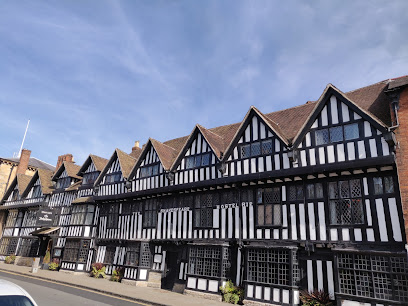
Stratford-upon-Avon Town Hall
0.1 km
Elegant Palladian landmark in Stratford-upon-Avon, blending rich history, Shakespearean heritage, and civic tradition since 1767.
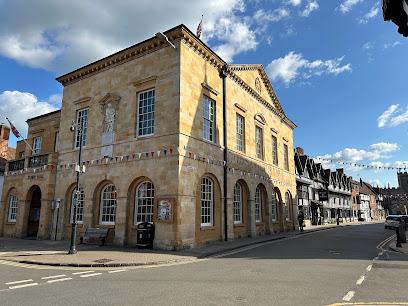
Garrick
0.1 km
Step into Stratford-upon-Avon's oldest pub, where medieval charm meets hearty fare and centuries of captivating history.
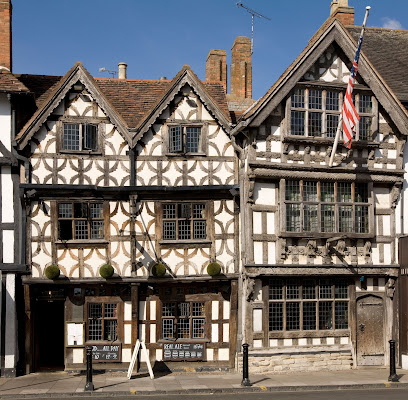
Sinister Stratford
0.1 km
Explore the darker side of Stratford-upon-Avon with Sinister Stratford's captivating tours of haunted history and folklore.
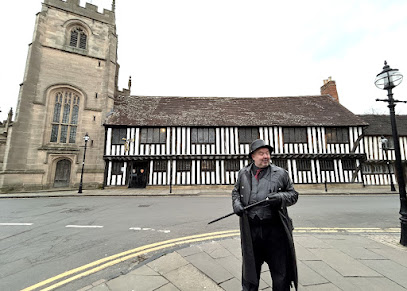
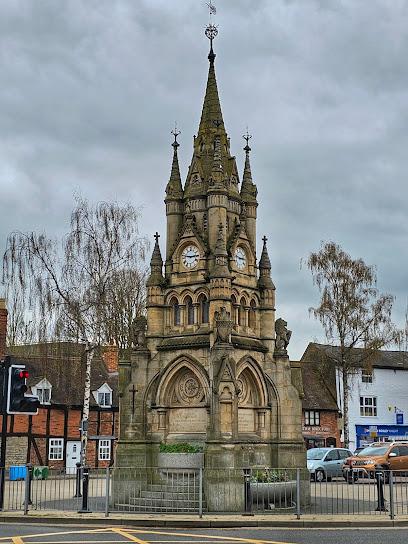
The Shakespeare Memorial Fountain
0.3 km
A Victorian Gothic tribute in Stratford’s marketplace celebrating Shakespeare, Queen Victoria, and Anglo-American friendship.
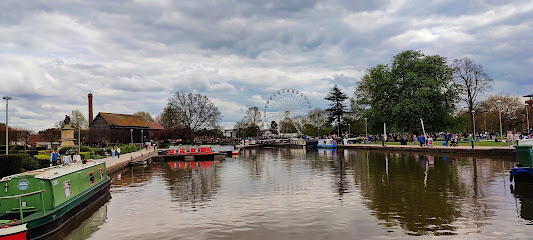
Stratford Waterside Market
0.3 km
Discover unique artisan treasures and vibrant street food in Stratford-upon-Avon's charming riverside market.
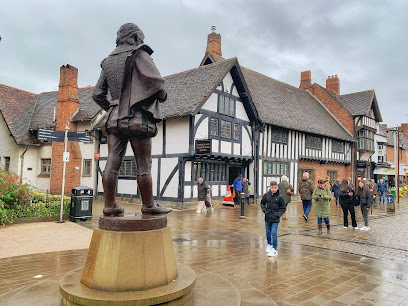
Statue Of Shakespeare Stratford-upon-Avon
0.3 km
A bronze tribute to the Bard in the heart of Stratford-upon-Avon, where literature and history come alive on Henley Street.
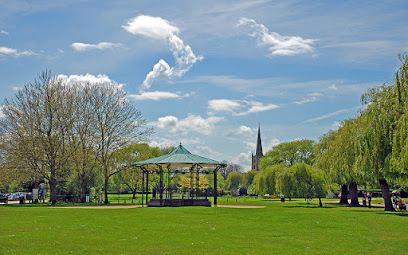
Stratford Upon Avon Bandstand
0.3 km
Historic bandstand in Stratford-upon-Avon offering free summer concerts and a vibrant community atmosphere in a scenic park setting.
The Shakespeare Birthplace Shop
0.3 km
Discover the essence of Shakespeare's legacy at The Shakespeare Birthplace Shop, a unique gift shop in the heart of Stratford-upon-Avon.
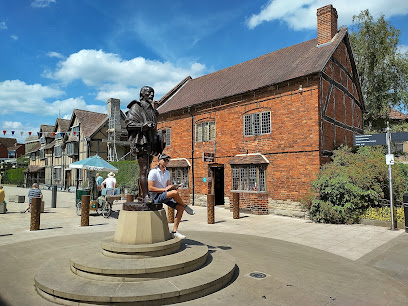
The Countess of Evesham
0.3 km
Indulge in traditional British cuisine at The Countess of Evesham, a charming restaurant on the waterside in Stratford-upon-Avon, surrounded by natural beauty.
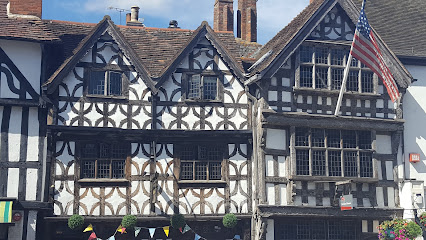
Tramway Bridge
0.4 km
Historic 1826 red brick pedestrian bridge over the River Avon, blending industrial heritage with tranquil riverside views in Stratford-upon-Avon.
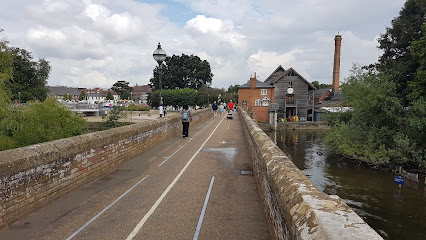
Shakespeare & Company Holiday Home
0.6 km
Discover the enchanting Shakespeare & Company Holiday Home in Stratford-upon-Avon, where history and comfort blend seamlessly for an unforgettable stay.

Anne Hathaway's Cottage
1.7 km
Discover the enchanting Anne Hathaway's Cottage, a historical museum celebrating Shakespeare's beloved wife in the heart of Stratford-upon-Avon.
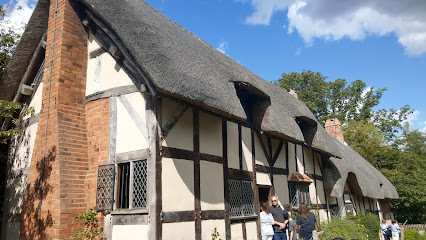
Stratford Fountains
2.5 km
Discover the tranquil beauty of the Stratford Fountains, a must-visit tourist attraction in Stratford-upon-Avon, perfect for relaxation and cultural exploration.
Stratford Armouries
4.4 km
Discover the rich cultural heritage of Stratford-upon-Avon at Stratford Armouries, where history comes alive through engaging exhibits and interactive experiences.

Unmissable attractions to see

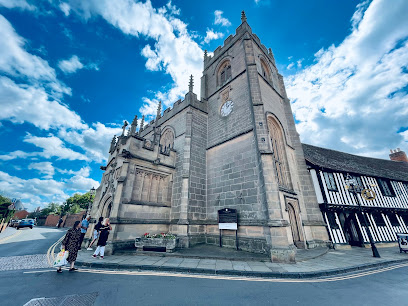
The Guild Chapel
0.0 km
A 13th-century chapel in Stratford-upon-Avon famed for medieval murals and Shakespearean connections.
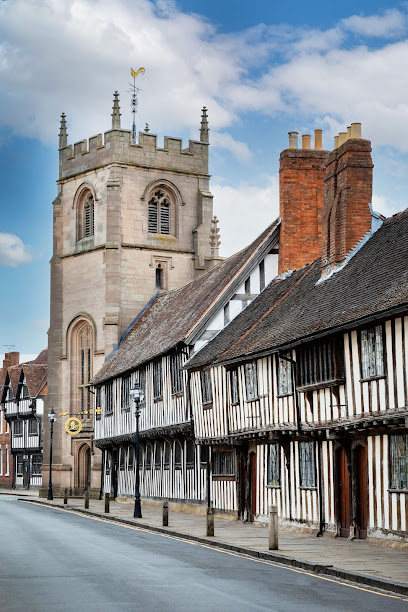
Shakespeare's Schoolroom & Guildhall
0.0 km
Step back into Tudor England where Shakespeare learned, played, and was inspired in this immersive medieval schoolroom and guildhall.
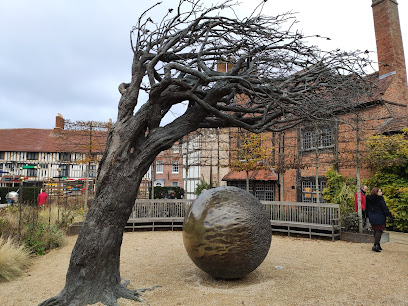
New Place Gardens
0.1 km
Explore the tranquil gardens marking Shakespeare’s family home site, where history, art, and nature intertwine in Stratford-upon-Avon.
Almshouses
0.1 km
Historic almshouses in Stratford-upon-Avon offering a glimpse into centuries of community care and architectural heritage.
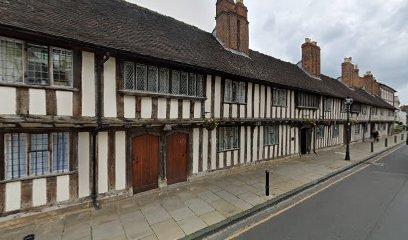
Fat Cat Comedy Club
0.1 km
Experience lively stand-up comedy and emerging UK talent in the heart of historic Stratford-upon-Avon at Fat Cat Comedy Club.
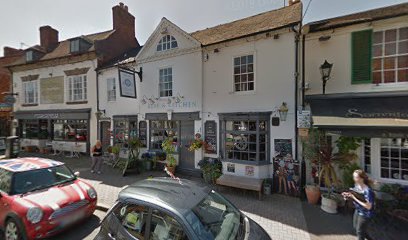
Stratford-upon-Avon Antiques Centre
0.1 km
Discover timeless antiques and vintage treasures in Stratford-upon-Avon’s charming hidden gem on Ely Street.
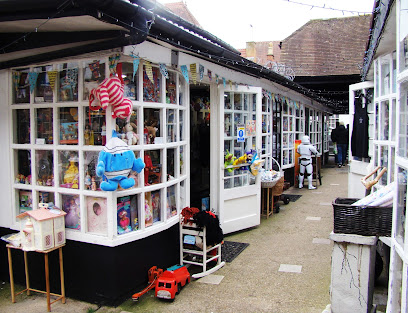
Shakespeare's England
0.1 km
Explore the heart of Shakespeare’s world with immersive exhibitions, live performances, and rich heritage in Stratford-upon-Avon’s cultural hub.
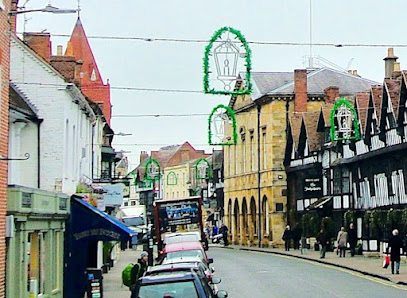
Harvard House
0.1 km
Explore the richly carved Tudor home of John Harvard’s grandfather, a timeless link between Stratford-upon-Avon and America’s oldest university.
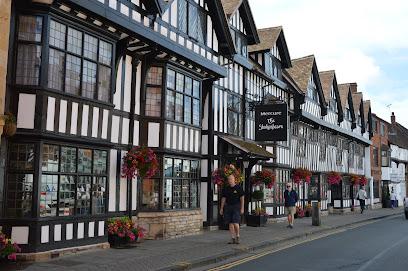
Stratford-upon-Avon
0.1 km
Shakespeare's birthplace where Tudor charm meets world-class theatre on the banks of the River Avon.
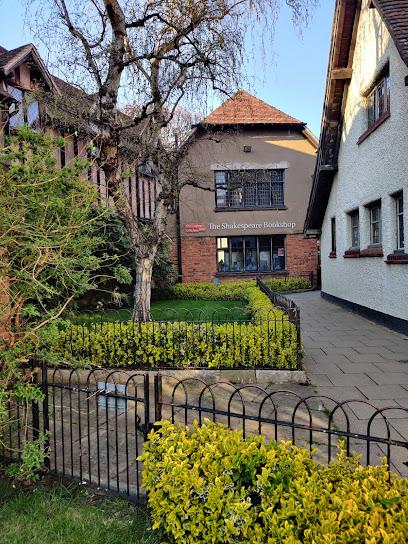
All Bar One Stratford Upon Avon
0.1 km
Stylish wine bar in Stratford-upon-Avon offering all-day dining, diverse menus, and a relaxed, accessible atmosphere near historic landmarks.
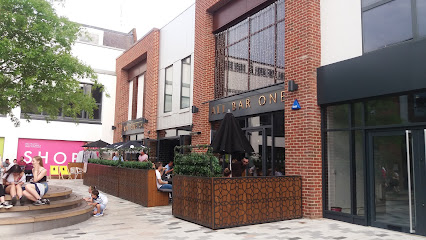
Tudor World
0.2 km
Step into Tudor England’s vibrant past with immersive exhibits and historic charm in the heart of Stratford-upon-Avon.
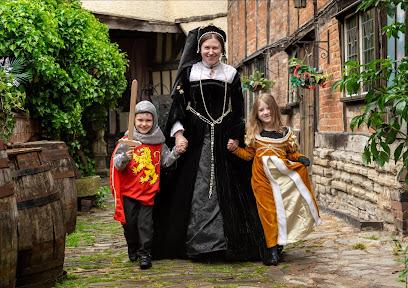
Everyman Stratford-upon-Avon
0.2 km
Luxurious cinema with plush sofas, gourmet food, and immersive screens in Stratford-upon-Avon’s vibrant Bell Court.
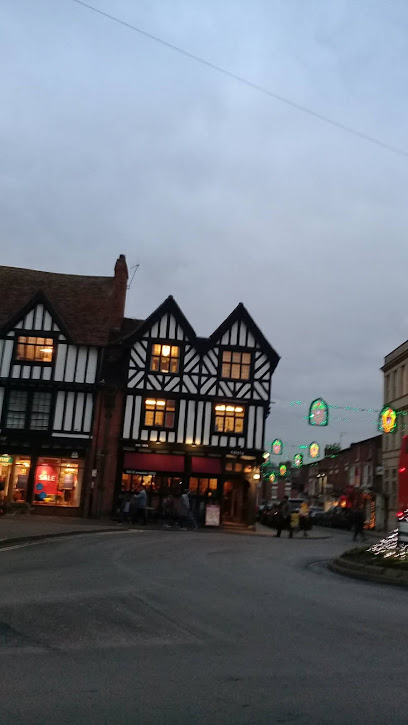
First Church Of Christ Scientist, Stratford upon Avon
0.2 km
A tranquil spiritual sanctuary in historic Stratford-upon-Avon, offering simple Christian Science worship and community healing.

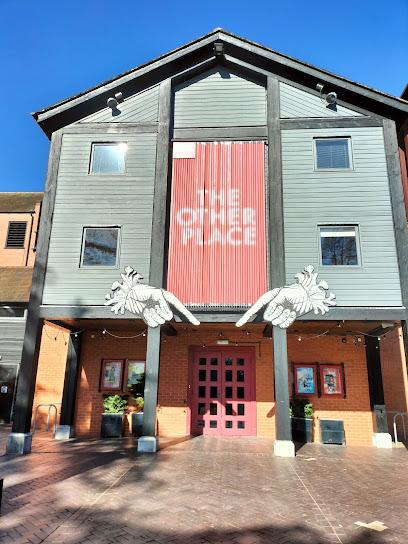
The Other Place
0.2 km
An intimate, innovative studio theatre in Stratford-upon-Avon, The Other Place champions experimental and contemporary theatre as part of the Royal Shakespeare Company.
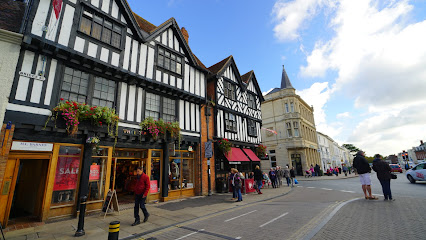
Magic Alley
0.2 km
Discover Stratford's magical escape room adventure and enchanting gift shop filled with puzzles, curiosities, and spellbinding delights.
Essential places to dine

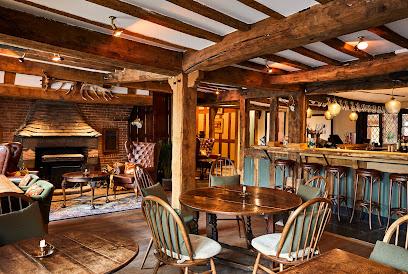
The Woodsman Restaurant
0.0 km
Savor sustainable British wild game and wood-fired cuisine in a stylish, modern setting at Stratford-upon-Avon’s acclaimed Woodsman Restaurant.
Edward Moon
0.1 km
A modern English brasserie in Stratford-upon-Avon offering fresh, flavorful dishes with attentive service in a stylish yet relaxed setting.
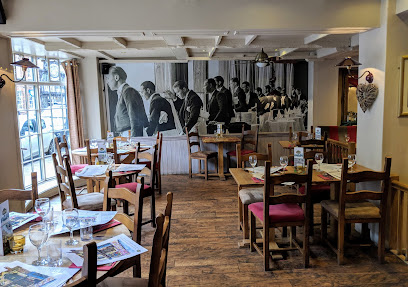
Loxleys Restaurant & Wine Bar
0.1 km
A family-run modern British restaurant in Stratford-upon-Avon, famed for innovative cuisine, cozy ambiance, and an exceptional wine selection.
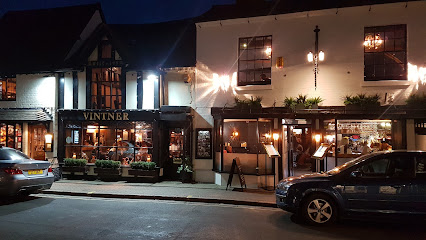
Giggling Squid - Stratford upon Avon
0.1 km
Vibrant Thai tapas and bold flavours in the heart of Stratford-upon-Avon, perfect for sharing with friends and family after a day exploring Shakespeare’s town.
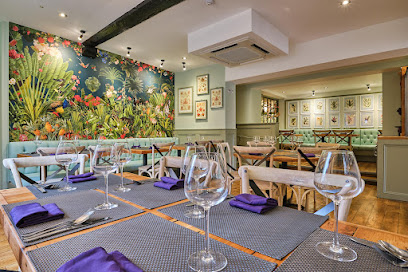
Sorrento Restaurant...a taste of Italy
0.1 km
Experience authentic Italian and Neapolitan cuisine in elegant surroundings with attentive service in the heart of Stratford-upon-Avon.
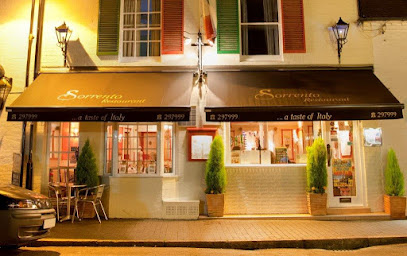
Red Hot Mamma pizzeria Stratford-upon-Avon
0.1 km
Authentic Neapolitan pizzas with vibrant decor and lively atmosphere in the heart of historic Stratford-upon-Avon.
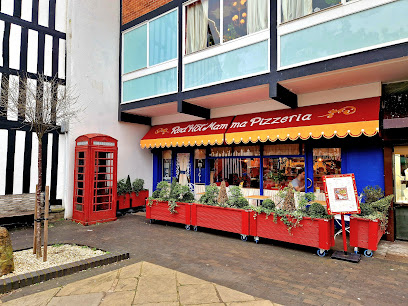
The Vintner
0.1 km
A historic Stratford wine bar and restaurant serving seasonal British fare in a warm, traditional setting, ideal for pre-theatre dining.
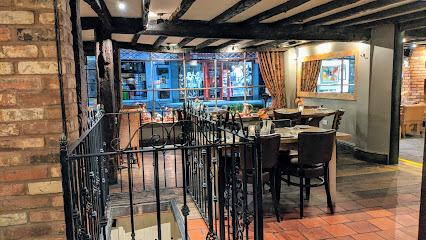
Lambs
0.1 km
Historic Tudor charm and classic English cuisine combine at Lambs, Stratford-upon-Avon's beloved cozy restaurant.
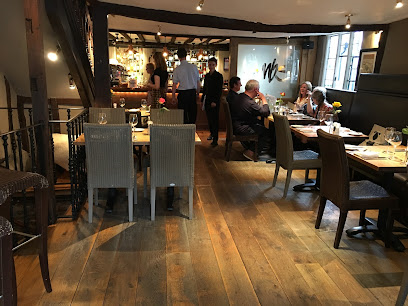
Wildwood Restaurants Stratford-upon-Avon
0.1 km
Contemporary Italian dining in Stratford-upon-Avon with standout vegan options and a bright, welcoming atmosphere.
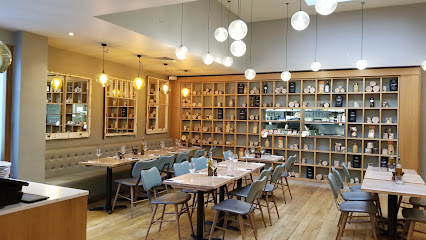
Pick Thai Restaurant
0.1 km
Authentic Thai flavors freshly cooked in a cozy, welcoming setting at the heart of Stratford-upon-Avon.
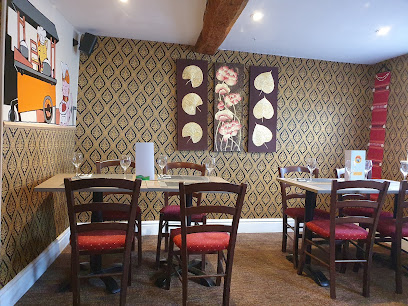
salt
0.1 km
Experience modern British fine dining in Stratford’s charming timbered setting, where seasonal flavors and artistic dishes create an unforgettable tasting journey.

The Opposition
0.2 km
Historic bistro in Stratford-upon-Avon offering seasonal, hearty dishes in a cozy 16th-century setting, perfect for pre-theatre dining.
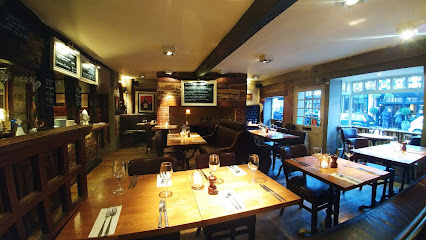
Café Rouge - Stratford Upon Avon
0.2 km
Classic French bistro charm with authentic cuisine and a welcoming atmosphere in Stratford-upon-Avon’s historic center.
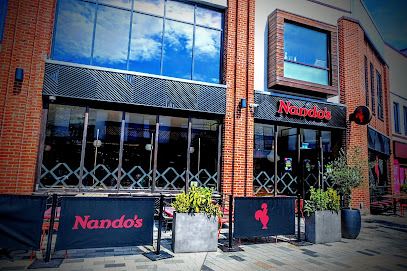
Nando's Stratford Upon Avon
0.2 km
Savor the legendary flame-grilled PERi-PERi chicken in Stratford Upon Avon’s vibrant and welcoming Nando’s.
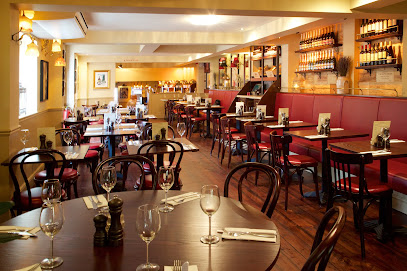
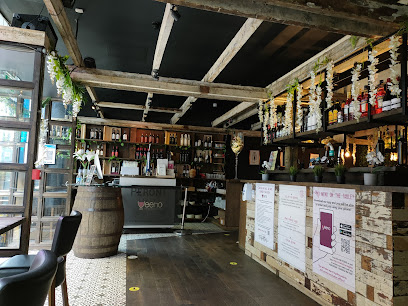
Veeno Stratford-upon-Avon
0.2 km
Savor authentic Sicilian wines and classic Italian dishes in a stylish, relaxed wine bar setting in the heart of Stratford-upon-Avon.
Markets, malls and hidden boutiques

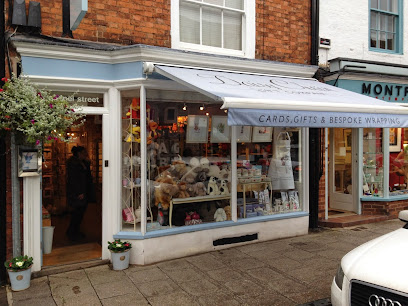
Daisy Chain Gift Company Ltd
0.0 km
Award-winning boutique in Stratford-upon-Avon offering unique contemporary gifts, design-led cards, stylish stationery, and premium gift wrap.
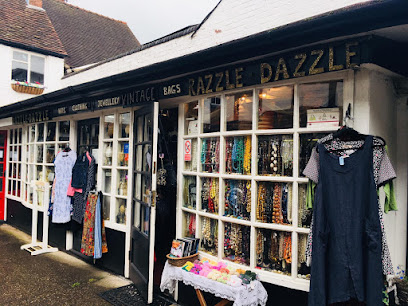
Razzle Dazzle
0.1 km
Discover timeless vintage fashion and unique costume treasures in the cozy charm of Razzle Dazzle, Stratford-upon-Avon’s beloved boutique.
Ivy'ss Vintage Decor & Gifts
0.1 km
Explore a charming vintage shop in Stratford-upon-Avon, featuring unique decor and gifts that offer a glimpse into the past.

Vinegar Hill Wardrobe
0.1 km
Discover elegant ladies’ fashion in the historic charm of Stratford-upon-Avon’s Vinegar Hill Wardrobe boutique.
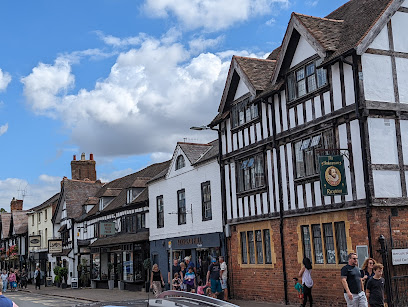
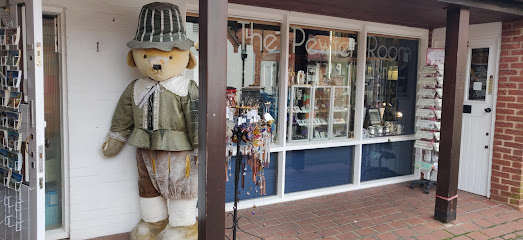
The Pewter Room
0.1 km
Discover handcrafted pewter treasures in the heart of Shakespeare’s hometown – a unique gift shop with timeless charm and local character.
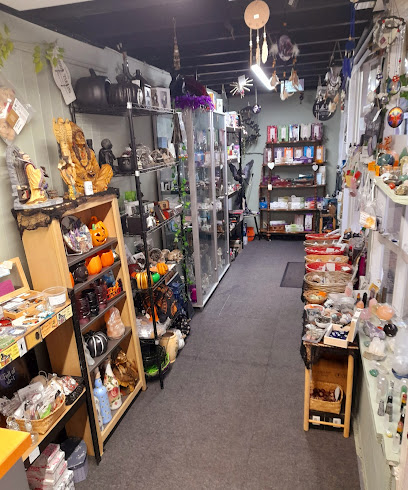
Any Witch Way
0.1 km
A mystical boutique in Stratford-upon-Avon offering crystals, candles, tarot, and witchcraft treasures in a charming antique centre setting.
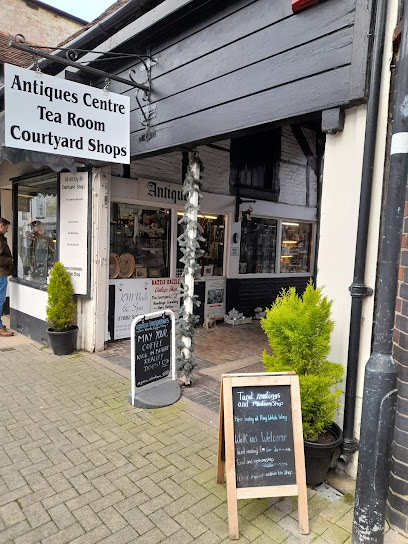
Gothsteamstratford
0.1 km
Discover steampunk magic and gothic charm in the heart of Stratford-upon-Avon at Gothsteamstratford’s unique gift emporium.
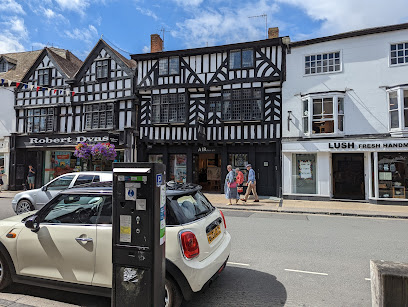
Lush Cosmetics Stratford Upon Avon
0.2 km
Discover fresh, handmade, and ethical beauty products at Lush Stratford Upon Avon, where sustainability meets vibrant community spirit.
Boutique Jsk
0.2 km
Discover unique women's fashion and local craftsmanship at Boutique Jsk, a stylish independent shop on historic Sheep Street in Stratford-upon-Avon.
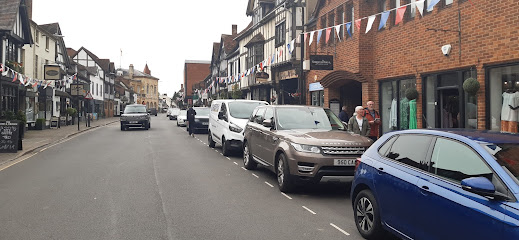
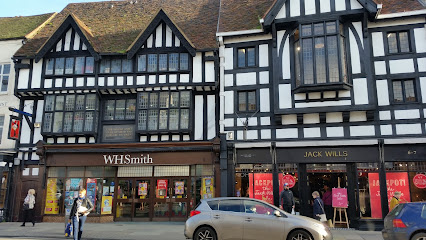
Jack Wills
0.2 km
Discover timeless British fashion and contemporary style at Jack Wills in the heart of Stratford-upon-Avon’s historic High Street.
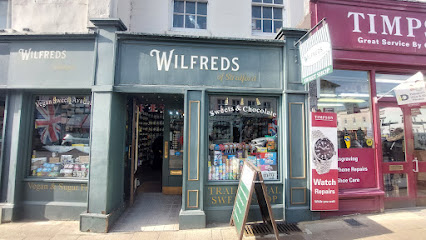
Wilfreds of Stratford
0.2 km
Discover timeless sweets and local charm at Wilfreds of Stratford, a beloved confectionery shop on Stratford-upon-Avon's historic High Street.
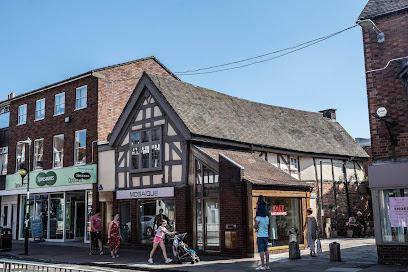
Mosaique
0.2 km
Discover unique ladies' fashion in a charming boutique nestled in Stratford-upon-Avon's historic Wood Street.
Accessorize
0.2 km
Discover stylish accessories, clothing, and jewelry at Accessorize in Stratford-upon-Avon, where fashion meets Shakespearean charm.
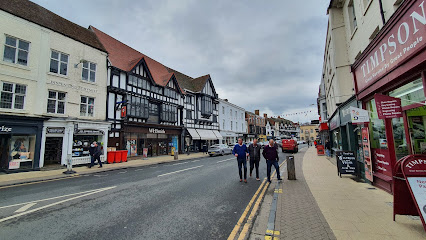
Italy's Little Secret
0.2 km
Experience the authentic taste of Italy at Italy's Little Secret, a charming boutique restaurant in Stratford-upon-Avon, perfect for food lovers.
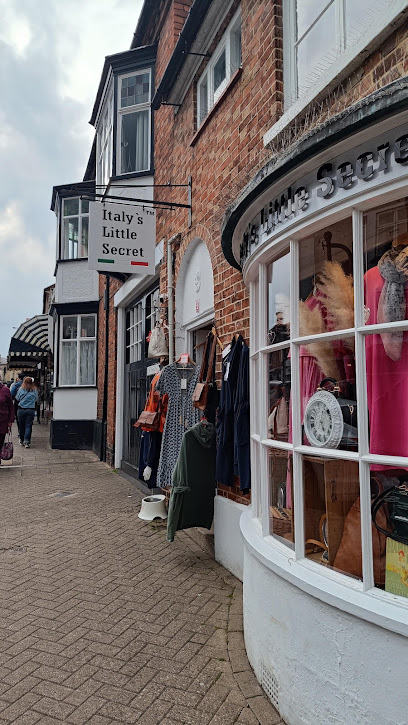
Cotswold Bullion
0.2 km
Family-run gold bullion specialists in Stratford-upon-Avon offering trusted investment products with expert guidance and personalized service.
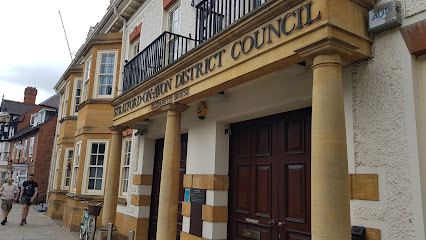
Essential bars & hidden hideouts

The Keys
0.1 km
A friendly and inviting pub in Stratford-upon-Avon with a quirky garden, great drinks, and classic pub fare in a relaxed atmosphere.
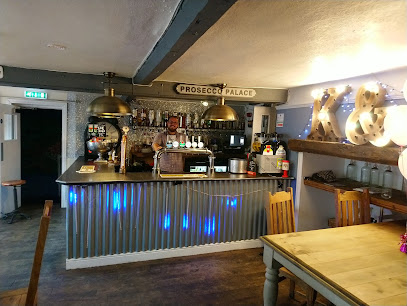
Windmill
0.1 km
A welcoming traditional British pub in Warwickshire serving classic dishes and local brews in a cozy, community-focused setting.
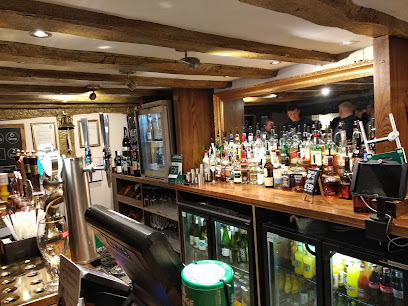
Rose & Crown
0.2 km
Classic English pub charm with hearty fare, friendly service, and a spacious garden in the heart of Stratford-upon-Avon.
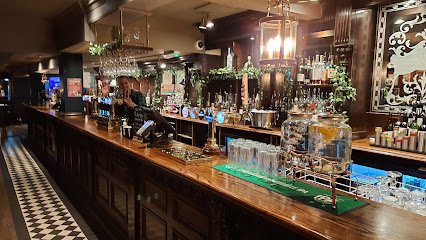
That Little Gin & Prosecco Bar
0.2 km
A cozy, intimate gin and Prosecco bar tucked away in Stratford-upon-Avon, offering an extensive spirit selection and warm, friendly vibes.
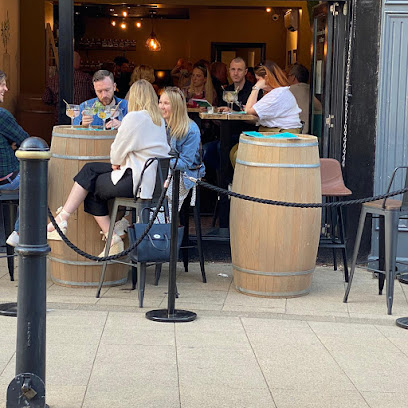
Officers Mess - 1940's Cocktail Bar
0.2 km
Step into the 1940s at Officers Mess, Stratford’s premier cocktail bar blending vintage charm, world-class drinks, and vibrant live entertainment.
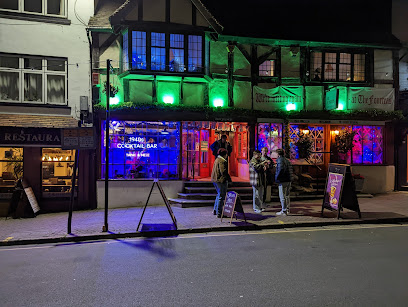
The Avon Lounge
0.2 km
A lively cocktail bar in Stratford-upon-Avon known for friendly hosts, great music, and a welcoming atmosphere perfect for evening socializing.
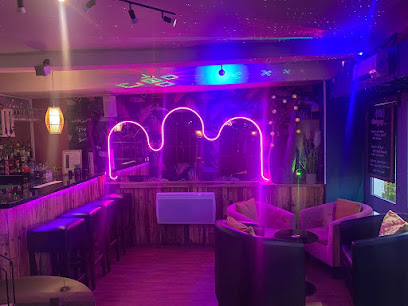
The Phoenix
0.3 km
A vibrant independent bar in Stratford-upon-Avon offering craft beers, authentic Neapolitan pizza, and a leafy rooftop terrace for a lively social experience.
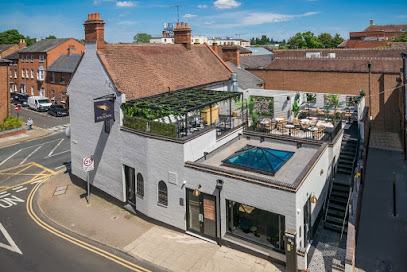
The Stratford Alehouse
0.4 km
A cozy micropub in Stratford-upon-Avon celebrated for exceptional real ales, live music, and a warm, welcoming atmosphere.
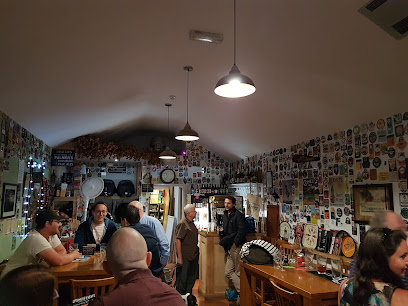
The Bull - El Toro | Stratford-Upon-Avon
0.4 km
A lively fusion of Spanish tapas and English pub charm in Stratford-upon-Avon, serving exceptional food and drink in a warm, inviting atmosphere.
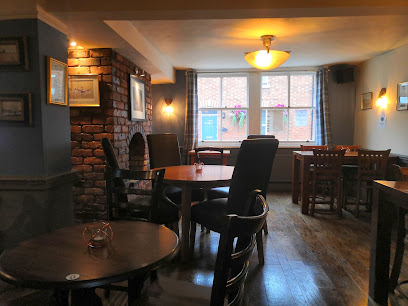
Cox's Yard, Stratford-Upon-Avon
0.4 km
Lively riverside pub in Stratford-upon-Avon blending casual dining, sports, and scenic views by the River Avon.
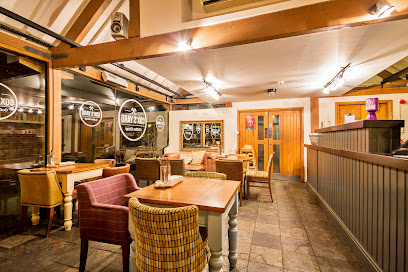
The Bear
0.5 km
Historic riverside pub in Stratford-upon-Avon serving classic ales and comforting British fare in a warm, cosy setting with scenic river views.
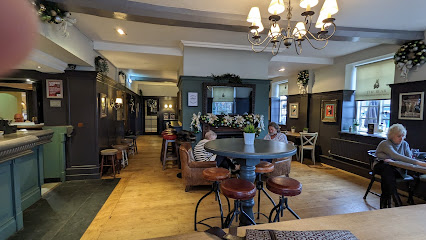
The Avenue Club
1.4 km
A friendly and affordable bar with live music and games, offering a relaxed social scene in Stratford-upon-Avon’s industrial heart.
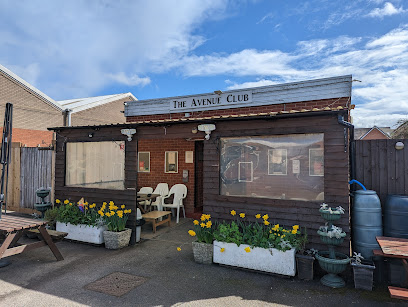
Unicorn
11.0 km
A warm, family-friendly pub in Warwick offering excellent British fare, accommodating service, and a welcoming local atmosphere.
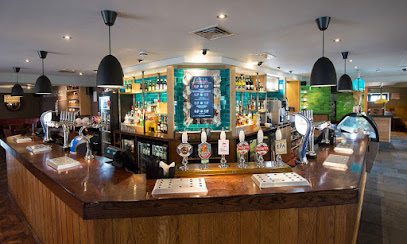
The Howard Arms Ilmington
11.1 km
A charming 400-year-old Cotswold inn blending historic warmth, fine dining, and stylish comfort in the heart of Ilmington village.
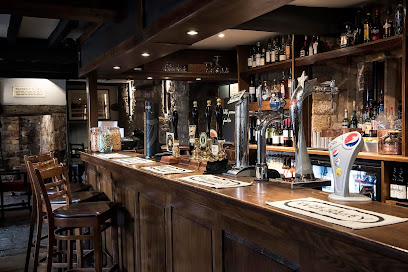
The Castle Inn
12.3 km
A historic Warwick pub with quirky charm, lively entertainment, and a welcoming beer garden for locals and visitors alike.
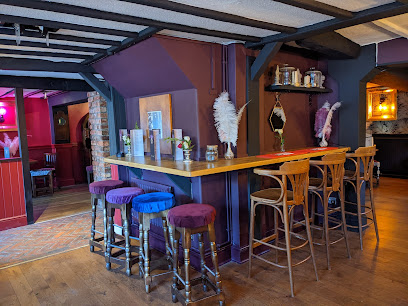
Nightclubs & after hour spots

Caz Bar Nightclub
0.3 km
Experience Stratford-upon-Avon's glamorous late-night vibe at Caz Bar, a vintage cellar nightclub with live DJs, dancers, and premium drinks until dawn.
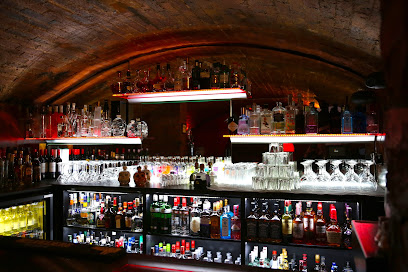
The Stratford Upon Avon Bridge Club
0.5 km
Explore the vibrant community of The Stratford Upon Avon Bridge Club, where bridge enthusiasts gather for games, camaraderie, and local culture in a picturesque setting.

The Cavern
13.6 km
A vibrant night club in Warwick offering energetic music, lively dancing, and a social atmosphere for unforgettable nights out.

Neon
15.8 km
Leamington Spa’s largest nightclub, Neon delivers vibrant music, themed nights, and a dynamic party atmosphere every Friday until dawn.

Altoria Nightclub
16.2 km
Experience Leamington Spa’s vibrant nightlife at Altoria Nightclub with diverse music floors, VIP service, and a unique rooftop terrace open till 3 am.
Smack
16.3 km
Leamington Spa’s energetic and affordable two-floor nightclub with a storied past and a lively, if sometimes challenging, atmosphere.
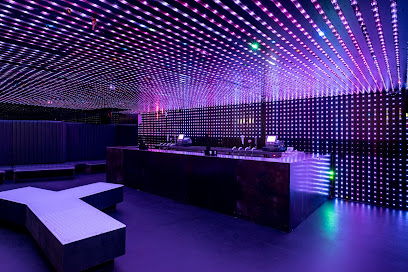
Club PST
33.5 km
Compact, bass-driven Digbeth club with reggae roots, stacked rooms and late-night underground parties.

Disco Wonderland
33.7 km
Dive into Birmingham's dazzling disco haven, where retro beats, neon lights, and endless energy light up Deritend's nightlife.

VOID Nightclub
33.8 km
Dive into Digbeth's underground heartbeat at VOID Nightclub, where marathon raves and thunderous bass fuel Birmingham's rawest nightlife from dusk till dawn.

The Night Owl
33.8 km
A cozy Digbeth venue where soulful retro beats and friendly vibes create unforgettable nights for all music lovers.
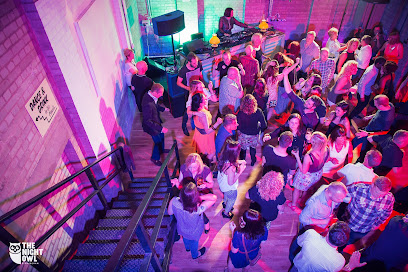
Quantum Vnues
33.8 km
Dive into Digbeth's beating heart: Quantum Venues delivers electrifying nights of music, lights, and unbridled energy in Birmingham's creative core.
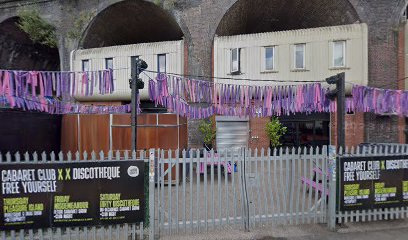
Next Door & Spotlight
33.8 km
Two adjoining Digbeth nightspots — a pulse-driven DJ room and an intimate bar space with street-food pop-ups and a raw, industrial vibe.

Nightingale Club
33.9 km
Birmingham's legendary LGBTQIA+ superclub: three floors of pulsating beats, go-go glamour, and five decades of unapologetic queer joy in the Gay Village.

Mango Night Club
34.0 km
A high‑energy Bristol Street nightclub serving Afrobeats, hip‑hop and R&B for late‑night dancers and party crowds in central Birmingham.

Sector 57
34.0 km
Experience Birmingham’s vibrant nightlife at Sector 57, where eclectic music and electric vibes create unforgettable nights in Deritend.

For the vibe & atmosphere seeker
- Tranquil
- Scenic
- Unique
- Relaxing
For the design and aesthetic lover
- Vintage Styles
- Rustic Designs
For the architecture buff
- Historic
- Heritage Neighborhoods
- Parks & Gardens
For the view chaser and sunset hunter
- Iconic Views
- Panoramas
For the social media creator & influencer
- Instagrammable
- Photo Spots
- Aesthetic Corners
For the eco-conscious traveler
- Public-Transport Accessible
- Locally Managed
- Leave-No-Trace Critical
For the kind of experience you’re after
- Cultural Heritage
- Photowalk
- Day Trip
- Weekend Getaway
For how adventurous you want the journey to be
- Easy Access
Location Audience
- Family Friendly
- Senior Friendly
- Child Friendly
- Teen Friendly
- Wheelchair Access
- Pet Friendly
- Couple Friendly
- Solo Friendly
- Vegetarian Friendly
- Vegan Friendly


