Pen Museum, Birmingham Travel Guide
Discover where 75% of the world's pen nibs were made in a beautifully restored Victorian factory.
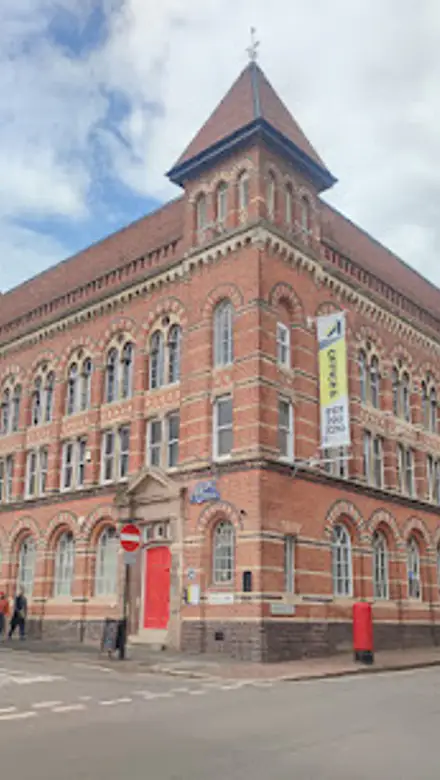
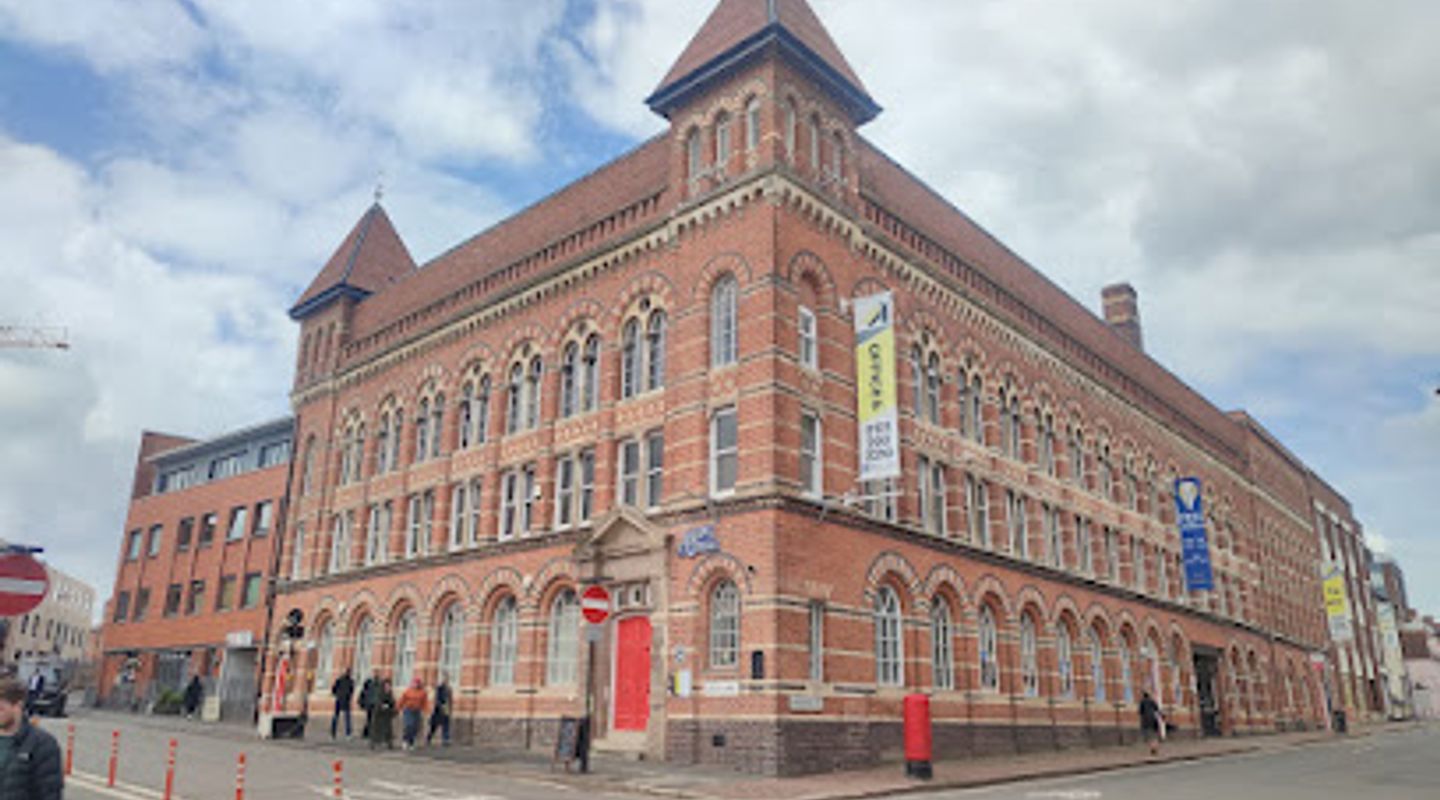
Housed in the Grade II* listed Argent Centre, a Victorian pen factory built in 1863, the Pen Museum celebrates Birmingham's extraordinary legacy as the world's centre of pen manufacturing. Interactive exhibits, live demonstrations of traditional nib-making machinery, and hands-on activities invite visitors to write with quill pens, operate vintage typewriters, and craft their own steel nibs using the same techniques employed by 19th-century workers. Located in the historic Jewellery Quarter, this unique museum preserves the story of an industry that shaped global literacy.
A brief summary to Pen Museum
- The Argent Centre, 60 Frederick St, Birmingham, B1 3HS, GB
- Click to display
- Click to display
- Duration: 1 to 2 hours
- Budget
-
 Indoor
- Mobile reception: 5 out of 5
- Thursday 11 am-4 pm
- Friday 11 am-4 pm
- Saturday 11 am-4 pm
- Sunday 12 pm-4 pm

Know before you go
Hi, I'm Eve. Here are a few practical things to know before exploring Pen Museum.
- Book your visit for a weekday morning to experience fewer crowds and more interactive time with volunteer demonstrators who share detailed historical knowledge.
- Allow at least one hour for your visit to fully experience the exhibits, demonstrations, and hands-on nib-making activity. Many visitors spend 1.5 to 2 hours exploring.
- Bring cash as well as cards; the museum accepts both payment methods. Art Fund members receive a 50 percent discount on admission.
- Combine your visit with the West Midlands Police Museum using a joint ticket available on Sundays, creating a comprehensive exploration of Birmingham's industrial and civic heritage.
- Explore the surrounding Jewellery Quarter after your museum visit; the neighbourhood contains numerous independent jewellers, cafés, and heritage sites within walking distance.
Do you manage this location?
Take control to get all the benefits, like improved information, better appearance, and stronger visibility across AI-powered discovery. Learn more about listing your business on Evendo
Activate your presenceOther nearby places you may find interesting
The closest places of the same kind, if this one is not quite what you had in mind.
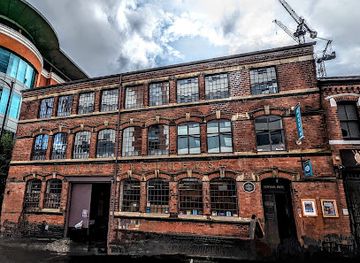
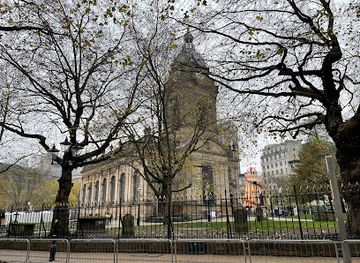
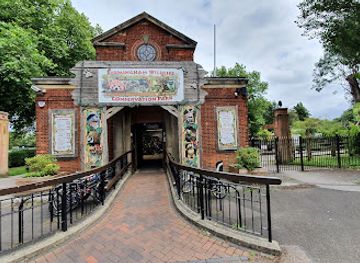
Explore Pen Museum on the Map
A handpicked selection of must-see spots near Pen Museum, mapped for you.
Unlock the Best of Pen Museum
Buy tickets
-
No tickets available
Book tours with entry
-
No tours available
Book tours without entry

Getting There
-
Metro and Walking
From Birmingham City Centre, take the Metro (Midland Metro tram) towards Wolverhampton and alight at Jewellery Quarter Station. From the station, the Pen Museum is approximately 15 minutes on foot through the historic Jewellery Quarter. The walk is straightforward and passes through the neighbourhood's main streets. Service runs frequently throughout the day, with journey times of approximately 10–15 minutes from the city centre. Single fares cost around £1.70–£2.00 depending on zones travelled.
-
Bus
Multiple bus routes serve the Jewellery Quarter area. Routes 1, 2, 3, and 9 pass near Frederick Street. Journey times from the city centre are typically 15–25 minutes depending on traffic and the specific route. Buses are frequent during daytime hours. Single fares cost approximately £1.70–£2.00. The nearest bus stops are within a 5-minute walk of the museum.
-
Driving and Parking
The Pen Museum is located at 60 Frederick Street, Birmingham B1 3HS. Parking is available in several multi-storey car parks within the Jewellery Quarter, including facilities on Legge Lane and nearby streets. Parking costs vary but typically range from £1.50–£3.00 per hour, with all-day rates around £6.00–£8.00. The museum building itself has limited on-site parking. Street parking is available but can be competitive during busy periods.
-
Walking from City Centre
The museum is approximately 1.5 kilometres from Birmingham City Centre. A direct walk takes approximately 20–25 minutes via Colmore Row and Newhall Street, passing through the historic core of the city. The route is well-signposted and pedestrian-friendly, though it involves some uphill sections. This option allows you to experience Birmingham's architecture and heritage along the way.
For the on-the-go comforts that matter to you
-
 Restrooms
-
 Drink Options
-
 Food Options
-
 Seating Areas
-
 Information Boards
-
 Visitor Center
Discover more about Pen Museum
Birmingham's Dominance in the Global Pen Trade
During the Victorian era, Birmingham emerged as the undisputed centre of the world's pen manufacturing industry. At its peak, the city was home to 129 pen companies employing approximately 8,000 workers, predominantly women and children. An astonishing 75 percent of the world's steel pen nibs were produced within Birmingham's factories, a testament to the city's industrial ingenuity and craftsmanship. Pioneering manufacturers such as John Mitchell, Joseph Gillott, and Josiah Mason revolutionized pen production, making quality writing instruments accessible to the masses and fundamentally transforming global literacy. The Pen Museum honours this remarkable industrial heritage and the countless workers whose labour built an empire of steel and ink.The Argent Centre: A Masterpiece of Victorian Engineering
The museum occupies the Argent Centre, an imposing Grade II* listed building designed by Birmingham architect John George Bland and completed in 1863 for W.E. Wiley, a prominent manufacturer of gold pens and propelling pencils. The building's architecture reflects Lombardy Renaissance influences, with a distinctive multicoloured brick facade and decorative turrets that crown each corner. What makes the Argent Centre architecturally innovative is its ingenious internal structure: long, narrow workshops only 16 feet wide surround a central courtyard, a design that allowed natural light to reach workbenches from two sides—essential for precision pen manufacturing. The building's fireproof construction, featuring hollow bricks tied with wrought iron, was revolutionary for its time, eliminating the need for costly insurance and allowing additional storeys to be added safely. A particularly distinctive feature was the Victorian Turkish bath located at the northern end, ingeniously heated using recycled steam from the factory's engines, which also provided leisure facilities including spaces for chess, fencing, and billiards.From Factory to Museum: A Building Restored
After W.E. Wiley's pen production ceased in 1876 due to company mergers, the building served various purposes throughout the 20th century, housing scientific equipment suppliers Griffin & George and laboratory equipment company Gallenkamp before transitioning to office use in 1993. The Argent Centre was purchased by the Midlands Industrial Association in 1984 and converted into managed workspace units. In 2020, the building underwent significant restoration work that included the reinstatement of its distinctive pyramidal turrets, which had been removed in the mid-20th century. This conservation project, completed in February 2021, won the Birmingham and West Midlands Victorian Society Conservation Award, restoring the building's architectural integrity and visual prominence at the gateway to the Jewellery Quarter.Interactive Experiences and Hands-On Learning
The Pen Museum offers visitors an immersive journey into 19th-century pen manufacturing through carefully curated exhibits and interactive demonstrations. Visitors can experience writing with traditional feather quills and steel nibs, operate vintage typewriters, and practise calligraphy with period-appropriate dip pens and ink. The museum's centrepiece is the opportunity to make your own steel nib using the same fly press machinery that women workers operated during the Victorian era, guided by knowledgeable volunteer demonstrators who share fascinating historical insights. These hands-on activities transform the museum from a passive viewing experience into an active engagement with the skills and processes that defined Birmingham's industrial golden age. Throughout the day, live demonstrations of the seven historic machines showcase the precision and ingenuity required to produce millions of nibs.A Gateway to the Jewellery Quarter
Located at 60 Frederick Street on the corner of Legge Lane, the Pen Museum sits at the heart of Birmingham's historic Jewellery Quarter, a neighbourhood with its own rich industrial heritage. The Jewellery Quarter itself contains numerous other attractions, independent jewellers, heritage sites, and the Coffin Works museum, making the area ideal for a broader exploration of Birmingham's manufacturing legacy. The museum's position within this vibrant quarter allows visitors to contextualise pen manufacturing within the broader story of Birmingham's transformation into a global centre of precision metalwork and craftsmanship.












Your all‑in‑one travel companion app
Explore expert travel guides, compare and book tours, experiences, hotels, and more—all from the palm of your hand. Download now for seamless trip planning wherever your wanderlust takes you.


Explore More of Birmingham
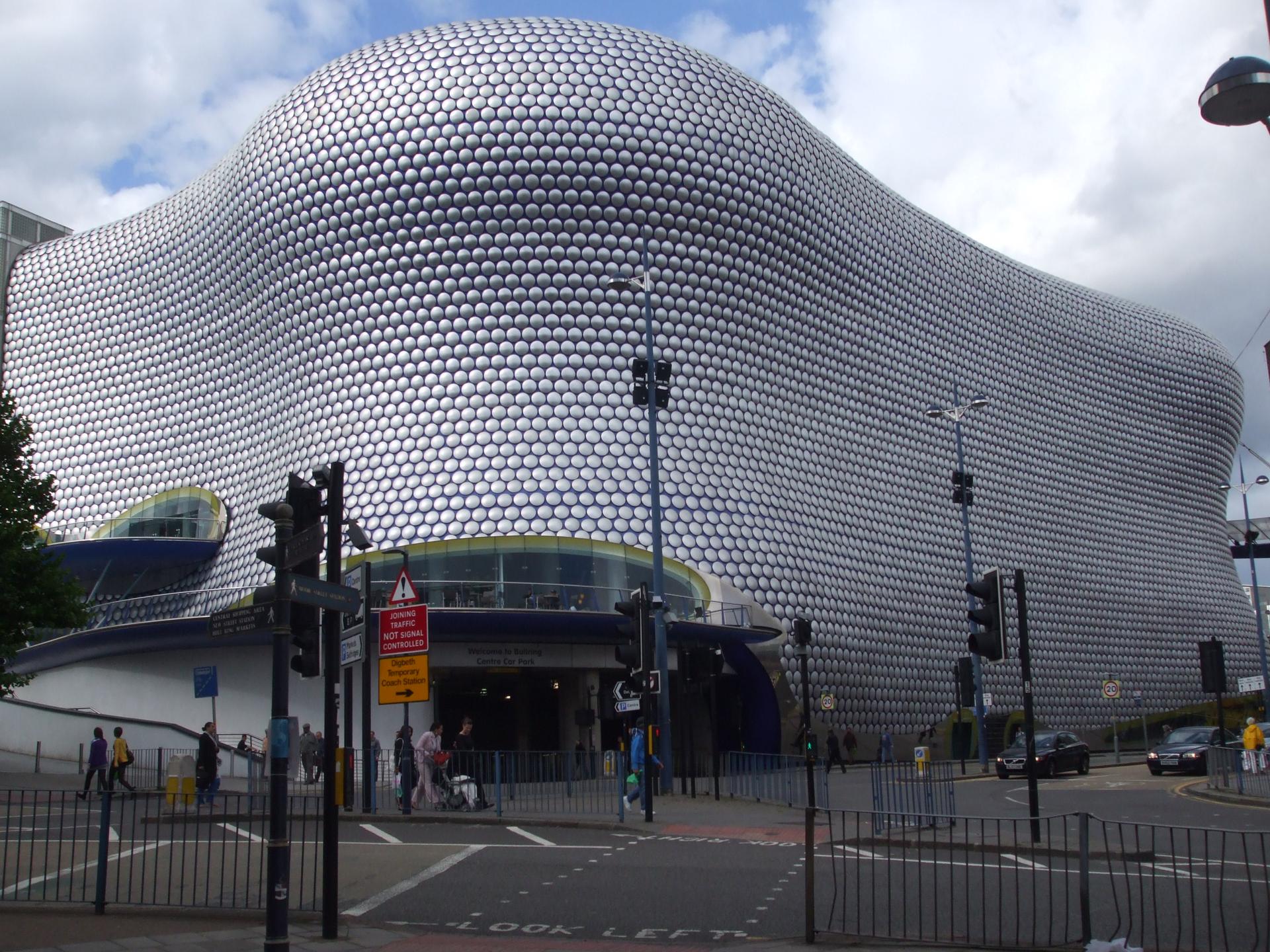
Looking beyond Pen Museum? Discover Birmingham for broader travel guides, local hot-spots, and regional highlights.
Explore Birmingham