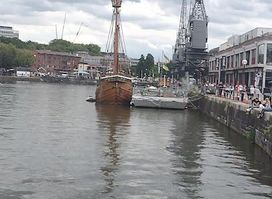
Bristol Docks, Bristol Travel Guide
Historic Bristol Docks at Hotwells: Engineering brilliance and maritime heritage meet vibrant waterfront life.
Bristol Docks, located on Dock Gate Lane in Hotwells, Bristol, is the heart of the city’s historic Floating Harbour system. Engineered in the early 19th century by William Jessop and enhanced by Isambard Kingdom Brunel, this non-tidal harbour revolutionized maritime trade by maintaining a constant water level regardless of the River Avon’s tides. Once a bustling hub for global trade, shipbuilding, and exploration, the docks now blend rich industrial heritage with vibrant waterfront life and iconic vessels like the SS Great Britain.
A brief summary to Bristol Docks
- Dock Gate Ln, Bristol, Hotwells, GB
- Duration: 1 to 3 hours
- Free
-
 Outdoor
- Mobile reception: 4 out of 5

Know before you go
Hi, I'm Eve. Here are a few practical things to know before exploring Bristol Docks.
- Explore the historic lock gates at Cumberland Basin to appreciate the engineering that keeps the harbour’s water level constant.
- Visit the SS Great Britain museum nearby to connect with Bristol’s shipbuilding legacy.
- Enjoy a waterside walk along Dock Gate Lane to soak in the blend of industrial heritage and modern leisure.
- Check for boat tours departing from the docks for a unique perspective of the Floating Harbour.
Do you manage this location?
Take control to get all the benefits, like improved information, better appearance, and stronger visibility across AI-powered discovery. Learn more about listing your business on Evendo
Activate your presenceOther nearby places you may find interesting
The closest places of the same kind, if this one is not quite what you had in mind.
Explore Bristol Docks on the Map
A handpicked selection of must-see spots near Bristol Docks, mapped for you.
Unlock the Best of Bristol Docks
Buy tickets
-
No tickets available
Book tours with entry


Book tours without entry

Getting There
-
Bus
Take the Number 8 or 9 bus from Bristol city centre towards Hotwells; the journey takes approximately 15-20 minutes. Buses run frequently during the day, but services reduce in the evening. A single fare costs around £2.50 GBP.
-
Train and Walk
Arrive at Bristol Temple Meads railway station, then take a taxi or bus to Hotwells. The taxi ride is about 15 minutes and costs approximately £8-£12 GBP. From Hotwells, the docks are a short 5-minute walk along mostly flat terrain.
-
Car
Driving to Bristol Docks is possible, with parking available along Dock Gate Lane and some spaces at the docks. Parking can be limited during peak times. Nearby pay-and-display options cost around £1.50-£3.00 GBP per hour.
For the on-the-go comforts that matter to you
-
 Restrooms
-
 Drink Options
-
 Food Options
-
 Seating Areas
-
 Information Boards
Discover more about Bristol Docks
Engineering Marvel of the Floating Harbour
Bristol Docks form the centerpiece of the Floating Harbour, an innovative maritime infrastructure project completed in 1809. Designed by civil engineer William Jessop, the harbour overcame the challenge of Bristol’s tidal River Avon by creating a non-tidal basin that kept water levels constant. This was achieved by damming the river and diverting its flow into a new channel called the New Cut, while enclosing the original river course to form the harbour. The Cumberland Basin and lock gates at Hotwells allow vessels to enter and exit safely, regardless of tidal changes. Later, Isambard Kingdom Brunel improved the system by introducing sluices to manage silt buildup, ensuring the harbour’s long-term functionality.A Hub of Maritime Trade and Exploration
Historically, Bristol Docks were integral to the city’s rise as a major trading port from medieval times through the 19th century. The docks facilitated commerce with Europe, the Americas, and the Caribbean, including the controversial transatlantic slave trade. Bristol was also a launch point for significant voyages of exploration, such as John Cabot’s 1497 expedition to North America. The harbour supported shipbuilding milestones, including Brunel’s SS Great Western and the SS Great Britain, which were among the largest and most advanced ships of their time.Transformation and Modern Legacy
As ships grew larger and maritime technology advanced, Bristol’s shipping activities gradually shifted downstream to Avonmouth and Royal Portbury docks. The City Docks ceased commercial operations in the 1970s but have since been revitalized as a cultural and recreational waterfront. Today, the area around Dock Gate Lane blends historic shipyards, museums, and leisure spaces, preserving Bristol’s maritime heritage while serving as a vibrant urban destination.Architectural and Cultural Significance
The docks are surrounded by historic quays, warehouses, and engineering feats that reflect Bristol’s industrial past. Notable landmarks include the Cumberland Basin’s lock gates and the preserved shipbuilding facilities. The Floating Harbour remains a testament to early 19th-century engineering ingenuity and continues to influence harbour design. The area celebrates Bristol’s complex history, from its role in global trade networks to its contributions to maritime innovation.Visitor Experience and Atmosphere
Visitors to Bristol Docks can enjoy scenic waterfront views, historic vessels, and a lively atmosphere enriched by cafes, galleries, and boat tours. The docks offer a unique blend of tranquil waterside charm and the energy of a working harbour turned cultural hub. Interpretive displays and guided tours provide insight into the docks’ engineering, history, and ongoing significance to Bristol’s identity.Environmental and Urban Context
Situated in the Hotwells district, the docks are part of a broader urban landscape that balances heritage conservation with modern development. The harbour’s stable water levels support diverse aquatic life and contribute to the city’s flood management. The area is accessible and well-integrated into Bristol’s transport network, making it a key point of interest for both locals and tourists.












Your all‑in‑one travel companion app
Explore expert travel guides, compare and book tours, experiences, hotels, and more—all from the palm of your hand. Download now for seamless trip planning wherever your wanderlust takes you.


Explore More of Bristol
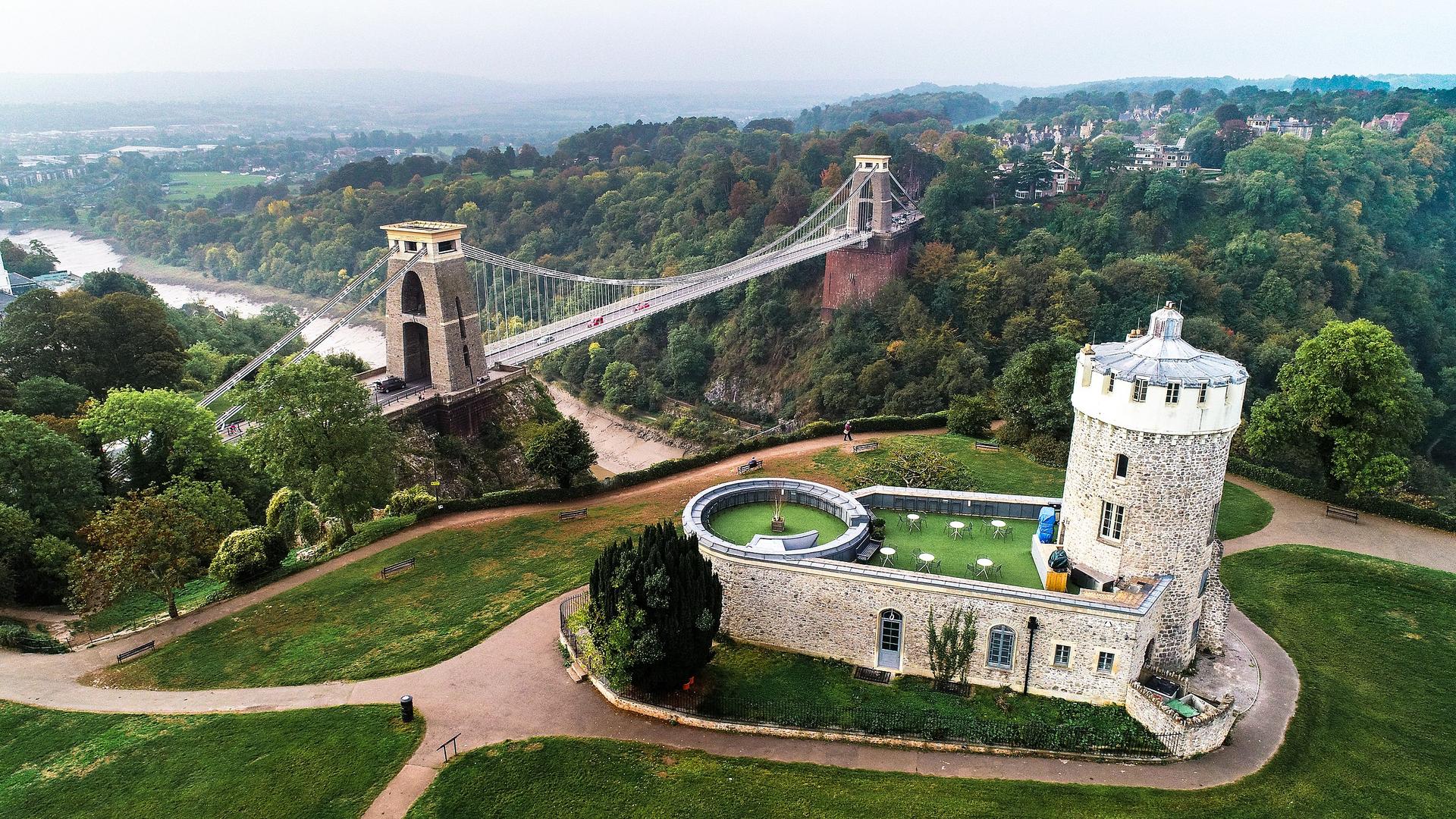
Looking beyond Bristol Docks? Discover Bristol for broader travel guides, local hot-spots, and regional highlights.
Explore Bristol