
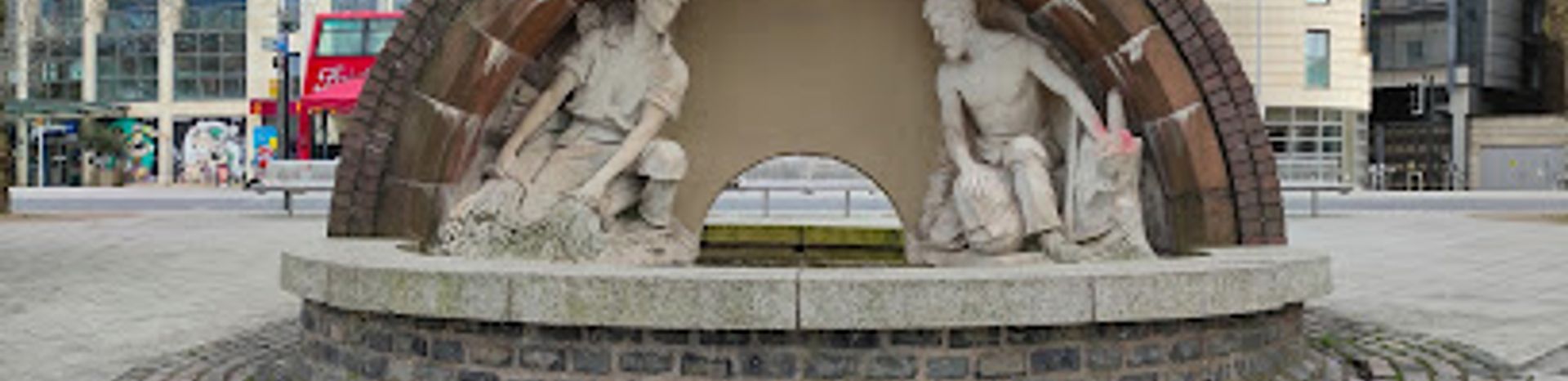
King George V Memorial Fountain
Lutyens-designed waterfront memorial honouring King George V with monumental sculptural figures.
A Grade II-listed memorial fountain on Narrow Quay in Bristol's city centre, honouring King George V with elegant sculptural figures. Designed by renowned architect Sir Edwin Lutyens and completed in 1982, this striking public artwork features monumental figures sourced from a former building and stands as a testament to early 20th-century commemorative design. The fountain occupies a prominent position overlooking the waterfront and remains a notable landmark in Bristol's civic landscape.
A brief summary to King George V Memorial Fountain
- Narrow Quay, Bristol, BS1 4AH, GB
- Duration: 0.25 to 1 hours
- Free
-
 Outdoor
- Mobile reception: 5 out of 5
Local tips
- Visit during daylight hours to fully appreciate the sculptural details and the fountain's relationship to the surrounding waterfront architecture.
- The memorial is accessible year-round as a public outdoor monument; no tickets or reservations are required.
- Combine your visit with exploration of nearby Broad Quay House and the wider Bristol waterfront, which contains numerous other historic landmarks and public artworks.
- Photography is excellent from multiple angles, particularly when the light catches the sculptural figures and reflects off the water.

For the on-the-go comforts that matter to you
- Seating Areas
- Information Boards
- Trash Bins
Getting There
-
Bus
Multiple bus routes serve Bristol city centre with stops on or near Broad Street and Quay Street, approximately 150–200 metres from the memorial. Journey times from Bristol Temple Meads station are typically 10–15 minutes depending on traffic. Single fares cost around £1.80–£2.50 within the city zone.
-
Train
Bristol Temple Meads railway station is the main transport hub, located approximately 800 metres south of the memorial. A 10–12 minute walk through the city centre leads directly to Narrow Quay, or local buses provide connections in 5–10 minutes for approximately £1.80–£2.50.
-
Cycling
Bristol's extensive cycle network includes dedicated lanes leading to the waterfront. Bike parking is available at multiple locations near Broad Quay House and throughout the city centre. Journey times from central locations are typically 5–15 minutes depending on starting point.
-
Walking
The memorial is easily reached on foot from Bristol city centre. From Cabot Circus shopping centre, allow 8–10 minutes; from St Augustine the Less church, approximately 5 minutes. The route follows paved city streets with level access throughout.
King George V Memorial Fountain location weather suitability
-
 Any Weather
Discover more about King George V Memorial Fountain
A Royal Tribute in Bronze and Stone
The King George V Memorial Fountain stands on Narrow Quay as one of Bristol's most distinctive public monuments. Commissioned to honour the first monarch of the House of Windsor, this Grade II-listed memorial was designed by Sir Edwin Lutyens, one of Britain's most celebrated architects. The fountain's composition features monumental sculptural figures that were repurposed from a former building, creating a unique blend of salvaged architectural heritage and commemorative purpose. The memorial was completed and installed in its current location in 1982, following careful restoration and relocation efforts.Design and Artistic Significance
The fountain's design reflects Lutyens' characteristic approach to memorial architecture, combining classical restraint with dignified monumentality. The sculptural elements were originally part of the CWS (Co-operative Wholesale Society) building before being relocated to create this memorial. The arrangement of figures around the fountain creates a sense of formal ceremony appropriate to the subject matter. The fountain's placement on the narrow quayside, adjacent to Broad Quay House, positions it as a focal point for both pedestrians and those arriving by water. The use of monumental figures gives the memorial a presence that transcends its modest footprint, making it a significant visual anchor in Bristol's waterfront district.Historical Context and Commemoration
King George V reigned from 1910 until his death in 1936, a period that encompassed the First World War and significant constitutional changes in the British monarchy. The memorial was funded through public subscription, reflecting widespread civic support for honouring the late monarch. The inscription on the memorial reads "In Memory of King George V 1910–1936," marking his reign and establishing the fountain as a permanent record of his significance to the nation. Bristol's decision to commission this memorial demonstrated the city's engagement with national commemoration and its role as a major urban centre during the interwar period.Waterfront Setting and Urban Integration
Located on Narrow Quay, the fountain occupies a historically significant waterfront location that has long served as a gathering place and commercial hub. The quayside setting provides natural views across the water and creates an open, accessible environment for visitors. The fountain's proximity to Broad Quay House, completed in 1982 with funding from the King George V Memorial Fund, reinforces the memorial's integration into the broader urban fabric. The waterfront location ensures the fountain remains visible to both residents and visitors navigating Bristol's city centre, maintaining its role as a public monument and point of civic pride.Restoration and Preservation
Like many public monuments, the King George V Memorial Fountain has required careful conservation to maintain its condition and appearance. The relocation to its present site in 1982 involved restoration work to ensure the sculptural elements and fountain mechanism were preserved for future generations. The Grade II listing provides statutory protection, ensuring that any future alterations or maintenance work must meet heritage conservation standards. This designation recognises the fountain's architectural and historical importance as a work by a master architect and as a significant example of early 20th-century commemorative design.Iconic landmarks you can’t miss

King George V Memorial Fountain
0.0 km
Lutyens-designed waterfront memorial honouring King George V with monumental sculptural figures.
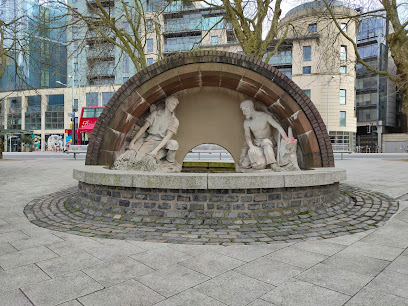
Cascade Steps
0.1 km
Historic Cascade Steps in Bristol offer scenic waterfront views and a tranquil urban retreat steeped in maritime heritage.
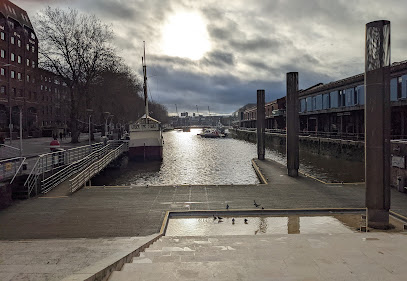
Statue of Edmund Burke
0.2 km
A bronze tribute to Edmund Burke on Bristol’s waterfront, where 18th-century ideals meet modern city life.
Statue of Ram Mohan Roy
0.3 km
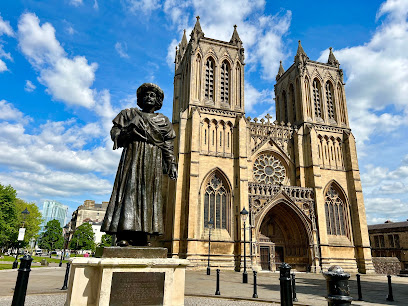
A dignified bronze tribute in Bristol honoring Ram Mohan Roy’s legacy as a pioneering Indian reformer and visionary.
Old Post Office
0.3 km
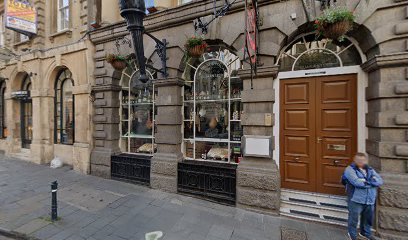
Discover Bristol’s 18th-century Old Post Office, a preserved Georgian landmark blending rich history with vibrant city life at Corn Street.
Statue of Cary Grant
0.4 km
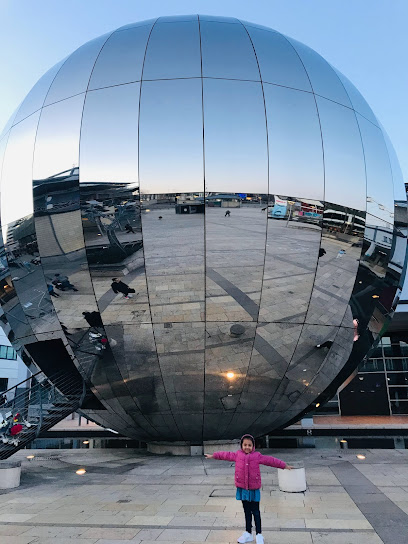
Celebrate Hollywood legend Cary Grant with a lifelike bronze statue in Bristol’s vibrant Millennium Square, capturing his timeless charm and local roots.
Prince Street Bridge
0.4 km
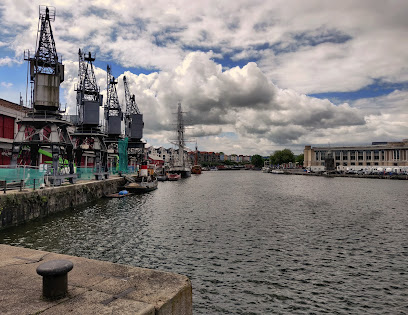
A working Victorian swing bridge over Bristol’s Floating Harbour, connecting the city centre with the Cumberland Road area and offering quiet views of boats and quays.
The Nails
0.4 km
Historic iron nails in Bristol’s Corn Street where medieval merchants sealed their deals, embodying the city’s rich trading heritage.
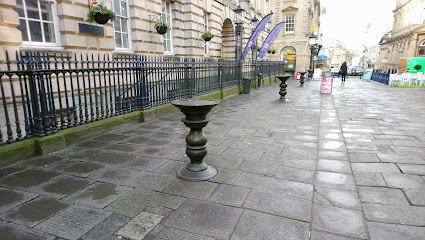
Medieval Vaults
0.4 km
Explore Bristol’s hidden medieval cellars beneath High Street, where Gothic vaults tell tales of centuries past beneath the city’s modern bustle.
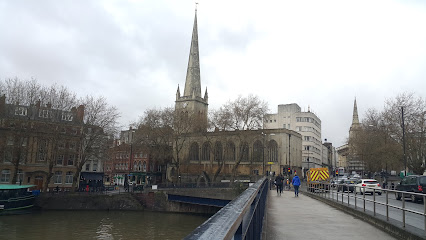
Bristol Bridge
0.4 km
A historic stone bridge spanning Bristol’s Floating Harbour, linking the Old City with Redcliffe and centuries of the city’s story.
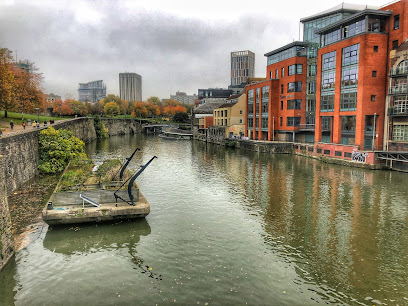
St Mary Le Port Church
0.5 km
Historic Saxon-era church ruins in Bristol’s Castle Park, a poignant landmark of medieval heritage and wartime resilience.
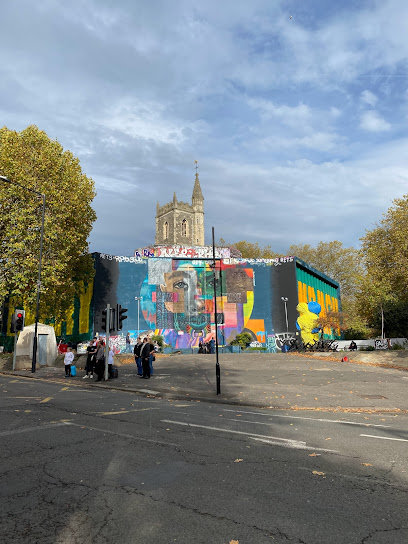
Old City Walls
0.5 km
Trace the vanished medieval walls that shaped Bristol’s historic Old City, revealing centuries of rich heritage and urban evolution.
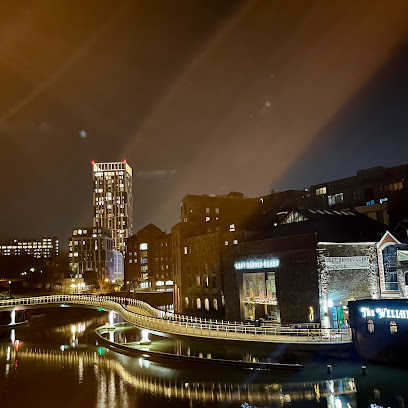
Royal Talbot Buildings
0.5 km
Discover the Royal Talbot Buildings in Redcliffe, Bristol: A luxurious executive suite experience perfect for your city escape.
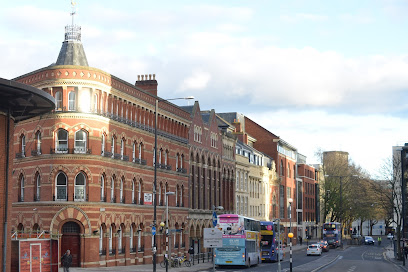
The Matthew of Bristol
0.5 km
Explore Bristol's maritime heritage aboard The Matthew, a historic ship offering breathtaking views and engaging tours of the city's vibrant harbor.
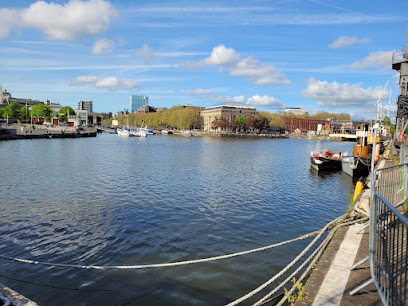
Fermentation Buildings
0.6 km
Grade II-listed former brewery warehouses reborn as a creative office and waterfront dining hub on Bristol’s Floating Harbour.
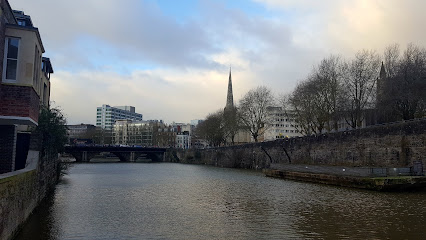
Unmissable attractions to see

The Centre
0.1 km
The Centre, Bristol: where history, transport, and culture converge in a vibrant urban open space.
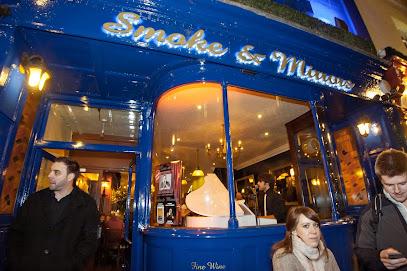
Smoke & Mirrors
0.2 km
Bristol’s intimate boutique magic theatre pub blending comedy, live music, and classic ales in a cozy, theatrical setting.
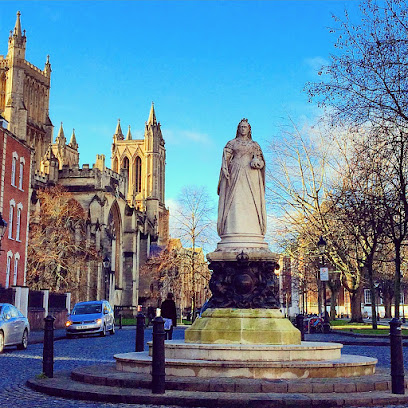
Statue of Queen Victoria
0.2 km
Explore the grandeur of the Statue of Queen Victoria in Bristol, a stunning historical landmark that embodies the city's royal heritage and charm.
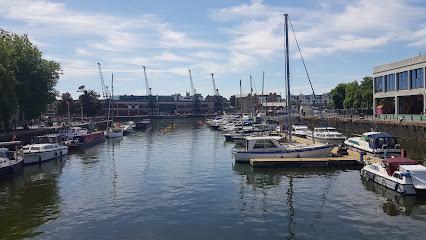
Harbourside
0.2 km
Discover Bristol Harbourside, where rich maritime history meets vibrant culture, waterside dining, and lively urban charm.
Bristol Aquarium
0.2 km
Explore captivating marine life and conservation stories at Bristol Aquarium, a vibrant underwater world in the heart of Bristol.
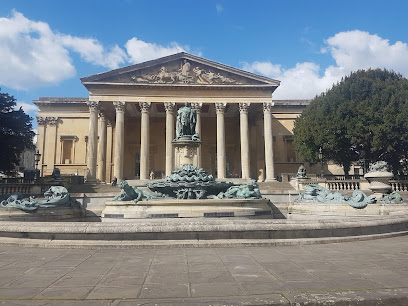
Narrow Quay
0.2 km
Historic Narrow Quay in Bristol blends maritime heritage with vibrant arts and waterside charm in the heart of the Floating Harbour.
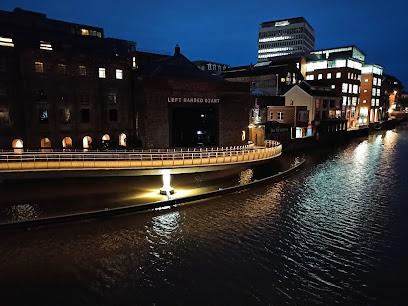
Bristol Old Vic
0.2 km
Experience the oldest continuously working theatre in the English-speaking world, where history and innovation meet on Bristol’s King Street.
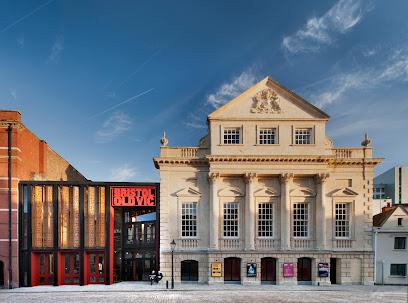
haunted and hidden bristol walking tour
0.2 km
Discover Bristol’s spooky secrets and cinematic history on this award-winning haunted walking tour led by a charismatic local guide.
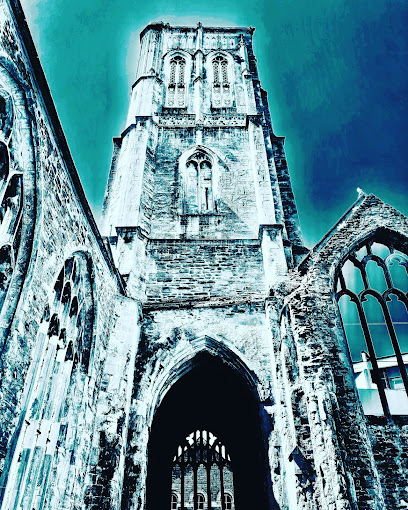
Pero's Bridge
0.2 km
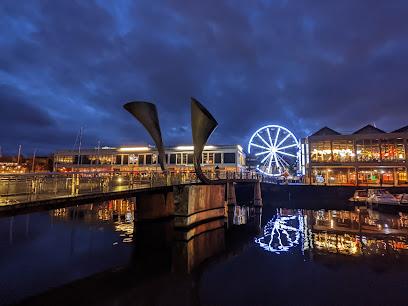
Discover Pero's Bridge in Bristol, a blend of modern architecture and historic charm, perfect for leisurely strolls and picturesque views of the harbor.
Queen Square
0.2 km
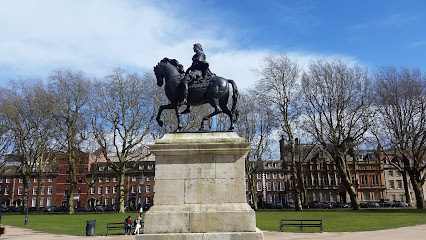
A serene Georgian square in Bristol’s center, blending historic charm with peaceful green space and vibrant cultural life.
The Bristol Wheel
0.2 km
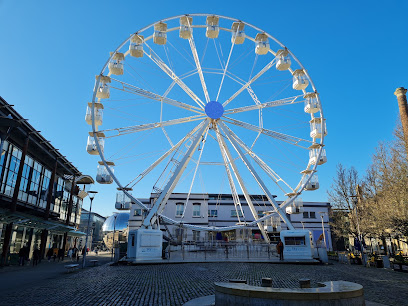
Soar above Bristol’s iconic landmarks on The Bristol Wheel, a dazzling Ferris ride offering stunning panoramic city views day and night.
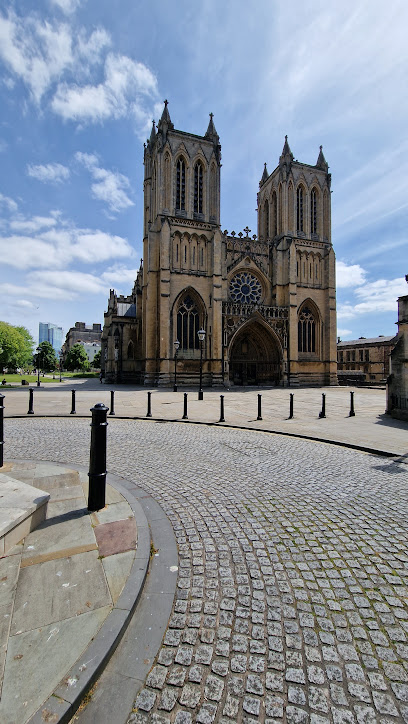
Bristol Cathedral
0.2 km
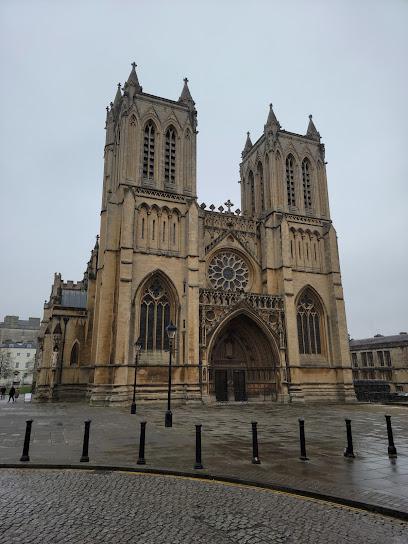
Explore Bristol Cathedral’s majestic medieval hall church with soaring vaults, Gothic Revival nave, and centuries of rich history in the city’s heart.
We The Curious
0.3 km
Discover Bristol’s vibrant science centre with interactive exhibits, creative workshops, and the UK’s only 3D Planetarium in a playful, inclusive space.
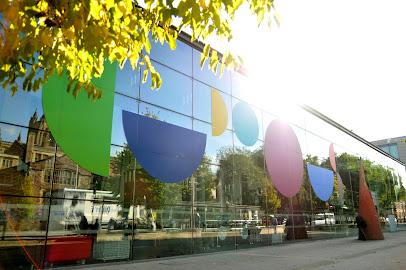
Guided Walking Tour - From Blackbeard to Banksy
0.3 km
Explore Bristol’s rich history and iconic Banksy street art on a captivating guided walking tour from College Green.
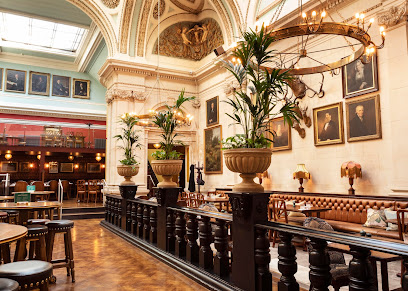
Cosy Club
0.3 km
Historic elegance meets vibrant British dining in a stunning former banking hall at the heart of Bristol’s Old City.
Essential places to dine

Under the Stars
0.0 km
Discover exquisite tapas and crafted cocktails at Under the Stars in Bristol's scenic waterfront area – where culinary delight meets vibrant ambiance.
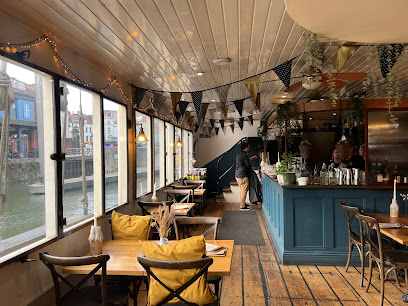
No.1 Harbourside
0.1 km
Bristol's independent waterside gem serving bold burgers, local drinks, and genuine hospitality.
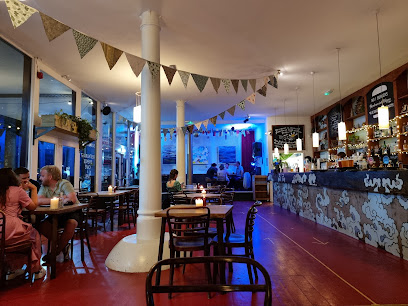
The Bristol Stable
0.1 km
Sourdough pizzas, West Country ciders, and lively Harbourside vibes combine at The Bristol Stable for a quintessential Bristol dining experience.
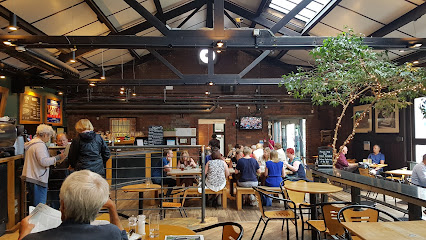
Turtle Bay Bristol Broad Quay
0.1 km
Experience authentic Caribbean cuisine, tropical cocktails, and lively reggae vibes in Bristol’s vibrant Broad Quay district.
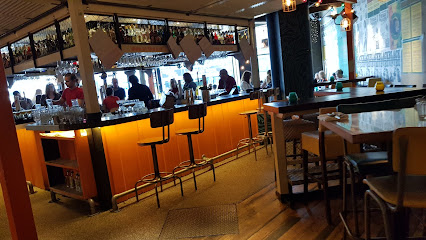
Pieminister
0.1 km
Award-winning British pies, piled high with mash, peas and gravy, in a lively harbourside restaurant with views of Bristol’s fountains and waterfront.
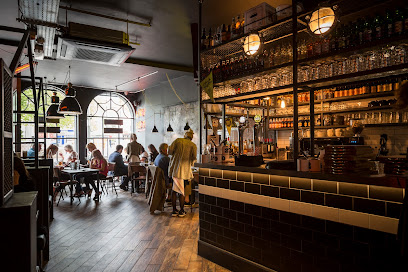
Hat Bistro
0.1 km
Experience authentic Greek cuisine and warm hospitality at Hat Bistro, Bristol’s cozy Mediterranean gem with locally sourced flavors.
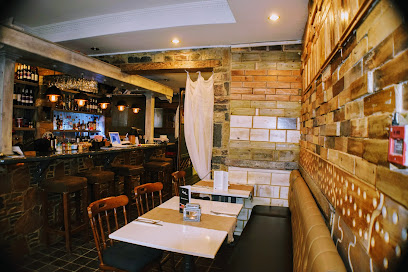
Ciao Amici Restaurant
0.2 km
Authentic Italian dining with handmade pizzas and a warm, inviting atmosphere in the heart of Bristol’s cultural scene.
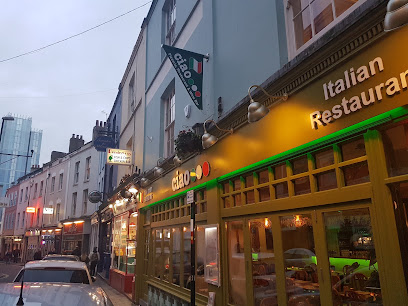
MUSE Brasserie - Bristol
0.2 km
Discover the exquisite blend of French and Indian flavors at MUSE Brasserie, Bristol’s premier fusion dining destination in an elegant bistro setting.
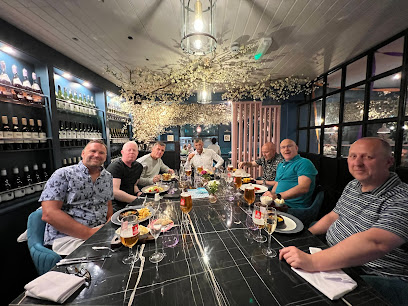
The River Grille
0.2 km
Elegant Harbourside fine dining with West Country steaks, fresh seafood, and panoramic waterfront views.
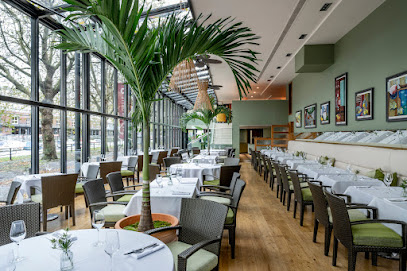
Rick's
0.2 km
Discover Rick's in Bristol - where exceptional cocktails meet delightful brunches in a vibrant waterfront setting.
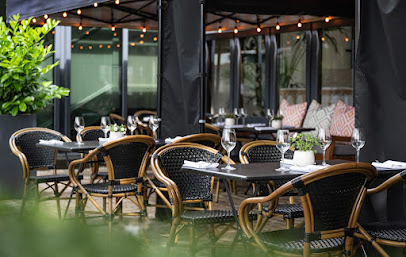
Pasta Ripiena
0.3 km
A tiny Bristol gem where every bite of handmade stuffed pasta bursts with seasonal Italian flavour.
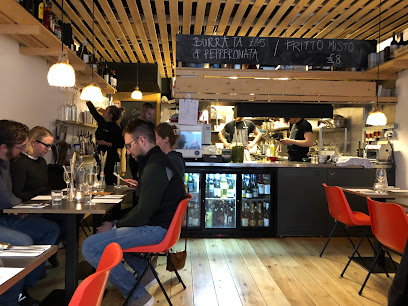
Marmo Restaurant & Wine Bar
0.3 km
Michelin-recognized Italian cooking with organic wines in Bristol's vibrant restaurant quarter.
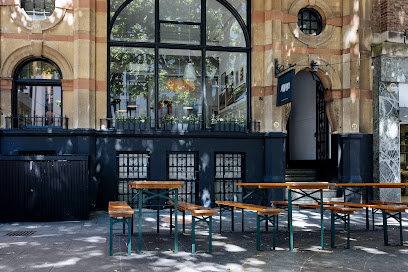
Bambalan
0.3 km
Vibrant Mediterranean dining with rooftop views, lively DJs, and a spirited social scene in the heart of Bristol.
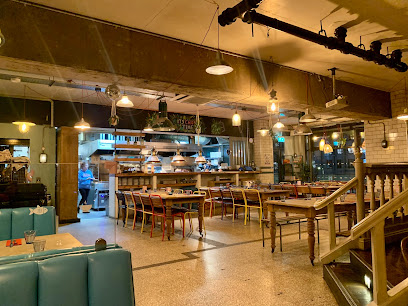
Four Wise Monkeys
0.3 km
Lively pan-Asian fusion dining with retro Tokyo vibes and bold flavours in Bristol’s city centre.
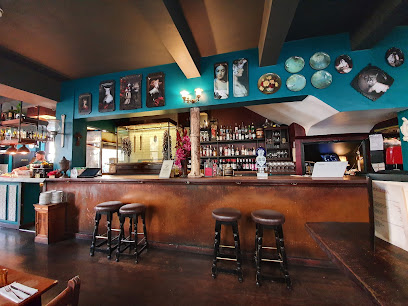
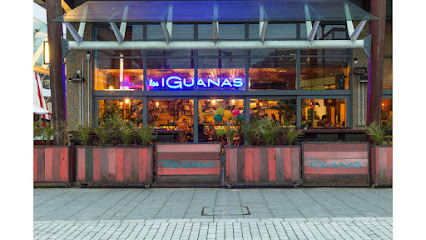
Las Iguanas - Bristol - Harbourside
0.3 km
Lively Latin American dining and cocktails with vibrant vibes by Bristol’s picturesque Harbourside waterfront.
Markets, malls and hidden boutiques

my a2space
0.1 km
A compact Harbourside shop showcasing locally made prints, gifts and artisan wares from Bristol’s creative community.
Will's doss pit
0.1 km
Dive into Bristol's quirky underbelly at Will's Doss Pit, where vintage treasures and bohemian finds await in historic Queen Square.
Over Here
0.3 km
Discover quirky gifts and stylish clothing at Over Here, a hidden gem in Bristol's historic St Nicholas Markets arcade.
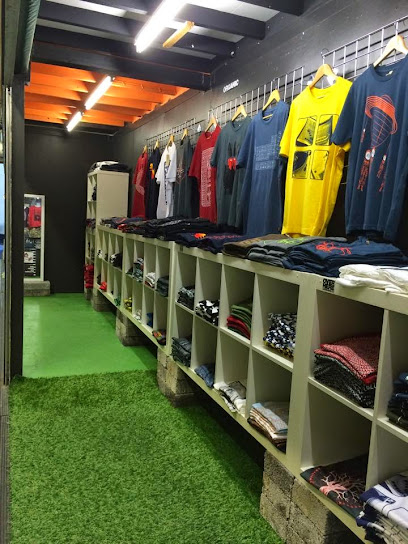
This Feeling
0.3 km
Trendy threads in Bristol's historic market heart—independent fashion amid Georgian charm and bustling stalls.
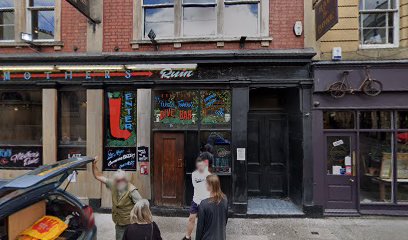
Riff Raff Gifts The Bong Shop
0.3 km
Specialist smoking accessories retailer in historic St Nicholas Market's Covered Market.
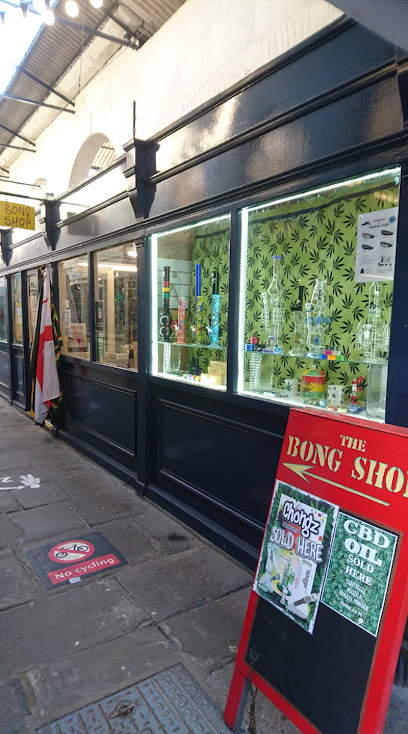
uchi clothing co
0.4 km
Discover stylish, sustainable fashion in Bristol’s historic Corn Exchange at Uchi Clothing Co, where quality meets contemporary design.
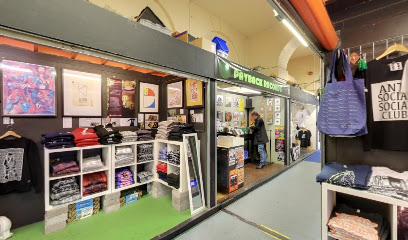
Memories
0.4 km
Explore 'Memories' in Bristol for unique gifts and local treasures that capture the spirit of your visit.
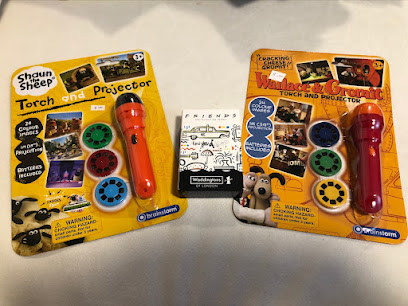
Quadrant Trading
0.4 km
Discover handcrafted Bristol treasures at Quadrant Trading in the historic Corn Exchange—a shopper's delight of local artistry and unique souvenirs.
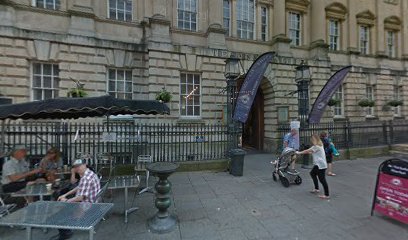
Japonicat
0.4 km
Discover unique Japanese gifts and charming collectibles at Japonicat, nestled in Bristol’s historic St Nicholas Market.
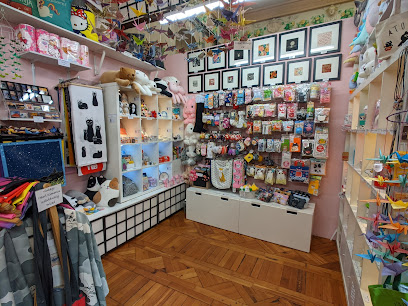
Alices Secret Empourium
0.4 km
Uncover Bristol's quirk-filled gift haven on Park Street, where eclectic treasures and whimsical wonders await every curious explorer.
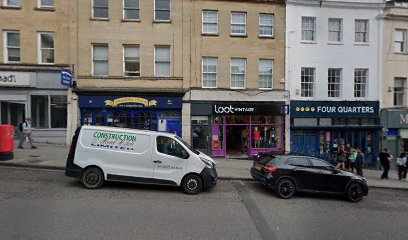
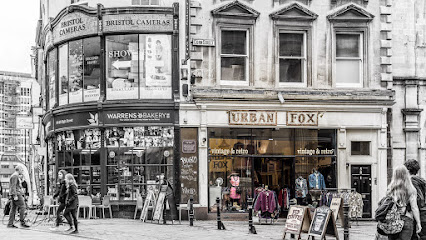
Urban Fox
0.4 km
Unearth retro gems at Urban Fox, Bristol's vintage clothing nook in vibrant St Nicholas Market—quality finds with 25 years of expertise.
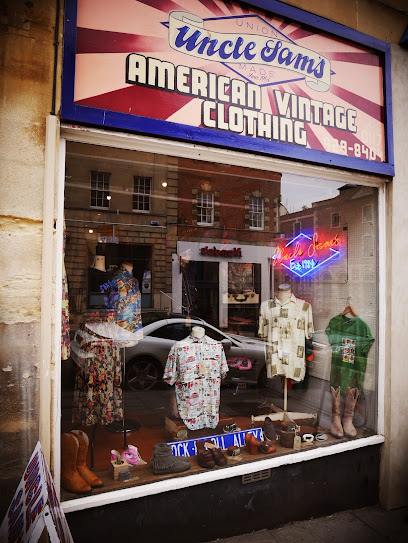
Uncle Sam's Vintage
0.5 km
Bristol's legendary American vintage superstore, curating authentic mid-century treasures since 1984.
Zhyper
0.5 km
Trendy threads and accessories in Bristol's Harbourside hub, where personal style meets waterfront vibrancy and urban creativity.
Orendo
0.5 km
Discover unique ladies' fashion at Orendo, a chic clothes shop in Bristol that embodies the city's vibrant style and trends.
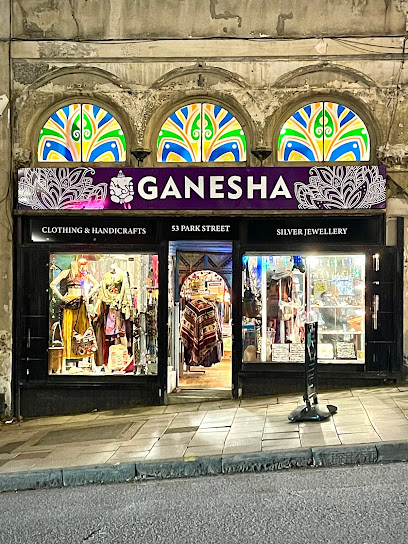
Ganesha
0.5 km
Discover unique gifts, clothing, and handicrafts at Ganesha, Bristol's treasure trove of artistic creations and local craftsmanship.
Essential bars & hidden hideouts

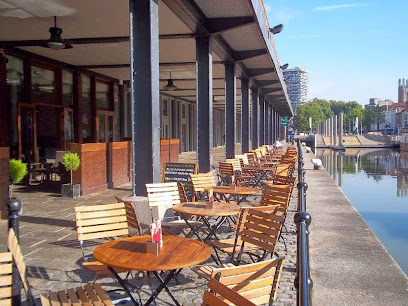
Mackenzies Bar & Kitchen
0.1 km
A relaxed, all-day cafe-bar in the W Shed offering casual meals and drinks beside Bristol’s harbourside.
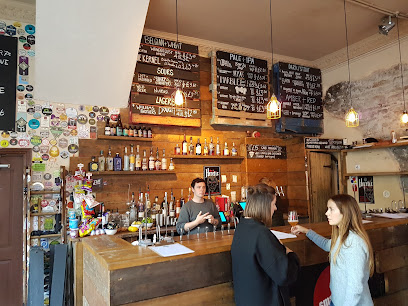
Small Bar
0.1 km
Bristol's compact craft beer gem: sample microbrew masterpieces in rustic intimacy amid King Street's historic buzz.
Kongs of King Street
0.2 km
A lively Bristol bar blending arcade games, craft beers, and vibrant music for unforgettable nights on King Street.
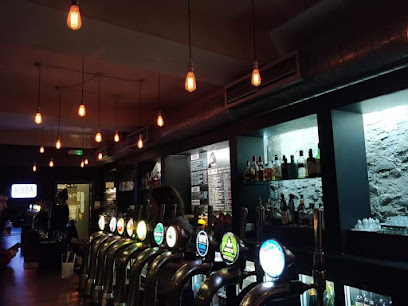
Steinbeck and Shaw
0.2 km
Bristol's graffiti-glazed cocktail haven where masterclasses, happy hours, and late-night vibes collide in historic style.
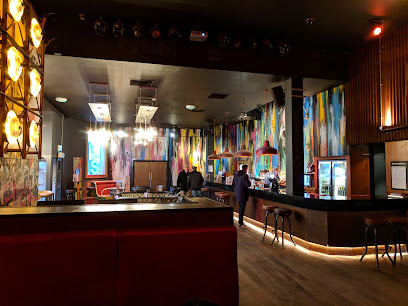
The Clockwork Rose
0.2 km
Bristol's steampunk speakeasy where airship captain's cocktails blend Victorian flair, fantastical lore, and masterful mixology into unforgettable evenings.
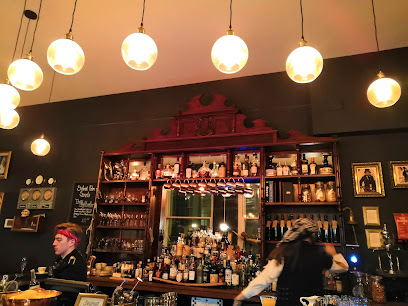
The Architect
0.3 km
Art deco café-bar on Bristol's Floating Harbour: coffees by day, cocktails by night, with terrace views of ferries and quayside life.
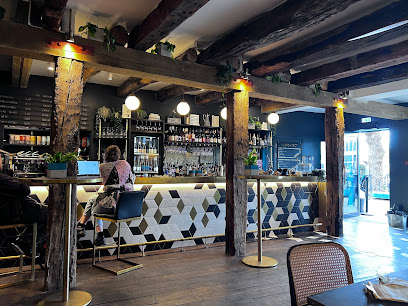
Brozen Bar - Bristol
0.3 km
Discover Bristol’s Brozen Bar, where inventive frozen cocktails and a cosy atmosphere create a unique, must-visit cocktail experience.
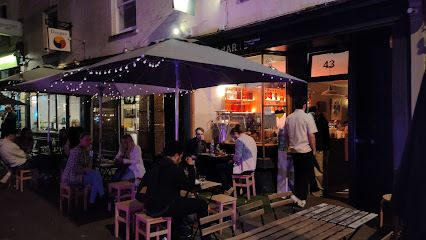
Shakespeare Tavern
0.3 km
Waterside Bristol pub pouring cask ales, pub classics, and community cheer in a dog-friendly haven with garden vibes.
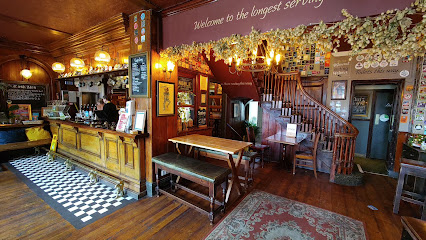
Secret Cocktail Club - Bristol
0.3 km
Discover Bristol’s hidden basement bar blending historic charm with expertly crafted cocktails in an intimate, secretive setting.
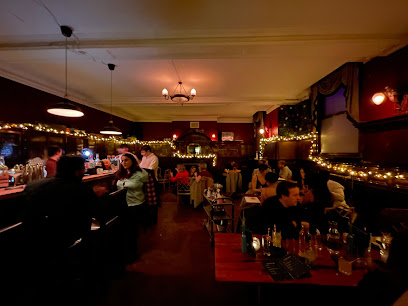
Slug & Lettuce - City Centre Bristol
0.3 km
Bristol's go-to cocktail haven on St Nicholas Street, blending lush drinks, tasty bites, and vibrant nights in the Old City heart.
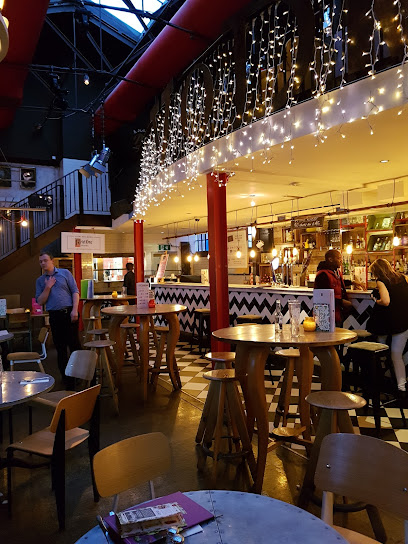
Revolution Bristol
0.3 km
Two-storey cocktail bar in Bristol’s Old Fish Market — colourful interiors, mezzanine balcony and cocktails for day and night.
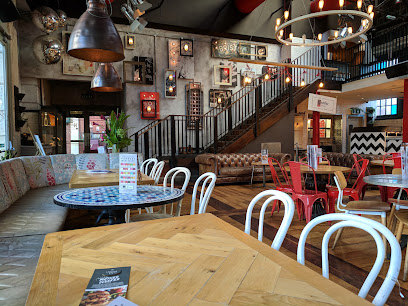
The Cocktail Club - Corn Street Bristol
0.3 km
Experience Bristol’s vibrant nightlife with expertly crafted cocktails, galactic-themed interiors, and an unforgettable party atmosphere at The Cocktail Club Corn Street.
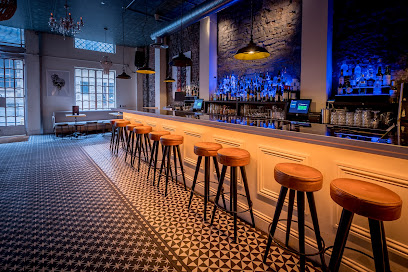
Flight Club Bristol
0.3 km
Experience the thrill of Social Darts® and vibrant cocktails in Bristol’s lively, carnival-inspired cocktail bar on historic Corn Street.
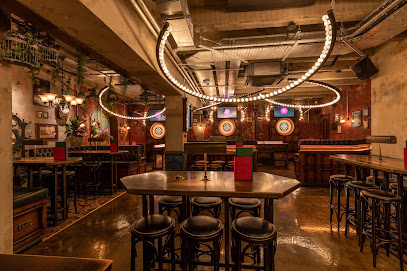
The Boardroom
0.3 km
Grazing boards, rum mastery and historic charm in Bristol's Old City—perfect for intimate drinks or private hires till late.
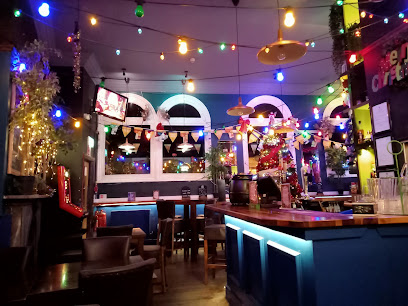
Dirty Martini - Bristol
0.4 km
Bristol's dazzling cocktail bar on Corn Street, blending royal elegance, masterful martinis, bottomless brunches, and electric nights in the heart of Old City.
Nightclubs & after hour spots

Popworld - Bristol
0.2 km
Dance to 90s and 00s pop anthems under neon lights at Bristol's ultimate nostalgic nightclub, where cheesy hits and POPTAIL cocktails fuel epic nights out.
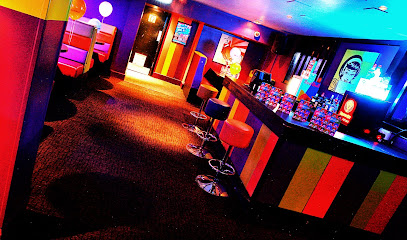
Forró Bristol
0.2 km
Ignite your night with Brazilian forró rhythms: partner dances, live bands, and sweaty joy in Bristol's beating heart.
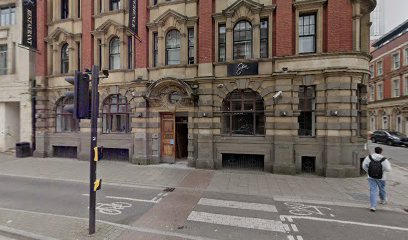
PRYZM
0.2 km
Experience Bristol’s vibrant nightlife at PRYZM, a multi-room club with themed music floors, student deals, and a lively party atmosphere.
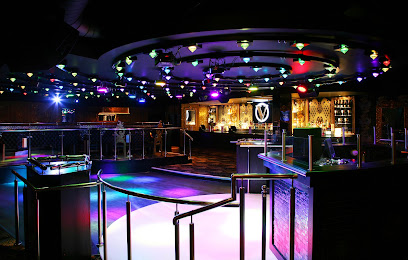
Basement 45
0.3 km
Experience Bristol’s underground nightlife at Basement 45, where eclectic music, intimate vibes, and vibrant events come alive until the early hours.
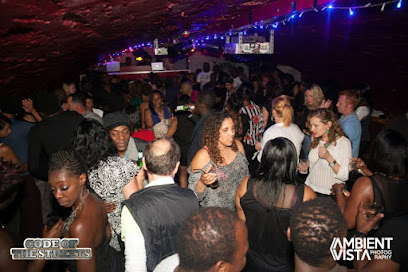
Queenshilling - Bristol Bar and Nightclub
0.3 km
Bristol's iconic LGBTQ+ haven: dance, drag, and drinks in an intimate Frogmore Street gem fueling the city's electric nightlife.
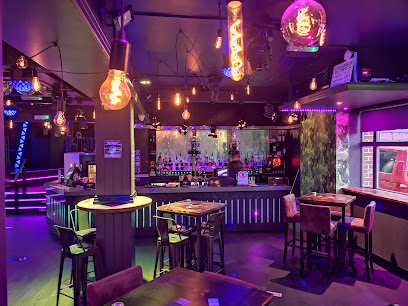
OMG
0.3 km
Southwest's biggest gay club: massive dance floor, killer sound, themed nights, and inclusive vibes until dawn in Bristol's heart.
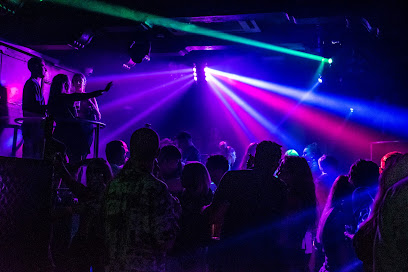
Thekla
0.4 km
A converted cargo ship transformed into Bristol’s compact, industrial live-music venue and late-night club, famed for close-up shows and throbbing club nights.
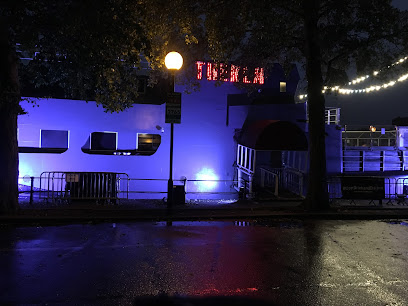
Antix
0.4 km
Bristol's enduring late-night haven on Park Street: cocktails till 1am, DJ beats till 6am, dancing into dawn with house, R&B, and reggaeton vibes.
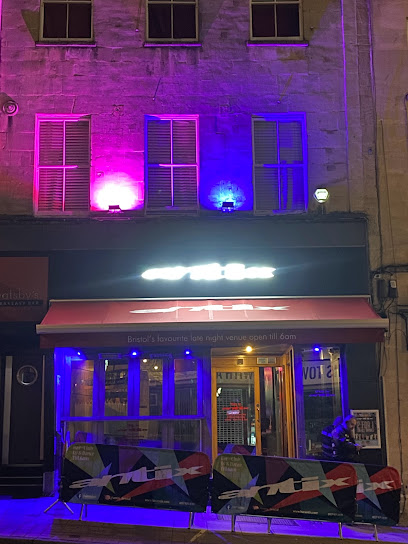
Silk Nightclub
0.5 km
Experience Bristol’s vibrant nightlife at Silk Nightclub, where energetic beats and a lively crowd create unforgettable nights in the city center.
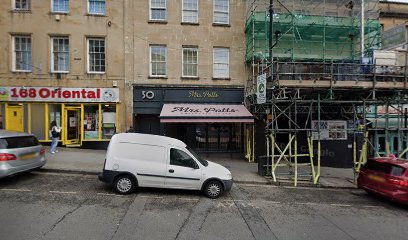
Marquee Cocktail Bar & Nightclub
0.5 km
From refined cocktails to dawn-dancing beats, Marquee delivers Bristol's ultimate nightlife evolution in one stylish venue.
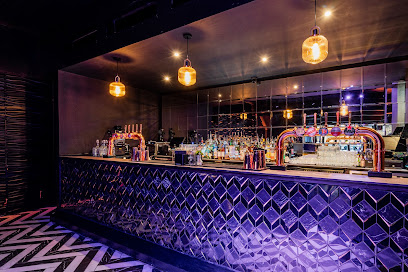
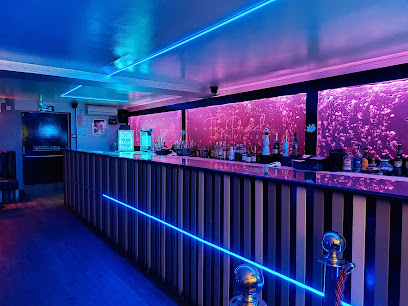
The Pearl NightClub
0.8 km
Bristol's intimate Clifton nightclub where fire DJs ignite weekend dance floors from 10pm till dawn—pure energy in a compact, electric space.
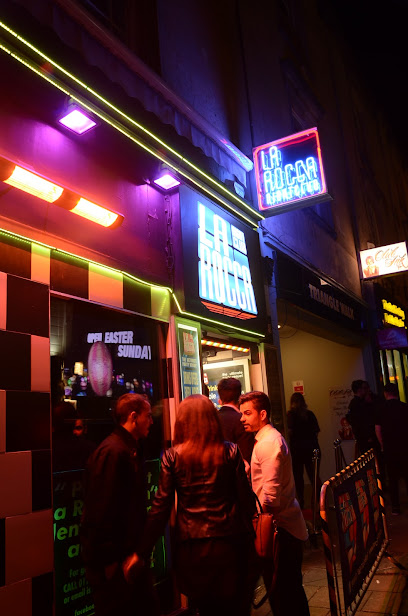
La Rocca
0.8 km
A lively Clifton nightclub blending classic tunes, affordable drinks, and a vibrant social scene in Bristol’s dynamic nightlife district.
Bristol Lola Lo
0.9 km
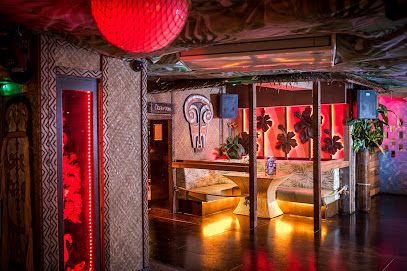
An intimate, vintage‑Tiki nightclub in Clifton with neon cocktails, paper lanterns and a compact dancefloor for themed late‑night parties.
Lizard Lounge
0.9 km
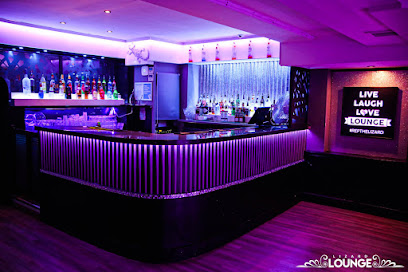
A small, loud student nightclub on Queens Road famed for cheap drinks, DJ nights and a packed, party-first atmosphere.
The Loco Klub
1.0 km
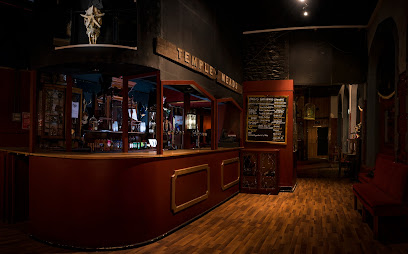
An atmospheric subterranean arts venue in Brunel’s Temple Meads arches, where tunnels, brick vaults and intimate soundscapes host club nights, theatre and live music.
For the vibe & atmosphere seeker
- Scenic
- Unique
- Tranquil
For the design and aesthetic lover
- Minimalist Designs
- Modern Designs
For the architecture buff
- Historic
- Landmarks
- Art & Design
For the view chaser and sunset hunter
- Iconic Views
- Waterfront
For the social media creator & influencer
- Instagrammable
- Photo Spots
- Architectural Shots
For the eco-conscious traveler
- Public-Transport Accessible
- Car-Free Access
For the kind of experience you’re after
- Cultural Heritage
- Photowalk
- Day Trip
For how adventurous you want the journey to be
- Easy Access
Location Audience
- Family Friendly
- Senior Friendly
- Wheelchair Access
- Solo Friendly
- Couple Friendly


