

Victoria Square, Bristol Travel Guide
Elegant Victorian square in Clifton, Bristol, blending historic architecture, tranquil gardens, and cultural heritage in a prestigious setting.
Victoria Square in Clifton, Bristol, is a distinguished Victorian-era public square known for its elegant terraces, historic gardens, and architectural heritage. Developed primarily in the mid-19th century, it features the Royal Promenade and large detached houses that reflect the grandeur of Victorian Clifton. The square is surrounded by green spaces and notable residences, offering a tranquil yet culturally rich atmosphere in one of Bristol’s most prestigious neighborhoods.
A brief summary to Victoria Square
- Bristol, Clifton, GB
- Duration: 0.5 to 1.5 hours
- Free
-
 Outdoor
- Mobile reception: 4 out of 5

Know before you go
Hi, I'm Eve. Here are a few practical things to know before exploring Victoria Square.
- Visit during daylight hours to fully appreciate the detailed stonework and garden landscaping.
- Explore nearby Clifton landmarks like the Victoria Rooms and Clifton Suspension Bridge for a broader historical experience.
- Look for plaques commemorating notable past residents such as Dr W.G. Grace.
- Enjoy a quiet moment in the gardens, which offer a peaceful retreat from the city bustle.
Do you manage this location?
Take control to get all the benefits, like improved information, better appearance, and stronger visibility across AI-powered discovery. Learn more about listing your business on Evendo
Activate your presenceOther nearby places you may find interesting
The closest places of the same kind, if this one is not quite what you had in mind.
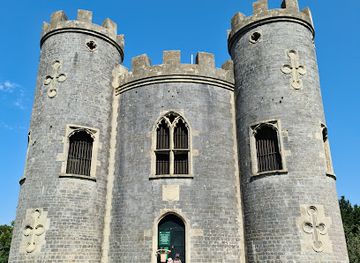
Explore Victoria Square on the Map
A handpicked selection of must-see spots near Victoria Square, mapped for you.
Unlock the Best of Victoria Square
Buy tickets
-
No tickets available
Book tours with entry


Book tours without entry
-
No tours available
Getting There
-
Bus
Take the Bristol Bus Service routes 8 or 9 from Bristol city center to Clifton Village, with a journey time of approximately 15-20 minutes. Buses run frequently but may be less frequent on Sundays. A single fare costs around £2.50 GBP.
-
Taxi
A taxi ride from Bristol Temple Meads railway station to Victoria Square takes about 10-15 minutes depending on traffic. Expect to pay approximately £10-£15 GBP. Taxis offer door-to-door convenience and are available 24/7.
-
Walking
Walking from Bristol city center to Victoria Square is a pleasant option, taking about 30-40 minutes. The route is mostly flat and suitable for most fitness levels, offering views of the city and access to other Clifton attractions along the way.
For the on-the-go comforts that matter to you
-
 Seating Areas
-
 Information Boards
-
 Trash Bins
Discover more about Victoria Square
Origins and Development of Victoria Square
Victoria Square was conceived during the Victorian era as part of a broader expansion of Clifton, a suburb that evolved from a rural village into a prestigious residential area. The development began in the 1830s and extended over several decades, with the Royal Promenade terrace constructed between 1845 and 1847, showcasing stone-carved balconies and arched ground-floor windows. The square was named in honor of Queen Victoria, whose accession in 1837 coincided with the early plans for the area. Its design reflected the Victorian ambition for grand public spaces and elegant urban living.Architectural Character and Notable Features
The architecture of Victoria Square is marked by a transition from Regency to Victorian styles. The Royal Promenade, designed by John Foster, features formal railings and a carved Royal Coat of Arms, hinting at aspirations for royal visits. The remaining side of the square was completed in the 1860s with five large detached houses designed by James Adam Clark, including No. 30 Victoria Square, which served as the vicarage until the destruction of St Andrew’s Church during World War II. The square’s buildings combine refined stonework with spacious layouts typical of affluent Victorian suburbs.Historical Context and Social Significance
Victoria Square was part of the Merchant Venturers’ landholdings and their vision for Clifton as a suburb of privilege. The area attracted notable residents such as Dr W.G. Grace and became a cultural hub alongside nearby landmarks like the Victoria Rooms. The square’s gardens, once enclosed by railings removed during World War II, were adapted for civil defense with water tanks for firefighting. The square’s evolution reflects Clifton’s transformation from a spa town to a distinguished residential district with strong social and cultural ties.Gardens and Public Spaces
The gardens at Victoria Square provide a peaceful green oasis amid the urban environment. Historically enclosed by railings, the gardens were opened up after wartime alterations and now serve as a popular spot for relaxation. The area’s landscaping complements the architectural elegance of the surrounding terraces, offering visitors and residents a scenic and tranquil environment. The square’s layout encourages leisurely strolls and appreciation of Victorian garden design.Legacy and Preservation
Victoria Square remains a significant example of Victorian urban planning and architecture in Bristol. Many of its buildings are protected as listed heritage sites, preserving the character and historical importance of the area. The square continues to embody the aspirations of 19th-century Clifton, balancing residential prestige with accessible public green space. Its enduring charm and architectural quality make it a key feature of Bristol’s cultural landscape.Victoria Square in the Context of Clifton’s Heritage
Situated within Clifton, a district renowned for its Georgian crescents and the iconic Clifton Suspension Bridge, Victoria Square contributes to the area’s reputation as a center of architectural and historical interest. The square’s Victorian style contrasts with the earlier Georgian influences nearby, illustrating the layered development of Clifton. Together with cultural institutions like the Victoria Rooms and the Royal West of England Academy, Victoria Square enriches the narrative of Clifton as a hub of arts, culture, and affluent living.












Your all‑in‑one travel companion app
Explore expert travel guides, compare and book tours, experiences, hotels, and more—all from the palm of your hand. Download now for seamless trip planning wherever your wanderlust takes you.


Explore More of Bristol
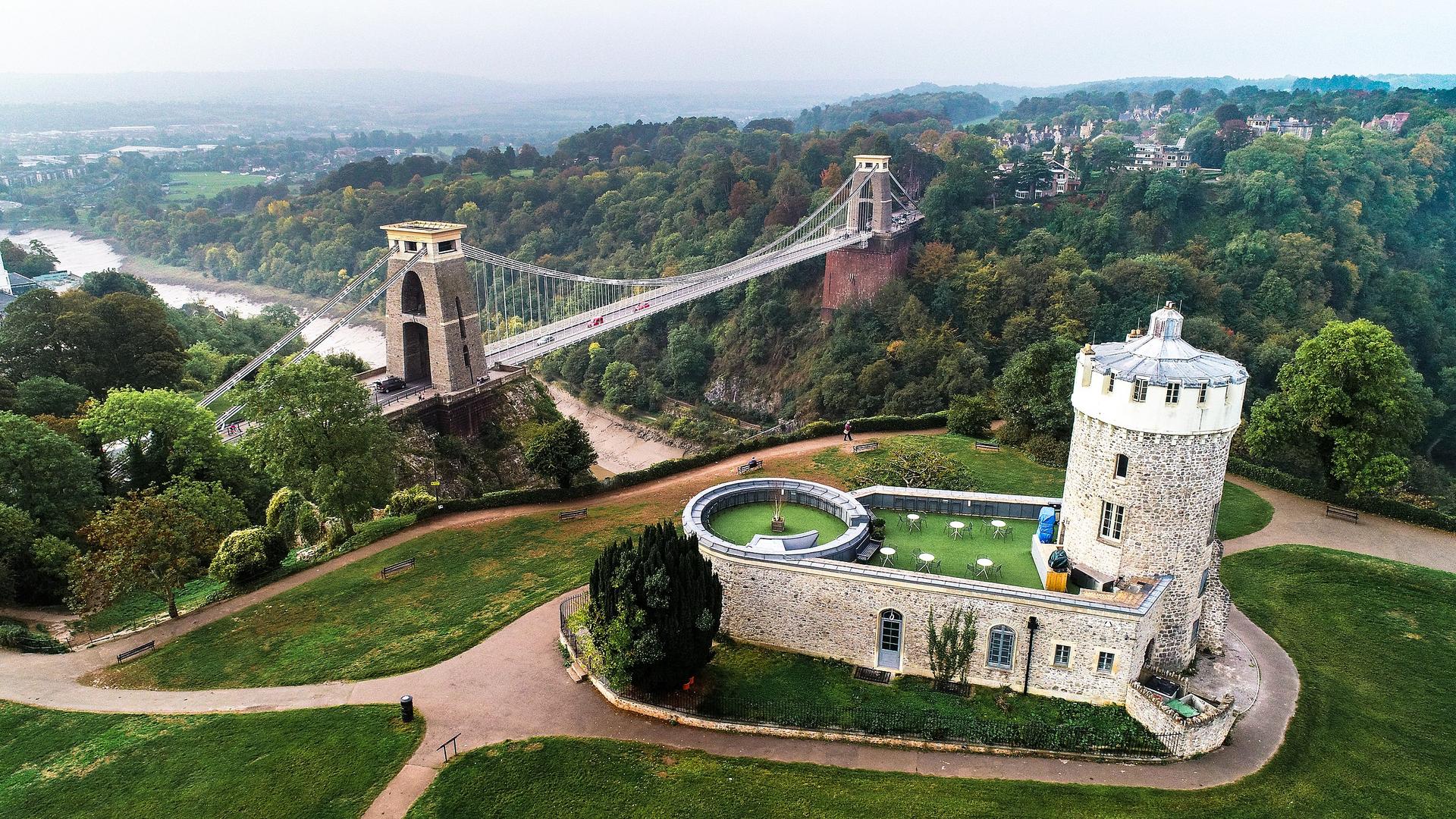
Looking beyond Victoria Square? Discover Bristol for broader travel guides, local hot-spots, and regional highlights.
Explore Bristol
Explore Bristol’s legendary Giant’s Cave, a natural limestone cavern with breathtaking views of Avon Gorge and the iconic Clifton Suspension Bridge.

A beautifully preserved Victorian shopping arcade in the heart of Clifton Village, home to independent boutiques, art galleries, and unique gifts.
