
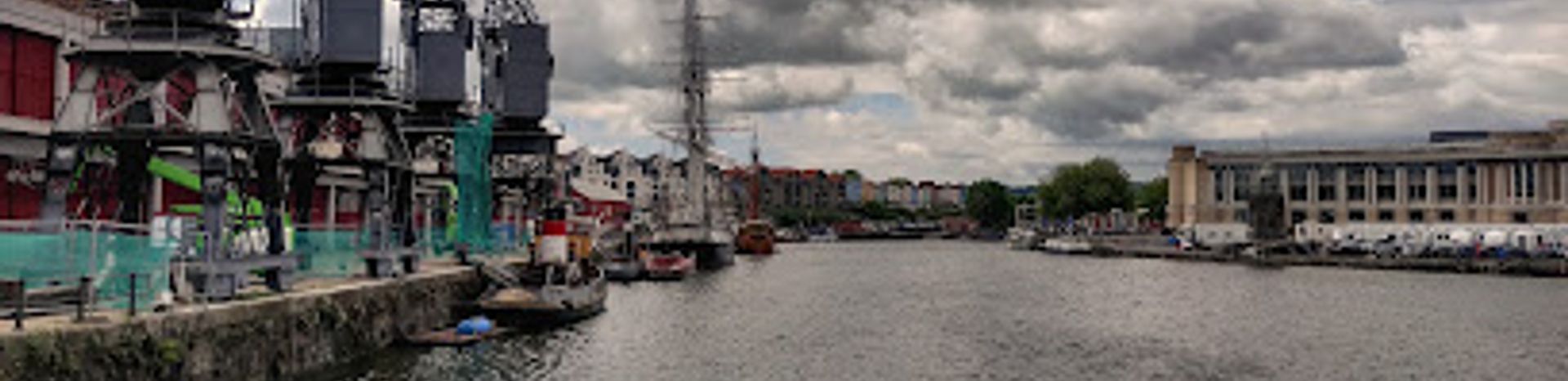
Prince Street Bridge
A working Victorian swing bridge over Bristol’s Floating Harbour, connecting the city centre with the Cumberland Road area and offering quiet views of boats and quays.
Prince Street Bridge is a historic iron swing bridge spanning Bristol’s Floating Harbour, connecting the city centre with the Cumberland Road area. Built in 1879 on the site of an ancient ferry, it replaced an earlier drawbridge and remains a working swing bridge, operated regularly during the summer months. The bridge offers views of the bustling harbour, passing boats, and the surrounding historic quays, making it a quiet but evocative landmark in Bristol’s harbourside landscape.
A brief summary to Prince Street Bridge
- Bristol, Bristol, GB
- Duration: 0.25 to 1 hours
- Free
-
 Outdoor
- Mobile reception: 5 out of 5
Local tips
- Visit in the summer months to see the bridge swing open for boats; check the harbour authority’s published swing times to time your visit around an opening.
- Walk along the Floating Harbour quays on either side of the bridge for the best views of the structure and passing boats.
- Combine a visit with a stroll to nearby landmarks like Bristol Cathedral, Pero’s Bridge, and the historic docks area.

For the on-the-go comforts that matter to you
- Seating Areas
- Trash Bins
- Information Boards
Getting There
-
On foot from Bristol Temple Meads
From Bristol Temple Meads station, follow signs for the city centre and the Floating Harbour. The walk takes about 10–15 minutes along level, paved paths and streets, passing through the Temple Quarter and along the quayside to reach Prince Street Bridge.
-
On foot from Bristol city centre
From central Bristol (e.g. Broadmead or College Green), head towards the Floating Harbour via Prince Street or the quayside. The walk takes 5–10 minutes along well‑lit, pedestrian‑friendly routes with clear signage to the bridge.
-
By bus
Several local bus routes serve stops near Temple Meads and the city centre; from there, it is a short walk of 5–10 minutes along the quayside to Prince Street Bridge. Check local timetables for routes serving Temple Meads or the Floating Harbour area.
-
By bicycle
Prince Street Bridge is fully accessible to cyclists and forms part of Bristol’s cycle network. Use the city’s cycle lanes and paths from the centre or Temple Meads; the approach is flat and well‑maintained, taking about 10 minutes from the station.
Prince Street Bridge location weather suitability
-
 Any Weather
-
 Mild Temperatures
-
 Clear Skies
-
 Windy Conditions
Discover more about Prince Street Bridge
Heart of the Floating Harbour
Prince Street Bridge crosses the Floating Harbour at one of its most central points, linking Bristol’s city centre with the Cumberland Road area near Temple Meads. The bridge sits where the River Avon once flowed freely, before the creation of the Floating Harbour in the early 19th century. Today, the water beneath is a calm, man-made channel, part of a system designed to keep ships afloat regardless of the tide. The bridge’s low clearance and regular swing operations mean it’s still very much a working part of the harbour’s infrastructure, not just a static monument. Boats of all kinds pass beneath or wait for the bridge to open, giving a real sense of Bristol’s ongoing relationship with its waterways.An Iron Swing from 1879
The current Prince Street Bridge is an iron swing bridge built in 1879, replacing an earlier drawbridge that had stood on the same site. It was constructed on the location of the ancient Gib ferry, once operated by the Dean and Chapter of Bristol Cathedral, which carried people and goods across the Avon before any permanent bridge existed. The bridge’s design reflects late Victorian engineering, with a robust iron structure and a hydraulic mechanism that allows it to rotate on its central pivot. It is the lowest bridge in the Floating Harbour, and its limited air draft means that taller vessels must arrange for it to swing, usually at half past the hour during operating times. This regular, rhythmic opening is a small but distinctive feature of life on the harbour.A Working Harbour Crossing
Unlike many historic bridges that are now purely for pedestrians and vehicles, Prince Street Bridge remains an active navigational point. During the summer months, it swings frequently to allow boats to pass, operated by water hydraulic power. Mariners must contact the harbour authority in advance to arrange a swing, and the bridge is typically opened at set times, prioritising vessels around high water. The bridge’s operation is a reminder that Bristol’s Floating Harbour is still a living, working waterway, not just a scenic backdrop. For visitors, this means there’s a good chance of seeing the bridge in motion, with the central span rotating to create two clear channels for boats to pass through.Views and Atmosphere
Walking across Prince Street Bridge, the atmosphere is one of quiet industry and history. On one side, the city centre rises with its mix of old and new architecture; on the other, the Cumberland Road area and the approaches to Temple Meads. The views along the harbour are excellent: moored boats, the distant silhouette of the Clifton Suspension Bridge, and the historic quays lined with converted warehouses. The sound of water lapping against hulls, the occasional horn from a passing vessel, and the creak and clank of the bridge mechanism all contribute to the sensory experience. It’s not a grand, ornate bridge, but its unassuming presence and constant use give it a genuine local character.History Beneath the Surface
The site of Prince Street Bridge has been a crossing point for centuries. Before the 19th century, a ferry operated here, connecting Bristol with Bedminster and the south side of the river. The first permanent bridge at this location was a drawbridge built in 1809 as part of the wider Floating Harbour scheme. That early bridge was replaced in 1879 by the iron swing bridge that stands today. Over the years, the bridge has seen changes in traffic, from horse-drawn carts and early motor vehicles to modern buses, cyclists, and pedestrians. It was closed for repairs in 2015 and later reopened, ensuring that this historic link remains in use for future generations.Iconic landmarks you can’t miss

Prince Street Bridge
0.0 km
A working Victorian swing bridge over Bristol’s Floating Harbour, connecting the city centre with the Cumberland Road area and offering quiet views of boats and quays.
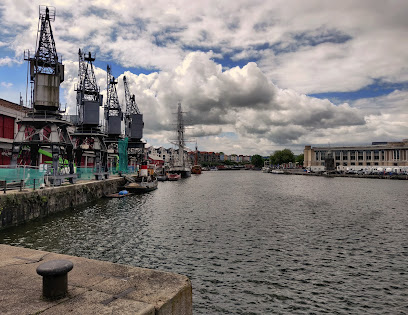
The Matthew of Bristol
0.2 km
Explore Bristol's maritime heritage aboard The Matthew, a historic ship offering breathtaking views and engaging tours of the city's vibrant harbor.
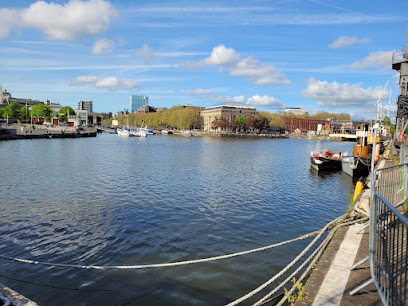
Statue of Cary Grant
0.3 km
Celebrate Hollywood legend Cary Grant with a lifelike bronze statue in Bristol’s vibrant Millennium Square, capturing his timeless charm and local roots.
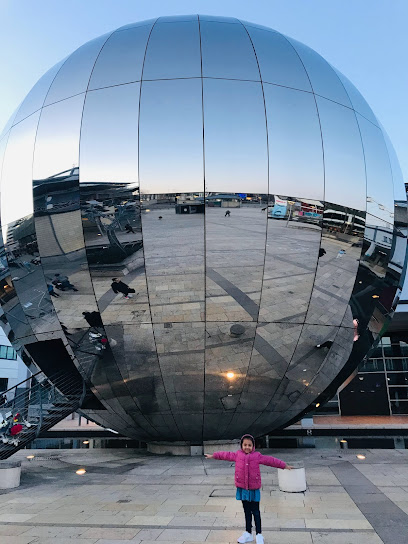
King George V Memorial Fountain
0.4 km
Lutyens-designed waterfront memorial honouring King George V with monumental sculptural figures.
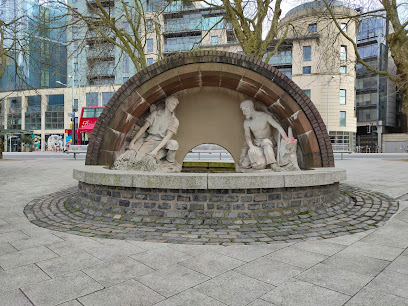
Cascade Steps
0.4 km
Historic Cascade Steps in Bristol offer scenic waterfront views and a tranquil urban retreat steeped in maritime heritage.
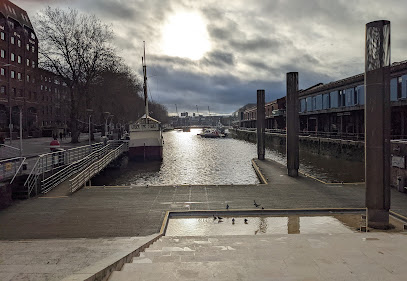
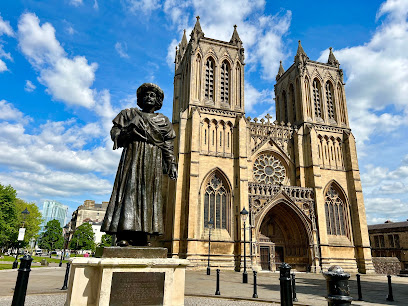
Statue of Ram Mohan Roy
0.5 km
A dignified bronze tribute in Bristol honoring Ram Mohan Roy’s legacy as a pioneering Indian reformer and visionary.
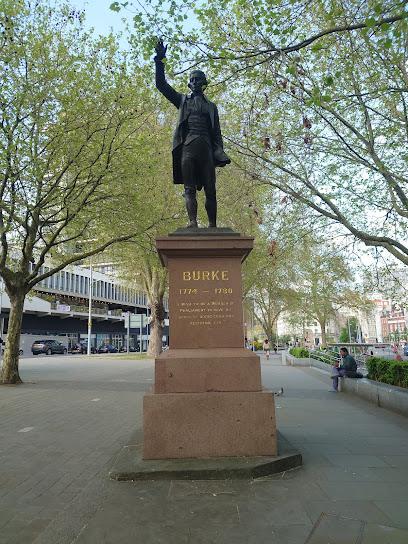
Statue of Edmund Burke
0.6 km
A bronze tribute to Edmund Burke on Bristol’s waterfront, where 18th-century ideals meet modern city life.
Old Post Office
0.7 km
Discover Bristol’s 18th-century Old Post Office, a preserved Georgian landmark blending rich history with vibrant city life at Corn Street.
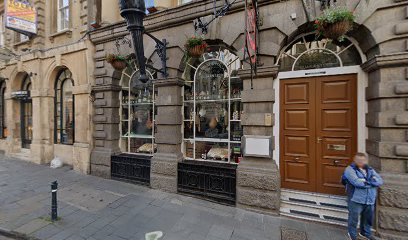
Bristol Bridge
0.7 km
A historic stone bridge spanning Bristol’s Floating Harbour, linking the Old City with Redcliffe and centuries of the city’s story.
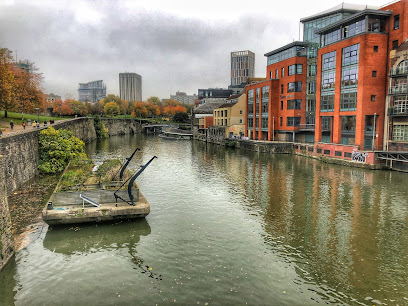
Royal Talbot Buildings
0.7 km
Discover the Royal Talbot Buildings in Redcliffe, Bristol: A luxurious executive suite experience perfect for your city escape.
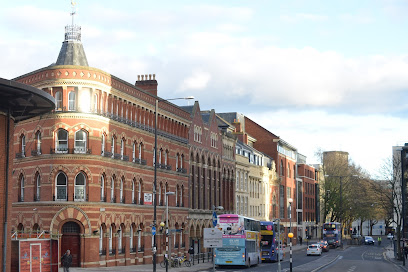
The Nails
0.7 km
Historic iron nails in Bristol’s Corn Street where medieval merchants sealed their deals, embodying the city’s rich trading heritage.
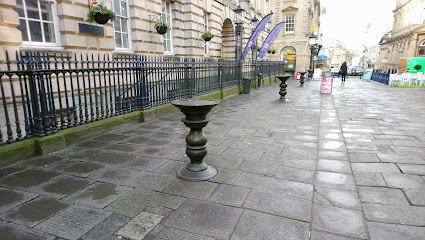
Medieval Vaults
0.7 km
Explore Bristol’s hidden medieval cellars beneath High Street, where Gothic vaults tell tales of centuries past beneath the city’s modern bustle.
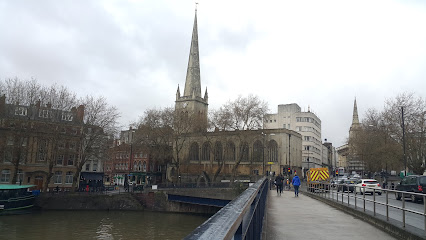
Old City Walls
0.8 km
Trace the vanished medieval walls that shaped Bristol’s historic Old City, revealing centuries of rich heritage and urban evolution.
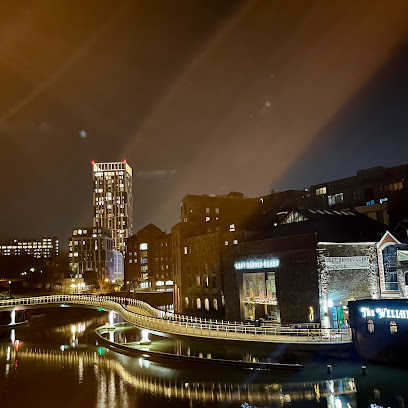
St Mary Le Port Church
0.8 km
Historic Saxon-era church ruins in Bristol’s Castle Park, a poignant landmark of medieval heritage and wartime resilience.
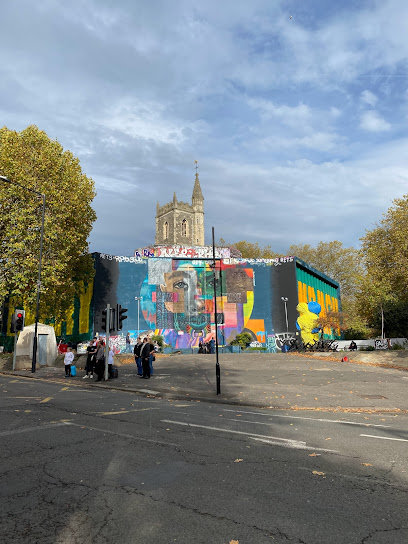
Historic England - Bristol Office
0.8 km
Discover Bristol's rich history and heritage at the Historic England office, a key player in preserving the city's architectural treasures.
Unmissable attractions to see

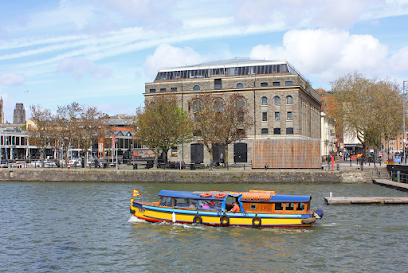
Bristol Ferry
0.1 km
Scenic water transport linking Bristol's landmarks with friendly crews and harbour-side charm.
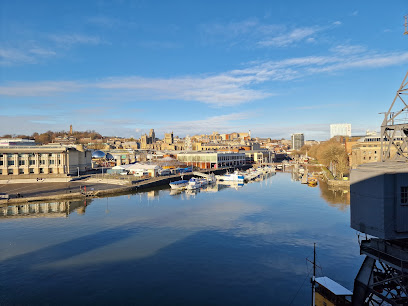
M Shed
0.1 km
Discover Bristol’s vibrant history and harbour heritage in the dynamic and free M Shed museum on Princes Wharf.
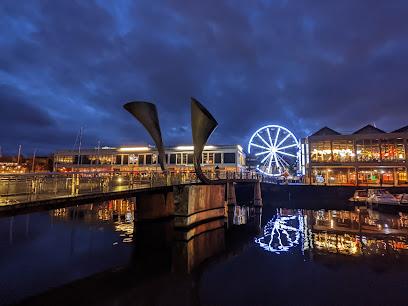
Pero's Bridge
0.2 km
Discover Pero's Bridge in Bristol, a blend of modern architecture and historic charm, perfect for leisurely strolls and picturesque views of the harbor.
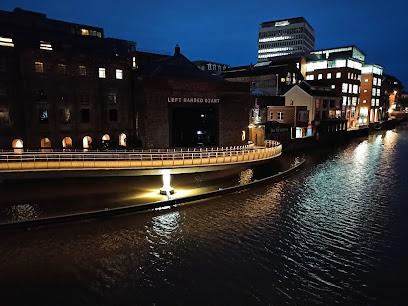
Narrow Quay
0.2 km
Historic Narrow Quay in Bristol blends maritime heritage with vibrant arts and waterside charm in the heart of the Floating Harbour.
Lloyds Amphitheatre
0.2 km
A landmark postmodern amphitheatre and public space at Bristol’s harbourside, blending architectural heritage with vibrant cultural events.
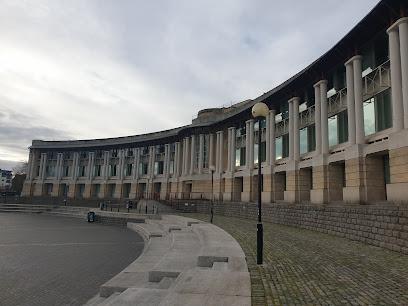
Queen Square
0.3 km
A serene Georgian square in Bristol’s center, blending historic charm with peaceful green space and vibrant cultural life.
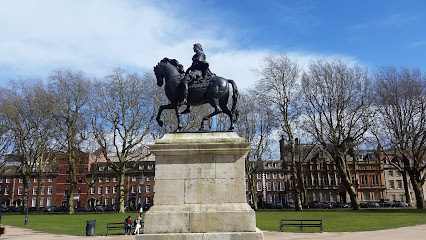
Millennium Square
0.3 km
A vibrant urban square by Bristol’s Harbourside, blending modern design, cultural events, and family-friendly fun year-round.
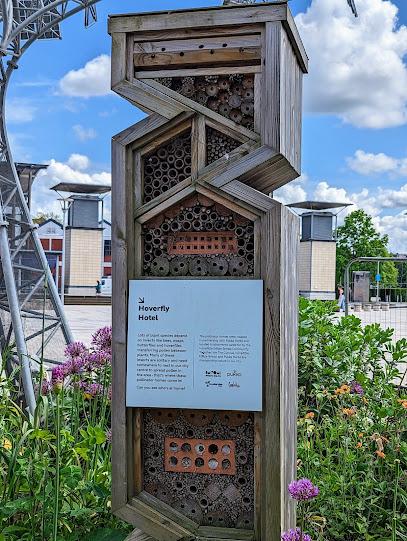
The Bristol Wheel
0.3 km
Soar above Bristol’s iconic landmarks on The Bristol Wheel, a dazzling Ferris ride offering stunning panoramic city views day and night.
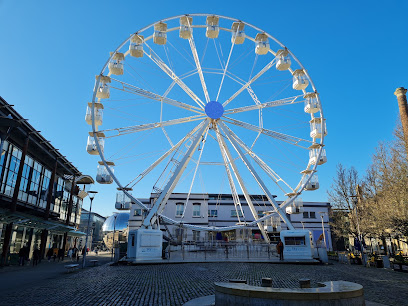
Bristol Aquarium
0.3 km
Explore captivating marine life and conservation stories at Bristol Aquarium, a vibrant underwater world in the heart of Bristol.
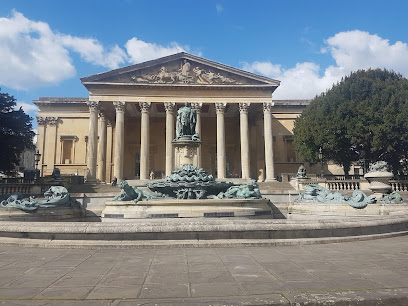
We The Curious
0.3 km
Discover Bristol’s vibrant science centre with interactive exhibits, creative workshops, and the UK’s only 3D Planetarium in a playful, inclusive space.
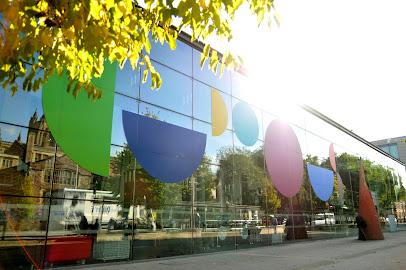
Redcliffe Caves
0.3 km
Explore Bristol’s mysterious underground network of historic sandstone caves, once vital to glassmaking and now a captivating cultural venue.
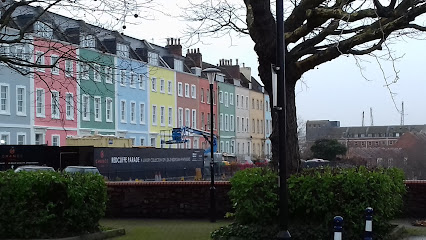
Watershed
0.3 km
A vibrant cultural cinema and creative hub on Bristol’s Harbourside, blending film, food, events, and sustainability in a welcoming setting.
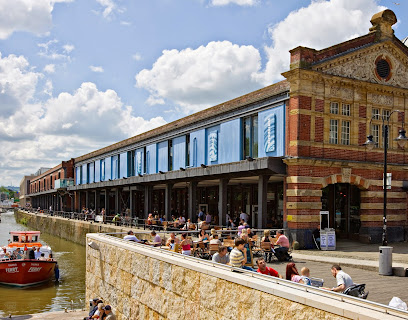
Harbourside
0.4 km
Discover Bristol Harbourside, where rich maritime history meets vibrant culture, waterside dining, and lively urban charm.
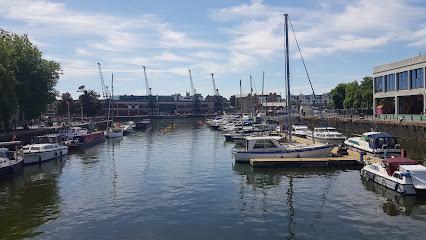
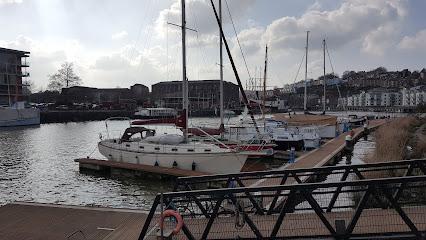
Hannover Quay
0.4 km
Discover Hannover Quay, Bristol’s vibrant harbourside district blending historic charm with modern waterfront living and cultural buzz.
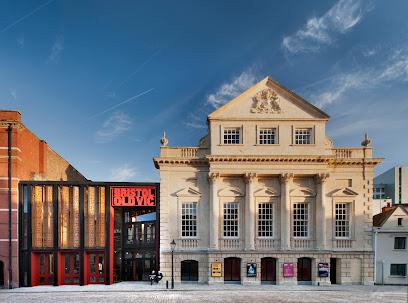
Bristol Old Vic
0.4 km
Experience the oldest continuously working theatre in the English-speaking world, where history and innovation meet on Bristol’s King Street.
Essential places to dine

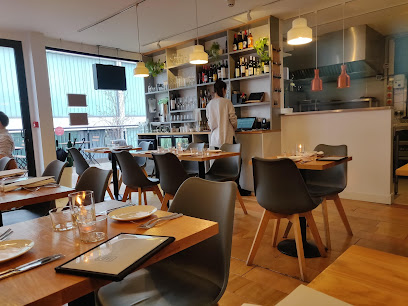
Tare Restaurant
0.2 km
Experience vibrant modern European cuisine in a stylish, relaxed setting overlooking Bristol’s Floating Harbour.
Rick's
0.2 km
Discover Rick's in Bristol - where exceptional cocktails meet delightful brunches in a vibrant waterfront setting.
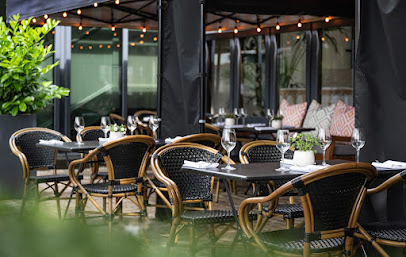
The River Grille
0.2 km
Elegant Harbourside fine dining with West Country steaks, fresh seafood, and panoramic waterfront views.
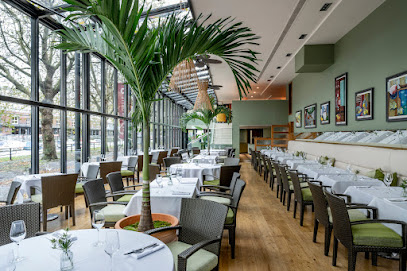
Harbour & Browns
0.2 km
Contemporary fusion dining in stylish shipping containers with harbour views at Bristol’s vibrant Wapping Wharf.
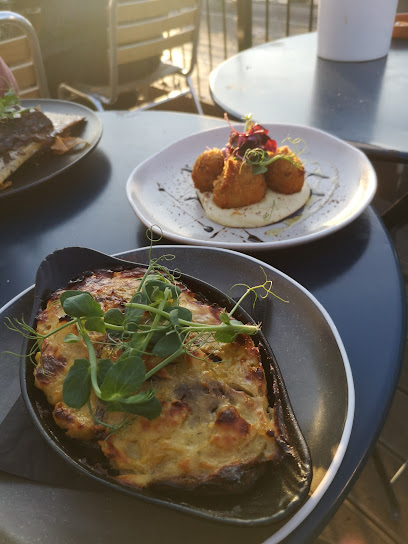
MUSE Brasserie - Bristol
0.2 km
Discover the exquisite blend of French and Indian flavors at MUSE Brasserie, Bristol’s premier fusion dining destination in an elegant bistro setting.

Gambas
0.2 km
A vibrant Spanish tapas bar in a harbourside shipping container, serving excellent seafood and classic small plates with great views over Bristol Harbour.
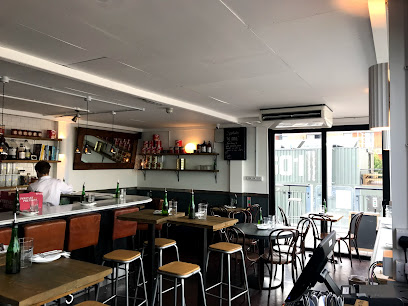
Riverstation
0.2 km
Stylish harbourside dining in Bristol with dry-aged steaks, fresh seafood, and panoramic river views from a smart, nautical-inspired restaurant and bar.
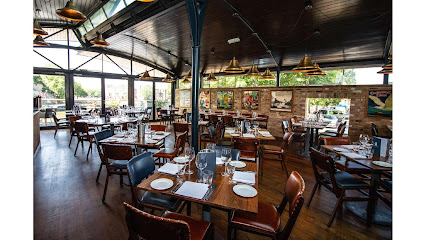
Root
0.2 km
A pioneering vegetable-focused restaurant in Bristol’s waterfront Cargo, blending seasonal flavors with a unique shipping container setting.
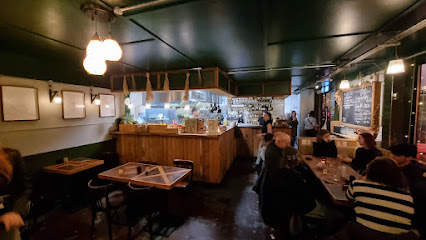
BOX-E
0.2 km
A tiny 14-seat restaurant in Bristol’s Wapping Wharf shipping containers, serving inventive Modern British tasting menus and seasonal dishes in an intimate, industrial-chic setting.
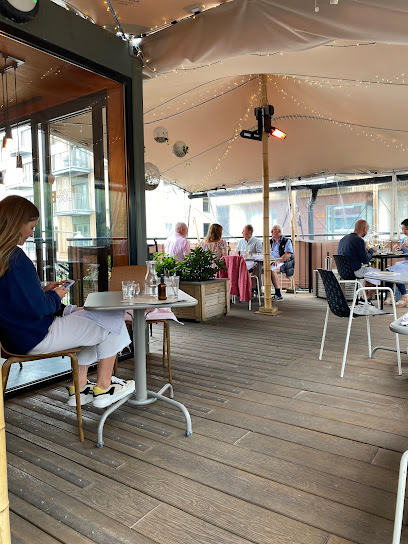
Casa Bristol
0.3 km
Refined Italian cuisine with a contemporary twist in Bristol’s historic Redcliffe harbourside, blending tradition and innovation.
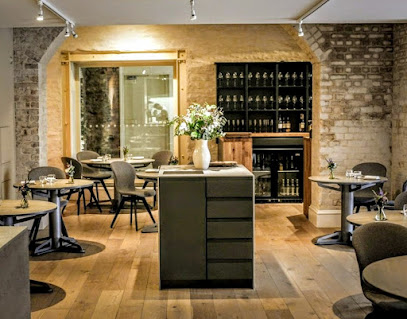
Hole In The Wall Bristol
0.3 km
Historic Bristol gastropub offering classic British fare, vibrant atmosphere, and a charming beer garden in the heart of Queen Square.
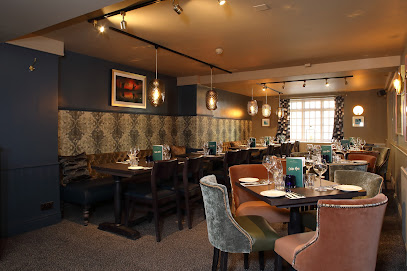
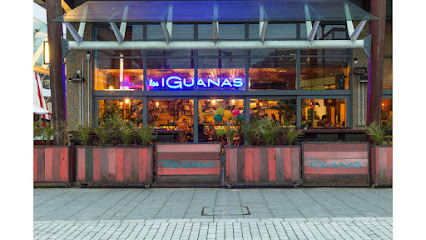
Las Iguanas - Bristol - Harbourside
0.3 km
Lively Latin American dining and cocktails with vibrant vibes by Bristol’s picturesque Harbourside waterfront.
Harbour House - Restaurant, Bar & Terrace
0.3 km
Historic waterfront restaurant celebrating southwest seafood and seasonal produce with stunning harbour views.
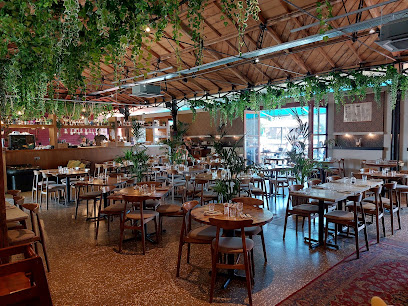
The Olive Shed
0.3 km
Mediterranean tapas and seafood with stunning harbour views in a cozy, waterside Bristol setting.
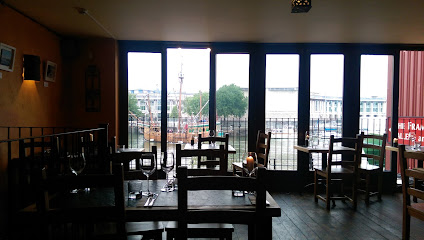
The Bristol Stable
0.3 km
Sourdough pizzas, West Country ciders, and lively Harbourside vibes combine at The Bristol Stable for a quintessential Bristol dining experience.
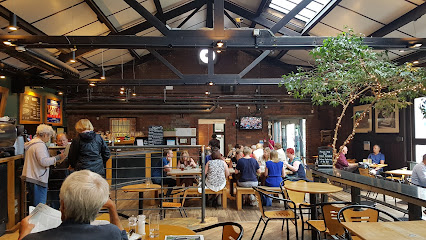
Markets, malls and hidden boutiques

Something Elsie
0.2 km
Discover vibrant 80s and 90s vintage fashion, dazzling jewellery, and quirky gifts in Bristol’s colorful Something Elsie shop at Cargo 2.
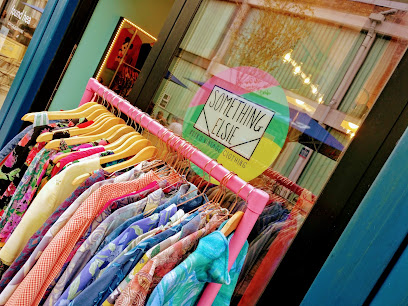
Fig1
0.3 km
Discover Scandinavian-inspired homewares and unique gifts at this independent Bristol gem, where clean lines meet creative curation in the heart of Wapping Wharf.
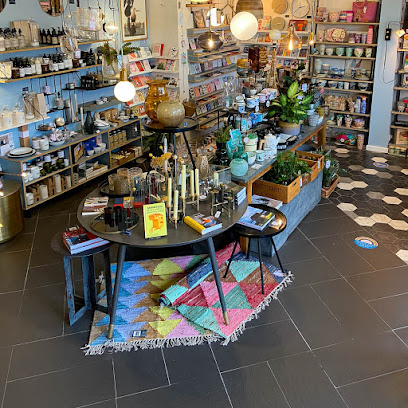
Will's doss pit
0.3 km
Dive into Bristol's quirky underbelly at Will's Doss Pit, where vintage treasures and bohemian finds await in historic Queen Square.
my a2space
0.3 km
A compact Harbourside shop showcasing locally made prints, gifts and artisan wares from Bristol’s creative community.
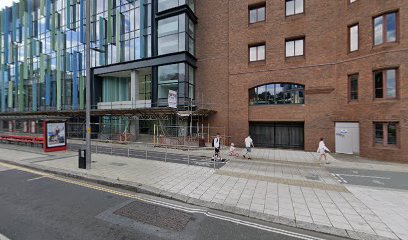
Orendo
0.5 km
Discover unique ladies' fashion at Orendo, a chic clothes shop in Bristol that embodies the city's vibrant style and trends.
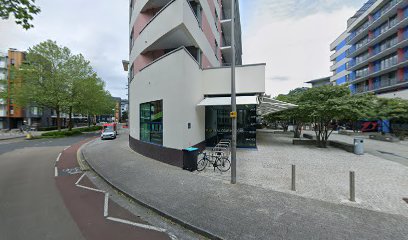
Zhyper
0.5 km
Trendy threads and accessories in Bristol's Harbourside hub, where personal style meets waterfront vibrancy and urban creativity.
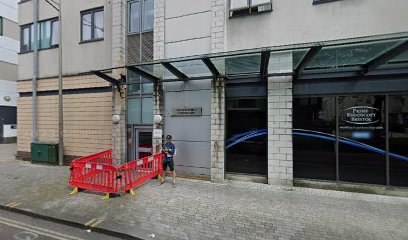
Over Here
0.6 km
Discover quirky gifts and stylish clothing at Over Here, a hidden gem in Bristol's historic St Nicholas Markets arcade.
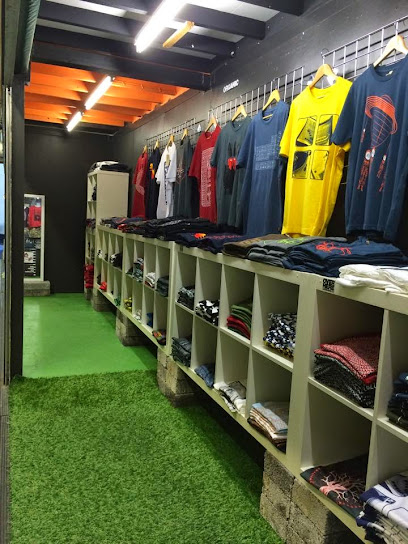
This Feeling
0.6 km
Trendy threads in Bristol's historic market heart—independent fashion amid Georgian charm and bustling stalls.
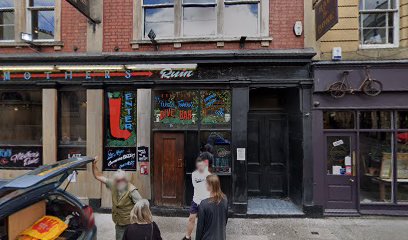
Riff Raff Gifts The Bong Shop
0.6 km
Specialist smoking accessories retailer in historic St Nicholas Market's Covered Market.
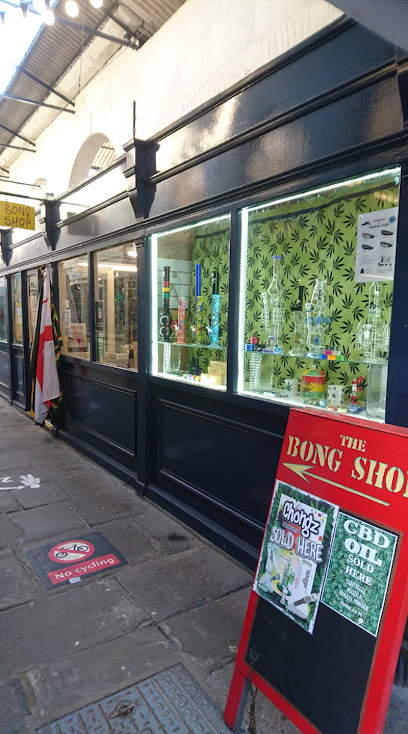
uchi clothing co
0.7 km
Discover stylish, sustainable fashion in Bristol’s historic Corn Exchange at Uchi Clothing Co, where quality meets contemporary design.
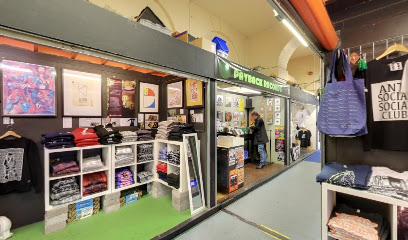
Memories
0.7 km
Explore 'Memories' in Bristol for unique gifts and local treasures that capture the spirit of your visit.

Quadrant Trading
0.7 km
Discover handcrafted Bristol treasures at Quadrant Trading in the historic Corn Exchange—a shopper's delight of local artistry and unique souvenirs.
Japonicat
0.7 km
Discover unique Japanese gifts and charming collectibles at Japonicat, nestled in Bristol’s historic St Nicholas Market.
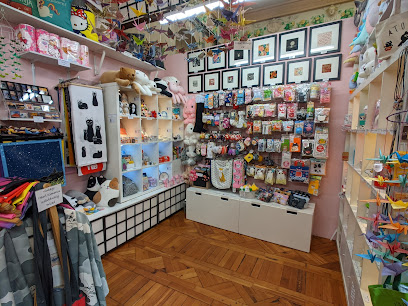
Alices Secret Empourium
0.7 km
Uncover Bristol's quirk-filled gift haven on Park Street, where eclectic treasures and whimsical wonders await every curious explorer.
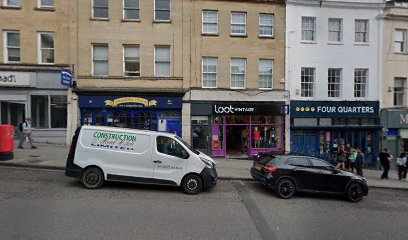
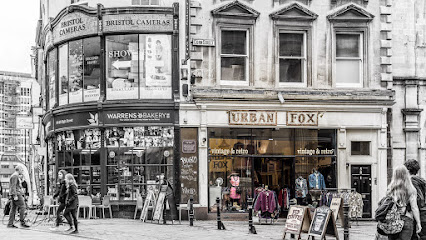
Urban Fox
0.7 km
Unearth retro gems at Urban Fox, Bristol's vintage clothing nook in vibrant St Nicholas Market—quality finds with 25 years of expertise.
Essential bars & hidden hideouts

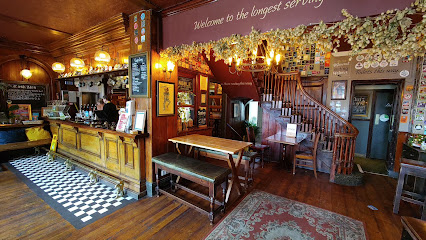
Shakespeare Tavern
0.1 km
Waterside Bristol pub pouring cask ales, pub classics, and community cheer in a dog-friendly haven with garden vibes.
The Architect
0.1 km
Art deco café-bar on Bristol's Floating Harbour: coffees by day, cocktails by night, with terrace views of ferries and quayside life.
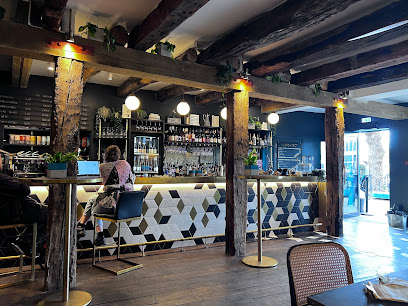
Steinbeck and Shaw
0.2 km
Bristol's graffiti-glazed cocktail haven where masterclasses, happy hours, and late-night vibes collide in historic style.
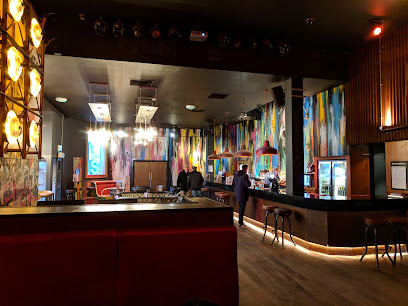
Mackenzies Bar & Kitchen
0.3 km
A relaxed, all-day cafe-bar in the W Shed offering casual meals and drinks beside Bristol’s harbourside.
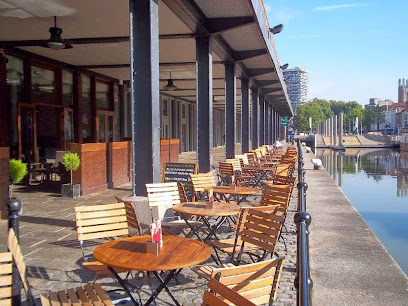
Slug & Lettuce - Harbourside Bristol
0.4 km
Bristol harbourside cocktail haven with 2-for-1 drinks, bottomless brunches, and waterfront terrace vibes for unforgettable nights out.
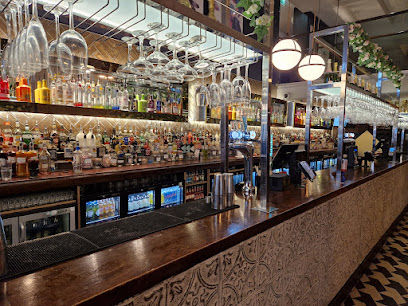
Small Bar
0.4 km
Bristol's compact craft beer gem: sample microbrew masterpieces in rustic intimacy amid King Street's historic buzz.
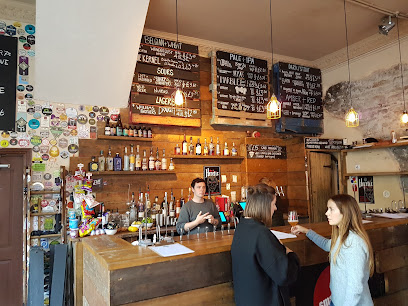
Loose Cannon Cocktail Bar - Bristol
0.4 km
Quirky harbourside haven blending pop culture cocktails, local art, and Bristol's playful vibe in a waterfront independent gem.
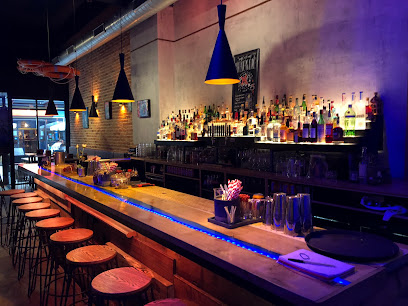
Kongs of King Street
0.4 km
A lively Bristol bar blending arcade games, craft beers, and vibrant music for unforgettable nights on King Street.
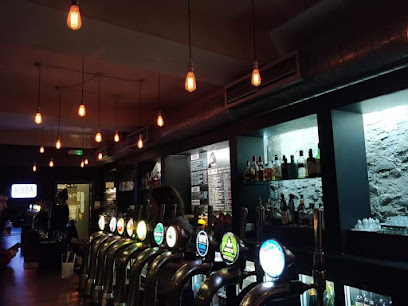
The Clockwork Rose
0.6 km
Bristol's steampunk speakeasy where airship captain's cocktails blend Victorian flair, fantastical lore, and masterful mixology into unforgettable evenings.
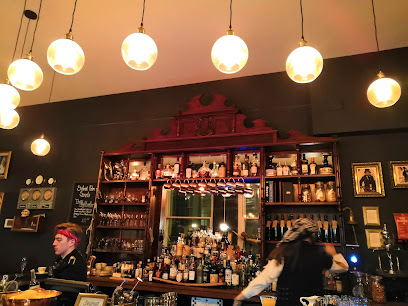
Brozen Bar - Bristol
0.6 km
Discover Bristol’s Brozen Bar, where inventive frozen cocktails and a cosy atmosphere create a unique, must-visit cocktail experience.
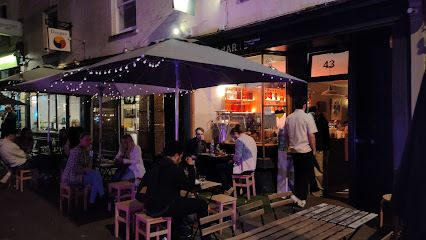
Revolution Bristol
0.6 km
Two-storey cocktail bar in Bristol’s Old Fish Market — colourful interiors, mezzanine balcony and cocktails for day and night.
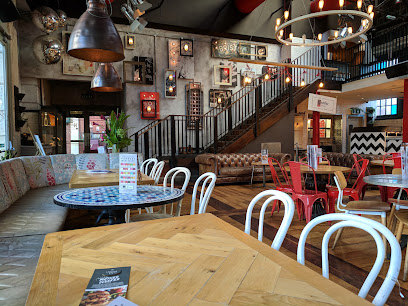
Secret Cocktail Club - Bristol
0.6 km
Discover Bristol’s hidden basement bar blending historic charm with expertly crafted cocktails in an intimate, secretive setting.
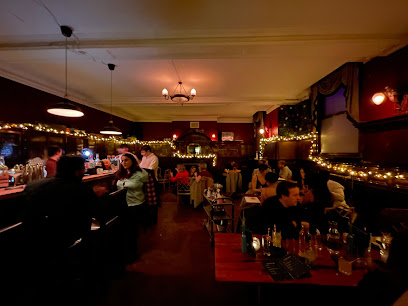
Slug & Lettuce - City Centre Bristol
0.6 km
Bristol's go-to cocktail haven on St Nicholas Street, blending lush drinks, tasty bites, and vibrant nights in the Old City heart.
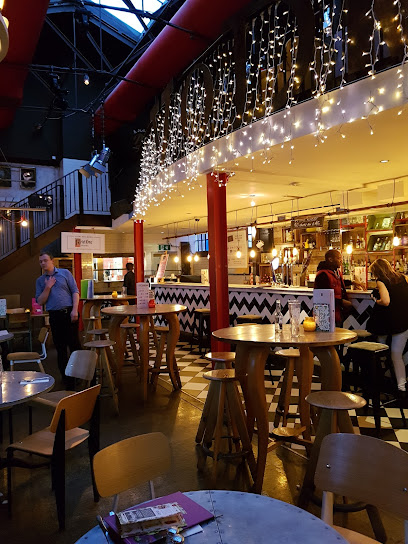
The Boardroom
0.6 km
Grazing boards, rum mastery and historic charm in Bristol's Old City—perfect for intimate drinks or private hires till late.
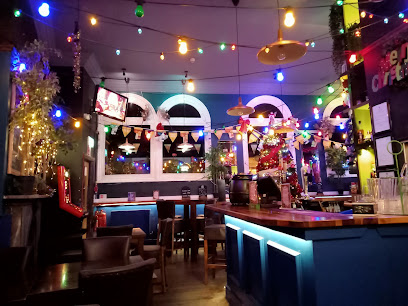
The Mothers' Ruin
0.6 km
Bristol's dive bar legend: cheap pints, basement beats, live tunes, and pizza in a historic street nook – pure debauchery awaits.
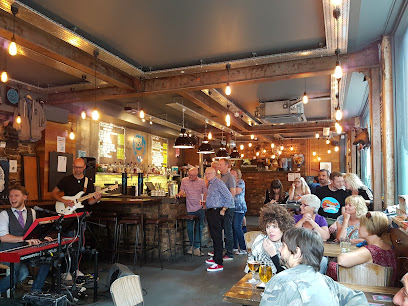
Nightclubs & after hour spots

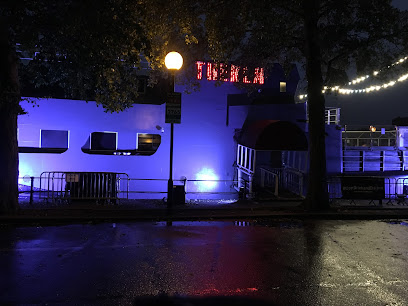
Thekla
0.2 km
A converted cargo ship transformed into Bristol’s compact, industrial live-music venue and late-night club, famed for close-up shows and throbbing club nights.
PRYZM
0.2 km
Experience Bristol’s vibrant nightlife at PRYZM, a multi-room club with themed music floors, student deals, and a lively party atmosphere.
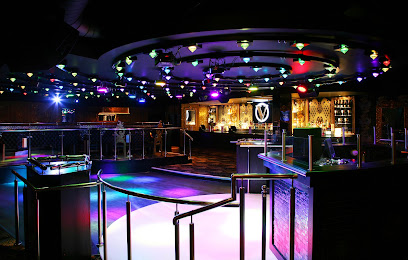
Popworld - Bristol
0.5 km
Dance to 90s and 00s pop anthems under neon lights at Bristol's ultimate nostalgic nightclub, where cheesy hits and POPTAIL cocktails fuel epic nights out.
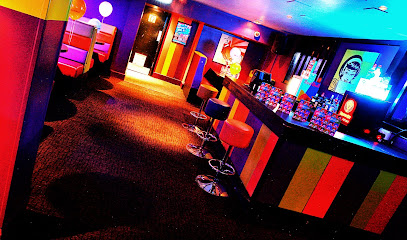
Forró Bristol
0.5 km
Ignite your night with Brazilian forró rhythms: partner dances, live bands, and sweaty joy in Bristol's beating heart.
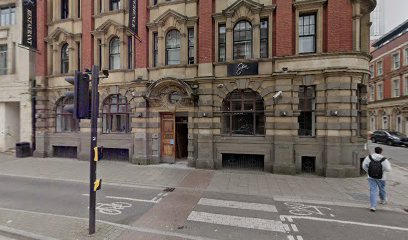
Basement 45
0.6 km
Experience Bristol’s underground nightlife at Basement 45, where eclectic music, intimate vibes, and vibrant events come alive until the early hours.
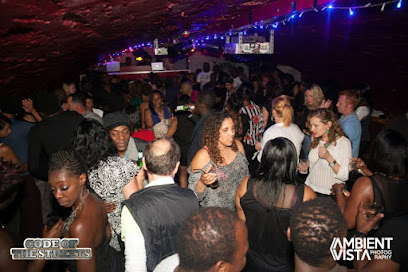
OMG
0.6 km
Southwest's biggest gay club: massive dance floor, killer sound, themed nights, and inclusive vibes until dawn in Bristol's heart.
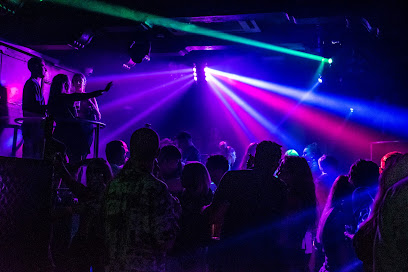
Queenshilling - Bristol Bar and Nightclub
0.6 km
Bristol's iconic LGBTQ+ haven: dance, drag, and drinks in an intimate Frogmore Street gem fueling the city's electric nightlife.
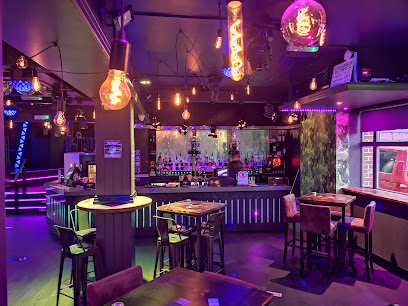
Antix
0.7 km
Bristol's enduring late-night haven on Park Street: cocktails till 1am, DJ beats till 6am, dancing into dawn with house, R&B, and reggaeton vibes.
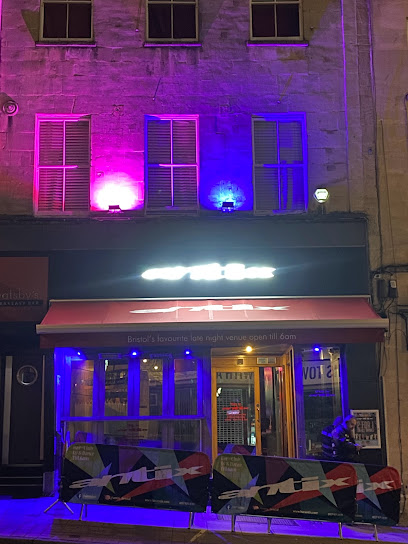
Silk Nightclub
0.8 km
Experience Bristol’s vibrant nightlife at Silk Nightclub, where energetic beats and a lively crowd create unforgettable nights in the city center.
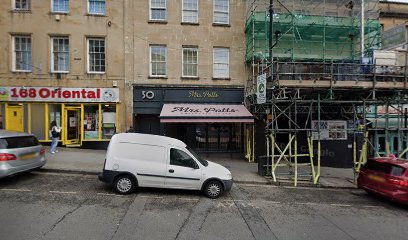
Marquee Cocktail Bar & Nightclub
0.8 km
From refined cocktails to dawn-dancing beats, Marquee delivers Bristol's ultimate nightlife evolution in one stylish venue.
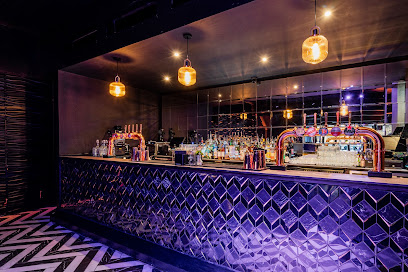
The Loco Klub
1.0 km
An atmospheric subterranean arts venue in Brunel’s Temple Meads arches, where tunnels, brick vaults and intimate soundscapes host club nights, theatre and live music.
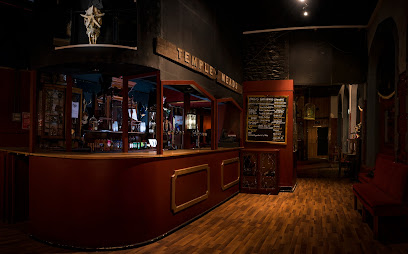
La Rocca
1.1 km
A lively Clifton nightclub blending classic tunes, affordable drinks, and a vibrant social scene in Bristol’s dynamic nightlife district.
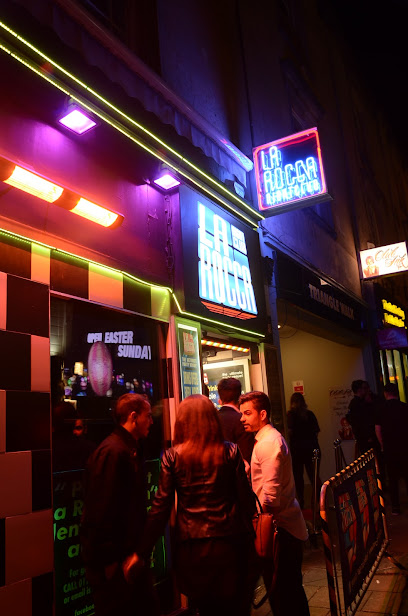
The Pearl NightClub
1.1 km
Bristol's intimate Clifton nightclub where fire DJs ignite weekend dance floors from 10pm till dawn—pure energy in a compact, electric space.
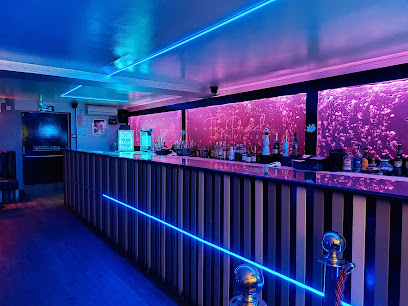
Bristol Lola Lo
1.1 km
An intimate, vintage‑Tiki nightclub in Clifton with neon cocktails, paper lanterns and a compact dancefloor for themed late‑night parties.
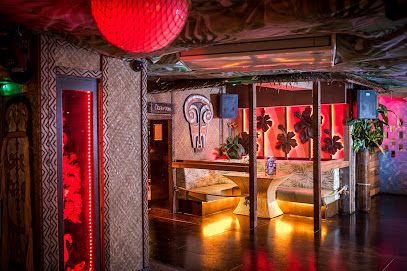
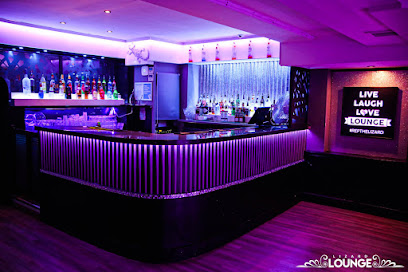
Lizard Lounge
1.2 km
A small, loud student nightclub on Queens Road famed for cheap drinks, DJ nights and a packed, party-first atmosphere.
For the vibe & atmosphere seeker
- Scenic
- Relaxing
- Tranquil
- Historic
- Casual
For the design and aesthetic lover
- Industrial Designs
- Vintage Styles
For the architecture buff
- Historic
- Landmarks
- Heritage Neighborhoods
For the view chaser and sunset hunter
- Waterfront
- Iconic Views
For the social media creator & influencer
- Photo Spots
- Architectural Shots
For the eco-conscious traveler
- Public-Transport Accessible
- Low Impact
For the kind of experience you’re after
- Cultural Heritage
- Photowalk
- Day Trip
For how adventurous you want the journey to be
- Easy Access
Location Audience
- Family Friendly
- Child Friendly
- Teen Friendly
- Senior Friendly
- Wheelchair Access
- Pet Friendly
- Solo Friendly
- Couple Friendly
- Solo Female Friendly


