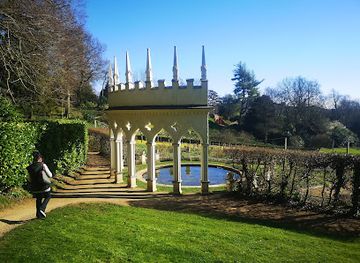
Background

Cotswold Way: England’s Scenic National Trail

Explore 102 miles of stunning hills, historic sites, and charming villages on England’s iconic Cotswold Way National Trail.

The Cotswold Way is a 102-mile National Trail stretching from Chipping Campden to Bath, England. It follows the Cotswold escarpment, offering walkers stunning views, charming honey-stone villages, historic landmarks, and a rich blend of natural beauty and cultural heritage. The trail features rolling hills, ancient woodlands, and iconic sites like Sudeley Castle and Bath Abbey, making it a celebrated long-distance walking route.

Plan your visit

A brief summary to Cotswold Way

Opening times, essentials, and a few local tips gathered into one calmer, easier-to-scan planning section.

Plan your visit

📍
GB
🕒
Duration: 6 to 10 hours
💷
Budget
🏛
Outdoor
📶
Mobile reception: 4 out of 5

Explore places near Cotswold Way

    See all →

    Unlock the Best of Cotswold Way

    Find tickets, tours with entry, and experiences available for this location.

    Buy tickets

    No tickets available

    Book tours with entry

    No tours with entry available

    Book tours without entry

    No tours without entry available

    Getting There

    Train and Bus

    Take a train to Moreton-in-Marsh or Cheltenham Spa, both well-connected by rail. From either station, local buses run regularly to Chipping Campden, the northern trailhead, with travel times of 20–40 minutes and fares around £5–£10. Bus frequency may reduce on Sundays.

    Car

    Driving to Chipping Campden or Bath is convenient with several public car parks available near the trailheads. Parking fees typically range from £3 to £10 per day. Note that some village parking areas can fill quickly during peak season.

    Long-Distance Coach

    National Express coaches connect London and Bristol to Bath with travel times of 2 to 3 hours. From Bath, local buses or taxis can take you to the southern trail end. Coach fares vary from £10 to £25 depending on booking time.

    Walking Segments

    For shorter hikes, many villages along the route are accessible by local bus services, allowing flexible day walks. Terrain is mostly gentle but includes some hills; appropriate footwear and moderate fitness are recommended.

    For the on-the-go comforts that matter to you

    Restrooms
    Drink Options
    Food Options
    Seating Areas
    Trash Bins
    Information Boards

    Local tips

    Plan your walk over 6 to 10 days to enjoy the trail’s highlights without rushing.
    Wear sturdy walking boots and bring walking poles for support on hilly and stony sections.
    Book accommodations in advance during peak seasons, especially in popular villages.
    Take time to visit historic sites like Sudeley Castle and the Neolithic burial chamber at Belas Knap.
    Respect farmland and livestock by keeping to the path and giving animals a wide berth.

    Cotswold Way location weather suitability

    Catch the right light and the right mood, whether you want a bright city moment or a more cinematic evening visit.

    Weather icon
    Any Weather
    Weather icon
    Rain / Wet Weather
    Weather icon
    Clear Skies
    Weather icon
    Mild Temperatures
    Weather icon
    Windy Conditions

    Discover more about Cotswold Way

    A Journey Along the Cotswold Escarpment

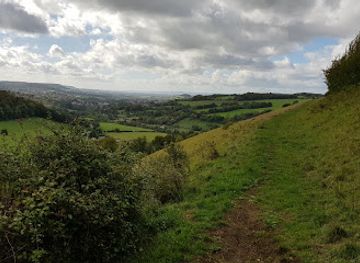
    The Cotswold Way is a celebrated 102-mile (164 km) National Trail that traces the western edge of the Cotswold Hills, known as the Cotswold escarpment. Starting in the quaint market town of Chipping Campden in the north and concluding in the World Heritage City of Bath to the south, the trail offers a continuous passage through some of England’s most picturesque countryside. The route is marked by rolling hills, lush meadows, ancient woodlands, and panoramic vistas that reward walkers at nearly every turn.

    Historic and Cultural Highlights Along the Route

    This trail is steeped in history, passing by numerous significant sites. Walkers encounter Neolithic monuments such as the burial chamber at Belas Knap, medieval gems like Sudeley Castle—final resting place of Catherine Parr, the last wife of Henry VIII—and the atmospheric ruins of Hailes Abbey. The journey culminates in Bath, famed for its Roman baths and stunning Georgian architecture, with the trail’s end marked by a carved stone outside Bath Abbey. Along the way, charming honey-stone villages and market towns provide cultural richness and opportunities to explore local heritage.

    Walking Experience and Terrain

    The Cotswold Way is considered one of England’s more accessible National Trails, suitable for walkers with a reasonable level of fitness. The terrain varies from well-maintained dirt and grass paths through woodlands and farmland to gentle climbs and occasional stony descents. While the hills are frequent, they are generally not steep, making the trail manageable yet rewarding. Walkers should be prepared for a cumulative elevation gain of around 10,000 feet over the entire route. The path occasionally crosses quiet country roads but mostly avoids busy traffic, preserving the rural walking experience.

    Planning Your Walk and Highlights

    Most walkers complete the trail in 6 to 10 days, covering 9 to 15 miles daily depending on pace and itinerary. The route offers flexibility for shorter excursions or longer explorations with ample accommodation options in villages along the way. Notable highlights include Broadway Tower, Cleeve Hill—the highest point in the Cotswolds—and the ancient Penn Wood, known for its wild garlic and ferns. The first sighting of Bath from the surrounding hills is a memorable moment, signaling the approach to the trail’s historic conclusion.

    Conservation and Community

    The Cotswold Way has been a promoted walking route for over 50 years and was officially designated a National Trail in 2007. Its upkeep is managed collaboratively by government bodies and the Cotswold Way Association, a charity dedicated to protecting and promoting the trail. Walkers are encouraged to respect the environment and local communities, preserving the trail’s natural beauty and cultural significance for future generations.

    Immersive Natural Beauty and Local Life

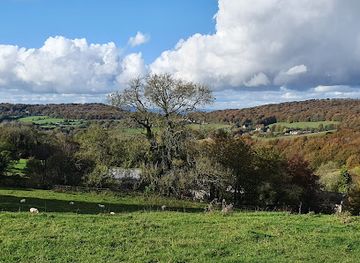
    Beyond its physical and historical attributes, the Cotswold Way offers moments of serene solitude and connection with nature. Walkers often share the path with grazing sheep and experience the changing seasons in a landscape shaped by centuries of rural life. Quaint pubs, farm shops, and artisan producers along the route provide authentic tastes of the region, enhancing the overall journey through this iconic English countryside.

    A brief summary to Cotswold Way

    Use Tower Bridge as your starting point for nearby food, family ideas, nightlife, and more local discoveries.

    Plan around the quieter times

    A quick look at seasonal patterns and peak visiting hours.

    Busiest months of the year

    Seasonality

    Busiest hours of the day

    Footfall
    Mobile App
    Get the app

    Your all‑in‑one travel companion app

    Explore expert travel guides, compare and book tours, experiences, hotels, and more—all from the palm of your hand. Download now for seamless trip planning wherever your wanderlust takes you.

    File:Clifton Suspension Bridge and the Observatory in Bristol, England.jpg  - Wikimedia Commons

    More about Bristol

    Discover Bristol: A dynamic city where historical grandeur meets modern innovation, offering a rich tapestry of culture, art, and maritime heritage.

    Tell me more about Bristol
    Select Currency

    Choose the currency you want prices to display in.
