Background

Tintern Abbey: Majestic Ruins of a Cistercian Monastery on the Wye

Explore the majestic ruins of Tintern Abbey, a Gothic masterpiece and serene riverside monument to medieval monastic life in Wales.

Tintern Abbey, founded in 1131 by Cistercian monks, is a striking medieval ruin nestled on the Welsh bank of the River Wye. Renowned for its Gothic architecture, the abbey flourished until its dissolution in 1536 under Henry VIII. Today, it stands as one of Wales' best-preserved monastic ruins, offering visitors a glimpse into medieval monastic life amid scenic river valley surroundings.

A brief summary to Tintern

  • GB
  • Duration: 1 to 2 hours
  • Mid ranged
  • Environment icon Outdoor
  • Mobile reception: 4 out of 5

Local tips

  • Book tickets online in advance to receive a 5% discount and guarantee entry, especially during peak seasons.
  • Visit on weekday mornings for a quieter, more peaceful experience with fewer crowds.
  • Take time to explore the visitor centre for historical insights and browse local crafts in the gift shop.
  • Wear sturdy footwear as some paths around the ruins are uneven, and bring weather-appropriate clothing.
widget icon

Getting There

  • Train and Bus

    Take a train from Cardiff Central to Chepstow (approximately 45 minutes), then board the local bus 69 or 69A to Tintern village (about 20 minutes). The bus service runs several times daily but check schedules in advance. Total travel time is around 1.5 hours. Tickets cost roughly £10-£15.

  • Car

    Driving from Cardiff or Bristol takes about 50-70 minutes via the M4 and A466. Pay-and-display parking is available near the abbey. Parking fees apply, typically around £3-£5 for the day. Note that the roads near Tintern are narrow and can be busy during peak seasons.

  • Walking

    For active visitors, walking from Tintern village center to the abbey is a gentle 10-15 minute stroll on mostly flat terrain, suitable for most fitness levels and wheelchair accessible.

Tintern location weather suitability

  • Weather icon Any Weather
  • Weather icon Rain / Wet Weather
  • Weather icon Clear Skies
  • Weather icon Mild Temperatures
  • Weather icon Windy Conditions

Unlock the Best of Tintern

Buy tickets

    No tickets available

Book tours with entry

    No tours available

Book tours without entry

    No tours available

Discover more about Tintern

Origins and Early Foundations

Tintern Abbey was established on 9 May 1131 by Walter de Clare, Lord of Chepstow, as the first Cistercian foundation in Wales and only the second in Britain. Initially, the monks constructed simple timber buildings reflecting their austere order. Over time, these were replaced by stone structures as the abbey grew in wealth and influence. The site itself may have held significance before the abbey’s founding, with the name "Tintern" possibly linked to earlier settlements or fortifications along the Derin stream.

Architectural Grandeur and Expansion

Between the early 13th and 14th centuries, Tintern Abbey underwent extensive rebuilding, culminating in one of Britain’s finest examples of Gothic architecture. The great west front with its seven-lancet window and soaring nave arches remain breathtaking even in ruin. The abbey’s cloisters, domestic ranges, and church were constructed to reflect both spiritual devotion and the wealth amassed through generous patronage, especially from figures like Roger Bigod, Earl of Norfolk.

Monastic Life and Regional Influence

For over 400 years, Tintern Abbey was a vibrant religious community. It founded daughter houses, including Kingswood Abbey in Gloucestershire and Tintern Parva in Ireland, extending its spiritual and cultural reach. The monks engaged in almsgiving and maintained extensive lands, contributing to the local economy and society. Despite occasional financial challenges, the abbey remained a significant spiritual center until the 16th century.

Dissolution and Decline

The English Reformation under King Henry VIII led to the Dissolution of the Monasteries. In September 1536, Tintern Abbey was surrendered, ending centuries of monastic life. The abbey’s valuables were seized, roofs removed, and stones repurposed locally, initiating its slow decay into the atmospheric ruin seen today. Ownership passed to Henry Somerset, 2nd Earl of Worcester, marking a new secular chapter for the site.

Preservation and Modern-Day Significance

Purchased by the Crown in 1901, Tintern Abbey has since been the focus of archaeological study and conservation, now maintained by Cadw, Wales’ historic environment service. Ongoing preservation efforts address weathering of sandstone and structural stability. The site is Grade I listed and remains a national icon, attracting visitors who come to admire its architectural beauty and tranquil riverside setting.

Visitor Experience and Cultural Legacy

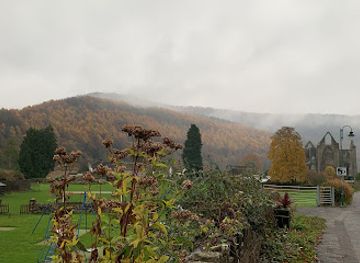
Today, visitors can explore the expansive ruins, including the majestic west front and cloisters, while enjoying interpretive displays that illuminate monastic life. The abbey’s picturesque location in the Wye Valley adds to its allure, inspiring poets, artists, and photographers over centuries. Facilities include a visitor centre, shop, and accessible paths, making it a welcoming destination for families and history enthusiasts alike.

Busiest months of the year

Busiest hours of the day

Popular Experiences near Tintern

Popular Hotels near Tintern

Select Currency