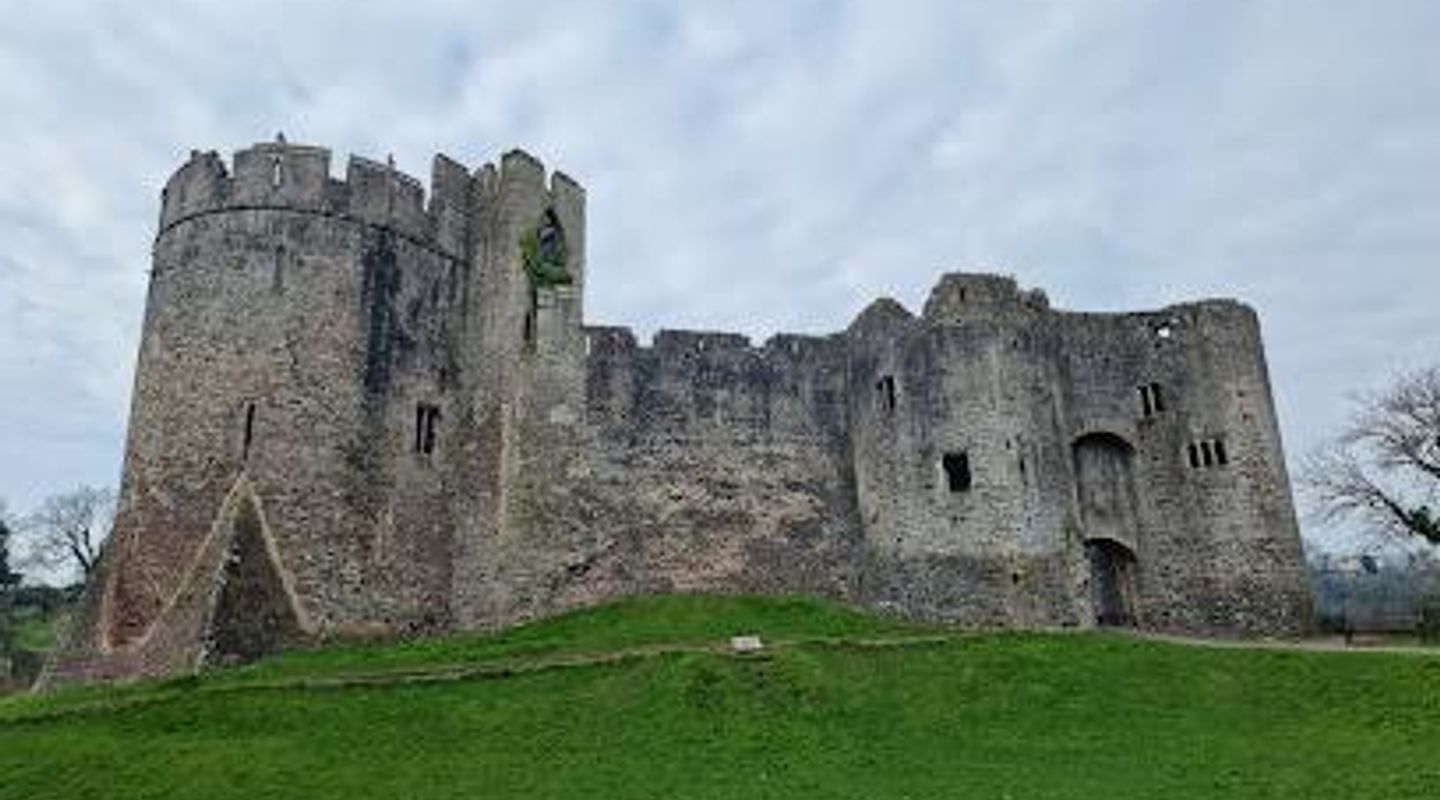
Chepstow Castle, Monmouthshire Travel Guide
Explore Britain’s oldest stone castle, perched above the River Wye, where 900 years of history and stunning views await.
Perched dramatically on a limestone cliff above the River Wye, Chepstow Castle is the oldest surviving post-Roman stone fortress in Britain. With nearly 900 years of history, it showcases the evolution of medieval military architecture and the lives of powerful medieval and Tudor magnates. Visitors explore imposing towers, the Great Hall, and the oldest castle doors in Europe, all set within well-preserved ruins offering stunning river views.
A brief summary to Chepstow Castle
- Bridge St, Chepstow, NP16 5EY, GB
- Click to display
- Click to display
- Duration: 1.5 to 3 hours
- Mid ranged
-
 Outdoor
- Mobile reception: 4 out of 5
- Monday 10 am-4 pm
- Tuesday 10 am-4 pm
- Wednesday 10 am-4 pm
- Thursday 10 am-4 pm
- Friday 10 am-4 pm
- Saturday 10 am-4 pm
- Sunday 10 am-4 pm

Know before you go
Hi, I'm Eve. Here are a few practical things to know before exploring Chepstow Castle.
- Wear sturdy footwear as some paths and staircases are steep and uneven.
- Visit in the morning or late afternoon for fewer crowds and beautiful light for photography.
- Consider renting an audio guide for detailed historical insights available on-site.
- Check the Cadw website ahead of your visit for seasonal opening hours and any weather-related closures.
- Combine your visit with nearby attractions like Chepstow Museum and the Old Wye Bridge for a full day of exploration.
Do you manage this location?
Take control to get all the benefits, like improved information, better appearance, and stronger visibility across AI-powered discovery. Learn more about listing your business on Evendo
Activate your presenceOther nearby places you may find interesting
The closest places of the same kind, if this one is not quite what you had in mind.
Explore Chepstow Castle on the Map
A handpicked selection of must-see spots near Chepstow Castle, mapped for you.
Unlock the Best of Chepstow Castle
Buy tickets
-
No tickets available
Book tours with entry


Getting There
-
Train and Bus
Travelers can reach Chepstow by train via the Chepstow railway station, approximately 2.5 km from the castle. From the station, local bus services or a taxi can take you to the castle in about 10 minutes. Train journeys from Cardiff take around 40–50 minutes, with bus connections operating hourly. Tickets cost approximately £5–£10 depending on the route.
-
Car
Driving to Chepstow Castle is convenient via the M48 motorway (Junction 2) or A466. The Castle Dell Car Park near the castle offers pay-and-display parking with accessible spaces and coach parking. Parking fees range from £1.80 to £5.60 depending on duration and day. Note that the castle grounds have some uneven terrain, so plan accordingly.
-
Walking
For visitors staying in central Chepstow, walking to the castle takes about 20–30 minutes along mostly paved streets with some uphill sections. The route offers scenic views of the town and the River Wye. Walking is suitable for most visitors but may be challenging for those with mobility issues due to gradients.
For the on-the-go comforts that matter to you
-
 Restrooms
-
 Drink Options
-
 Food Options
-
 Seating Areas
-
 Trash Bins
-
 Information Boards
-
 Visitor Center
Discover more about Chepstow Castle
A Monument to Norman Power and Medieval Life
Chepstow Castle was founded in 1067 by William FitzOsbern, a close ally of William the Conqueror, making it one of the earliest Norman stone castles in Britain. Its strategic location on a limestone cliff overlooking the River Wye allowed it to control a key gateway to Wales. Over the centuries, the castle was adapted and expanded to meet the demands of changing warfare and the ambitions of its wealthy owners. For more than six centuries, it served as a residence for some of the richest and most powerful men of the medieval and Tudor periods.Architectural Evolution and Defensive Innovations
The castle’s layout stretches along the cliff edge, featuring multiple baileys, towers, and curtain walls that reveal the gradual evolution of castle design. Notable features include the twin-towered gatehouse, raised Norman walls, and a massive rectangular Great Tower. The castle also boasts the oldest surviving castle doors in Europe, dating from the 1190s, reinforced with iron plates to withstand attacks. These architectural elements illustrate how fortifications were enhanced to counter increasingly destructive weaponry over time.Life Within the Castle Walls
Visitors can explore the Great Hall, once the site of medieval feasts and gatherings, as well as the domestic ranges including the kitchen and royal accommodations such as Martin’s Tower. The castle was not only a military stronghold but also a comfortable residence where its inhabitants displayed their wealth through gold, silver vessels, rich silks, and brightly painted furniture. The castle’s many rooms and towers offer a vivid glimpse into the daily lives of its noble occupants.Scenic Setting and Visitor Experience
Chepstow Castle’s elevated position provides breathtaking panoramic views of the River Wye and surrounding landscape, ideal for photography and quiet reflection. The site is managed by Cadw, the Welsh Government’s historic environment service, which ensures its preservation and offers guided tours, audio guides, and special events throughout the year. The castle grounds include accessible paths, benches, and facilities such as a gift shop and restrooms, making it welcoming for a wide range of visitors.Accessibility and Practical Information
While much of the castle can be explored at ground level, some towers and wall walks require navigating staircases, which may be steep or uneven. Cadw provides detailed accessibility guidance to help visitors plan their visit. The castle is open year-round except for Christmas and New Year holidays, with seasonal variations in opening hours. Admission fees apply, with discounts for seniors, children, and members. Nearby parking and other amenities support a comfortable visit.Historical Significance and Legacy
Chepstow Castle stands as a testament to nearly a millennium of British history, reflecting Norman conquest, medieval power struggles, Tudor grandeur, and the English Civil War. Its preservation allows visitors to appreciate the craftsmanship and strategic importance of one of Wales’s most iconic landmarks. Through Cadw membership and ongoing conservation efforts, this remarkable fortress continues to inspire and educate future generations.












Your all‑in‑one travel companion app
Explore expert travel guides, compare and book tours, experiences, hotels, and more—all from the palm of your hand. Download now for seamless trip planning wherever your wanderlust takes you.


Explore More of Monmouthshire
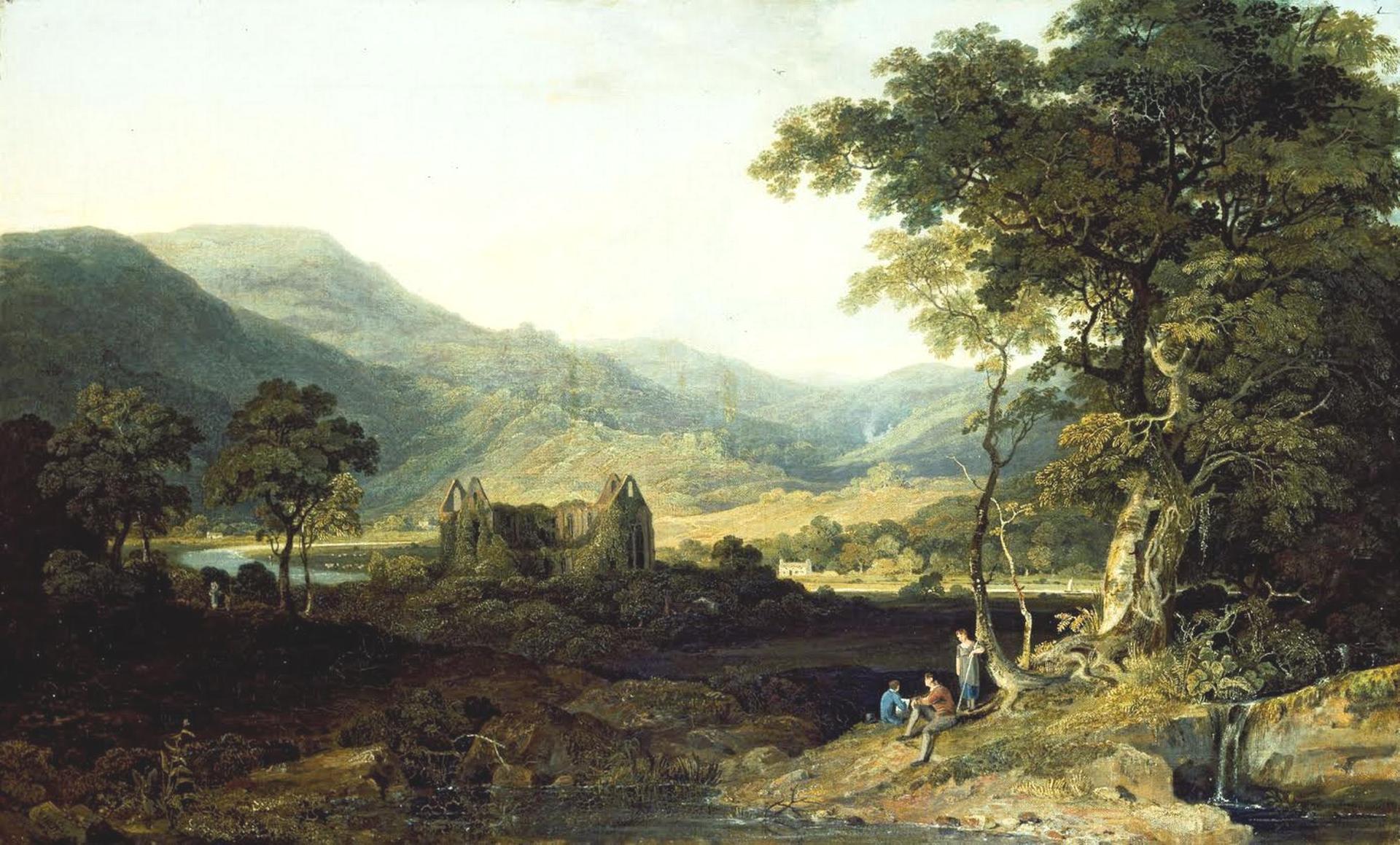
Looking beyond Chepstow Castle? Discover Monmouthshire for broader travel guides, local hot-spots, and regional highlights.
Explore Monmouthshire