
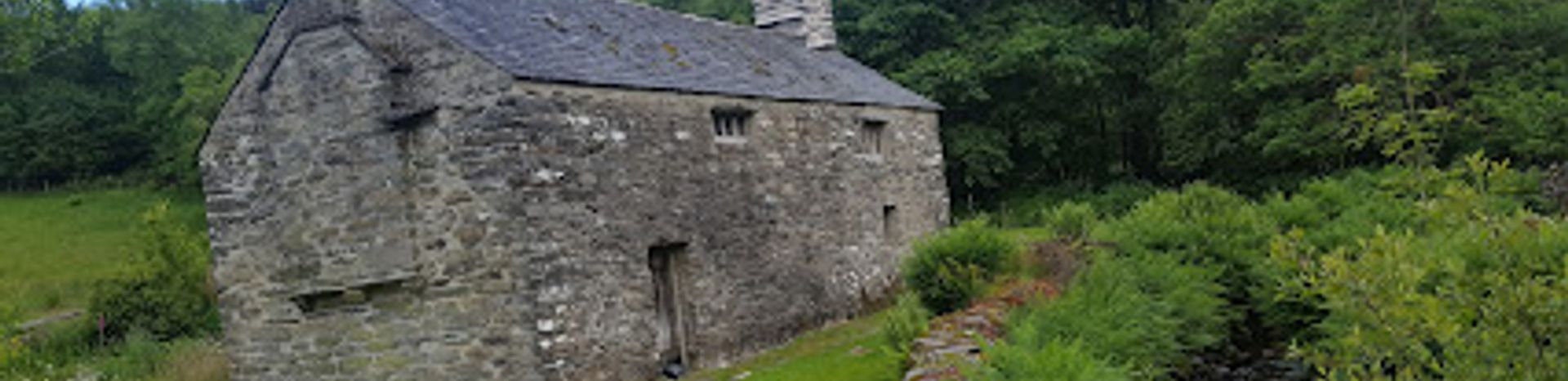
Tŷ Mawr Wybrnant: Birthplace of the Welsh Bible and Tudor Heritage
Discover the 16th-century Tudor farmhouse where the Welsh Bible was born, set in the tranquil Wybrnant valley of Snowdonia.
Tŷ Mawr Wybrnant is a 16th-century farmhouse nestled in the tranquil Wybrnant valley near Penmachno, Betws-y-Coed. It is renowned as the birthplace of Bishop William Morgan, who translated the Bible into Welsh in 1588, securing the Welsh language’s survival. Restored to its Tudor-era form, the house offers visitors a glimpse into Elizabethan rural life, with its historic architecture, a collection of Welsh language Bibles, and a peaceful garden setting within Snowdonia National Park.
A brief summary to National Trust - Tŷ Mawr Wybrnant
- Betws-y-Coed, Penmachno, LL25 0HJ, GB
- +441766510120
- Visit website
- Duration: 1 to 3 hours
- Mid ranged
-
 Outdoor
- Mobile reception: 4 out of 5
- Monday 12 am-12 am
- Tuesday 12 am-12 am
- Wednesday 12 am-12 am
- Thursday 12 am-12 am
- Friday 12 am-12 am
- Saturday 12 am-12 am
- Sunday 12 am-12 am
Local tips
- Visit during the special open days from April to September to experience themed events exploring Welsh folklore, music, and history.
- Explore the Elizabethan garden, recently restored by volunteers, to see plants historically used for food, medicine, and fragrance.
- Take time to view the original 1588 Welsh Bible housed inside the farmhouse, a cornerstone of Welsh cultural heritage.
- Wear sturdy footwear for walking the surrounding valley paths and enjoy the peaceful mountain scenery of the Carneddau and Glyderau ranges.
- Check the National Trust website or visitor center for any seasonal events or exhibitions during your visit.

For the on-the-go comforts that matter to you
- Restrooms
- Seating Areas
- Picnic Areas
- Information Boards
- Visitor Center
Getting There
-
Car
Driving from Betws-y-Coed, the journey to Tŷ Mawr Wybrnant takes approximately 20-30 minutes via rural roads. Parking is available near the site but limited; expect moderate fees around £3-£5. The route involves narrow lanes typical of Snowdonia, so cautious driving is advised.
-
Bus and Walking
Take the local bus from Betws-y-Coed to Penmachno, a 15-minute ride with infrequent service, so check schedules in advance. From Penmachno, it is a 30-minute walk on country paths to Tŷ Mawr Wybrnant. The terrain is uneven and may be muddy in wet weather, so suitable footwear is recommended.
-
Taxi
A taxi from Betws-y-Coed to Tŷ Mawr Wybrnant offers a direct and flexible option, taking about 15-20 minutes. Expect fares in the range of £15-£25 depending on time and provider. This is convenient for visitors with limited mobility or those short on time.
National Trust - Tŷ Mawr Wybrnant location weather suitability
-
 Any Weather
-
 Rain / Wet Weather
-
 Clear Skies
-
 Mild Temperatures
Discover more about National Trust - Tŷ Mawr Wybrnant
A Historic Home Rooted in Welsh Identity
Tŷ Mawr Wybrnant stands as a significant cultural landmark in the heart of the Wybrnant valley, near Penmachno in Snowdonia. The farmhouse dates back to the 16th century, originally built as a cruck-framed hall house possibly in the 15th century, with major renovations around 1565 that transformed it into a two-storey Tudor-style home. It was here that Bishop William Morgan was born, whose 1588 translation of the Bible into Welsh was pivotal in preserving the Welsh language and culture. The house’s architecture reflects the rural gentry status of its original inhabitants, featuring large fireplaces and characteristic gable-end chimneys typical of the Eryri region.Restoration and Preservation Efforts
By the late 19th century, Tŷ Mawr had fallen into disrepair but was restored in 1888 by Lord Penrhyn to commemorate the 300th anniversary of Morgan’s translation. The National Trust took stewardship in 1951, undertaking significant conservation efforts to return the house to its Tudor-era appearance. A one-room museum was established in 1960, later expanded with funding and community support to enhance visitor engagement. Recent projects completed in 2025 have improved accessibility, interpretation, and conservation, including tackling water ingress and deepening understanding of the site’s extensive Bible collection.Exploring the Farmhouse and Grounds
Visitors to Tŷ Mawr Wybrnant can explore the carefully restored farmhouse, which houses an original 1588 Welsh Bible and a unique collection of Welsh language materials. The interior evokes Tudor rural life, with period furnishings and displays that tell the story of William Morgan’s legacy. Outside, the Elizabethan garden is being restored by volunteers, featuring plants that historically provided food, medicine, and fragrance. The surrounding Wybrnant valley offers a peaceful natural setting with walking paths, a stone footbridge, and views of the Carneddau and Glyderau mountains, enhancing the sense of connection to Welsh heritage and landscape.Cultural Significance and Legacy
Tŷ Mawr Wybrnant is more than a historic house; it is a symbol of Welsh linguistic and cultural resilience. Bishop Morgan’s translation of the Bible was a watershed moment that helped sustain the Welsh language through centuries of change. Today, the site hosts exhibitions and events that celebrate this heritage, including themed open days exploring Welsh folklore, music, and history. The National Trust’s ongoing commitment ensures that Tŷ Mawr remains a vibrant center for education and cultural pride within the region.Visitor Experience and Atmosphere
The farmhouse’s remote location in the tranquil Wybrnant valley provides a serene retreat into Welsh history and nature. The stone-built house and rustic surroundings create an intimate atmosphere for reflection on the enduring impact of Morgan’s work. The site’s combination of historic architecture, curated collections, and natural beauty invites visitors to immerse themselves in a unique cultural journey that bridges past and present.Conservation and Community Engagement
Recent conservation initiatives have focused on sustainable preservation, including renewable energy use to protect the farmhouse from environmental threats. Local volunteers play a vital role in garden restoration and visitor engagement, fostering a strong community connection to the site. These efforts ensure that Tŷ Mawr Wybrnant remains accessible and meaningful for future generations, continuing to tell the story of Wales’s rich heritage within the stunning landscape of Snowdonia National Park.Iconic landmarks you can’t miss

Pont-y-Pair Bridge
4.8 km
Historic medieval bridge with bubbling waterfall, scenic views, and rich cultural legacy in the heart of Betws-y-Coed.
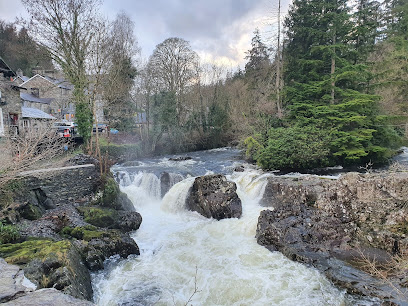
Yr Ysgwrn
18.3 km
Explore the rich cultural heritage of Wales at Yr Ysgwrn, the museum dedicated to the life of poet Hedd Wyn, surrounded by stunning natural beauty.
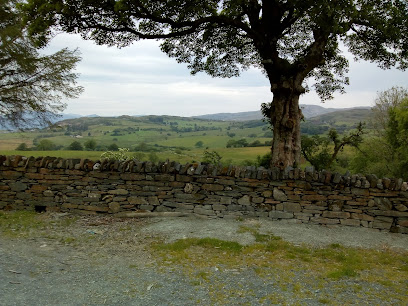
Aberglaslyn - National Trust
18.3 km
Experience the natural beauty of Aberglaslyn, a stunning nature reserve in Snowdonia, perfect for walking, wildlife watching, and photography.
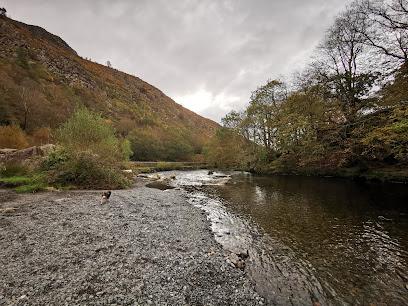
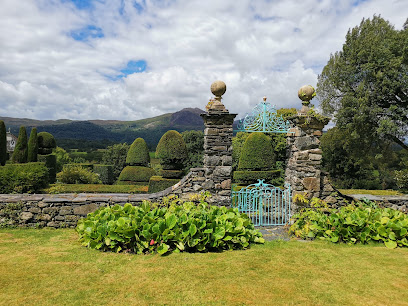
Plas Brondanw Gardens
18.4 km
Explore the enchanting Plas Brondanw Gardens, a serene garden oasis in Llanfrothen, perfect for nature enthusiasts and those seeking tranquility.
Bedd Gelert
18.5 km
Discover Bedd Gelert, a picturesque village in Snowdonia National Park, rich in legend and natural beauty, perfect for your Welsh adventure.
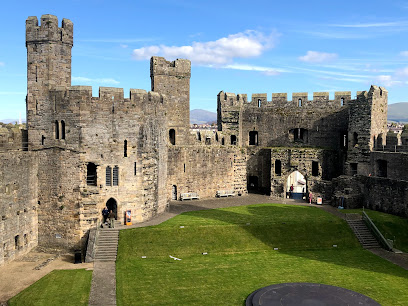
Caffi Colwyn monument
18.6 km
Explore the Caffi Colwyn Monument in Beddgelert, a charming tribute to Welsh heritage amidst stunning natural landscapes.
Welsh Highland Railway - (Beddgelert, Station)
18.7 km
Discover the enchanting landscapes of Snowdonia aboard the historic Welsh Highland Railway, a must-visit tourist attraction for nature and history lovers.
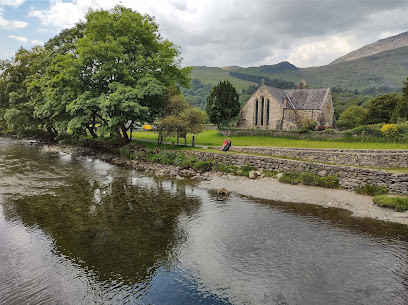
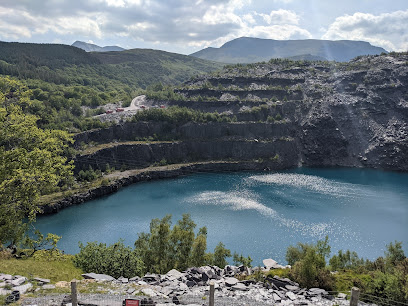
Zip World Penrhyn Quarry
19.7 km
Experience the thrill of Zip World Penrhyn Quarry – the ultimate adventure park in Snowdonia with breathtaking views and exhilarating activities.
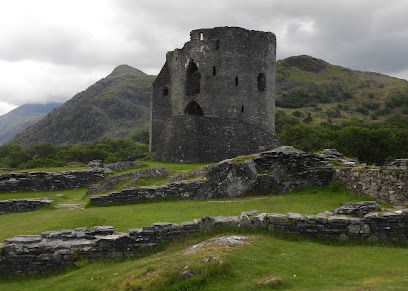
Dolbadarn Castle
19.8 km
Discover the enchanting Dolbadarn Castle in Snowdonia, a historical treasure offering stunning views and a glimpse into Wales' medieval past.
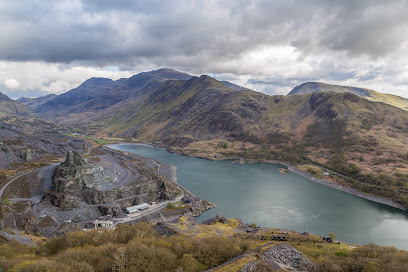
Parc Gwledig Padarn
20.0 km
Discover the breathtaking landscapes and diverse wildlife at Parc Gwledig Padarn, a perfect escape for nature lovers and adventure seekers in Wales.
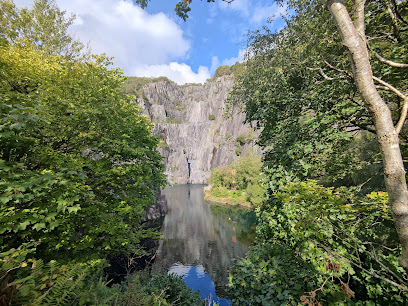
National Slate Museum
20.0 km
Explore the rich heritage of slate mining at the National Slate Museum in Llanberis, nestled in the breathtaking Snowdonia National Park.
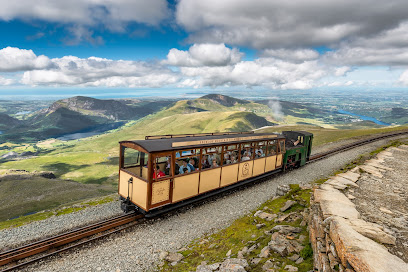
Snowdon Mountain Railway
20.1 km
Embark on a breathtaking journey aboard the Snowdon Mountain Railway, where stunning vistas and adventure await at the summit of Wales' highest peak.
Llanberis Lake Railway
20.1 km
Discover the scenic beauty of Snowdonia aboard the Llanberis Lake Railway, a charming heritage attraction offering breathtaking views and a memorable journey.
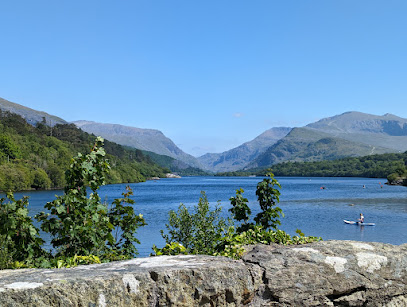
Gwaith Powdwr North Wales Wildlife Trust Nature Reserve
20.2 km
Immerse yourself in the serene beauty of Gwaith Powdwr Nature Reserve, a haven for wildlife and a historical gem in North Wales.
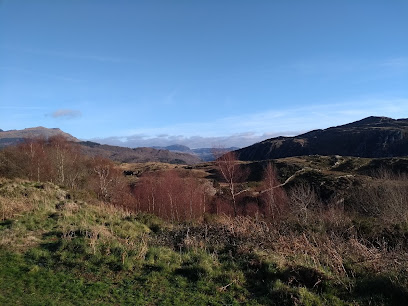
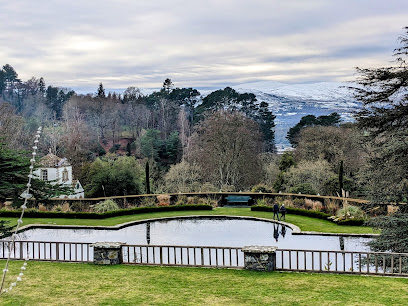
National Trust - Bodnant Garden
20.2 km
Discover the enchanting Bodnant Garden in Wales, a botanical haven with stunning landscapes and vibrant floral displays throughout the seasons.
Unmissable attractions to see

Gwydir Forest Park
2.3 km
Explore the tranquil lakes, cascading waterfalls, and historic mining trails of Gwydir Forest Park in the heart of Snowdonia.
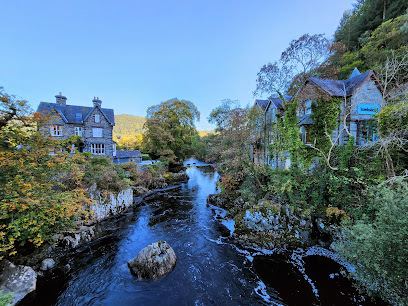
Ffos Anoddun
3.6 km
Discover the mystical Fairy Glen near Betws-y-Coed — a secluded gorge of waterfalls, mossy rocks, and enchanting woodland trails in Snowdonia.
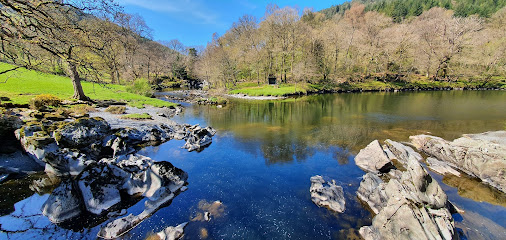
Rhaeadr Y Graig Lwyd
4.0 km
Discover the powerful twin cascades of Rhaeadr Y Graig Lwyd, a serene ancient woodland waterfall near Betws-y-Coed in Snowdonia National Park.
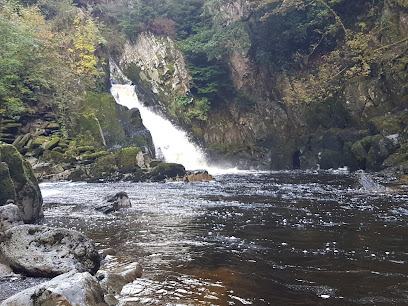
National Trust - Ysbyty Ifan
4.6 km
Explore the vast Ysbyty Ifan estate, where Welsh heritage, sustainable farming, and rich wildlife converge in Snowdonia’s uplands.
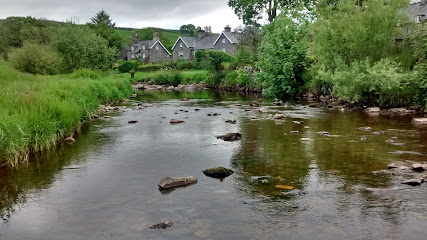
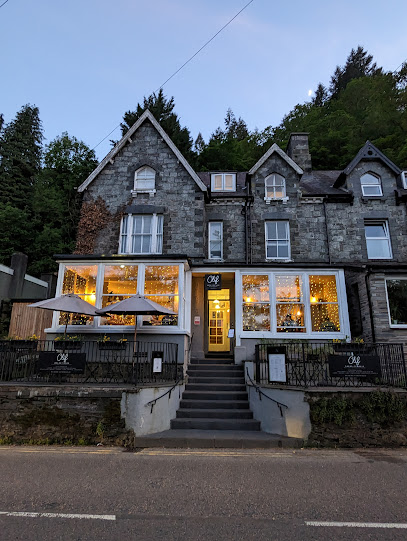
Olif
4.8 km
A stylish boutique B&B and tapas bar offering luxury stays and Welsh-inspired small plates in the heart of scenic Betws-y-Coed.
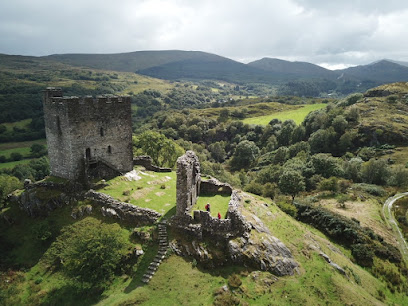
Castell Dolwyddelan
4.8 km
Explore the evocative ruins of Castell Dolwyddelan, a 13th-century Welsh mountain fortress with stunning views over Snowdonia’s rugged landscape.
Betws y Coed Tourist Information Centre
4.9 km
Your essential gateway to Snowdonia’s natural wonders and Welsh heritage in the heart of Betws-y-Coed.
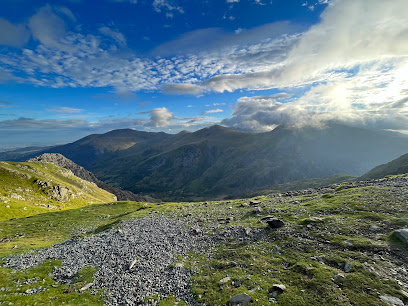
Snowdonia National Park Authority
4.9 km
Explore the heart of Snowdonia from Betws-y-Coed’s welcoming National Park Authority Visitor Centre, your gateway to Eryri’s natural and cultural treasures.
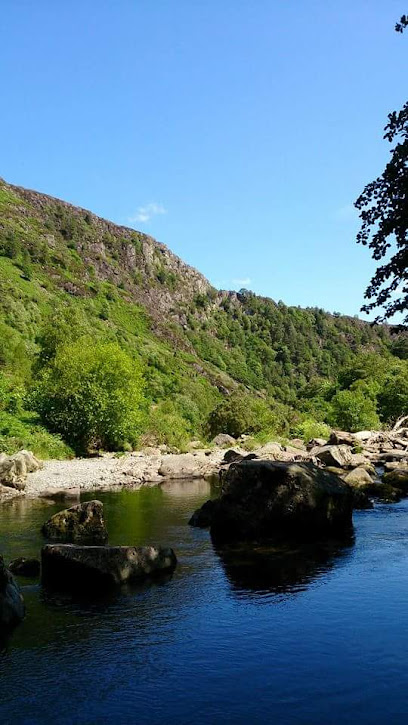
Conwy Valley Railway Museum
4.9 km
Discover railway heritage and enjoy scenic miniature train rides in the heart of Betws-y-Coed’s charming village setting.
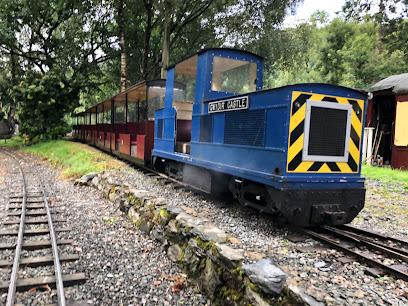
Rhaeadr Ewynnol / Swallow Falls Waterfall
5.3 km
Experience Wales’ highest continuous waterfall, a dramatic 42-meter cascade through a narrow chasm in Snowdonia’s scenic wilderness.
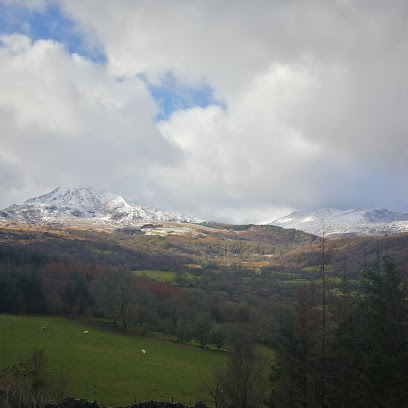
Ty Hyll
5.3 km
Discover Ty Hyll, Snowdonia’s charming 'Ugly House' with its historic tearoom, honeybee centre, and tranquil gardens in Capel Curig.
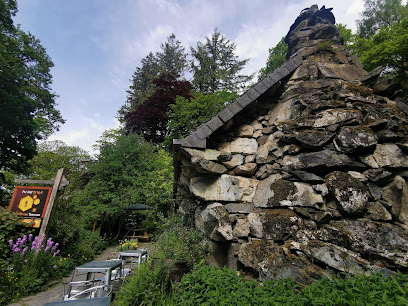
Plas y Brenin - National Outdoor Centre
7.6 km
The UK’s premier National Outdoor Centre offering expert-led adventures and historic charm in the heart of Snowdonia National Park.
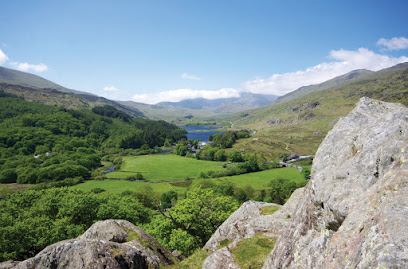
Zip World Llechwedd
8.9 km
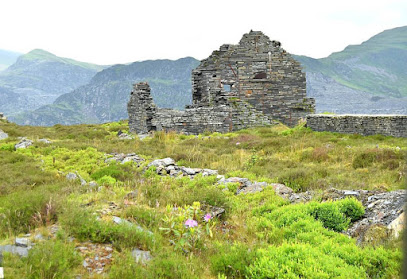
Experience thrilling underground adventures and historic slate mine exploration in the heart of Snowdonia’s dramatic landscape.
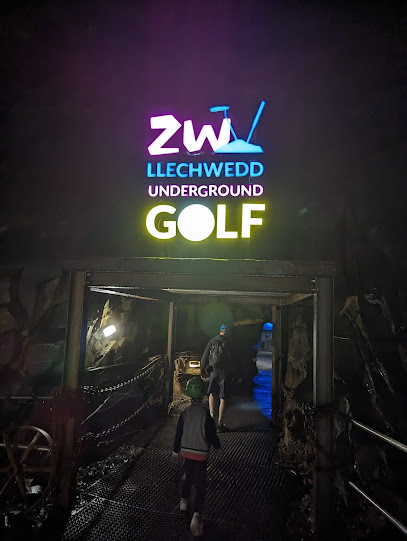
Zip World Underground Golf
8.9 km
Experience the world’s first underground adventure golf course, set 500 feet deep in a historic Welsh slate mine with 18 immersive holes across four thrilling levels.
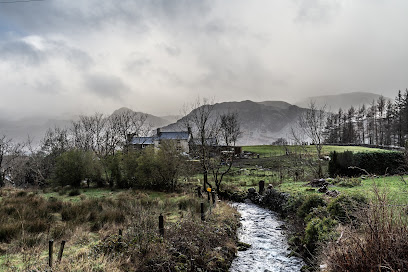
Blaenau Ffestiniog Waterfalls
9.3 km
Discover the serene beauty and rugged charm of Blaenau Ffestiniog Waterfalls, a captivating hiking destination in North Wales.
Essential places to dine

The Dragon Hotel and Restaurant
4.6 km
A cozy, convenient base in Betws-y-Coed offering comfortable stays, hearty breakfasts, and a unique Chinese dining experience near Snowdonia National Park.

Y Stablau - Stables Bar
4.7 km
A lively bar and restaurant in Betws-y-Coed offering fresh local food, Welsh ales, live entertainment, and a welcoming atmosphere year-round.
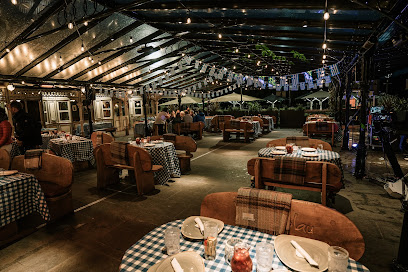
Llugwy River Restaurant
4.7 km
A refined dining experience celebrating Welsh seasonality and local produce in the heart of Betws-y-Coed’s historic Royal Oak Hotel.
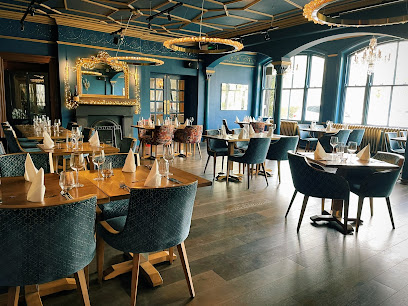
Grill Room at The Royal Oak Hotel
4.7 km
Savor modern Welsh cuisine with locally sourced flavors and expertly grilled meats in the cozy, historic setting of Betws-y-Coed’s Royal Oak Hotel.
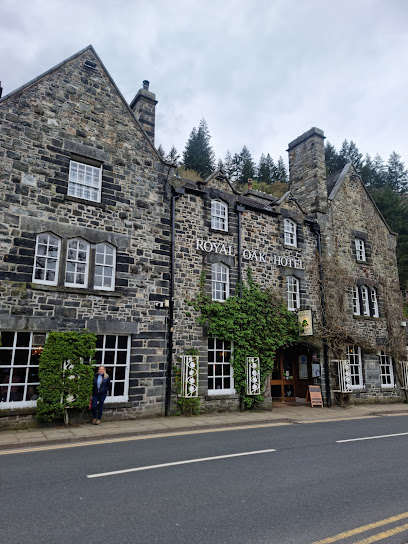
Hangin' Pizzeria
4.8 km
Savor wood-fired pizzas and local charm at Hangin' Pizzeria, a cozy spot nestled in Betws-y-Coed’s stunning Snowdonia National Park setting.
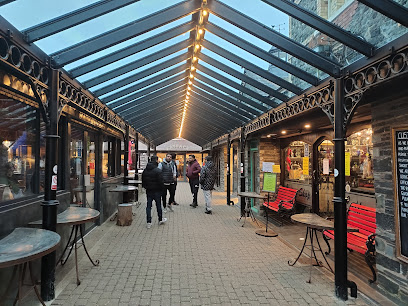
De Niros
9.3 km
Cozy and affordable café-restaurant in Blaenau Ffestiniog serving hearty meals and vegan-friendly options in a welcoming atmosphere.
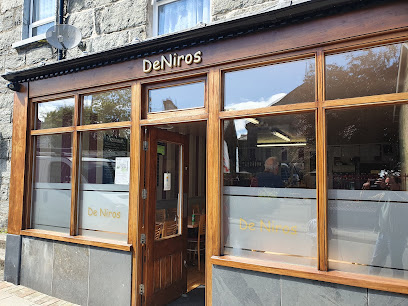
The Old Ship
10.9 km
Traditional Welsh pub in Trefriw offering homemade food, real ales, and a cozy log fire in the heart of Snowdonia.
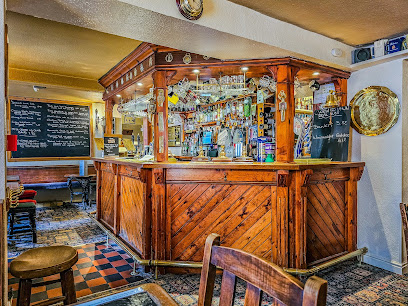
Caffi Gwynant
14.4 km
Charming converted chapel café in Snowdonia serving hearty breakfasts, homemade cakes, and local delights in a warm, rustic setting.
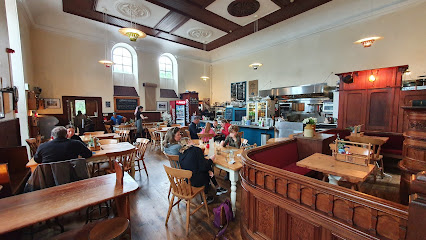
Bryn Arms
15.4 km
Experience authentic Welsh cuisine and warm hospitality at Bryn Arms in beautiful Blaenau Ffestiniog.
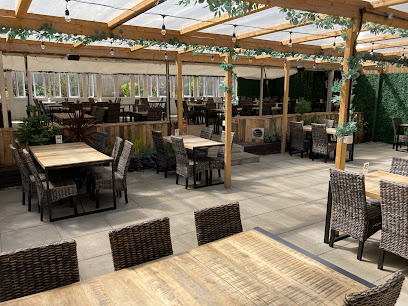
The Grapes Hotel, Bar & Restaurant
15.8 km
A welcoming traditional inn with hearty home-cooked meals and stunning Snowdonia views in the heart of Maentwrog.
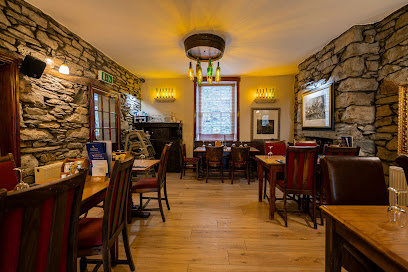
DRAGONFLY TEA ROOMS AND FISHERY LTD
17.2 km
Charming lakeside tea rooms and fishery offering fresh meals, serene fishing, and scenic countryside escapes in Cerrigydrudion.
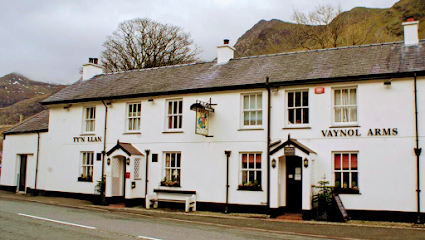
Vaynol Arms
17.4 km
Traditional Welsh pub nestled in Nant Peris with hearty fare, local ales, and a cozy atmosphere at Snowdon’s doorstep.
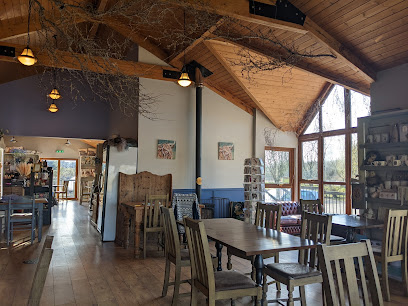
Caffi Colwyn
18.4 km
Charming family-run café in Beddgelert with cosy interiors, a peaceful riverside tea garden, and a menu catering to all tastes including vegan and gluten-free options.
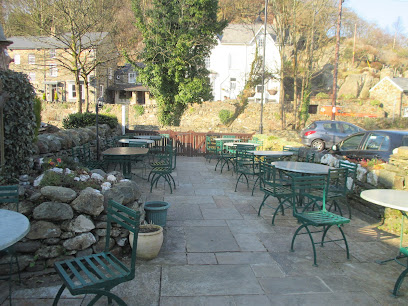
Y Bistro yn yr Hebog
18.5 km
A cozy family-run bistro in Beddgelert offering exquisite local cuisine and warm hospitality in the heart of Snowdonia.
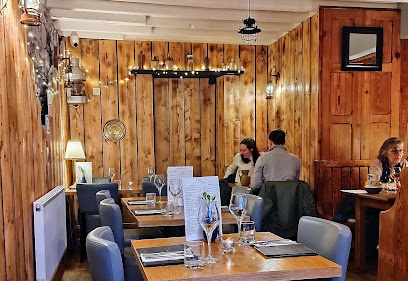
Bwyty Blondin Restaurant
19.7 km
Casual dining with hearty breakfasts and friendly service nestled in the historic Penrhyn Quarry adventure hub.
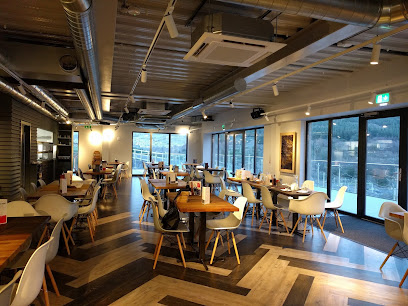
Markets, malls and hidden boutiques

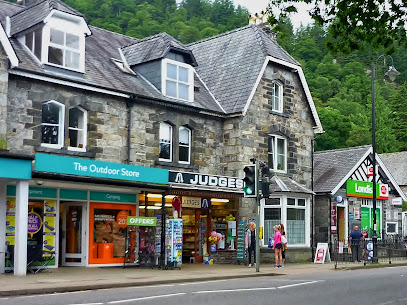
Judges
4.7 km
Explore the charm of Wales at Judges Gift Shop in Betws-y-Coed, where unique gifts and local crafts await every visitor.
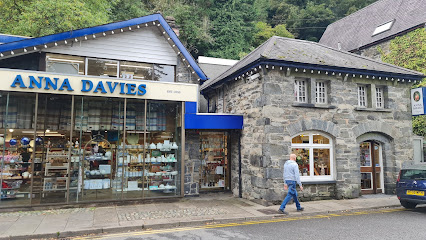
Anna Davies (Betws-y-Coed) Ltd
4.8 km
A premier lifestyle and fashion store in Betws-y-Coed blending heritage charm with quality menswear, womenswear, homeware, and gifts.
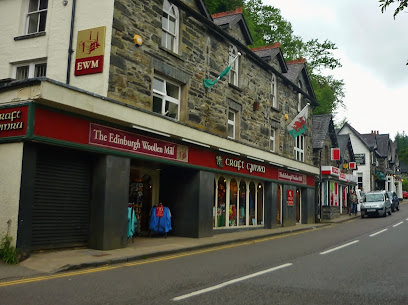
Craftcentre Cymru
4.8 km
Authentic Welsh knitwear and crafts in the heart of Snowdonia's most charming village.
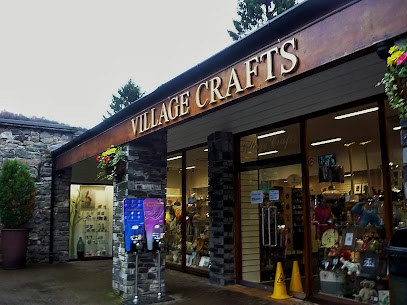
Village Crafts
4.8 km
Discover unique gifts and quality homewares in the heart of Betws-y-Coed’s charming village setting.
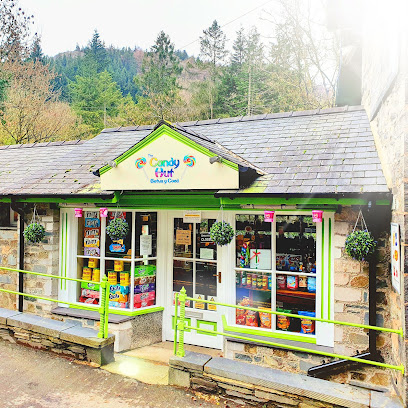
Candy Hut
4.8 km
Discover a delightful mix of American and traditional British sweets in the heart of Snowdonia at Candy Hut, Betws-y-Coed.
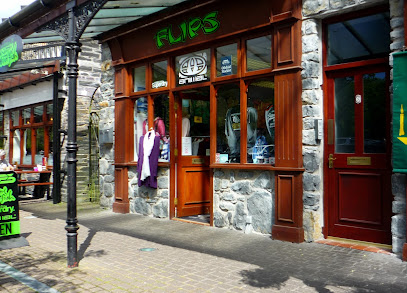
Flips
4.8 km
Discover timeless vintage fashion and unique ladies’ clothing in the heart of Betws-y-Coed’s charming village setting.
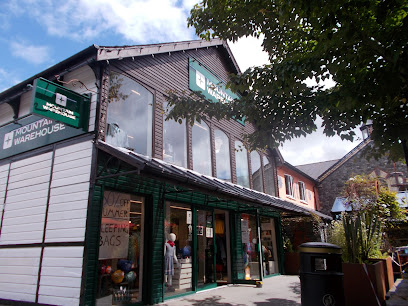
Mountain Warehouse
4.9 km
Equipping your Snowdonia adventures with quality outdoor gear and expert advice in the heart of Betws-y-Coed.
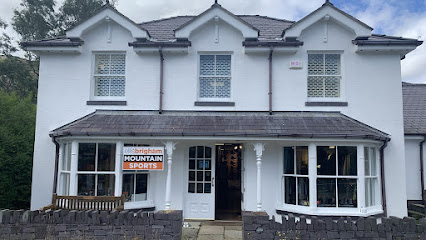
Ellis Brigham - Capel Curig
7.6 km
Your trusted outdoor sports outfitter in the heart of Snowdonia, offering expert gear and advice for all your mountain adventures.
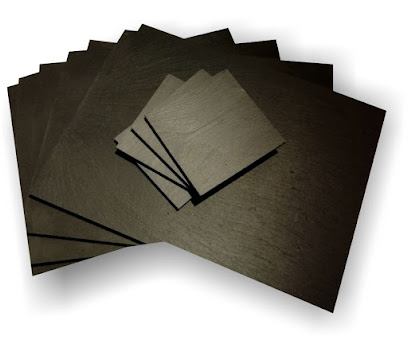
Maricraft Slate World
8.8 km
Discover exquisite handcrafted Welsh slate art in the historic heart of Blaenau Ffestiniog’s legendary quarry.
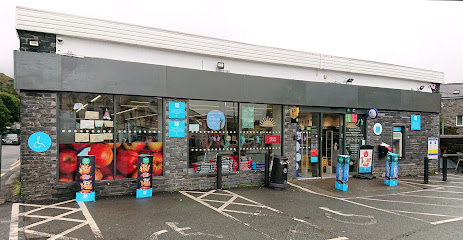
Co-op Food - Blaenau Ffestiniog
9.3 km
Your friendly Co-op Food store on Blaenau Ffestiniog’s High Street, offering fresh, ethical groceries and community care every day.
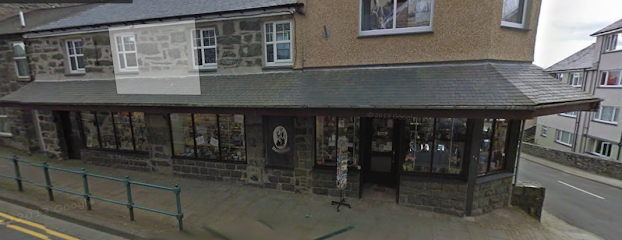
Siop y Gloddfa
9.5 km
Discover authentic Welsh crafts and unique local gifts in the heart of Blaenau Ffestiniog’s historic slate town.
Hairy Dog Crafts
17.9 km
Explore Hairy Dog Crafts in Trawsfynydd for unique handmade items and local artisan goods that capture the essence of Welsh creativity.
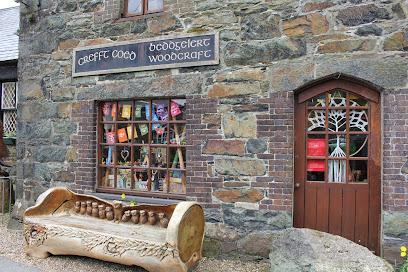
Beddgelert Woodcraft
18.4 km
Discover handcrafted Welsh wooden gifts and ethnic crafts in the heart of Snowdonia’s picturesque village of Beddgelert.
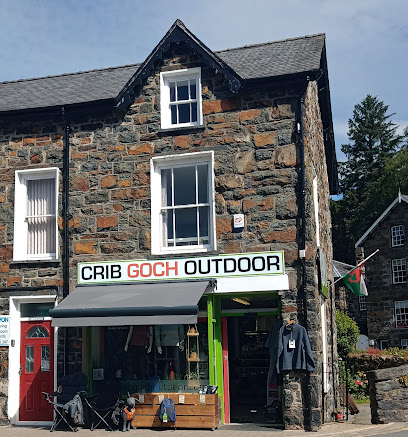
Crib Goch Outdoor Shop Beddgelert
18.4 km
Your trusted outfitter for hiking and outdoor adventure gear in the scenic village of Beddgelert, Snowdonia.
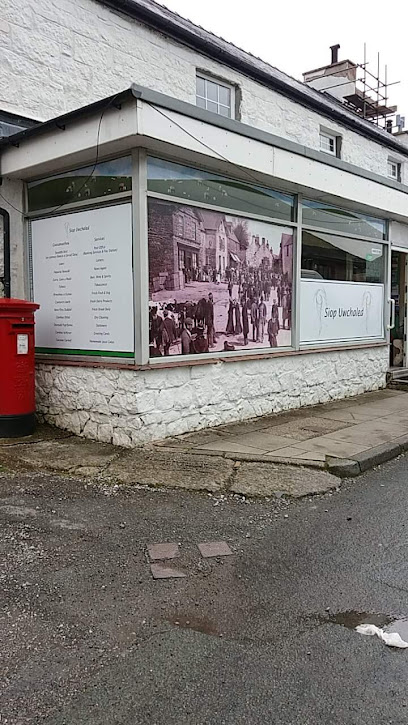
Siop Uwchaled (Shop & Post Office)
18.8 km
Discover the heart of Cerrigydrudion at Siop Uwchaled, a charming convenience store and post office offering local delicacies and warm hospitality.
Essential bars & hidden hideouts

The Eagles Bunkhouse
2.7 km
Cozy traditional inn and lively hostel in Penmachno, perfect for exploring Snowdonia’s natural beauty and enjoying authentic Welsh hospitality.
Pont Y Pair Inn
4.8 km
Charming historic inn and pub in Betws-y-Coed offering cozy rooms, hearty meals, and a welcoming atmosphere near Snowdonia’s natural beauty.
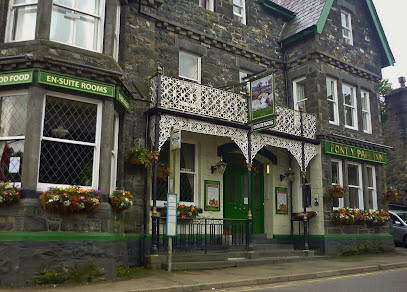
Meirion Vaults
9.4 km
Experience authentic Welsh hospitality with local ales and hearty meals at Meirion Vaults, Blaenau Ffestiniog’s cherished traditional pub.
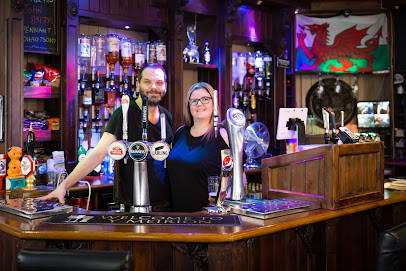
Y Manod
9.5 km
A friendly, dog-welcoming pub with quality ales and warm hospitality in the heart of Bethania, Blaenau Ffestiniog.
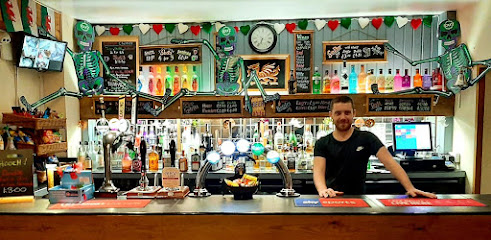
Prince Llewelyn Hotel
18.4 km
Charming historic hotel in Beddgelert with cozy rooms, hearty dining, and stunning mountain views in the heart of Snowdonia.
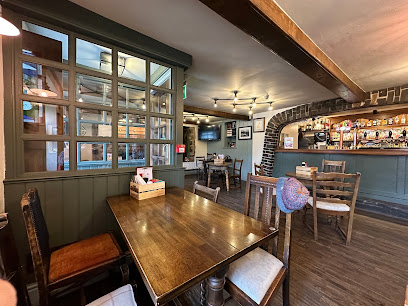
Tanronnen Inn
18.4 km
Traditional Welsh inn and pub in scenic Beddgelert, offering cozy rooms, hearty home-cooked meals, and warm hospitality near Snowdon.
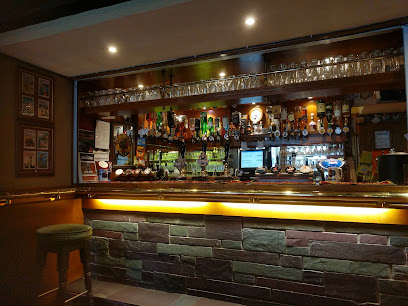
The Brondanw Arms
18.9 km
A charming Welsh country pub in Llanfrothen offering hearty food, local ales, dog-friendly warmth, and stunning countryside views.
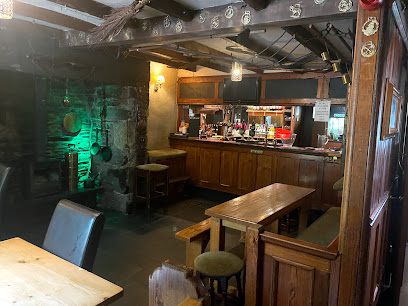
Eryri Bar & Lounge
19.9 km
A cozy bar and restaurant nestled in the Royal Victoria Hotel, offering good food and local drinks with stunning Snowdonia views.
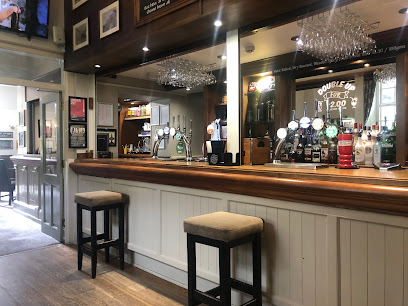
Y Siôr
20.6 km
Experience warm Welsh hospitality and community spirit at Y Siôr, Bangor’s beloved traditional pub on Carneddi Road.
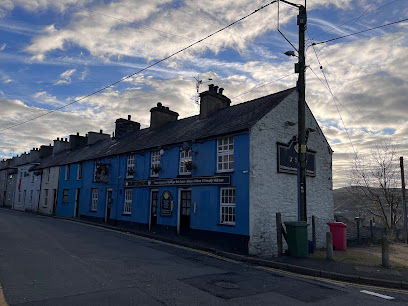
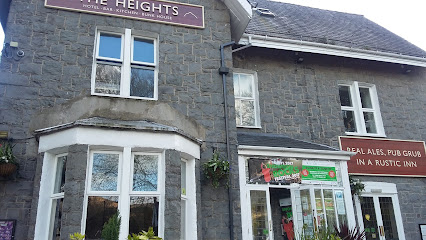
The Heights
20.6 km
A lively, dog-friendly pub and bunkhouse in Llanberis offering hearty fare and a casual atmosphere for Snowdonia adventurers.
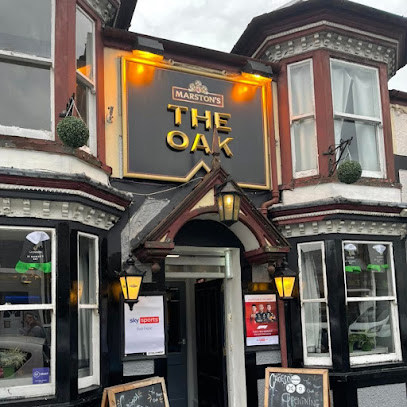
Oak
20.7 km
A traditional Welsh pub in Penrhyndeudraeth offering friendly atmosphere, well-kept Marston’s ales, hearty food, and a genuine local experience.
Y Ddraig
20.8 km
Experience authentic Welsh hospitality and vibrant local culture at Y Ddraig, Llanberis’ beloved traditional pub with a charming courtyard.

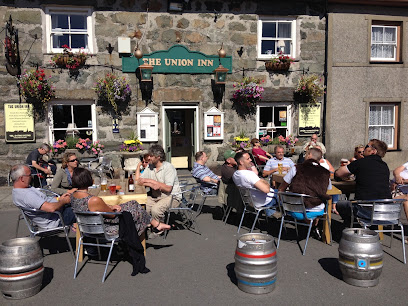
The Union Inn
24.1 km
Historic 19th-century village pub in Tremadog offering cozy rooms, traditional Welsh fare, and a warm, welcoming atmosphere.
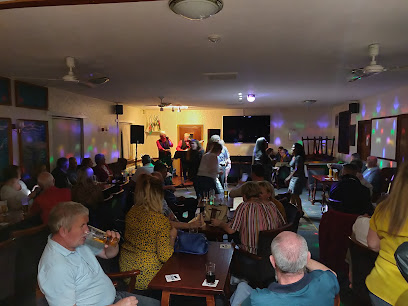
Clwb Llyn Bach
24.1 km
A lively pub and social club in Porthmadog offering spirited nights, friendly service, and a welcoming atmosphere for locals and visitors alike.
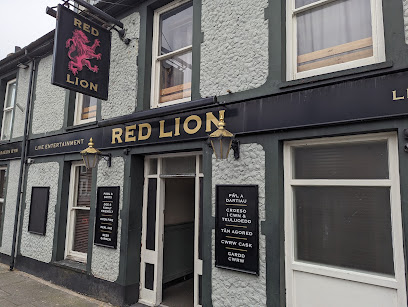
Red Lion
24.3 km
A welcoming traditional Welsh pub in Porthmadog with a spacious beer garden, pool table, and lively atmosphere for locals and visitors alike.
Nightclubs & after hour spots

Trilogy Nightclub
27.2 km
Experience Bangor’s vibrant nightlife at Trilogy Nightclub, where diverse music rooms and lively weekend parties create unforgettable nights.

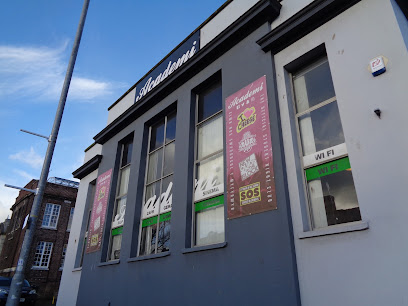
Academi
27.4 km
Bangor’s beloved student nightclub, offering vibrant music, a welcoming atmosphere, and a central role in university social life.
Broadway Boulevard
29.6 km
Llandudno’s largest nightclub, Broadway Boulevard pulses with vibrant music, themed events, and a lively party atmosphere in the heart of town.

Club 147
30.3 km
Llandudno’s energetic nightclub and sports bar offering electronic beats, pool, and a lively social scene in the town centre.

Bar Bach
30.8 km
Experience the heart of Caernarfon at Bar Bach, where local culture meets a cozy atmosphere and a delightful drink selection.
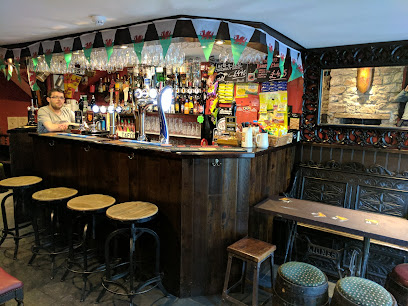
Palace Vaults
30.8 km
A lively historic pub opposite Caernarfon Castle offering cozy vibes, live music, hearty meals, and a welcoming atmosphere for locals and visitors alike.
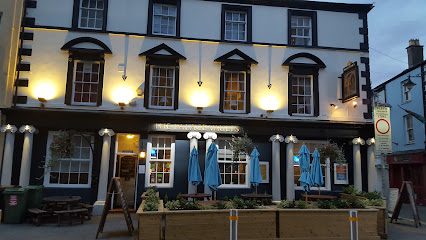
Tŷ Glyndŵr Bunkhouse & Su's Cocktail Bar
30.9 km
Experience the vibrant spirit of Caernarfon at Tŷ Glyndŵr Bunkhouse & Su's Cocktail Bar, where comfort meets lively entertainment.
The Wings Club
31.2 km
Discover the charm of Denbigh at The Wings Club, a vibrant social hub offering a taste of local culture and community spirit.
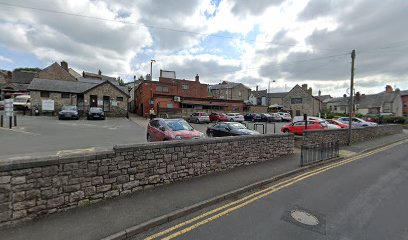
Bentley’s Sports Bar & NightClub
34.2 km
Experience Towyn’s vibrant nightlife at Bentley’s Sports Bar & NightClub, where music, dancing, and great vibes come alive every weekend.

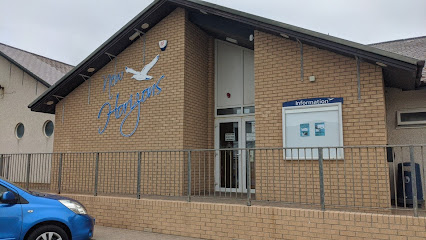
New Horizons
37.0 km
Experience vibrant nightlife and lively music at New Horizons, Dyffryn Ardudwy’s welcoming nightclub with spaces for all ages.
The Cove
37.2 km
Experience the vibrant nightlife at The Cove in Hafan Y Mor, North Wales, where music, dancing, and unforgettable memories await.

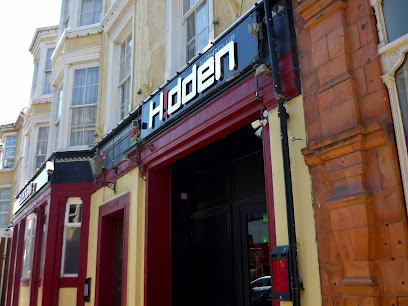
Hidden Nightclub
37.3 km
Discover the vibrant nightlife at Hidden Nightclub in Rhyl, where electrifying music and an energetic atmosphere create unforgettable nights out.
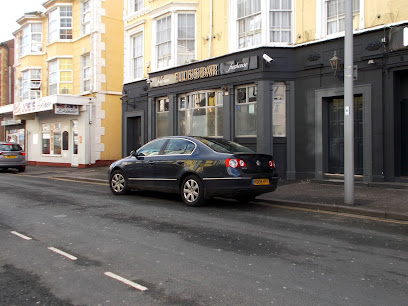
Ellis's Bar
37.4 km
Discover the lively nightlife at Ellis's Bar in Rhyl, a vibrant spot for cocktails, music, and unforgettable moments.
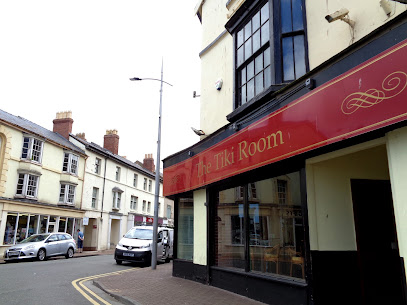
The Tiki Room
37.4 km
Rhyl’s vibrant tropical-themed nightclub with dual music floors offering modern beats and 80s classics for lively weekend nights.
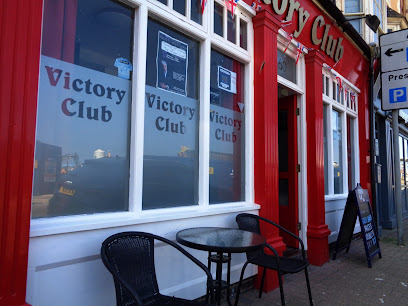
Victory Club
37.4 km
Rhyl’s last members-only club, offering traditional real ale, live music, and a welcoming community atmosphere steeped in 70 years of history.
For the vibe & atmosphere seeker
- Tranquil
- Scenic
- Relaxing
- Unique
- Cultural Heritage
For the design and aesthetic lover
- Rustic Designs
- Vintage Styles
For the architecture buff
- Historic
- Heritage Neighborhoods
- Parks & Gardens
For the view chaser and sunset hunter
- Iconic Views
- Panoramas
- Sunset Spots
For the social media creator & influencer
- Instagrammable
- Photo Spots
- Selfie Spots
For the eco-conscious traveler
- Sustainable
- Eco-Friendly
- Public-Transport Accessible
- Locally Managed
For the kind of experience you’re after
- Cultural Heritage
- Photowalk
- Nature Escape
- Day Trip
- Weekend Getaway
For how adventurous you want the journey to be
- Easy Access
Location Audience
- Family Friendly
- Senior Friendly
- Child Friendly
- Teen Friendly
- Wheelchair Access
- Pet Friendly
- Solo Friendly
- Couple Friendly
- Solo Female Friendly
- Vegetarian Friendly
- Vegan Friendly


