
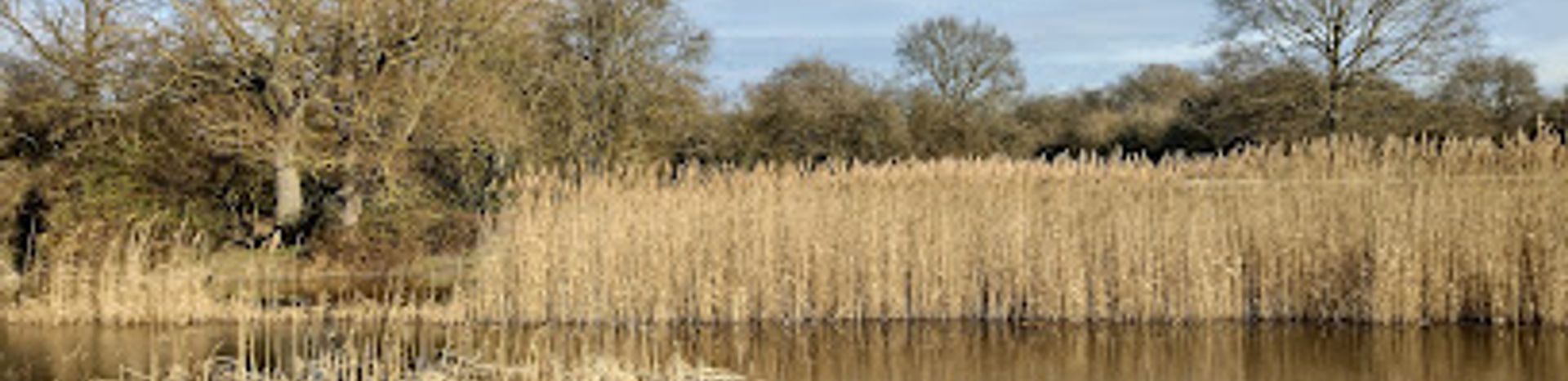
Stow cum Quy Fen: A Tranquil Fenland Nature Reserve near Cambridge
Explore the serene waters and rich wildlife of Stow cum Quy Fen, a unique fenland nature reserve steeped in history near Cambridge.
Stow cum Quy Fen is a 29.9-hectare biological Site of Special Scientific Interest (SSSI) located near Cambridge, England. This protected fenland features a network of water-filled pits formed from 19th-century coprolite mining, now hosting diverse wildlife and offering peaceful walking trails. Managed by the Quy Fen Trust with support from Natural England, it provides a unique glimpse into fenland ecology and local history.
A brief summary to Stow cum Quy Fen
- Cambridge, GB
- Visit website
- Duration: 1 to 3 hours
- Free
-
 Outdoor
- Mobile reception: 4 out of 5
- Monday 12 am-12 am
- Tuesday 12 am-12 am
- Wednesday 12 am-12 am
- Thursday 12 am-12 am
- Friday 12 am-12 am
- Saturday 12 am-12 am
- Sunday 12 am-12 am
Local tips
- Wear sturdy footwear as paths can be muddy, especially after rain.
- Bring binoculars for birdwatching and spotting dragonflies around the ponds.
- Visit in spring or summer for the best wildlife viewing and wildflower displays.
- Respect the fen’s sensitive habitats by staying on marked paths and avoiding disturbing wildlife.

For the on-the-go comforts that matter to you
- Information Boards
Getting There
-
Bus
Take the bus service running between Cambridge and Newmarket, which passes nearby villages including Bottisham and Lode. From Lode, it is about a 20-30 minute walk to the fen. Bus fares typically range from £2 to £5, and services run several times daily.
-
Car
Drive from Cambridge via the A14 to the Quy interchange, then local roads to parking near Horningsea or Anglesey Abbey. Parking is limited and may require a short walk of 1-2 km on unpaved paths. No parking fees apply, but spaces are limited especially on weekends.
-
Walking
Access the fen by foot from nearby villages such as Horningsea, Lode, or Stow cum Quy. Walks range from 1 to 3 km over mostly flat terrain with some muddy sections. Suitable for most walkers but not wheelchair accessible.
Stow cum Quy Fen location weather suitability
-
 Any Weather
-
 Rain / Wet Weather
-
 Clear Skies
-
 Mild Temperatures
Discover more about Stow cum Quy Fen
Historic Roots and Landscape Formation
Stow cum Quy Fen lies just northeast of Cambridge, nestled between the villages of Horningsea and Stow-cum-Quy. The fen’s distinctive water-filled pits are remnants of 19th-century coprolite mining—an extraction of phosphate-rich fossil deposits once used as fertilizer. These elongated ponds, unique in the Cambridge area, trace the industrial past that shaped the landscape. The fen itself covers nearly 30 hectares, much of which remains common land, preserving a rare fenland habitat.Ecological Significance and Biodiversity
Designated as a Site of Special Scientific Interest, Stow cum Quy Fen supports a remarkable variety of aquatic and fenland species. The ponds and surrounding wetland vegetation provide critical habitats for amphibians, dragonflies, and diverse plant communities, some of which are rare or locally uncommon. The fen’s management by the Quy Fen Trust ensures ongoing conservation efforts, maintaining the delicate ecological balance and protecting this vital wildlife refuge.Access and Walking Experience
The fen is accessible via several footpaths from nearby villages including Horningsea, Lode, and Stow cum Quy. Visitors can enjoy tranquil walks along the fen’s edge and around the ponds, with routes connecting to scenic paths near Anglesey Abbey and along the old railway line. These walks offer peaceful immersion in nature, with opportunities for birdwatching and appreciating the fen’s quiet beauty.Community and Conservation Efforts
Quy Fen Trust, supported by Natural England, oversees the fen’s upkeep, balancing public access with habitat protection. The fen’s status as common land reflects a long tradition of community stewardship. Educational initiatives and volunteer activities help raise awareness of fenland ecology and the importance of conserving such unique environments.Surrounding Cultural Context
Nearby, the village of Stow cum Quy carries a rich history dating back to Saxon times, with archaeological finds including Bronze Age remains and a Roman villa. The fen complements this cultural landscape, linking natural heritage with the region’s historical narrative. Visitors can combine a visit to the fen with explorations of local villages, historic pubs, and National Trust properties like Anglesey Abbey.Seasonal and Wildlife Highlights
Throughout the year, Stow cum Quy Fen offers changing natural spectacles—from spring wildflowers and breeding amphibians to autumnal dragonfly displays. The fen’s water bodies attract a variety of birdlife, making it a rewarding spot for nature enthusiasts and photographers. Its relatively undisturbed environment provides a sanctuary for wildlife amid the surrounding agricultural landscape.Iconic landmarks you can’t miss

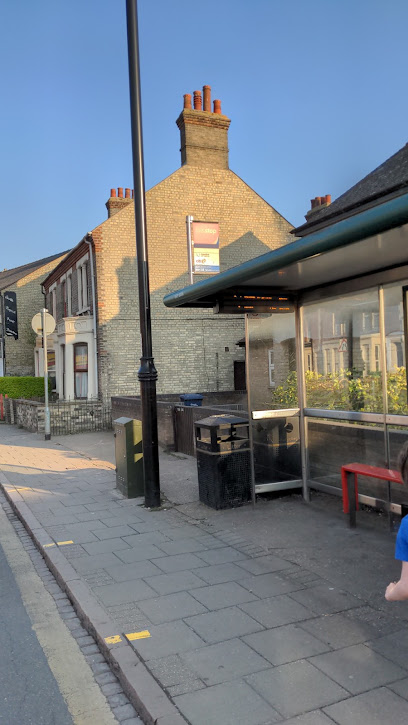
Romsey Terrace
6.9 km
Explore the historic charm of Cambridge from Romsey Terrace, a convenient bus stop that connects you to the city's vibrant attractions and culture.
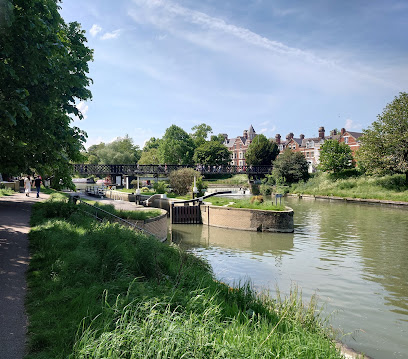
Jesus Lock
7.3 km
Historic Jesus Lock on the River Cam offers serene riverside charm and a unique glimpse into Cambridge's aquatic heritage.
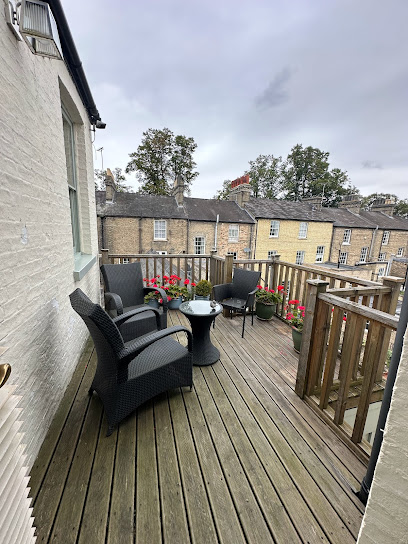
Duke House
7.4 km
A charming boutique guesthouse blending historic elegance with warm hospitality in central Cambridge.
Reality Checkpoint
7.5 km
A colorful Victorian lamppost marking the boundary between Cambridge's academic bubble and the real world, standing proudly at Parker’s Piece.
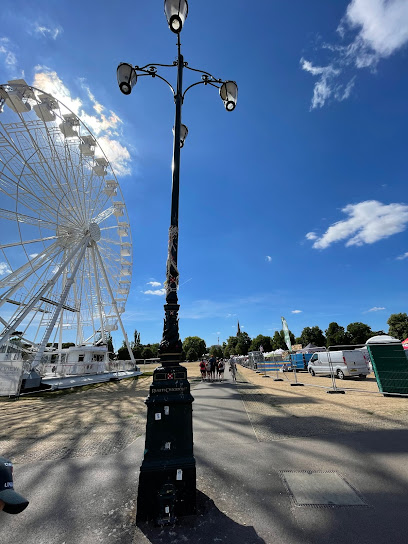
Castle Mound: site of medieval Cambridge Castle
7.7 km
Explore Castle Mound, the grassy remnant of Cambridge’s medieval fortress with panoramic city views and centuries of rich history.
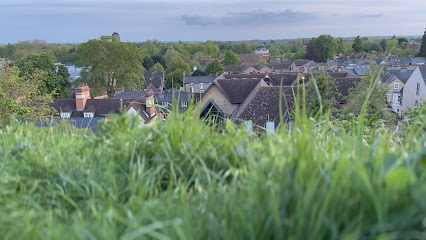
Magdalene Bridge
7.7 km
Historic cast-iron bridge over the River Cam, linking Cambridge’s academic heart with its ancient trading past.
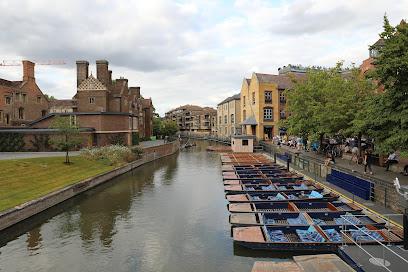
St. Paul's Church
7.7 km
Explore the architectural beauty and community spirit of St. Paul's Church, a serene Anglican landmark in Cambridge, perfect for reflection and connection.
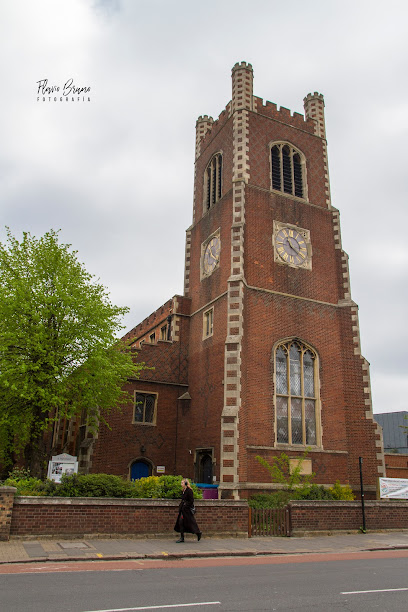
The Church of Our Lady of the Assumption and the English Martyrs, Cambridge
7.8 km
Explore the breathtaking architecture and serene atmosphere of The Church of Our Lady of the Assumption and the English Martyrs in Cambridge.
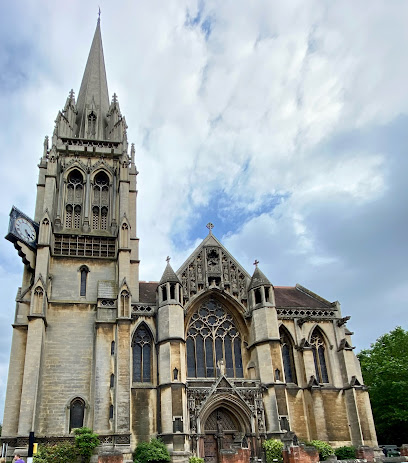
Museum of Cambridge
7.8 km
Explore the Museum of Cambridge, where local history comes alive through fascinating artifacts and engaging exhibits that tell the story of this historic city.
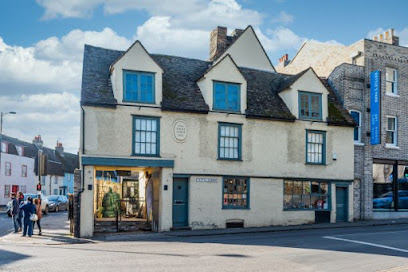
Newton's Apple Tree
7.8 km
Explore Newton's Apple Tree in Cambridge, a historical landmark that connects you to the legacy of scientific discovery and innovation.
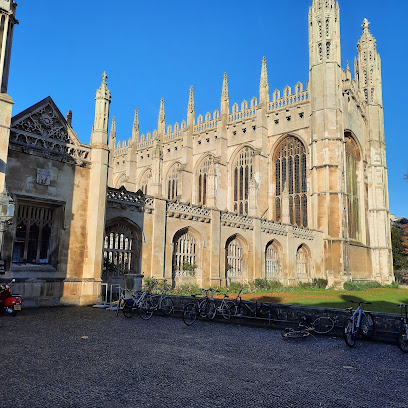
Kettle's Yard
7.8 km
Discover Kettle's Yard, Cambridge's unique art museum blending contemporary art with a serene home-like setting perfect for inspiration.
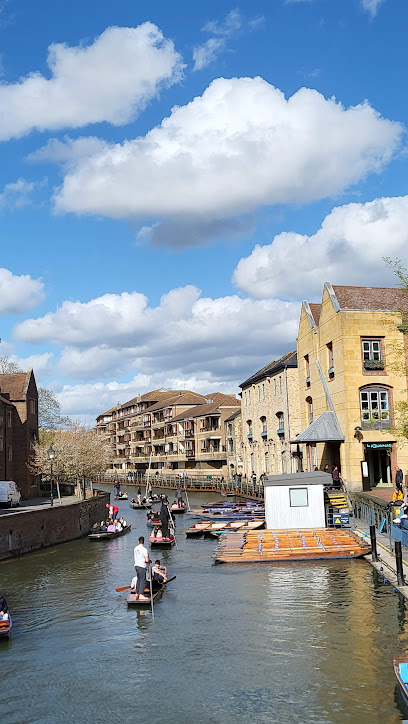
Sedgwick Museum of Earth Sciences
7.8 km
Explore the Sedgwick Museum of Earth Sciences in Cambridge – a fascinating journey through the planet's geological and biological history.
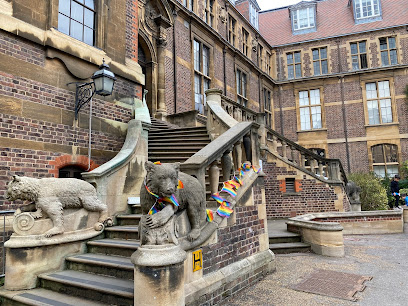
Rose Quarter Cambridge
7.8 km
Explore the Rose Quarter in Cambridge, a charming tourist destination filled with history, delightful cafes, and vibrant local culture.
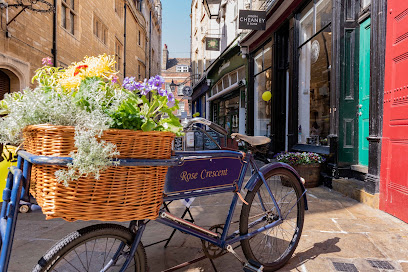
Cambridge Market Square
7.8 km
Explore Cambridge Market Square: a vibrant hub of culture, delicious food, and unique shopping experiences in the heart of this historic city.
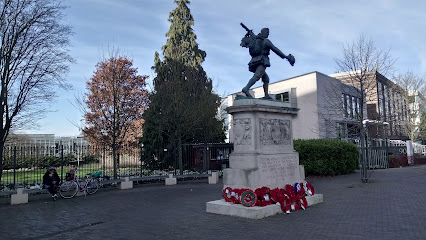
Hills Road War Memorial
7.8 km
A poignant bronze statue on Hills Road honoring Cambridgeshire’s war heroes, symbolizing sacrifice and the journey home.
Unmissable attractions to see

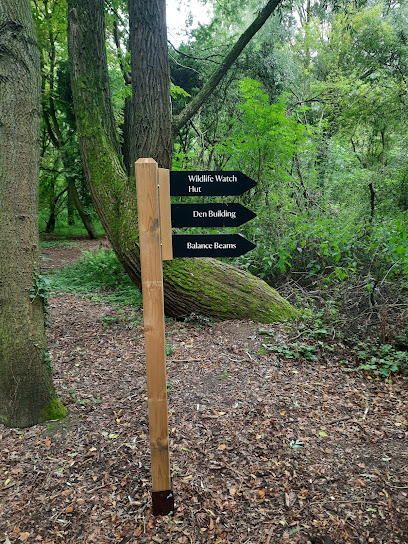
Hoe Fen Wildlife Area
1.3 km
A peaceful woodland play area near Anglesey Abbey, perfect for families exploring nature in the Cambridgeshire fens.
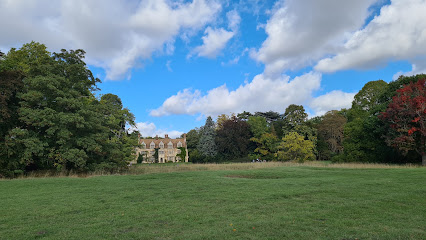
National Trust - Anglesey Abbey, Gardens and Lode Mill
1.9 km
Explore a historic Jacobean estate with stunning seasonal gardens, a working watermill, and family-friendly nature trails near Cambridge.
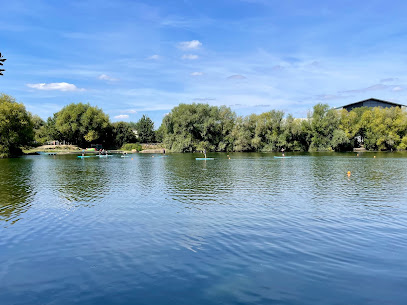
Milton Country Park
3.7 km
Discover 95 acres of woodlands, lakes, and trails just outside Cambridge, perfect for family fun, watersports, and peaceful nature escapes.
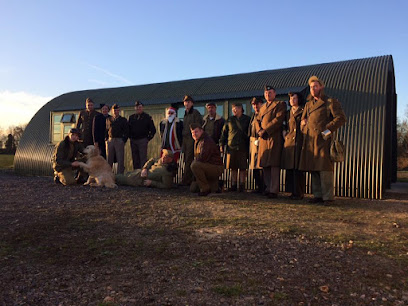
Bottisham Airfield Museum
4.3 km
Step into history at Bottisham Airfield Museum, where WWII aviation heritage comes alive through immersive exhibits and heartfelt stories.
Bramblefields
4.7 km
A peaceful urban nature reserve in Cambridge offering diverse habitats, rich wildlife, and serene green space for all to enjoy.
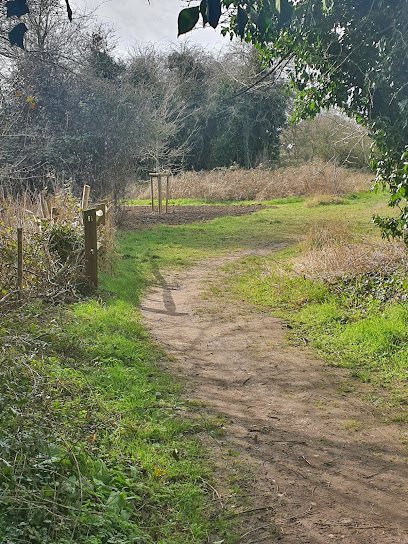
Stourbridge Common
5.3 km
A historic and serene riverside park in Cambridge offering wildlife, walking paths, playgrounds, and peaceful green spaces for all ages.
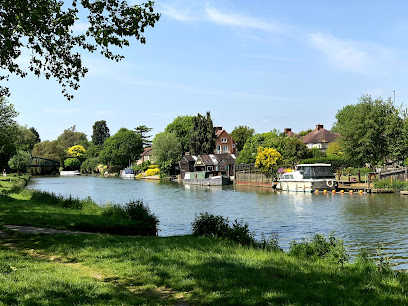
Coldham's Common
5.7 km
Historic common land transformed into a vibrant nature reserve and expansive park in east Cambridge, blending heritage with wildlife and recreation.
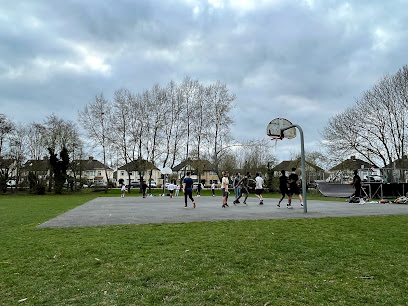
Cambridge Walking Tours
5.9 km
Explore Cambridge’s rich history and hidden gems on engaging guided walking tours led by expert local storytellers.
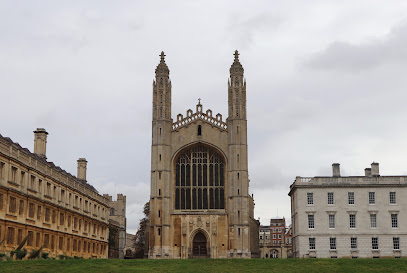
Cambridge Retail Park
5.9 km
A vibrant retail and leisure hub just minutes from Cambridge city centre, offering extensive shopping, dining, and fitness options with ample free parking.

The Centre for Computing History
6.0 km
Explore six decades of computing history hands-on at Cambridge’s interactive museum with vintage machines, games, and inspiring exhibits.

Cambridge Museum of Technology
6.0 km
Explore Cambridge’s industrial heritage in a historic Victorian pumping station with interactive exhibits, original steam engines, and family-friendly activities.
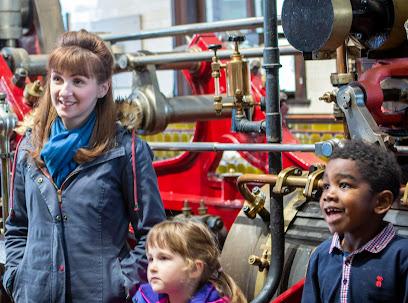
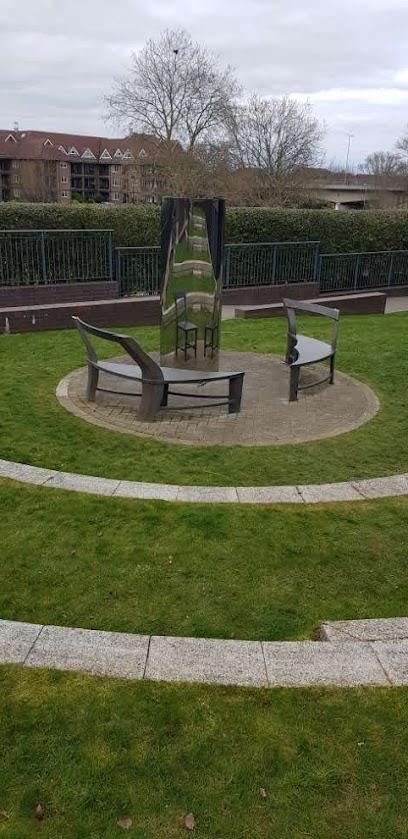
Riverside
6.0 km
A peaceful stretch of the River Cam in Cambridge, perfect for riverside walks, punting views, and quiet moments by the water.
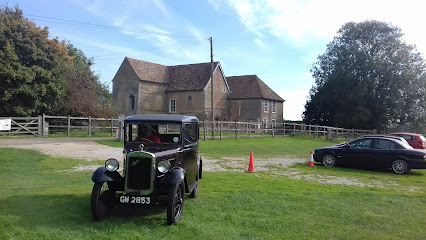
Denny Abbey & The Farmland Museum
6.1 km
Explore 850 years of history at a serene medieval abbey and engaging farmland museum near Cambridge.
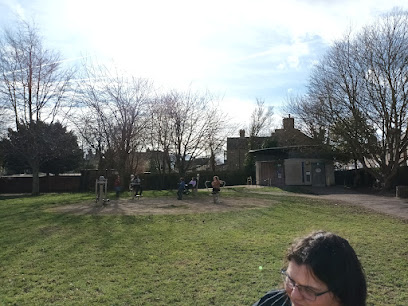
Romsey Recreation Ground
6.4 km
A lively urban park in Cambridge offering sports, playgrounds, and green space for all ages to enjoy community recreation and relaxation.
Cambridge Central Mosque
6.6 km
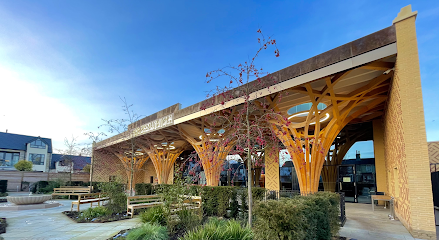
Discover the UK's first eco-friendly mosque, blending stunning Islamic architecture with sustainable innovation and serene gardens in Cambridge.
Essential places to dine

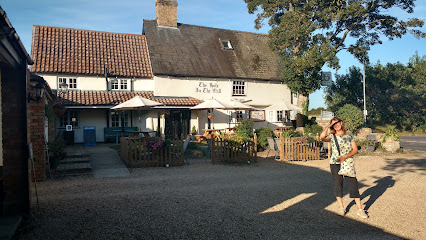
The Hole In The Wall
5.0 km
Historic gastropub and cozy B&B in Little Wilbraham, blending rustic charm with exceptional British cuisine and warm hospitality.
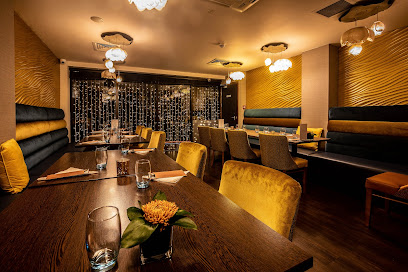
Navadhanya
6.6 km
Experience exquisite Indian fine dining in Cambridge with innovative dishes, elegant ambience, and impeccable service at Navadhanya.
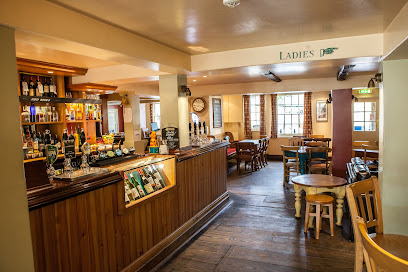
The Old Spring
6.8 km
Welcoming gastropub near the River Cam, blending traditional charm with contemporary dining in spacious, light-filled rooms.
Midsummer House
6.9 km
Cambridge’s only two Michelin-starred restaurant, offering inventive modern British cuisine in a charming riverside Victorian villa.
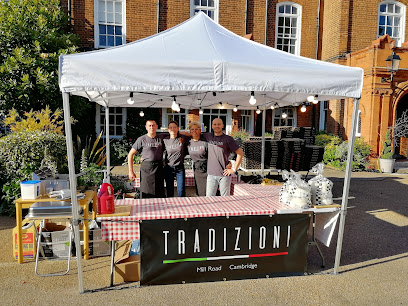
Tradizioni
7.0 km
Experience authentic Italian cuisine with generous portions and a warm, welcoming atmosphere in the heart of Cambridge.
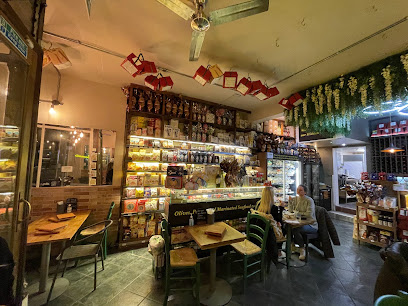
Limoncello
7.0 km
Authentic Italian flavors and cozy charm meet in Cambridge's beloved deli, bistro, and courtyard garden on Mill Road.
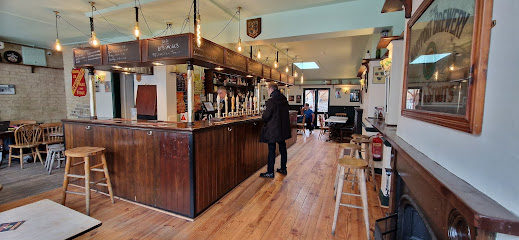
Kingston Arms
7.0 km
Discover traditional British hospitality at The Kingston Arms in Cambridge—your perfect pub retreat with craft beers and delightful outdoor spaces.
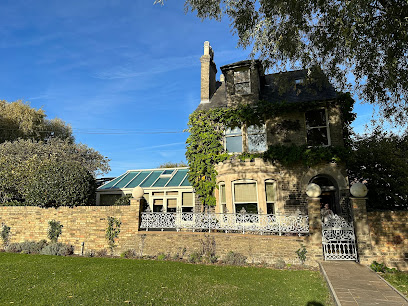
Restaurant Twenty Two
7.0 km
Michelin-starred contemporary British dining in a cozy Victorian townhouse, blending seasonal flavors with artistic precision in Cambridge.
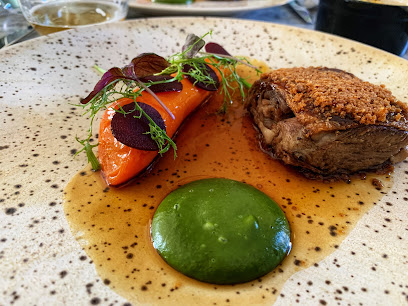
Fancett's
7.1 km
Cozy French-inspired bistro in Cambridge serving seasonal, expertly crafted dishes with warm, attentive service in an intimate setting.
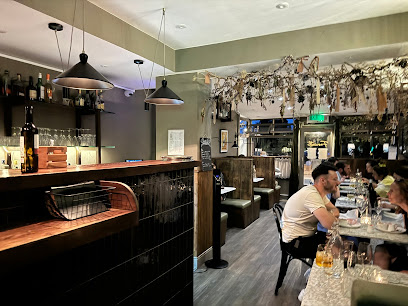
Bedouin
7.2 km
Experience the vibrant flavors and warm hospitality of North Africa in the heart of Cambridge’s Mill Road at Bedouin.
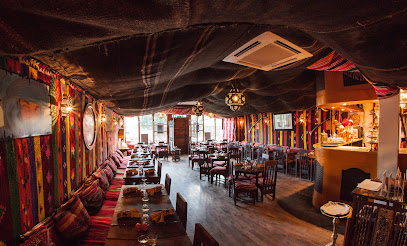
Hungrill
7.2 km
Authentic Greek cuisine with generous portions and friendly service in the heart of Cambridge’s vibrant Mill Road.

Maurizio Dining & Co.
7.2 km
Authentic Italian dining with fresh pizzas and pasta in a warm, rustic setting on Cambridge’s vibrant Mill Road.
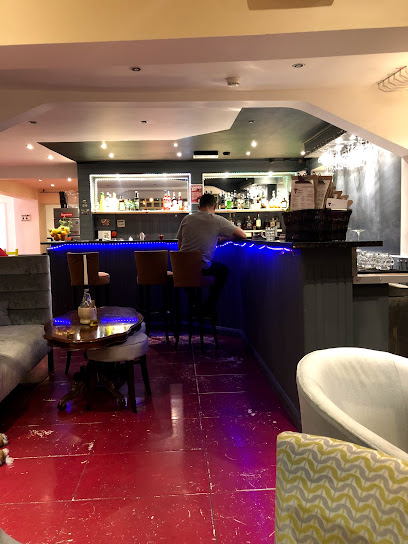
Vanderlyle
7.2 km
Creative vegetarian tasting menus crafted from local, seasonal produce in a warm, intimate setting on Cambridge’s vibrant Mill Road.
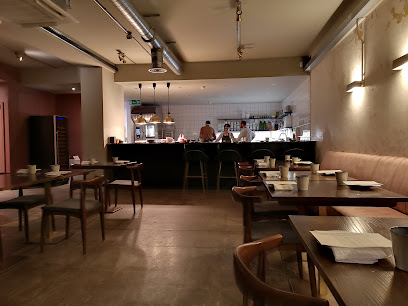
Efes Restaurant
7.4 km
Savor authentic Turkish and Mediterranean flavors in a cozy, family-run setting at Efes Restaurant, Cambridge’s beloved grill house.
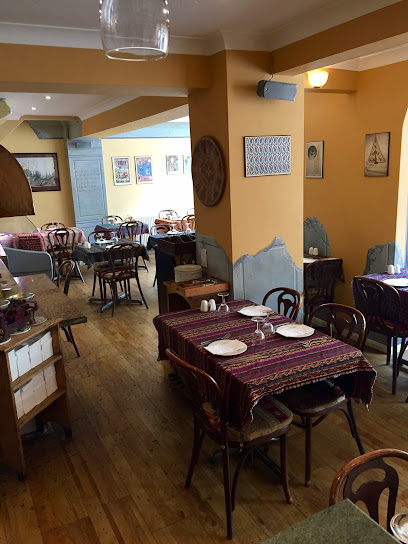
Salisbury Arms, Cambridge
7.4 km
A historic Cambridge pub famed for wood-fired pizzas, quality ales, and a friendly, lively atmosphere in a charming neighborhood setting.
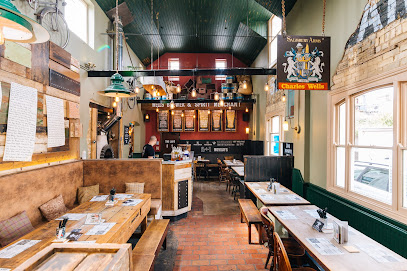
Markets, malls and hidden boutiques

Romsey Barbers Ltd Cambridge
5.2 km
Classic cuts in Cambridge's Romsey: friendly barber shop delivering sharp fades and shaves with neighborhood warmth.

Beehive Centre
6.4 km
A dynamic shopping centre in Cambridge offering diverse stores, dining, and free parking for a convenient retail experience.
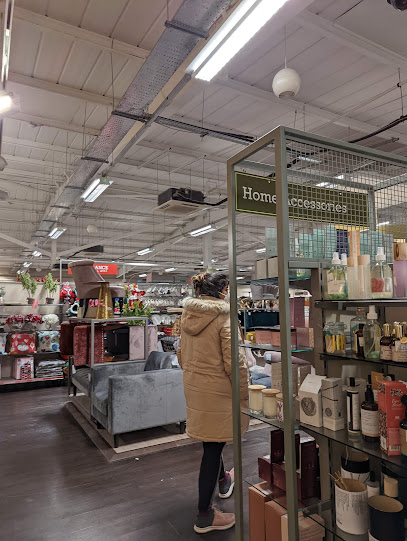
Sense
6.9 km
Affordable finds in central Cambridge, supporting a national disability charity with every purchase.

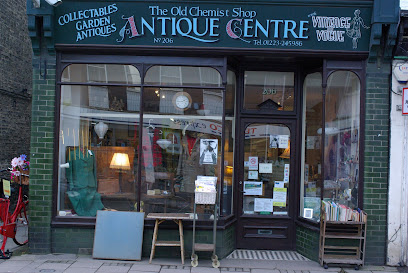
The Old Chemist Shop Antique Centre
7.0 km
Vibrant Cambridge antique centre in a former chemist shop, brimming with 20th-century toys, jewelry, and eclectic finds from fun-loving dealers.
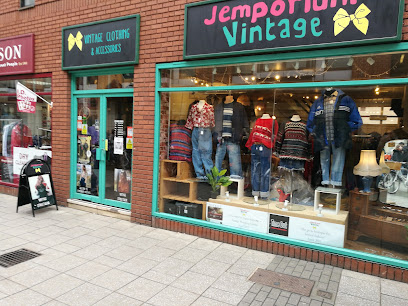
Jemporium Vintage
7.0 km
Discover timeless style and unique vintage treasures from the 50s to the 90s in the heart of Cambridge’s vibrant fashion scene.
Primark
7.0 km
Discover affordable fashion and home essentials at Primark Cambridge, your budget-friendly style destination in the city center.

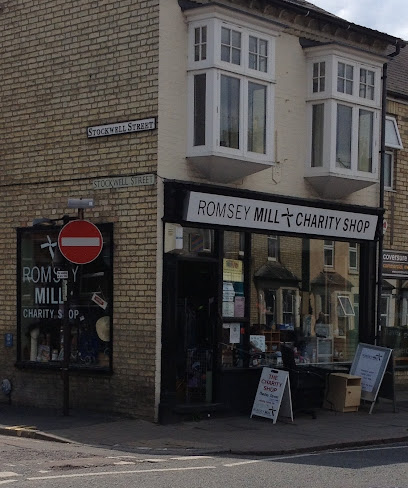
Romsey Mill Charity Shop
7.0 km
Mill Road’s friendly charity shop — thrift, small discoveries and funds for local youth and family services in Cambridge.
The Works
7.0 km
Bargain-packed paradise of books, crafts, toys, and gifts on Cambridge's Fitzroy Street—creative treasures at unbeatable prices.

The Hive
7.1 km
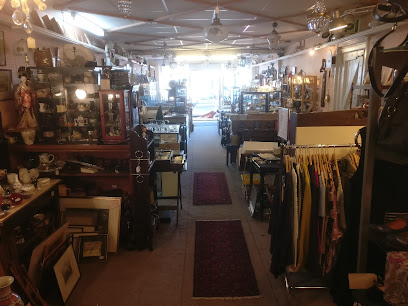
Discover a charming treasure trove of antiques and vintage finds in the heart of Cambridge at The Hive.
Not Listed
7.2 km
Explore the vibrant local culture and unique offerings at this charming shop in the heart of Cambridge.
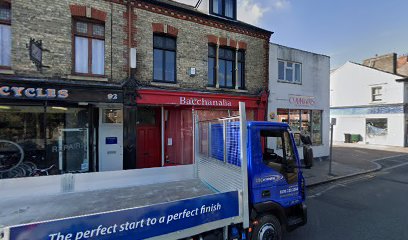
Victoria Store
7.5 km
Experience the convenience of Victoria Store in Cambridge, your one-stop shop for snacks, essentials, and local goods.
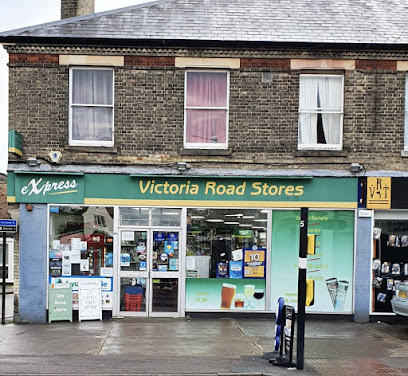
Robert Graham 1874 - whisky & cigars
7.6 km
A refined Cambridge haven for whisky lovers and cigar connoisseurs, where heritage meets expert curation in a relaxed, intimate setting.
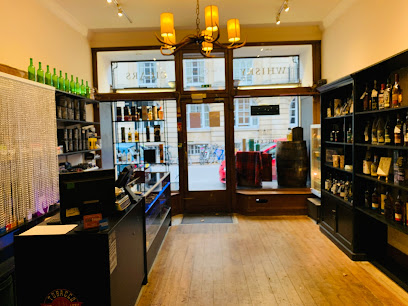
CJ’s Vintage Store
7.6 km
Discover timeless fashion treasures and iconic vintage streetwear at CJ’s Vintage Store, a stylish gem in the heart of Cambridge.

Cambs Frocktails
7.7 km
Boutique fashion finds capturing individual style and charm on Cambridge's Station Road.
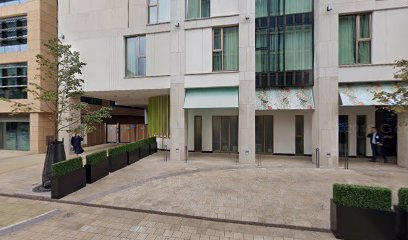
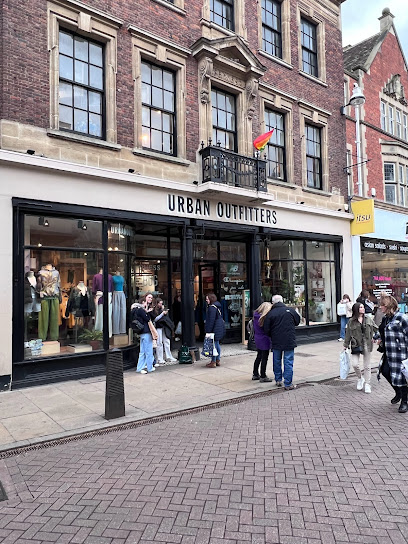
Urban Outfitters
7.7 km
Discover Urban Outfitters Cambridge for trendsetting fashion, eclectic home décor, and a vibrant urban shopping vibe in the heart of the city.
Essential bars & hidden hideouts

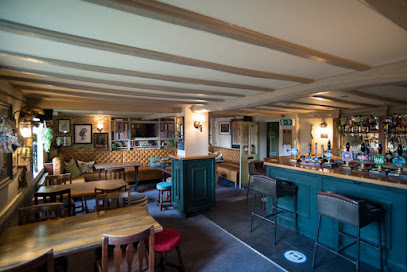
The Brewers Inn
3.6 km
A refined gastro pub with Indian-inspired dishes and cozy rooms, offering a peaceful retreat near Cambridge.
Plough Cambridge
3.9 km
A charming riverside gastropub in Fen Ditton offering classic British fare with modern flair and scenic views by the River Cam.
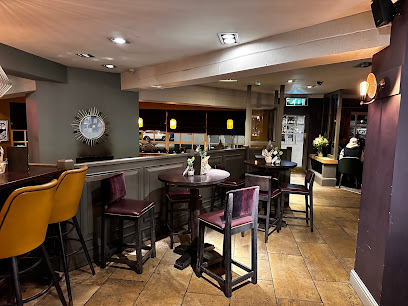
The Corner House
6.2 km
A lively gastropub on Newmarket Road offering excellent pub food, diverse drinks, and a welcoming atmosphere in Cambridge.
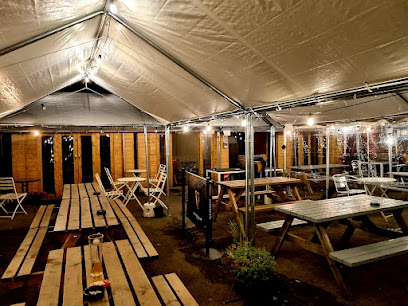
The Geldart
6.6 km
A vibrant gastropub in Cambridge blending historic charm, creative hot rock dining, and a lively retro music atmosphere for a unique experience.
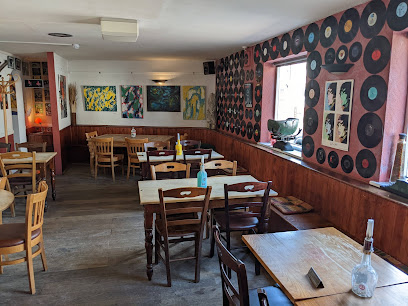
The Royal Standard Pub
6.8 km
Cambridge's Mill Road gastropub pouring exceptional gins, craft beers, and hearty plates in a quirky, cosy haven for every occasion.
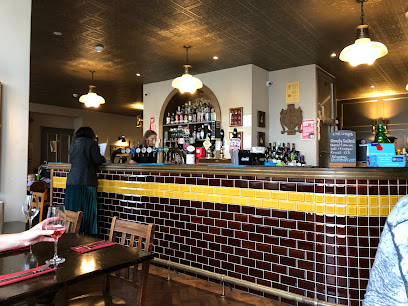
The Burleigh Arms
6.8 km
A vibrant gastropub blending traditional charm with innovative Pan-Asian and British flavors in the heart of Cambridge.
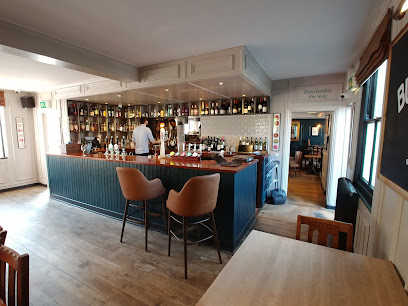
The Blue Moon
6.9 km
Cambridge's craft beer heartbeat: rotating taps, live gigs, and cozy pizzas in a welcoming pub alive with local energy.
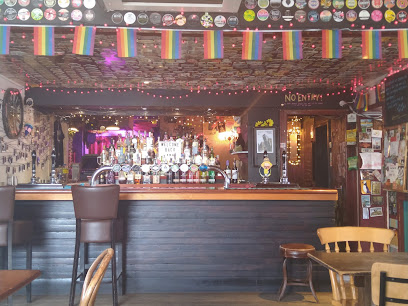
The Cambridge Blue
6.9 km
Historic Cambridge pub famed for its award-winning real ales, vast beer selection, and vibrant community spirit in a charming Victorian setting.
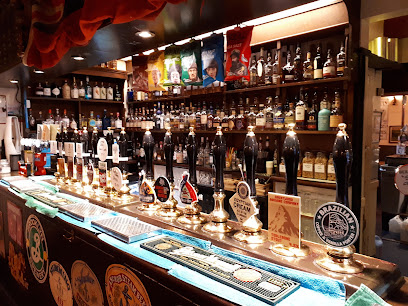
The Petersfield
6.9 km
A friendly and lively pub in Cambridge offering classic drinks, a welcoming garden, and a cozy atmosphere for locals and visitors alike.
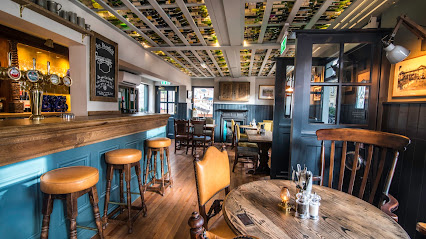
Fort St George
6.9 km
Historic 16th-century riverside pub in Cambridge offering classic British fare, local ales, and a warm, traditional atmosphere.
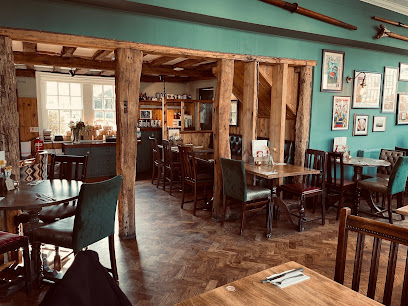
Red Lion, Cherry Hinton
6.9 km
Historic village pub in Cherry Hinton with a lively atmosphere, dog-friendly garden, classic fare, and live sports entertainment.
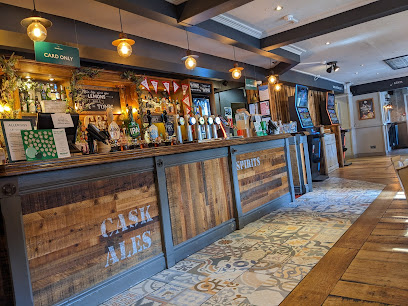
196 cocktail bar
7.0 km
Discover Cambridge’s intimate cocktail haven with expertly crafted drinks, cozy vibes, and attentive service on vibrant Mill Road.
The Tivoli
7.1 km
A vibrant four-floor venue in Cambridge offering mini golf, shuffleboard, rooftop views, craft drinks, and casual dining for memorable social experiences.
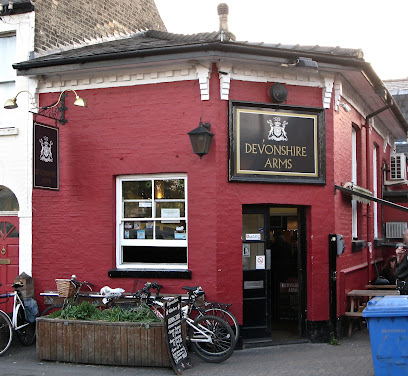
Devonshire Arms
7.1 km
Cambridge's cozy real ale gem with ciders galore, Caribbean kicks, and a labyrinthine layout that invites you to settle in for the evening.
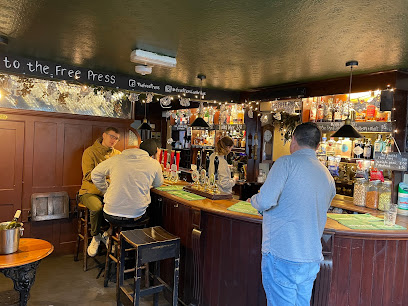
The Free Press
7.2 km
Historic Cambridge pub blending cozy charm, local flavors, and a rich printing press legacy in the heart of the city.
Nightclubs & after hour spots

EBC Shop
6.6 km
Discover the electrifying nightlife at EBC Shop in Cambridge, where the music keeps you dancing and the atmosphere is always electric.
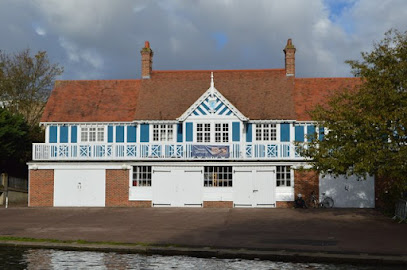
Salisbury Club
6.9 km
Cambridge's cozy Mill Road club: retro discos, pool tables, cheap drinks, and community spirit in a true local gem.
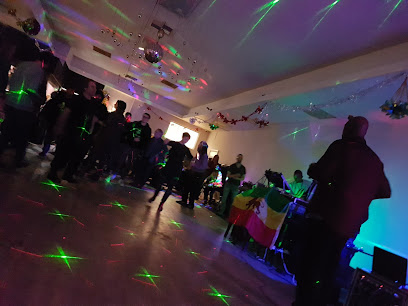
Cambridge Pop-up Speakeasy Jazz
7.1 km
Free live jazz pop-ups in a historic Cambridge pub: intimate sets, diverse musicians, speakeasy vibes on select Wednesdays at 7:30pm.
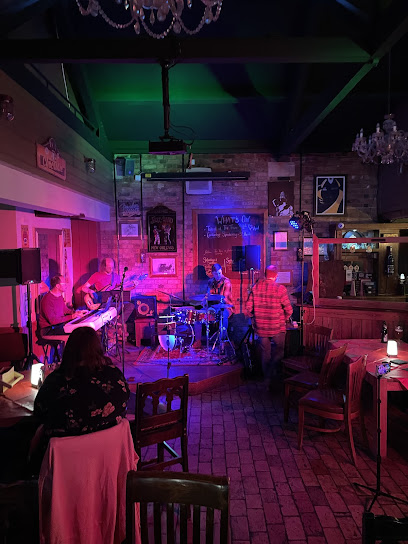
Vinyl Cambridge
7.7 km
Dance through decades on a glowing LED floor at Vinyl Cambridge's throwback haven—2-for-1 drinks, VIP vibes, and non-stop retro anthems await in the city center.
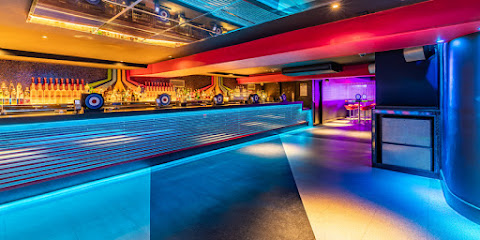
MASH
7.7 km
Cambridge’s vibrant independent nightclub offering themed music nights and a welcoming, safe party atmosphere until the early hours.

80s karaoke bar
7.8 km
Neon-lit, 80s-themed karaoke on Hills Road—compact, group-friendly singalongs from the early evening into the night.

High Five
7.8 km
Cambridge's electrifying gay nightclub where themed nights, drag glamour, and inclusive dance floors ignite unforgettable evenings in the city heart.
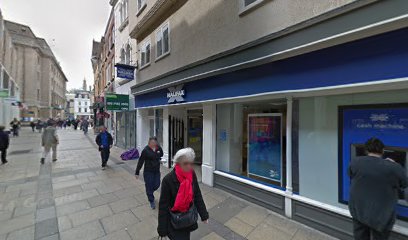
Cambridge Lola Lo
7.8 km
Step into Cambridge Lola Lo, a vibrant tiki-themed nightclub with tropical vibes, lively dance floors, and a stunning rooftop terrace in the city centre.

The Calling
7.8 km
Discover the vibrant nightlife at The Calling, Cambridge's premier event management venue, perfect for unforgettable experiences and fun times.
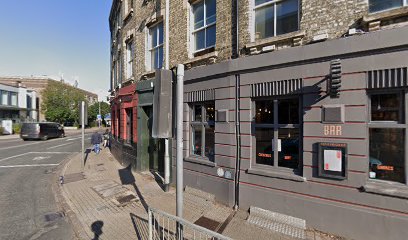
Sing Dizzy
7.9 km
Sing Dizzy offers Cambridge a lively karaoke bar experience with costumes, props, and an extensive song list for unforgettable nights of fun and music.

Tall Trees
8.1 km
Discover the lively atmosphere of Tall Trees, a cocktail bar and live music venue in Cambridge, perfect for unforgettable nights out.
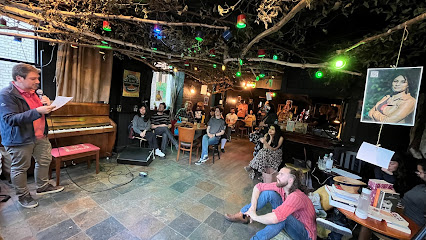
Newnham Croft Social and Sports Club
9.0 km
Experience the vibrant community spirit at Newnham Croft Social and Sports Club, a lively venue for live music, events, and friendly gatherings in Cambridge.
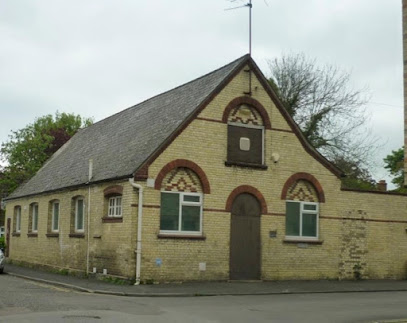
Unique Bar Newmarket
12.9 km
Discover the lively nightlife of Unique Bar Newmarket, where great drinks, dancing, and good vibes come together for an unforgettable evening.
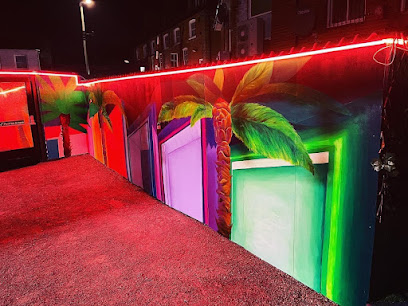
The Lounge
21.9 km
A lively nightclub and wine bar on The Broadway, offering vibrant late-night entertainment in the heart of St Ives.
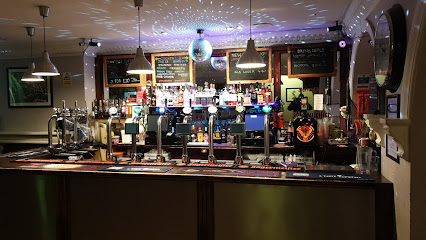
OutOut Nightclub
22.0 km
Vibrant nightlife hub in St. Ives offering dynamic club nights, private events, and a lively atmosphere from 10pm to 4am Fridays and Saturdays.

For the vibe & atmosphere seeker
- Tranquil
- Relaxing
- Scenic
- Unique
- Casual
For the architecture buff
- Parks & Gardens
- Heritage Neighborhoods
For the view chaser and sunset hunter
- Iconic Views
- Panoramas
For the social media creator & influencer
- Photo Spots
- Selfie Spots
- Aesthetic Corners
For the eco-conscious traveler
- Protected Area
- Nature Reserve
- Public-Transport Accessible
- Locally Managed
For the kind of experience you’re after
- Nature Escape
- Photowalk
- Day Trip
- Cultural Heritage
For how adventurous you want the journey to be
- Easy Access
Location Audience
- Family Friendly
- Senior Friendly
- Child Friendly
- Teen Friendly
- Solo Friendly
- Couple Friendly
- Vegetarian Friendly
- Vegan Friendly


