
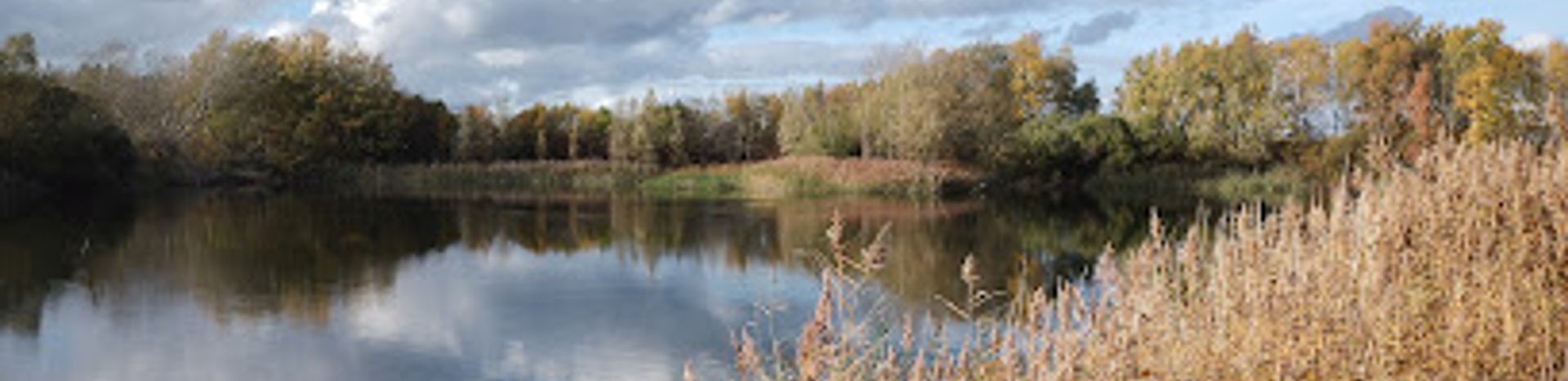
RSPB Ouse Fen Nature Reserve
Europe's largest wetland restoration project: a former quarry reborn as the UK's biggest reedbed and a sanctuary for rare birds.
A transformative wetland reserve in Cambridgeshire where a former sand and gravel quarry is being reimagined as the UK's largest reedbed ecosystem. Spanning 700 hectares when complete, Ouse Fen attracts rare birds including Bitterns, Marsh Harriers, and European Cranes, alongside Water Voles and Otters. Twenty miles of walking trails wind through pools, ditches, and reedbeds, offering birdwatchers and nature enthusiasts exceptional opportunities for wildlife observation. Free admission and parking make this developing reserve an accessible destination for families, dog walkers, and solo visitors seeking peaceful immersion in restored fenland habitat.
A brief summary to RSPB Ouse Fen Reserve
- Shelford Rd, Huntingdon, Willingham, GB
- Visit website
- Duration: 1.5 to 4 hours
- Free
-
 Outdoor
- Mobile reception: 3 out of 5
- Monday 7 am-7 pm
- Tuesday 7 am-7 pm
- Wednesday 7 am-7 pm
- Thursday 7 am-7 pm
- Friday 7 am-7 pm
- Saturday 7 am-7 pm
- Sunday 7 am-7 pm
Local tips
- Visit at dawn or dusk for the best wildlife activity. Early morning light and reduced human activity increase chances of spotting Bitterns, Barn Owls, and other shy species. Bring binoculars and a camera with a telephoto lens for optimal birdwatching.
- Wear wellies or waterproof boots, especially after rain. Many walking routes become muddy and soft underfoot in wet conditions. Check weather forecasts before your visit and dress in layers, as fenland weather can change rapidly.
- Bring your own food, drinks, and snacks. There are no on-site facilities, though picnic areas with tables are available. Pack extra water and high-energy snacks if planning a long walk across the 20-mile trail network.
- Download the trail maps in advance or pick up printed versions at the entrance information panels. The reserve is large and paths can be confusing; maps prevent getting lost and help you plan walks suited to your fitness level.
- Keep dogs on leads at all times except in the designated off-lead area. The reserve is home to sensitive wildlife and livestock; disturbing animals wastes their energy and decreases survival chances. Always clean up after your dog.

For the on-the-go comforts that matter to you
- Picnic Areas
- Seating Areas
- Information Boards
- Trash Bins
Getting There
-
By Car from Cambridge
From Cambridge city centre, travel northwest on the A1134, then continue onto the A14 towards Huntingdon. Exit onto the A1198 and follow signs for Willingham. Turn onto Shelford Road and continue for approximately 8 kilometres until you reach the main entrance car park on your left, just off the B1050 south of Earith. The journey takes approximately 25–35 minutes depending on traffic. Parking is free with 40 standard spaces and 6 Blue Badge accessible spaces available. A height barrier of 2.1 metres is in place.
-
By Bus from Cambridge or Huntingdon
From Cambridge city centre, take bus service 9 or 10 towards Willingham; the journey takes approximately 35–45 minutes. Alight at Willingham and walk approximately 1.5 kilometres to the reserve entrance via Shelford Road. Alternatively, from Huntingdon, take a bus service to Earith (approximately 15–20 minutes), then walk approximately 1 kilometre to the entrance. Check local bus operator schedules for current timetables and fares, as services vary seasonally.
-
By Bicycle from Earith or Willingham
Cycle access is best approached from Earith, approximately 1 kilometre away, or from Willingham, approximately 2 kilometres away. The reserve provides five bike racks at the main car park entrance. Routes are relatively flat, following fenland roads with minimal gradient. Journey times are approximately 10–15 minutes from either village. Fenland cycling can be exposed to wind, so plan accordingly.
-
By Train and Bus from Cambridge or Huntingdon
The nearest railway stations are Cambridge and Huntingdon. From either station, take a bus service to Earith or Willingham (approximately 30–50 minutes depending on connections), then walk or cycle the final 1–2 kilometres to the reserve entrance. Train services run regularly throughout the day; check National Rail for timetables and fares. This option is ideal for visitors without access to a car.
RSPB Ouse Fen Reserve location weather suitability
-
 Any Weather
-
 Clear Skies
-
 Rain / Wet Weather
-
 Cold Weather
-
 Mild Temperatures
Discover more about RSPB Ouse Fen Reserve
A Quarry Transformed into Europe's Largest Wetland Conservation Project
Where the River Great Ouse spills into the Cambridgeshire Fens, one of Europe's most ambitious conservation partnerships is unfolding. RSPB Ouse Fen represents a groundbreaking collaboration between the Royal Society for the Protection of Birds and Hanson UK, a construction aggregates company. Together, they are transforming an active sand and gravel quarry into a vibrant nature reserve that will ultimately span 700 hectares—equivalent to nearly 1,000 football pitches. This trailblazing project is the largest of its kind anywhere in Europe, demonstrating how industrial extraction and wildlife restoration can coexist through careful planning and shared vision. The quarrying operation will continue for approximately 30 years, during which over 28 million tonnes of sand and gravel will be extracted. Rather than waiting until extraction ends, the RSPB and Hanson work in tandem: as each quarried section is completed, dozers and dumpers are used to create the precise landscape features that wetland wildlife requires—ditches, channels, pools, and reedbeds. Each finished area is then handed to the RSPB for long-term management. When fully realized, Ouse Fen will feature a 460-hectare reedbed, the largest continuous reedbed in the United Kingdom, creating an unparalleled habitat for wetland species.Remarkable Wildlife Returns to the Fens
In just two decades of active restoration, Ouse Fen has already become a haven for species that were once common in the Fens but had vanished due to habitat loss. The reserve now hosts Marsh Harriers, Bearded Tits, Otters, and the notoriously elusive Bittern—a shy, booming-voiced bird that was nearly extinct in the UK. In 2021, an extraordinary 12 male Bitterns were recorded calling at Ouse Fen, a number that exceeds the entire UK population from 1997. European Cranes, with their distinctive bugling calls and graceful presence, have also returned to breed here, along with Water Voles and a thriving population of Chinese Water Deer. Seasonal visitors add further richness to the reserve's biodiversity. Spring brings Great Crested Grebes performing their elaborate courtship rituals on open water, while summer reveals Reed Buntings at their most vibrant. Autumn and winter transform the floodplain wetlands into gathering grounds for ducks, grebes, swans, and wading birds. Dawn and dusk visitors may glimpse Barn Owls hunting over grassland margins, and Little Egrets are now a regular sight. The reserve's mosaic of habitats—reedbeds, open water, ditches, wet grassland, and scrubby margins—allows wildlife to move freely and find precisely the conditions they need to thrive.Exploring the Reserve: Trails and Access
A network of 20 miles of walking paths is being developed across the reserve, offering visitors multiple ways to experience this evolving landscape. Four circular walks are available for download, with routes ranging from short, accessible strolls to longer explorations. The main entrance features a modern car park with 40 standard spaces and six Blue Badge accessible spaces, located just off the B1050 south of Earith. Adjacent to the entrance, a large mobility kissing gate provides access to a 200-meter accessible viewpoint with level grassy paths and gentle gradients, though surfaces may be soft and uneven after rain. Two accessible picnic tables are positioned at the start of the Lockspits Mere trail. Alternative access points include a car park at Needingworth and a rough-track entrance at Fen End in the village of Over, which provides access to the reserve south of the River Great Ouse. Way-marked paths and viewpoints guide visitors through these areas. Maps of walking routes are displayed on information panels throughout the site; wellies are recommended after rain, as some routes can become muddy. The reserve welcomes dogs on leads, with a dedicated off-lead dog walking area available for those seeking more freedom for their pets.Practical Information for Visitors
Admission to Ouse Fen is completely free for both RSPB members and non-members, with no advance booking required. The car park is open from 7:00 AM to 5:00 PM daily, though the reserve itself is accessible during daylight hours. Visitors are encouraged to bring their own food and drink, with picnic areas available throughout the site. However, the reserve has no visitor centre, café, shop, or public toilets; the nearest public facilities are located at St Ives bus station, approximately 6 miles away. Binoculars are essential for serious birdwatching, and patience is rewarded with sightings of species found nowhere else in such concentration. Volunteers have been instrumental in the reserve's development, having hand-planted an astounding 130,000 reeds. The local community also contributed by creating trail maps to help visitors walk to the reserve from nearby villages. This collaborative spirit reflects the reserve's role not only as a wildlife haven but as a landscape for people—a place where conservation and public enjoyment are equally valued.Why Ouse Fen Matters for Climate and Biodiversity
The creation of Ouse Fen addresses two critical environmental crises simultaneously. Across the Fens, the drainage of wetlands for agriculture has caused peat soils to oxidize, releasing carbon that contributes to climate change. Simultaneously, the loss of wetland habitat has devastated species that depend on these ecosystems. By restoring 700 hectares of wetland, Ouse Fen replaces vital habitat while sequestering carbon in wet peat and vegetation. This landscape-scale approach to conservation demonstrates that industrial development and environmental restoration can be aligned through vision, partnership, and commitment to long-term stewardship.Iconic landmarks you can’t miss

Castle Park
15.6 km
Historic green space featuring the Norman Cambridge Castle Mound with panoramic city views and tranquil parkland near the city centre.
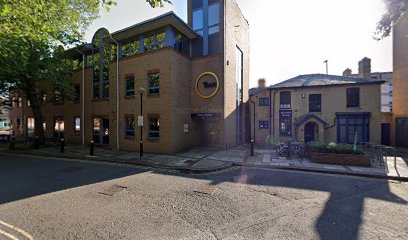
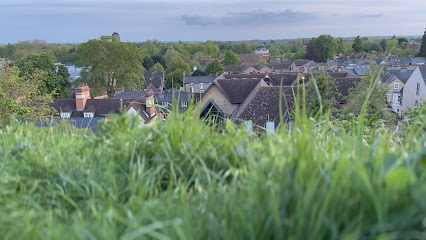
Castle Mound: site of medieval Cambridge Castle
15.9 km
Explore Castle Mound, the grassy remnant of Cambridge’s medieval fortress with panoramic city views and centuries of rich history.
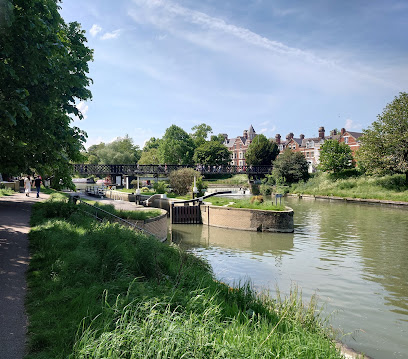
Jesus Lock
15.9 km
Historic Jesus Lock on the River Cam offers serene riverside charm and a unique glimpse into Cambridge's aquatic heritage.
The George
15.9 km
A historic Huntingdon coaching inn with a traditional pub, hearty food, and a long connection to local history and Oliver Cromwell.

Westminster College
16.0 km
Historic theological college blending Victorian architecture with contemporary faith education in Cambridge's academic heart.
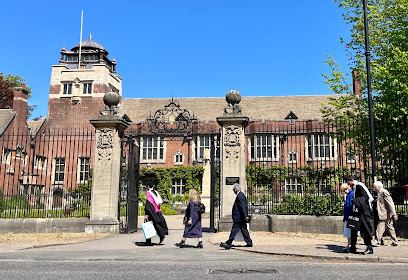
Magdalene Bridge
16.1 km
Historic cast-iron bridge over the River Cam, linking Cambridge’s academic heart with its ancient trading past.
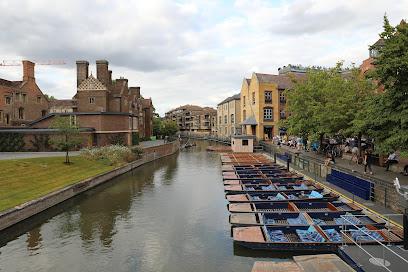
Bridge of Sighs
16.3 km
A Victorian Gothic covered bridge spanning the River Cam, linking history and beauty at St John's College, Cambridge.
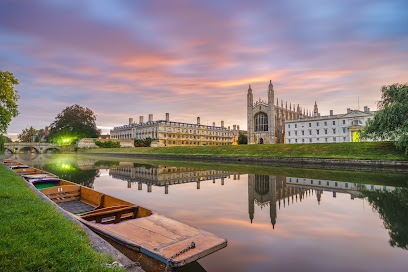
Newton's Apple Tree
16.4 km
Explore Newton's Apple Tree in Cambridge, a historical landmark that connects you to the legacy of scientific discovery and innovation.
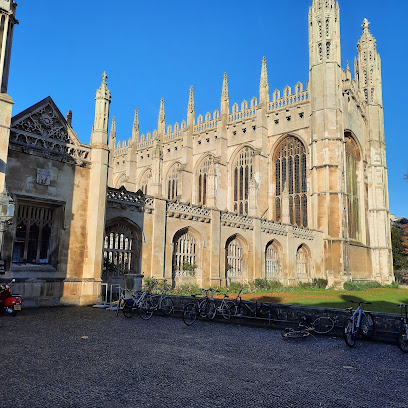
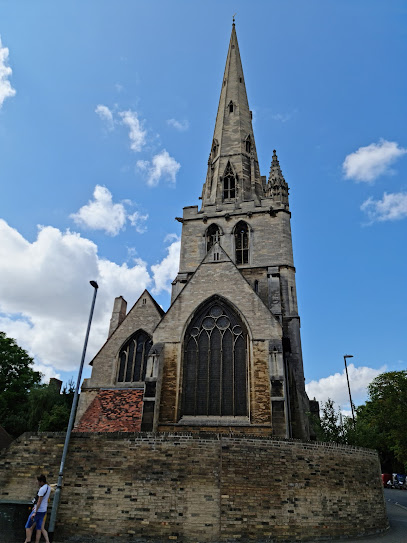
All Saints Church
16.5 km
Explore the architectural and spiritual beauty of All Saints Church, a historic gem in the heart of Cambridge, showcasing stunning Gothic design and tranquility.
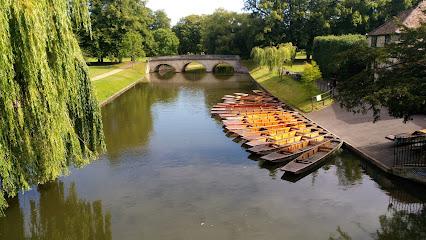
Garret Hostel Bridge
16.5 km
Explore the stunning Garret Hostel Bridge in Cambridge, a picturesque location connecting history, architecture, and breathtaking views of the River Cam.
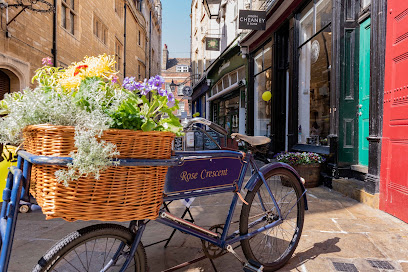
Rose Quarter Cambridge
16.5 km
Explore the Rose Quarter in Cambridge, a charming tourist destination filled with history, delightful cafes, and vibrant local culture.
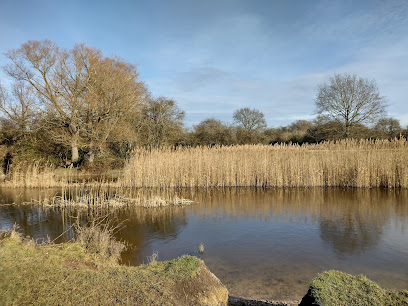
Stow cum Quy Fen
16.5 km
Experience the serene beauty of Stow cum Quy Fen, a nature reserve near Cambridge, where lush landscapes and diverse wildlife await your exploration.
The Old Schools
16.6 km
Historic university landmark at Trinity Lane, blending Gothic and classical architecture at the heart of Cambridge's academic tradition.
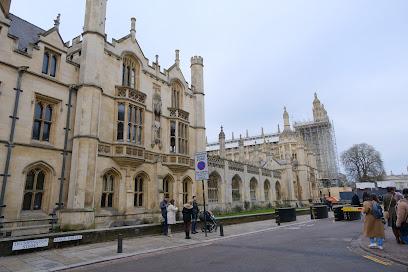
Senate House Hill
16.6 km
Historic Senate House Hill in Cambridge offers stunning views, iconic architecture, and a vibrant academic atmosphere at the heart of the university city.
Great St Mary's
16.7 km
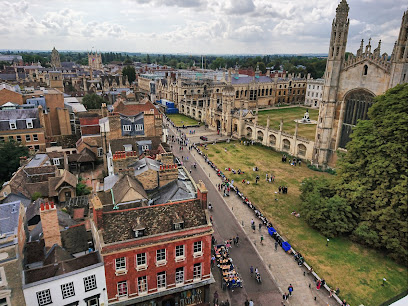
Discover the architectural beauty and historical significance of Great St Mary's, the University Church in Cambridge, a must-visit landmark for tourists.
Unmissable attractions to see

RSPB Ouse Fen Nature Reserve
2.7 km
Explore the UK’s largest reedbed at RSPB Ouse Fen, a tranquil wetland reserve alive with rare birds and rich wildlife near Cambridge.
Elsiem Jewellery Design
3.7 km
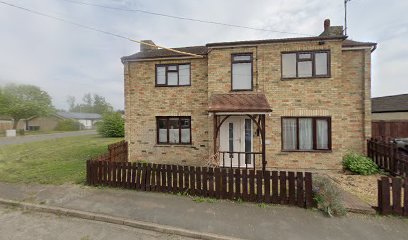
Contemporary jewellery design in Willingham, Cambridge, blending architectural inspiration with bespoke craftsmanship.
Cambridgeshire Lavender
4.0 km
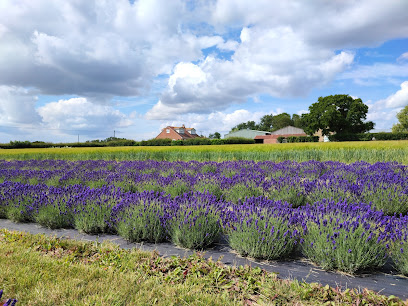
Experience the vibrant lavender fields of Cambridgeshire Lavender, a serene rural escape offering seasonal picking and creative workshops.
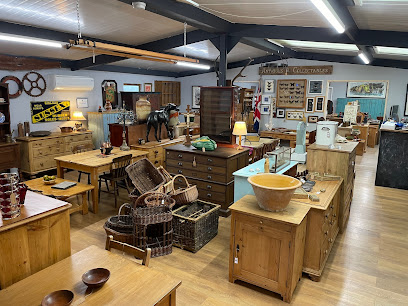
Weird & Wonderful Antiques
4.1 km
Discover timeless antiques and vintage treasures in a welcoming family-run shop set in the tranquil countryside of Willingham near Cambridge.
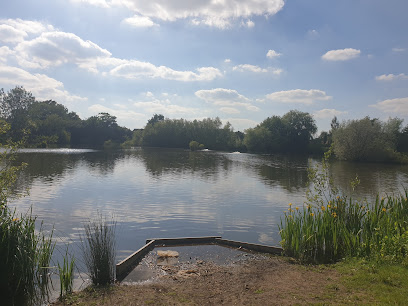
Somersham Local Nature Reserve
4.6 km
A serene lakeside haven in Somersham offering peaceful walks, rich wildlife, and year-round access to nature’s quiet beauty.
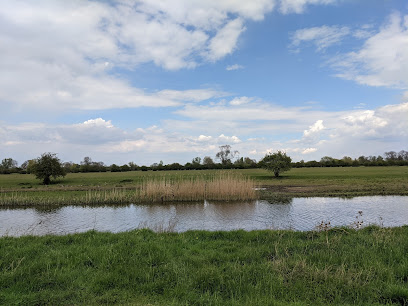
RSPB Fen Drayton Lakes
6.8 km
A transformed quarry transformed into a wetland paradise for birdwatchers and nature explorers.
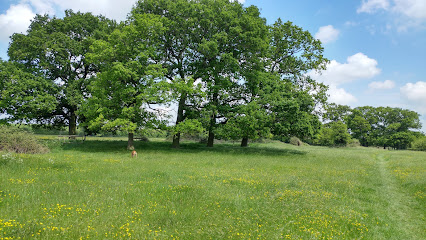
Giant's Hill
7.2 km
Explore the earthworks of Giant's Hill, an unfinished 12th-century motte castle steeped in medieval history and tranquil countryside charm.
Fen Drayton Lakes
7.6 km
Discover Fen Drayton Lakes, a peaceful RSPB wetland reserve near Cambridge rich with diverse birdlife, scenic trails, and seasonal starling murmurations.
The Duchess
9.9 km
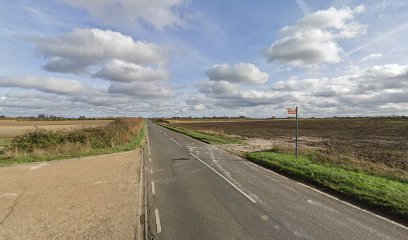
A charming gastropub in Fenstanton offering cosy village pub vibes with refined dining and standout slow-roast belly pork.
JOHNSONS OF OLD HURST | JOHNSONS ZOO
9.9 km
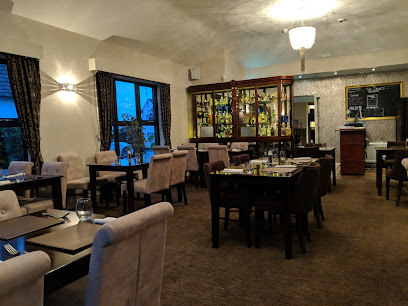
Discover a charming family farm and zoo with exotic animals, sustainable farming, and delicious local food near Huntingdon.
The Manor, Hemingford Grey
11.1 km
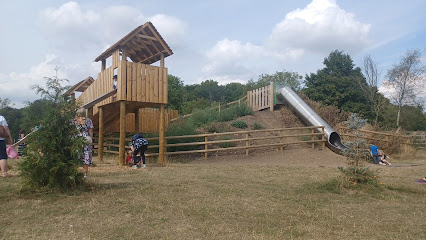
Explore Britain’s oldest continuously inhabited house, a Norman manor alive with history, literature, and enchanting gardens in Hemingford Grey.
Denny Abbey & The Farmland Museum
11.3 km
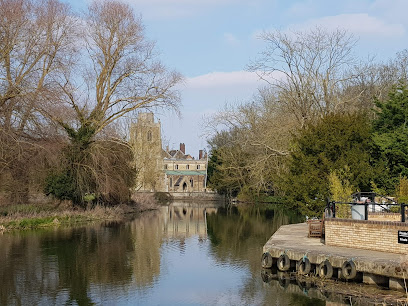
Explore 850 years of history at a serene medieval abbey and engaging farmland museum near Cambridge.
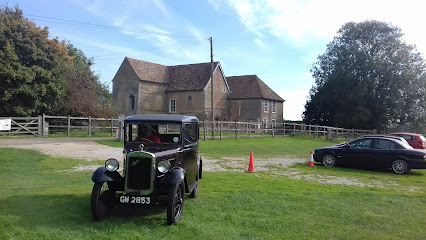
National Trust - Houghton Mill & Waterclose Meadows
11.6 km
Historic 18th-century watermill and serene riverside meadows offering scenic walks, guided tours, and waterside relaxation in Cambridgeshire.
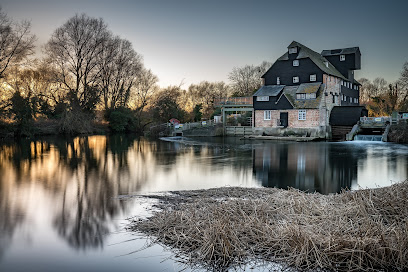
Warboys and Wistow Woods
12.6 km
Ancient ash woodland sanctuary where rare mosses, lichens, and insects thrive in protected Cambridgeshire countryside.
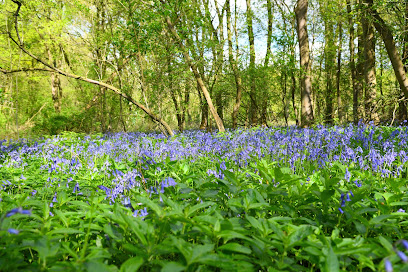
Hartford Mill Wacky Warehouse
12.9 km
A vibrant indoor soft play centre with outdoor fun, perfect for under-12s and family celebrations in Huntingdon.
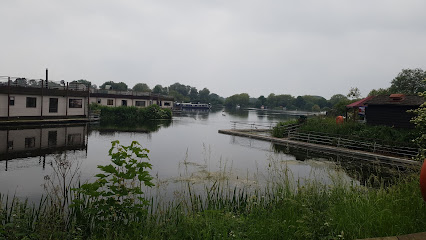
Essential places to dine

The Windmill
5.9 km
A welcoming traditional English pub in Somersham offering excellent food, attentive service, and a relaxed countryside atmosphere.
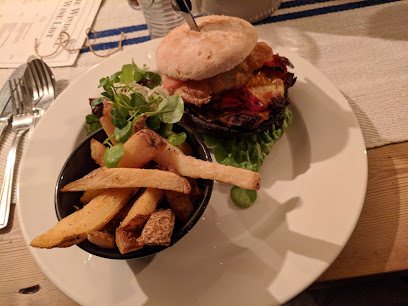
Carriages of Cambridge
9.3 km
Step aboard Carriages of Cambridge for a charming vintage afternoon tea journey in beautifully restored railway carriages near Cambridge.
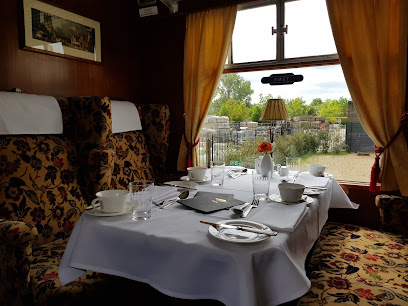
Herbie's American Diner
9.4 km
Experience classic American diner charm and hearty comfort food in a lively, family-friendly setting just outside Cambridge.
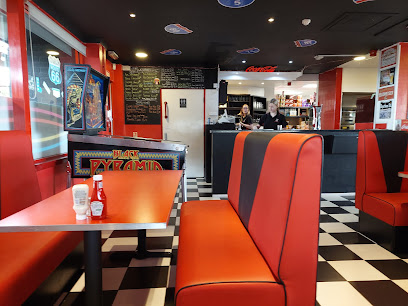
The Steak House
9.9 km
A classic British steakhouse in Old Hurst serving expertly cooked steaks in a warm, welcoming village setting.
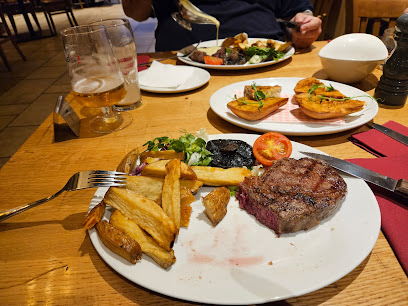
The Cock
10.9 km
A charming gastropub in Hemingford Grey offering modern British cuisine with a cosy atmosphere and family-friendly dining.
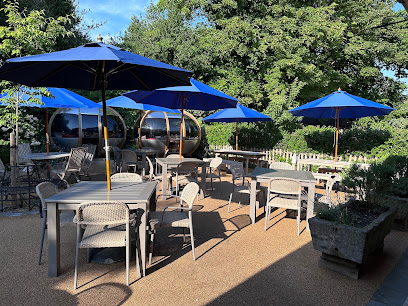
The Three Jolly Butchers
11.7 km
A welcoming village pub in Wyton offering classic British fare, real ales, and a spacious beer garden with rustic charm.
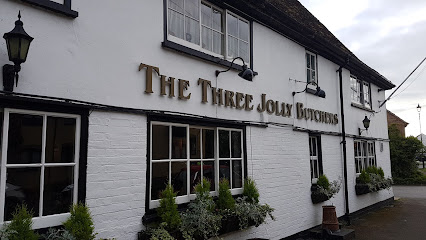
The Crown Inn
12.0 km
Historic British gastropub in Broughton offering traditional classics and a warm, authentic country pub atmosphere.
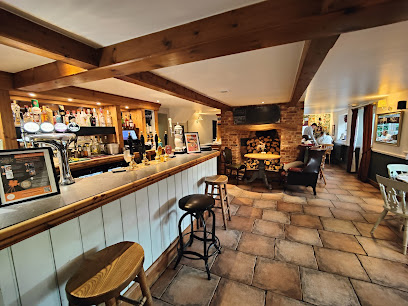
Hartford Mill - Pub & Carvery
12.9 km
A friendly marina-side pub serving fresh carvery and classic dishes daily in a warm, family-friendly atmosphere.
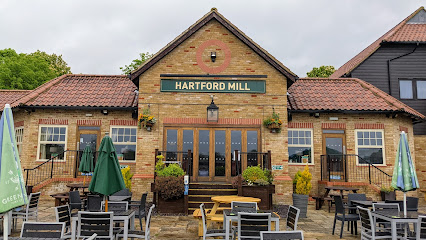
The Barley Mow
14.0 km
Historic pub blending Nepalese and British flavors with craft beers in the heart of Hartford's old village.
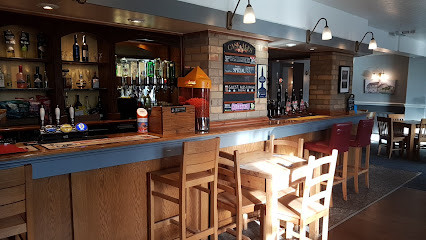
Travellers Rest Beefeater
14.4 km
Traditional British pub and grill offering hearty steaks, breakfast, and a welcoming atmosphere in Cambridge’s Girton district.
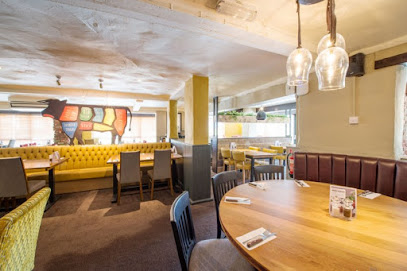
The Astronomer
14.7 km
Modern British dining meets warm hospitality in Cambridge’s stylish Eddington village beneath the Hyatt Centric Hotel.
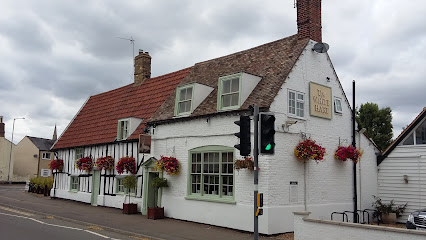
The White Hart
15.1 km
A beloved gastropub in Godmanchester offering hearty meals, generous portions, and a warm, lively atmosphere with excellent value.
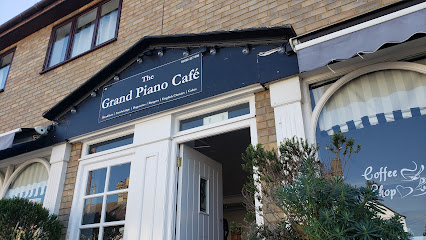
The Grand Piano Cafe
15.2 km
Cozy breakfasts and warm hospitality blend perfectly at The Grand Piano Cafe in Godmanchester’s charming heart.
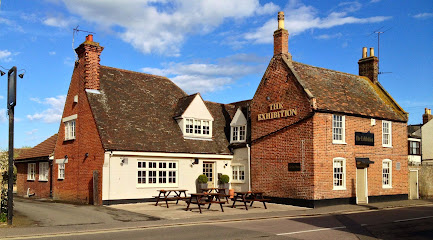
The Exhibition
15.3 km
Award-winning gastropub blending local ingredients, expert cooking, and genuine hospitality in charming Godmanchester.
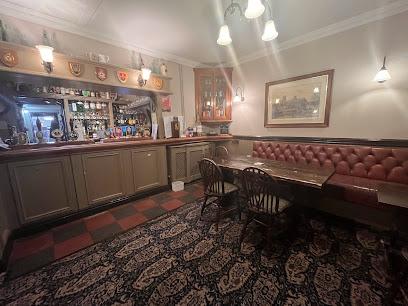
The Prince Albert
15.4 km
A charming traditional pub in Ely offering expertly crafted ales, fresh local food, and a welcoming atmosphere with a lively social calendar.
Markets, malls and hidden boutiques

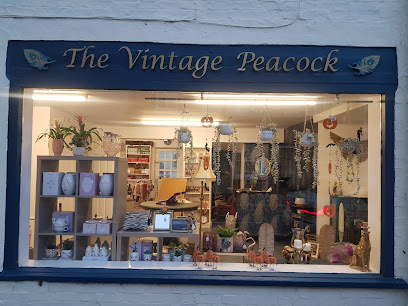
The Vintage Peacock
4.9 km
Discover unique vintage-inspired gifts and stylish apparel in a cozy, artisan-focused boutique in the heart of Somersham.
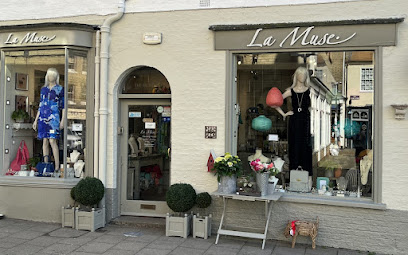
La Muse
8.8 km
Chic independent boutique in St. Ives offering globally sourced ladies' fashions with a cool, stylish vibe.
Cream Rose
9.9 km
Elegant ladies’ boutique in Fenstanton offering designer dresses and personalized service for special occasions in a relaxed atmosphere.
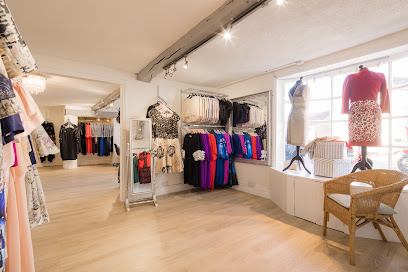
King James Retail Centre
14.9 km
Discover shopping bliss at King James Retail Centre, where a diverse range of stores awaits in the heart of Huntingdon.
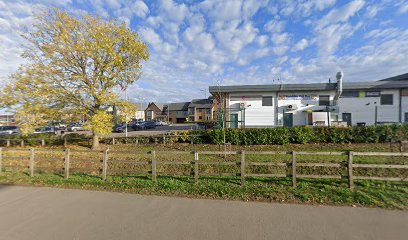
Victoria Store
15.5 km
Experience the convenience of Victoria Store in Cambridge, your one-stop shop for snacks, essentials, and local goods.
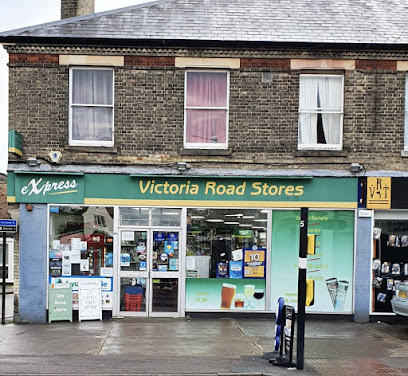
Niche Comics Bookshop
15.6 km
Discover Huntingdon’s beloved comic and bookshop in a historic 1573 Tudor building with vibrant community spirit and diverse collections.
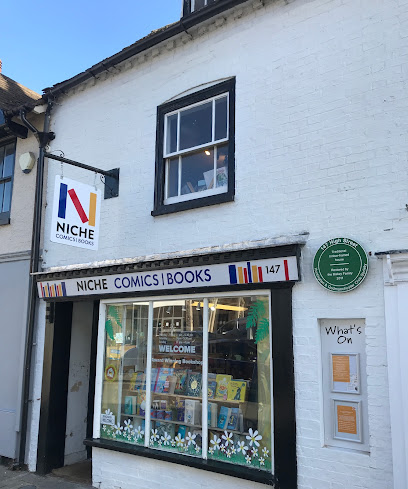
TK Maxx
15.7 km
Designer bargains and branded treasures await at TK Maxx Huntingdon—up to 60% off premium fashion, homeware, and gifts.

Next
15.7 km
Stylish fashion and homeware for the whole family in Huntingdon’s vibrant Chequers Court shopping hub.

Robert Goddard
15.7 km
A century-old fashion destination in Huntingdon, offering premium designer clothing and tailored pieces in a classic department-store setting.
Cards Direct
15.7 km
Huntingdon’s go-to shop for quality British-made greeting cards, gifts, and party supplies at direct-from-factory prices.
Peacocks
15.7 km
Affordable fashion for men, women, and children at Peacocks Huntingdon, your go-to clothing store in St Germain Walk.
Bonmarché
15.7 km
Affordable and stylish ladies' fashion at Bonmarché Huntingdon on High Street, offering comfort and variety for every occasion.
CeX
15.7 km
Affordable secondhand electronics and gaming essentials in the heart of Huntingdon's Chequers Court.

Skyes retro and gifts
15.7 km
Discover unique retro gifts and collectibles at Skyes Retro and Gifts, a charming novelty shop inside Cambs Lock, Huntingdon’s vintage treasure hub.
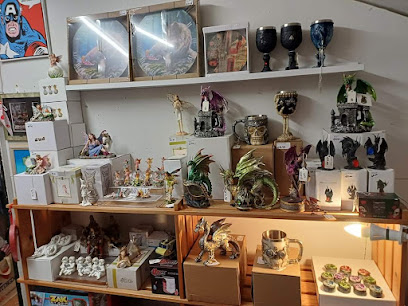
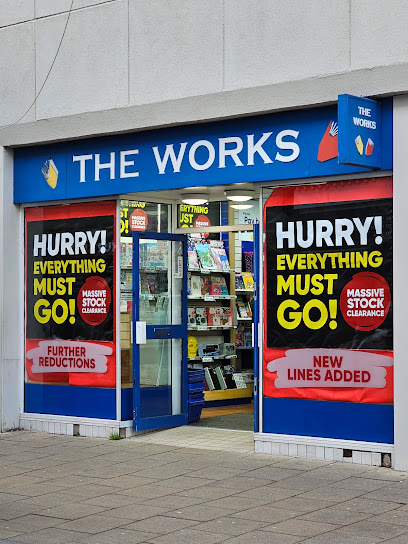
The Works
15.8 km
Discover affordable creativity and learning at The Works Huntingdon, your go-to for arts, crafts, books, and toys on High Street.
Essential bars & hidden hideouts

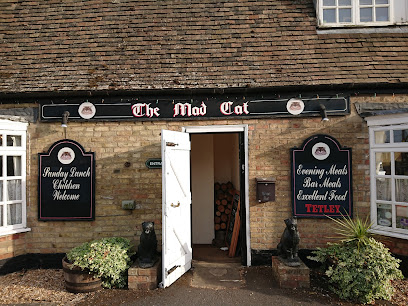
The Mad Cat Inn
7.1 km
A cozy traditional village pub in Pidley offering hearty roasts, friendly service, and authentic British charm.
Oliver Cromwell
8.7 km
Historic 18th-century riverside pub in St. Ives offering local ales, home-cooked food, and a warm community atmosphere.
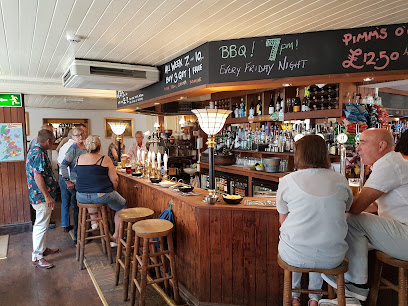
The Taproom
8.8 km
Charming riverside bar and kitchen in St Ives offering crafted drinks, hearty meals, and a lively yet relaxed atmosphere daily from 9am.
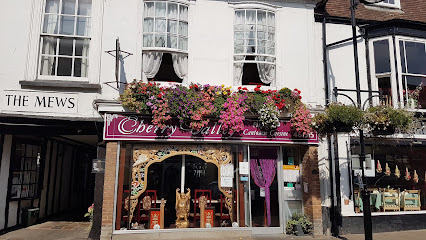
The Fox Bar Hill
10.6 km
A welcoming traditional pub in Bar Hill offering hearty British classics, friendly service, and a relaxed community atmosphere.
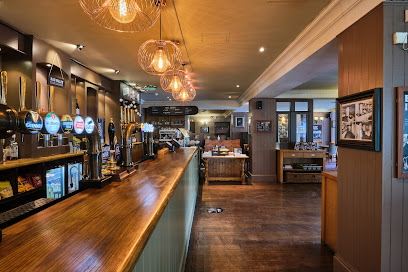
Three Horseshoes
11.5 km
A traditional English pub with cozy rooms, hearty fare, and a warm community spirit in the heart of Huntingdon.
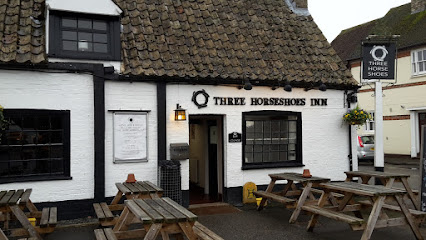
The Poacher
13.3 km
A welcoming 17th-century village pub in Elsworth offering home-cooked food, award-winning gardens, and a cozy, dog-friendly atmosphere.
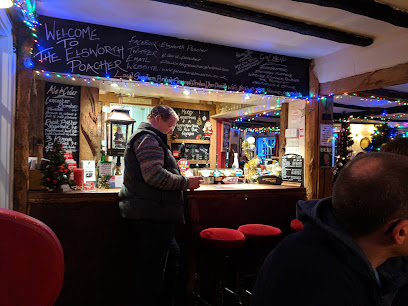
The Three Horseshoes
13.7 km
Charming thatched gastropub in Madingley offering award-winning Modern British fare, local ales, and a warm, traditional atmosphere near Cambridge.
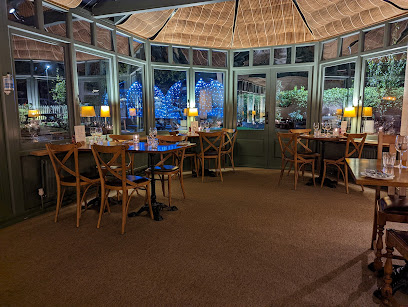
The Brewers Inn
14.1 km
A refined gastro pub with Indian-inspired dishes and cozy rooms, offering a peaceful retreat near Cambridge.
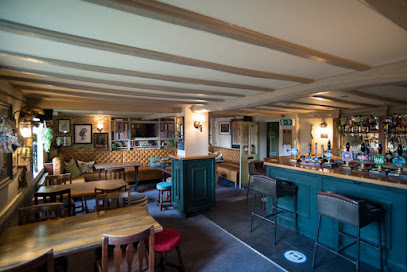
Lord Protector
14.8 km
A welcoming community pub in Huntingdon offering great drinks, lively entertainment, and a friendly atmosphere for all to enjoy.
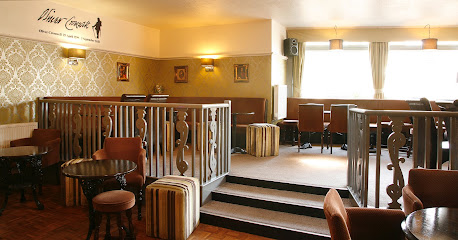
The White Lion
15.0 km
A traditional, friendly pub in Bury offering classic ales, hearty food, and a warm, welcoming atmosphere for locals and visitors alike.
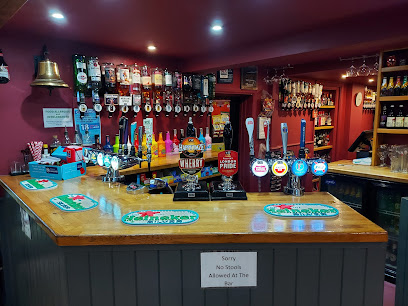
The Golden Knight
15.1 km
A friendly Huntingdon pub with a spacious beer garden, lively sports viewing, and classic games for a relaxed social experience.
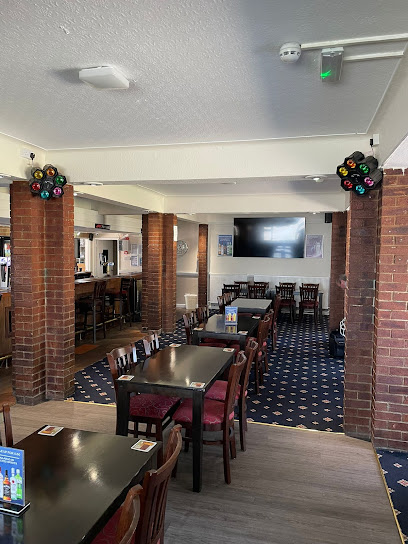
The Jolly Sailor Ramsey
15.4 km
Historic 400-year-old pub in Ramsey offering traditional British fare, quality ales, and a warm, welcoming atmosphere for locals and visitors alike.
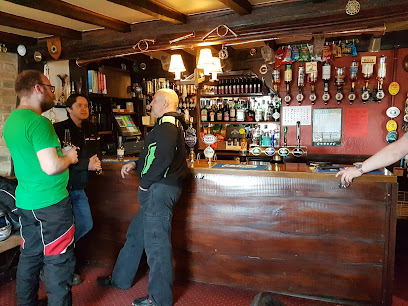
The Old Bridge Hotel
15.5 km
Historic Georgian charm meets vibrant riverside hospitality in Huntingdon’s beloved Old Bridge Hotel.
Sir Isaac Newton
15.7 km
A friendly, dog‑friendly Castle Street pub named for Cambridge’s famed scientist — casual food, sports screens and a neighbourhood atmosphere.
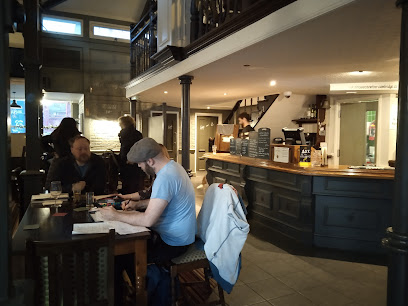
Three Tuns
15.7 km
A welcoming traditional pub on Huntingdon’s High Street, offering lively atmosphere, classic charm, and a true taste of English pub culture.
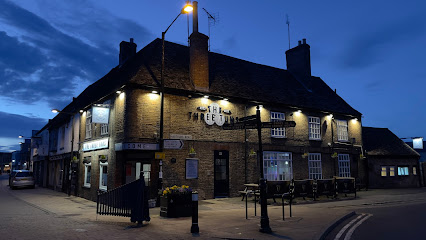
Nightclubs & after hour spots

The Lounge
8.8 km
A lively nightclub and wine bar on The Broadway, offering vibrant late-night entertainment in the heart of St Ives.
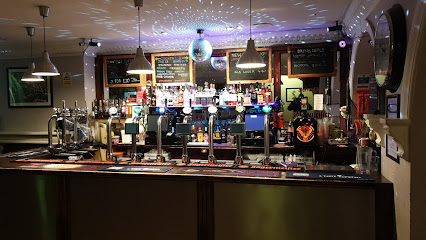
OutOut Nightclub
8.8 km
Vibrant nightlife hub in St. Ives offering dynamic club nights, private events, and a lively atmosphere from 10pm to 4am Fridays and Saturdays.

Montagu Club
15.6 km
Discover the lively Montagu Club in Huntingdon - a social haven for music lovers and friends looking to unwind and enjoy local culture.

EBC Shop
16.4 km
Discover the electrifying nightlife at EBC Shop in Cambridge, where the music keeps you dancing and the atmosphere is always electric.
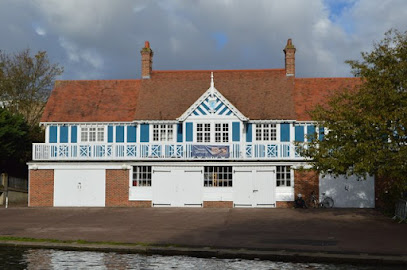
MASH
16.6 km
Cambridge’s vibrant independent nightclub offering themed music nights and a welcoming, safe party atmosphere until the early hours.

Vinyl Cambridge
16.6 km
Dance through decades on a glowing LED floor at Vinyl Cambridge's throwback haven—2-for-1 drinks, VIP vibes, and non-stop retro anthems await in the city center.

High Five
16.7 km
Cambridge's electrifying gay nightclub where themed nights, drag glamour, and inclusive dance floors ignite unforgettable evenings in the city heart.

Cambridge Lola Lo
16.8 km
Step into Cambridge Lola Lo, a vibrant tiki-themed nightclub with tropical vibes, lively dance floors, and a stunning rooftop terrace in the city centre.

Cambridge Working Mens Club
16.9 km
Discover the lively ambiance of Cambridge Working Mens Club, a perfect blend of local culture, music, and community spirit.
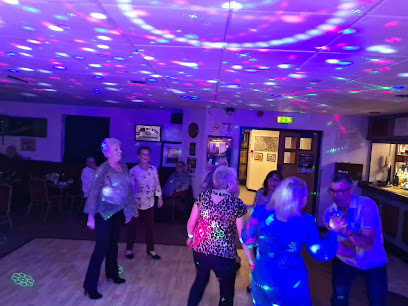
The Free Press
17.0 km
Cozy Cambridge backstreet pub serving seasonal fusion dishes, real ales, and timeless charm in a phone-free haven with a sunny beer garden.
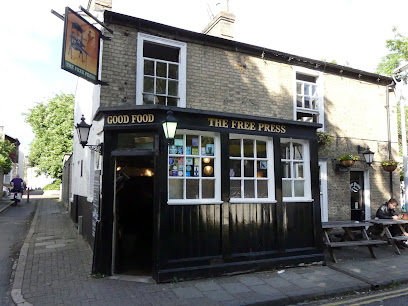
Cambridge Pop-up Speakeasy Jazz
17.0 km
Free live jazz pop-ups in a historic Cambridge pub: intimate sets, diverse musicians, speakeasy vibes on select Wednesdays at 7:30pm.
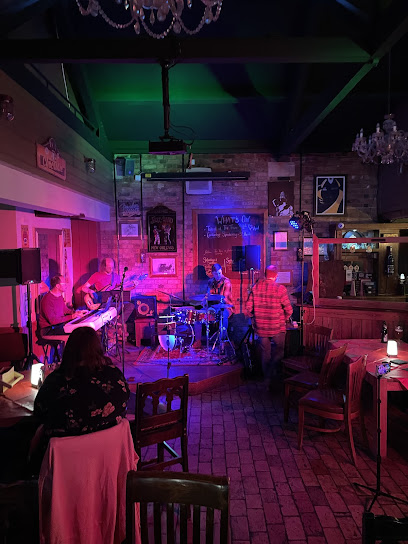
The Tram Depot
17.0 km
Discover the lively ambiance of The Tram Depot in Cambridge, where great food, local ales, and music nights create unforgettable experiences.
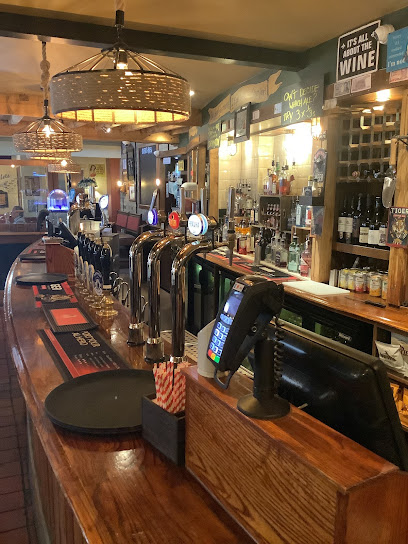
The LAB
17.4 km
Discover The LAB in Cambridge, a cocktail bar where creativity meets flavor, perfect for unwinding after a day of exploration.

Tall Trees
17.5 km
Discover the lively atmosphere of Tall Trees, a cocktail bar and live music venue in Cambridge, perfect for unforgettable nights out.
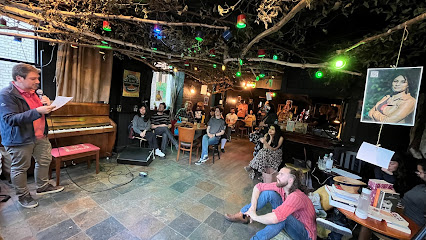
Newnham Croft Social and Sports Club
17.6 km
Experience the vibrant community spirit at Newnham Croft Social and Sports Club, a lively venue for live music, events, and friendly gatherings in Cambridge.
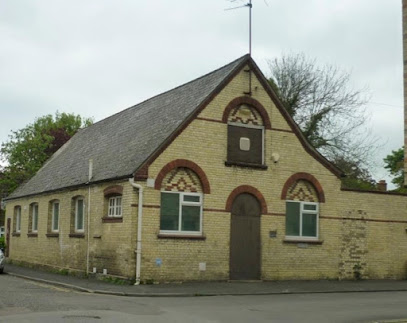
For the vibe & atmosphere seeker
- Tranquil
- Scenic
- Nature Escape
- Adventurous
For the architecture buff
- Parks & Gardens
- Viewpoints
For the view chaser and sunset hunter
- Panoramas
- Waterfront
- Sunrise Spots
- Sunset Spots
For the social media creator & influencer
- Photo Spots
- Instagrammable
- Architectural Shots
For the eco-conscious traveler
- Eco-Friendly
- Nature Reserve
- Protected Area
- Wildlife Habitat
- Locally Managed
- Public-Transport Accessible
For the kind of experience you’re after
- Nature Escape
- Photowalk
- Cultural Heritage
- Mindfulness
- Day Trip
For how adventurous you want the journey to be
- Easy Access
- Requires Hike
Location Audience
- Family Friendly
- Solo Friendly
- Couple Friendly
- Senior Friendly
- Child Friendly
- Pet Friendly
- Wheelchair Access


