Linton Zoo Conservation Park
Intimate conservation zoo where endangered species thrive in 18 acres of woodland gardens.
Linton Zoo is an intimate, family-run conservation zoo set across 18 acres of beautifully landscaped gardens and woodland near Cambridge. Home to rare and exotic animals including tigers, lions, snow leopards, lemurs, tapirs, and giant tortoises, the zoo emphasizes breeding programmes for endangered species and wildlife education. With keeper talks, hands-on animal encounters, a dinosaur trail, and picnic areas, it offers a relaxed, nature-focused experience ideal for families seeking close encounters with wildlife in a peaceful setting.
A brief summary to Linton Zoo
- Hadstock Rd, Cambridge, Linton, CB21 4NT, GB
- Click to display
- Click to display
- Duration: 1.5 to 2.5 hours
- Budget
-
 Outdoor
- Mobile reception: 4 out of 5
- Saturday 10 am-4 pm
- Sunday 10 am-4 pm

Know before you go
Hi, I'm Eve. Here are a few practical things to know before exploring Linton Zoo.
- Visit on a weekday morning during school term for a quieter experience. Animals are most active before midday, and you'll have more space to observe natural behaviours without weekend crowds.
- Pack your own picnic lunch. Designated picnic areas with benches are scattered throughout the grounds, offering a budget-friendly alternative to the café and allowing you to linger in the woodland setting.
- Arrive early to catch the 11:30 AM binturong keeper talk and the 1 PM hands-on animal encounter session. These informal talks provide invaluable insights into animal behaviour and conservation efforts.
- Wear appropriate footwear. Pathways include gravel, sand, and grass with occasional tree roots. After rain, muddy sections are common, so wellies or sturdy walking shoes are recommended.
- Check the official website before visiting to confirm opening days, as the zoo operates on reduced hours from November through early spring and is closed Christmas Day.
Do you manage this location?
Take control to get all the benefits, like improved information, better appearance, and stronger visibility across AI-powered discovery. Learn more
Activate your presence

Getting There
-
Bus from Cambridge
Bus number 13 or 13a departs from Cambridge city centre roughly every 30 minutes, with journey time approximately 25–35 minutes depending on traffic and time of day. Request the Linton Police Station stop; the zoo is a 10-minute walk from there, following brown zoo directional signs. Single fares typically cost £2.50–£3.50. This is the most accessible public transport option for visitors without a car.
-
Bus from Haverhill
Bus number 13 or 13a also serves Haverhill, with journey time approximately 20–30 minutes to Linton. Service frequency is roughly every 30 minutes. From the Linton Police Station stop, follow brown zoo signs for a 10-minute walk to the entrance. Fares are typically £2.50–£3.50 per journey.
-
Car with parking
The zoo has an on-site car park with free parking. From Cambridge city centre, follow the A1307 southbound toward Linton; journey time is approximately 20–25 minutes depending on traffic. The postcode CB21 4NT can be entered into GPS navigation systems. Car park gates open at advertised opening times and close at closing time; no early arrival access is permitted.
-
Taxi or ride-share from Cambridge
Taxis and ride-share services from Cambridge city centre typically charge £25–£40 for the journey to Linton Zoo, with travel time approximately 20–30 minutes depending on traffic conditions and pickup location. This option is convenient for groups or those with mobility considerations.
For the on-the-go comforts that matter to you
-
 Restrooms
-
 Drink Options
-
 Food Options
-
 Seating Areas
-
 Picnic Areas
-
 Trash Bins
-
 Information Boards
-
 Visitor Center
Discover more about Linton Zoo
A Conservation Mission in the Heart of Cambridgeshire
Linton Zoo was established in 1972 by a family passionate about wildlife conservation and has evolved into a specialized breeding centre for endangered and threatened species. Unlike larger commercial zoos, Linton prioritizes conservation education and species preservation, operating as a working facility dedicated to maintaining genetic diversity in captive populations of rare animals. The zoo's commitment to this mission shapes every aspect of the visitor experience, from the thoughtfully designed enclosures to the informative keeper talks that highlight the importance of global wildlife protection.Eighteen Acres of Woodland Gardens and Natural Habitats
The zoo occupies 18 acres of meticulously maintained gardens and woodland, with 16 acres of beautifully planted grounds featuring native shrubs, trees, and over 10,000 seasonal bulbs. The landscape design prioritizes animal welfare, with heavily planted aviaries and enclosures that provide natural shelter and enrichment. Pathways wind through the grounds—some gravel and sand, others grass—creating an intimate, country-park atmosphere. The mature trees and woodland setting create a tranquil environment where visitors can observe animals in settings that closely resemble their natural habitats, encouraging natural behaviours and making for compelling wildlife viewing.Diverse Animal Collections and Breeding Programmes
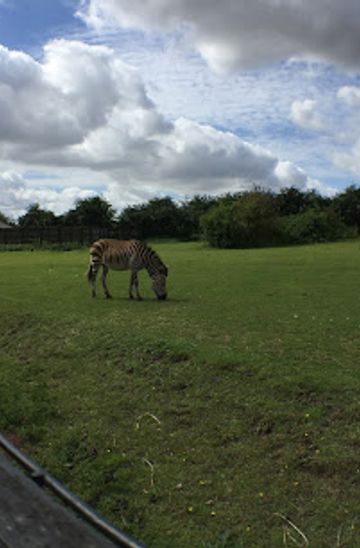
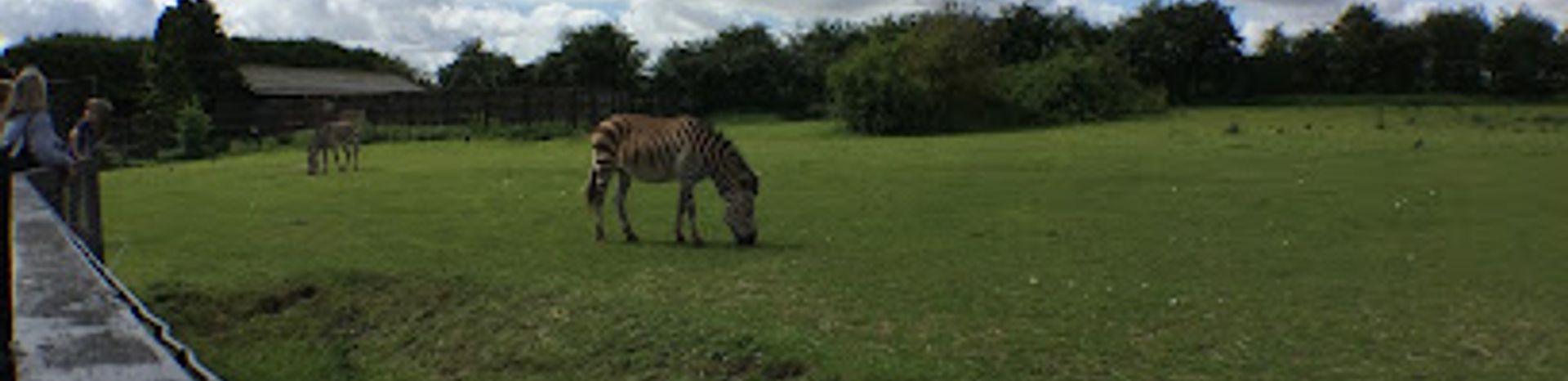
The zoo houses an impressive array of rare and exotic species, including African lions, Bengal tigers, snow leopards, zebras, kangaroos, lemurs, macaws, owls, giant tortoises, snakes, lizards, and tarantulas. Many of these animals are part of carefully managed international breeding programmes aimed at preserving species threatened with extinction in the wild. The collection evolves continuously, with new animals arriving regularly to support conservation goals. Educational signage throughout the zoo provides context about each species, their conservation status, and the threats they face in their natural habitats, transforming a visit into a learning experience about global biodiversity.Keeper Talks and Hands-On Animal Encounters
Daily keeper talks occur at scheduled feeding times, with the binturong scatter feed and keeper talk typically held at 11:30 AM. These informal sessions allow visitors to learn directly from experienced staff about animal behaviour, diet, and conservation efforts. A hands-on animal encounter session runs at 1 PM, where visitors can interact with smaller animals from the education unit under keeper supervision. These experiences create memorable connections between visitors and wildlife, fostering deeper understanding of animal care and conservation challenges. The zoo also offers VIP close encounter experiences on normally closed days, providing exclusive opportunities for small groups to hand-feed animals and participate in specialized keeper sessions.Family-Friendly Facilities and Dinosaur Trail
The zoo features a dinosaur collection with life-sized sculptures positioned throughout the grounds, offering an engaging educational element that particularly appeals to younger visitors. A playground is located in the car park area adjacent to the picnic spot, providing space for children to play before or after their zoo visit. Multiple picnic areas with benches and grassy spaces throughout the grounds encourage visitors to bring packed lunches and spend extended time enjoying the peaceful woodland setting. A coffee shop and gift shop operate on-site, offering refreshments and souvenirs. The manageable size and intimate scale make the zoo ideal for families with young children, as the entire site can be explored comfortably in 1.5 to 2 hours without the overwhelming scale of larger facilities.Seasonal Rhythms and Visitor Experience
The zoo operates seasonally, with extended hours during summer months and reduced weekend-only opening from November through early spring. This seasonal pattern reflects both visitor demand and the natural rhythms of animal activity and keeper workload. Visiting during weekday mornings, particularly during school term time, offers a quieter experience when animals are typically more active. The woodland setting means that weather significantly influences the visit experience—rain transforms pathways into muddy terrain, making wellies advisable, while clear days reveal the full beauty of the landscaped gardens. The zoo's emphasis on conservation over commercial entertainment means enclosures prioritize animal comfort over visitor convenience, requiring patience and observation skills that reward attentive visitors with genuine wildlife encounters.Explore the best of what Linton Zoo has to offer













More about East Of England

Experience the East of England: a picturesque blend of historic towns, stunning coastlines, and serene countryside, offering a perfect retreat for every traveler.
Tell me more about East Of England
A beautifully restored Victorian garden in Saffron Walden offering tranquil walks, a historic hedge maze, and seasonal blooms in a peaceful setting.

Discover Cambridgeshire’s wildlife sanctuary with exotic animals, immersive encounters, and family-friendly gardens at Linton Zoo Conservation Park.