Anfield, Lancashire Travel Guide
Experience the legendary Anfield stadium, home to Liverpool FC’s rich history, iconic Kop atmosphere, and unforgettable football moments.
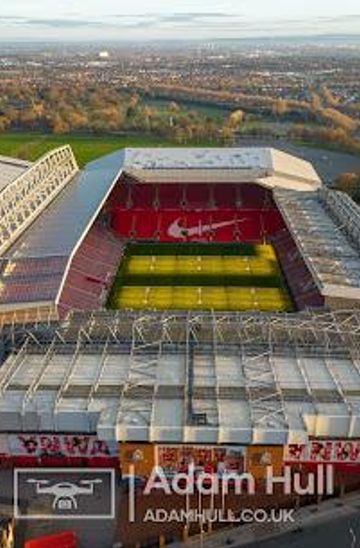
Anfield, located in Liverpool's Anfield district, is the iconic home stadium of Liverpool Football Club since 1892. Originally built in 1884 for Everton FC, it boasts a rich history, passionate fanbase, and a seating capacity of over 61,000. Famous for the legendary Kop stand and the anthem "You'll Never Walk Alone," Anfield is a revered football landmark blending historic architecture with modern expansions.
A brief summary to Anfield
- Anfield Rd, Liverpool, Anfield, L4 0TH, GB
- Click to display
- Click to display
- Duration: 1.5 to 3 hours
- Mid ranged
-
 Outdoor
- Mobile reception: 4 out of 5

Know before you go
Hi, I'm Eve. Here are a few practical things to know before exploring Anfield.
- Book the Anfield stadium tour in advance to secure your spot and enjoy access to exclusive areas like the players’ dressing rooms and pitch.
- Visit the Liverpool FC Museum adjacent to Anfield for a comprehensive look at the club’s history and trophies.
- Attend a match to experience the electrifying atmosphere of the Kop stand and hear the iconic anthem "You'll Never Walk Alone" live.
- Wear comfortable shoes as the stadium tour involves walking and standing for around 90 minutes.
- Check match schedules and avoid visiting on home game days if you prefer a quieter tour experience.
Do you manage this location?
Take control to get all the benefits, like improved information, better appearance, and stronger visibility across AI-powered discovery. Learn more
Activate your presenceOther nearby places you may find interesting
The closest places of the same kind, if this one is not quite what you had in mind.


Explore Anfield on the Map
A handpicked selection of must-see spots near Anfield, mapped for you.
Getting There
-
Train
Take a train to Sandhills Station, approximately 1.5 km from Anfield. From there, it’s a 20-minute walk through urban streets. Trains run frequently from Liverpool Lime Street, with tickets costing around £3-£5 one way.
-
Bus
Several bus routes serve Anfield Road, including numbers 26, 27, and 917 from Liverpool city center. The bus journey takes about 20-30 minutes depending on traffic, with fares around £2-£3.
-
Taxi
Taxis from Liverpool city center to Anfield take approximately 15 minutes, depending on traffic. Expect fares in the range of £8-£12. Taxi services are widely available but can be busy on match days.
-
Walking
For those staying nearby, walking to Anfield is feasible with routes through residential areas. Walking times vary from 20 to 40 minutes depending on starting point. The terrain is flat and accessible, suitable for most visitors.
For the on-the-go comforts that matter to you
-
 Restrooms
-
 Drink Options
-
 Food Options
-
 Seating Areas
-
 Information Boards
-
 Visitor Center
Discover more about Anfield
Origins and Early Years of Anfield
Anfield was constructed in 1884 by John Orrell, initially serving as the home ground for Everton Football Club. Everton played their first match here on 28 September 1884, winning 5-0 against Earlestown. The stadium quickly gained a reputation for its quality, hosting international matches such as England versus Ireland in 1889. However, in 1891, a dispute over rent between Everton and the stadium owner John Houlding led to Everton's departure to Goodison Park. To fill the void, Houlding founded Liverpool Football Club in 1892, which played its first match at Anfield with a 7-1 victory over Rotherham Town. This pivotal moment marked the beginning of Anfield's enduring association with Liverpool FC.Architectural Evolution and Stadium Expansion
Anfield has undergone numerous expansions and renovations reflecting both the club’s growth and evolving safety standards. In 1895, a new main stand was built, designed by renowned architect Archibald Leitch. The famous Spion Kop stand was constructed in the early 20th century and expanded in 1928 to hold around 30,000 fans, becoming synonymous with Liverpool’s passionate supporters known as 'Kopites.' The stadium saw further modernization in the 1960s and 1970s with the replacement of older stands and installation of floodlights. Following the Taylor Report after the Hillsborough disaster, Anfield was converted into an all-seater stadium in the 1990s, reducing capacity but enhancing safety. The recent redevelopment included the addition of a new tier to the Main Stand in 2016, increasing capacity to over 54,000, with plans for further expansion.Cultural Significance and Fan Atmosphere
Anfield is not just a stadium but a cultural icon deeply embedded in football history. The Kop stand is famed for its electrifying atmosphere, where thousands of fans unite in song, especially the club anthem "You'll Never Walk Alone," creating a powerful communal experience. The stadium has witnessed countless memorable matches, including European nights that have become legendary. The Shankly Gates and the statue of Bill Shankly commemorate the club’s heritage and legendary figures, adding to the stadium’s emotional resonance for supporters worldwide.Visitor Experience and Tour Highlights
Visitors to Anfield can explore the stadium through guided tours that offer access to the players’ dressing rooms, the tunnel, the pitch, and the manager’s dugout. The adjacent Liverpool FC Museum showcases the club’s illustrious history with trophies, memorabilia, and interactive exhibits. Tours run daily except on matchdays and are available in multiple languages, providing an immersive experience into the club’s legacy and the stadium’s unique atmosphere.Modern Facilities and Location Context
Anfield today is a UEFA 4-star stadium with a seating capacity of approximately 61,276. The pitch measures 101 by 68 meters with a GrassMaster surface. Located on Anfield Road in Liverpool’s Anfield district, the stadium is accessible via nearby Sandhills train station. The stadium area features amenities including restrooms, food and drink options, seating areas, and information boards. The stadium blends historic charm with modern facilities, making it a must-visit for football fans and cultural tourists alike.Legacy and Future Developments
Anfield’s legacy as the home of Liverpool FC is continuously evolving. After plans for a new stadium were shelved due to financial constraints, the club committed to redeveloping Anfield itself. The Main Stand expansion completed in 2016 added 8,500 seats, and further expansions are planned to increase capacity to around 59,000. Anfield remains a fortress of football heritage, passion, and community spirit, symbolizing both the history and future ambitions of Liverpool FC.












Your all‑in‑one travel companion app
Explore expert travel guides, compare and book tours, experiences, hotels, and more—all from the palm of your hand. Download now for seamless trip planning wherever your wanderlust takes you.


Explore More of Lancashire
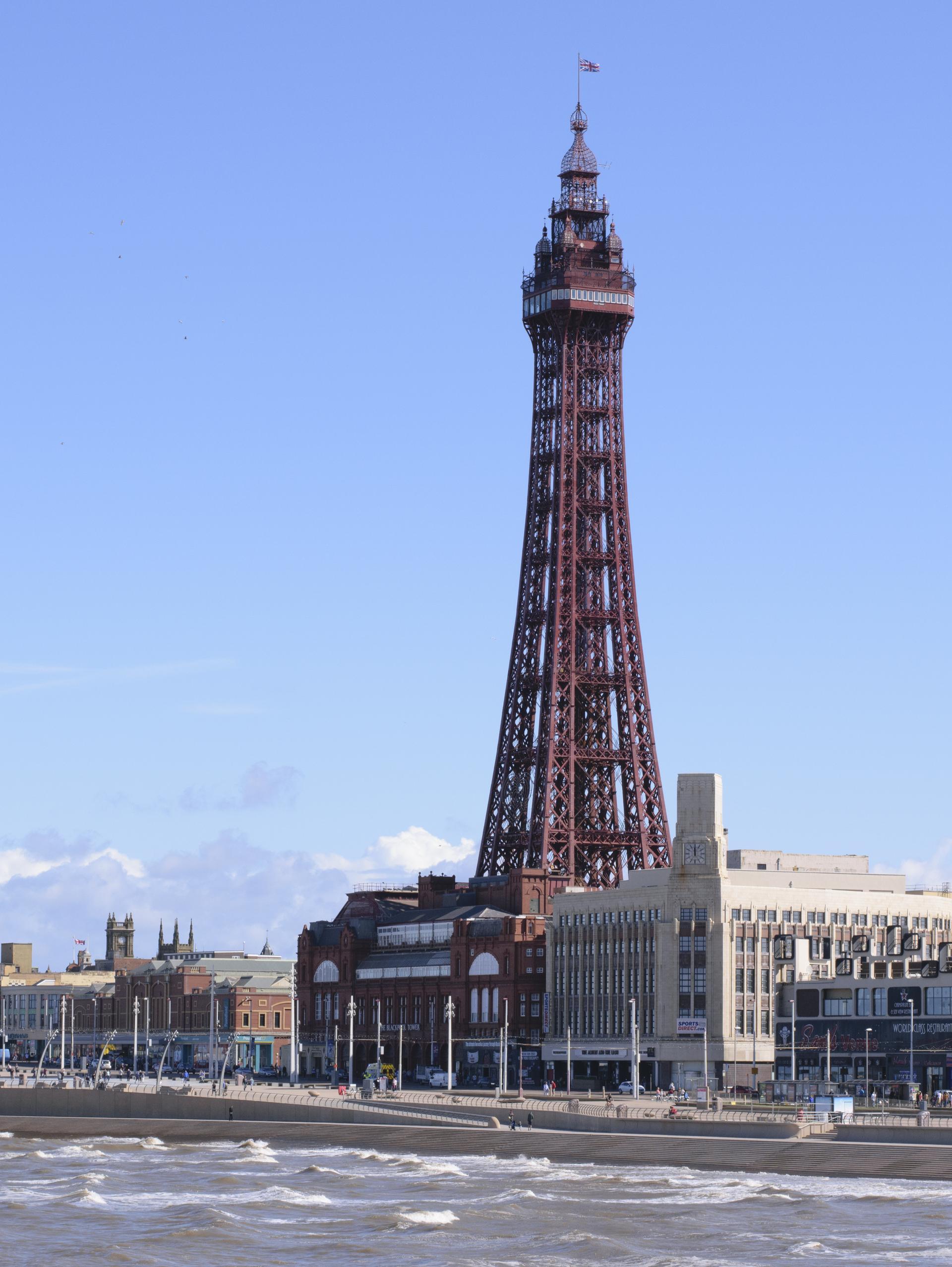
Looking beyond Anfield? Discover Lancashire for broader travel guides, local hot-spots, and regional highlights.
Explore Lancashire