Background

Goodison Park: Historic Home of Everton FC

Explore Goodison Park, the historic and iconic home of Everton FC, steeped in football heritage and architectural innovation since 1892.

4.4

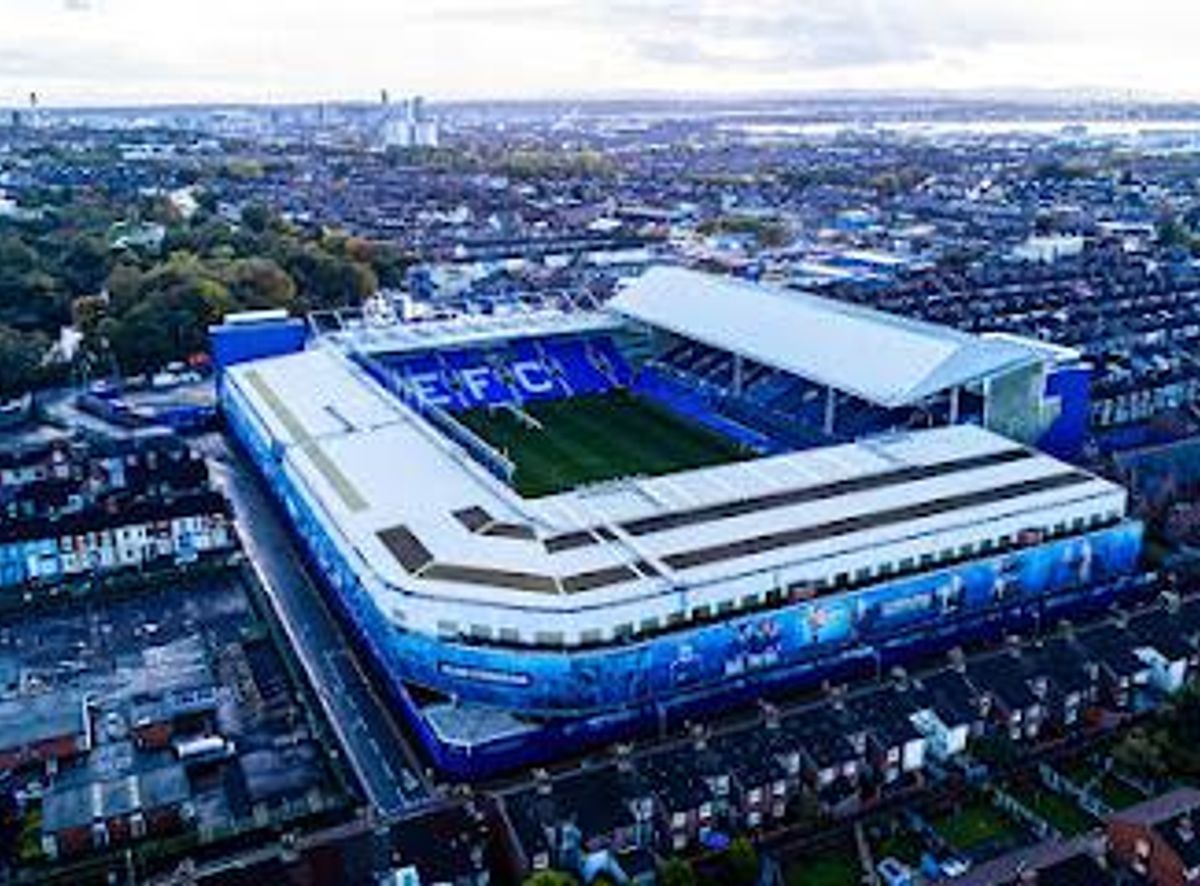
Goodison Park, located on Goodison Road in Liverpool, is one of England’s oldest major football stadiums and the historic home of Everton Football Club since 1892. Known for its rich heritage, architectural significance, and record-breaking attendances, the stadium has witnessed iconic matches including World Cup fixtures and the fierce Merseyside derby. With a seating capacity of around 40,000, it remains a beloved landmark in English football.

A brief summary to Goodison Park

  • Goodison Rd, Liverpool, L4 4EL, GB
  • +441515561878
  • Visit website
  • Duration: 1 to 3 hours
  • Mid ranged
  • Environment icon Outdoor
  • Mobile reception: 4 out of 5

Local tips

  • Visit during match days to experience the vibrant atmosphere of a live Everton game.
  • Take a guided stadium tour to learn about the rich history and architectural features.
  • Explore the nearby Stanley Park for a scenic walk before or after your visit.
  • Check for special exhibitions or events at the stadium’s visitor center.
widget icon

Getting There

  • Bus

    Take local bus routes 17 or 19 from Liverpool city center to Goodison Road; journey times range from 20 to 30 minutes. Services run frequently during the day but may be limited on match days. A single fare costs approximately £2.50.

  • Train and Walk

    Use the Merseyrail Northern Line to Kirkdale Station, about 2.5 km from Goodison Park. From Kirkdale, it’s a 30-minute walk through residential areas to the stadium. The train ride from Liverpool Central takes around 10 minutes, with tickets costing about £2.80.

  • Taxi

    Taxis from Liverpool city center to Goodison Park take approximately 15 minutes depending on traffic. Expect fares around £10-£15. Taxi availability increases on match days but can be limited immediately after games.

Goodison Park location weather suitability

  • Weather icon Any Weather
  • Weather icon Rain / Wet Weather
  • Weather icon Clear Skies
  • Weather icon Mild Temperatures
  • Weather icon Windy Conditions

Unlock the Best of Goodison Park

Buy tickets

    No tickets available

Book tours with entry

    No tours available

Book tours without entry

    No tours available

Discover more about Goodison Park

Origins and Early Development of Goodison Park

Goodison Park was officially opened on 24 August 1892, following Everton FC’s departure from Anfield due to a rent dispute. The site, originally a muddy field called Mere Green near Goodison Road, was transformed rapidly into a football ground with stands to accommodate up to 50,000 spectators. The opening featured an athletics event and a fireworks display, with the first football match played nine days later, a friendly where Everton defeated Bolton Wanderers 4-2. Early facilities were advanced for the time, including hot-water boilers, large baths, and a referee’s changing room, marking Goodison as one of the finest grounds in the country.

Architectural Evolution and Innovations

Throughout the early 20th century, Goodison Park saw significant architectural enhancements. Renowned stadium architect Archibald Leitch designed several key stands: the Goodison Road Stand (1909), Bullens Road Stand (1926), and Gwladys Street End (1938), making Goodison the only British ground with four double-decker stands. Innovations included the installation of England’s first dugouts in 1931, inspired by a visit to Aberdeen, and the country’s first undersoil heating system in 1958. The stadium also introduced the first scoreboard in 1971, which famously displayed shirt numbers instead of names during an 8-0 victory over Southampton.

Historic Moments and Sporting Significance

Goodison Park has hosted numerous historic events, including the 1894 FA Cup Final and matches during the 1966 FIFA World Cup, such as the quarter-final between Portugal and North Korea and the semi-final between Germany and the Soviet Union. The stadium recorded its highest attendance of 78,299 during a Merseyside derby against Liverpool in 1948. It holds the distinction of staging more top-flight English football games than any other ground and remains the only league stadium to have hosted a World Cup semi-final.

Cultural Impact and Community Connection

Known affectionately as 'The Grand Old Lady,' Goodison Park is deeply embedded in Liverpool’s sporting and cultural fabric. The stadium’s proximity to Stanley Park and its role in fostering the intense Everton-Liverpool rivalry highlight its community significance. Over the decades, it has witnessed royal visits, including King George VI and Queen Elizabeth in 1938, and has been a site of innovation and tradition, reflecting the passion of Everton supporters and the city’s rich football heritage.

Modern Era and Future Prospects

While Goodison Park remains a cherished venue, Everton FC has pursued plans for a new stadium to meet modern demands, culminating in the development of Bramley-Moore Dock Stadium, expected to open in the 2023-24 season. Despite this, Goodison’s legacy as a pioneering football ground with a unique architectural and historical character endures, symbolizing over 130 years of football history and community pride in Liverpool.

Visitor Experience and Atmosphere

Visitors to Goodison Park experience a blend of historic grandeur and passionate football culture. The stadium’s traditional stands, close proximity to the pitch, and storied past create an immersive atmosphere. The site offers insights into football’s evolution, with plaques and memorabilia celebrating its milestones, making it a must-visit for sports enthusiasts and history buffs alike.

Busiest months of the year

Busiest hours of the day

Popular Experiences near Goodison Park

Popular Hotels near Goodison Park

Select Currency