
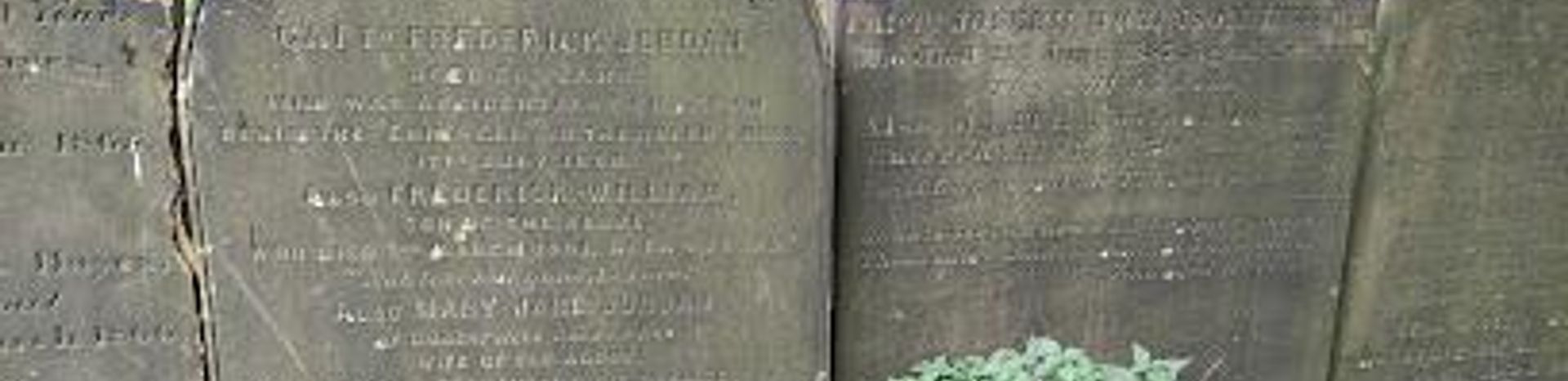
St James Memorial Cemetery: Liverpool’s Historic Urban Sanctuary
Discover Liverpool’s historic St James Memorial Cemetery—a serene Victorian park born from a quarry, blending rich heritage with tranquil urban green space.
St James Memorial Cemetery, located in Liverpool city centre, is a historic site that served as the city’s main cemetery from 1829 to 1936. Originally a 16th-century stone quarry, it was transformed into a Victorian-style cemetery with dramatic catacombs and landscaped grounds designed by architect John Foster Jr. Today, it functions as a Grade I listed public park, blending rich history, architectural grandeur, and tranquil green space beneath Liverpool Cathedral.
A brief summary to St James Memorial Cemetery
- Cathedral Gate, Upper Duke St, Hope St, Upper Parliament St, St James Rd, Liverpool, L1 7AZ, GB
- Visit website
- Duration: 1 to 2.5 hours
- Free
-
 Outdoor
- Mobile reception: 4 out of 5
- Monday 5 am-11:58 pm
- Tuesday 5 am-11:58 pm
- Wednesday 5 am-11:58 pm
- Thursday 5 am-11:58 pm
- Friday 5 am-11:58 pm
- Saturday 5 am-11:58 pm
- Sunday 5 am-11:58 pm
Local tips
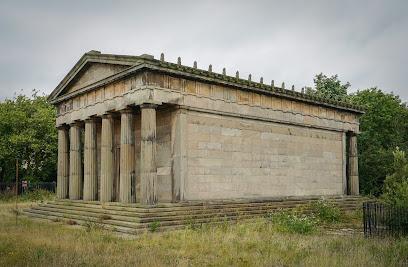
- Visit the Oratory to see monumental statues and experience the Greek Revival architecture that defines the cemetery’s historic character.
- Explore the broad ramps lined with catacombs carved into the rock face, a unique feature reflecting the site's quarry origins.
- Look for the William Huskisson memorial, a circular temple marking the grave of the Liverpool MP linked to the city's railway history.
- Enjoy the peaceful atmosphere and mature trees—this site feels more like a Victorian park than a traditional cemetery.

For the on-the-go comforts that matter to you
- Seating Areas
- Information Boards
- Trash Bins
Getting There
-
Bus
Take Liverpool City Line buses 10A or 10B from Liverpool One bus station; journey time approximately 15-20 minutes. Buses stop near Upper Parliament Street, within a short walk of the cemetery. Tickets cost around £2.50 GBP. Service frequency is every 15-30 minutes during the day.
-
Train
From Liverpool Lime Street Station, take a taxi or a 20-minute walk to St James Cemetery. Taxis cost approximately £6-£8 GBP. The walking route is mostly flat but includes some steps near the cathedral area.
-
Walking
From Liverpool city centre, a 15-25 minute walk through urban streets leads to the cemetery. Terrain is paved but includes some gentle slopes. Suitable for most visitors but may be challenging for wheelchair users due to steps and uneven surfaces.
St James Memorial Cemetery location weather suitability
-
 Any Weather
-
 Clear Skies
-
 Rain / Wet Weather
-
 Mild Temperatures
Discover more about St James Memorial Cemetery
From Quarry to Cemetery: The Birth of a Unique Urban Landmark
St James Memorial Cemetery occupies a distinctive place in Liverpool’s history, evolving from a stone quarry active since the 16th century into the city’s principal cemetery in the 19th century. By 1825, the quarry was exhausted, and the need for a new burial ground became urgent due to overcrowded churchyards. Following a public meeting and parliamentary act in 1826, funds were raised to develop the site into a cemetery. Architect John Foster Jr., together with landscaper John Shepherd, transformed the rugged quarry landscape into a Victorian cemetery of remarkable design and scale. The site was enclosed by stone walls and iron railings, featuring four gated entrances and a monumental archway, with a towering 52-foot eastern wall carved with 105 catacombs.Architectural Grandeur and Landscape Design
John Foster Jr.'s vision for St James Cemetery was inspired by the grandeur of Père Lachaise Cemetery in Paris. The cemetery’s layout includes winding paths, broad ramps, and catacombs carved into the rock face, creating a dramatic and evocative atmosphere. The Oratory, a Greek Revival chapel built on higher ground, served as a place for funeral services and now houses monumental statues recovered from the cemetery. Notable monuments include the circular temple marking the grave of William Huskisson, Liverpool’s MP famously killed at the opening of the Liverpool-Manchester railway. The cemetery’s design reflects the 19th-century fascination with Greek Revival architecture, which was widely adopted in Liverpool during that era.A Resting Place for Over 57,000 Souls
Between its opening in 1829 and closure in 1936, St James Cemetery was the final resting place for approximately 57,839 individuals, including notable figures such as William Huskisson and Sergeant Arthur Herbert Lindsay Richardson, a Victoria Cross recipient. The cemetery accommodated a wide social spectrum, with individual plots and mass burial pits for the poor, reflecting Victorian social realities. The last burial took place in July 1936, after which the cemetery was acquired by Liverpool Corporation and gradually transformed into a public garden.The Cemetery’s Transformation into a Public Park
Following decades of disuse and neglect, the site was converted into a public park by 1972, preserving its historic and natural features while removing most gravestones. The park retains an atmosphere more akin to a Victorian park than a traditional cemetery, with mature trees, winding paths, and open green spaces beneath the imposing Liverpool Cathedral. The natural spring discovered by quarry workers in the 18th century still flows within the grounds, adding to the site’s tranquil ambiance.Contemporary Significance and Preservation
Today, St James Memorial Cemetery is a Grade I listed historic park, recognized for its architectural and cultural importance. It offers visitors a unique blend of history, nature, and urban refuge, with the Oratory and remaining monuments providing poignant reminders of Liverpool’s past. The site’s conservation balances respect for its heritage with its role as a green space in the city centre, making it a valued destination for history enthusiasts, walkers, and those seeking contemplative tranquility.Exploring the Atmosphere and Legacy
Walking through St James Cemetery, you encounter a place where history and nature intertwine. The stone walls and iron gates frame views of the cathedral above, while the catacombs and ramps hint at the site’s somber origins. The park’s design invites reflection on Liverpool’s social history and architectural heritage. Despite the removal of many memorials, the site’s character remains evocative, offering a peaceful urban escape with a profound sense of place.Iconic landmarks you can’t miss

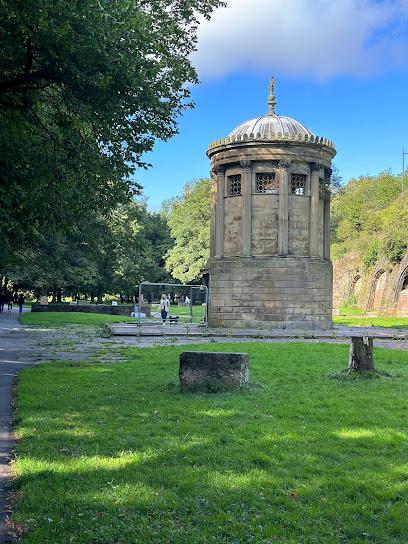
Huskisson Memorial
0.2 km
A solemn mausoleum in Liverpool honoring William Huskisson, the first prominent victim of a railway accident and a figure of complex historical legacy.
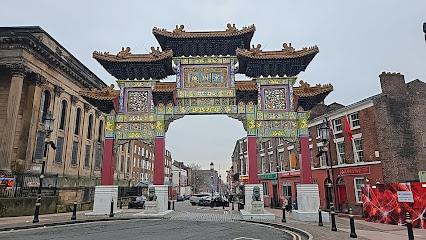
Chinese Arch
0.2 km
Europe’s tallest Chinese ceremonial arch, a vibrant gateway to Liverpool’s historic Chinatown and symbol of enduring cultural ties with Shanghai.
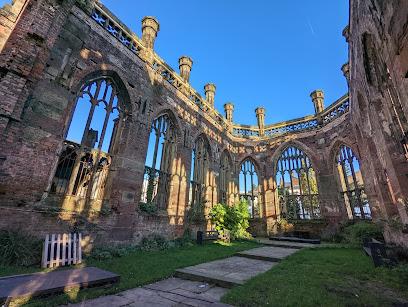
St Luke’s Bombed Out Church
0.4 km
A roofless Gothic memorial where wartime tragedy transformed into cultural renaissance and timeless celebration.
The Christmace Truce Memorial Statue - St Luke's Church
0.4 km
A powerful tribute to the 1914 Christmas Truce, set within Liverpool’s evocative Bombed Out Church, symbolizing peace and unity amid war.
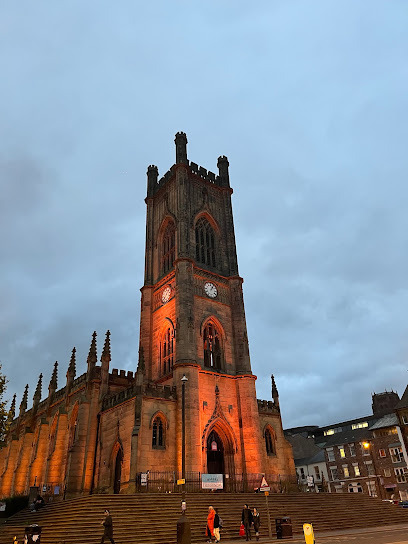
Red Brick Market Liverpool
0.7 km
Discover the eclectic charm of Red Brick Market in Liverpool, a hub for local crafts, delicious street food, and vibrant community events.
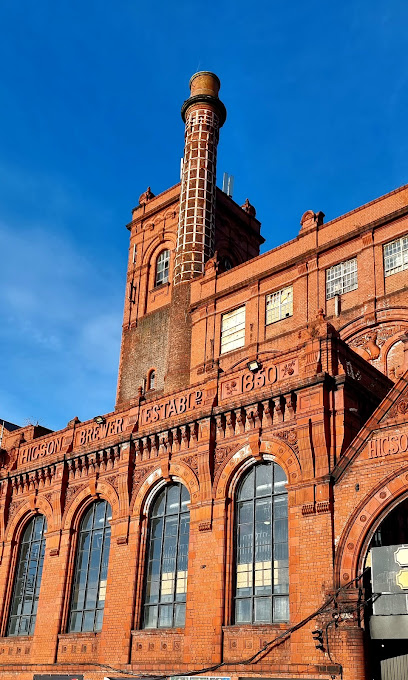
The Bluecoat
0.9 km
Experience the vibrant art scene at The Bluecoat, Liverpool's oldest art center, showcasing contemporary exhibitions and cultural events.
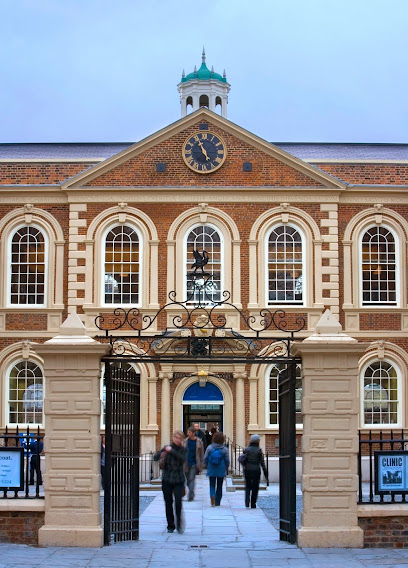
'The Great Escape' statue
1.0 km
A powerful bronze horse symbolising freedom and human liberation at Liverpool's historic waterfront.
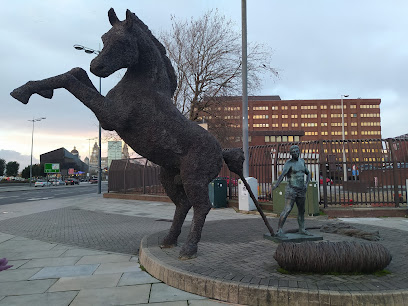
Old Wall Arch Albert Dock UK
1.0 km
Historic Georgian gateway at Liverpool’s Albert Dock, blending maritime heritage with vibrant cultural life and scenic waterfront charm.
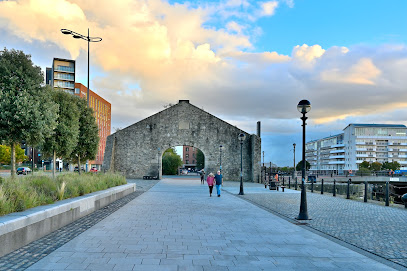
Coopers Building
1.0 km
Discover Coopers Building, a striking early 20th-century landmark that enriches Liverpool’s historic Church Street with timeless architectural charm.
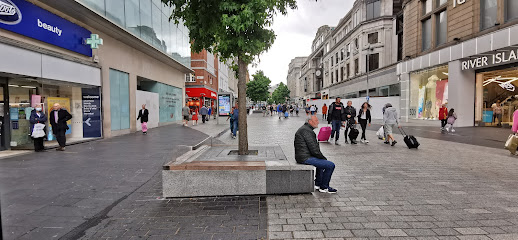
St Johns Beacon Viewing Gallery
1.0 km
Discover breathtaking views of Liverpool from St Johns Beacon Viewing Gallery, an iconic landmark blending history, culture, and stunning panoramas.
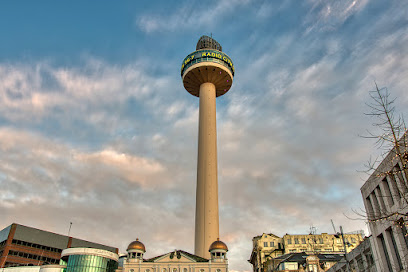
Viewing window to the Old Dock
1.0 km
Step through a glass window into the world’s first commercial wet dock, the birthplace of Liverpool’s global maritime legacy.
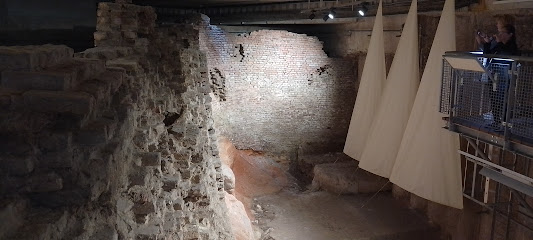
Salthouse Dock Liverpool - UK
1.1 km
Explore Salthouse Dock, Liverpool's historic waterfront, where maritime heritage meets vibrant culture and stunning views.
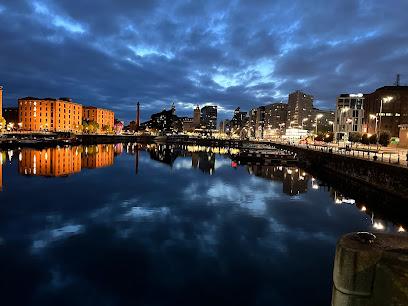
Albert Dock Pride Sculpture
1.1 km
A vibrant public artwork at Liverpool’s Royal Albert Dock celebrating LGBTQ+ pride, diversity, and the city’s rich maritime heritage.
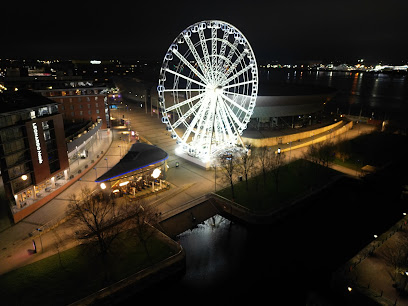
Dukes Dock Liverpool
1.1 km
Explore Duke's Dock in Liverpool, a scenic waterfront gem rich in maritime history, perfect for leisurely strolls, dining, and cultural experiences.
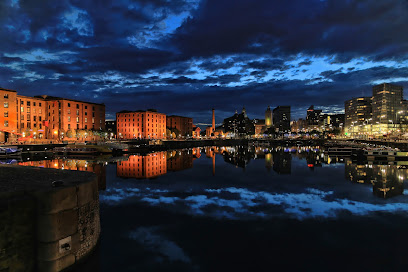
Shiverpool
1.1 km
Explore Liverpool's haunted history with Shiverpool's thrilling ghost tours, where every step unveils chilling tales of the city's spectral past.
Unmissable attractions to see

The Oratory
0.0 km
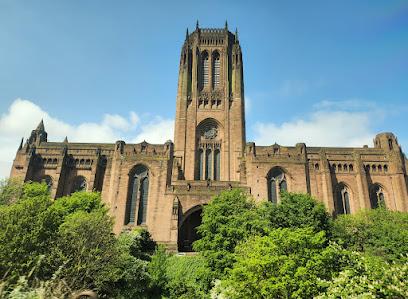
A solemn Greek Revival chapel in Liverpool, The Oratory stands as a timeless tribute to Victorian funerary art and architecture.
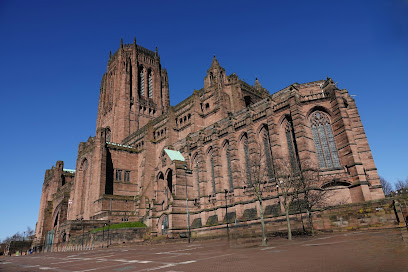
Church of England Cathedral of the Diocese of Liverpool
0.1 km
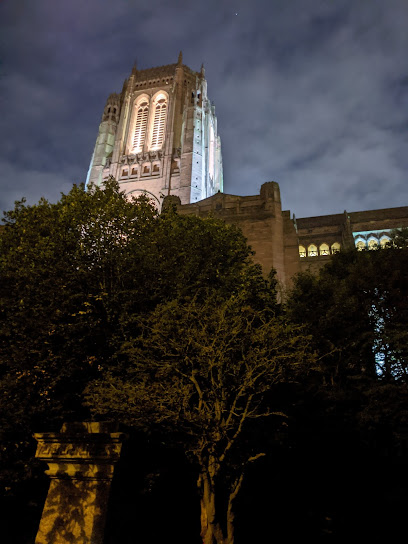
Explore Britain’s largest cathedral, a monumental Gothic masterpiece with breathtaking interiors and panoramic city views atop its iconic central tower.
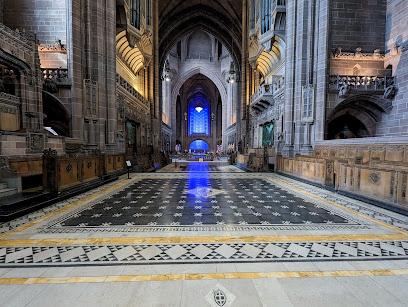
Liverpool Cathedral
0.1 km
Britain’s largest cathedral, a red sandstone giant with soaring vaults, stained glass and panoramic city views from its tower.
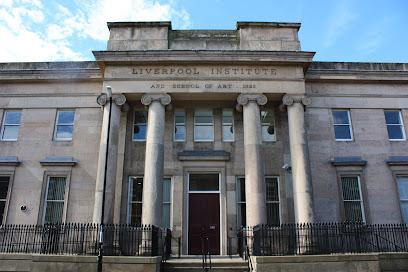
Liverpool Institute for Performing Arts
0.2 km
A historic Grade II listed performing arts university in Liverpool, founded by Paul McCartney, blending rich heritage with cutting-edge creative education.
St James Mount And The Gardens
0.2 km
Historic gardens and tranquil green space beneath Liverpool Cathedral, blending quarry heritage, Victorian cemetery remnants, and a natural spring.
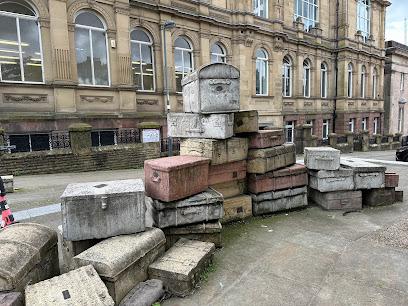
"A Case History" by John King
0.2 km
Stacked concrete suitcases honoring Liverpool's legendary citizens on Hope Street's historic Georgian pavements.
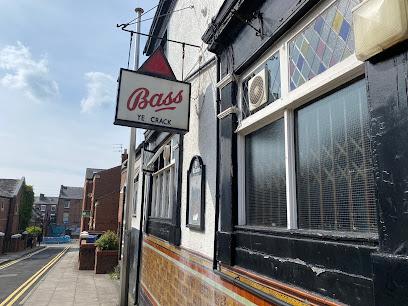
Ye Cracke
0.2 km
Historic Liverpool pub famed for its Beatles connections, cozy multi-room layout, and traditional cask ales in the heart of the Georgian Quarter.
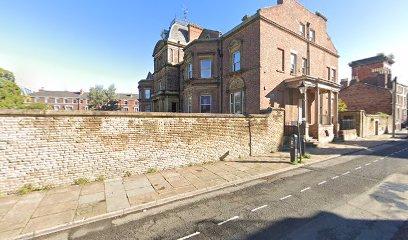
Blackburne House
0.3 km
Historic Georgian landmark in Liverpool, pioneering girls’ education and women’s empowerment since 1844.
China Town - Liverpool
0.3 km
Experience the vibrant heart of Liverpool’s Chinese community with authentic cuisine, iconic architecture, and lively cultural celebrations on Nelson Street.
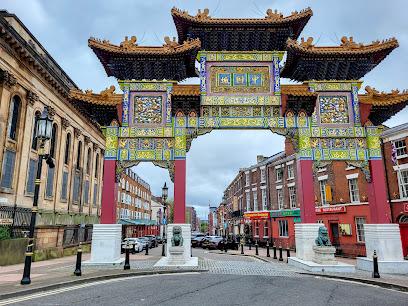
Unity Theatre
0.3 km
Historic and vibrant political theatre in Liverpool offering intimate performances and a strong community spirit since 1936.
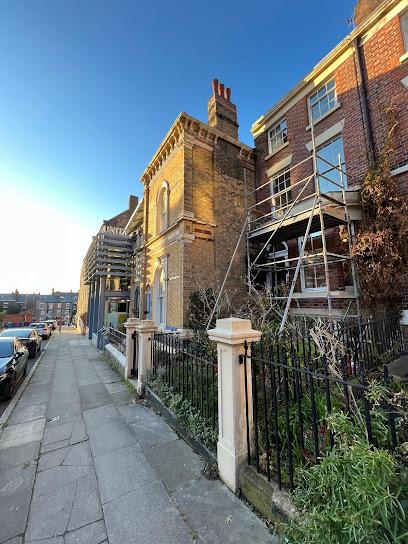
Quirky Quarter
0.3 km
Dive into Liverpool’s playful world of illusions, puzzles, and quirky exhibits at Quirky Quarter, where creativity and fun collide.
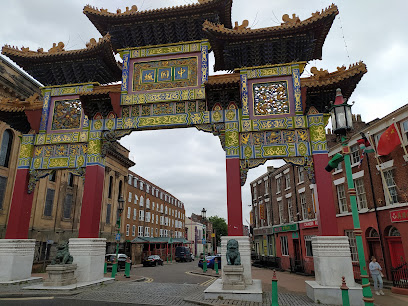
Georgian Quarter
0.3 km
Historic elegance meets vibrant culture in Liverpool’s Georgian Quarter, a charming neighborhood of classic architecture and creative spirit.

Royal Liverpool Philharmonic
0.4 km
Experience world-class music and stunning Art Deco elegance at Liverpool’s iconic Royal Philharmonic Hall on Hope Street.
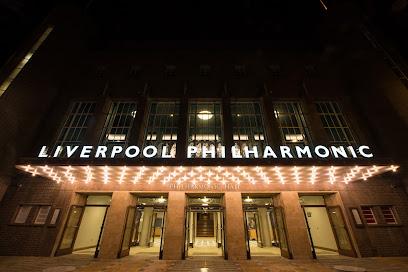
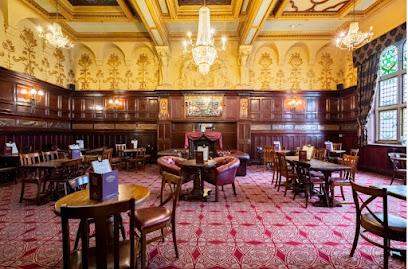
The Philharmonic Dining Rooms
0.4 km
Historic Grade I-listed pub on Hope Street offering classic British dishes, exquisite Victorian-Baroque interiors, and a warm Liverpool welcome.
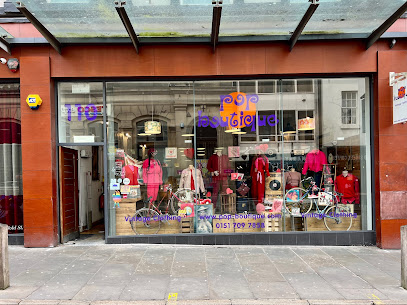
Pop Boutique
0.5 km
Discover timeless style and sustainable fashion at Pop Boutique, Liverpool’s vintage clothing gem on Bold Street.
Essential places to dine

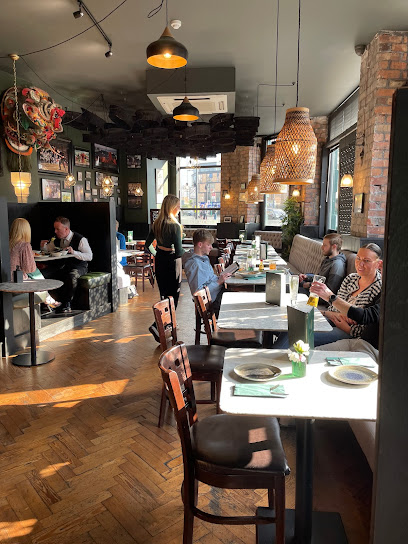
Chamber 36 City Centre
0.2 km
Discover vibrant Pan-Asian flavors and crafted cocktails in a serene, stylish setting at Liverpool’s Chamber 36 City Centre.
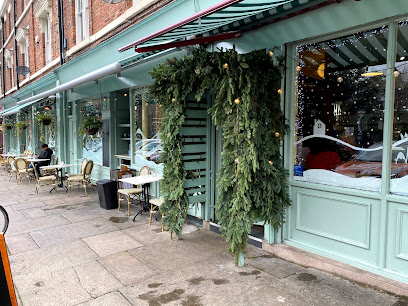
The Quarter
0.3 km
Vibrant Mediterranean dining with fresh Italian flavours in Liverpool’s historic Georgian Quarter, open daily till late.
The London Carriage Works
0.3 km
Historic elegance meets refined British cuisine in Liverpool’s boutique Hope Street Hotel dining gem.
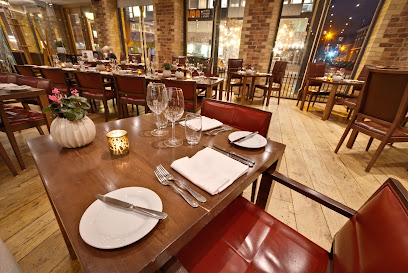
Cowshed Liverpool
0.3 km
A cozy, intimate steakhouse in Liverpool’s city centre, serving expertly cooked beef with attentive service and a unique historic setting.
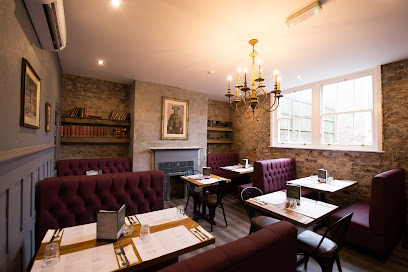
The Art School Restaurant
0.4 km
Elegant fine dining in a stunning Victorian setting near Hope Street, blending local ingredients with artistic culinary flair.
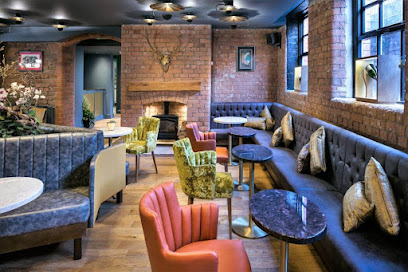
Roski Restaurant
0.4 km
An intimate Modern British dining experience in Liverpool, blending MasterChef-winning creativity with seasonal elegance and warm hospitality.
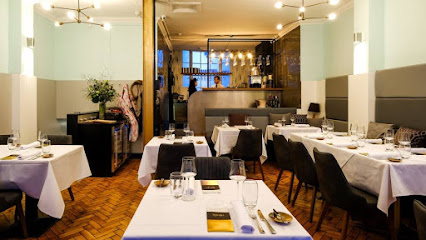
La Finca Eivissa
0.5 km
Experience the vibrant spirit of Ibiza with fusion tapas, cocktails, and live DJs in the heart of Liverpool city centre.
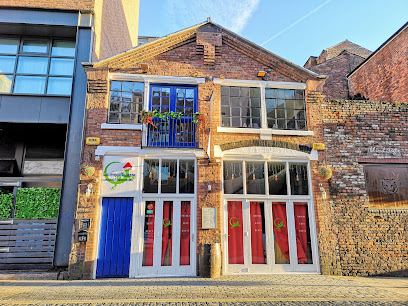
Restaurants Liverpool
0.5 km
Authentic Italian cuisine meets Liverpool’s creative Baltic Triangle in a stylish, welcoming setting perfect for casual daytime dining.
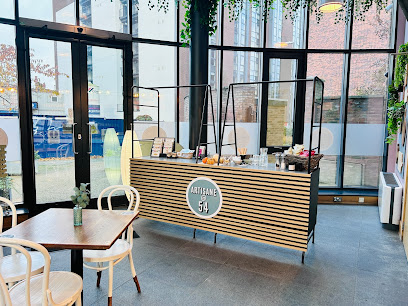
Maray Bold Street
0.5 km
Discover vibrant Mediterranean and Middle Eastern small plates with bold flavours and plant-based options in the heart of Liverpool’s Bold Street.
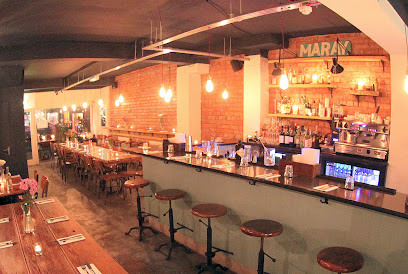
The Italian Club
0.5 km
Experience authentic Italian flavors and warm hospitality in the heart of Liverpool’s Bold Street at The Italian Club.
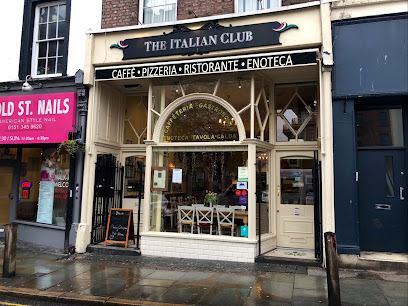
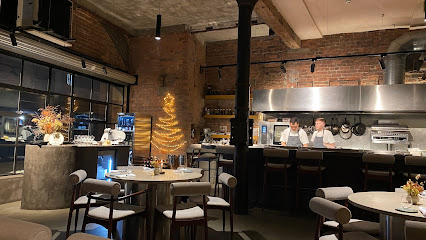
Manifest Restaurant
0.5 km
Creative modern British cuisine in Liverpool’s vibrant Baltic Triangle, featuring an open kitchen and bold, seasonal dishes in an intimate setting.
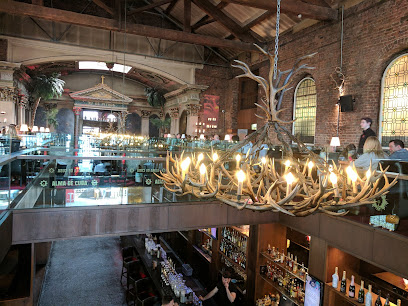
Alma De Cuba
0.5 km
Experience vibrant Cuban culture and cuisine in Liverpool’s stunning former St Peters Church, blending historic charm with lively dining and entertainment.
Mowgli Street Food Bold Street
0.5 km
Experience authentic Indian street food bursting with bold flavors in a lively Liverpool setting on Bold Street.
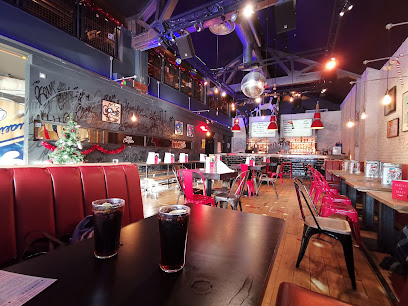
Almost Famous Liverpool
0.6 km
Big, messy burgers and loud, fun vibes in a graffiti-covered diner on Liverpool’s Parr Street.
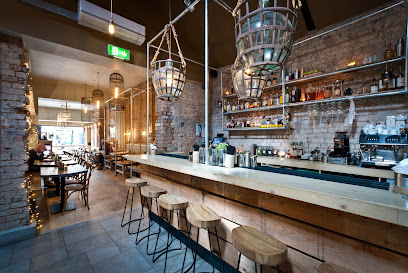
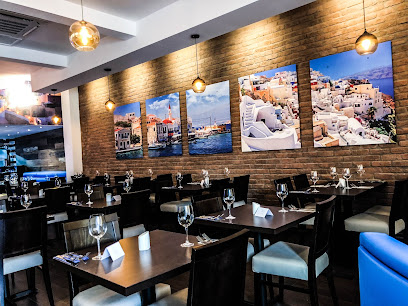
Greek Taverna Bold Street
0.6 km
Experience authentic Greek cuisine and vibrant Mediterranean hospitality in the heart of Liverpool’s Bold Street.
Markets, malls and hidden boutiques

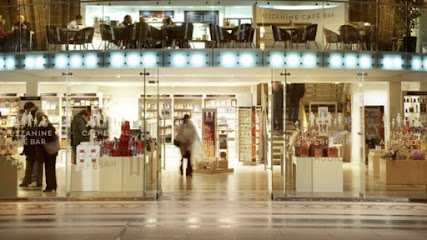
Liverpool Cathedral Shop
0.1 km
Discover unique gifts and spiritual treasures at Liverpool Cathedral Shop, supporting heritage and community within Britain’s largest cathedral.
Gift Insanity
0.5 km
Discover Liverpool’s most delightful gift shop, where quirky and unique treasures await every occasion on St James Street.
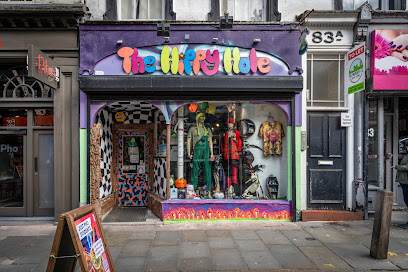
The Hippy Hole
0.5 km
Discover handmade tie-dye fashion and bohemian treasures bursting with color and spirit on Liverpool’s vibrant Bold Street.
69A
0.5 km
Discover unique antiques and vintage treasures in Liverpool’s vibrant Renshaw Street at 69A, where history meets style.
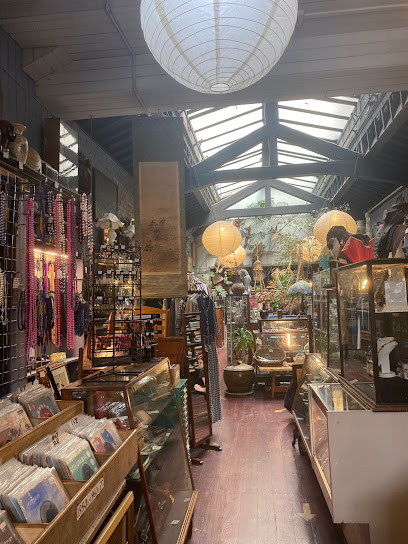
Shared Earth
0.5 km
Discover unique, sustainable gifts at Shared Earth, Liverpool’s hub for fair trade treasures and ethical craftsmanship.
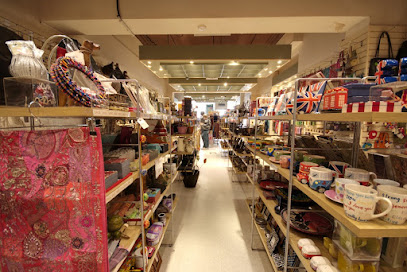
Utility Gift Store
0.5 km
Quirky gifts and unique designs on Liverpool's Bold Street – your indie haven for Moomin magic, scented candles, and cards that say it best. Dog-friendly delight.
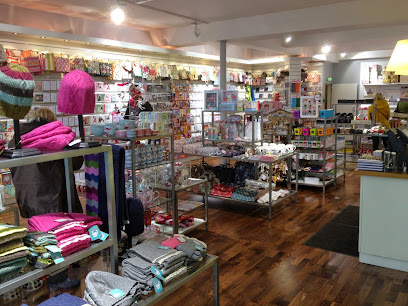
Unique Fashion Boutique
0.6 km
Discover exclusive ladies' fashion and accessories in a cozy Liverpool boutique known for personalized style and unique collections.
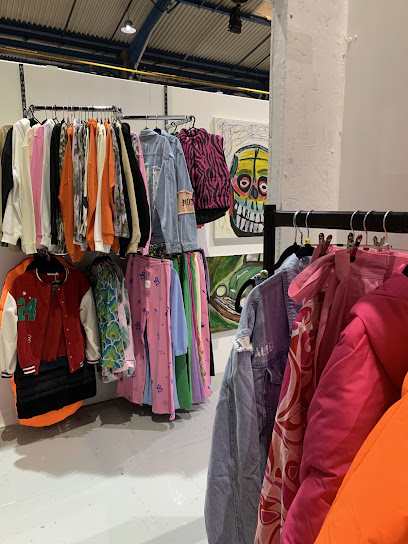
Ingraved Alternative Gift Store
0.6 km
Discover unique, handcrafted gifts and art in Liverpool’s vibrant Red Brick Market at Ingraved Alternative Gift Store.
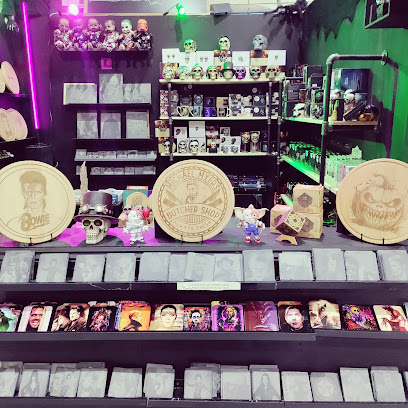
The Liverpool Crystal Shop
0.6 km
Discover shimmering crystals and healing gems in Liverpool's edgy Red Brick Market, where Baltic Triangle creativity meets earth's ancient energies.
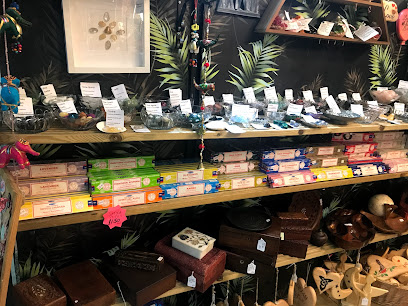
Beat That
0.7 km
Unearth retro gems at Beat That, Liverpool's quirky vintage haven on Concert Street, blending punk edge with timeless thrift treasures in the Ropewalks buzz.
Resurrection
0.7 km
Liverpool's legendary streetwear haven: vintage roots, branded edge, tattoos, barber, records, and café vibes on bohemian Bold Street.
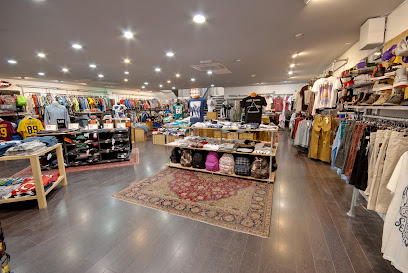
COW Liverpool
0.7 km
A compact Bold Street vintage haven where curated retro clothes, approachable staff and frequent one-off finds reward close, unhurried browsing.
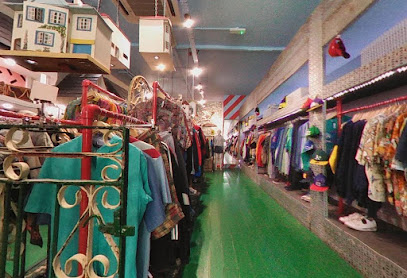
Bleu Prints
0.9 km
Stylish clothing boutique in Liverpool's vibrant L1, curating unique apparel and accessories for fashion-forward urban explorers.
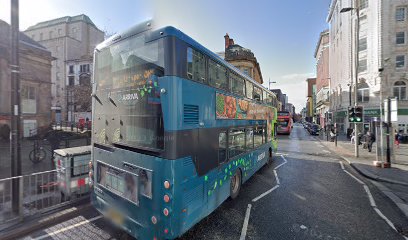
Albert Dock Mini Market (previously named Hajaj General Super Store)
0.9 km
Discover local flavors and convenience at Albert Dock Mini Market, the heart of Liverpool’s grocery shopping, offering a vibrant selection for every traveler.
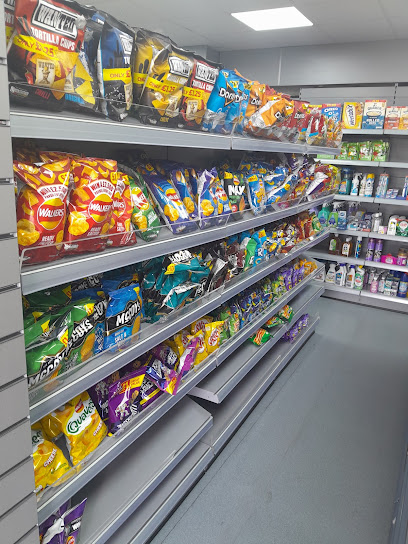
Utility
0.9 km
Independent Liverpool gift shop specialising in quirky, design-led presents, cards and small homewares with a friendly, well-curated atmosphere.
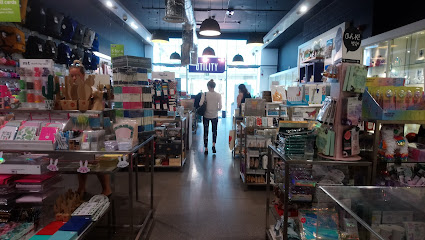
Essential bars & hidden hideouts

Berry and Rye
0.3 km
Knock to uncover Liverpool's speakeasy soul: jazz-infused cocktails, whiskey whispers, and Prohibition magic behind Berry Street's black door.
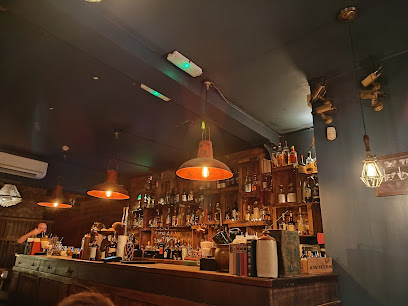
Red Door
0.3 km
A lively cocktail bar on Berry Street offering expertly crafted drinks, vibrant music, and a buzzing rooftop atmosphere in the heart of Liverpool.
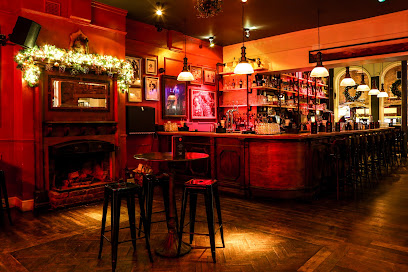
The Oracle
0.3 km
Liverpool's secret speakeasy where cocktails meet close-up magic—buzz in for illusions, tarot, and vintage vibes that defy reality.
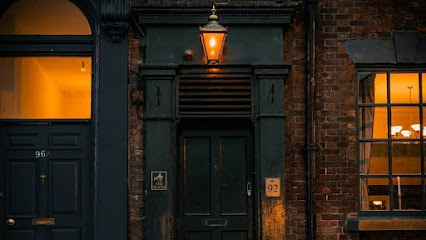
Salt Dog Slim's
0.4 km
Liverpool's dive bar legend: world beers, fiery cocktails, chili dogs, and secret speakeasy vibes on Seel Street.
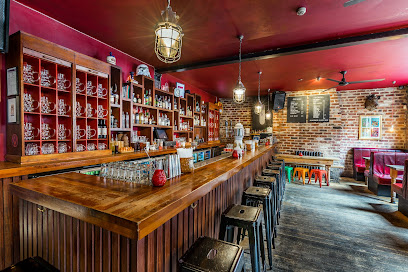
Bar Bodega
0.4 km
Liverpool's underground disco den: Ibizan house beats in a brick cellar nightclub, pulsing late into the night with cocktails and private party vibes.
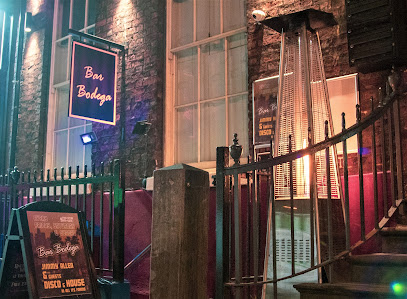
Liverpool Arts Bar
0.5 km
A vibrant creative hub in a historic Masonic Hall, blending local art, live performances, and crafted drinks on Liverpool’s iconic Hope Street.
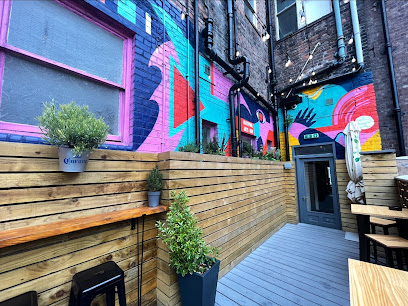
Hobo Kiosk
0.5 km
Liverpool's tiniest, quirkiest pub: vintage chaos, craft pours, and community vibes in the Baltic Triangle's creative heart.
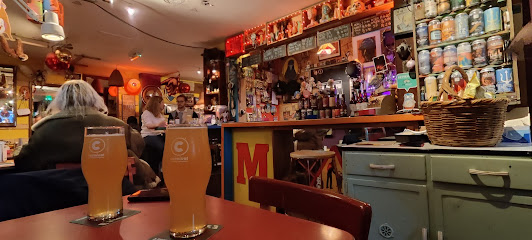
The Pen Factory
0.5 km
Industrial-chic bistro bar on Liverpool’s Hope Street with seasonal small plates, lively atmosphere, and a popular beer garden.
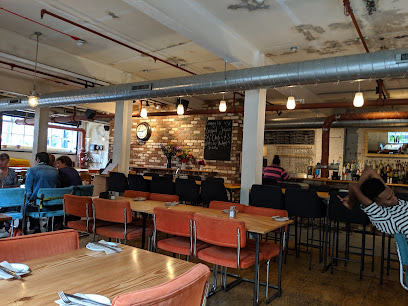
MOLOKO
0.5 km
A music-led cocktail bar in the Old Stables with a beer garden, late DJs and an over-25s disco energy for evening socialising.
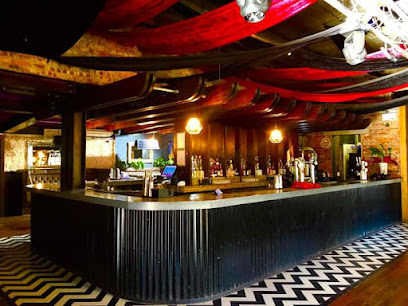
Botanical Garden
0.6 km
A plant‑filled, seasonal outdoor bar in the Baltic Triangle specialising in gin, street food and relaxed live music under festoon lights.
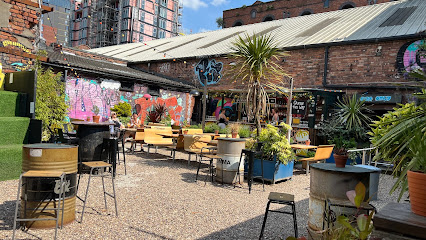
The Duck and Swagger
0.6 km
Cozy Baltic Triangle pub serving hearty scouse, all-day brekkies, and local ales in multi-roomed splendor—Liverpool's welcoming hidden gem.
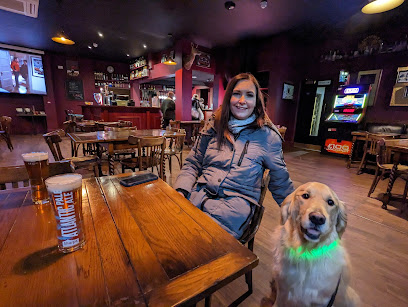
The Font
0.6 km
A lively Liverpool bar famed for cheap cocktails, homemade burgers, and a welcoming atmosphere since 2001.
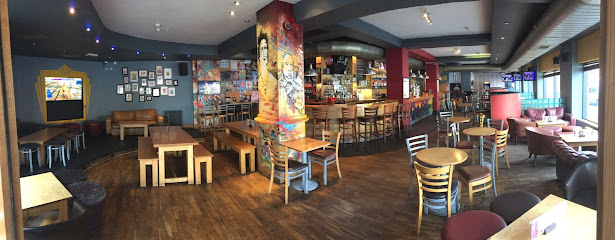
Arts Bar Baltic
0.6 km
A studio‑style café by day and intimate music-and-art bar by night in Liverpool’s Baltic Triangle.
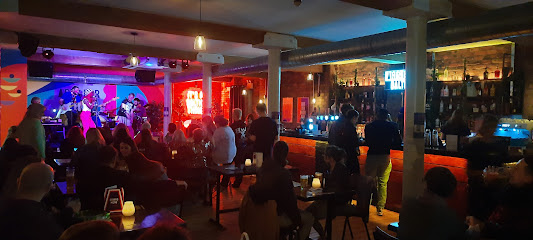
The Tank Room
0.6 km
Liverpool's ruin bar in a fermentation tank: tank-fresh beers, live music, cocktails, and industrial quirk in Cains Brewery Village.
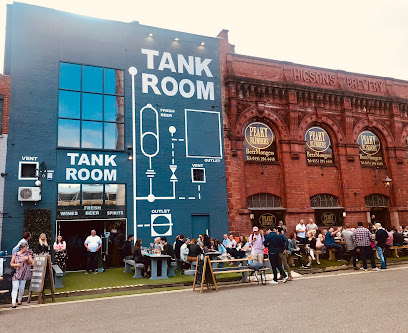
Sub Rosa
0.6 km
Quirky outdoor bar in Liverpool's Baltic Triangle: fire pits, craft brews, street food, and industrial charm for unforgettable gatherings under glitter balls and warehouse skies.
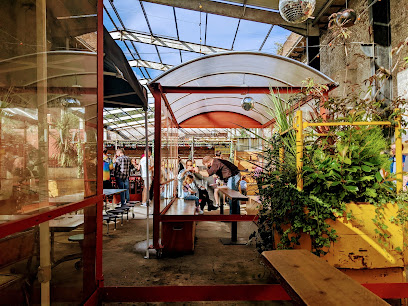
Nightclubs & after hour spots

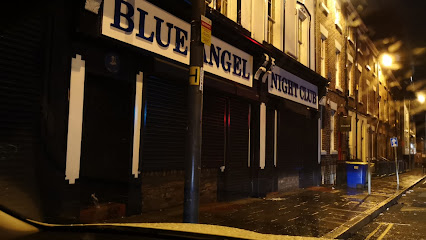
The Blue Angel Nightclub
0.3 km
Liverpool's dingy dive for 60s rock legends, dirt-cheap drinks, and sweaty throwback dances—where The Beatles once rocked and students still rage till dawn.
Cool It
0.4 km
A multi-level, student-friendly nightclub on Seel Street offering loud DJ nights, bargain entry and packed late‑night dancefloors.
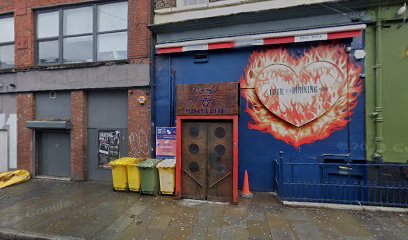
Heebie Jeebies
0.5 km
Liverpool's eclectic nightlife heart: multi-level bar, live music basement, courtyard hangs, and anthemic nights until dawn on Seel Street.
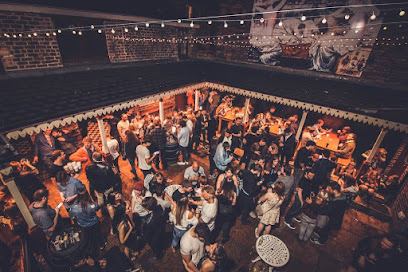
Pure Nightlounge
0.5 km
Liverpool’s boutique R&B nightspot with VIP booths, tight dancefloor energy and a late-night, fashion-forward vibe.
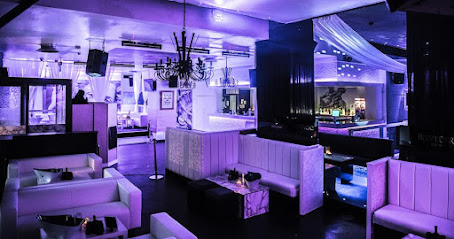
EBGBS
0.5 km
Liverpool's gritty basement nightclub where live indie gigs, craft cocktails, and underground vibes fuel epic nights until 4am in the heart of Seel Street.
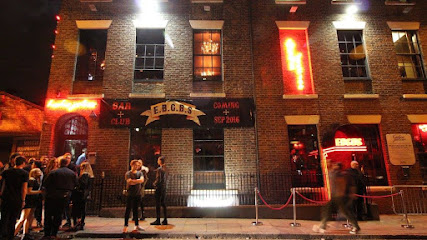
BrooklynMixer
0.5 km
Liverpool's original R&B haven on Seel Street: three floors of hip-hop beats, craft cocktails, leather lounges, and private party vibes from dusk till dawn.
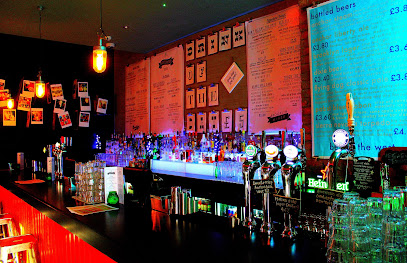
Ink Bar Liverpool
0.6 km
Liverpool's premier R&B and house nightclub, where stylish cocktails, thumping beats, and luxury vibes fuel unforgettable nights on Wood Street.
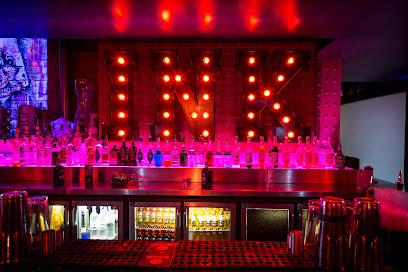
Baa Bar Liverpool
0.6 km
Two floors of house and R&B beats, £2 shooters, and courtyard vibes in Liverpool's nightlife epicenter—perfect for students and party-hoppers alike.
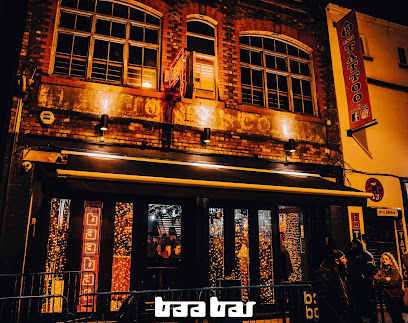
Aura
0.6 km
Dive into Liverpool's pulsating beats at Aura Nightclub, where Afrobeats and R&B fuel intimate, high-energy nights in Ropewalks' vibrant core.
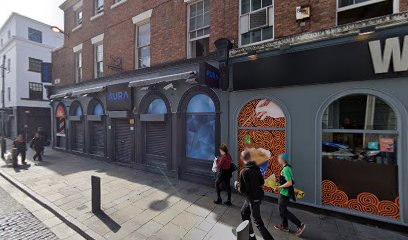
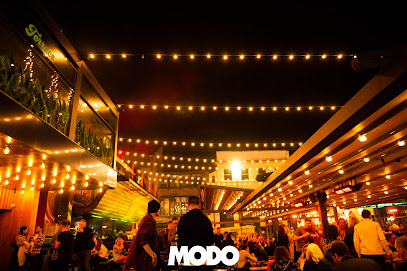
Modo, Liverpool
0.7 km
Liverpool's Concert Square legend: multi-room nightclub with cocktails, sports screens, heated terrace, and epic party spaces for every vibe.
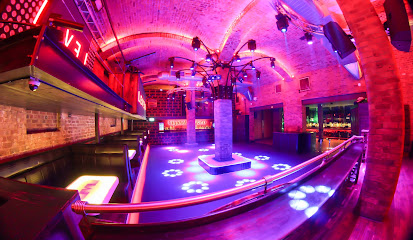
LEVEL Nightclub Liverpool
0.7 km
Liverpool’s expansive multi-floor nightclub offering diverse music, VIP areas, and a buzzing party atmosphere in the heart of Ropewalks.
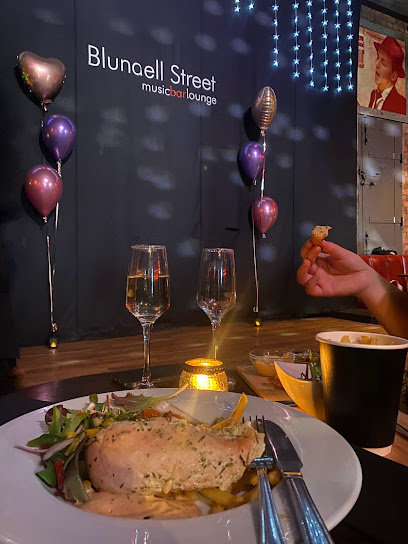
Supper Club at Blundell Street
0.7 km
Liverpool's ultimate supper club: fuel up on hearty meals, then dance the night away to drag shows, tributes, and non-stop hits near Echo Arena.
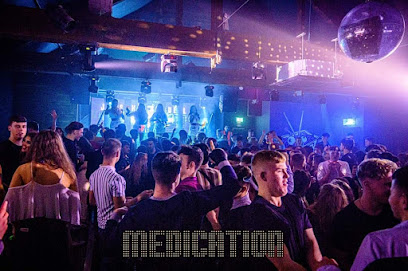
ELECTRIK WAREHOUSE
0.8 km
Liverpool's multi-floor warehouse nightclub: three dance floors of dance, RnB, indie, and chart hits in quirky industrial surrounds, open Thu-Sat till 4am.
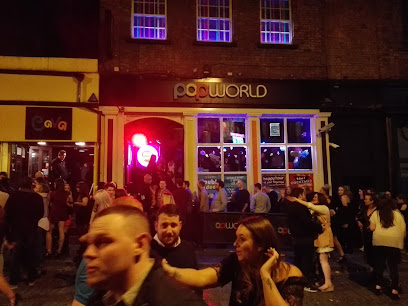
Popworld - Liverpool
0.8 km
Liverpool's ultimate cheesy pop haven: 90s bangers, cheap drinks, and dance-'til-dawn vibes in the heart of Ropewalks.
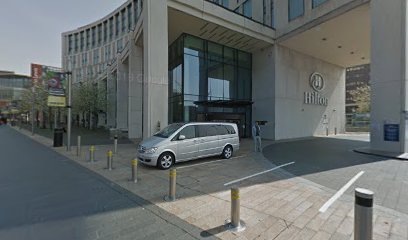
Playground Liverpool
1.1 km
Liverpool's luxury nightclub haven in the Hilton, pulsing with upscale beats by the Mersey waterfront – exclusive nights await in the heart of the city.
For the vibe & atmosphere seeker
- Tranquil
- Scenic
- Unique
- Relaxing
For the design and aesthetic lover
- Vintage Styles
- Rustic Designs
For the architecture buff
- Historic
- Landmarks
- Sacred Sites
For the view chaser and sunset hunter
- Iconic Views
- Panoramas
For the social media creator & influencer
- Instagrammable
- Photo Spots
- Architectural Shots
For the eco-conscious traveler
- Protected Area
- Public-Transport Accessible
- Locally Managed
For the kind of experience you’re after
- Cultural Heritage
- Photowalk
- Nature Escape
- Day Trip
- Weekend Getaway
For how adventurous you want the journey to be
- Easy Access
Location Audience
- Family Friendly
- Senior Friendly
- Child Friendly
- Teen Friendly
- Wheelchair Access
- Pet Friendly
- Solo Friendly
- Couple Friendly


